Wood-Fired in Wenzhou: Where Italian Craft Meets Chinese Ingredient Logic Wenzhou has long been defined by its outward-facing commercial energy, a city whose diaspora spread Italian leather and textile trade across Europe while the city itself...
 Discover on Pearl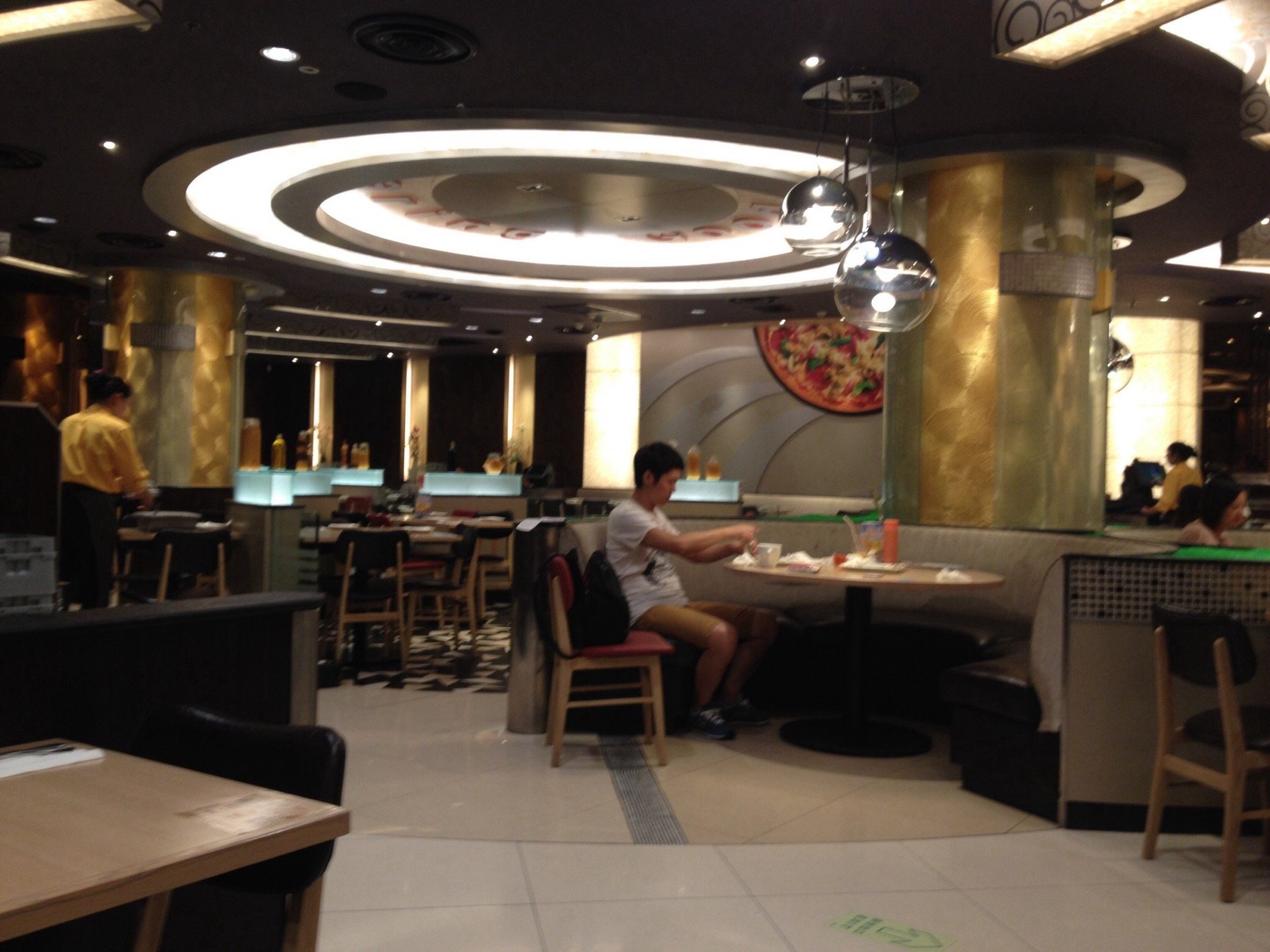
Wood-Fired in Wenzhou: Where Italian Craft Meets Chinese Ingredient Logic
Wenzhou has long been defined by its outward-facing commercial energy, a city whose diaspora spread Italian leather and textile trade across Europe while the city itself quietly absorbed influences that moved in the opposite direction. In that context, a kiln-fired pizza cafe at address 57 is less surprising than it might appear on first read. The city's familiarity with Italian commerce created an appetite, literal and cultural, for Italian food formats well ahead of most second-tier Chinese cities. The wood-fired oven as a vessel for that exchange sits at the center of what 57号窑烤披萨咖啡馆 offers.
The kiln, or 窑 (yáo), is not incidental to the concept. In Chinese ceramics tradition, the kiln represents transformation through extreme heat and careful timing, principles that apply with equal force to Neapolitan-style pizza. The dough enters a wood-fired chamber at temperatures exceeding 400 degrees Celsius and emerges in under two minutes with a leopard-spotted crust and a char that no deck oven can replicate. This is the production logic that separates kiln-fired pizza from the category broadly, and it is why the word appears in the venue's name rather than being treated as a background detail.
The shortlist, unlocked.
Hard-to-book tables, cellar releases, and concierge-planned trips.
Get Exclusive Access →Ingredient Origin and the Question of Local vs. Imported
The ingredient sourcing debate in Chinese pizza restaurants is sharper than it appears from the outside. Operators face a structural choice: import Italian 00 flour, San Marzano tomatoes, and fior di latte for authenticity, or work with domestic alternatives that perform differently in a high-heat kiln environment. The resolution is rarely binary. Wenzhou's coastal position gives it access to seafood supplies that would make any Italian coastal city envious, and the eastern Zhejiang agricultural belt produces vegetables, aromatics, and cured products that can substitute for or enhance Italian sourcing in ways that mainland inland cities cannot easily replicate.
This sourcing logic matters because it determines what a wood-fired pizza cafe in Wenzhou can legitimately claim. A cafe that imports its base ingredients wholesale can offer proximity to a Neapolitan template; one that integrates Zhejiang produce into its topping vocabulary is doing something more interesting and harder to replicate. The distinction is worth asking about when you visit. For comparison with how sourcing shapes identity in Chinese restaurant contexts more broadly, Jiangnan Wok‧Rong in Fuzhou and Ru Yuan in Hangzhou each demonstrate how regional ingredient provenance becomes a defining editorial statement rather than a footnote.
Wenzhou's own culinary tradition is not passive in this equation. The city's food culture leans toward clean, product-led flavors, less sauce-heavy than Sichuan, less sweet than Shanghai, with a preference for preserved and fermented profiles that actually harmonize with the acidity of a San Marzano base. That alignment is not accidental. It is the reason that Italian food, done well, lands with local audiences in Wenzhou in a way that might require more translation elsewhere.
The Cafe Format in a City of Restaurants
Wenzhou's dining scene skews toward banquet-format Chinese restaurants serving the city's substantial business community. The cafe format, with its lower table counts, shorter menus, and more casual service rhythm, operates in a different register. It draws a younger demographic and a different occasion type: afternoon with friends, weekend lunch, post-shopping coffee stop that extends into dinner. This is the social format that wood-fired pizza cafes in Chinese cities have claimed most successfully, positioning themselves against third-wave coffee shops and casual international dining rather than against full-service restaurants.
The practical result is that a visit to 57号窑烤披萨咖啡馆 is structured differently from a meal at, say, Imperial Treasure Fine Chinese Cuisine in Guangzhou or Chef Tam's Seasons in Macau. There is no ceremony around the table. The experience is closer in register to La Strada Italian Restaurant in Changzhou, which also operates in the niche of Italian dining embedded in a city whose core dining identity is Chinese. These cafes succeed or fail on the quality of the core product and the sourcing intelligence behind it, not on service choreography or cellar depth. For further context on the wider Wenzhou dining scene, our full 温州市 restaurants guide maps the city's current range.
What to Order and How to Think About the Menu
At any wood-fired pizza operation, the margherita functions as a calibration tool. If the tomato sauce carries the right acidity, the mozzarella retains moisture without turning the base soggy, and the crust achieves char without bitterness, the kitchen understands its oven. That single pizza tells you more about sourcing discipline and heat management than any other item on the menu. Start there before moving to more complex combinations.
Beyond pizza, wood-fired cafes in China typically extend their oven to other applications: roasted vegetables, bread, sometimes protein preparations that benefit from the radiant heat profile. These secondary items vary considerably in execution and represent the kitchen's confidence in working outside the pizza template. When sourcing is the frame, these dishes are where local ingredient decisions become most visible. A roasted seasonal vegetable from the Zhejiang growing region will read differently on the plate than an imported equivalent, and that difference is worth paying attention to.
For reference points on how Italian formats translate in other Chinese cities, 102 House in Shanghai and Fleurs Et Festin in Xiamen both operate in the broader space of European-influenced dining within Chinese urban contexts, though at different price and format positions.
Planning Your Visit
57号窑烤披萨咖啡馆 is located in Wenzhou, Zhejiang province. Given the cafe format, peak hours are likely to cluster around weekend lunchtimes and early evenings rather than the late dinner seatings typical of full-service Chinese restaurants. Phone and website details are not currently listed in EP Club's database; the most reliable approach is to locate the venue through Chinese mapping platforms such as Amap or Baidu Maps using the venue name in Chinese characters. These platforms also carry current user reviews that can supplement any advance planning. Dress expectations at casual cafe formats in Chinese cities are relaxed; there is no formal standard at this category of venue. For travelers building a broader China itinerary, the dining range extends from Wenzhou to destinations including Xin Rong Ji (Xinyuan South Road) in Beijing, Dingshan·Jiangyan (Xiangcheng) in Suzhou, and further afield to Shang Palace in Yangzhou or Ensue - Hotel in Shenzhen.
The shortlist, unlocked.
Hard-to-book tables, cellar releases, and concierge-planned trips.
Get Exclusive Access →Frequently Asked Questions
Comparable Spots, Quickly
These are the closest comparables we have in our database for quick context.
| Venue | Cuisine | Price | Awards | Notes |
|---|---|---|---|---|
| 57号窑烤披萨咖啡馆 | This venue | |||
| Fu He Hui | Vegetarian | ¥¥¥¥ | Michelin 2 Star | Vegetarian, ¥¥¥¥ |
| Aji | Nikkei, Innovative | $$$$ | Michelin 1 Star | Nikkei, Innovative, $$$$ |
| Five Foot Road | Sichuan | $$ | Michelin 1 Star | Sichuan, $$ |
| Jing | French Contemporary | ¥¥¥ | Michelin 1 Star | French Contemporary, ¥¥¥ |
| Lai Heen | Cantonese | $$$ | Michelin 1 Star | Cantonese, $$$ |
Need a table?
Our members enjoy priority alerts and concierge-led booking support for the world's most difficult tables.
Get Exclusive AccessThe shortlist, unlocked.
Hard-to-book tables, cellar releases, and concierge-planned trips.
Get Exclusive Access →