Lisa en Cuisine
Lisa en Cuisine occupies a residential address in Strasbourg's southern quarters, operating within a city where Alsatian cooking traditions and French fine-dining ambitions frequently converge. The restaurant sits in a tier of neighbourhood-rooted addresses that position themselves away from the tourist corridors of the Grande Île, drawing a local clientele that prizes consistency and craft over spectacle. Booking ahead is advisable, particularly on weekend evenings.
Pearl is the En Primeur Club membership app — saves, bookings, and concierge access live there. Same editors, same standards.
- Address
- 13 Rue de Bourtzwiller, 67100 Strasbourg, France
- Phone
- +33648263398
- Directions
- Get directions
 Saves & bookings on Pearl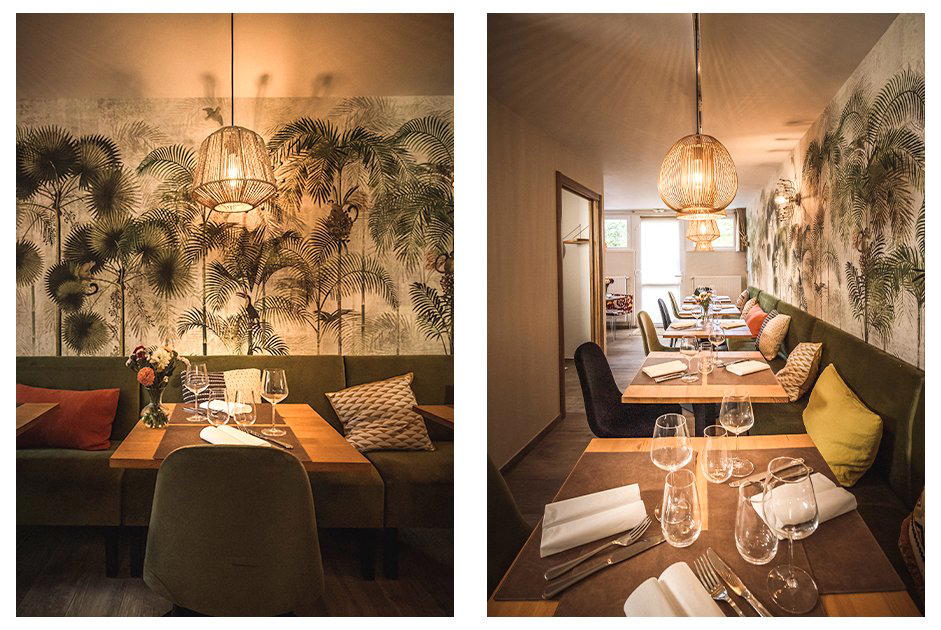
A Strasbourg Address That Operates at a Remove from the Centre
Strasbourg's dining geography divides more sharply than most French cities of its size. The Grande Île concentrates the headline addresses, the rooms with historic pedigree, the places that appear in guidebooks and attract visitors crossing from Germany or arriving on the train from Paris. But a parallel circuit of serious restaurants has always operated further out, in residential neighbourhoods where rents are lower and the clientele is predominantly local. Lisa en Cuisine, at 13 Rue de Bourtzwiller in the 67100 district, belongs to that second geography. It is a French Market Bistro in Strasbourg, priced at about $25 per person. It is not a destination for tourists orientating themselves by the cathedral; it is a neighbourhood restaurant in the French sense of the term, which means something more demanding than the English equivalent.
In France, the neighbourhood restaurant that earns a loyal following does so through the quality of its execution rather than its location or its concept. The city already has well-documented prestige addresses: Au Crocodile, which carries the weight of Alsatian gastronomic history in its room, and 1741 and de:ja, which represent the city's more contemporary creative ambitions at the €€€€ tier. Lisa en Cuisine operates in a different register, rooted in its immediate community rather than positioned as a destination venue within the broader French fine-dining conversation.
The Scene: How Collaboration Shapes a Room Like This
Restaurants at this scale, neighbourhood addresses without the infrastructure of a large brigade, a sommelier team drawn from grand hotel training programmes, or a front-of-house choreographed for high-volume tourist service, succeed or fail on the coherence of their small team. In the French provincial context, this is a well-understood dynamic. The model that has produced particularly consistent dining experiences in the country is precisely this one: a kitchen that communicates directly with the dining room, a wine offering selected with genuine attention rather than delegated to a regional distributor's standard list, and front-of-house that understands what is being served rather than simply reciting it.
Across France, the restaurants that have built particularly durable reputations in the post-guide era share a common structural feature: the disciplines of kitchen, cellar, and service are treated as a single project rather than three separate departments. This is visible at the other end of the prestige spectrum in addresses like Mirazur in Menton or Flocons de Sel in Megève, where the integration of those disciplines is part of what the awards recognise. At the neighbourhood scale, the same principle applies, just without the trophy infrastructure. A room where the person pouring wine can speak to what is happening in the kitchen, and where the kitchen is calibrated to the pace of the dining room rather than its own internal logic, produces a different experience from one where those elements operate independently.
Strasbourg's Broader Dining Context
Alsace as a region carries a specific culinary identity that operates somewhat differently from other French gastronomic territories. The German-French border position has produced a cuisine with distinct characteristics: choucroute, baeckeoffe, flammekueche, and the Riesling and Pinot Gris wines of the Route des Vins. But Strasbourg's restaurant scene has long moved beyond those regional markers in its serious addresses, absorbing French technique and occasionally wider European and global influences. Les Funambules and Umami represent points along that spectrum of modern cooking in the city. The region's wine production remains one of its structural assets for restaurant programs, Alsatian whites are among the more food-versatile in France, and a well-curated local list at a neighbourhood address can outperform what a city-centre restaurant sources from further afield.
France's most celebrated gastronomic institutions, Auberge de l'Ill in Illhaeusern, less than an hour south of Strasbourg, or Paul Bocuse outside Lyon, have defined what French fine dining looks like at its most institutionalised. Addresses like Bras in Laguiole, Assiette Champenoise in Reims, and Auberge du Vieux Puits in Fontjoncouse demonstrate how the French regional restaurant, when operating at high ambition, can compete with any urban address in the country. The neighbourhood restaurant in a city like Strasbourg does not compete in that register, but it participates in the same broader culture of taking cooking seriously as a discipline rather than a hospitality service.
For international context, the gap between a Strasbourg neighbourhood address and the French restaurants that have crossed into global recognition, Alléno Paris au Pavillon Ledoyen, or AM par Alexandre Mazzia in Marseille, is less about quality of intention than about scale, visibility, and the infrastructure that supports those programs. The comparison is instructive rather than competitive.
Planning a Visit
Lisa en Cuisine is located at 13 Rue de Bourtzwiller in Strasbourg's southern quarters, away from the pedestrian centre. Visitors arriving by public transport should allow for a short journey from the main tram network. As is standard for French restaurants of this type, booking ahead is the practical approach, particularly for Friday and Saturday dinner. Contact details and current hours are best confirmed directly, as these are subject to change at smaller independent addresses.
Cost Snapshot
Comparable venues nearby, for context on price, style, and recognition.
| Venue | Cuisine | Price |
|---|---|---|
| Lisa en CuisineThis venue — the venue you are viewing | Neudorf, French Market Bistro | $$ |
| Au Brasseur | Centre, Traditional Alsatian Brasserie | $$ |
| Fink Stuebel | Centre, Traditional Alsatian Winstub | $$ |
| La Table de Christophe | Centre, French Bistronomique | $$ |
| Pfifferbriader | Centre, Traditional Alsatian Winstub | $$ |
| Saint Sépulcre | Centre, Traditional Alsatian Winstub | $$ |
Continue exploring
More in Strasbourg
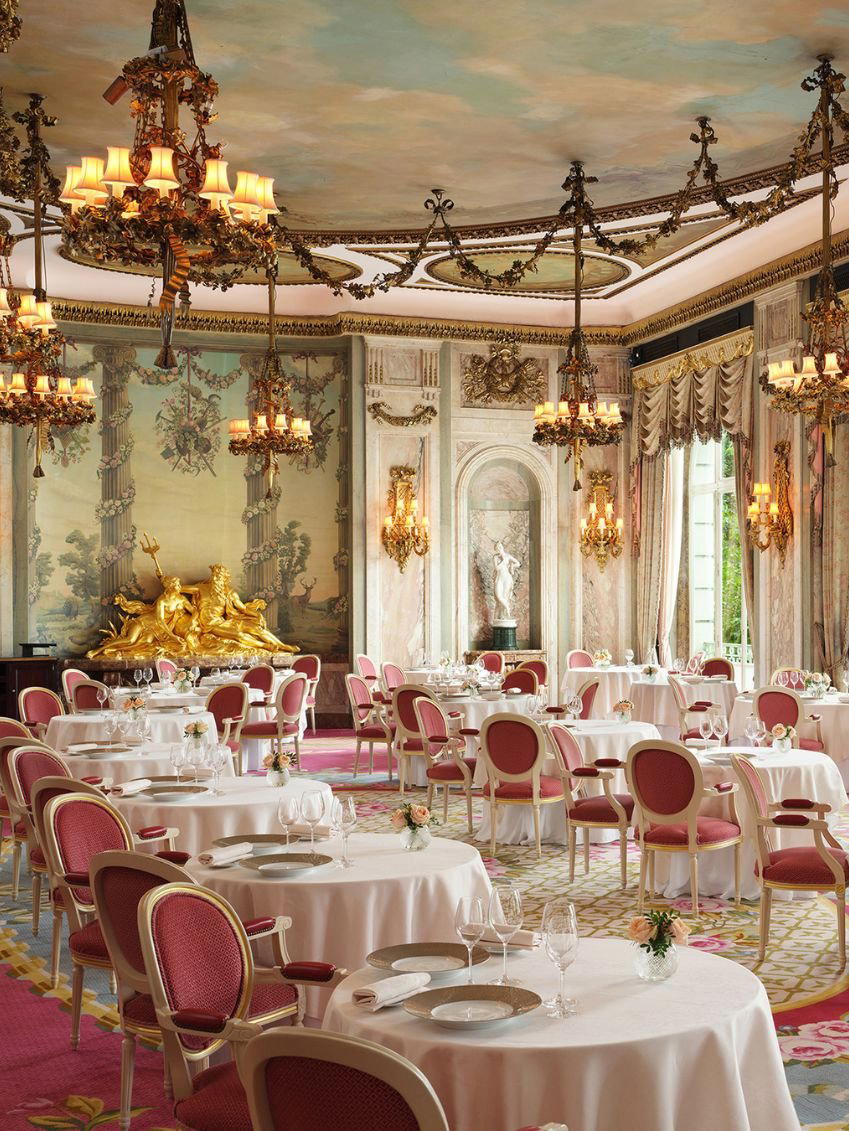
Restaurants in Strasbourg
Browse all →

Bars in Strasbourg
Browse all →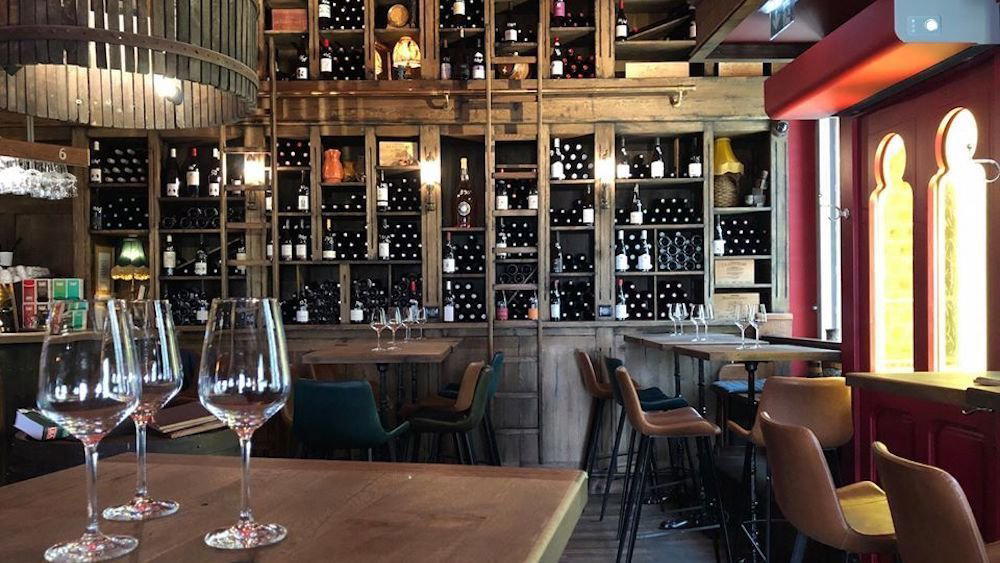
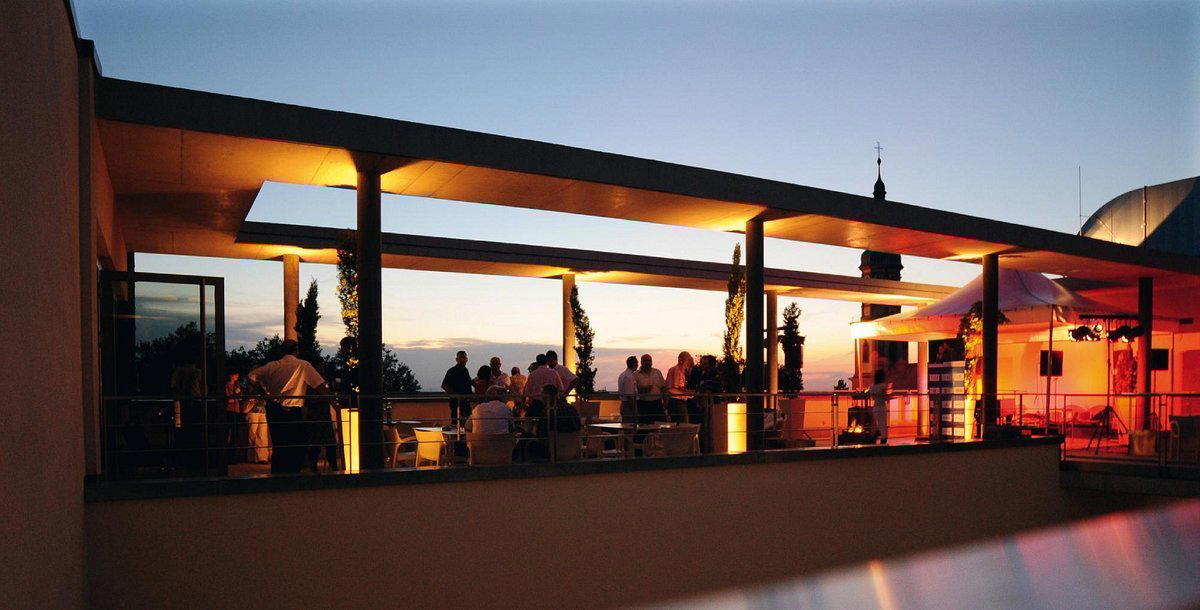
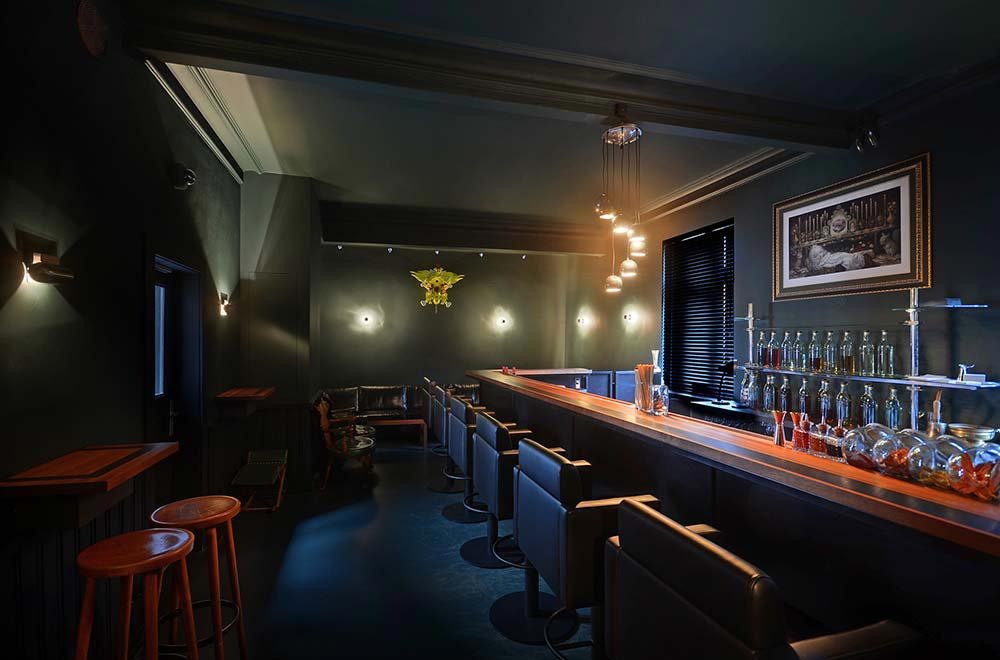


Hotels in Strasbourg
Browse all →
At a Glance
- Cozy
- Intimate
- Business Dinner
- Casual Hangout
- Terrace
- Local Sourcing
Current opening hours
- Monday
- 11:30 AM–2:30 PM
- Tuesday
- 11:30 AM–2:30 PM, 7–9 PM
- Wednesday
- 11:30 AM–2:30 PM, 7–9 PM
- Thursday
- 11:30 AM–2:30 PM, 7–9 PM
- Friday
- 11:30 AM–2:30 PM, 7–9 PM
- Saturday
- 7–9 PM
- Sunday
- Closed
Hours can change for holidays and private events. Last verified .
Charming and cute setting with a pretty terrace, attentive service, and a cozy, well-cared-for atmosphere.