Locanda Bordin
Locanda Bordin sits on Via degli Scaligeri in Bussolengo, a town in the Veneto province of Verona positioned between Lake Garda's western shore and the city's historic centre. The address places it within a region where locanda-style dining traditions run deep, drawing on the agricultural wealth of the Adige valley and the proximity of Valpolicella's vineyards. For travellers moving between Verona and the lake, it represents a locally rooted alternative to the resort circuit.
Pearl is the En Primeur Club membership app — saves, bookings, and concierge access live there. Same editors, same standards.
- Address
- Via degli Scaligeri, 71/A, 37012 Bussolengo VR, Italy
- Phone
- +39452216104
- Website
- ristorantelocandabordin.it
- Directions
- Get directions
 Saves & bookings on Pearl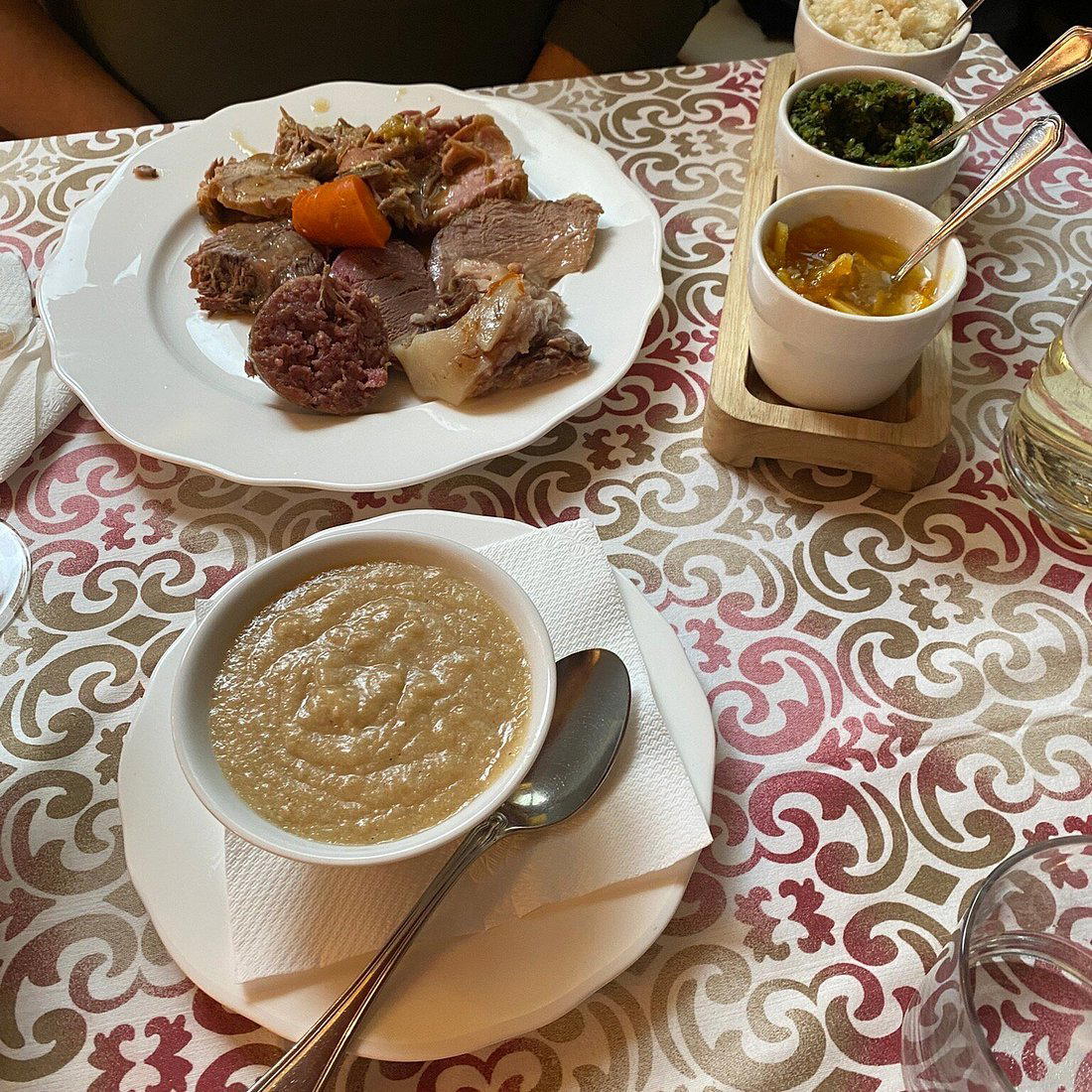
Between Lake Garda and Verona: The Locanda Tradition in Bussolengo
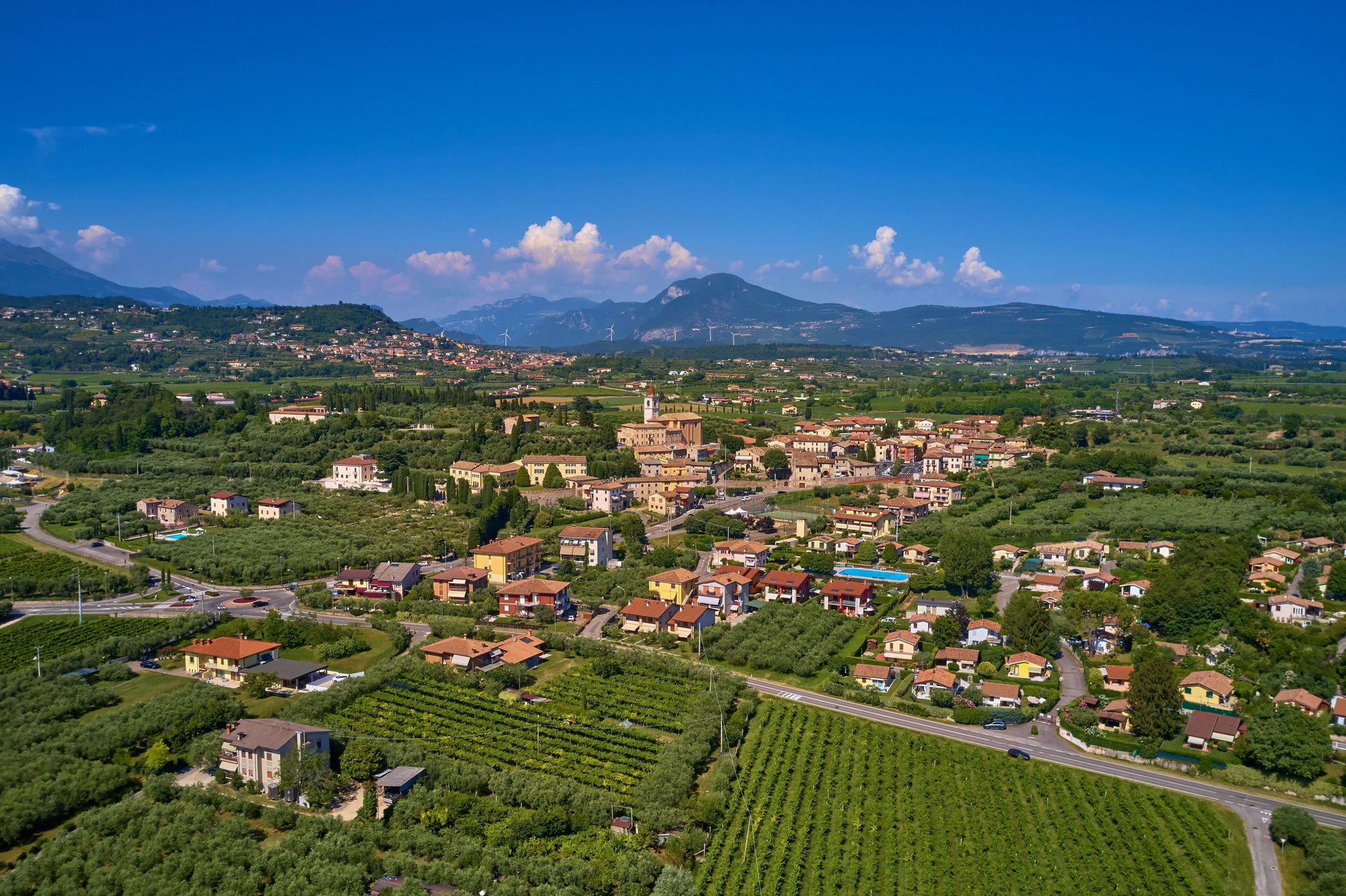
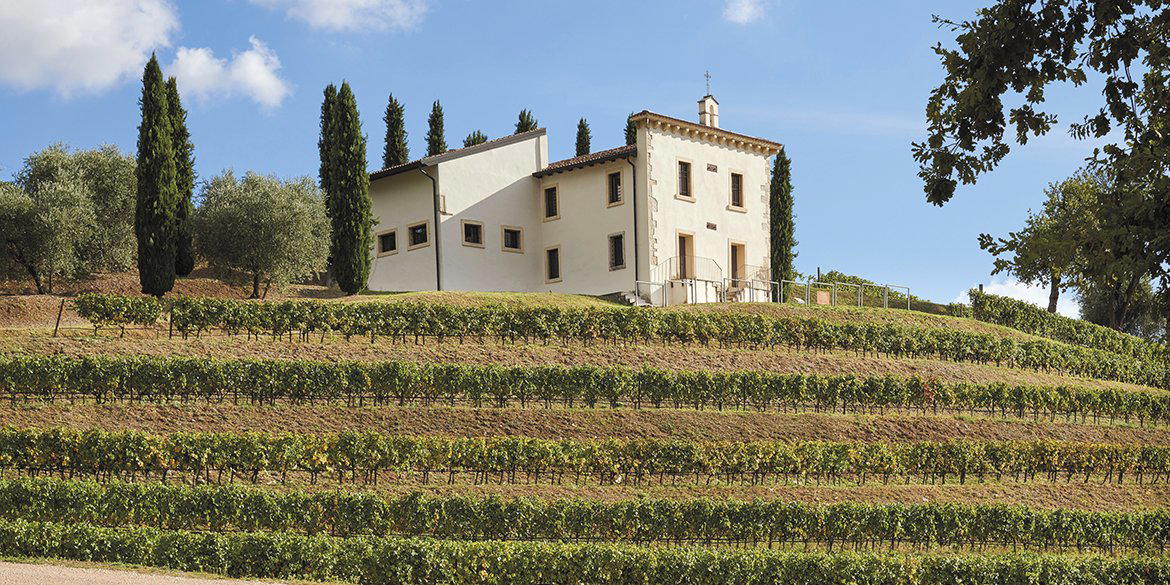
The stretch of the Veneto that runs from Verona's western outskirts toward the southern shore of Lake Garda is one of northern Italy's most agriculturally layered corridors. To the north, Valpolicella's terraced hillsides produce Corvina-based wines that have defined regional drinking for centuries. To the south and east, the Adige valley opens into flatlands where market gardens, cattle farms, and small producers have supplied Verona's tables long before any formal dining culture took hold. Bussolengo sits squarely within this geography, a mid-sized Veronese town that has retained a working relationship with its surrounding land.
Locanda Bordin, at Via degli Scaligeri 71/A, occupies a street named for the Scaligeri dynasty that ruled Verona for over a century in the medieval period. That historical layer is relevant not as decoration but as context: the locanda format itself, an inn that feeds its guests from the products of the surrounding countryside, is one of the oldest hospitality forms in northern Italy, predating the restaurant as a distinct institution. The locanda tradition assumes proximity. The kitchen and the farm are understood to be in conversation.
Ingredient Geography: What the Veneto Produces
Understanding what arrives on a Bussolengo table requires understanding what the surrounding region generates. The Veneto is Italy's largest wine-producing region by volume, and the Valpolicella DOC zone begins almost immediately north of the town. Amarone della Valpolicella, made from partially dried Corvina, Rondinella, and Molinara grapes, is the zone's prestige output. Alongside it, Ripasso and lighter Valpolicella Classico give the local table a graduated wine vocabulary that pairs naturally with the region's meat-forward cooking tradition.
Further into the broader Veronese province, Lake Garda contributes olive oil, citrus, and freshwater fish, particularly whitefish and perch, which have long appeared on menus in the towns between the lake and the city. The Po plain to the south delivers rice for risotto, including Vialone Nano, a protected regional variety with a shorter grain and higher starch content than Carnaroli, as well as polenta maize, pork, and dairy. Monte Veronese, a DOP cheese produced in the mountainous area north of the city, adds another local reference point. In a kitchen that takes ingredient sourcing seriously, this geography is not abstract; it is the literal content of the menu.
This sourcing pattern distinguishes the Veneto's locanda-style operations from destination fine dining. Venues like Dal Pescatore in Runate, Le Calandre in Rubano, and Osteria Francescana in Modena operate within a different institutional logic, where the kitchen's relationship to its suppliers is mediated by prestige, selection, and often long-distance sourcing. The locanda format, by contrast, treats geographic limitation as a feature rather than a constraint. What grows nearby is what you cook.
The Broader Northern Italian Restaurant Spectrum
Italy's most decorated kitchens now occupy a narrower tier than they did two decades ago. The concentration of Michelin stars in a handful of properties, Enoteca Pinchiorri in Florence, Enrico Bartolini in Milan, La Pergola in Rome, Villa Crespi in Orta San Giulio, reflects the way the guide's logic rewards technical ambition, tasting menu discipline, and front-of-house investment at a level that locanda-format restaurants rarely pursue and often explicitly resist.
The Veneto's most celebrated address within that starred tier is Casa Perbellini 12 Apostoli in Verona. What Bussolengo's locanda dining represents is a different register entirely: the kind of place that Italian families have used for generations as a reliable local table, where the cooking is honest to the season and the sourcing is understood rather than announced.
Further afield, operations like Atelier Moessmer Norbert Niederkofler in Brunico have made ingredient geography an explicit creative and ethical programme, building menus entirely from alpine-regional sourcing. That approach has attracted significant critical attention and placed Niederkofler alongside Piazza Duomo in Alba in a tier of kitchens where terroir-led cooking has become a formal methodology. The locanda tradition predates that framing by centuries.
Getting to Bussolengo
Bussolengo sits approximately 14 kilometres west of Verona's historic centre and is accessible by car in under twenty minutes from the city via the A4 motorway or the more direct SP62. Verona Villafranca Airport is roughly equidistant, making Bussolengo a practical first or last stop for travellers flying into the region. Lake Garda's southern shore, including the town of Peschiera del Garda, is around twelve kilometres further west. The town is served by local bus connections to Verona, though for evening dining, a car or taxi is the more functional option. Verona itself, with its Roman arena and concentration of serious restaurants, provides a natural base from which day trips and regional exploration radiate outward.
Regional Peers and the Wider Italian Table
The northeast offers a distinct regional character compared with coast-facing operations like Quattro Passi in Marina del Cantone, Uliassi in Senigallia, and Gambero Rosso in Marina di Gioiosa Ionica. The landlocked, mountain-and-plain geography of the Veneto produces a fundamentally different table: richer, meat and dairy-forward, more reliant on preserved and cured products, and shaped by a wine tradition that leans toward structure and body rather than freshness. Internationally, the comparison point for this style of ingredient-anchored, regionally specific cooking is closer to what Reale in Castel di Sangro does with its Abruzzo terroir than anything in the coastal fine dining register. Even a venue like Da Vittorio in Brusaporto, which operates at the luxury end of Lombardy's dining scene, reflects a northern Italian preference for produce-led cooking over technique-led abstraction. That sensibility runs through the locanda format at its most coherent.
Side-by-Side Snapshot
Comparable venues nearby, for context on price, style, and recognition.
| Venue | Cuisine | Price | Notes |
|---|---|---|---|
| Locanda BordinThis venue — the venue you are viewing | Traditional Veronese Trattoria | $$ | Not listed |
| Pergolo | Italian Small Plates & Wine Bar | $$ | historic center |
| Du De Cope | Neapolitan Wood-Fired Pizza | $$ | Citta' Antica |
| La Corte | Traditional Italian Wine Bar | $$ | Cornedo Vicentino |
| La Cusineta | Traditional Veneto Trattoria | $$ | Breganze |
| Pota la Pizza | Brescian Pizza | $$ | Caionvico |
Continue exploring
More in Bussolengo
Restaurants in Bussolengo
Browse all →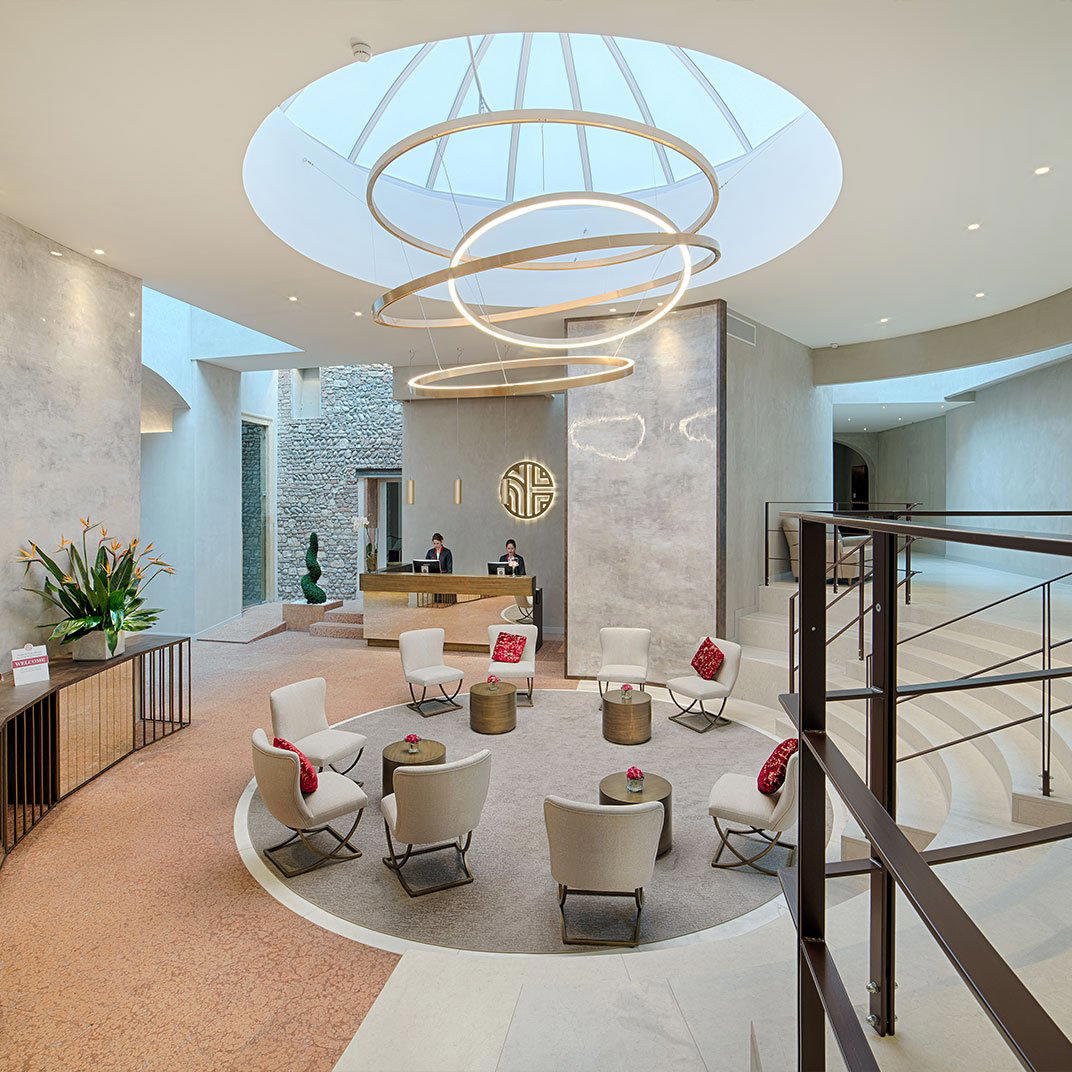
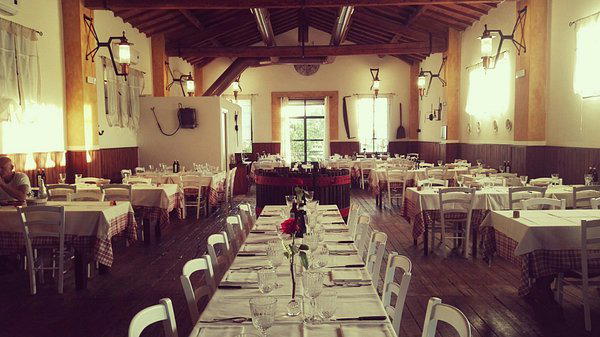
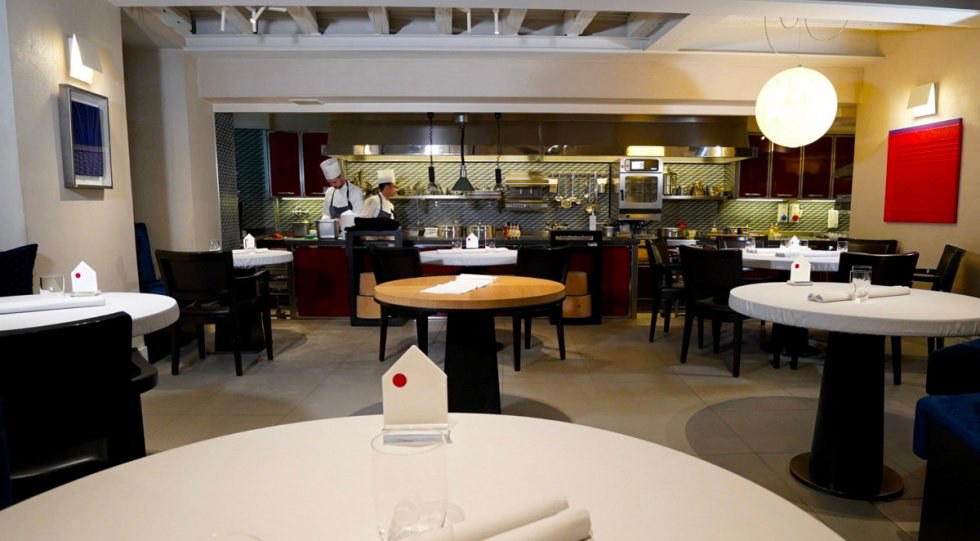
Bars in Bussolengo
Browse all →
Hotels in Bussolengo
Browse all →
At a Glance
- Rustic
- Cozy
- Classic
- Family
- Group Dining
- Casual Hangout
- Open Kitchen
- Local Sourcing
Current opening hours
- Monday
- Closed
- Tuesday
- 12–2:15 PM, 7–10 PM
- Wednesday
- 12–2:15 PM, 7–10 PM
- Thursday
- 12–2:15 PM, 7–10 PM
- Friday
- 12–2:15 PM, 7–10 PM
- Saturday
- 12–2:15 PM, 7–10 PM
- Sunday
- 12–2:15 PM
Hours can change for holidays and private events. Last verified .
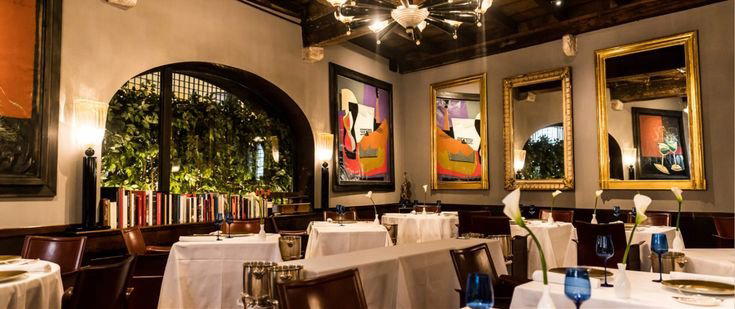
Welcoming family atmosphere with tastefully renovated interior, air conditioning, and friendly, witty service.