On a quiet residential stretch in Caionvico, a southeastern district of Brescia, Pota la Pizza occupies the kind of address that rewards locals who already know where to look. The pizza format here fits into Brescia's mid-tier dining scene, where neighbourhood spots hold ground against the city's more formal dining rooms. A direct place to understand if you approach it as the locals do: on the pizza's own terms.
Pearl is the En Primeur Club membership app — saves, bookings, and concierge access live there. Same editors, same standards.
- Address
- Via Carlo Goldoni, 77, 25135 Caionvico BS, Italy
- Phone
- +39303375433
- Website
- facebook.com
- Directions
- Get directions
 Saves & bookings on Pearl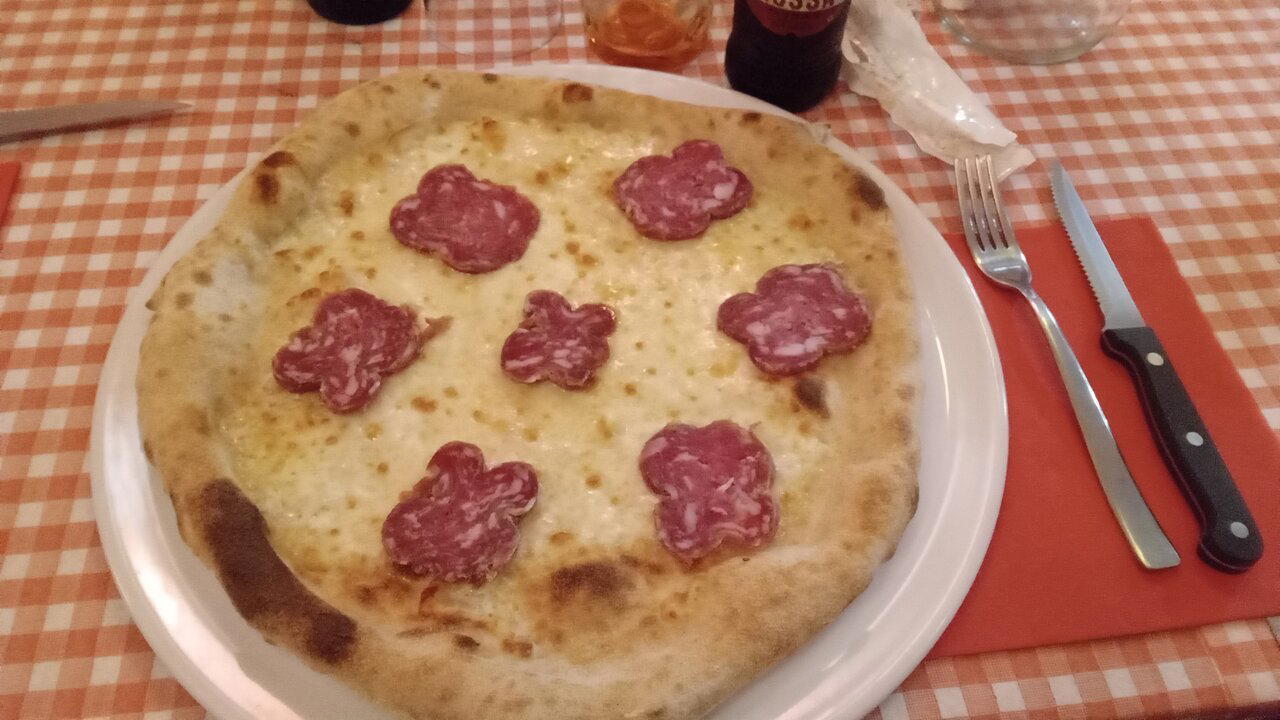
Pizza as a Local Ritual in Brescia's Outer Districts
Pota la Pizza is a restaurant in Brescia's Caionvico district, known for Brescian Pizza and priced around $15 per person. Brescia's dining geography tends to funnel visitors toward the centro storico, where formal rooms like Castello Malvezzi (Creative) and Forme Restaurant (Italian Contemporary) anchor the higher end of the city's table. But Italian pizza culture has rarely been a city-centre phenomenon at its most genuine. The neighbourhood pizzeria, operating on the outer ring of an Italian city, functions inside a specific dining ritual that the centro often mimics but rarely replicates: the weekly outing, the table shared across generations, the absence of ceremony as a point of principle. Pota la Pizza sits on Via Carlo Goldoni in Caionvico, a residential zone on Brescia's southeastern edge, and that address is itself a signal about the kind of experience the place is designed for.
Pizza in northern Italy occupies different cultural ground than in Naples or Rome. Lombardy's pizza tradition has historically been more pragmatic than devotional: the format is a midweek or weekend ritual rather than a street-food act or a high-concept dining statement. In Brescia specifically, the mid-range dining tier, occupied by spots like Carne & Spirito (Steakhouse) and Il Labirinto (Mediterranean Cuisine), functions on the assumption that the meal is the event, not the prelude to one. A neighbourhood pizzeria in this context is measured against that standard: does it hold the table, sustain the evening, and deliver on the unspoken contract between a local place and its repeat clientele?
The Format and Its Rhythms
The dining ritual around pizza in Italian provincial cities follows a recognisable rhythm. Arrival is rarely ceremonial. Orders come quickly. The pace is set by the table rather than the kitchen. Italy's pizza culture, from the Neapolitan counters that informed places like Osteria Francescana in Modena to the more restrained northern interpretations found in Lombardy, understands that the meal's success is measured as much in the quality of its unhurried middle section as in the dish itself. The format is democratic by design: pizza is a shared reference point that cuts across price brackets in a way that tasting menus at destinations like Le Calandre in Rubano or Piazza Duomo in Alba cannot and do not attempt to be.
In Caionvico, the approach is consistent with that northern Lombardy model: a residential-district setting, an address on the outer fringe of the city, and a format calibrated for the kind of guest who returns weekly rather than annually. This is not the dining register of Uliassi in Senigallia or Dal Pescatore in Runate, where the meal is a considered occasion shaped over hours. It is closer in spirit to the Italian tradition of the trattoria di quartiere: dependable, local, defined by its regulars rather than its reputation.
Brescia's Dining Tiers and Where Pizza Fits
Understanding where a neighbourhood pizzeria sits in Brescia's dining structure matters for anyone building a visit. The city's more formally recognised rooms, ALIMENTO among them, operate in a register shaped by contemporary Italian cooking ambitions. Internationally, Italian dining ambition at its apex is represented by rooms like Enrico Bartolini in Milan, Enoteca Pinchiorri in Florence, or Reale in Castel di Sangro. The neighbourhood pizzeria in a Lombard city like Brescia sits at the opposite end of that axis, not as a lesser expression of the same impulse, but as a fundamentally different contract between kitchen and guest.
That contract is worth understanding on its own terms. At the €€ tier, where Pota la Pizza fits alongside comparable neighbourhood addresses in Italian provincial cities, the expectation is consistency over innovation, familiarity over surprise. This is a different performance metric than the one applied to destinations like Atelier Moessmer Norbert Niederkofler in Brunico or the tasting-counter format used at Atomix in New York City. The seasonal produce sourcing and kitchen philosophy that define those rooms are beside the point here. The point is the dough, the heat, the timing, and whether the result earns another visit from the same table next week.
Planning a Visit: What the Address Tells You
Caionvico sits southeast of Brescia's centre. The location on Via Carlo Goldoni places Pota la Pizza firmly in residential territory, which shapes the experience: parking is easier than in the centro storico, the clientele skews local, and the atmosphere reflects a neighbourhood at dinner rather than a destination in performance mode. For visitors staying in central Brescia, within reach of the Roman ruins, the Piazza della Loggia, and the city's main cultural circuit, Caionvico represents a short outbound journey worth making if the priority is eating as a local does rather than as a tourist is expected to. The address is not served by the standard tourist trail, which is precisely its function in the local dining ecosystem. Similarly, booking logistics and allergy-specific requests are best confirmed at source, as the venue's policy on reservations and dietary accommodations is not documented in publicly available records EP Club can verify. Those planning a broader Brescia dining itinerary can consult our full Brescia restaurants guide for context across price tiers and neighbourhoods.
The Case for the Neighbourhood Pizzeria
Italian dining culture has always maintained a clear distinction between the destination and the dependable local. The global prominence of rooms like Quattro Passi in Marina del Cantone or Le Bernardin in New York City has not displaced the neighbourhood format; it has made the contrast starker and, in a way, more valuable. The pizzeria di quartiere in an Italian provincial city is a category that resists the metrics applied to ambitious restaurants: there are no tasting notes to parse, no multi-course sequences to decode, no reservation strategy to plan months in advance. The ritual is simpler and, in its own way, more demanding, because there is nowhere to hide behind ceremony when the only question on the table is whether the pizza is worth coming back for.
The restaurant, as a neighbourhood address in Caionvico's residential fabric, operates inside that tradition. The measure of its success is the one applied to every local pizza place in every Italian provincial city: whether the regulars keep returning, and whether a first-time visitor leaves understanding why they do.
Where It Fits
Comparable venues nearby, for context on price, style, and recognition.
| Venue | Cuisine | Price | Awards | Notes |
|---|---|---|---|---|
| Pota la PizzaThis venue — the venue you are viewing | Brescian Pizza | $$ | Not listed | Not listed |
| ALIMENTO | Modern Italian Pizza and Focaccia | $$ | Not listed | Vittoria |
| Inedito | Modern Italian Pizza | $$$ | Not listed | city center |
| La Sosta | Traditional Italian in Historic Brescia Palazzo | $$$ | Michelin Plate | city center |
| Vivace | Modern Contemporary Italian | $$$ | Michelin Plate | Centro Storico (Historic Center) |
| Officina Del Mare Brescia | Mediterranean Seafood | $$$$ | Not listed | Centro Brescia |
Continue exploring
More in Brescia
Restaurants in Brescia
Browse all →
Bars in Brescia
Browse all →
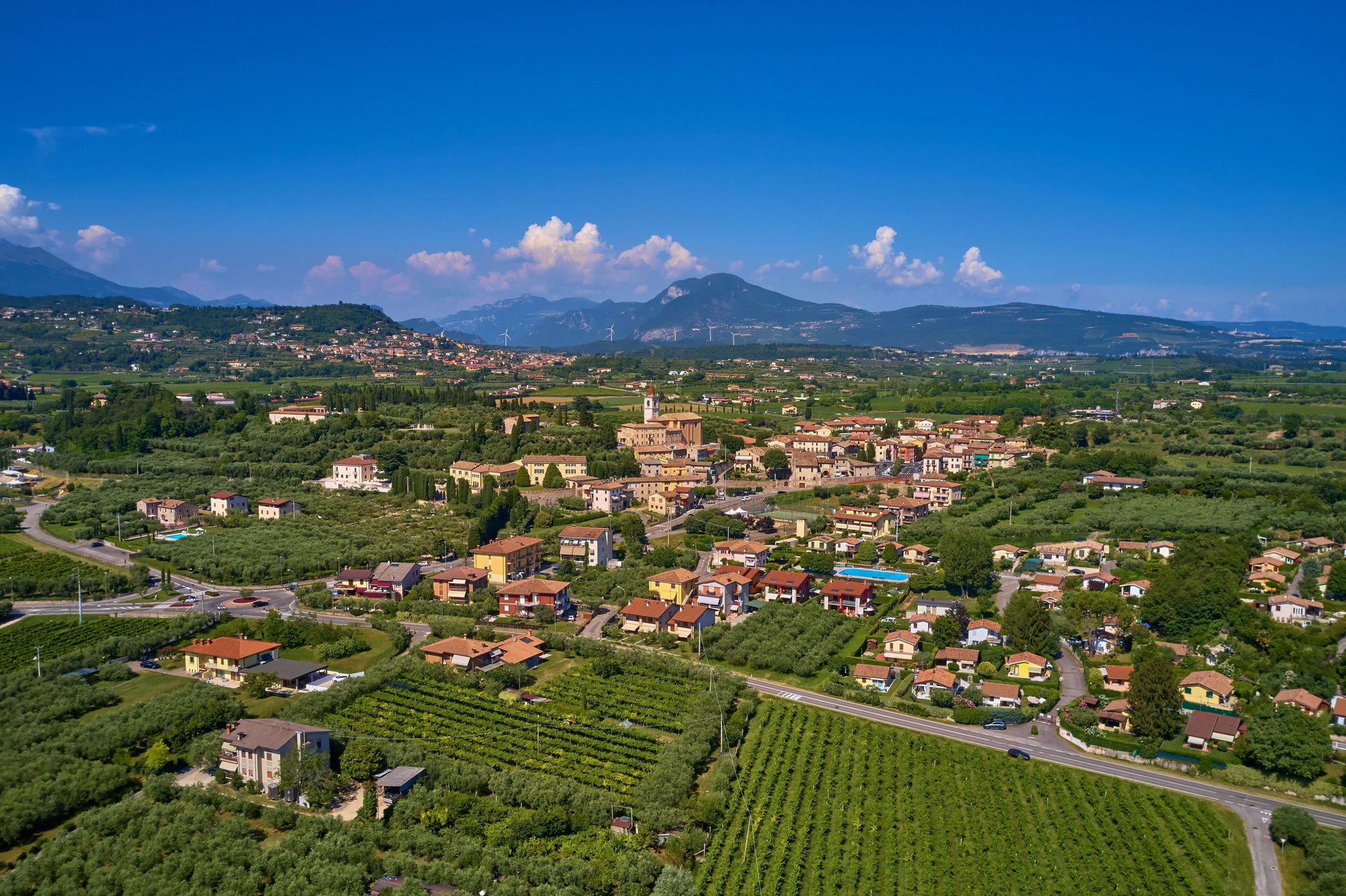
Hotels in Brescia
Browse all →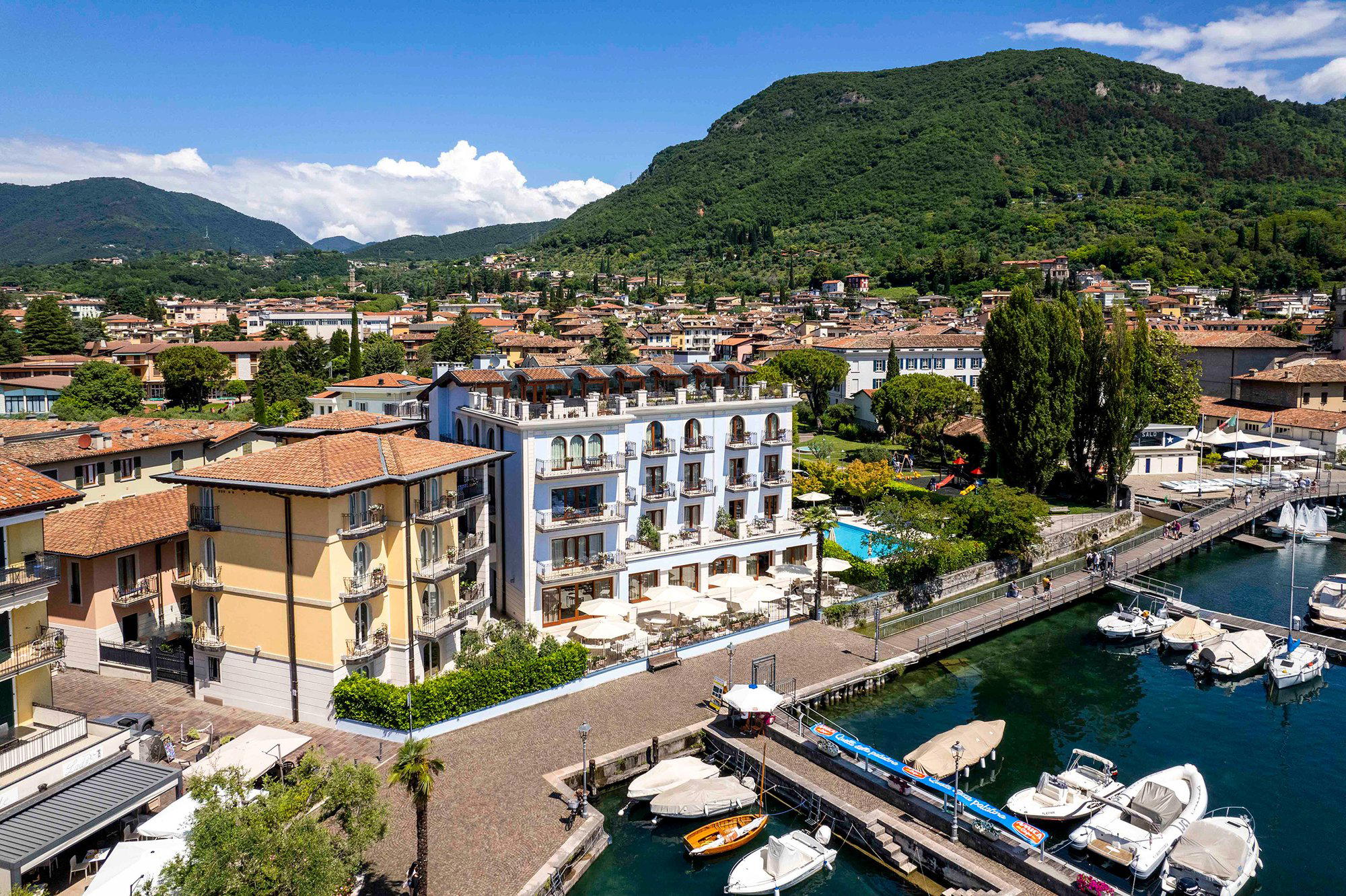

At a Glance
- Rustic
- Casual Hangout
- Local Sourcing
Current opening hours
- Monday
- Closed
- Tuesday
- Closed
- Wednesday
- 6–10 PM
- Thursday
- 6–10 PM
- Friday
- 6–10 PM
- Saturday
- 6–10 PM
- Sunday
- 6–10 PM
Hours can change for holidays and private events. Last verified .
Spartan environment with simple, unpretentious atmosphere