Lo sfizio
Lo sfizio sits on Rue des Champs in Grâce-Hollogne, a quiet municipality in the Liège province where the Belgian dining scene operates at a remove from the capital's noise. The name signals Italian inflection — sfizio translates roughly as a whim or indulgence — placing it in a tradition of Franco-Italian crossover cooking that has deep roots across Wallonia. For our full assessment of the area's table, see our Grace Hollogne restaurants guide.
Pearl is the En Primeur Club membership app — saves, bookings, and concierge access live there. Same editors, same standards.
- Address
- Rue des Champs 1, 4460 Grâce-Hollogne, Belgium
- Phone
- +3242346131
- Website
- losfizio.be
- Directions
- Get directions
 Saves & bookings on Pearl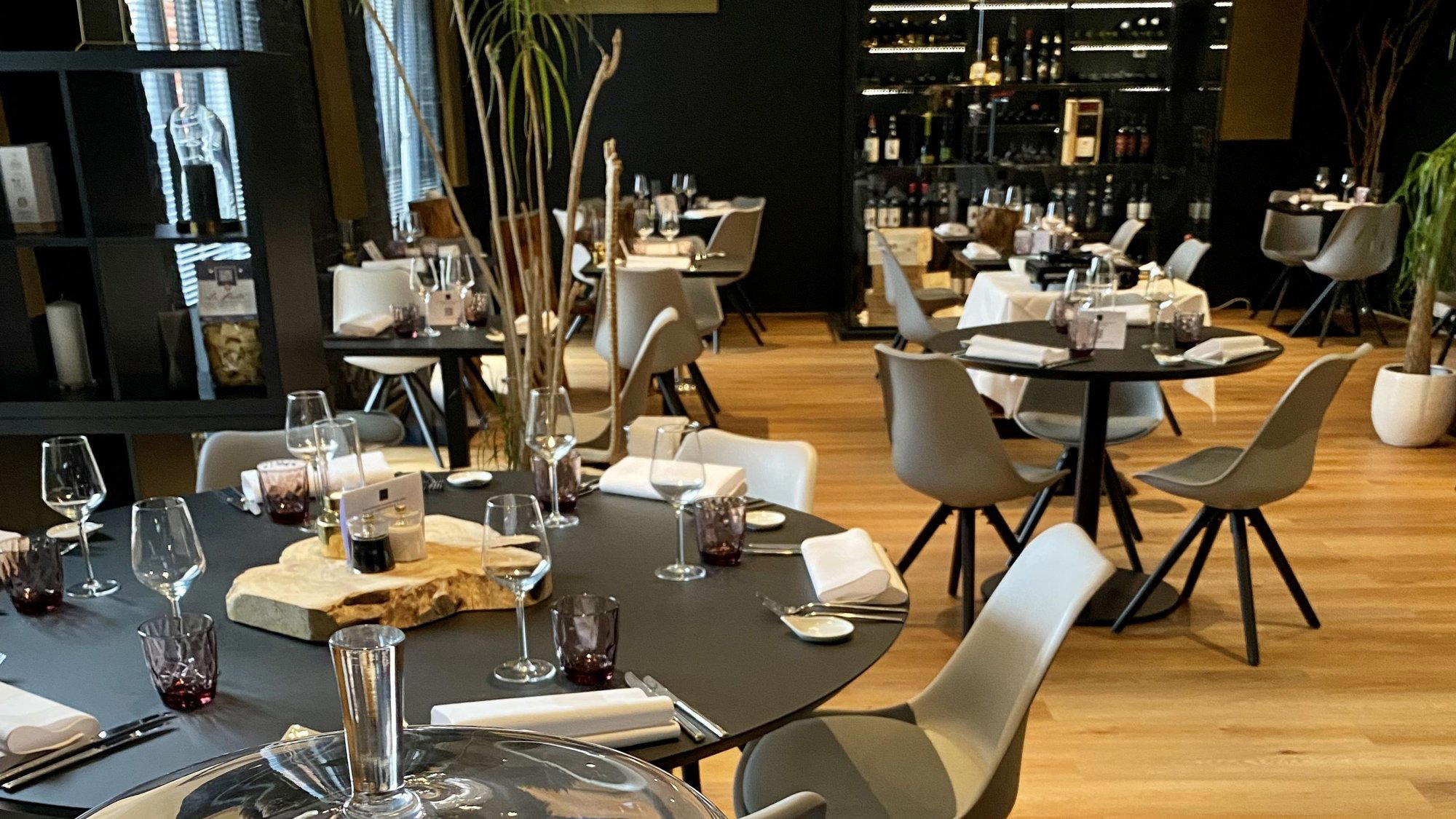
Where Wallonia's Quieter Dining Tradition Takes Hold
The communes that ring Liège — Grâce-Hollogne among them — represent a particular strain of Belgian restaurant culture: modest in profile, serious in execution, and largely invisible to the international press that gravitates toward Brussels or the Flemish coast. This is where neighbourhood restaurants operate on long-standing local loyalty rather than award cycles, and where a name like Lo sfizio, drawn from Italian dialect, signals something about the kitchen's orientation before you've read a single dish description. Sfizio, in southern Italian usage, describes a craving satisfied on a whim, food driven by pleasure rather than occasion. That framing matters in a region where the dining tradition leans Franco-Belgian and formal; a name that gestures toward Italian spontaneity is a quiet editorial statement about what the table prioritises.
Grâce-Hollogne itself sits a few kilometres west of Liège city centre, close to the airport and the industrial flatlands of the Meuse valley. It is not a dining destination in the way that, say, Liernu is for those tracking L'air du temps, or Kruishoutem for those following Hof van Cleve. The draw here is local and practical: a restaurant that serves its immediate community with enough seriousness to keep seats filled without needing a star on the door or a presence in the national press. For anyone building a picture of Belgian dining beyond the obvious markers, this is exactly the kind of room worth understanding. See our full Grace Hollogne restaurants guide for the wider context.
The Sourcing Logic Behind Franco-Italian Crossover Cooking
Across Belgium's smaller communes, the restaurants that sustain themselves over time tend to anchor their identity in sourcing rather than technique alone. The Franco-Italian crossover tradition, which Lo sfizio's name positions it within, has a specific sourcing logic: it draws on the produce networks of both French regional cooking and Italian artisan supply chains, layering them against local Walloon ingredients. This is not the same as fusion in the pejorative sense. It is closer to the approach you see at places like d'Eugénie à Emilie in Baudour, where the kitchen works between French and local registers without committing entirely to either.
The Belgian relationship with Italian produce is older than it might appear. Wallonia's Italian immigrant communities, concentrated in the industrial corridor between Liège and Charleroi since the post-war period, brought with them supply relationships: olive oil from specific regional producers, dried pastas from artisan mills, cured meats that never entered the mainstream Belgian retail circuit. Restaurants that emerged from or adjacent to those communities often have access to sourcing channels that their more formally French counterparts do not. It is a reasonable frame through which to read the kitchen's likely orientation.
In the broader Belgian context, sourcing conversations have shifted significantly over the past decade. Kitchens at the level of Willem Hiele in Oudenburg or Castor in Beveren have made hyper-local sourcing a central part of their editorial identity, treating provenance as content. For a neighbourhood room in Grâce-Hollogne, the sourcing story is quieter, less documented, more embedded in long-standing supplier relationships than in public-facing farm partnerships. That quiet embeddedness is, in its own way, a more honest expression of how ingredient sourcing actually works in most serious kitchens.
Planning a Visit: What the Neighbourhood Requires
Grâce-Hollogne is accessible by car from Liège in under ten minutes, and the address on Rue des Champs places Lo sfizio in a residential stretch that requires local knowledge or a navigation app rather than any natural foot traffic. This is not a restaurant you stumble into. That self-selection has implications: the room's regular clientele tends to be local, repeat, and invested in a way that shapes the atmosphere of a neighbourhood table differently from a venue that depends on tourist or first-time visitors.
For visitors arriving from further afield, particularly those combining the visit with Liège's broader dining and cultural offering, the practical calculus involves positioning Lo sfizio as part of a longer stay rather than a standalone destination. The Liège province has enough serious tables to justify two or three nights, and a meal here pairs logically with the city's markets, the Musée de la Vie Wallonne, and the kind of slow-paced commune exploration that the region's quieter municipalities reward.
Lo sfizio in the Belgian Dining Tier
Belgium's restaurant scene sorts into roughly three tiers below the Michelin three-star bracket. The first tier contains the nationally recognised two- and one-star rooms, Boury in Roeselare, Zilte in Antwerp, Nuance in Duffel, where the critical infrastructure validates the kitchen's ambition. The second contains the brasseries and bistros with strong local reputations but no formal recognition. The third, and by far the largest, is the neighbourhood table: no awards, no press, a postcode-specific clientele, and a kitchen that answers to local taste rather than guide criteria.
Lo sfizio, on current available data, sits in that third tier. That is not a diminishment. Some of Belgium's most consistent cooking happens in rooms that have never appeared in a national newspaper. The absence of confirmed awards or Michelin recognition tells you about the critical apparatus, not necessarily the plate. What distinguishes the credible neighbourhood table from the merely convenient one is sourcing discipline, kitchen consistency, and the capacity to hold a room's trust over years. The evidence base for Lo sfizio is thin enough that we cannot make those claims with confidence, but the name, address, and positioning within a neighbourhood with deep Franco-Italian culinary history provide a reasonable starting framework.
For those tracking the full range of serious Belgian cooking, the comparison set is instructive. La Table de Maxime in Our, Le Chalet de la Forêt in Uccle, and Maison Colette in Tongerlo each represent a different answer to the question of how a kitchen outside the major cities builds and sustains its identity. Bartholomeus in Heist and De Jonkman in Sint-Kruis show how Flemish kitchens have used terroir specificity to generate national attention from local starting points. Wallonia has fewer examples of that outward trajectory, which makes rooms like Lo sfizio harder to read but no less worth including in a serious account of Belgian dining.
For those whose reference points extend to the international bracket, Le Bernardin in New York and Atomix in New York represent the pole against which any serious kitchen implicitly positions itself, not as aspiration, but as a measure of what rigour in sourcing, technique, and consistency looks like at the highest level. Bozar Restaurant in Brussels and La Durée in Izegem provide the more directly relevant Belgian comparators for anyone calibrating expectations before a visit to the Liège province.
Continue exploring
More in Grace Hollogne
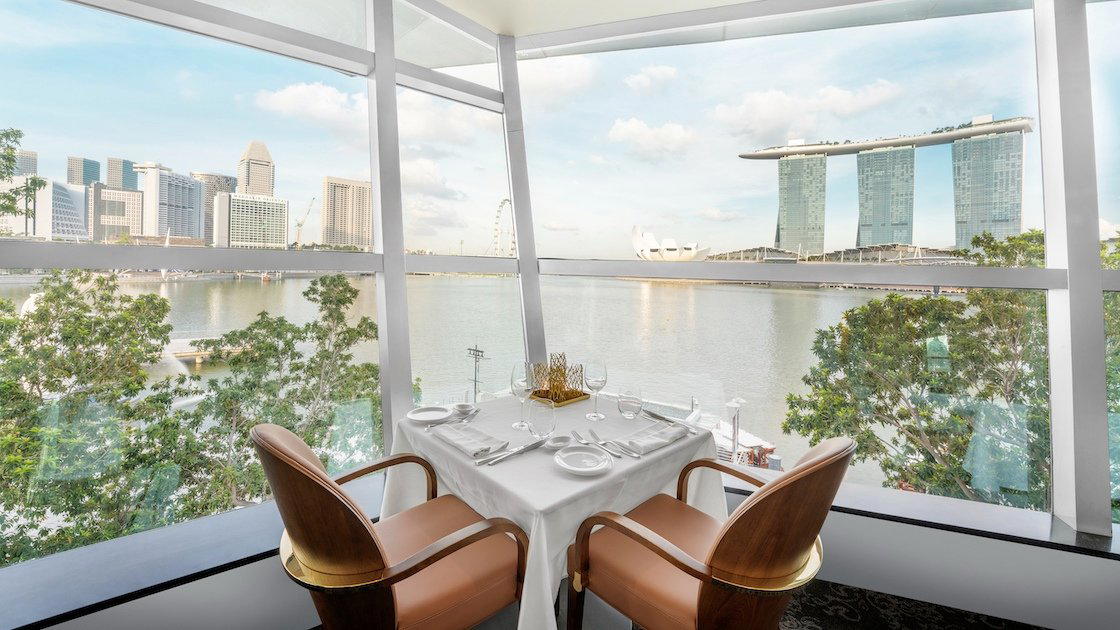
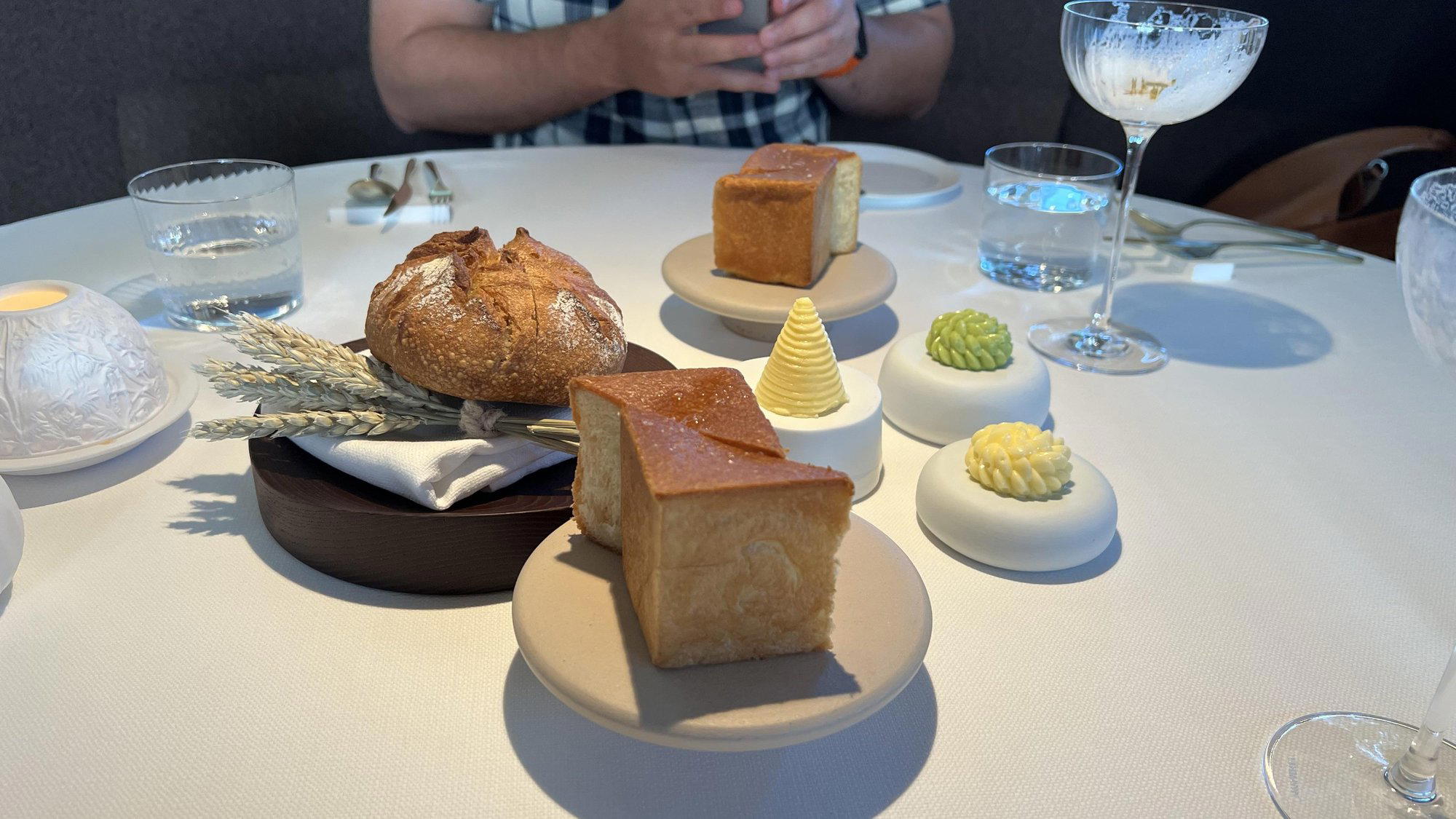
Restaurants in Grace Hollogne
Browse all →
Bars in Grace Hollogne
Browse all →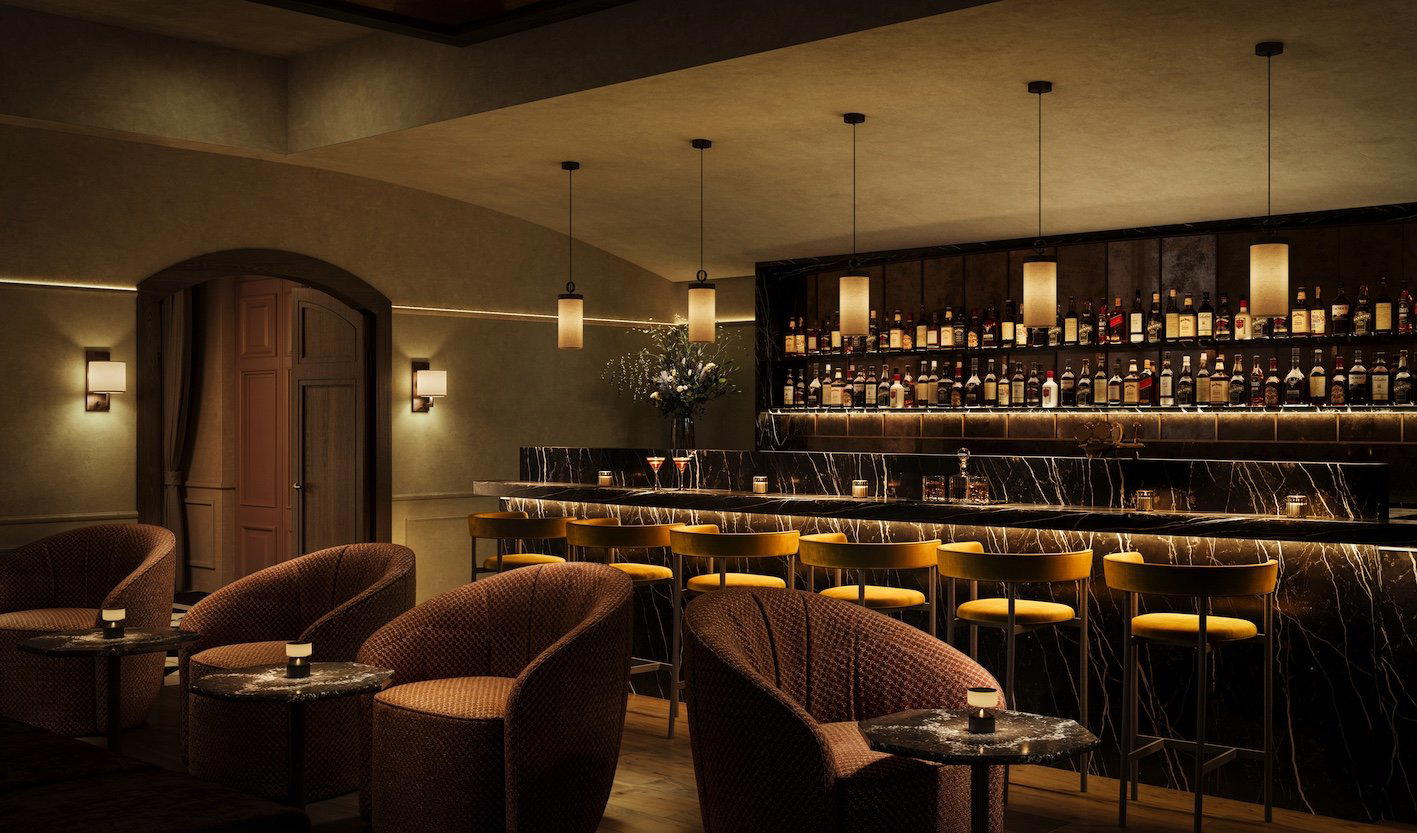
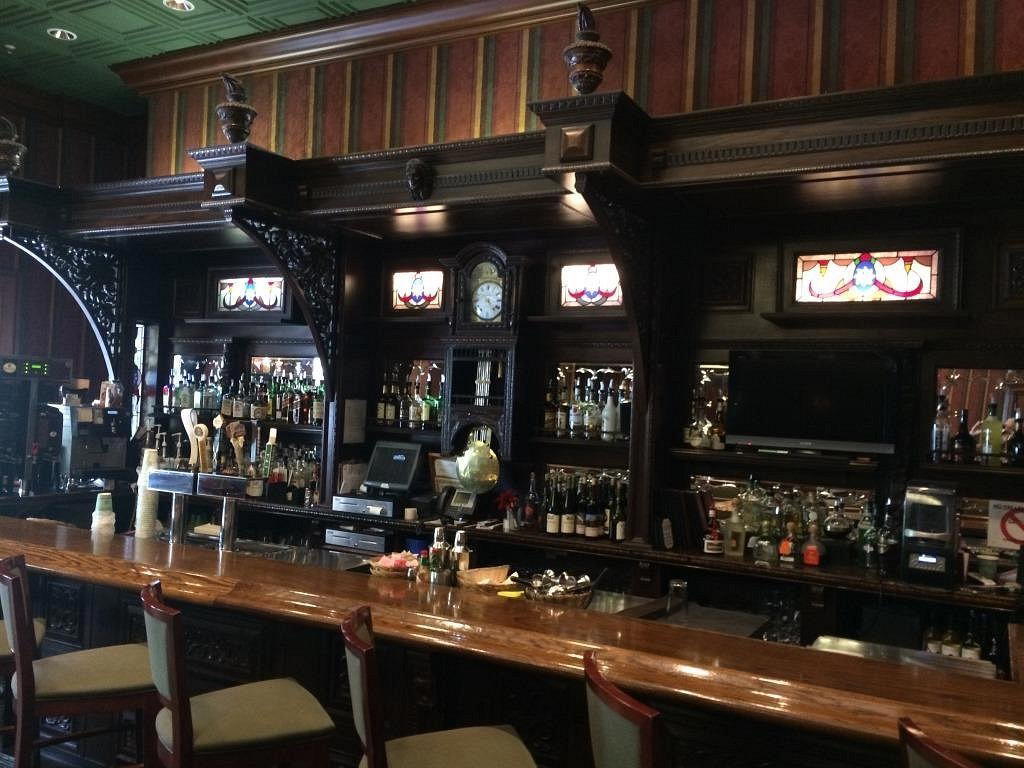
Hotels in Grace Hollogne
Browse all →
Wineries in Grace Hollogne
Browse all →
At a Glance
- Elegant
- Classic
- Sophisticated
- Intimate
- Date Night
- Business Dinner
- Special Occasion
- Standalone
- Extensive Wine List
Current opening hours
- Monday
- Closed
- Tuesday
- 12–2:30 PM, 6:30–9:30 PM
- Wednesday
- 12–2:30 PM, 6:30–9:30 PM
- Thursday
- 12–2:30 PM, 6:30–9:30 PM
- Friday
- 12–2:30 PM, 6:30–9:30 PM
- Saturday
- 6:30–9:30 PM
- Sunday
- Closed
Hours can change for holidays and private events. Last verified .
Tastefully decorated with polished attention to detail, creating a refined and sophisticated atmosphere suitable for fine dining.
Know Before You Go
- Getting there
- Rue des Champs 1, 4460 Grâce-Hollogne, Belgium