Cucina Di Giò
Cucina Di Giò brings Italian-rooted cooking to Houthalen-Helchteren, a part of Belgian Limburg where serious restaurant destinations are sparse and all the more notable for it. Set on Weg naar Zwartberg, the address sits at an interesting remove from Belgium's more established fine-dining corridors, offering a locally focused alternative to the country's busier culinary centres.
Pearl is the En Primeur Club membership app — saves, bookings, and concierge access live there. Same editors, same standards.
- Address
- Weg naar Zwartberg 137/a1, 3530 Houthalen-Helchteren, Belgium
- Phone
- +3289842106
- Website
- cucinadigio.be
- Directions
- Get directions
 Saves & bookings on Pearl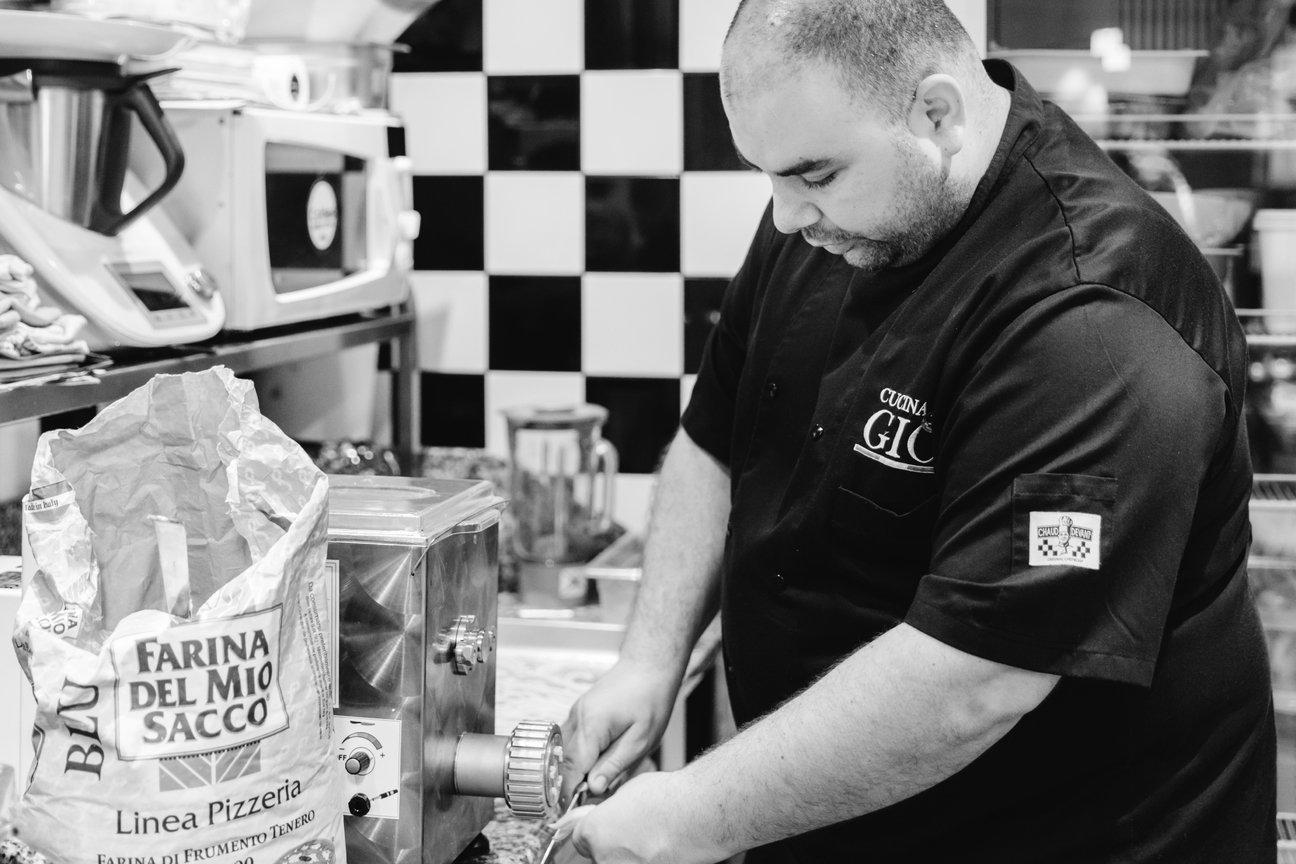
Italian Cooking in Belgian Limburg: A Different Kind of Destination
Belgium's serious restaurant conversation tends to cluster around a familiar geography: Brussels, Ghent, Antwerp, the West Flemish coast. The province of Limburg rarely enters that conversation, which makes the restaurants that do operate there with genuine ambition all the more worth examining. Houthalen-Helchteren is a former mining municipality, its identity shaped more by industrial history than gastronomy, and that context matters when a restaurant with an Italian name and apparent kitchen seriousness sets up on Weg naar Zwartberg. The address alone signals something deliberate: this is not a restaurant that benefits from foot traffic or a built-in dining culture. It earns its place by other means.
Cucina Di Giò occupies that position — an Italian-inflected table in a part of Belgium where such a thing requires either conviction or an existing loyal community, and probably both. The name, straightforwardly Italian, suggests a kitchen with a clear identity rather than a broad European reach-for-everything menu. In the Belgian context, that specificity carries weight. Restaurants like Vrijmoed in Gent and Boury in Roeselare have shown that clarity of culinary identity, rather than genre-spanning ambition, tends to build the most durable local reputations. Whether Cucina Di Giò is operating in that same register or serving a more neighbourhood-rooted Italian format, the address on Weg naar Zwartberg puts it firmly outside the circuits that feed Belgium's better-documented restaurant world.
The Sourcing Question in a Region Off the Main Circuit
Italian cooking, at its most rigorous, is inseparable from sourcing. The argument for Italian cuisine as a cuisine of ingredients rather than technique is well established: quality of produce, provenance of oil and cured meat, freshness of pasta, the specific minerality of a San Marzano versus a supermarket tin. These distinctions matter more in an Italian kitchen than almost any other European tradition, which raises a specific question for any Italian-named restaurant operating in Belgian Limburg.
The province has genuine agricultural strengths — asparagus from the Limburg sandy soils, dairy, pork products, but the Italian pantry staples require either a strong import supply chain or a creative Belgian-Italian hybrid approach that uses local materials interpreted through Italian method. The restaurants that navigate this most effectively in Belgium tend to make that tension visible on the plate, treating Belgian provenance not as a compromise but as a reframing. Willem Hiele in Oudenburg does something similar with coastal Flemish ingredients read through an almost philosophical lens. The more interesting Italian-influenced tables in Europe, from Le Bernardin in New York City to tighter regional formats across northern Italy itself, have long demonstrated that sourcing transparency and local adaptation are not contradictions.
At Cucina Di Giò, the specifics of the sourcing approach are not publicly documented in verifiable detail, which itself tells you something about how the restaurant communicates. It is not a venue that leads with credentials or marketing copy. For a diner considering the trip from Hasselt or Genk, or crossing from the Dutch border less than twenty kilometres north, the lack of a public-facing sourcing narrative means the table itself is the discovery.
Houthalen-Helchteren is not a town with multiple serious restaurant options, which positions Cucina Di Giò differently than it would be positioned in Antwerp or Brussels. In denser dining cities, Italian restaurants compete within a defined genre tier: casual trattoria, mid-range osteria, premium Italian tasting menu. The comparative reference points shift in a smaller Belgian municipality. The relevant peers are not just other Italian restaurants but any destination-worthy address in the region, places like Cuchara in Lommel and Ralf Berendsen in Neerharen, both of which serve Limburg and the wider northeast Belgian corridor. At that tier, the comparison set also broadens to include the established Flemish fine-dining addresses further afield: Hof van Cleve in Kruishoutem, Zilte in Antwerp, and Bozar Restaurant in Brussels. These are not direct competitors but they define the quality ceiling against which any Belgian dining ambition is measured.
For readers exploring the broader region, our full Houthalen-Helchteren restaurants guide maps the options in context. The point is simply that Cucina Di Giò, whatever its exact format, is operating in a market where the bar for being the most serious Italian-rooted kitchen in the immediate area is relatively uncontested, and where the real question is whether it justifies a dedicated trip rather than just a local visit.
What Draws a Diner to Weg naar Zwartberg
Restaurants that succeed in non-metropolitan locations across Belgium tend to do so by one of two models: they become beloved neighbourhood institutions serving a specific community with consistency, or they attract a regional pilgrimage following by offering something that cannot be found closer to home. The most durable examples combine both. La Table de Maxime in Our and d'Eugénie à Emilie in Baudour demonstrate that province-adjacent addresses can maintain serious kitchens if the offer is clear and consistent.
For Cucina Di Giò, the practical logistics of a visit are worth considering from the planning stage. Houthalen-Helchteren is accessible by car from Hasselt in under twenty minutes and sits roughly equidistant between Hasselt and Genk, both served by rail. The address on Weg naar Zwartberg is suburban rather than rural, meaning parking is not the obstacle it might be at a countryside destination. A call-ahead or early booking is the sensible approach regardless of format. For broader Belgian dinner planning, addresses like La Durée in Izegem, De Jonkman in Sint-Kruis, Castor in Beveren, Le Chalet de la Forêt in Uccle, La Paix in Anderlecht, and Lazy Bear in San Francisco (for transatlantic reference on the community-table format that Italian kitchens often favour) all illustrate different points on the spectrum between neighbourhood anchor and destination table.
A Quick Peer Check
| Venue | Cuisine | Price | Awards |
|---|---|---|---|
| Cucina Di GiòThis venue — the venue you are viewing | This venue | Not listed | Not listed |
| Boury | Modern Frlemish, Creative French | €€€€ | Michelin 3 Star |
| Comme chez Soi | French - Belgian, Classic Cuisine | €€€€ | Michelin 1 Star |
| Vrijmoed | Modern Flemish, Creative | €€€€ | Michelin 2 Star |
| La Durée | French-Belgian, Creative | €€€€ | Michelin 2 Star |
| Cuchara | Modern European, Creative | €€€€ | Michelin 2 Star |
Continue exploring
More in Houthalen-Helchteren
Restaurants in Houthalen-Helchteren
Browse all →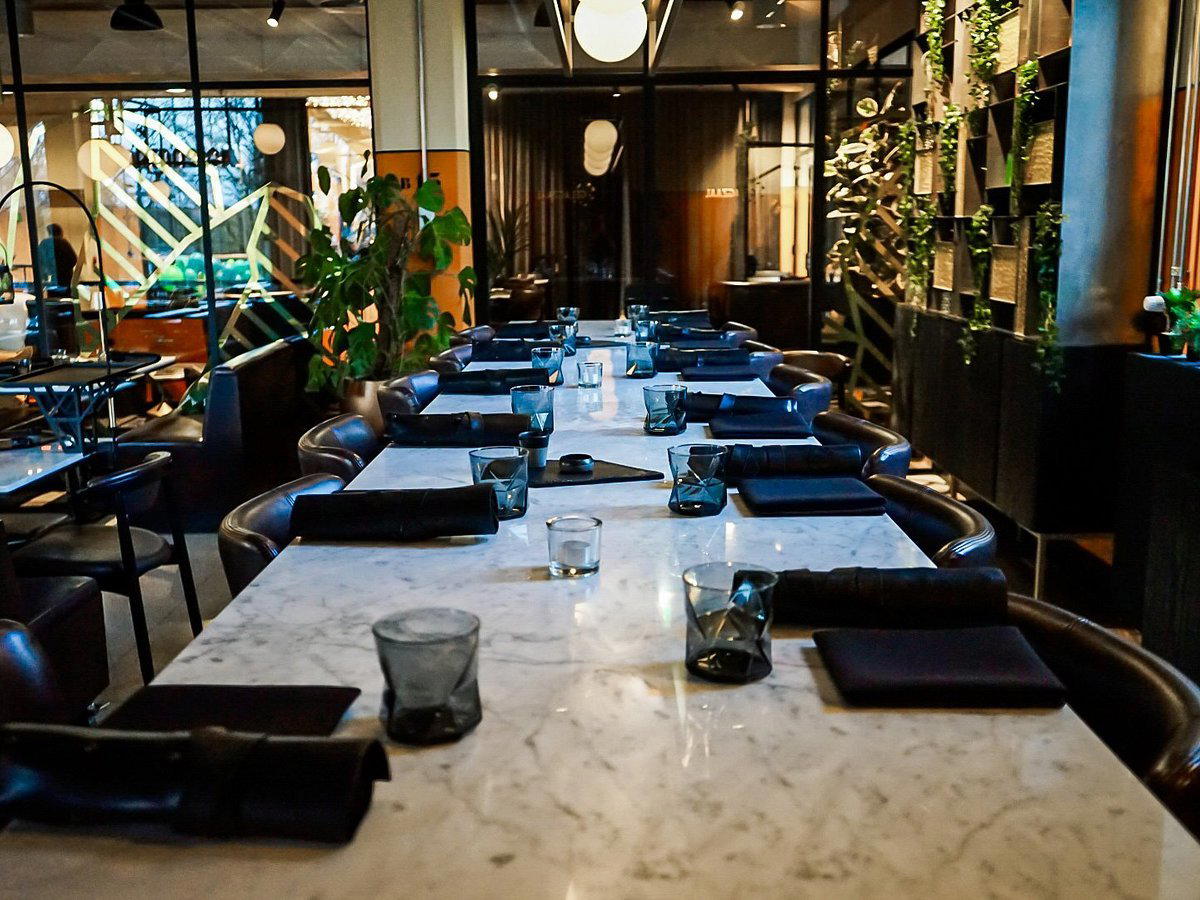
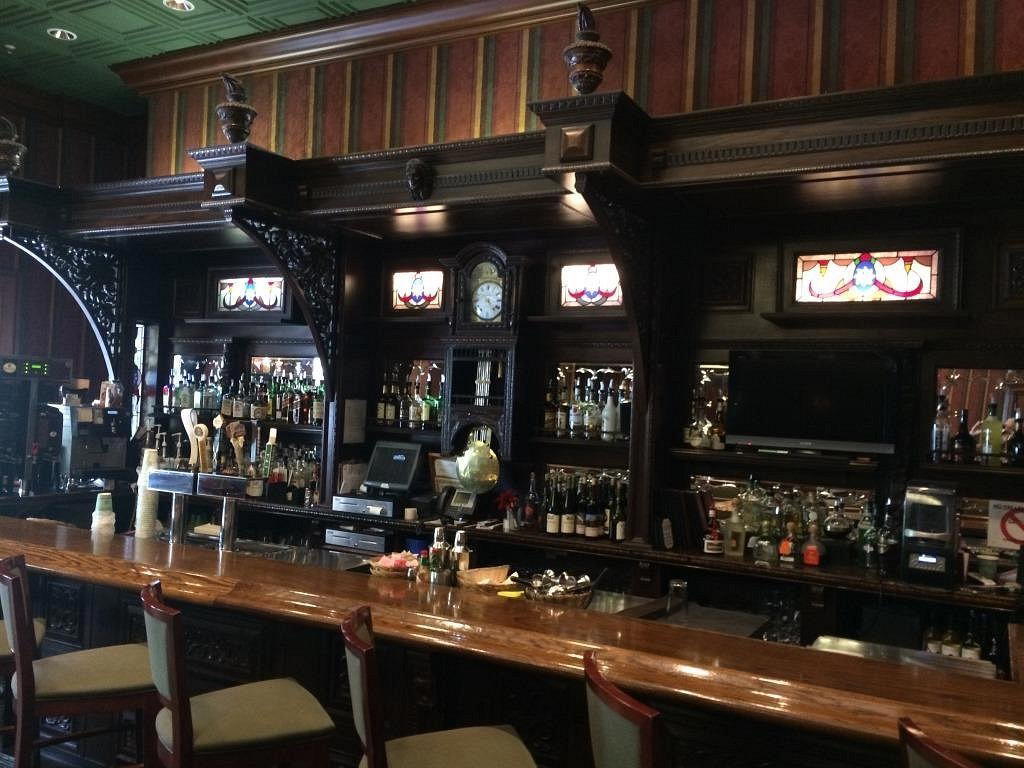
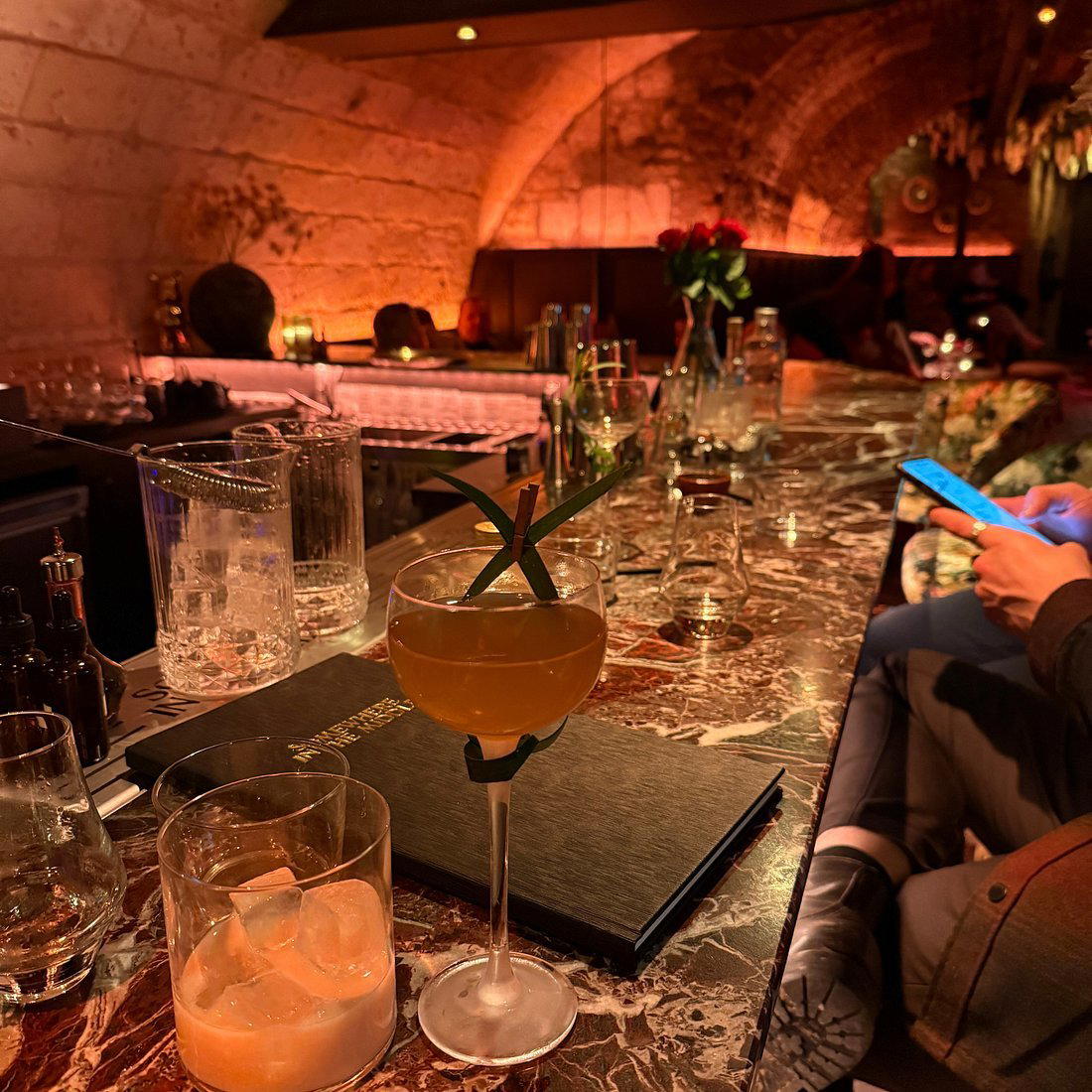
Bars in Houthalen-Helchteren
Browse all →
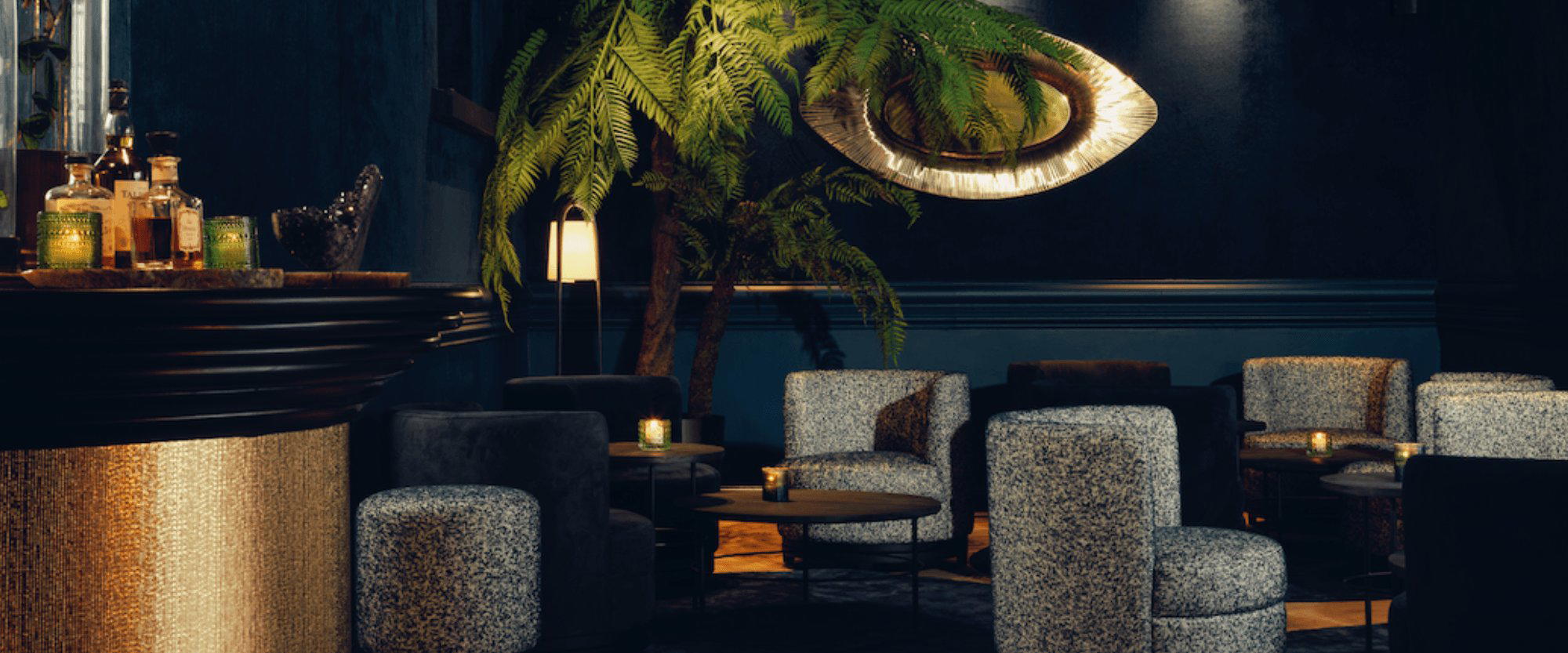
Hotels in Houthalen-Helchteren
Browse all →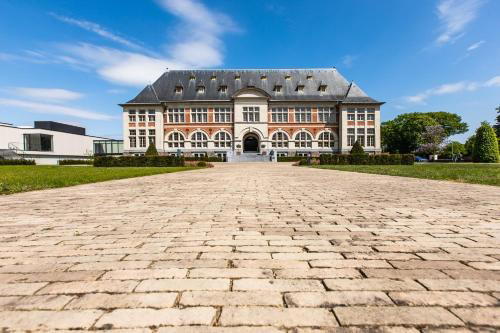
Wineries in Houthalen-Helchteren
Browse all →
At a Glance
- Romantic
- Modern
- Elegant
- Cozy
- Date Night
- Business Dinner
- Group Dining
- Celebration
- Special Occasion
- Terrace
- Private Dining
- Extensive Wine List
- Sommelier Led
- Local Sourcing
Current opening hours
- Monday
- 12–2:30 PM, 6–10 PM
- Tuesday
- Closed
- Wednesday
- Closed
- Thursday
- 12–2:30 PM, 6–10 PM
- Friday
- 12–2:30 PM, 6–10 PM
- Saturday
- 5:30–10 PM
- Sunday
- 12–2:30 PM, 5:30–10 PM
Hours can change for holidays and private events. Last verified .
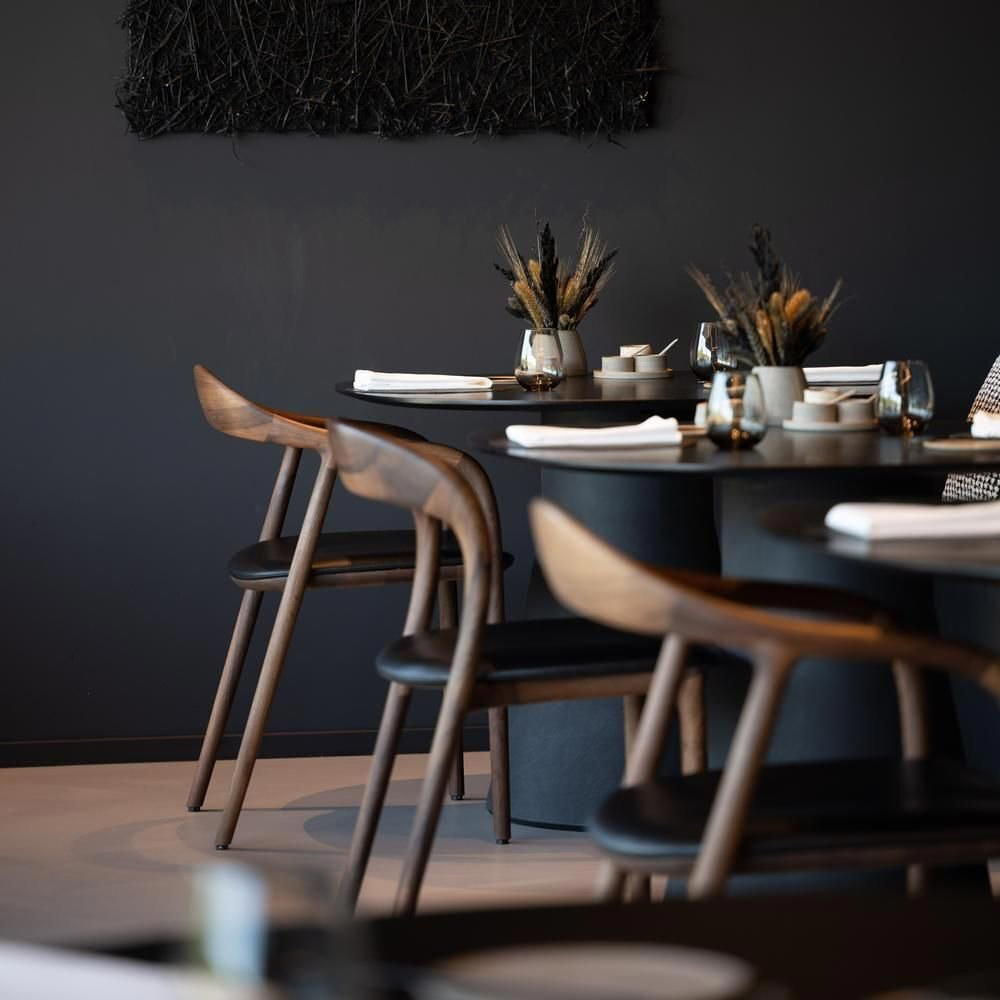
Modern, comfortable interior with warm lighting and a cozy yet sophisticated atmosphere; guests describe it as gezellig (cozy) despite the contemporary design.
Know Before You Go
- Getting there
- Weg naar Zwartberg 137/a1, 3530 Houthalen-Helchteren, Belgium