

1 Michelin Star
Our verdict
De Mijlpaal holds a Michelin star and consecutive Opinionated About Dining Classical in Europe rankings, placing it among the more formally recognised French creative tables in the Belgian province of Limburg. Chef Jan Menten works within a French classical framework at a €€€ price point that sits a tier below the region's multi-star heavyweights. The kitchen operates a tight weekly schedule from Sint-Truiderstraat 25 in Tongeren.

Pearl is the En Primeur Club membership app, where members save venues, book tables and use the concierge.
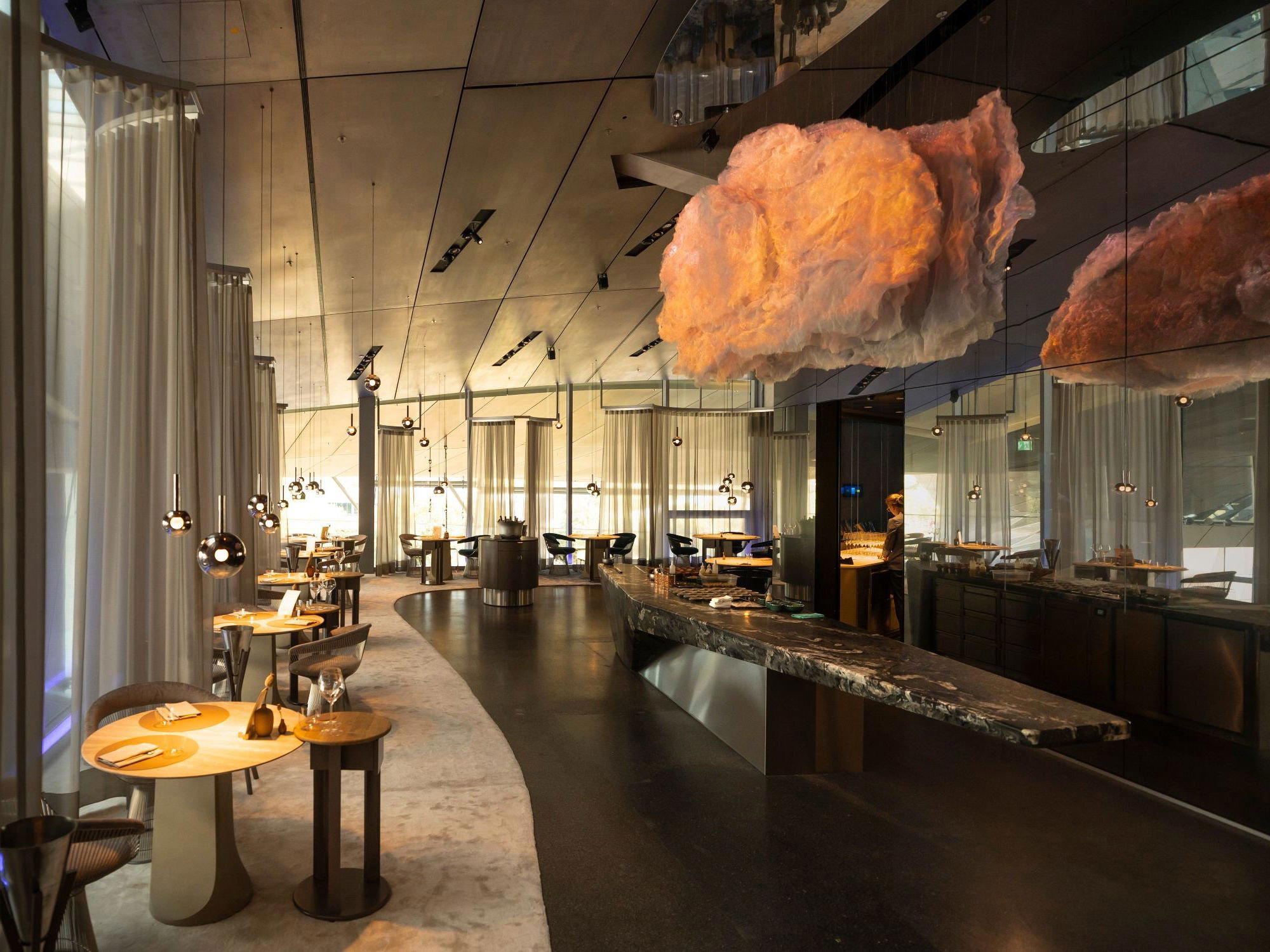
French Classical Cooking in Belgium's Oldest City
Tongeren occupies a particular position in the Belgian dining map: small enough that its restaurant scene rarely draws the same international attention as Antwerp or Brussels, old enough (it is Belgium's oldest city, with Roman foundations) that a certain seriousness runs through its cultural life. The French classical tradition has taken root here in the form of a tight cluster of recognised restaurants, and De Mijlpaal, on Sint-Truiderstraat 25, sits at the more formally credentialled end of that cluster.
The bistro tradition that underpins French classical cooking is worth understanding on its own terms before any single venue enters the picture. At its core, the bistro ideal is about proportion: cooking that is technically serious without becoming theatrical, rooms that are welcoming without becoming casual, and menus that reflect a kitchen's actual repertoire rather than a chef's ambitions for what that repertoire might one day become. Belgium has long maintained its own version of this tradition, shaped by proximity to northern France and by a native appetite for substance over ceremony. The leading provincial Belgian tables in the French classical register, from the Flemish interior to the Ardennes, tend to share a certain directness: the food does what it says, the wine list leans on recognisable appellations, and the room does not ask you to perform enthusiasm. De Mijlpaal, operating under chef Jan Menten, reads as part of this lineage rather than as a departure from it.
What the Awards Signal About the Kitchen
Award trajectories tell a more useful story than single-year snapshots. De Mijlpaal moved from an Opinionated About Dining Classical in Europe recommendation in 2023 to a ranking of #216 in 2024, then to #353 in 2025, the latter shift in a year when the OAD list itself expanded and the competitive field around classical European cooking deepened. The Michelin star was held across both years. Taken together, these signals point to a kitchen that has established a stable technical register and maintained it across multiple assessment cycles, which is a different kind of achievement from the dramatic debut or the single exceptional vintage. In the Belgian context, that kind of consistency at the €€€ price point is worth noting: comparable multi-star tables in the country, such as Boury in Roeselare or Castor in Beveren, operate at €€€€ and aim at a different set of expectations. De Mijlpaal positions itself as a serious classical table without the price architecture of the country's upper tier.
For context, the French and French-creative category in Belgium spans a wide range. At one end sit the multi-star houses, including Hof van Cleve in Kruishoutem and Zilte in Antwerp. In the middle tier, one-star tables with classical foundations occupy a competitive but navigable space. De Mijlpaal holds that middle position in a province, Limburg, where the competition is thinner than in Brussels or the coast, but where the OAD and Michelin assessments are no less rigorous. For comparison, Cuchara in Lommel, also in the Limburg province, holds two Michelin stars at the higher price tier, which gives a sense of the regional ceiling.
The Dining Room and What to Expect
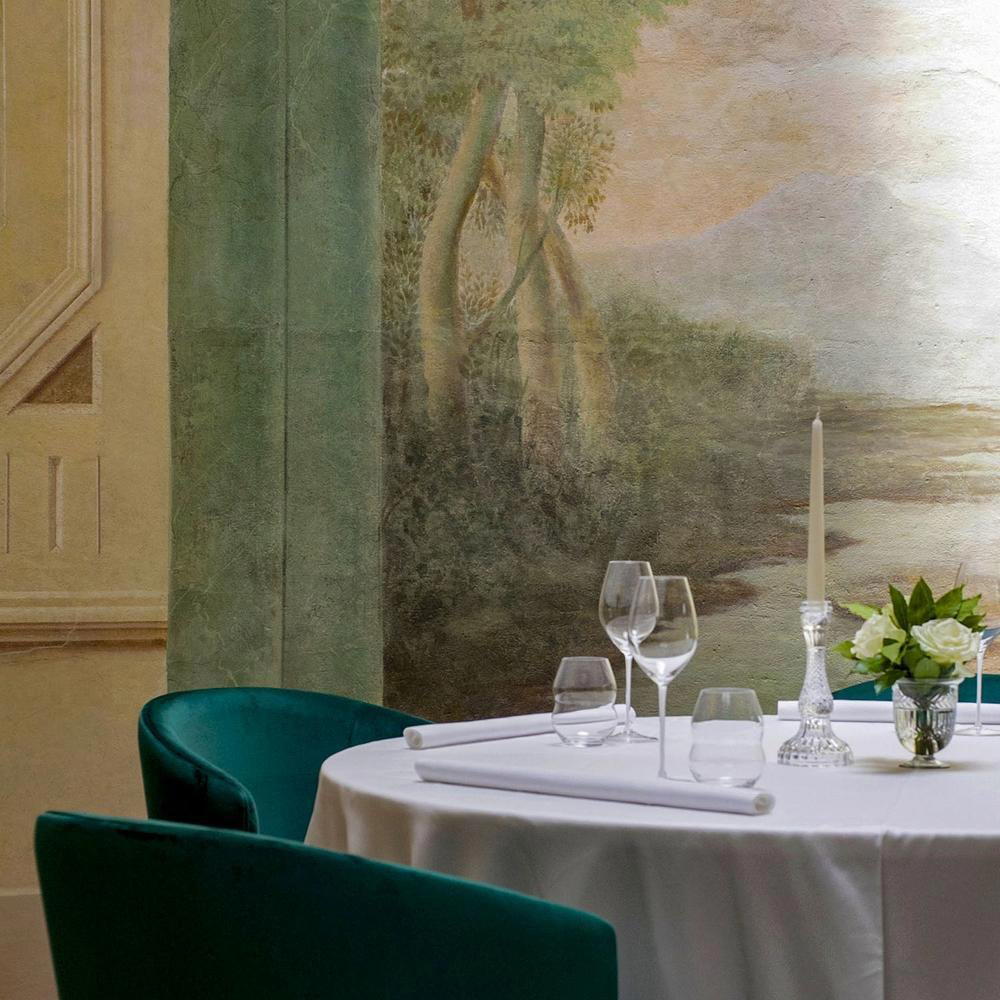
The French classical bistro format, at its most coherent, communicates through the room before the food arrives. Tablecloths, measured spacing between covers, light that allows people to read menus and see what they are eating, service that is attentive without being performative: these are the hallmarks of a room that has thought about the function of dining rather than its aesthetics alone. The address on Sint-Truiderstraat places De Mijlpaal within walking distance of Tongeren's historic centre, a Roman-era city with a Saturday antiques market that draws visitors from across the Benelux region. The combination of a serious classical kitchen and a city that attracts culturally oriented visitors rather than mass tourism creates a particular kind of dining context, one where the room tends to be occupied by people who are there to eat rather than to be seen eating.
The cuisine type, listed as French and Creative, describes a kitchen working within the French classical grammar while allowing for interpretive latitude. This is a common and honest positioning for Belgian tables of this standing: the classical training provides the foundation and the technical vocabulary, while the creative dimension allows the kitchen to respond to seasonal product and to avoid the rigidity that can make strict classicism feel museological. Among the French creative tables that define the international register of this style, Pierre Gagnaire in Paris and AM par Alexandre Mazzia in Marseille represent the further end of that creative spectrum. De Mijlpaal, as the OAD Classical designation makes clear, sits closer to the foundation than the frontier.
Tongeren's Broader Table
Tongeren is a small city by Belgian standards, but it supports a range of serious eating beyond a single starred address. Alter, which works across French, Progressive American, and Creative registers, and Magis, in the Modern Cuisine category, represent different points on the local spectrum. The presence of multiple recognised tables in a city of this size reflects something about the local appetite for serious food, and about the way Belgium's provincial dining scene has developed outside the main urban centres. For visitors building a stay around the table at De Mijlpaal, the full Tongeren restaurants guide maps the wider picture. The city's hotel offer, covered in the Tongeren hotels guide, and its bars, covered in the Tongeren bars guide, give further context for building a two-day visit around the region. For those interested in the Haspengouw wine country that surrounds Tongeren, the Tongeren wineries guide and the experiences guide are worth consulting alongside the restaurant listing.
Among Belgium's broader one-star classical tables, comparisons are instructive. Bartholomeus in Heist and Willem Hiele in Oudenburg operate in coastal and polder contexts respectively, with entirely different product references. d'Eugénie à Emilie in Baudour and Bozar Restaurant in Brussels represent the Walloon and capital-city inflections of the French classical tradition. De Mijlpaal, by contrast, works from a Flemish Limburg base, with the agricultural productivity of the Haspengouw fruit region as its immediate larder context.
Planning Your Visit
The kitchen operates on a compressed weekly schedule: lunch and dinner on Monday, Thursday, and Friday, dinner only on Saturday, and lunch only on Sunday. Tuesday and Wednesday are closed. This is a four-day operating week with a total of seven service windows, which is typical of a small brigade at a one-star level where maintaining quality across too many covers would compromise the work. The address is Sint-Truiderstraat 25, 3700 Tongeren-Borgloon. At the €€€ price point, De Mijlpaal sits one tier below the country's leading classical tables, making it a reasonable proposition for a mid-week lunch on a broader Limburg itinerary.
Frequently asked questions
What is the must-try dish at De Mijlpaal?
What the awards record does confirm is that the kitchen works in a French classical and creative register, holds a Michelin star across 2024 and 2025, and has been cited by Opinionated About Dining's Classical in Europe list across three consecutive years. For current menu information, the most reliable approach is to contact the restaurant directly at the Sint-Truiderstraat 25 address in Tongeren before your visit.
Budget Reality Check
| Venue | Cuisine | Price | Awards | Notes |
|---|---|---|---|---|
| De MijlpaalThis venue (the venue you are viewing) | Modern French-Belgian Fine Dining | $100–150 | 1 Michelin Star | Not listed |
| Boury | Creative French Fine Dining | $300–500 | 3 Michelin Stars · La Liste Top Restaurants | Modern Frlemish, Creative French |
| Comme chez Soi | French - Belgian, Classic Cuisine | Not listed | Michelin 1 Star | Not listed |
| Hertog Jan at Botanic | Modern Japanese Omakase Fine Dining | Not listed | 2 Michelin Stars · La Liste Top Restaurants | Modern Flemish, Creative |
| L'Eau Vive | Modern French Fine Dining | $150–200 | 2 Michelin Stars · La Liste Top Restaurants | French, Modern French |
| La Durée | Modern French Fine Dining | $150–200 | 2 Michelin Stars · La Liste Top Restaurants | French-Belgian, Creative |
Recognition history
Dated appearances from independent guides and award organizations, with the underlying list record or original source where available.
Michelin 1 Star
Michelin
Opinionated About Dining Classical in Europe Ranked #353
Opinionated About Dining
Full recognition history (6 entries)
Michelin 1 Star
Michelin
Michelin 1 Star
Michelin
Opinionated About Dining Classical in Europe Ranked #216
Opinionated About Dining
Opinionated About Dining Classical in Europe Recommended
Opinionated About Dining
Continue exploring
More in Tongeren
Restaurants in Tongeren
All restaurants in Tongeren →
Bars in Tongeren
Browse all →
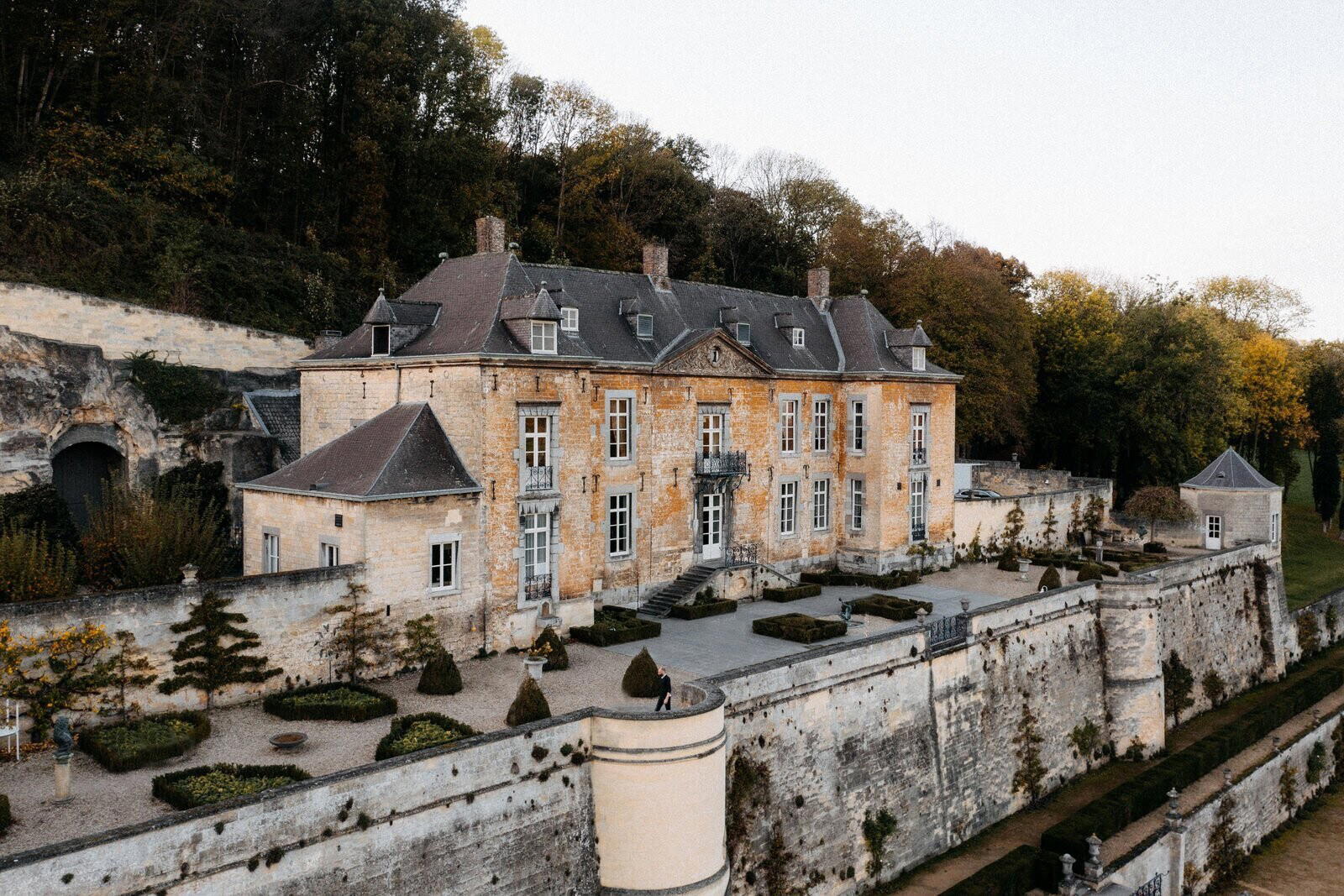
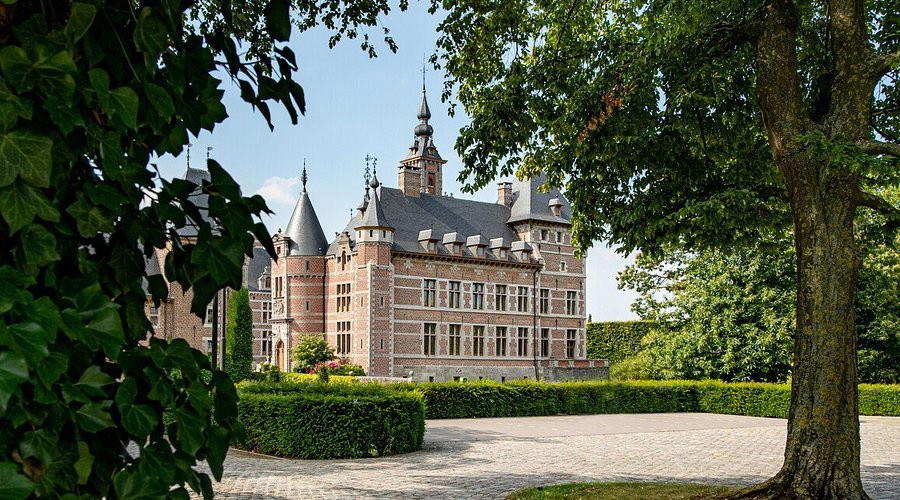
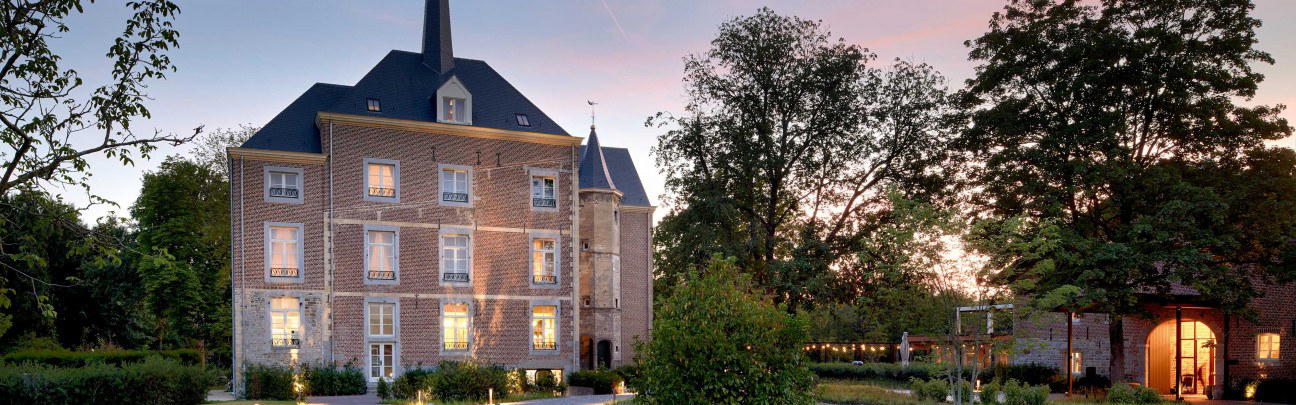
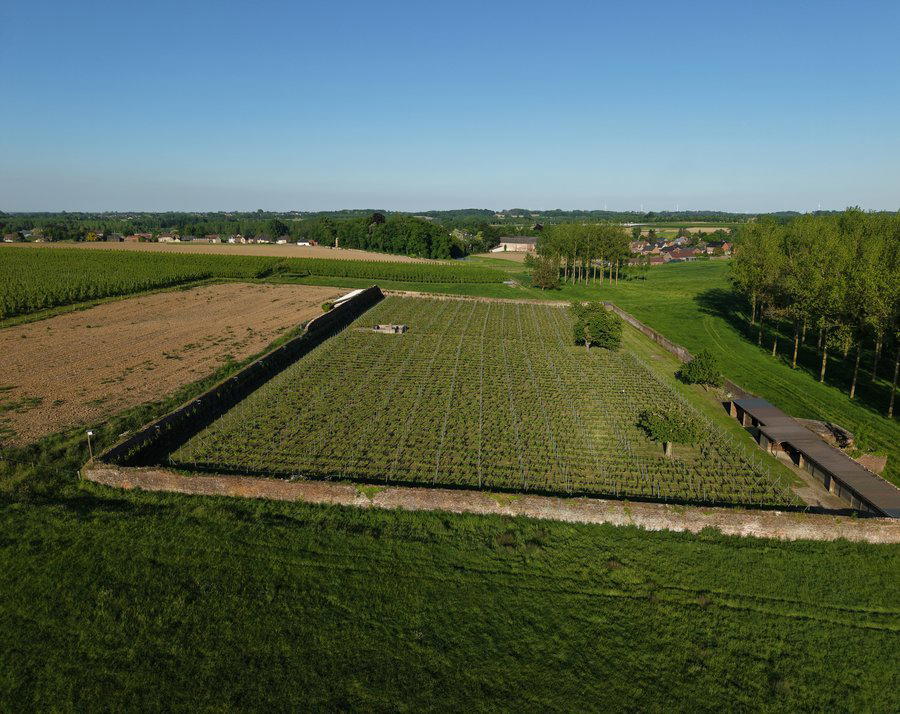

De Mijlpaal
The wine
- Wine program
- Deep wine list
- Extensive wine list
- Sommelier-led
Details
- Elegant
- Modern
- Intimate
- Sophisticated
- Date Night
- Special Occasion
- Business Dinner
- Historic Building
- Extensive Wine List
- Sommelier Led
- Tasting Menu
- A La Carte
Current opening hours
- Monday
- 12–2 PM, 7–9 PM
- Tuesday
- Closed
- Wednesday
- Closed
- Thursday
- 12–2 PM, 7–9 PM
- Friday
- 12–2 PM, 7–9 PM
- Saturday
- 7–9 PM
- Sunday
- 12–2 PM
Hours can change for holidays and private events. Last verified .
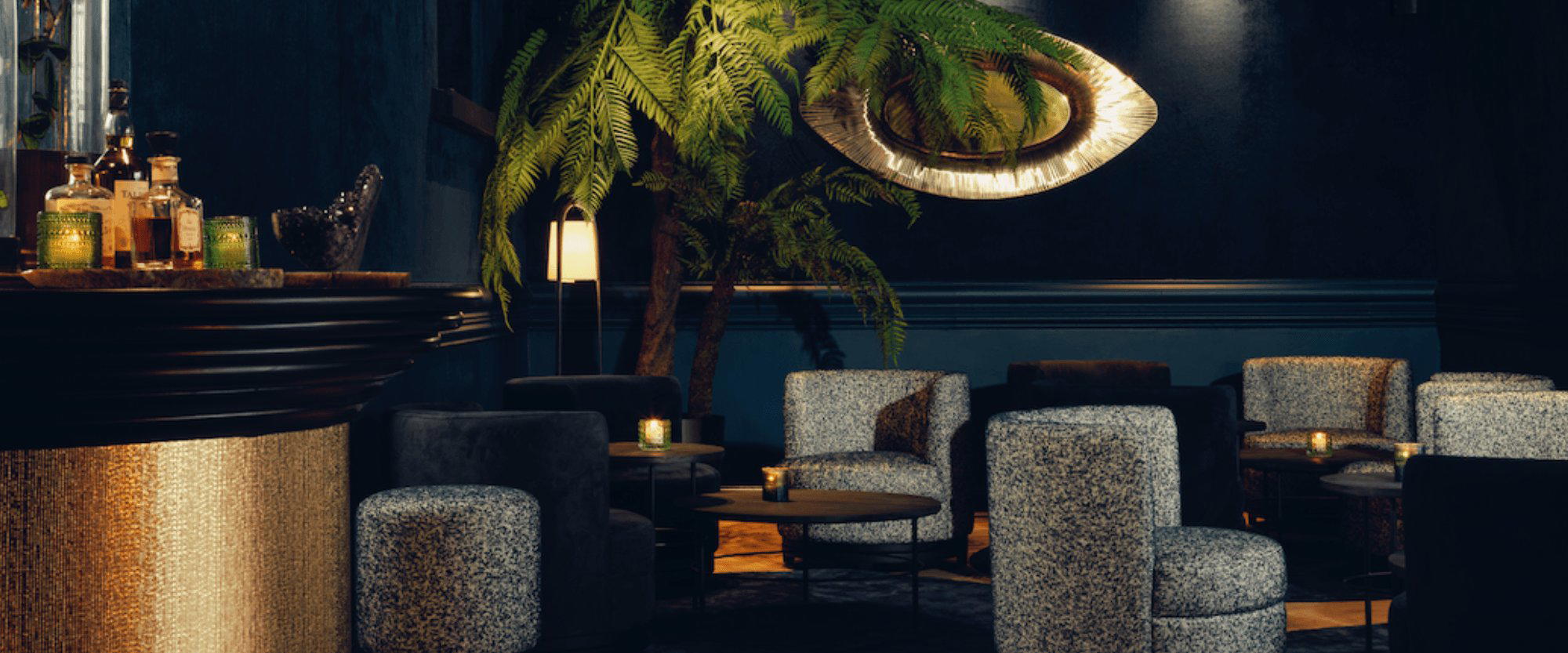
Elegant modern interior with cozy details, formal yet relaxed atmosphere, and privacy between tables.