Our verdict
Peking Ente sits at Voßstraße 1 in Berlin's Mitte district, steps from the former site of the Reich Chancellery, making its address alone a study in layered history. The restaurant specialises in Peking duck, a dish whose preparation demands discipline and whose sourcing choices increasingly define how serious practitioners separate themselves from the crowd. For Berlin's most considered take on this classic, the address is worth knowing.

Pearl is the En Primeur Club membership app, where members save venues, book tables and use the concierge.

Where Mitte's Weight Settles on the Plate
Voßstraße in Berlin's Mitte carries a particular kind of gravity. The street runs through what was once the administrative core of the Third Reich, and today the surrounding neighbourhood is a mix of government buildings, diplomatic offices, and the quiet civic formality that follows from all that proximity to power. Walking toward Peking Ente at number one, the architecture keeps a certain blankness, the postwar kind, and the contrast with what arrives at the table is deliberate. Inside, the register shifts. The dish at the centre of the menu, Peking duck, demands a specific slowness: the roasting, the resting, the carving. That unhurried discipline is at odds with what the street outside suggests, and that tension is part of what makes eating here feel considered. The question is no longer simply whether the kitchen can produce a lacquered skin at the right crispness and a breast that retains its fat without rendering to grease, the answer at this level is assumed. The question is where the bird came from, how it was raised, and whether the kitchen can account for that chain with any specificity.
Peking duck is one of the more resource-intensive preparations in Chinese cuisine. Traditional methods call for air-drying the carcass, sometimes for 24 hours or more, to pull moisture from the skin before roasting. The fuel source matters. The breed matters. And the distance the bird travels from farm to hook is now a legitimate signal of a kitchen's ethical seriousness. Berlin's dining culture, particularly in the Michelin-tracked tier occupied by peers like Nobelhart & Schmutzig, a restaurant that built its entire identity around radical sourcing transparency, has made provenance literacy a baseline expectation among attentive diners.
In that context, Peking Ente's position on Voßstraße places it in a neighbourhood where the surrounding restaurants and institutions carry institutional weight. The pressure to match that seriousness extends to the supply chain, not just the execution on the plate.
The Dish Itself: A Preparation with Deep Roots
Peking duck as a codified preparation traces its formal history to imperial China, where it was served at the court of the Ming dynasty. The technique that arrived in European cities across the twentieth century was already a simplified version of something far more ceremonially precise. What serious practitioners in cities like Berlin have done in recent years is move in the opposite direction: toward more labour, more specificity, and less compromise.
The full traditional service involves at least two courses from a single bird, the skin served first, often with thin pancakes, spring onion, cucumber, and hoisin, then the meat in a second preparation, sometimes a broth made from the carcass. A kitchen that commits to both services is committing to zero-waste cooking in its most classical form. The bones go to stock. The fat renders into cooking medium. Nothing is discarded. This is sustainability not as a marketing frame but as a structural feature of the preparation itself, one that predates the contemporary conversation around food waste by several centuries.
In Berlin, the comparison point for this kind of disciplined whole-animal thinking extends beyond Chinese cuisine. Restaurant Tim Raue, which holds two Michelin stars and whose cooking draws directly from Chinese and Southeast Asian traditions, has made the case that Asian culinary precision belongs at the top tier of European dining. The broader context that kitchen established in Berlin makes a serious Peking duck restaurant more legible to the city's dining public than it might be in a market without that precedent.
Where Peking Ente Sits in Berlin's Wider Dining Map
Berlin's serious restaurant tier is now large enough to have genuine internal variation. At one end, the technically ambitious European fine dining represented by kitchens like Rutz and FACIL. At another, the dessert-forward experiment of CODA Dessert Dining. Peking duck sits outside all of these peer sets, which is partly what makes a restaurant dedicated to the format interesting. It is not competing on the terms of modern European tasting menus. It is competing on the terms of a single, specific, historically defined preparation, and that narrowness is a form of conviction.enprimeurclub.com/restaurants/schwarzwaldstube-baiersbronn-restaurant">Schwarzwaldstube in Baiersbronn built its reputation on a regional cooking identity; Aqua in Wolfsburg and Vendôme in Bergisch Gladbach on a particular style of classical precision. The argument in each case is that depth of focus produces a different kind of quality than breadth. A restaurant built around Peking duck is making the same argument in a different register. For parallel thinking at the international level, Le Bernardin in New York City built its entire identity around fish, a similarly narrow structural bet that paid off across decades.
For readers building a wider Berlin picture, the full Berlin restaurants guide maps the city's serious dining in more detail, alongside the Berlin hotels guide, bars guide, wineries guide, and experiences guide. Kitchens that roast whole birds on a timed production schedule are not well-suited to absorbing unannounced tables at volume.
Frequently asked questions
Where do I go for Peking Ente?
Peking Ente is located at Voßstraße 1, 10117 Berlin, Germany, Berlin.
Is Peking Ente in Berlin focused on a single signature dish rather than a broad menu?
Yes. The restaurant takes its name directly from the preparation it centres on, placing it in a category of Berlin dining rooms that build an entire identity around one dish rather than a wide-ranging menu. That focus is itself a structural statement: the kitchen's credibility rests entirely on the quality of a single classical technique with roots in Ming dynasty imperial cooking. For diners at Voßstraße 1, the expectation should be depth over breadth.
What do regulars order at Peking Ente?
The name of the restaurant answers the question directly. A kitchen that builds its identity around a single preparation is signalling that Peking duck is the reason to visit Voßstraße 1. Classical service presents the bird across multiple courses, using the whole animal, so the full duck order is the appropriate way to eat here rather than supplementary dishes.
Do they take walk-ins at Peking Ente?
Peking duck kitchens work to a fixed count: whole birds are prepared hours before service, which puts a hard ceiling on covers each evening. At a Mitte address like Voßstraße 1, demand is unlikely to leave much slack for walk-ins. Contacting the restaurant in advance to confirm availability is the practical approach rather than arriving without a booking.
In Context: Similar Options
Comparable venues nearby, for context on price, style, and recognition.
| Venue | Cuisine | Price | Notes |
|---|---|---|---|
| Peking EnteThis venue (the venue you are viewing) | Traditional Chinese | $20–30 | Not listed |
| Tianfuzius | Vegetarian Sichuan Chinese | $20–30 | Schoneberg |
| Lecker Song | Traditional Chinese Dumplings | $10–20 | Prenzlauer Berg |
| Provocateur | French-Chinese Fusion | $50–100 | Wilmersdorf |
| Sons of Mana & Friends Q205 | Asian Fusion with Poke Bowls and Vietnamese | $10–20 | Mitte |
| Burger Turm | Handcrafted American Burgers | $10–20 | Tiergarten |
Continue exploring
More in Berlin
Restaurants in Berlin
All restaurants in Berlin →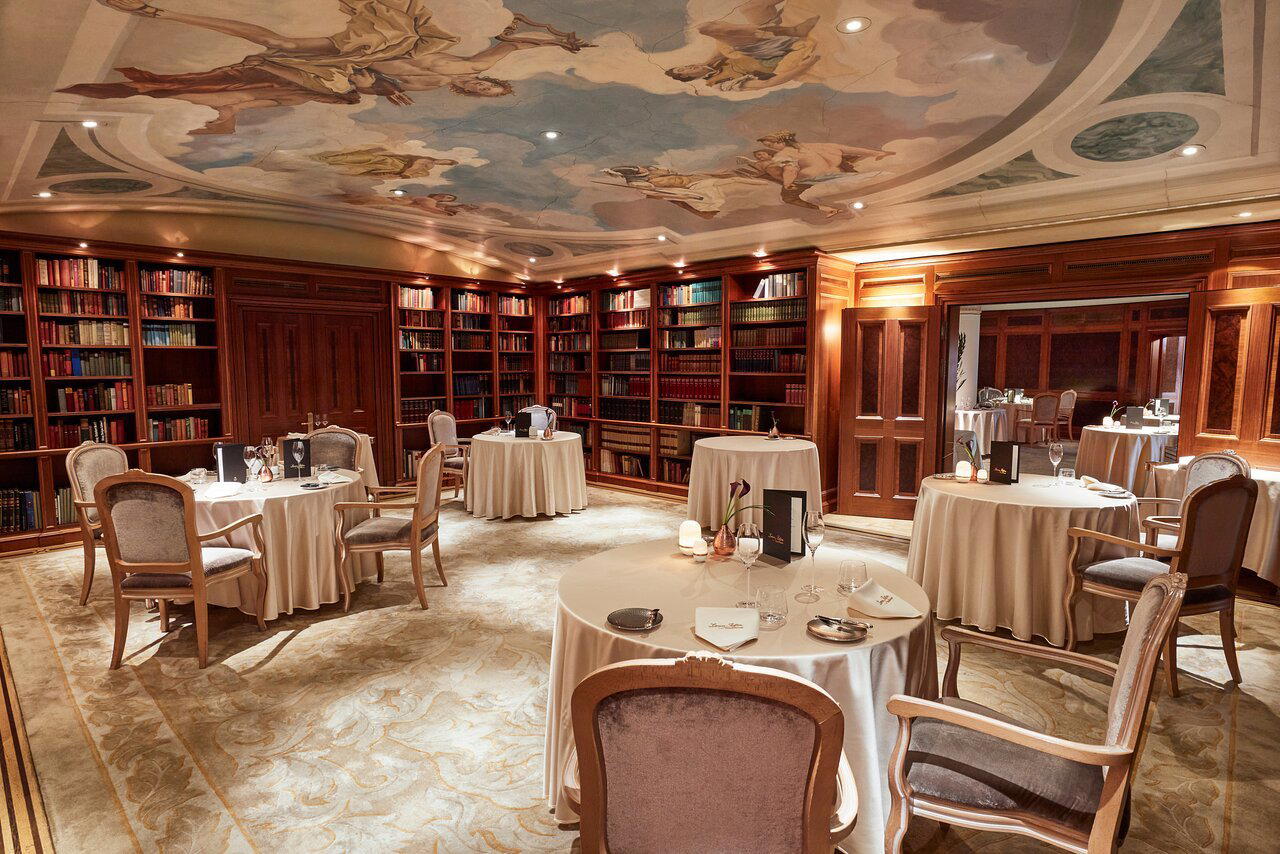
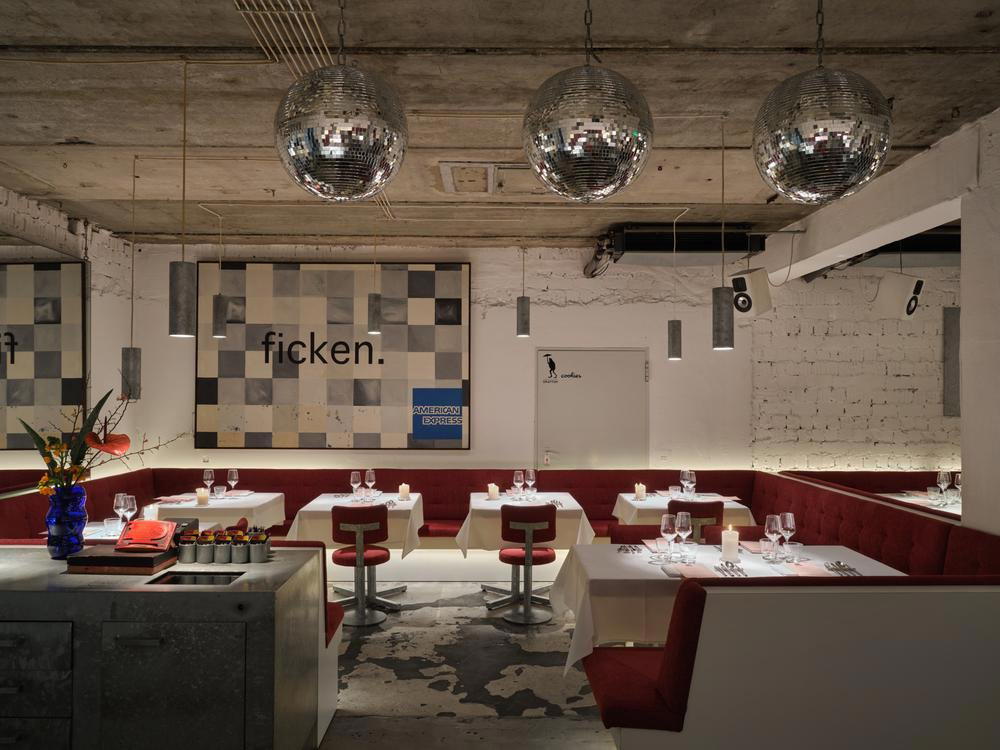
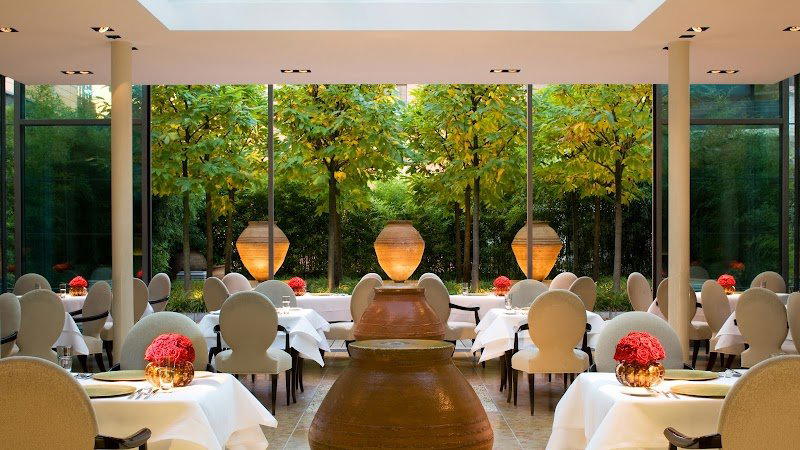
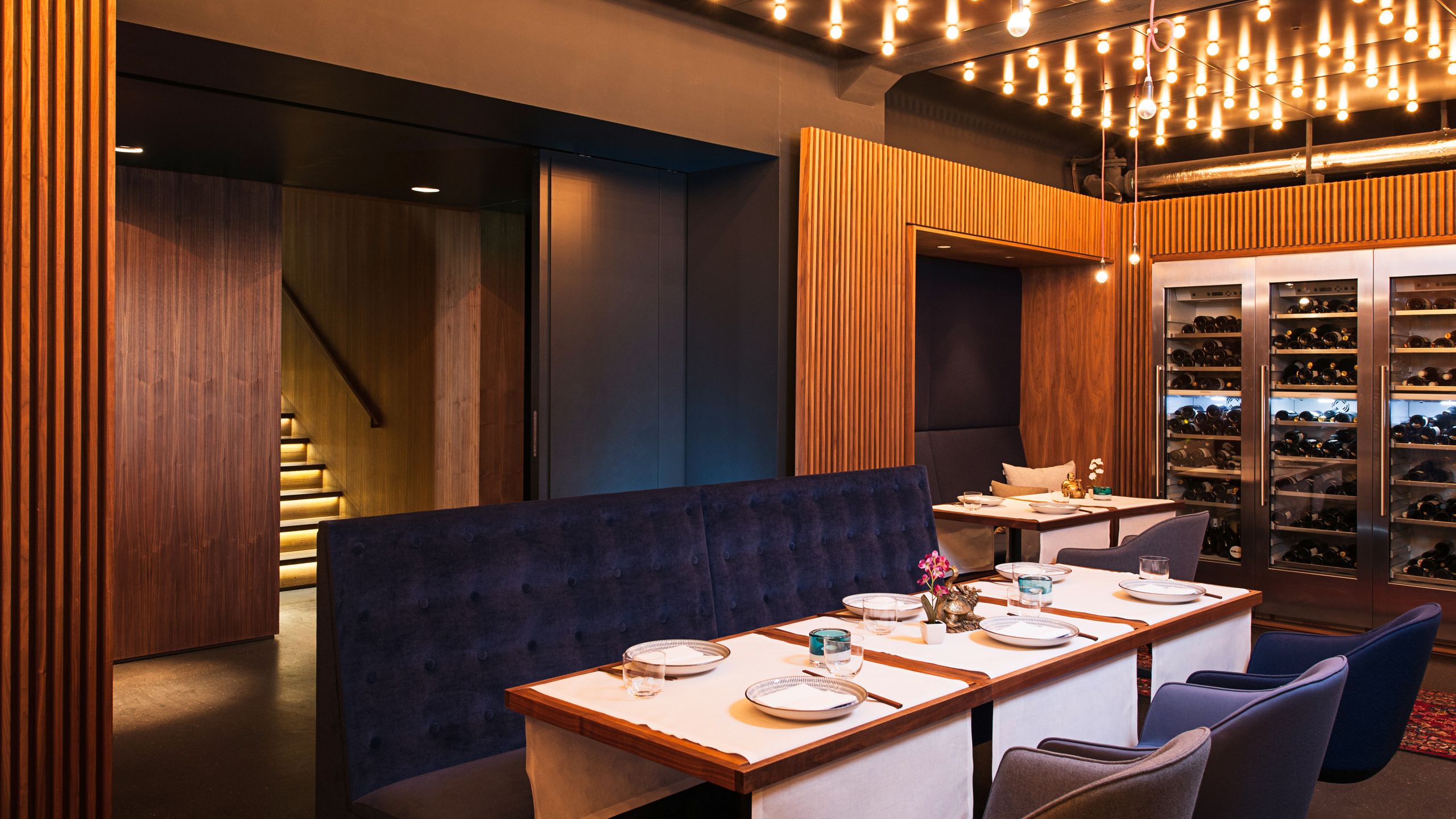
Bars in Berlin
All bars in Berlin →

Details
- Family
- Group Dining
- Casual Hangout
- Open Kitchen
- Terrace
- A La Carte
- Vegetarian Friendly
Current opening hours
- Monday
- 11:30 AM–10 PM
- Tuesday
- 11:30 AM–10 PM
- Wednesday
- 11:30 AM–10 PM
- Thursday
- 11:30 AM–10 PM
- Friday
- 11:30 AM–10 PM
- Saturday
- 12–10 PM
- Sunday
- 12–10 PM
Hours can change for holidays and private events. Hours as of .
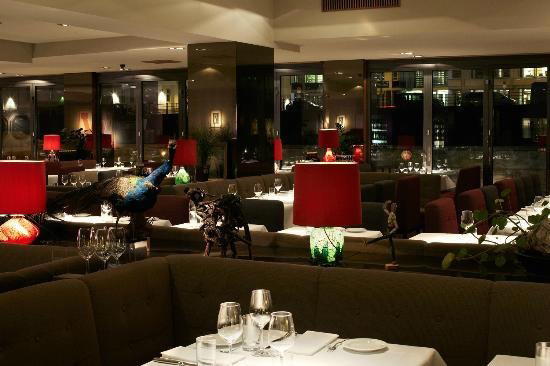
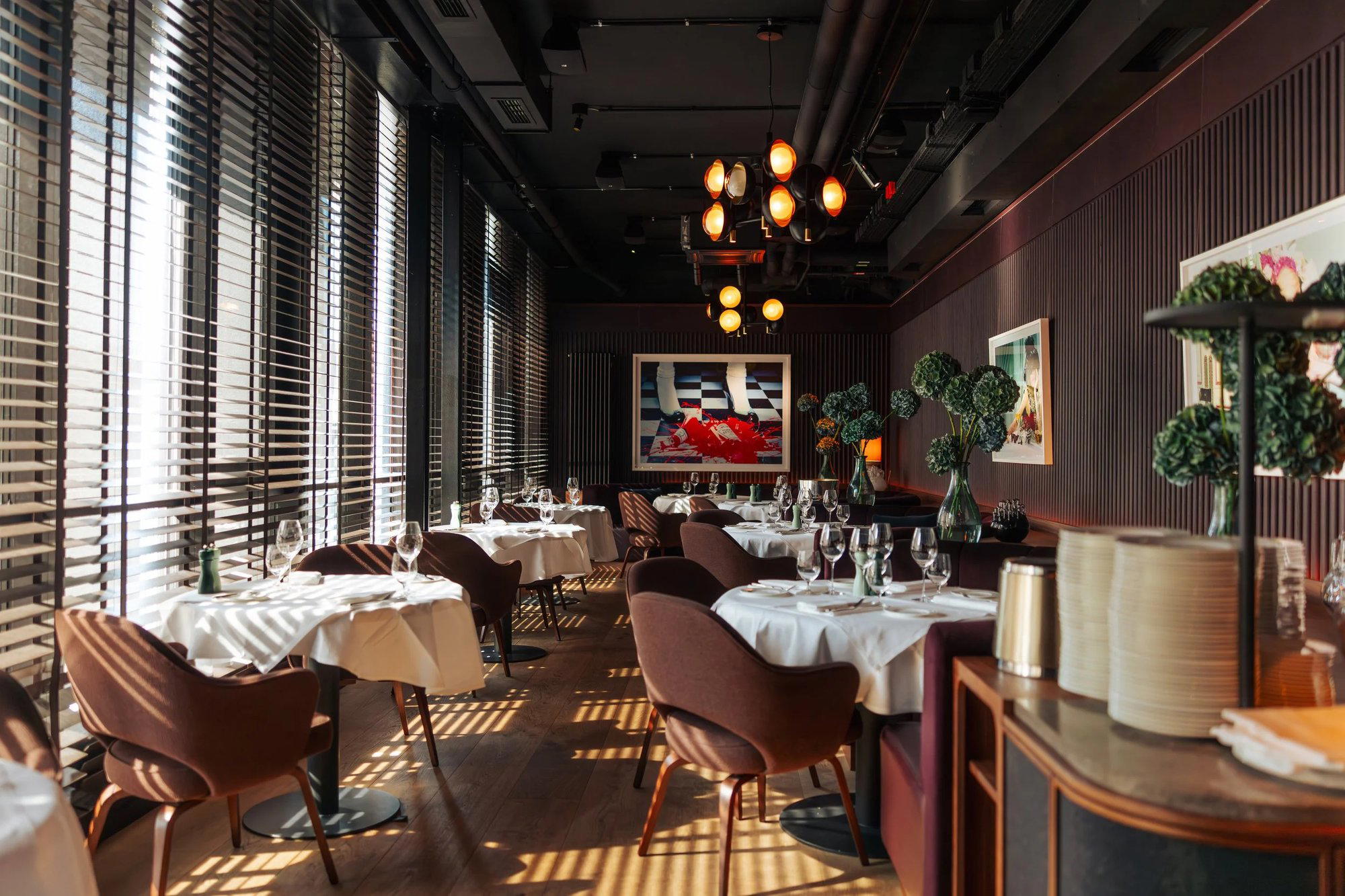
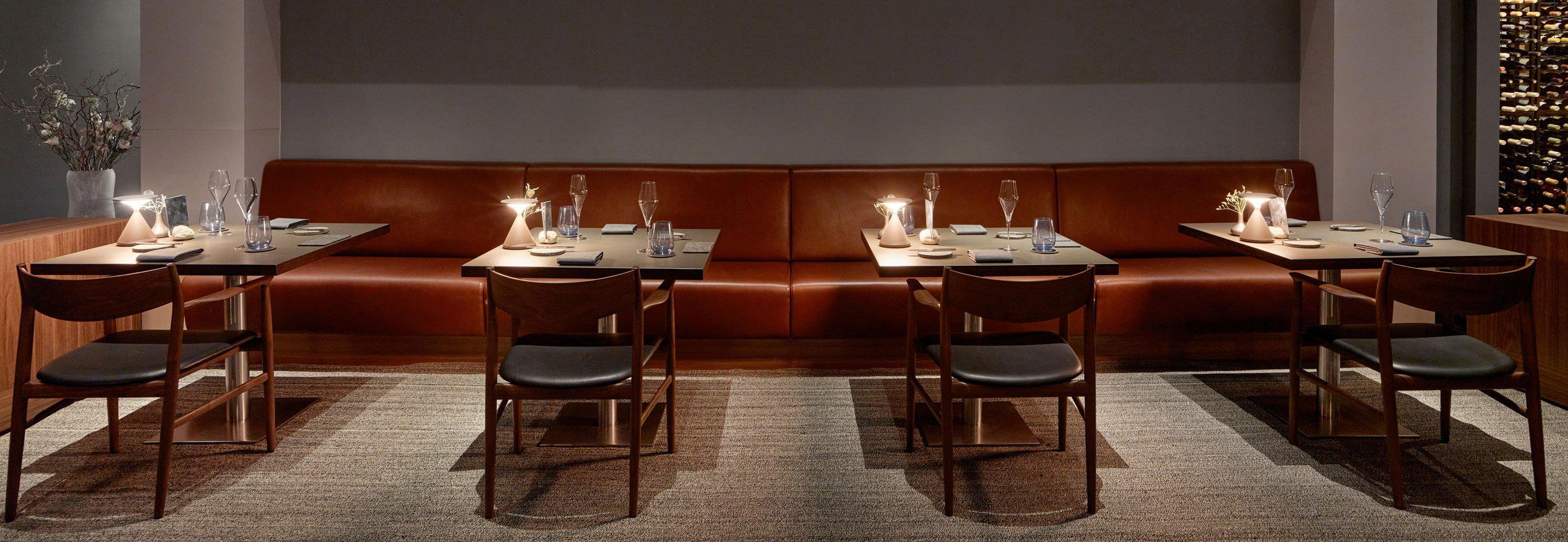
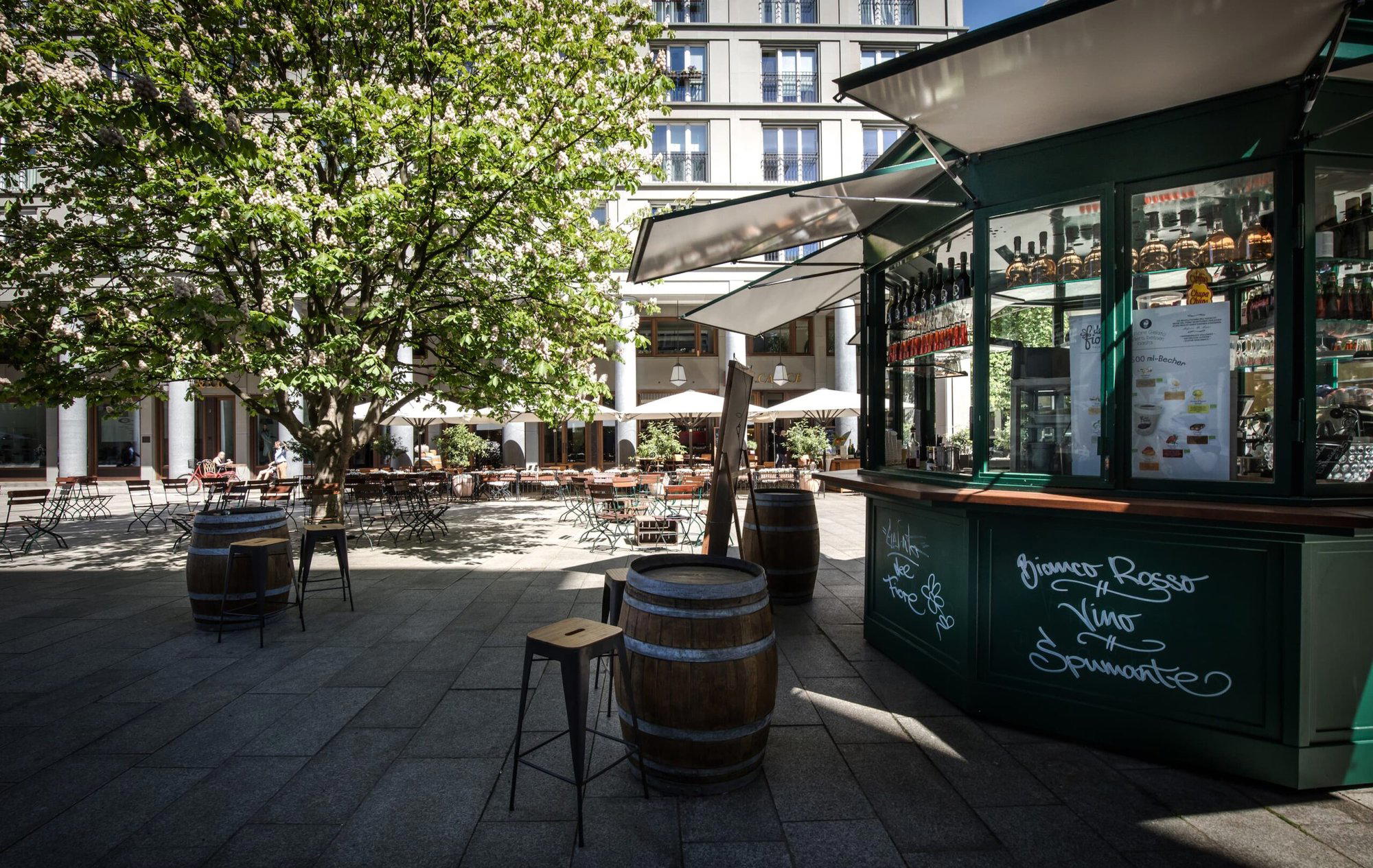
Casual and spacious with energetic noise levels, bland but neat interior, and extensive outdoor seating.