Our verdict
The kitchen draws on ingredient sourcing as its organising principle, positioning it closer to the conscientious casual tier than the white-tablecloth circuit. It represents a strand of Cologne dining that has been growing quietly alongside the city's more decorated Modern Cuisine rooms.

Pearl is the En Primeur Club membership app, where members save venues, book tables and use the concierge.

The name itself is a statement of intent. In Cologne's broader dining conversation, the word "green" carries weight. The city has watched a generational shift in what diners ask of kitchens: transparency about where things come from, a shorter distance between field and plate, and cooking that treats vegetables as architecture rather than garnish. That shift has played out at the premium end too, at rooms like Ox & Klee and maiBeck, where Modern Cuisine credentials come packaged with sourcing narratives. Little Green Kitchen operates in the same city conversation but at a different price register and with a more focused, less theatrical format.
The Sourcing Argument in Practice
Ingredient sourcing is not a marketing position in the kitchens that take it seriously, it is a constraint that shapes every decision from menu structure to portion size. When a kitchen commits to working with regional or seasonal supply, it accepts that the menu changes when the supply does, that certain ingredients will run out before the week ends, and that the chef cannot always guarantee consistency of the kind that a fixed printed menu implies. This is a different operating logic from the rooms that import prestige ingredients from outside the region and build their identity around product recognition.
Cologne sits within reach of the Bergisches Land, the Eifel, and the Rhine lowlands, all of which produce vegetables, herbs, and smaller-scale livestock. The farms and market gardens of the lower Rhine have supplied Cologne's kitchens for centuries, and the city's markets, particularly the Alter Markt and the weekly producers' markets across the inner districts, reflect that proximity. A kitchen that anchors itself to those supply lines is making a claim about what the region can provide, and that claim carries more credibility than one that sources globally and describes itself as sustainable.
This is the context in which Little Green Kitchen should be read. It is part of a broader European movement toward ingredient-honest cooking that values provenance over prestige label. Closer to Cologne, the philosophy shows up in different registers, from the precise Modern French sourcing logic at La Cuisine Rademacher to the more relaxed bistro approach at Le Moissonnier Bistro.
Cologne's Casual Tier and Where Green Kitchens Fit
The city's dining structure has sharpened over the past several years. At the decorated end, Cologne holds Michelin recognition across several addresses and has restaurants that sit in legitimate national peer sets alongside rooms like Vendôme in Bergisch Gladbach and Aqua in Wolfsburg. But the more interesting growth has been in the middle and casual tiers, where a generation of operators has built concepts around specific positions: natural wine, vegetable-centred menus, open kitchens, and neighbourhood formats that serve locals rather than tourists.
Little Green Kitchen occupies that space. It is not competing with the tasting-menu rooms that attract visiting critics, and it is not trying to. Its competitive set is the group of Cologne addresses that have built a following through ingredient quality and format honesty rather than through awards campaigns. In that set, La Société offers a useful contrast point: a Modern Cuisine room with a stronger design investment and a slightly different price signal.enprimeurclub.com/restaurants/coda-dessert-dining-berlin-restaurant">CODA Dessert Dining have shown how a narrow focus can generate critical attention that would be impossible for a more generalised operation. Munich's equivalent scene, anchored by places like JAN, has a slightly different character: more product-driven luxury, less ideological about plant-centricity. Cologne's version is quieter, less self-conscious, and arguably more genuinely integrated into how the city actually eats. The address is residential and light-commercial rather than restaurant-strip, which means there is no cluster of similar venues nearby and no ambient foot traffic to rely on. Reservations are advisable, particularly on weekends, as the format and scale typical of neighbourhood kitchens at this positioning leave little room for walk-in tables. For travellers combining the visit with a broader Cologne itinerary, the full Cologne restaurants guide covers the range of formats across the city's districts.enprimeurclub.com/restaurants/schwarzwaldstube-baiersbronn-restaurant">Schwarzwaldstube in Baiersbronn and ES:SENZ in Grassau each demonstrate how regional ingredient commitment operates at the decorated end of the spectrum. Schanz in Piesport offers another reference point for what Rhine-region produce can produce at high ambition.enprimeurclub.com/restaurants/le-bernardin">Le Bernardin in New York City and Atomix in New York City show the format at its most technically demanding, while Waldhotel Sonnora in Dreis, Victor's Fine Dining by Christian Bau in Perl, and Restaurant Haerlin in Hamburg anchor the German decorated tier for broader context.
Frequently asked questions
Is little green kitchen good for families?Is little green kitchen better for a quiet night or a lively one?
What is the must-try dish at little green kitchen?
Does little green kitchen suit diners who are not strictly vegetarian?
Reputation Context
Comparable venues nearby, for context on price, style, and recognition.
| Venue | Cuisine | Price | Notes |
|---|---|---|---|
| little green kitchenThis venue (the venue you are viewing) | Vegan Plant-Based Cafe | $10–20 | Not listed |
| Vunky | Modern Plant-Based Vegetarian | $50–100 | Neustadt/Nord |
| Hornochse | Handmade American Burgers | $10–20 | Nippes |
| Crusty Slices | Croissant Pizza | Not listed | Altstadt/Nord |
| Ramen Kagetsu | Japanese Ramen | $20–30 | Altstadt/Süd |
| Antica Pizzeria Nennillo | Authentic Neapolitan Pizza | $10–20 | Altstadt/Süd |
Continue exploring
More in Cologne
Restaurants in Cologne
All restaurants in Cologne →
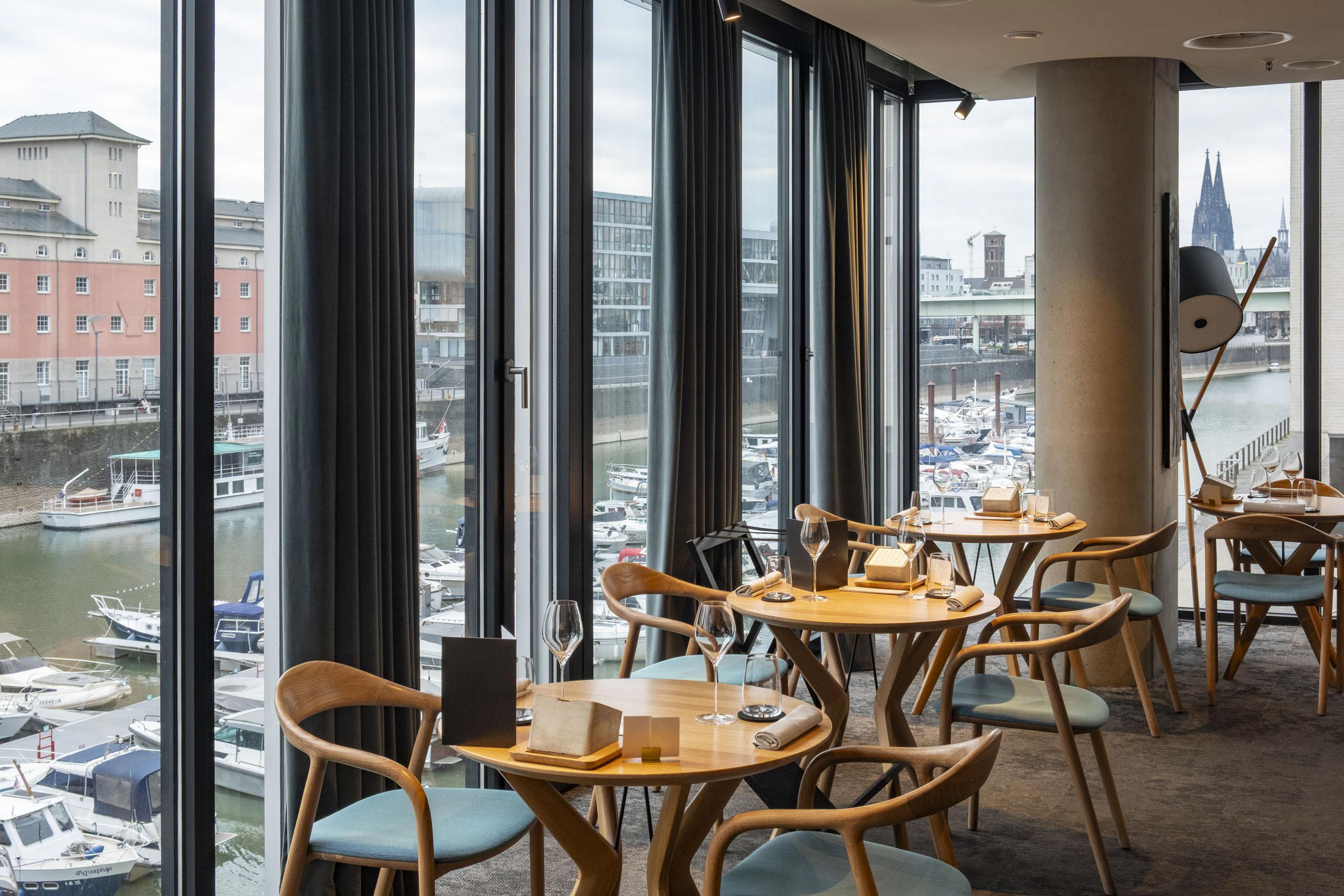
Bars in Cologne
All bars in Cologne →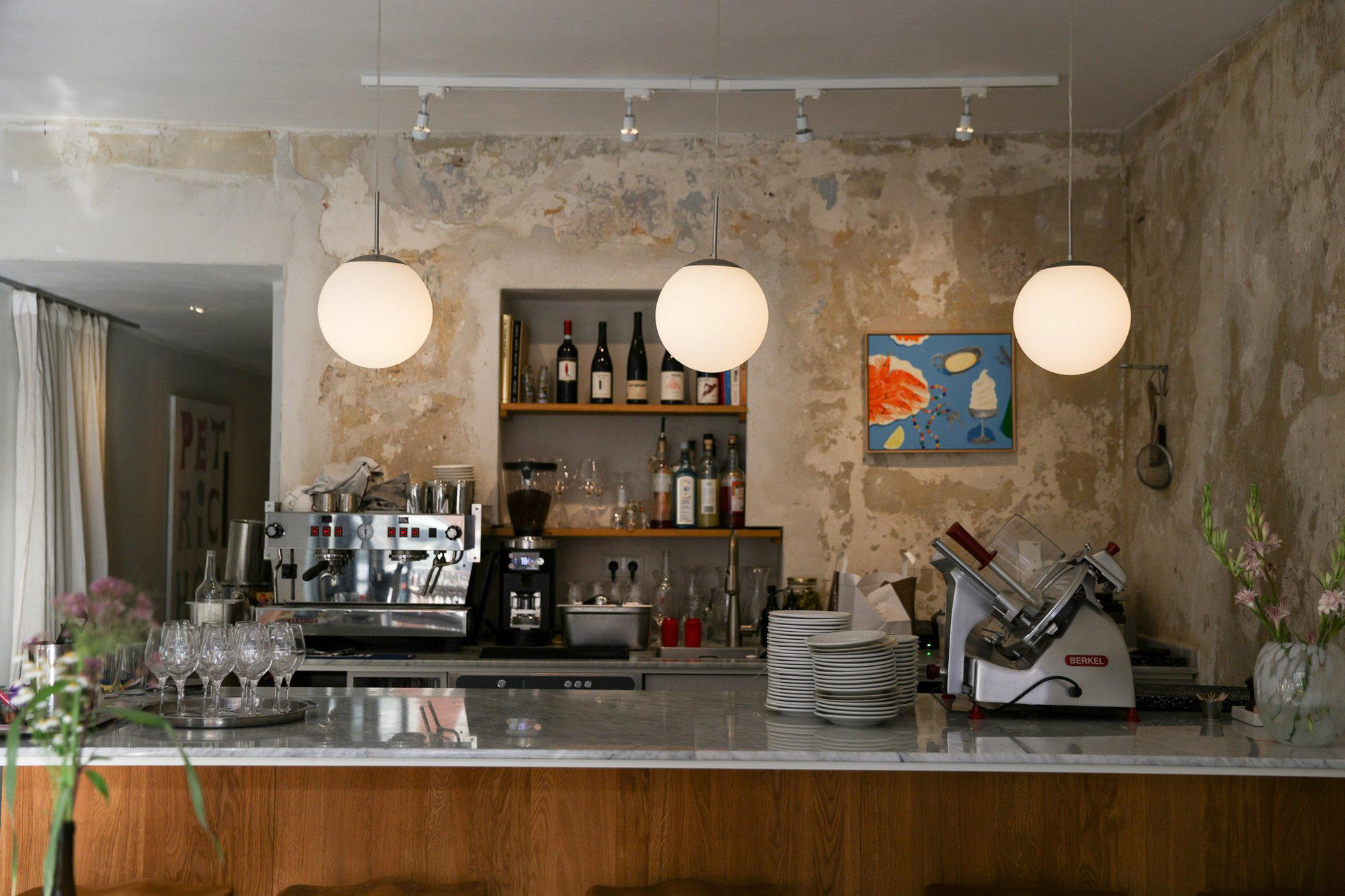
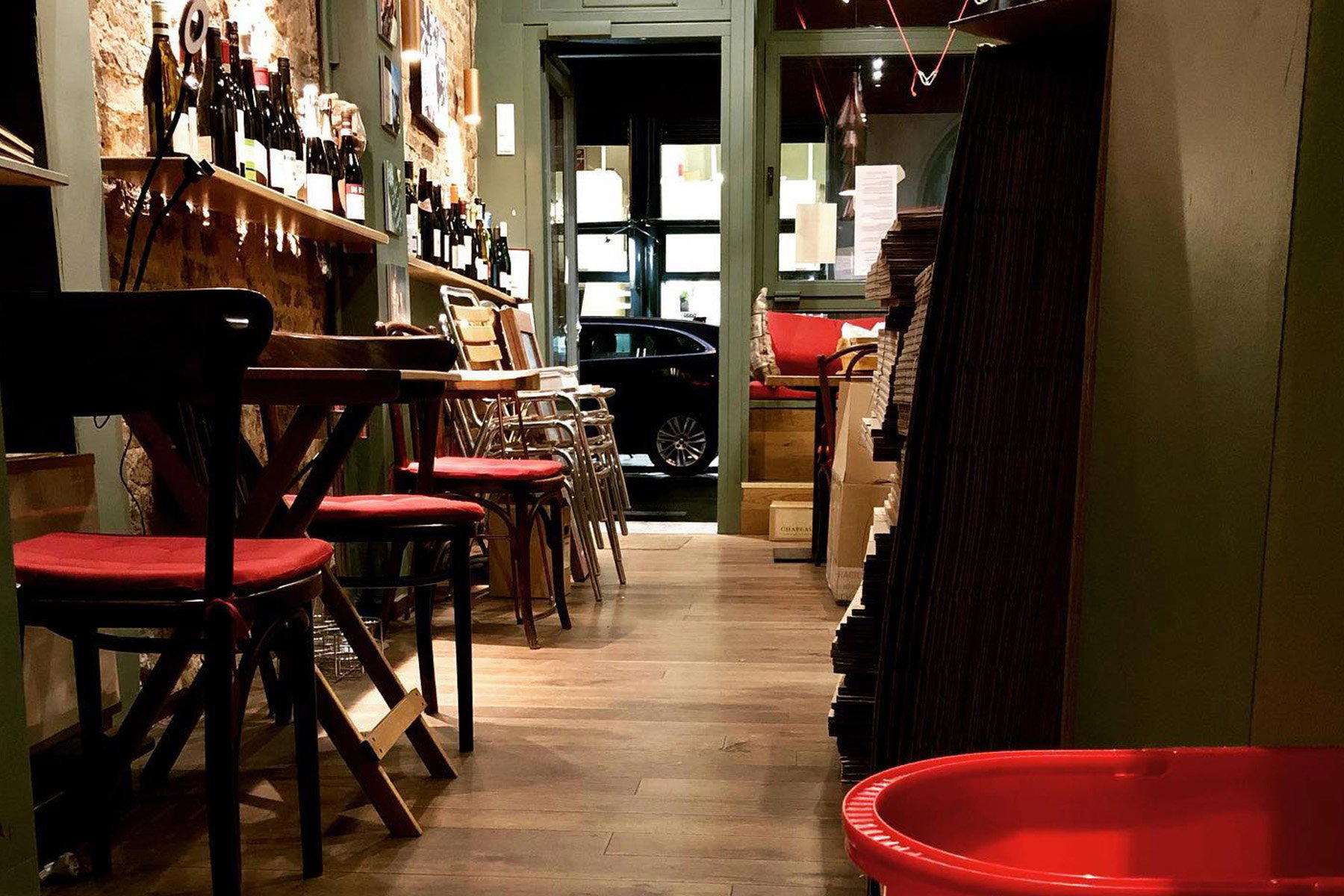
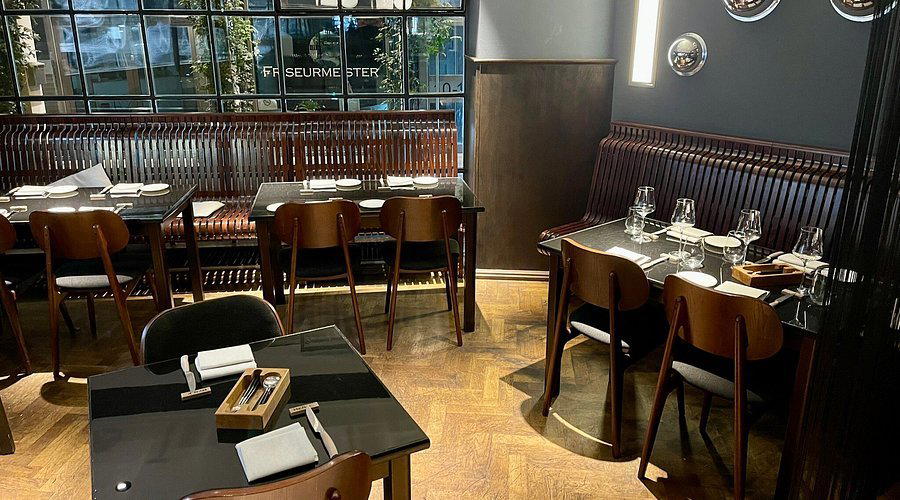

Details
- Cozy
- Modern
- Casual Hangout
- Brunch
- Open Kitchen
- Local Sourcing
- A La Carte
- Small Plates
- Vegan Options
Current opening hours
- Monday
- 11:30 AM–3 PM
- Tuesday
- 11:30 AM–3 PM
- Wednesday
- 11:30 AM–3 PM
- Thursday
- 11:30 AM–3 PM
- Friday
- 11:30 AM–3 PM
- Saturday
- Closed
- Sunday
- Closed
Hours can change for holidays and private events. Hours as of .
Cozy and nicely decorated with a good vibe and relaxed atmosphere.