On Bloor West, Levant brings the cooking traditions of the Eastern Mediterranean and Levantine region to one of Toronto's most culturally layered neighbourhoods. The menu draws on the cuisines of Lebanon, Syria, Israel, and the broader Arab world, positioning itself within a small cohort of Toronto restaurants treating this culinary tradition with serious intent rather than casual approximation.
Pearl is the En Primeur Club membership app — saves, bookings, and concierge access live there. Same editors, same standards.
- Address
- 899 Bloor St W, Toronto, ON M6H 1L2, Canada
- Phone
- +14169014488
- Website
- levant.pizza
- Directions
- Get directions
 Saves & bookings on Pearl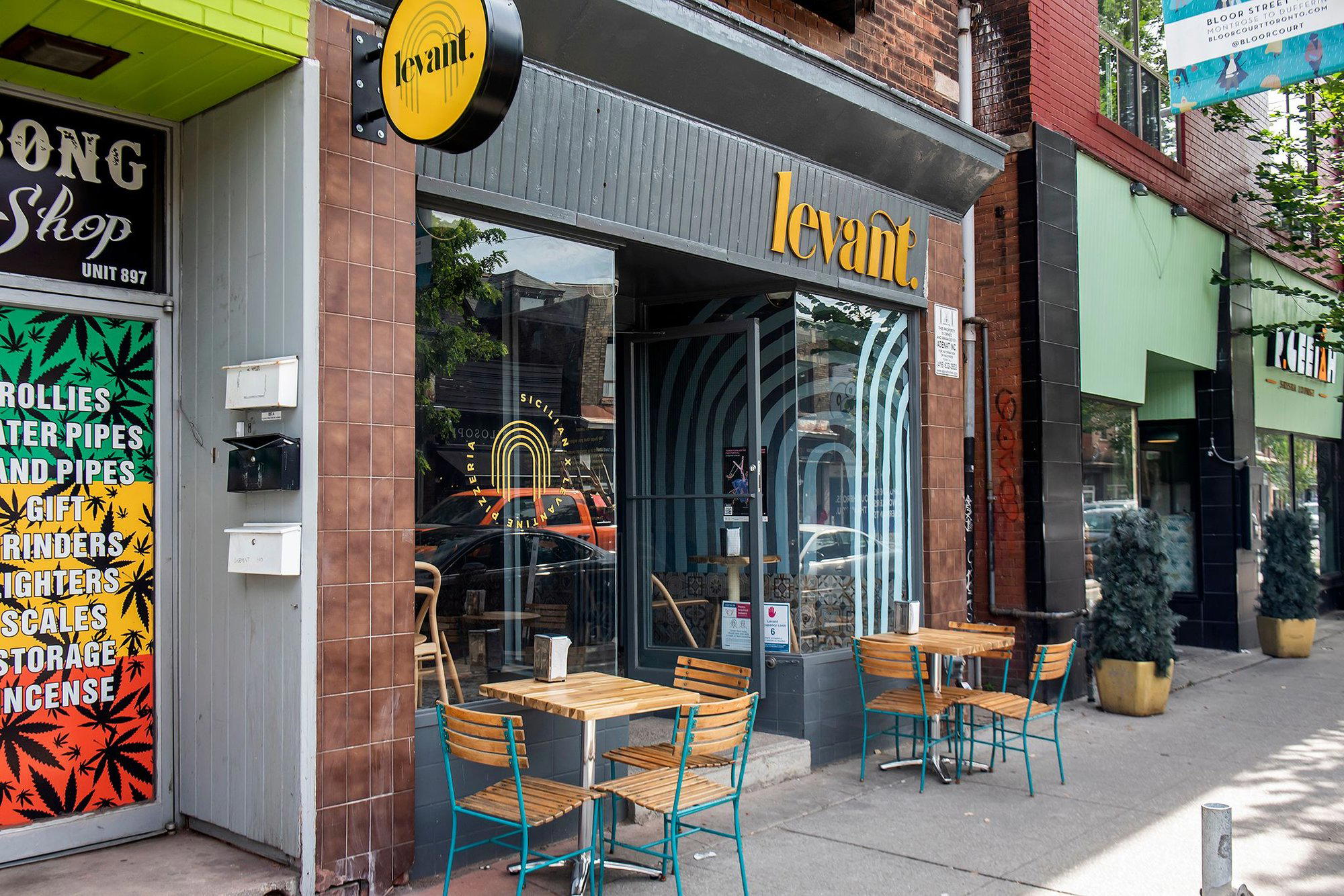
Where Bloor West Meets the Eastern Mediterranean
Bloor Street West, in the stretch running through Dovercourt and into Dufferin, has long been one of Toronto's more honest dining corridors: less curated than King West, less self-conscious than Ossington, and carrying a neighbourhood density that keeps restaurants accountable to repeat locals rather than one-time destination visitors. It is into this context that Levant arrives at 899 Bloor St W, a restaurant serving Levantine Sicilian Pizza Fusion in Toronto. The food of Lebanon, Syria, Palestine, and the broader Arab Levant has always been built for the table rather than the pedestal, shared, layered, and structured around hospitality as a cultural reflex rather than a restaurant concept.
That context matters because Levantine cooking is one of the more misrepresented traditions in North American dining. In most cities, it collapses into a generic Middle Eastern shorthand: hummus, falafel, shawarma, and a pita basket. The more serious version of this cuisine is something else entirely, one that draws on centuries of trade-route exchange, with Persian, Ottoman, Mediterranean, and Arab influences layering into a tradition where spice use is precise rather than aggressive, and acidity, freshness, and char carry as much weight as richness. Toronto, with its substantial Lebanese and broader Arab diaspora communities, has the raw cultural material to support a more grounded interpretation, and Bloor West's demographic mix makes it a plausible home for exactly that.
The Sensory Register of the Room
Levantine restaurants at their most atmospheric trade in a specific set of sensory signals: the faint smoke of a charcoal grill threading through a warm room, ceramic dishes in earthy glazes arriving with more speed than ceremony, the sound of a room that is full but not loud. The cooking tradition itself is visual in the way that meze formats tend to be, small dishes arriving in sequence or simultaneously, creating a table geography that rewards attention. A spread of properly made kibbeh nayyeh alongside a bright tabbouleh and a smoked baba ghanoush communicates more about a kitchen's calibration than any single composed plate would.
At 899 Bloor West, the neighbourhood itself provides a layer of atmosphere before you reach the door. This is a block that functions rather than performs, and restaurants on this stretch tend to earn their reputation through consistency rather than opening-week momentum. For a cuisine tradition where the measure of quality is often repetition, whether the hummus is as good on a Tuesday as it is on a Saturday, whether the bread arrives hot every time, that kind of neighbourhood accountability is an appropriate pressure.
Levantine Cooking in the Toronto Context
Toronto's premium dining tier is well-documented at the leading end: Alo anchors the contemporary tasting-menu bracket, while Sushi Masaki Saito and Aburi Hana hold the city's most serious Japanese counters. The Italian end is covered by DaNico and Don Alfonso 1890. What the city's upper-middle dining tier has historically been slower to develop is a serious Levantine presence.
That gap is visible across Canadian cities. Tanière³ in Quebec City and Jérôme Ferrer's Europea in Montreal demonstrate how regional traditions can be treated with serious culinary ambition without becoming unmoored from their source material. In Vancouver, AnnaLena shows how a neighbourhood-scale restaurant can sustain a distinct culinary point of view over time. The same pressure, to be both genuinely rooted in a tradition and legible to a broad urban audience, applies to any Toronto restaurant working seriously with Levantine cooking.
Across Canada more broadly, the pattern of taking regional and diaspora food traditions seriously rather than merely conveniently is one of the more interesting developments in the country's dining culture. From Eigensinn Farm in Singhampton to Restaurant Pearl Morissette in Lincoln and The Pine in Creemore, the more compelling restaurant conversations in Ontario are happening at the intersection of culinary specificity and local accountability, qualities that a serious Levantine kitchen on Bloor West can reasonably aspire to join.
Further afield, the reference points for what Levantine cooking can achieve at the highest level include restaurants in New York like Atomix, which demonstrates how a cuisine tradition rooted in sharing and sequence can be translated into a format that earns serious critical attention, and Le Bernardin, which remains the reference point for what it means to treat a single culinary tradition with absolute commitment over decades. Those are different culinary traditions, but the underlying discipline is the same: knowing what your cooking is about and not diluting it for convenience.
What the Address Tells You
In Toronto's restaurant geography, an address on Bloor West rather than in the Financial District or on King Street signals something about the intended audience and the operating model. This is a neighbourhood that draws from local walkable catchment, from the broader west-end population, and from food-aware visitors who specifically seek out restaurants embedded in residential city fabric rather than dining-district clusters. Restaurants here tend to run leaner on theatre and harder on food, which suits a cuisine tradition where the quality signal is in the product rather than the production.
For comparison: Barra Fion in Burlington, Narval in Rimouski, and Aux Anciens Canadiens in Quebec each demonstrate how a restaurant's physical and cultural location shapes its culinary identity as much as any menu decision does. Location is not just logistics; it is editorial. A Levantine restaurant on Bloor West is making a claim about the kind of restaurant it intends to be, and that claim is worth taking seriously.
For a broader view of where Levant fits within Toronto's dining scene, the range running from Bearspaw Golf Club in Calgary to the Ontario farm-table circuit underscores how geographically specific the country's leading dining has become.
Know Before You Go
Address: 899 Bloor St W, Toronto, ON M6H 1L2
Neighbourhood: Dovercourt / Bloor West, Toronto
Cuisine: Levantine Sicilian Pizza Fusion
Booking: Reservation recommended
Hours: Mon: Closed; Tue: 12–10 PM; Wed: 3:30–9 PM; Thu: 3:30–9 PM; Fri: 12–9:30 PM; Sat: 12–9:30 PM; Sun: 12–9 PM
Price: About $25 per person
Cuisine and Credentials
Comparable venues nearby, for context on price, style, and recognition.
| Venue | Cuisine | Price | Notes |
|---|---|---|---|
| LevantThis venue — the venue you are viewing | Levantine Sicilian Pizza Fusion | $$ | Not listed |
| Queen of Persia | Authentic Persian | $$ | Humewood |
| Zezafoun Syrian Cuisine | Authentic Syrian Cuisine | $$ | Davisville Village |
| Tabule on Yonge | Modern Lebanese | $$ | Davisville Village |
| Laylak Lebanese Cuisine Toronto | Modern Lebanese Fine Dining | $$$ | Church-Yonge Corridor |
| Takht-e Tavoos Restaurant | Traditional Persian Breakfast & Brunch | $$ | Little Portugal |
Continue exploring
More in Toronto
Restaurants in Toronto
Browse all →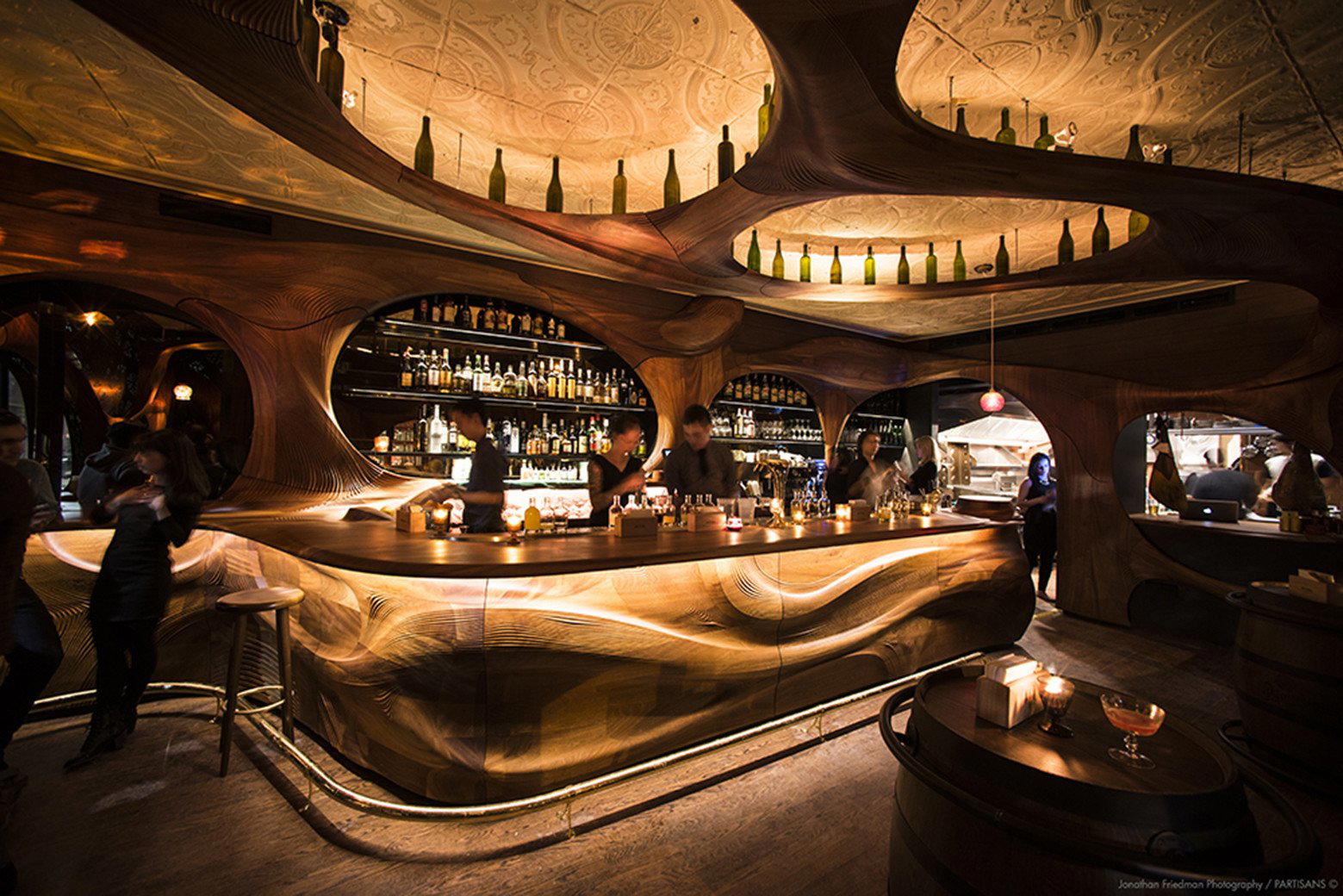
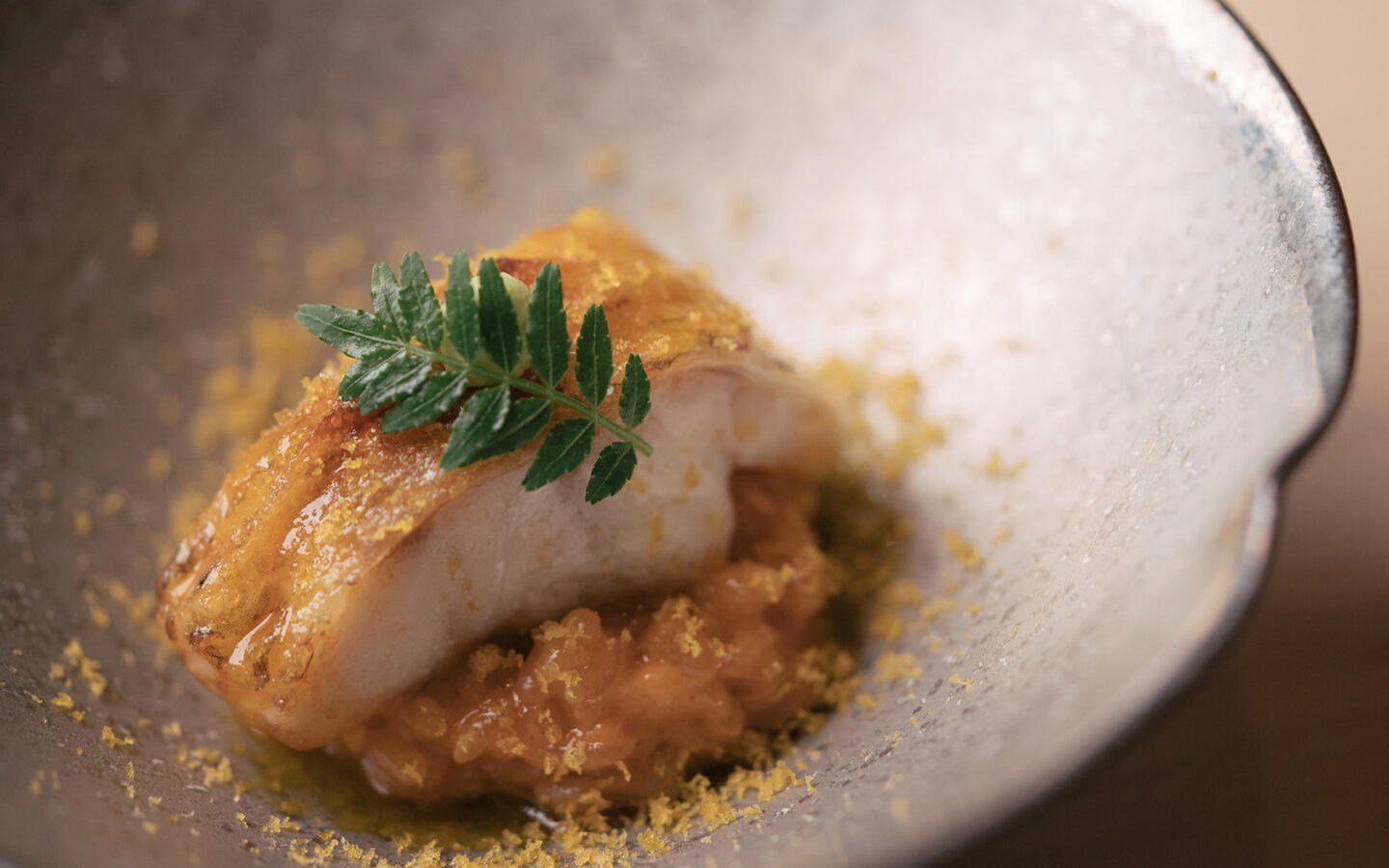
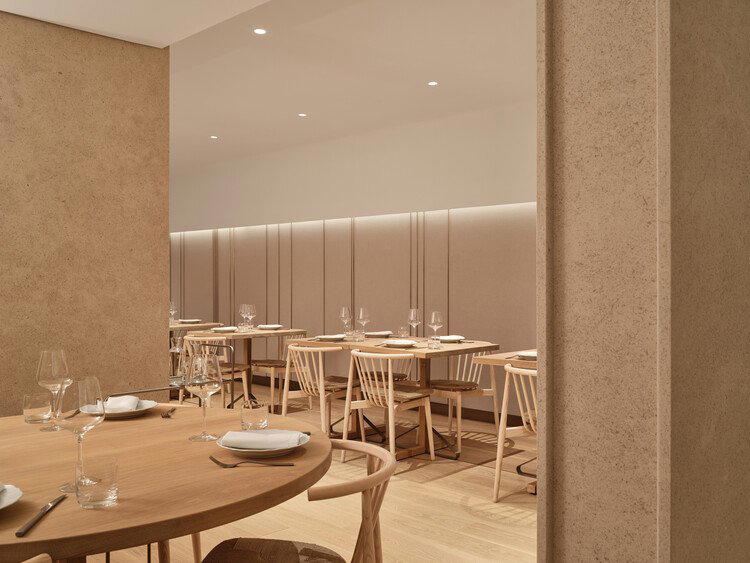
Bars in Toronto
Browse all →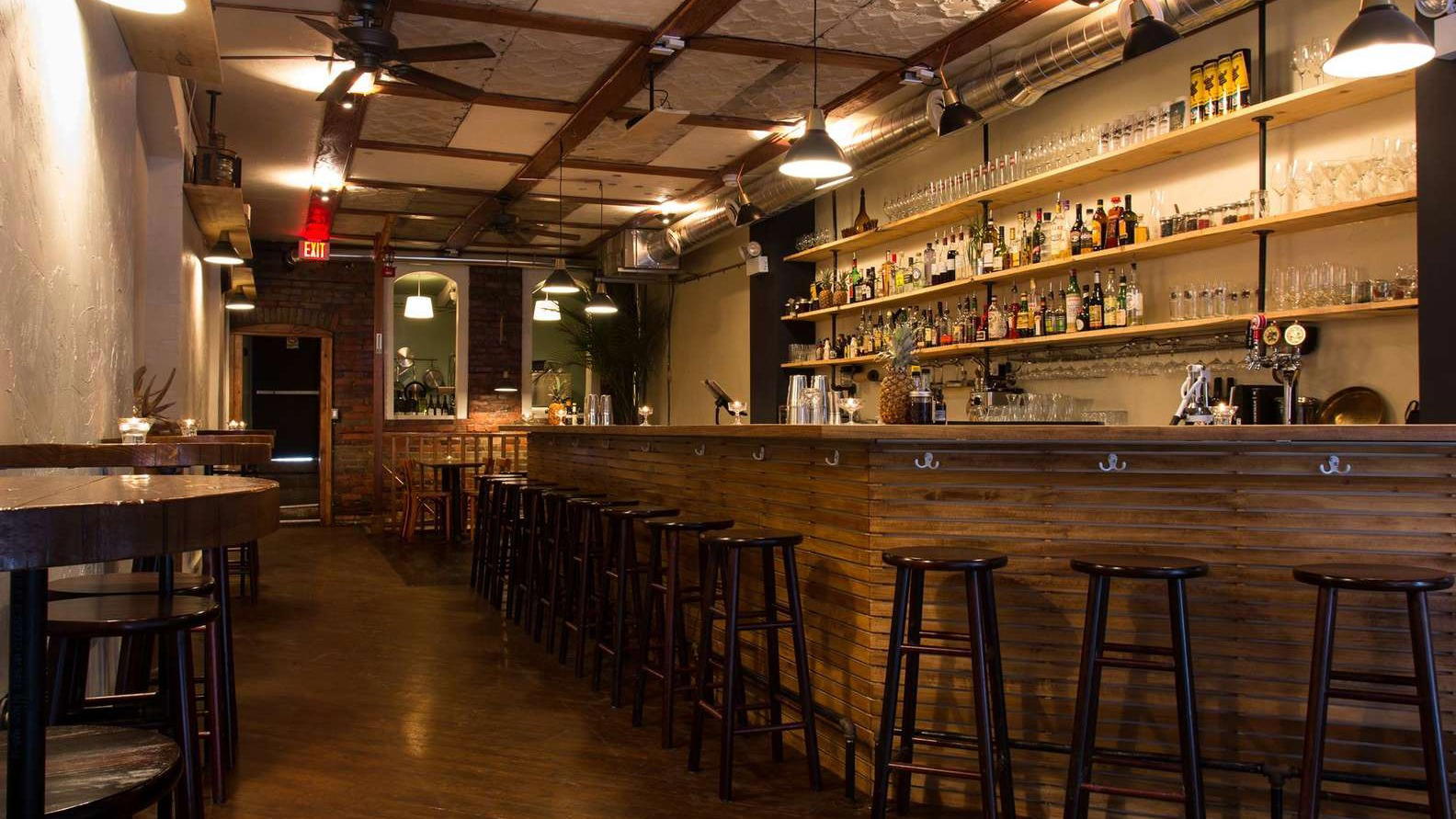
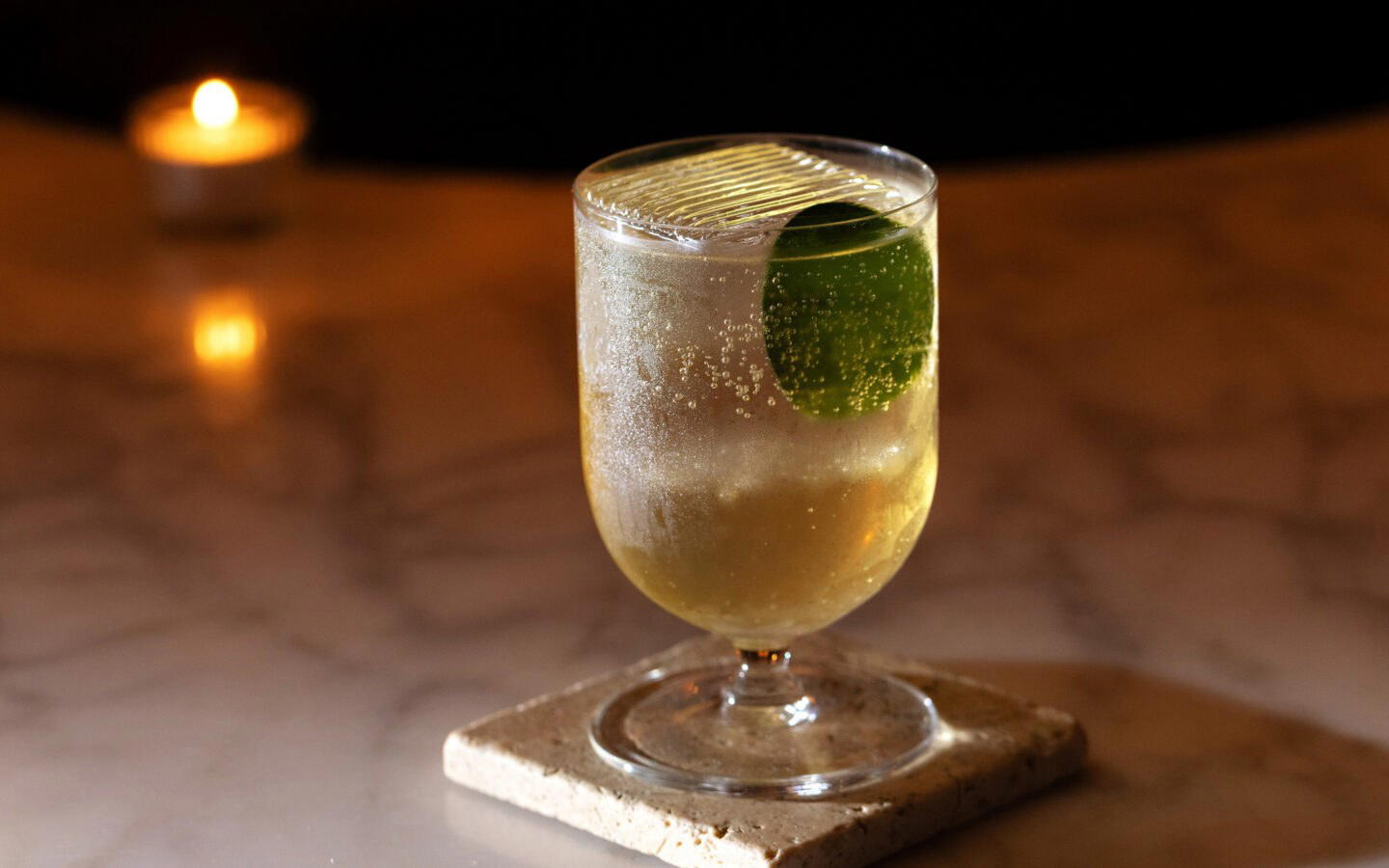
Hotels in Toronto
Browse all →

At a Glance
- Cozy
- Trendy
- Casual Hangout
- Group Dining
- Open Kitchen
- Craft Cocktails
- Beer Program
Current opening hours
- Monday
- Closed
- Tuesday
- 12–10 PM
- Wednesday
- 3:30–9 PM
- Thursday
- 3:30–9 PM
- Friday
- 12–9:30 PM
- Saturday
- 12–9:30 PM
- Sunday
- 12–9 PM
Hours can change for holidays and private events. Last verified .
Cozy and charming atmosphere with friendly service in a limited seating space.