Delibong

Michelin Plate
Our verdict
Delibong brings classical French discipline to Suyeong-gu, earning Michelin Plate recognition in both 2024 and 2025. In a city better known for its raw seafood traditions, this mid-price French address holds a notable position among Busan's internationally recognised dining rooms.

Pearl is the En Primeur Club membership app, where members save venues, book tables and use the concierge.
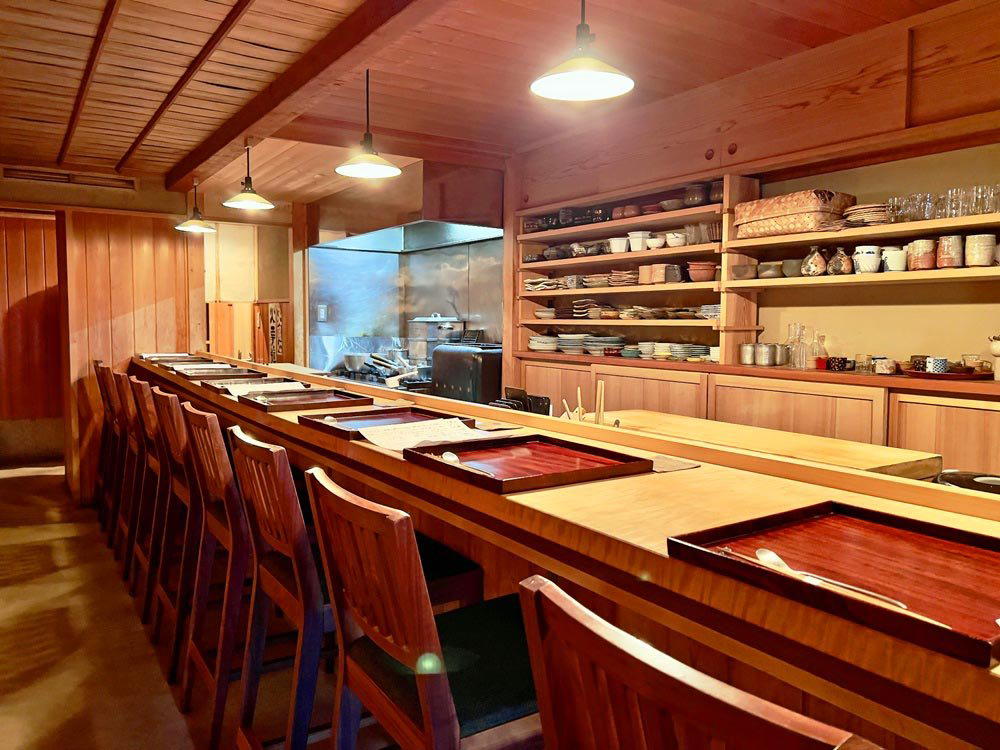
The menu
What to order
- Coppa
- Jambon
- Rillettes
- Bresaola
- Pancetta
French Dining in a Port City: Where Busan Meets the Brigade
Suyeong-gu is not the neighbourhood most visitors associate with classical European cooking. Its waterfront identity, defined by Gwangalli Beach and the density of Korean seafood restaurants fanning out from Millak Waterside Park, makes the presence of a Michelin-recognised French kitchen on Millak-ro 27beon-gil something worth pausing on. Busan has spent the past decade building a serious restaurant culture alongside its older identity as a port and beach city, and that process has involved a handful of kitchens staking territory in Western traditions, not as novelty, but as a permanent part of the dining map. Delibong is one of them.
The address places it close to the activity of the Gwangalli corridor without sitting inside the highest-footfall tourist zone, which shapes the rhythm of the room. This is not the kind of French restaurant that reads as a concession to foreign visitors. It operates at the ₩₩ price tier, positioning it as an accessible but considered choice in a category where the floor for serious cooking tends to run higher.
The Ritual of a French Meal, Translated
There is a particular pacing to classical French service that distinguishes it from most East Asian dining formats. The meal moves in discrete acts: an opening that orients the palate, a progression through composed courses, and a close that signals the kitchen's intent rather than just filling the table. This grammar of eating, inherited from the brigade system and the French bourgeois table, is what gives a French restaurant its character, regardless of geography. In cities across Asia where French cooking has taken root, from Singapore's Les Amis to Tokyo's L'Effervescence, the tension between that inherited structure and local ingredient availability or dining culture is where the most interesting cooking happens.
Busan's French restaurants occupy a smaller and more specialised tier than their Seoul counterparts. Seoul carries the density for multiple starred French addresses, including Gaon and Kwon Sook Soo operating at the high end of Korean fine dining more broadly. Busan's version of this segment is thinner, which means the handful of restaurants holding Michelin recognition carry a proportionally greater weight in defining what the city's formal dining looks like to outside observers.
Delibong has held a Michelin Plate in consecutive years, 2024 and 2025, which in Michelin's framework signals a kitchen producing food of a good standard without yet reaching the starred tier. Within Busan's French category, that consecutive recognition matters. It is not a one-year anomaly; it reflects a consistent operation. For comparison, L'Essence and L'étang represent other points on Busan's French dining spectrum, each occupying a distinct position in terms of format, price, and ambition.
Mid-Price French and What That Actually Means
The ₩₩ bracket for a French kitchen in Korea is a meaningful signal. It places Delibong below the threshold of multi-course omakase-style tasting menus that dominate the higher price tiers, and it puts the restaurant in a range accessible to regular dining rather than occasion-only visits. This is not the format of Hotel de Ville Crissier in Switzerland, where the institutional weight of classical French cooking carries a corresponding price.
In Busan's wider restaurant scene, this price tier sits alongside Palate, which holds a Michelin star for contemporary cooking at the same ₩₩ level, a useful comparison point that illustrates how the city's mid-tier has quietly become competitive. Elsewhere in the same general price neighbourhood, Mori operates at ₩₩₩ for Japanese cooking with its own starred recognition. Delibong's French positioning at ₩₩ is therefore not the cheapest serious cooking in the city, but it occupies a bracket where the Michelin Plate carries genuine informational value for anyone assembling a Busan dining itinerary.
Korean Regional Dining Context
Busan's default culinary identity runs through its fish markets, its dwaeji-gukbap pork soup houses, and the cold noodle traditions shared with the broader southern coast. These are not traditions that French cooking competes with, they serve different occasions and different appetites. What Busan's Michelin-recognised French rooms demonstrate is that the city's dining culture has developed enough of a local audience for formal European cooking to sustain itself commercially without relying on tourist volume alone.
That broader Korean appetite for French technique has a long development arc. Restaurants like Mingles in Seoul have shown how Korean ingredients and French structure can produce something distinctly local. Delibong's position in Suyeong-gu participates in that same national story, even if at a different scale and price point. Other Korean dining traditions worth knowing for regional context include Baegyangsa Temple cuisine and the barbecue culture represented by addresses like The Flying Hog in Seogwipo, which together illustrate how varied Korean regional cooking is outside any single tradition.
For anyone building a fuller picture of what to eat and drink in the city, EP Club's full Busan restaurants guide covers the range from street-level essentials to starred rooms. Supplement that with the Busan hotels guide, the bars guide, the wineries guide, and the experiences guide to complete a multi-day itinerary. Ramsey is another Busan address worth including for contrast in format and cuisine type.
Planning a Visit
Delibong is located at 4 Millak-ro 27beon-gil in Suyeong-gu, Busan, within the Gwangalli area. The ₩₩ pricing makes it suitable for a standalone dinner without the budget commitment of the city's higher-tier tasting menus, and the consecutive Michelin Plate recognition for 2024 and 2025 gives first-time visitors a useful anchor for expectations.
Frequently asked questions
What price level is Delibong?
Pricing at Delibong is listed as ₩₩.
What distinctions does Delibong have?
Delibong has received recognition including: Michelin Plate (2025); Michelin Plate (2024).
What should I eat at Delibong?
Delibong holds a Michelin Plate for 2024 and 2025, which signals consistency across the kitchen's core French repertoire rather than a single signature dish. The strongest approach is to follow the structured progression the kitchen offers: French service moves in discrete courses, and ordering against that sequence gives the meal its intended shape. At the ₩₩ price point, Delibong sits in mid-range French territory for Korea, so the menu reflects a brigade-led approach without the constraint of a single high-price tasting format.
What's Delibong's location?
Delibong is located at 4 Millak-ro 27beon-gil, Suyeong-gu, Busan, South Korea, Busan.
Comparison Snapshot
A quick peer check to anchor this venue’s price and recognition.
| Venue | Cuisine | Price | Awards | Notes |
|---|---|---|---|---|
| DelibongThis venue (the venue you are viewing) | French Charcuterie Specialist | $20–30 | Michelin Plate | Not listed |
| Palate | Contemporary French with Korean Fusion | $150–200 | 1 Michelin Star · La Liste Top Restaurants | Contemporary |
| Mori | Japanese Kaiseki | $200–300 | 1 Michelin Star | Japanese |
| Born and Bred | Modern Hanwoo Beef Omakase Steakhouse | $100–150 | Michelin Plate · World's 50 Best #51 | Steakhouse |
| 100.1. Pyeongnaeng | Pyongyang-style Naengmyeon | $10–20 | Michelin Bib Gourmand | Naengmyeon |
| Anmok | Modern Korean Dwaeji-Gukbap | $10–20 | Michelin Bib Gourmand | Dwaeji-gukbap |
Recognition history
Dated appearances from independent guides and award organizations, with the underlying list record or original source where available.
Michelin Plate
Michelin
Full recognition history (2 entries)
Michelin Plate
Michelin
Continue exploring
More in Busan
Restaurants in Busan
All restaurants in Busan →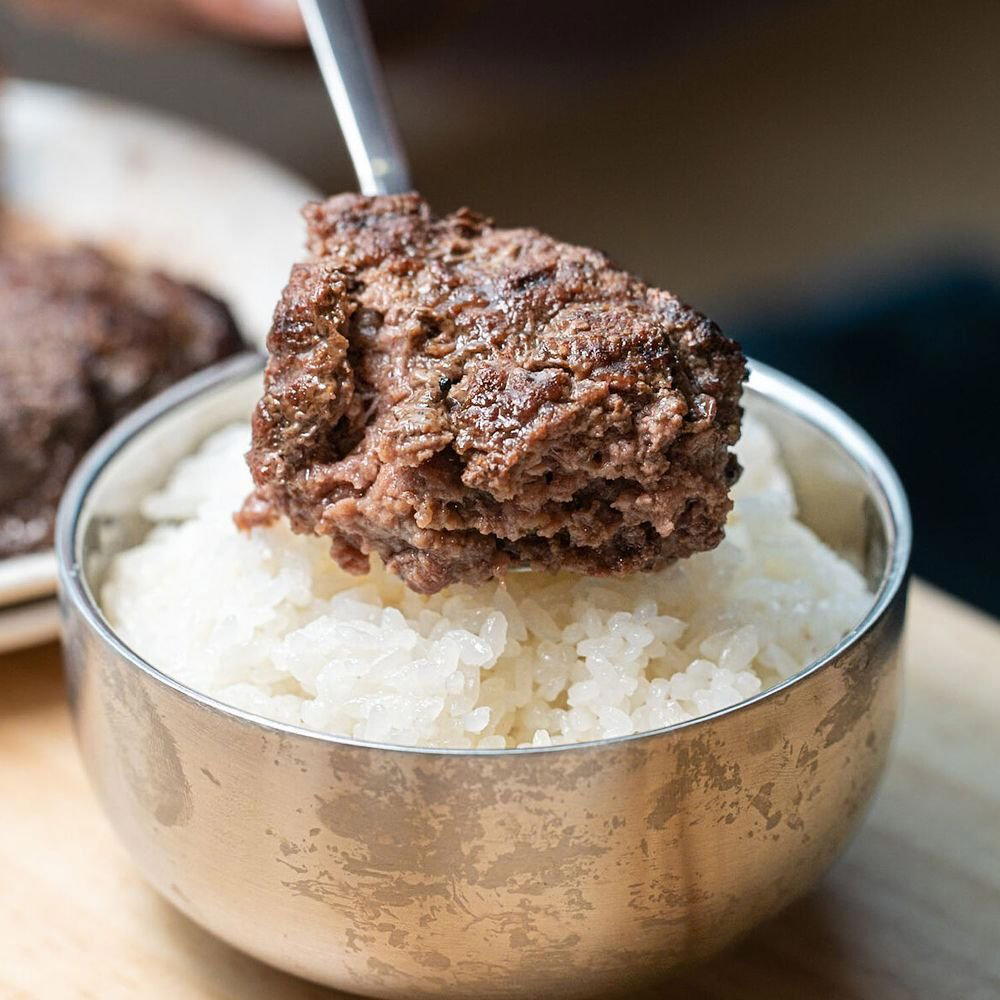
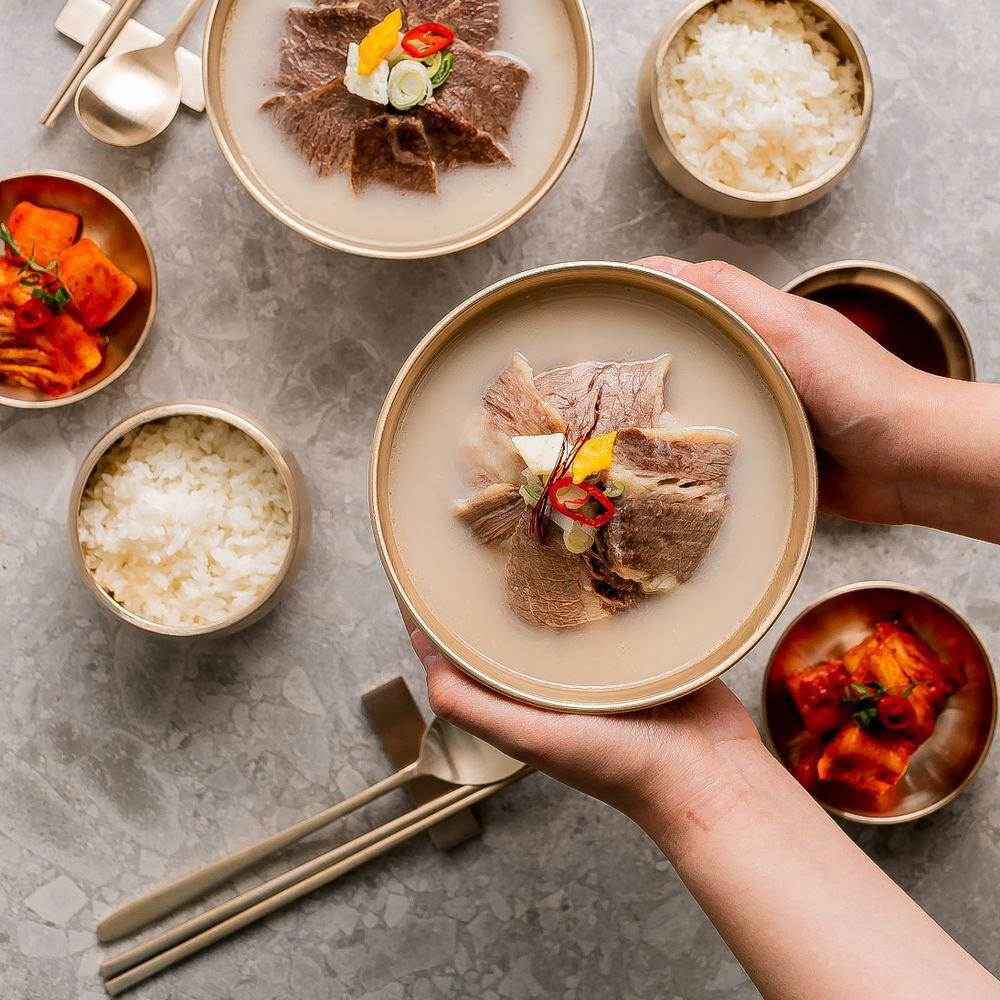
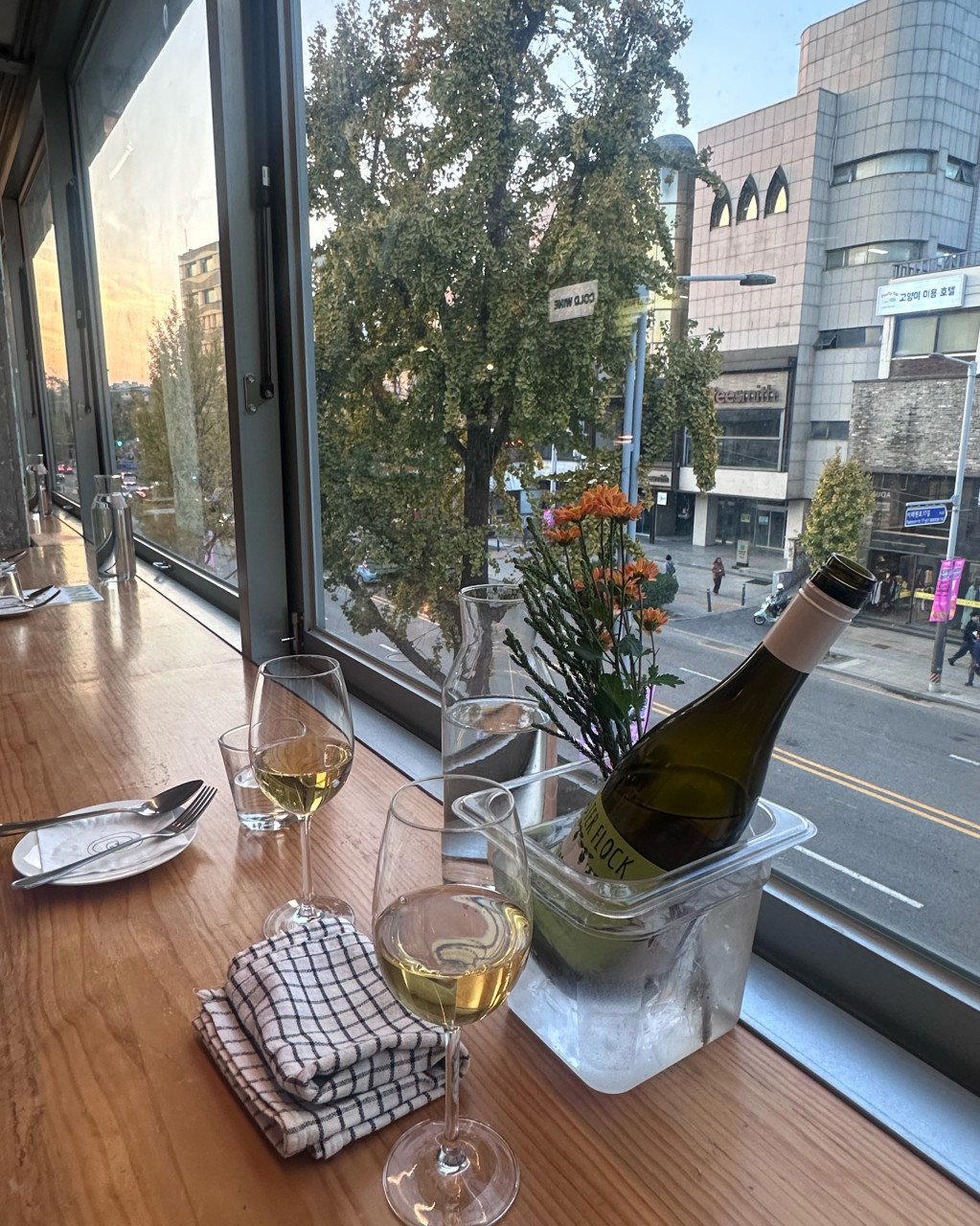
Bars in Busan
All bars in Busan →
Details
- Intimate
- Cozy
- Date Night
- Special Occasion
- Chefs Counter
- Open Kitchen
- Counter Dining
- A La Carte
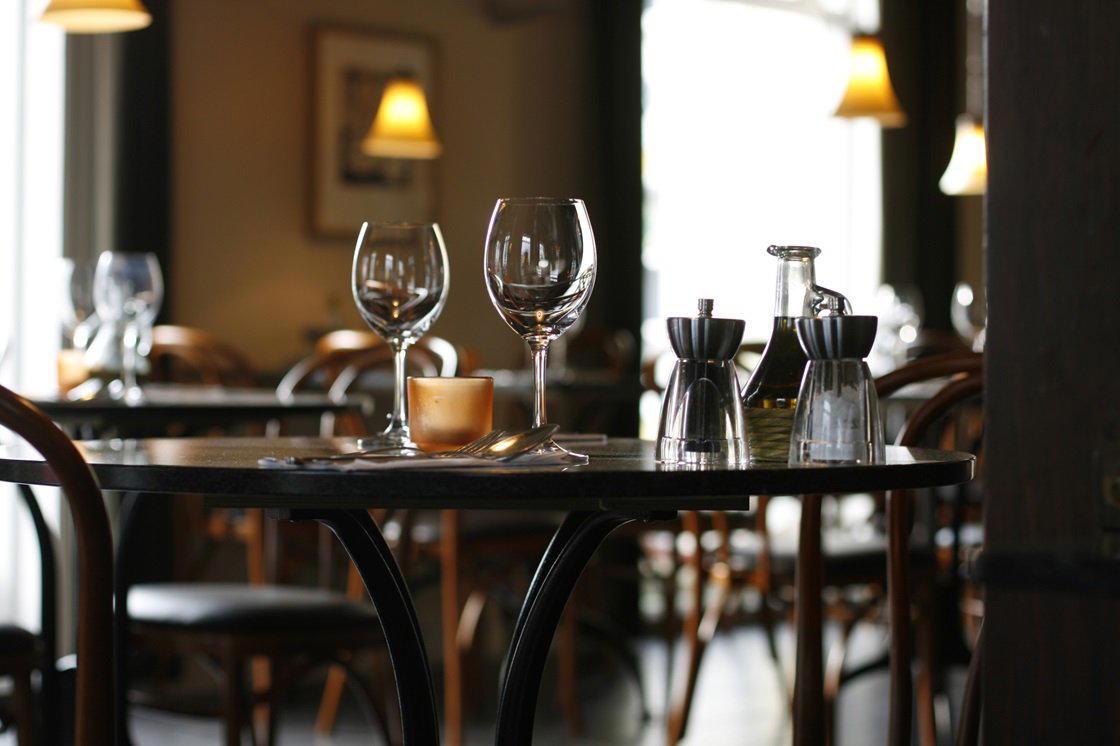
Dimly lit with soft glow, hushed and reverent atmosphere designed for quiet appreciation of refined cuisine.