Our verdict
David Selen operates out of Holstraat in Waregem, placing it within West Flanders' quietly serious dining corridor. With no publicly listed awards or formal cuisine category, it occupies the more discreet end of the town's restaurant spectrum, sitting alongside farm-to-table addresses like Bistro Berto and modern French tables like Robuust. Visitors seeking a lower-profile neighbourhood option in Waregem may find it worth investigating.

Pearl is the En Primeur Club membership app — saves, bookings, and concierge access live there. Same editors, same standards.
- Address
- Holstraat 95/41, 8790 Waregem, Belgium
- Phone
- +32472103131
- Hours
- Daily Closed
- Website
- davidselen.be
- Directions
- Get directions
- Booking
- Book on the venue's website
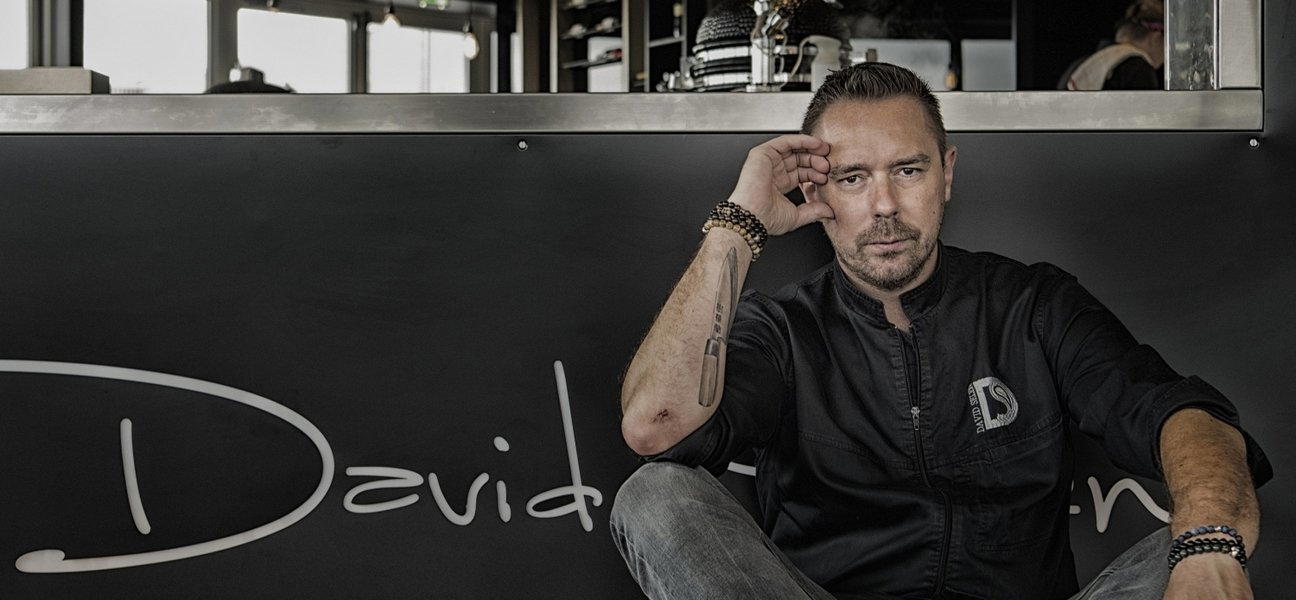
Waregem's Quieter Dining Register
Belgium's most talked-about restaurant towns tend to cluster around Ghent, Antwerp, and the West Flemish corridor running through Roeselare and Kortrijk. Waregem sits at the southern edge of that corridor, a mid-sized town better known for its racecourse and the annual Waregem Koerse than for its restaurant density. Yet the town's eating scene has developed a modest but genuine range in recent years, split roughly between farm-to-table addresses drawing on the agricultural flatlands of the Leie valley and more formally structured modern European tables. David Selen, addressed at Holstraat 95/41, occupies the less conspicuous end of that range — a neighbourhood address rather than a destination flag-planting, which in West Flanders often signals something closer to the local daily rhythm than the touring circuit.
That distinction matters in Belgium, where the gap between a restaurant that courts international press and one that simply feeds a community with care and consistency can be significant. The country's best-documented dining addresses, from Hof van Cleve in nearby Kruishoutem to Zilte in Antwerp and Boury in Roeselare, tend to operate with documented tasting menus, public chef credentials, and formal award recognition. That absence of documentation does not determine quality — it determines what kind of table this is most likely to be.
What the Sourcing Tradition Looks Like Here
Understanding any West Flemish restaurant requires some grounding in what the region produces. The Leie valley and its surrounding polders have historically supplied Belgian kitchens with white asparagus, endive, chicory, free-range poultry, and freshwater fish. Coastal proximity, the North Sea is roughly 50 kilometres west, means that fish sourced through Ostend and Zeebrugge markets has long been a fixture on tables across this part of the country. Restaurants that operate without elaborate press apparatus in this region often do so because their sourcing relationships are local, seasonal, and genuinely short-chain: a producer network built through years of proximity rather than curated supplier storytelling.
That model contrasts with the more theatrically documented approach seen at tables like Willem Hiele in Oudenburg, where foraging and coastal sourcing are central to the public narrative, or at Vrijmoed in Ghent, where vegetable-forward sourcing from specific Flemish farms is part of the menu communication. At a neighbourhood address like David Selen, the ingredient story, if there is one, is more likely told across the table than printed on a card, which places the emphasis on the diner being present rather than researching in advance.
Within Waregem itself, the ingredient-sourcing question plays out differently across the town's visible restaurant tier. Bistro Berto has positioned itself explicitly as a farm-to-table address at the €€ price point, making sourcing a legible part of its identity. Robuust operates in the modern French register at the same price band, where classical technique tends to take precedence over origin labelling. David Selen, without a declared cuisine type or price tier, sits outside that comparison in the sense that its competitive set is unclear from public data alone.
The Holstraat Address and What It Implies
Holstraat is a residential street address in Waregem rather than a high-footfall dining strip, which places David Selen in a pattern common to Belgian restaurant culture: tables that survive on returning local clientele and word-of-mouth rather than passing trade or tourist search volume. Belgium has a long tradition of serious cooking in ostensibly ordinary-looking addresses, a pattern well-documented at the country's most celebrated level, from farmhouse kitchens converted into multi-course tables to townhouse restaurants in secondary Flemish cities that carry Michelin recognition without the visual cues of destination dining.
That tradition extends across the broader Belgian scene. Tables like La Durée in Izegem and Ralf Berendsen in Neerharen operate in towns that don't generate large tourist volumes, yet draw committed diners from across the country. The residential or low-visibility address, in that context, functions less as an obstacle and more as a filter: the people who find a table there tend to have sought it out deliberately.
Whether David Selen belongs to that category of quiet seriousness or represents a more casual neighbourhood operation is not determinable from current public records. For those already in the area, the address at Holstraat 95/41 is verifiable, and proximity to the town's other documented tables, Hobo's among them, means a visit can be organised alongside a broader exploration of what Waregem currently offers.
Planning a Visit to Waregem's Restaurant Scene
Waregem is accessible by train from Ghent (approximately 30 minutes) and from Kortrijk, making it a realistic half-day detour from either city rather than an overnight commitment. For visitors building a West Flanders eating itinerary, the town pairs naturally with the stronger documented tables in the corridor: Boury in Roeselare to the northwest, and the three-starred Hof van Cleve in Kruishoutem, which is effectively a short drive from Waregem itself.
For David Selen specifically, advance contact is advisable given the lack of online booking infrastructure in the public record. Arriving without a reservation at a neighbourhood address of this type carries more risk than at a formally structured restaurant with a visible reservations system. The full Waregem restaurants guide covers the town's broader dining options in more detail and provides additional context for planning around the area. Those building a longer Belgian itinerary may also want to consider tables further afield, from Bozar Restaurant in Brussels to Le Chalet de la Forêt in Uccle, De Jonkman in Sint-Kruis, and d'Eugénie à Emilie in Baudour. Internationally, the model of neighbourhood-anchored serious cooking that David Selen may represent has parallels at tables like Lazy Bear in San Francisco and at the other end of the formality spectrum, Le Bernardin in New York City, both of which illustrate how differently the relationship between address type and culinary ambition can resolve. For coverage of other Belgian addresses operating in similar mid-tier registers, Cuchara in Lommel offers a useful point of comparison.
Frequently asked questions
Is David Selen a family-friendly restaurant?
The Holstraat address in Waregem places David Selen in a residential neighbourhood context rather than a busy commercial strip, which typically means a quieter, more considered atmosphere. That setting tends to suit adults and older children more naturally than high-energy family dining formats.
What kind of setting is David Selen?
David Selen operates from Holstraat 95/41, a residential street in Waregem rather than a conventional dining district. This address pattern is common among serious Belgian tables that rely on word-of-mouth and a local clientele rather than passing foot traffic. The setting implies an intimate, appointment-style experience aligned with West Flanders' tradition of neighbourhood restaurants that prioritise produce and regulars over visibility.
Is David Selen worth a detour from Ghent or Kortrijk?
Waregem sits roughly 30 minutes from Ghent by train and is similarly accessible from Kortrijk, making it a realistic half-day destination from either city. David Selen's residential Holstraat address suggests the kind of destination-driven Belgian table that rewards a deliberate trip rather than a spontaneous drop-in. Travellers already moving through the West Flemish corridor will find Waregem a natural and low-effort addition to their itinerary.
What's the must-try dish at David Selen?
Specific menu details for David Selen are not on public record, which makes it difficult to single out a signature preparation. What the West Flemish region does offer as context is strong local produce: polder vegetables, freshwater fish from the Leie valley, and Belgian beef. Reaching out to the restaurant directly before visiting will give the clearest picture of what the current kitchen is centred on.
Where is David Selen located?
David Selen is located at Holstraat 95/41, 8790 Waregem, Belgium, Waregem.
In Context: Similar Options
| Venue | Cuisine | Price | Awards | Notes |
|---|---|---|---|---|
| David SelenThis venue — the venue you are viewing | Modern French Bistronomie | Not listed | Not listed | Not listed |
| Robuust | Modern French | $50–100 | Michelin Plate | Not listed |
| Bistro Berto | Modern Belgian Bistro | $20–30 | Michelin Plate | Farm to table |
| Hobo's | Belgian-Japanese Fusion Brasserie | Not listed | Not listed | Not listed |
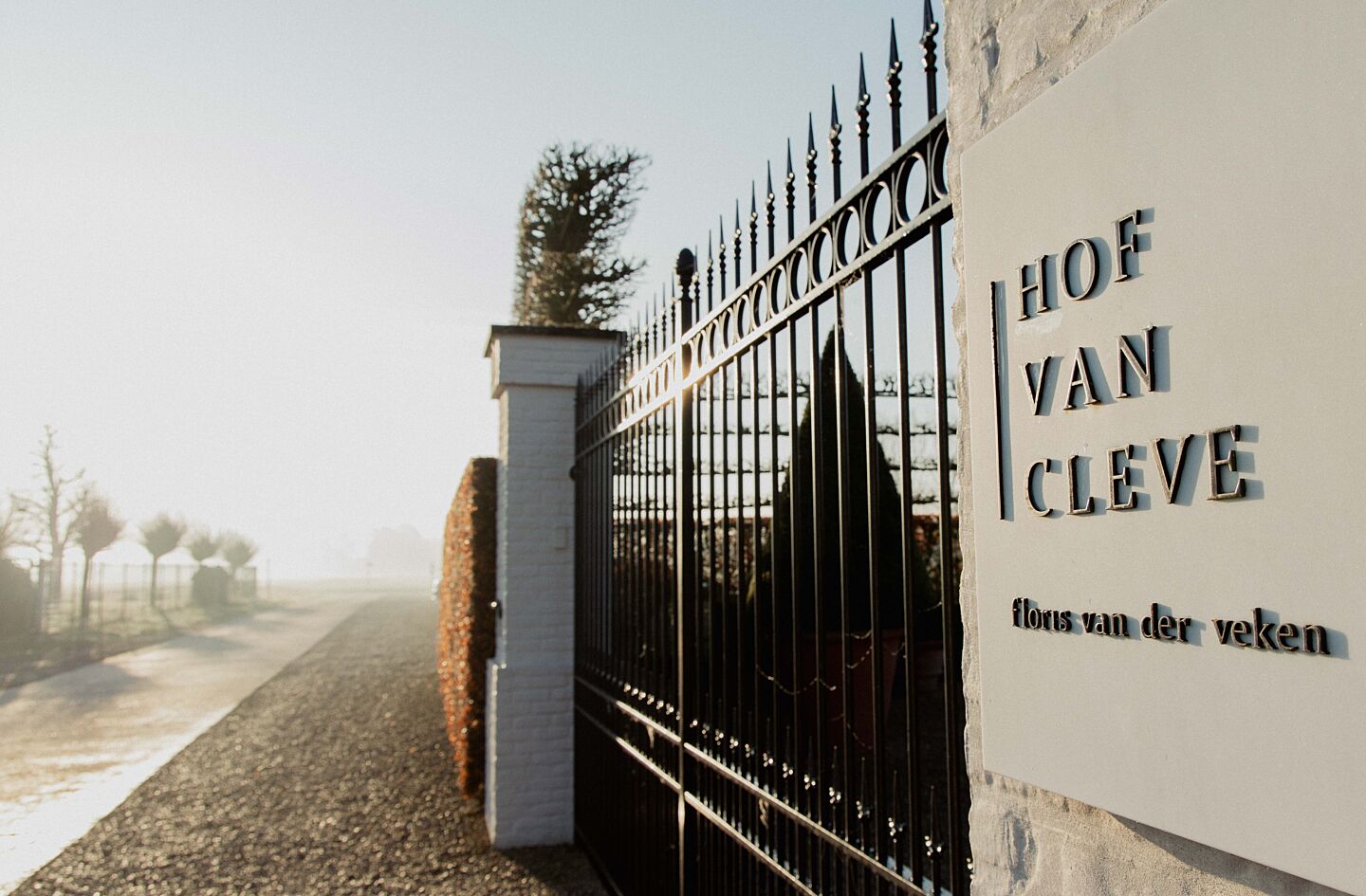
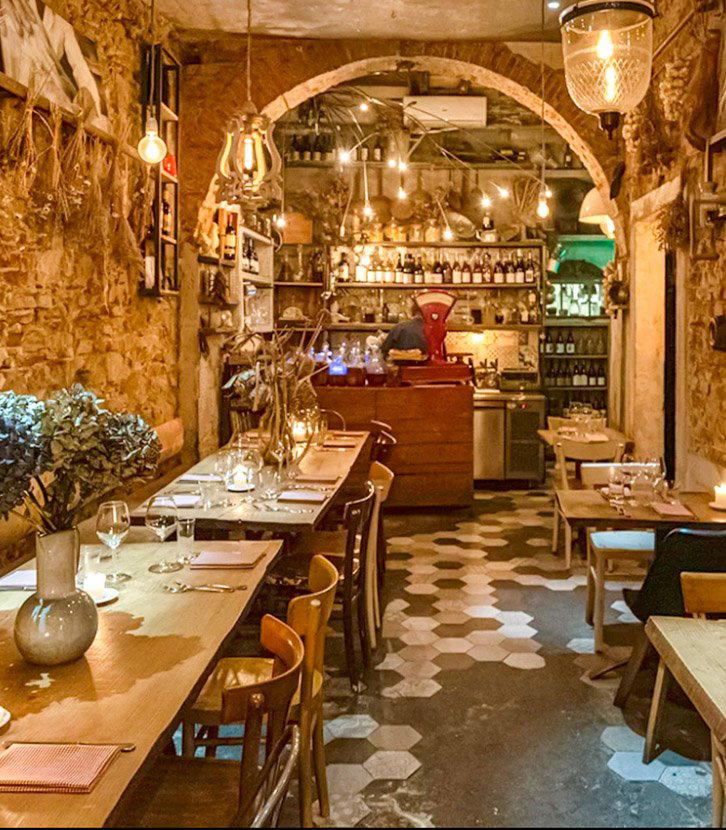
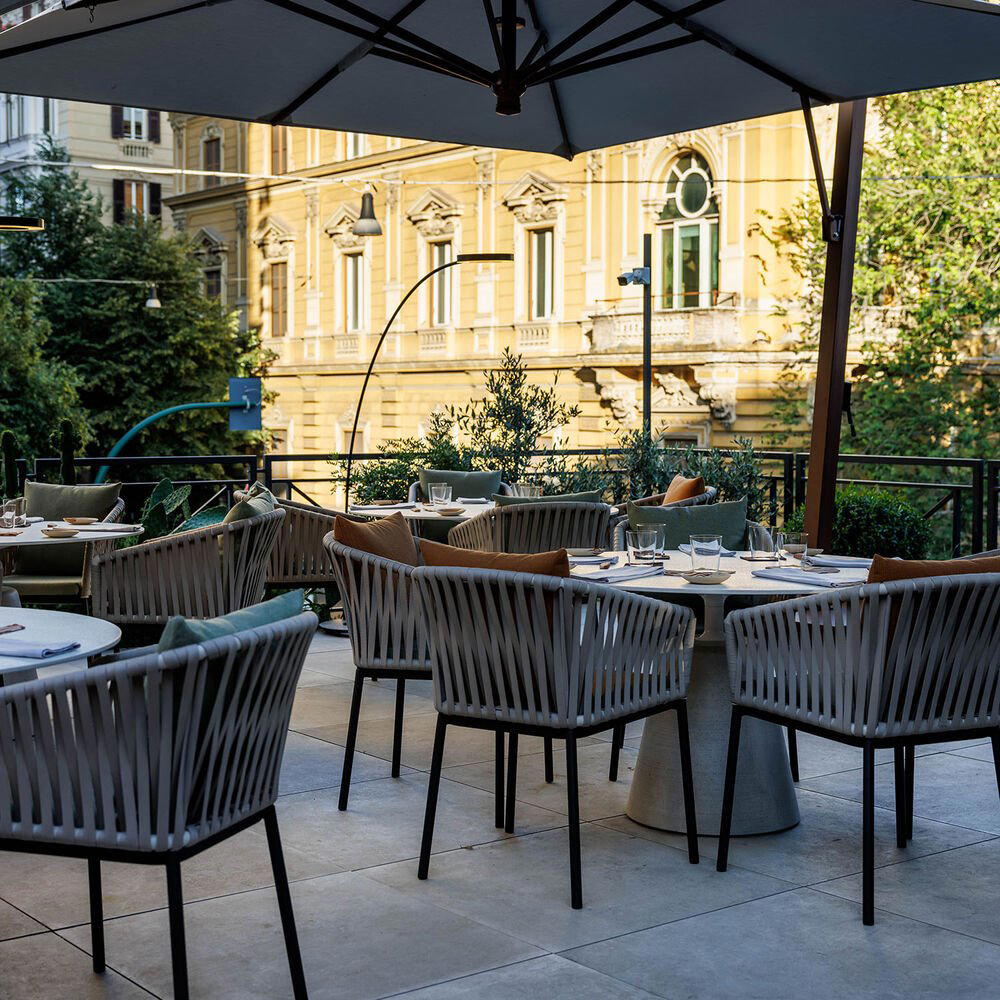
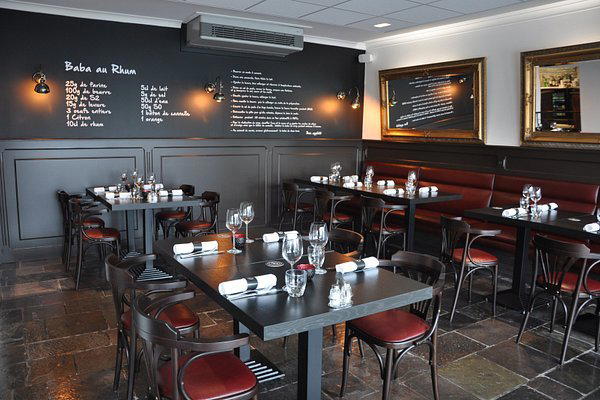
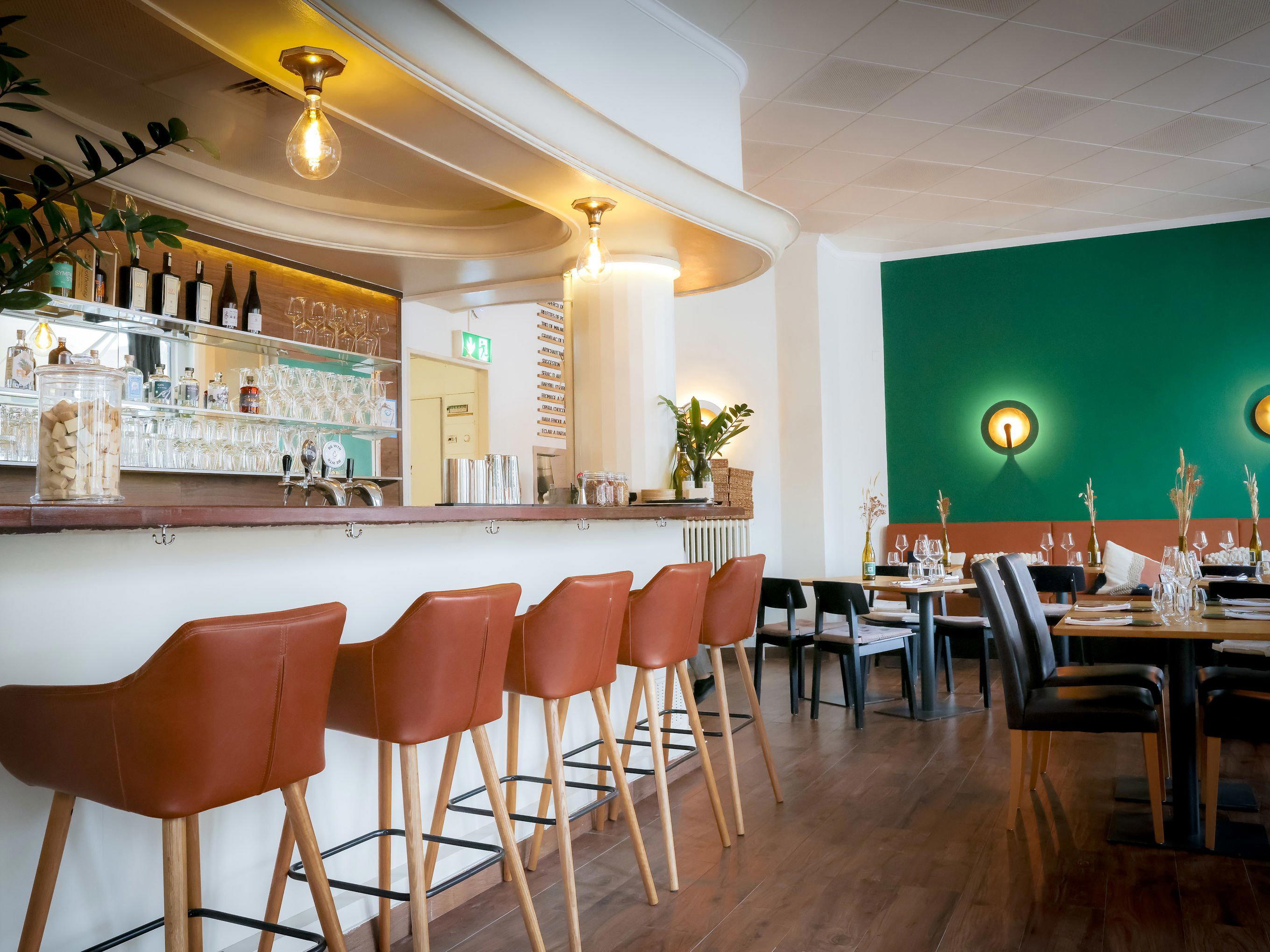
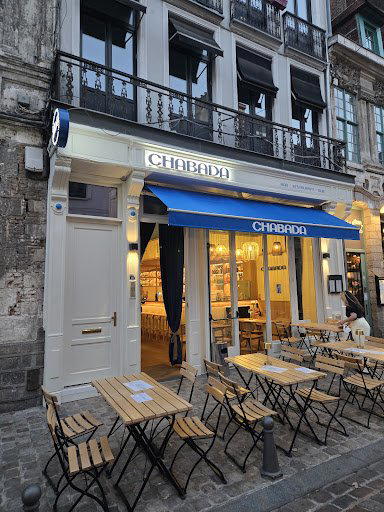
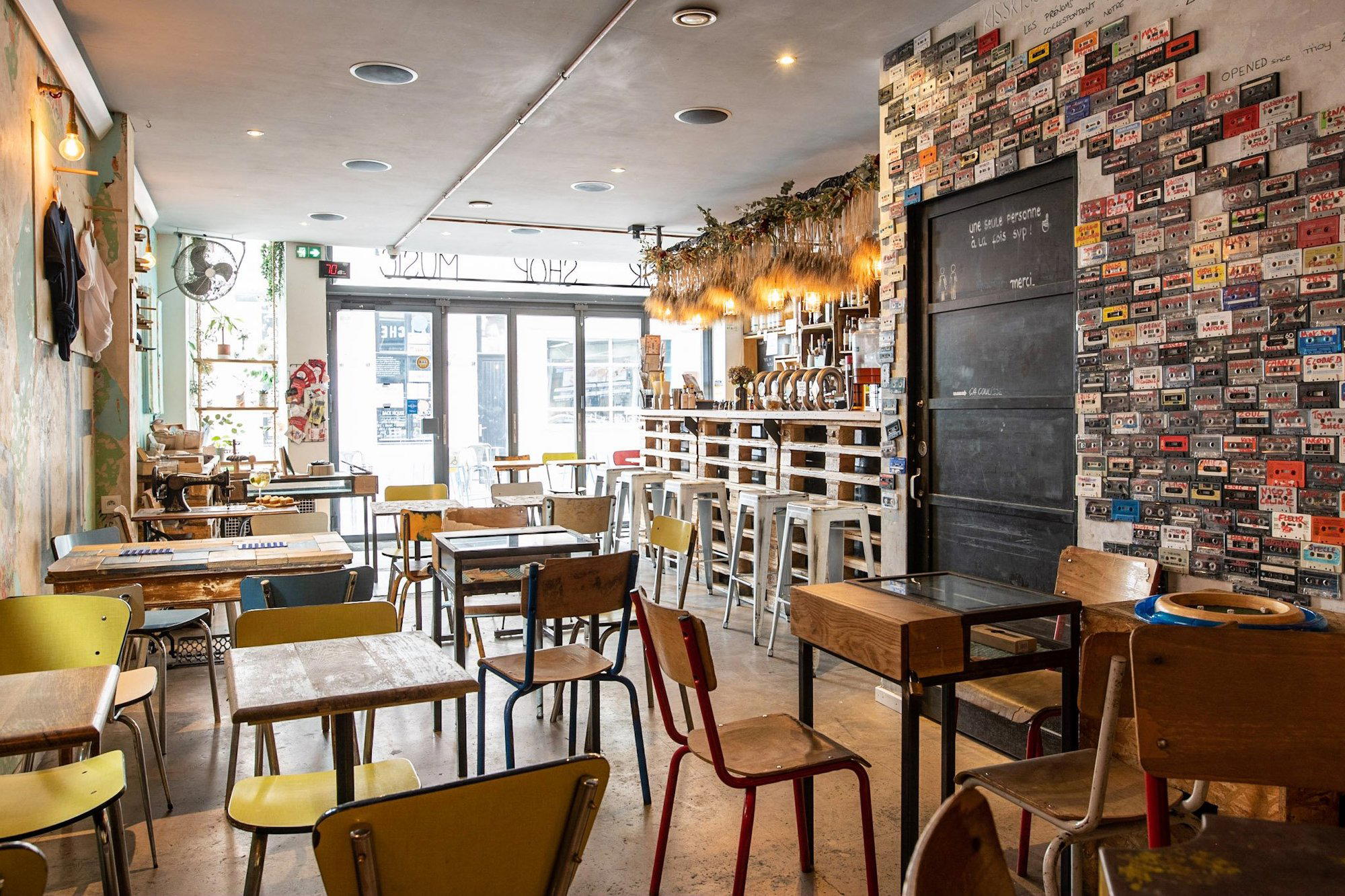
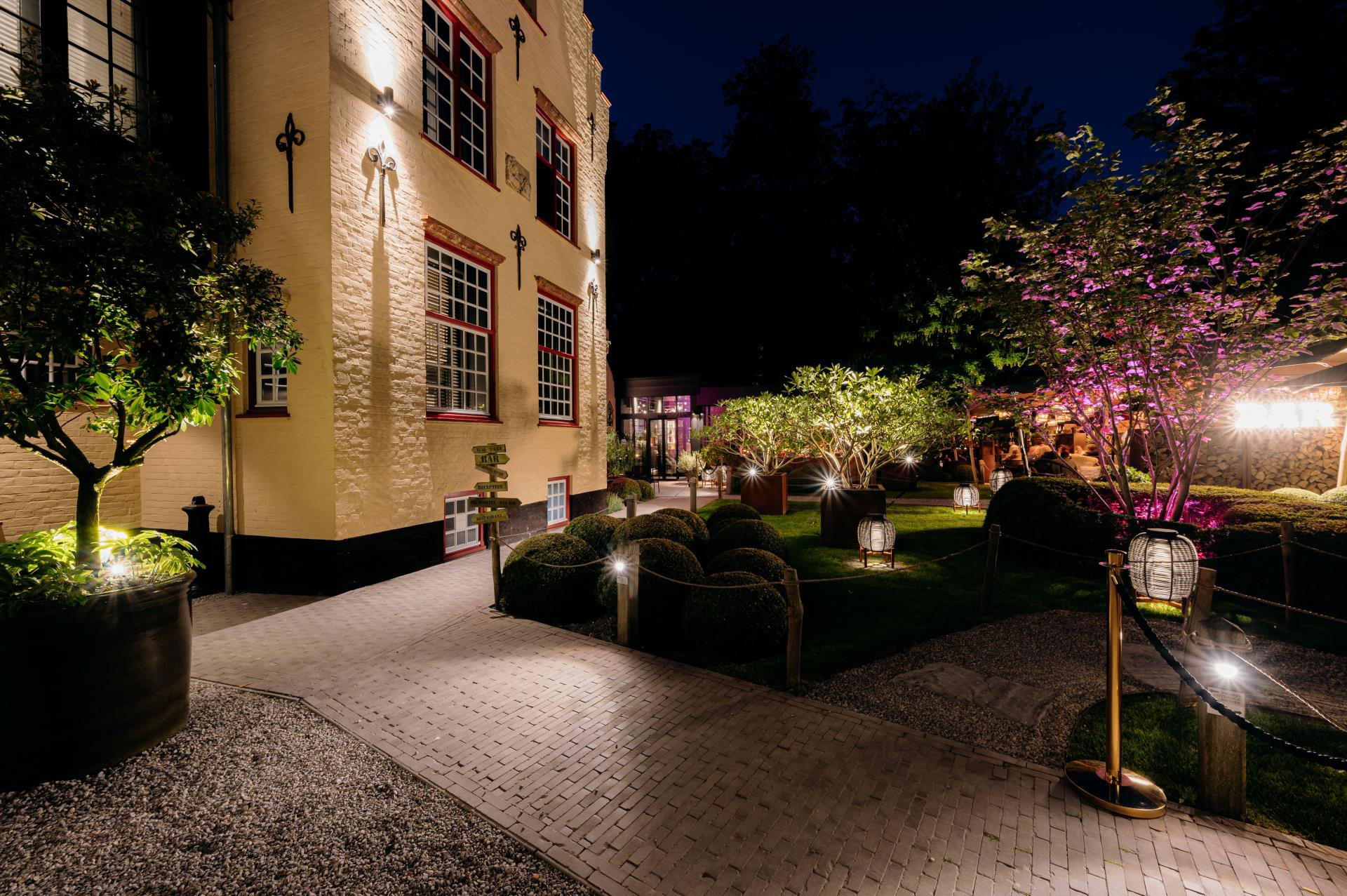
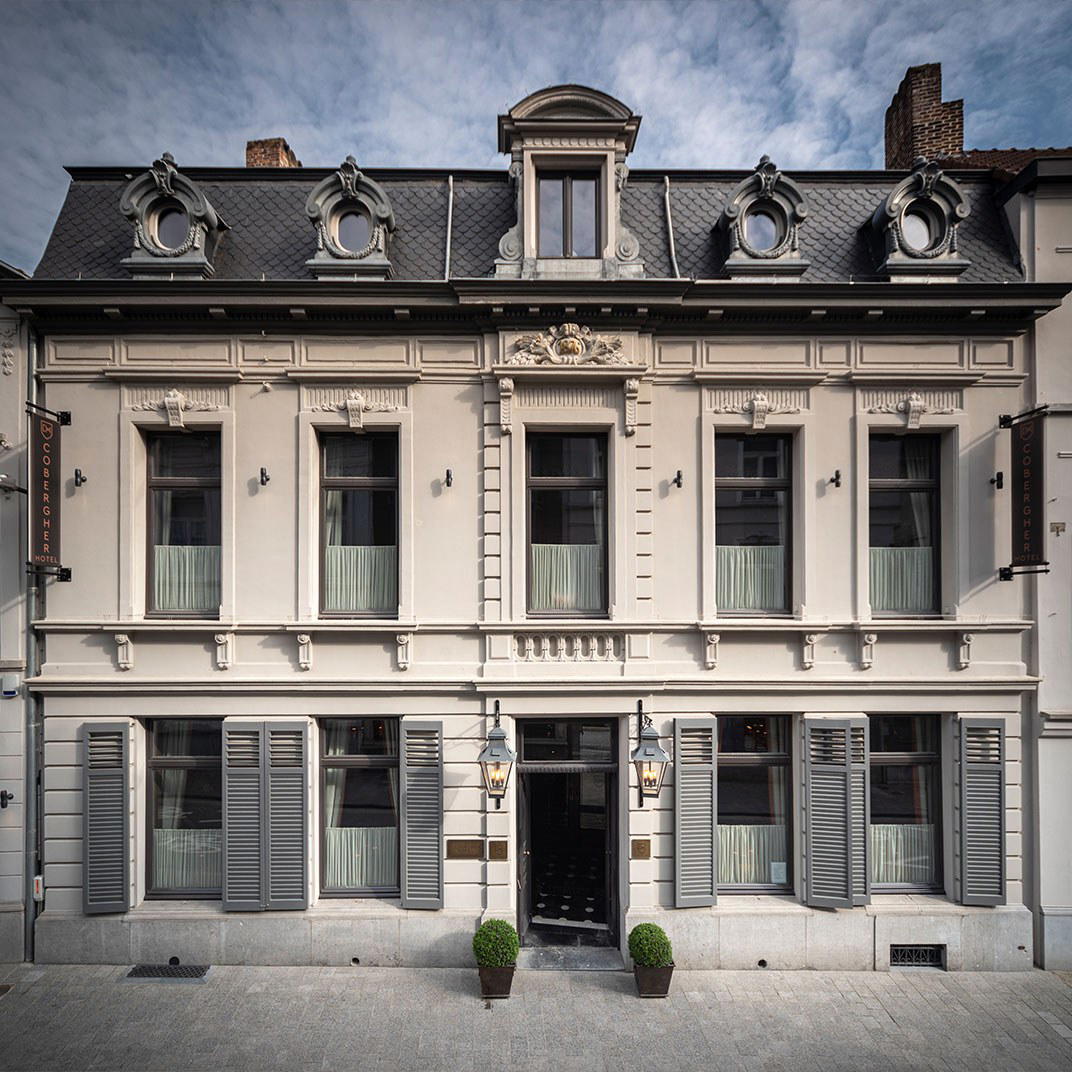
L'Improviste by David Selen
The wine
- Wine program
- Curated wine list
- Extensive wine list
Details
- Modern
- Cozy
- Elegant
- Scenic
- Date Night
- Special Occasion
- Open Kitchen
- Panoramic View
- Extensive Wine List
- Street Scene
- Tasting Menu
- Vegetarian Friendly
Current opening hours
- Monday
- Closed
- Tuesday
- Closed
- Wednesday
- Closed
- Thursday
- Closed
- Friday
- Closed
- Saturday
- Closed
- Sunday
- Closed
Hours can change for holidays and private events. Last verified .
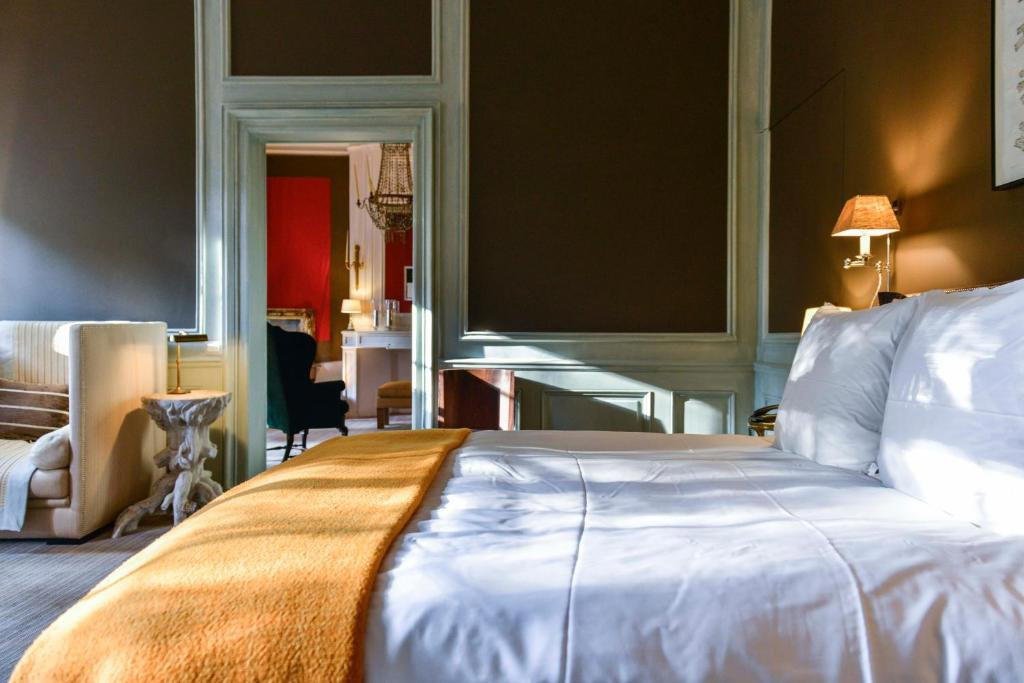
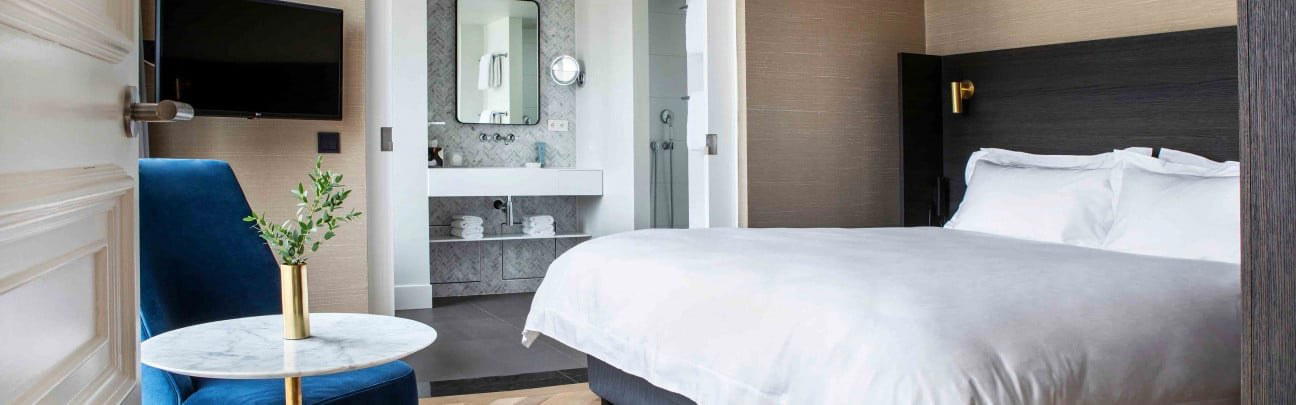
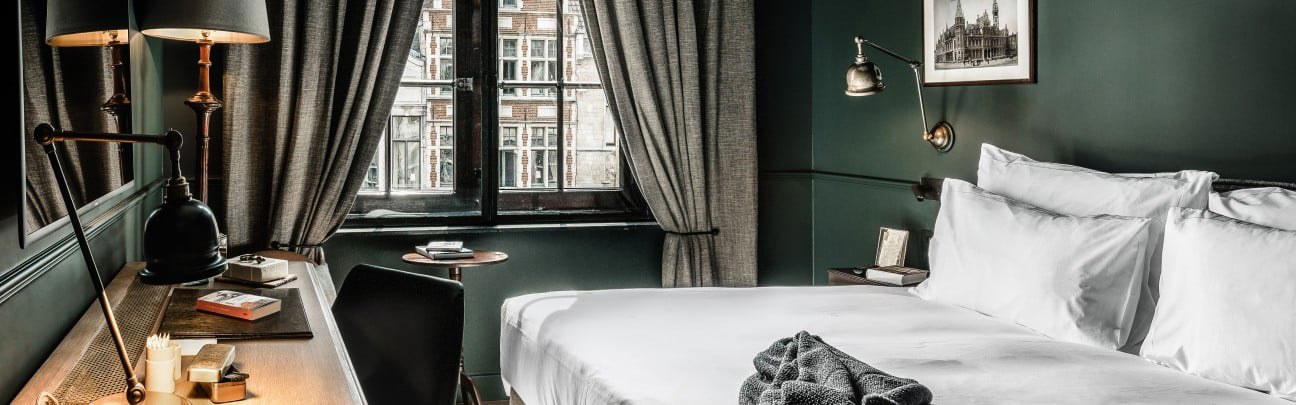
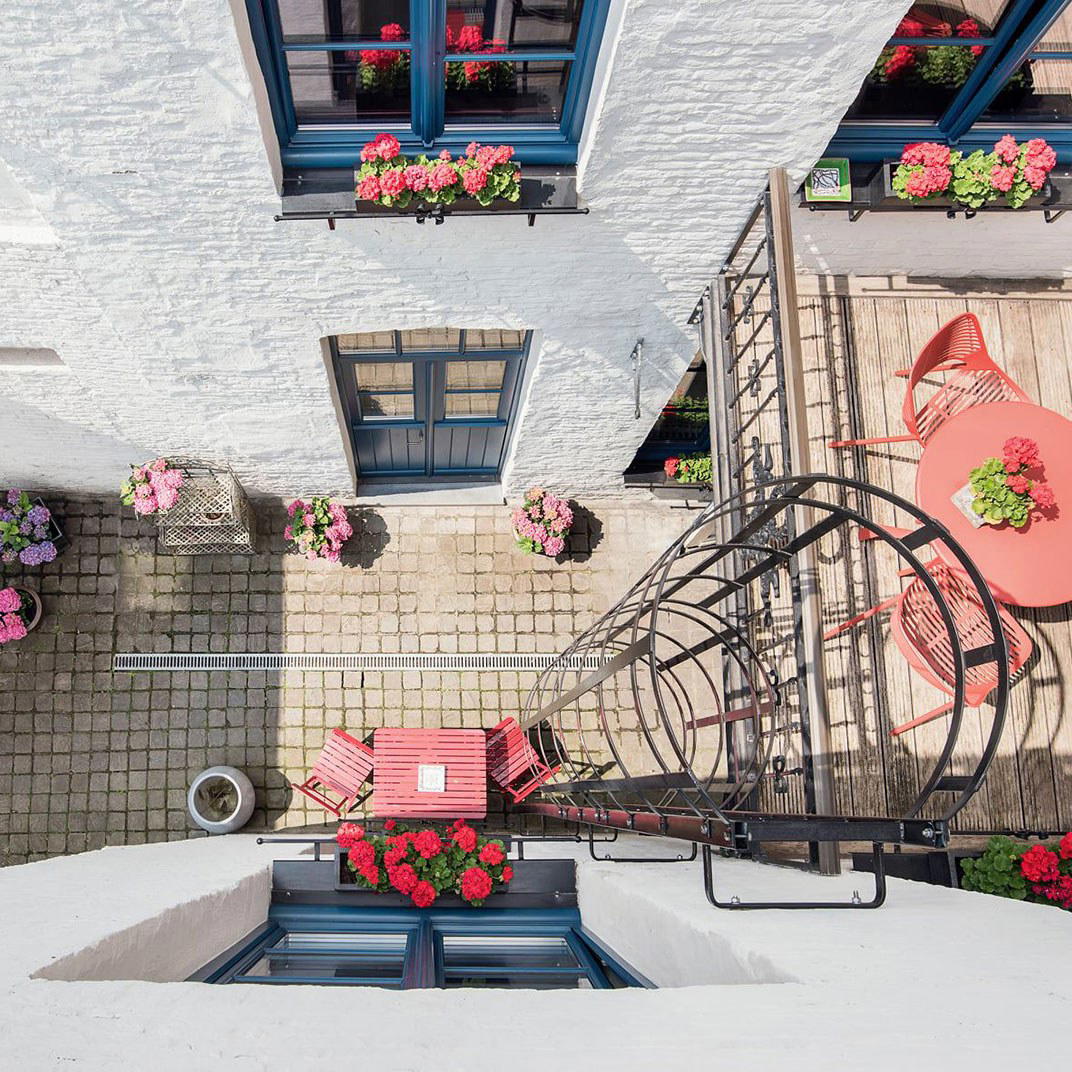
Modern, fresh, and cozy interior with large bay windows offering dramatic views of the racecourse, creating an inviting and atmospheric setting.