L'Enfant Plaza SW
"Co-owners Brian Farrell and chef Malik Umar, serves housemade sauces over freshly made-from-scratch pasta noodles like spaghetti, fettuccine, and lasagna. The "Linda" (traditional lasagna with beef) and the "Giuseppe" (black truffle lasagna with gorgonzola cheese and portobello mushrooms) consistently draw the lunchtime crowds to DC's first established Italian food truck."
Pearl is the En Primeur Club membership app — saves, bookings, and concierge access live there. Same editors, same standards.
- Address
- Washington, DC
- Directions
- Get directions
 Saves & bookings on Pearl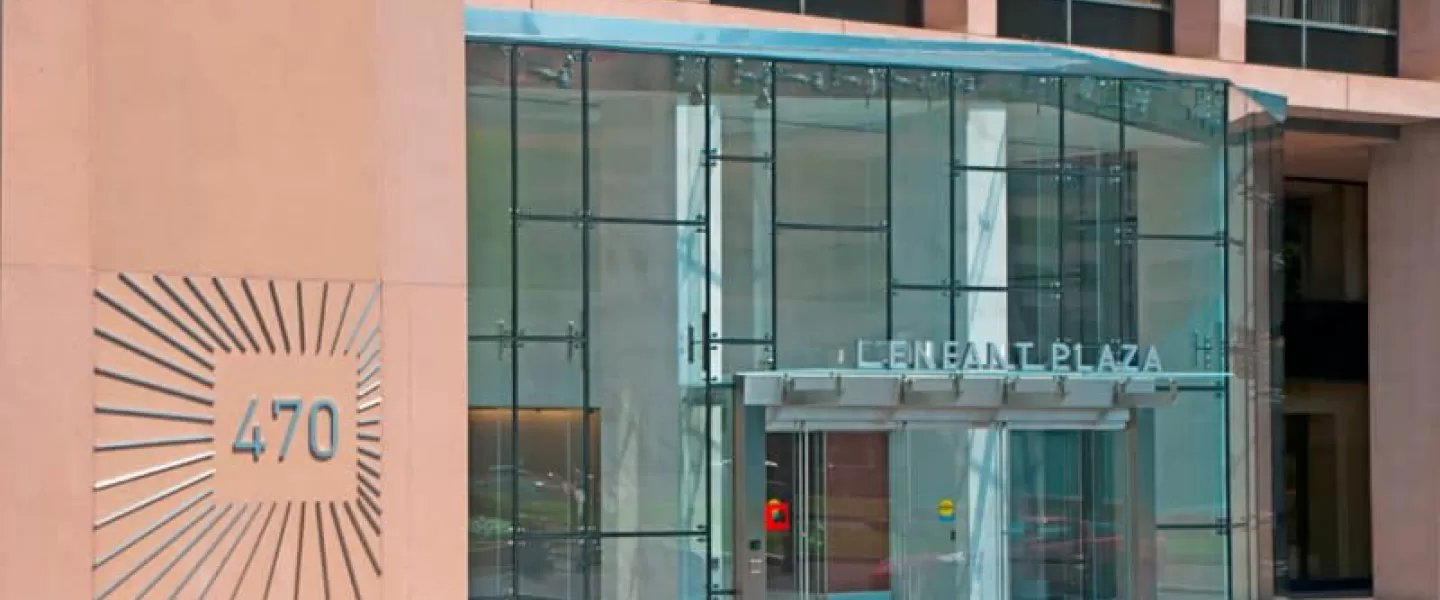
L'Enfant Plaza and the Architecture of the Washington Dining Ritual
L'Enfant Plaza SW is an American Food Court in Washington, DC, with a casual dress code, walk-in friendly service, and about $15 per person. Southwest Washington occupies a peculiar position in the city's geography: planned with federal ambition in the urban renewal era, physically close to the Mall and the waterfront, yet long overlooked by the dining circuits that animate neighborhoods like Shaw, Capitol Hill, or 14th Street. The area around L'Enfant Plaza sits at the intersection of government corridors and transit infrastructure, a zone where the daily rhythm is shaped by commuters and federal workers rather than the leisure crowd that drives reservation culture elsewhere in the city. Understanding that context is the starting point for placing any dining or hospitality destination here against Washington's broader scene.
The city now hosts Michelin-starred omakase counters, farm-referencing tasting menus, and the kind of technically serious cocktail programs that would register in any international conversation. Albi, with its wood-fired Middle Eastern cooking, and Causa, operating in the smaller niche of serious Peruvian cuisine, represent the directional confidence the city's dining scene has developed. Oyster Oyster has built a case for sustainable New American cooking with enough critical traction to place it in a comparable set that extends well beyond D.C.
The Ritual of Eating Well in a Federal District
In cities with strong governmental identities, dining rituals carry a particular weight. The power lunch format that defines certain Washington rooms is not simply a cliche; it reflects a genuine social function, where the pace of a meal, the distance between tables, and the formality of service all serve purposes beyond the food itself. Washington dining has historically operated in two registers: the institutional rooms that read as extensions of the workday, and the chef-driven projects that deliberately resist that register. The gap between those two modes has narrowed considerably as the city's independent dining scene has grown more confident.
The dining ritual in Washington's more ambitious rooms tends to follow a specific cadence. Pacing matters: the leading tasting-menu formats in the city build through courses with enough deliberation that the meal becomes its own interval in the evening rather than a prelude to something else. Jônt, operating in the contemporary French mode with serious tasting menu discipline, exemplifies one end of that spectrum. minibar by José Andrés operates at another end, where molecular technique and theatrical pacing have defined the format for years. Both set a standard against which other formal dining experiences in the city are implicitly measured.
Southwest D.C.: A Neighborhood in Transition
The area immediately around L'Enfant Plaza has historically been more transit hub than destination neighborhood. The Metro station is one of the original stops on the system, and the plaza-level development that surrounds it reflects the planning priorities of the 1960s and 70s: large-footprint commercial buildings, refined walkways, and a scale that prioritizes circulation over street-level activation. That model has aged in ways that urban planners now largely critique, and the Southwest waterfront's transformation, anchored by The Wharf development, has begun to reframe what the broader area can support in terms of hospitality and dining.
That broader Southwest corridor now hosts a range of dining formats that would have been implausible a decade ago, from casual waterfront concepts to rooms with genuine ambition. The neighborhood's evolution mirrors patterns seen in other American cities where transit-adjacent, formerly institutional zones have attracted the kind of investment that brings independent dining closer to the center of civic life. Washington's version of that shift is still in progress, which means the area continues to reward attention from visitors and residents willing to look past the dominant impression of federal architecture and commuter traffic.
Placing Washington Against the National Conversation
The competitive frame for serious dining in Washington extends naturally to other American cities that have developed destination-level restaurant programs. The tasting menu format that The French Laundry in Napa institutionalized, the chef-driven ethos that Blue Hill at Stone Barns in Tarrytown has sustained around agricultural sourcing, the technical ambition that Smyth in Chicago and Atomix in New York City represent, these are the reference points against which Washington's leading tables are increasingly measured. The city's own contribution to that conversation includes The Inn at Little Washington, which has operated at the highest level for long enough to constitute a Washington dining institution in substantive sense.
Beyond the domestic frame, the international comparison is equally instructive. Rooms like Atelier Moessmer Norbert Niederkofler in Brunico demonstrate what regional identity can mean at the level of a serious tasting menu, while Le Bernardin in New York City shows how a single culinary discipline, sustained at the highest level over decades, can define a room's identity more durably than any single season's menu. Washington's dining scene is still building that kind of sustained institutional identity in its more ambitious rooms, but the trajectory is clear.
For readers exploring the full range of what the city offers, our full Washington, D.C. restaurants guide maps the scene across neighborhoods, price tiers, and formats, including comparisons with rooms like Lazy Bear in San Francisco, Providence in Los Angeles, Single Thread Farm in Healdsburg, Addison in San Diego, and Emeril's in New Orleans that help situate the Washington offer within the broader American dining conversation.
Planning a Visit to the L'Enfant Plaza Area
L'Enfant Plaza is directly accessible via the Metro on the Orange, Silver, Blue, Green, and Yellow lines. The area functions primarily as a daytime and early-evening destination given its federal and commercial character, though the broader Southwest waterfront has extended the neighborhood's hospitality hours considerably in recent years. Visitors approaching the area for dining or hospitality purposes will find the Metro one practical entry point; parking in this part of the city operates under the same constraints as the rest of the federal core.
Price and Recognition
Comparable venues nearby, for context on price, style, and recognition.
| Venue | Cuisine | Price | Notes |
|---|---|---|---|
| L'Enfant Plaza SWThis venue — the venue you are viewing | Not listed | $$ | Not listed |
| Art and Soul | East End, Modern Southern American | $$ | Not listed |
| Rewind | Not listed | $$ | Dupont Circle, American Diner with Latin Influences |
| No Goodbyes | Not listed | $$ | Lanier Heights, American Cafe with Chesapeake Bay Sourcing |
| Buck's Fishing & Camping | Chevy Chase, Seasonal American Bistro | $$ | Not listed |
| Bolgiano´s Pantry | Not listed | $$ | Brentwood Railyard, Farm-to-Table American Breakfast & Brunch |
Continue exploring
More in Washington DC
Restaurants in Washington DC
Browse all →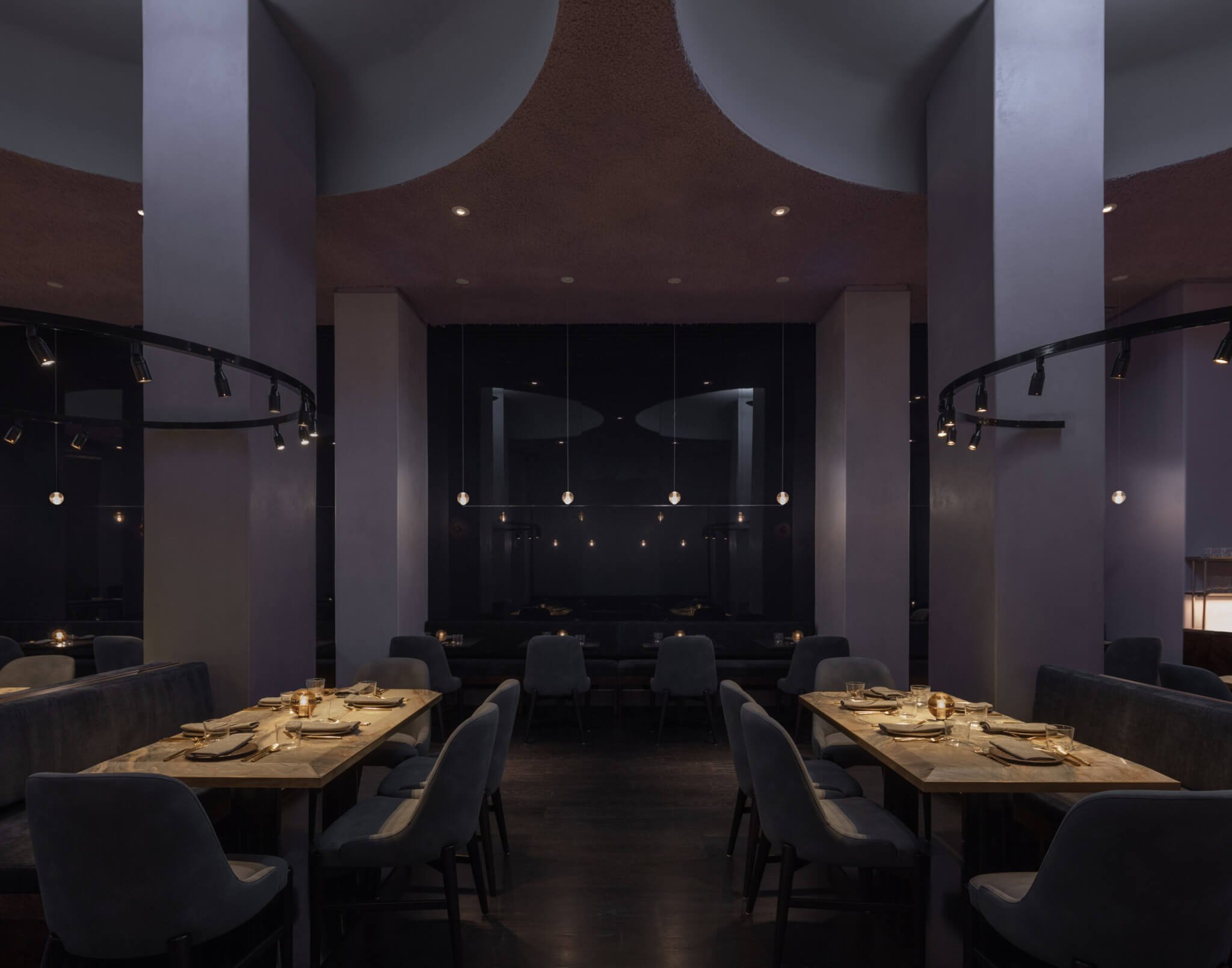
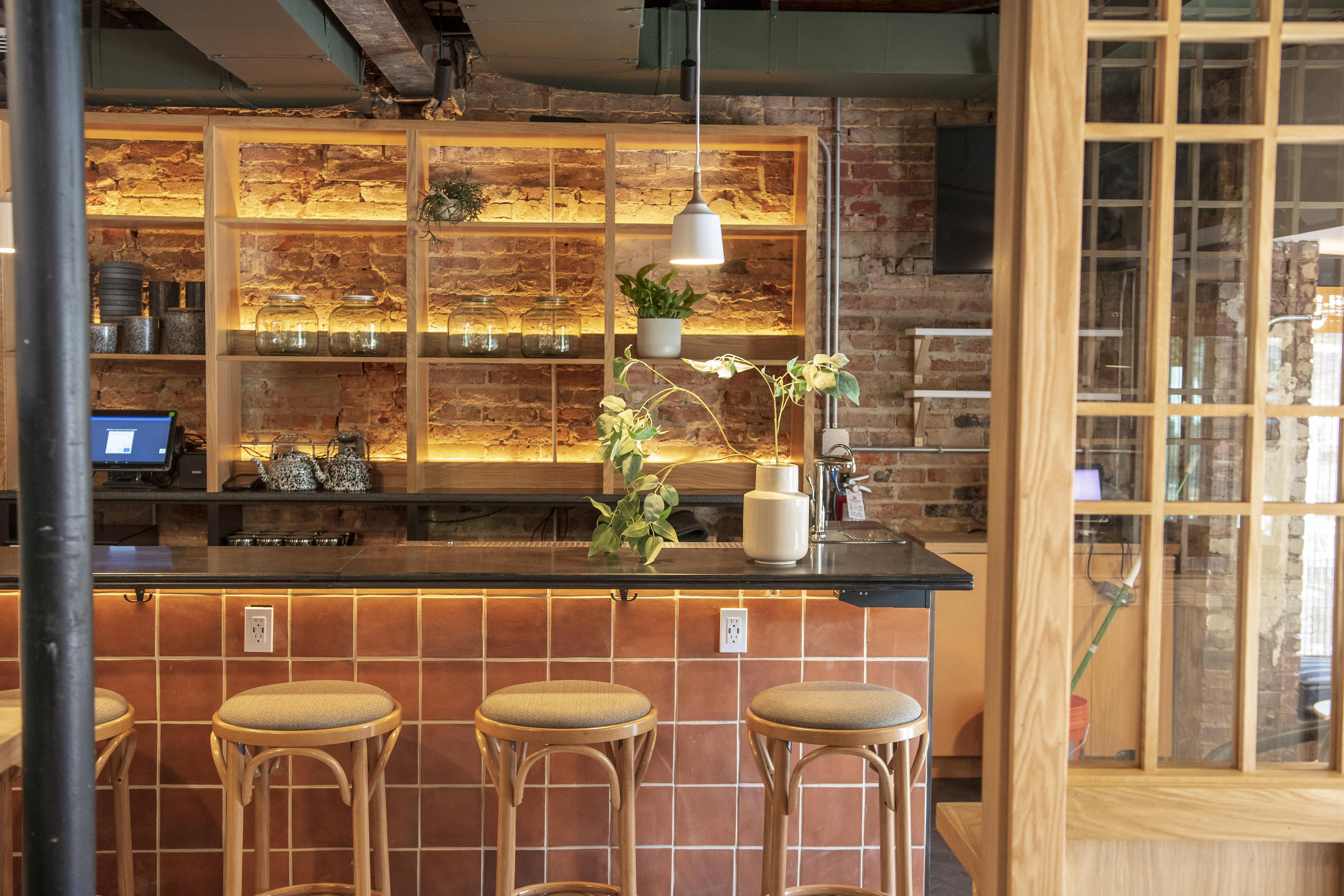
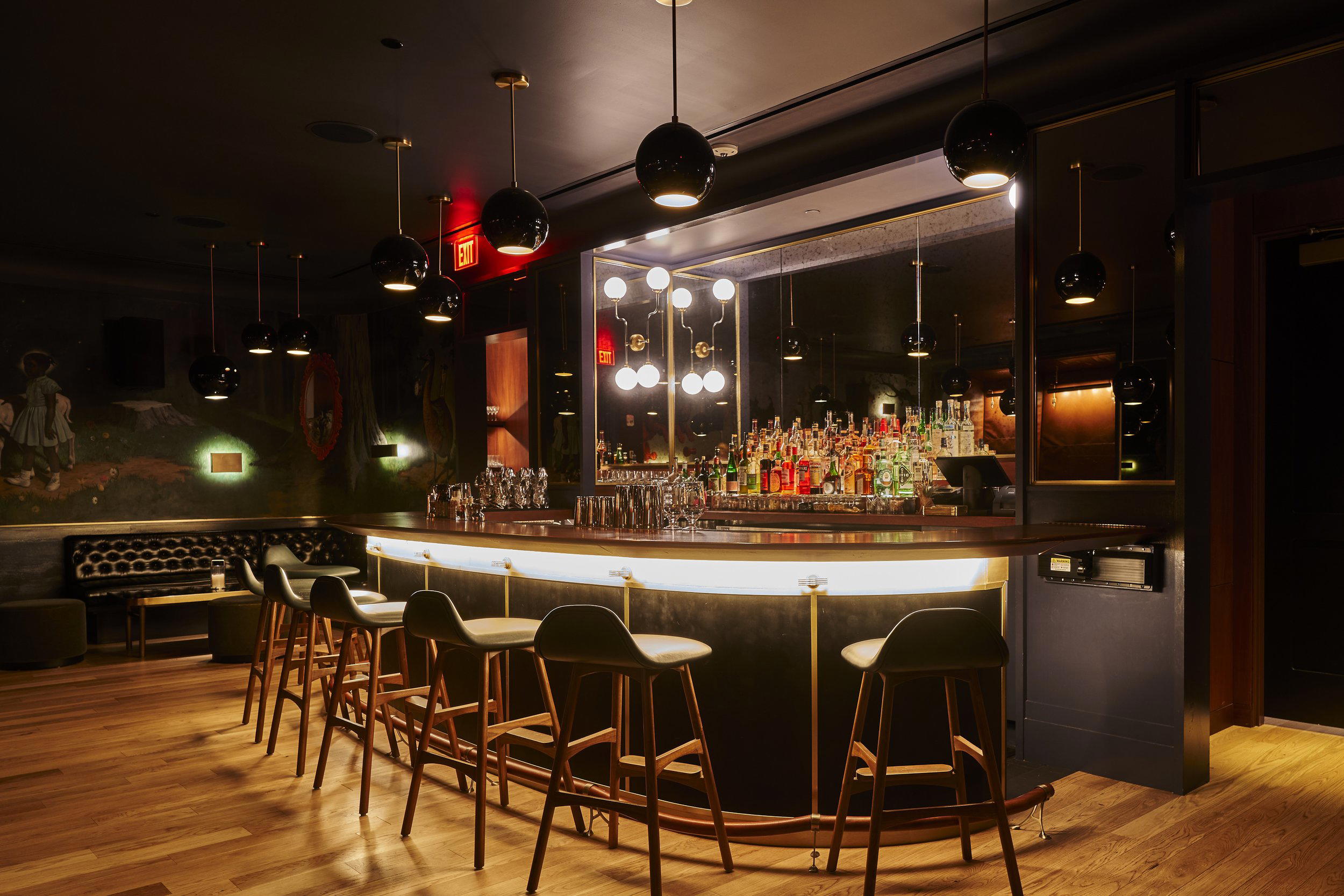
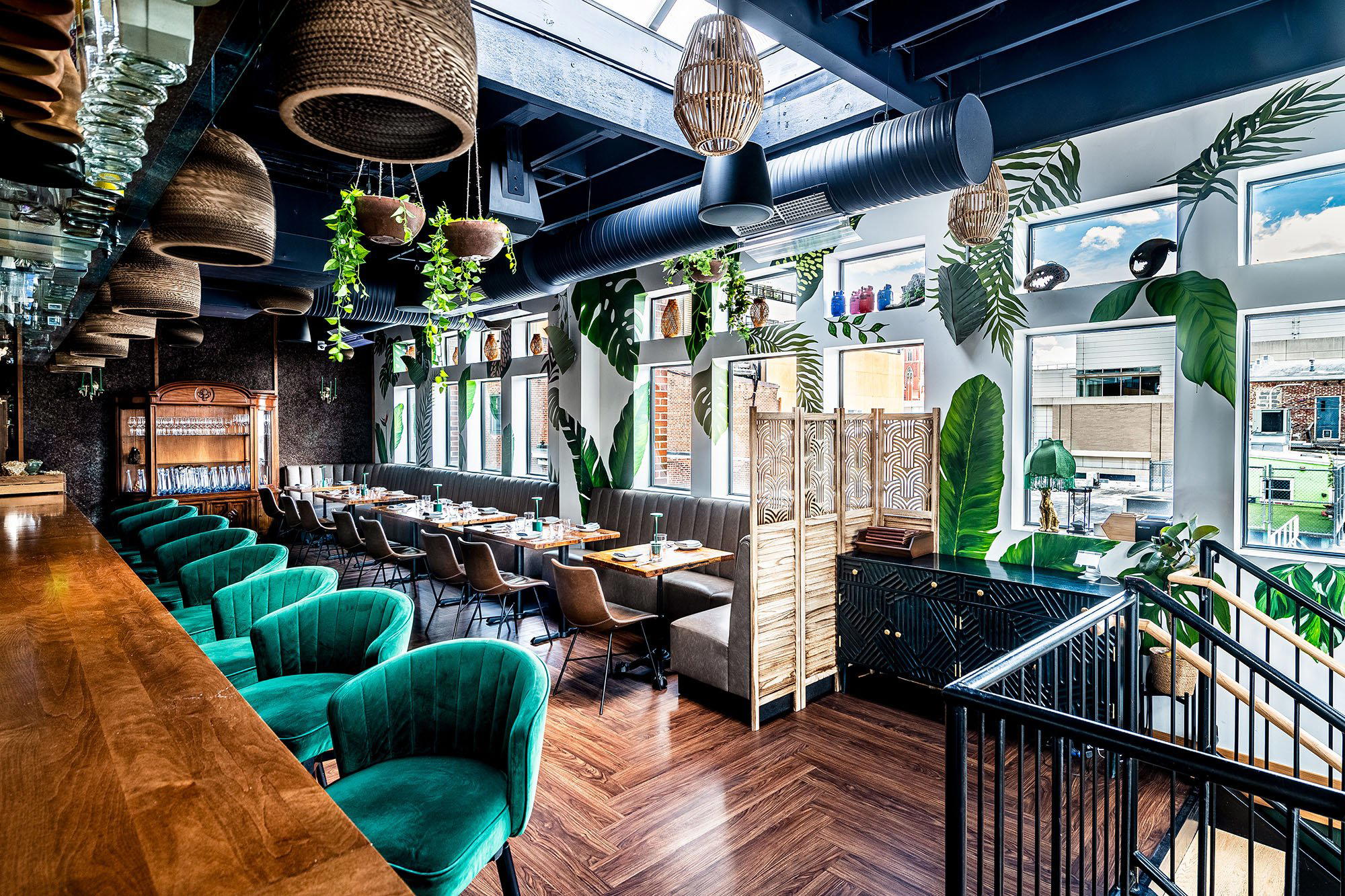
Bars in Washington DC
Browse all →
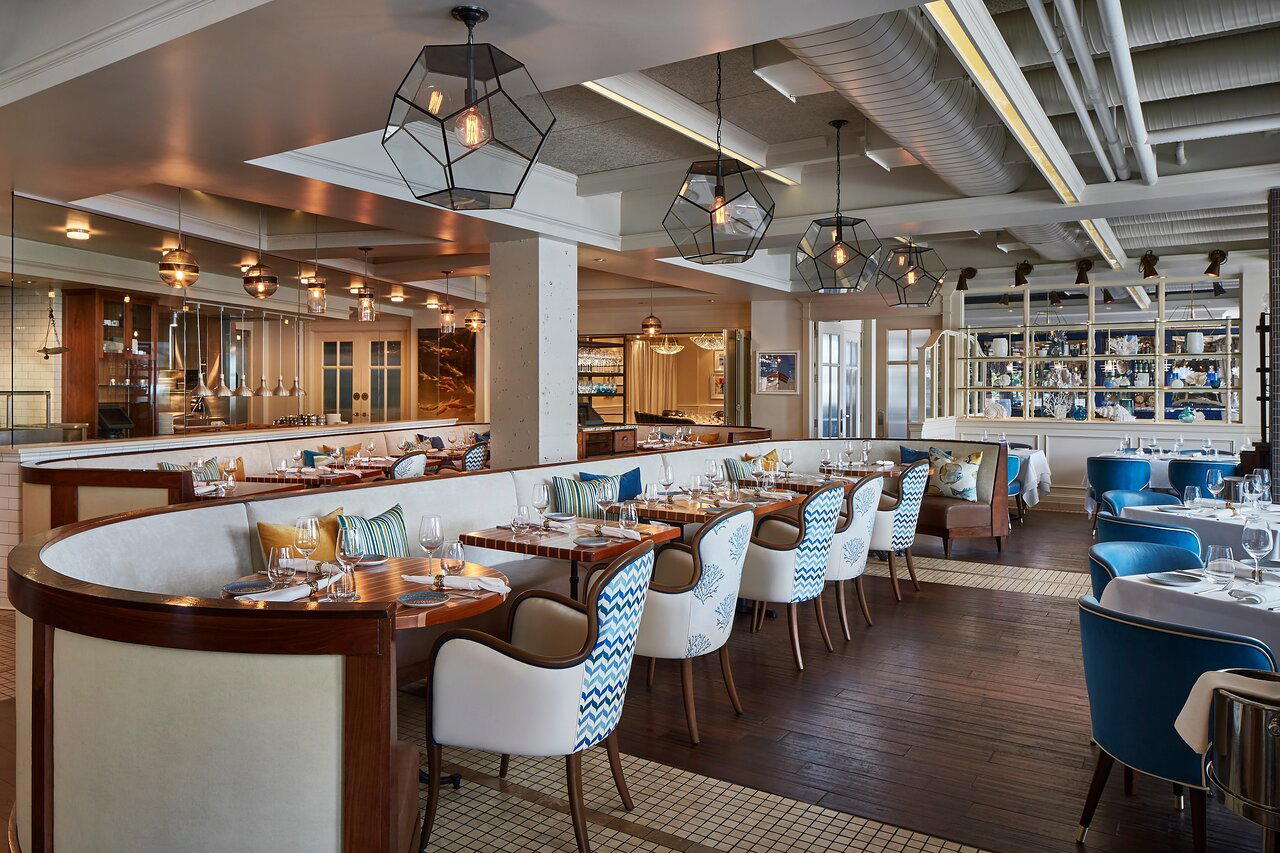
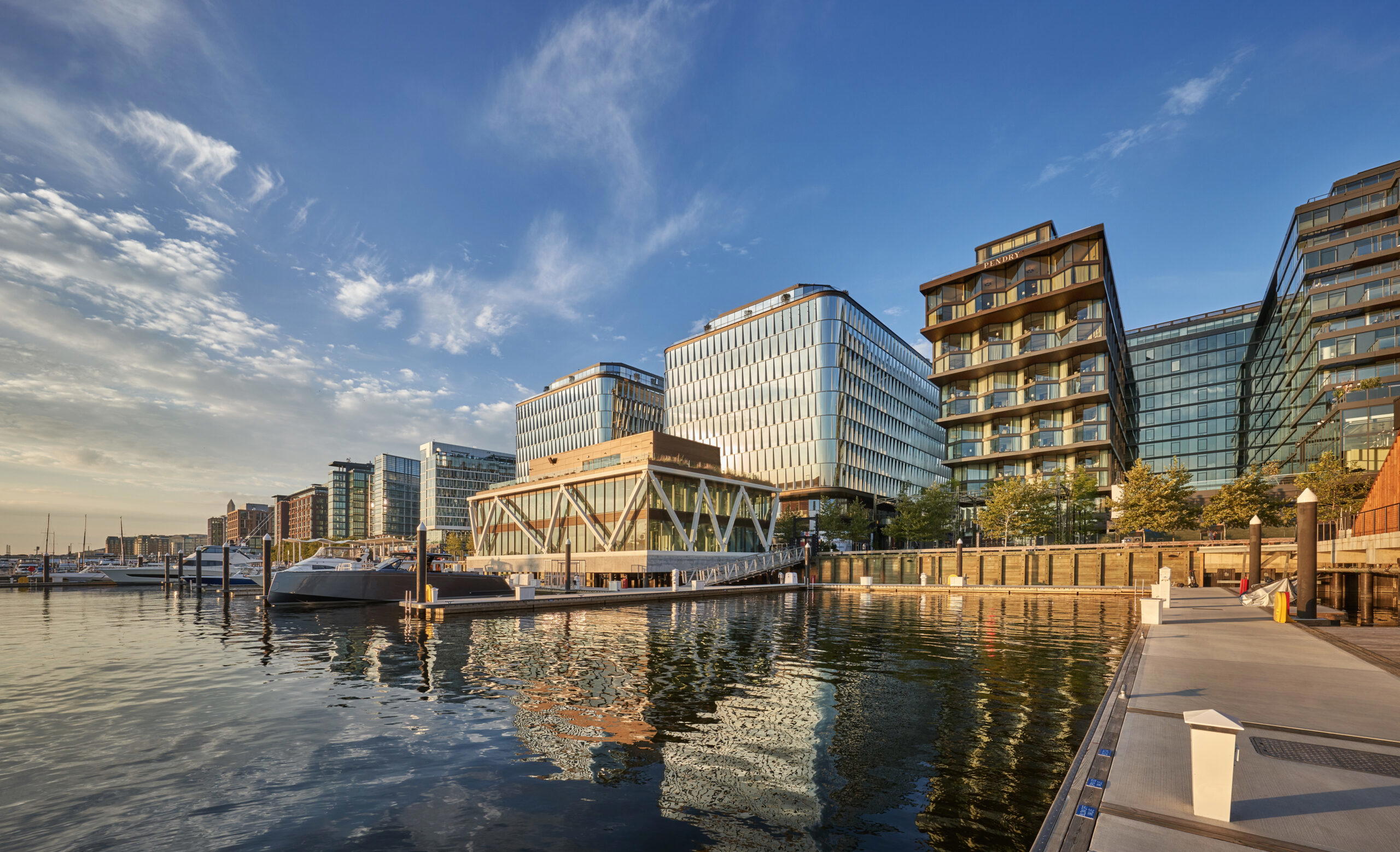
Hotels in Washington DC
Browse all →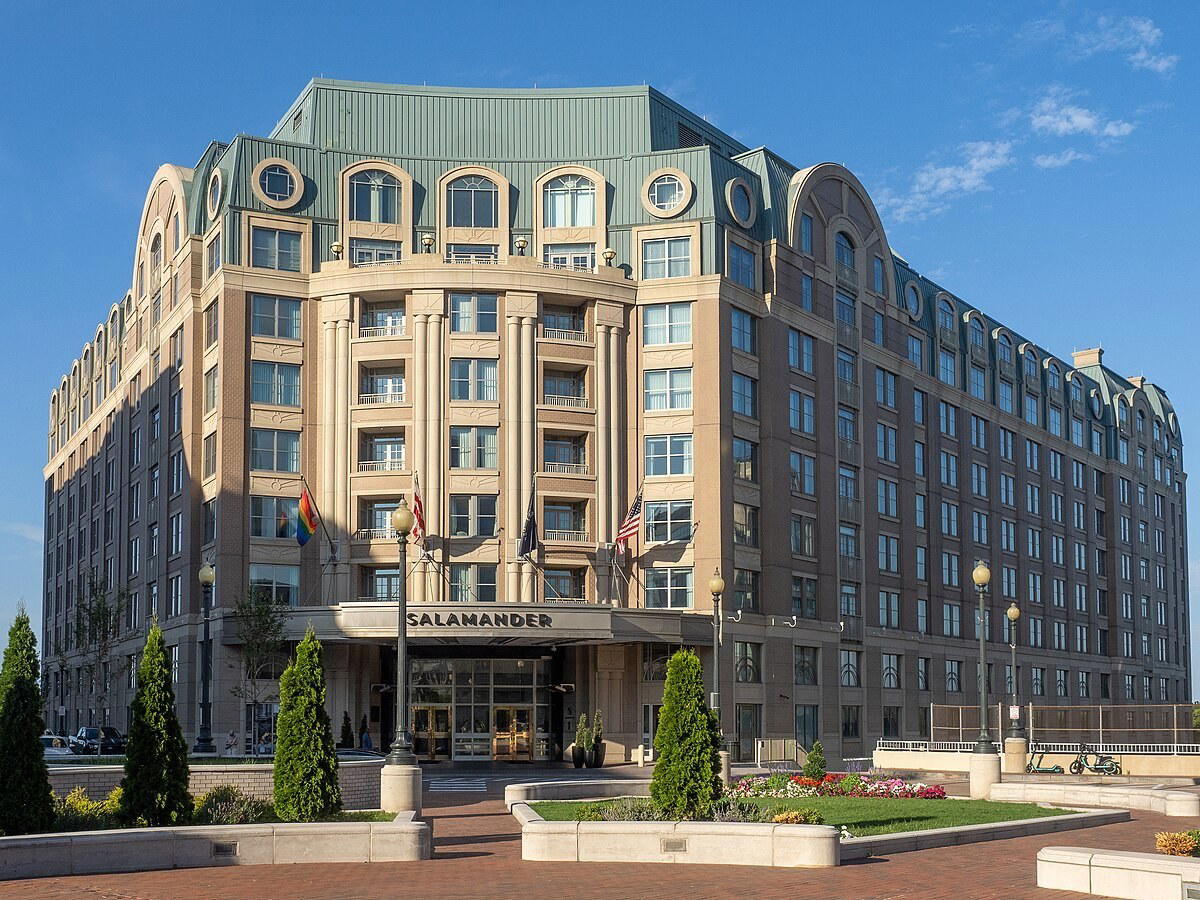
At a Glance
- Lively
- Modern
- Casual Hangout
- Group Dining
- Standalone
Current opening hours
- Monday
- 10 AM–7:30 PM
- Tuesday
- 8:30 AM–7 PM
- Wednesday
- 8:30 AM–7 PM
- Thursday
- 8:30 AM–7 PM
- Friday
- 8:30 AM–7 PM
- Saturday
- 10 AM–7:30 PM
- Sunday
- 10 AM–7:30 PM
Hours can change for holidays and private events. Last verified .
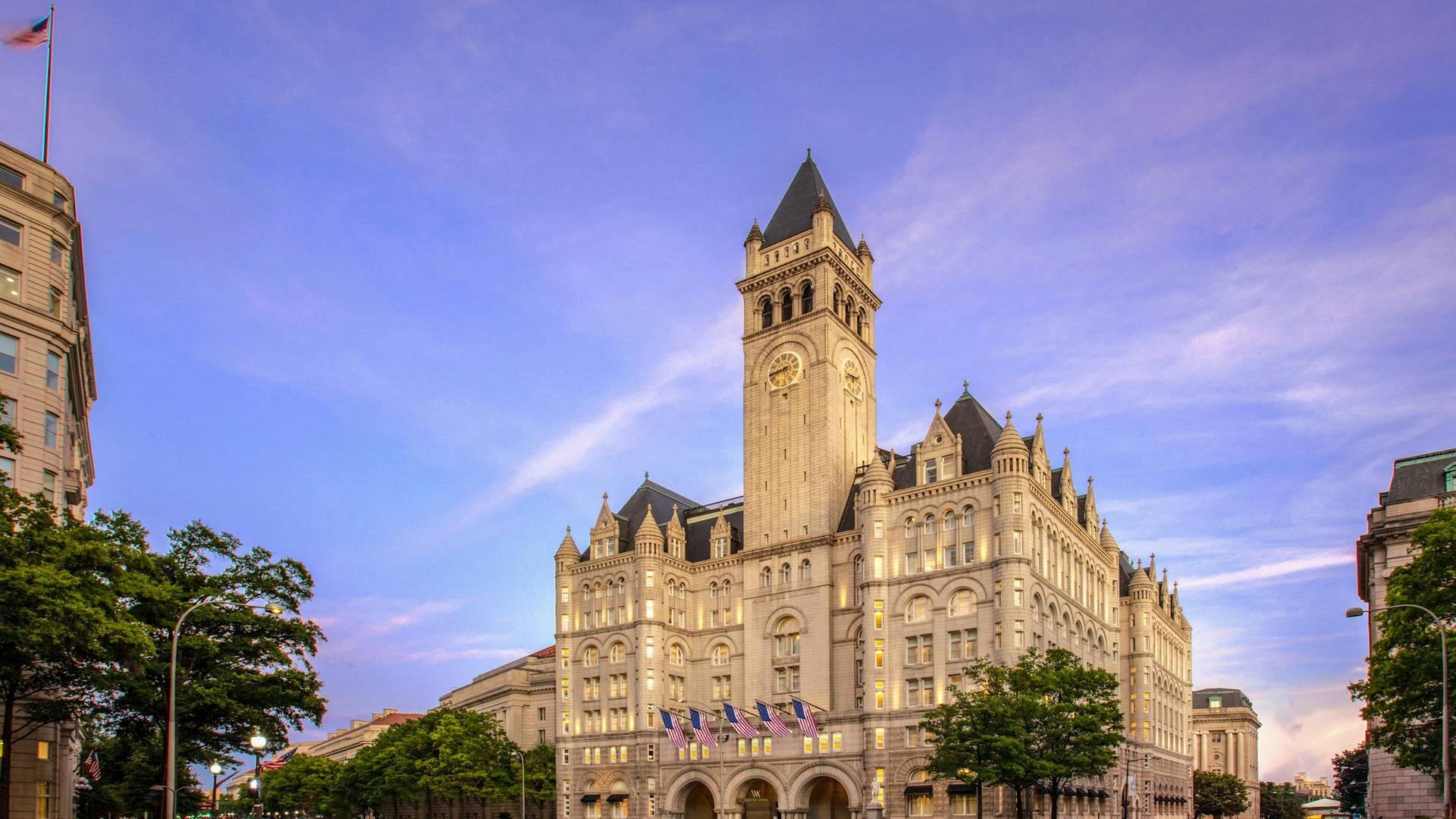
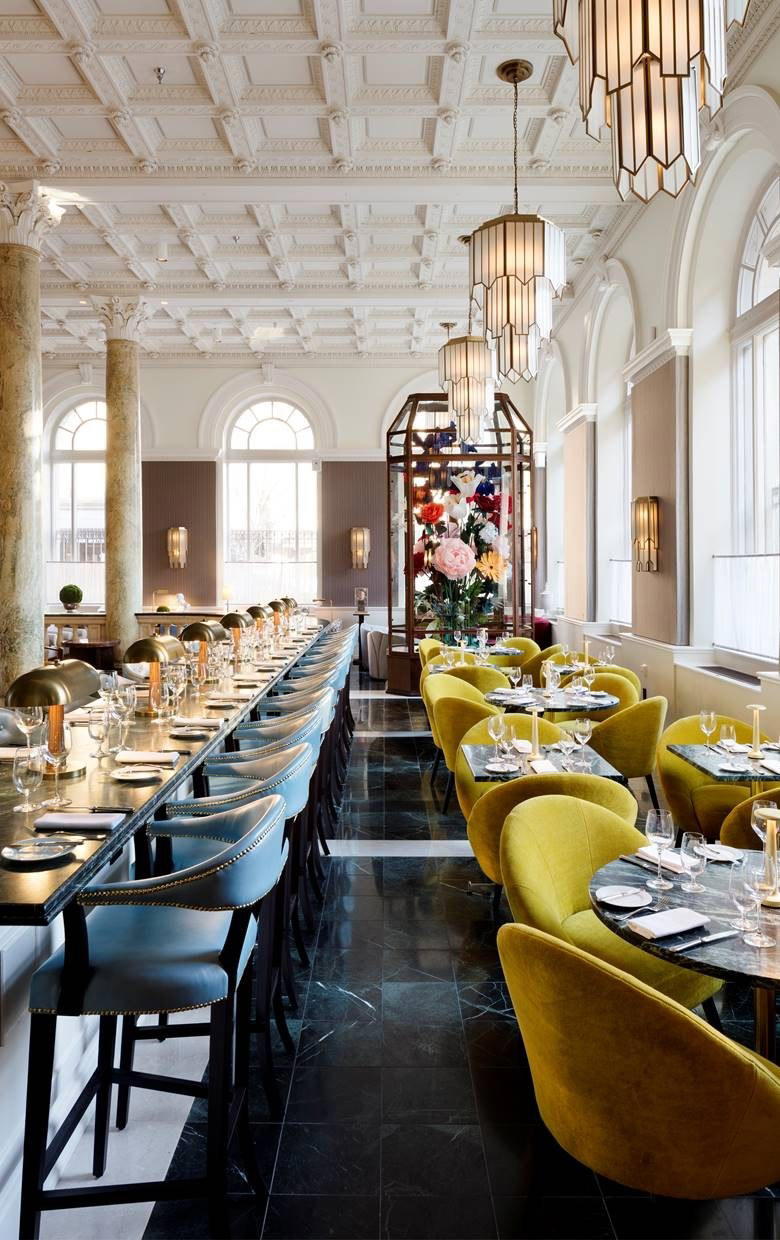
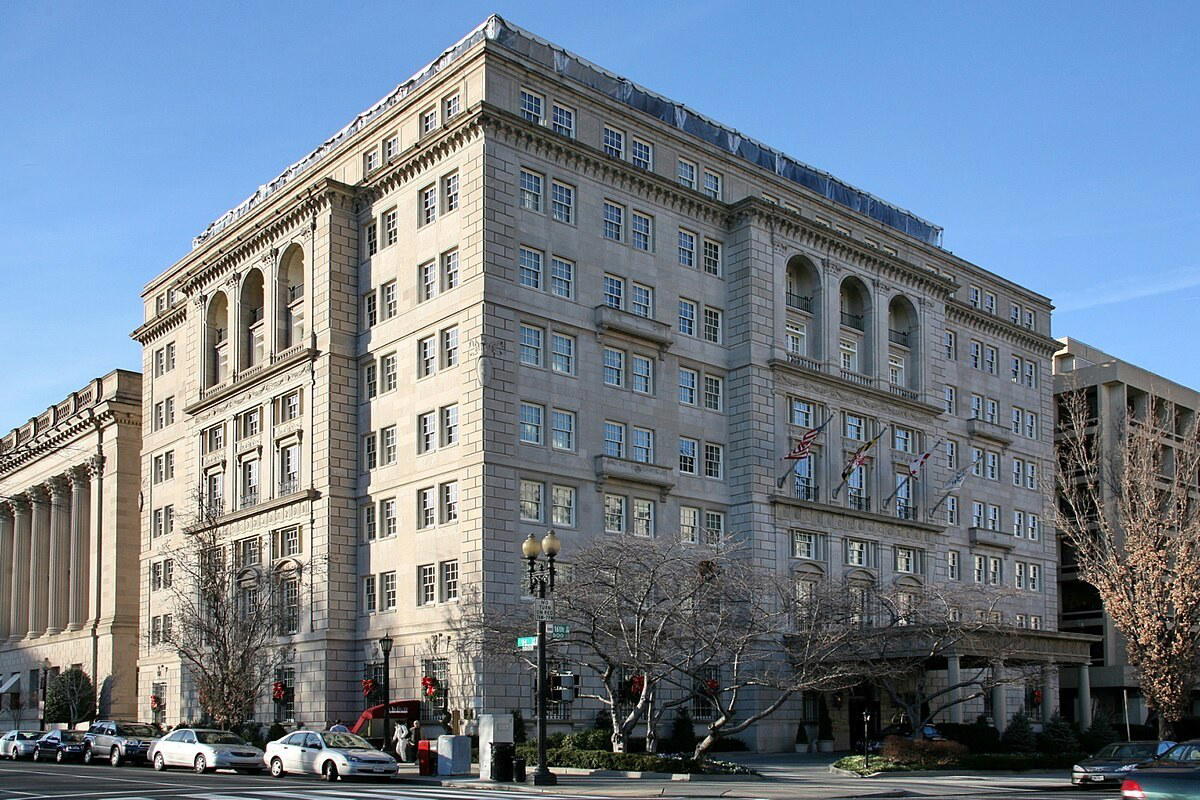
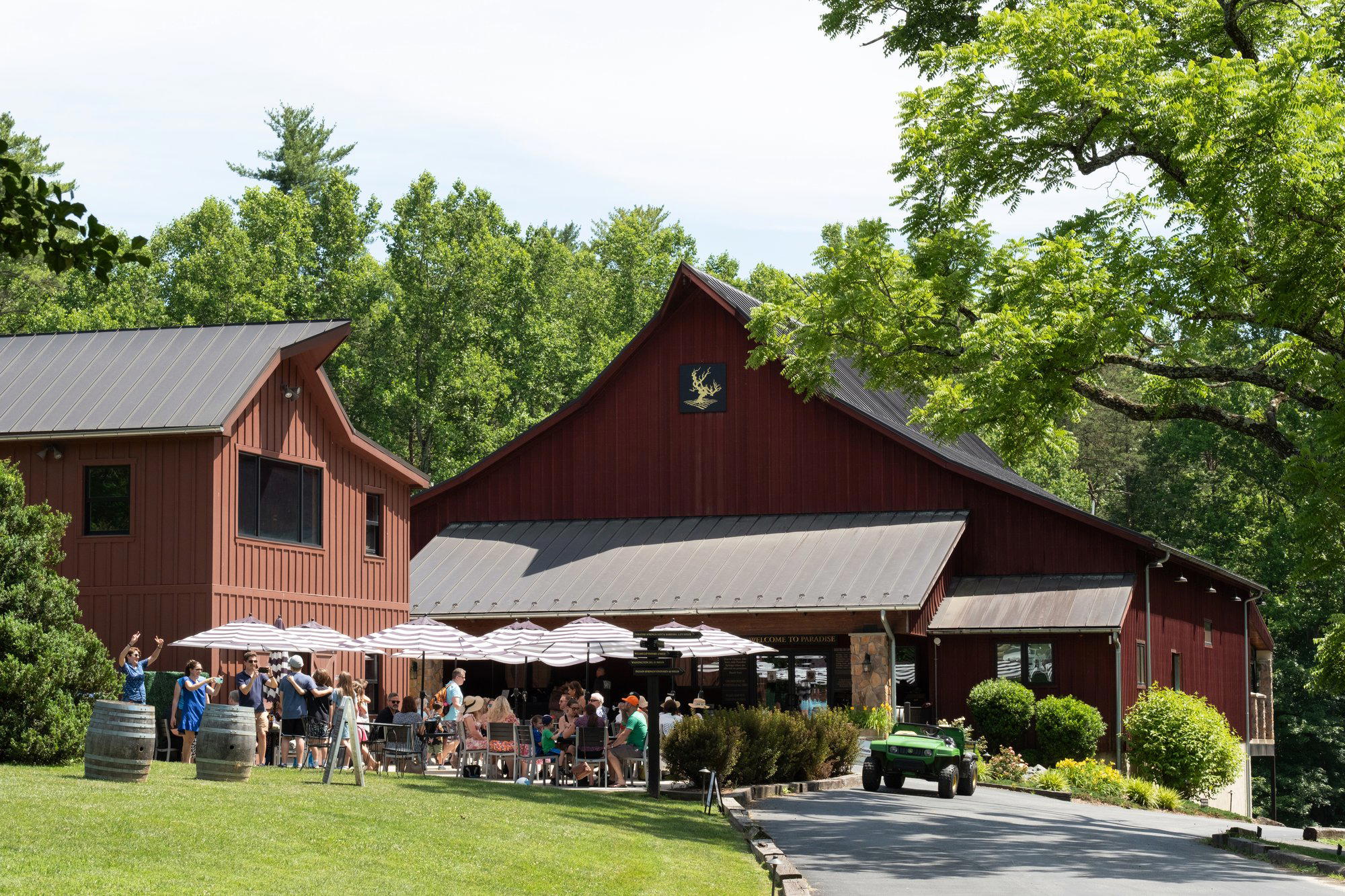
Bright and bustling atmosphere in a modern three-story glass gateway with an outdoor square, ideal for casual daytime dining.