Lenas am See serves German lakeside bistro cooking on a waterfront terrace in Utting, with a leisurely pace and conversational room for lunch or dinner.
Pearl is the En Primeur Club membership app — saves, bookings, and concierge access live there. Same editors, same standards.
- Address
- Seestraße 10, 86919 Utting am Ammersee, Germany
- Phone
- +4988069570957
- Website
- lenasamsee.de
- Directions
- Get directions
 Saves & bookings on Pearl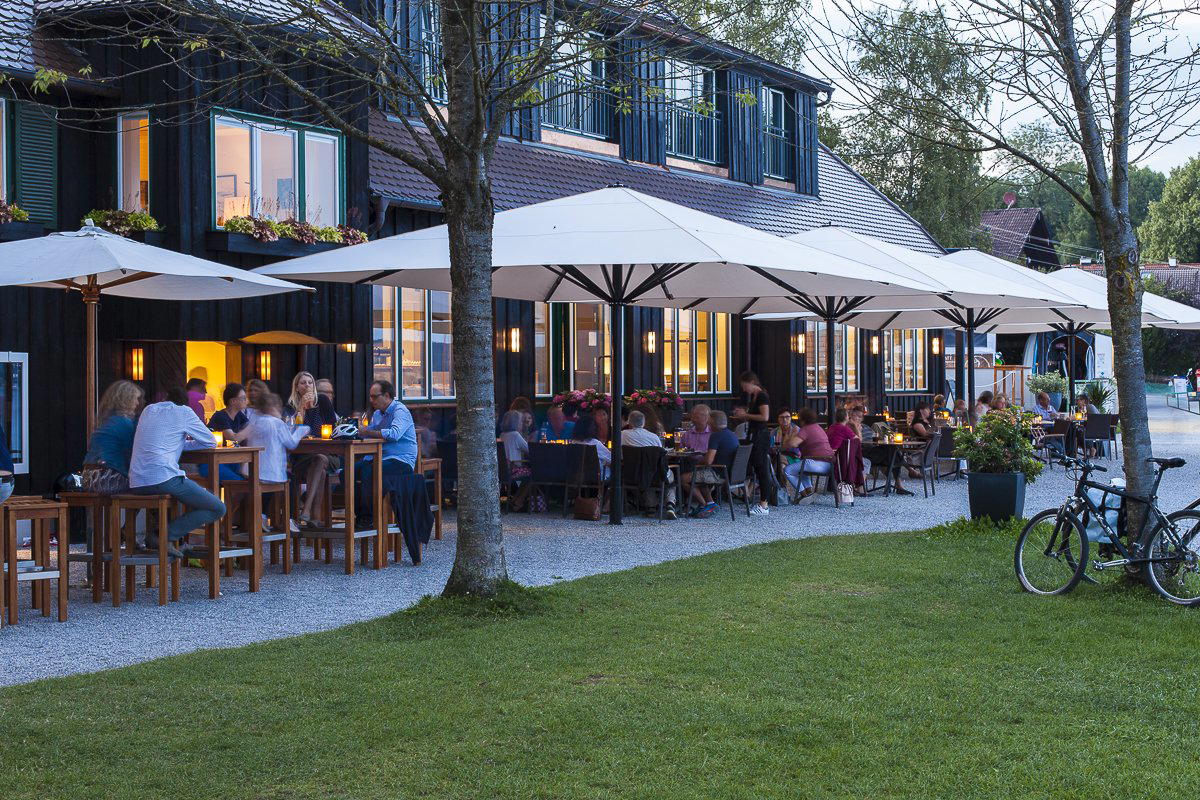
The Ammersee Table: Where Bavarian Lakeside Dining Earns Its Reputation
The approach to Utting am Ammersee sets expectations clearly. The town sits on the western bank of one of Bavaria's lakes, roughly an hour by S-Bahn from Munich's central stations. The lakeside strip along Seestraße is quiet in the way that genuinely rural Bavarian towns are quiet: a working rhythm rather than a curated stillness. Lenas am See occupies an address on that strip at Seestraße 10, and the physical setting carries weight before any food arrives. Water proximity in this part of Upper Bavaria is not incidental to dining culture; it defines the sourcing logic, the seasonal calendar, and the reason serious eaters make the trip from the city.
Ingredient Geography and Why the Lake Changes the Calculus
The Ammersee sits within a tight agricultural and aquatic corridor that gives kitchens along its shore access to ingredients that Munich restaurants pay a premium to source and transport. Freshwater fish from the lake itself, including the regional prized Renke (a white fish of the coregonid family endemic to Alpine lakes), can move from water to kitchen within hours rather than the day-plus lag that urban distribution requires. That compression matters in flavour terms: freshwater fish deteriorates quickly, and the distance differential between a lakeside kitchen and a city operation is audible in texture and taste.
This sourcing geography places Lenas am See within a small but coherent category of German regional restaurants where proximity to primary ingredients is the structural advantage, rather than techniques borrowed from international fine dining. For comparison, the German restaurants that have built reputations on classical technique and cross-cultural creative ambition, such as Aqua in Wolfsburg or Vendôme in Bergisch Gladbach, operate at a remove from local agriculture and compensate through sourcing networks, premium importers, and precision technique. The lakeside model is a different argument entirely: the ingredient is the primary credential, and the kitchen's job is to honour rather than transform it.
The broader Upper Bavarian countryside around Utting adds further layers to any serious kitchen's sourcing options. Dairy farms in the foothills of the Alps produce milk and cheese with fat content profiles shaped by Alpine pasture grasses. Foraging territory in the surrounding woodland contributes seasonal mushrooms, herbs, and wild garlic at points in the year when urban restaurants are buying greenhouse equivalents at significant markup. The seasonal swing in what a kitchen here can plausibly source, versus what it must import, is more pronounced than in most German cities.
The Lakeside Atmosphere and What It Asks of the Diner
Dining by the Ammersee operates on a register distinct from city fine dining or destination resort restaurants. The atmosphere at this latitude and on this scale of lake tends toward the unhurried and the genuinely local: the clientele during the week skews toward people who live in the area or have family houses nearby, weekend visits draw Munich day-trippers and cyclists following the lake circuit. Neither crowd arrives with the performance expectation that animates dinner at, say, Schwarzwaldstube in Baiersbronn or CODA Dessert Dining in Berlin. The format here is likely more relaxed and less choreographed, which is an attribute rather than a shortcoming in the context of lakeside Bavarian eating.
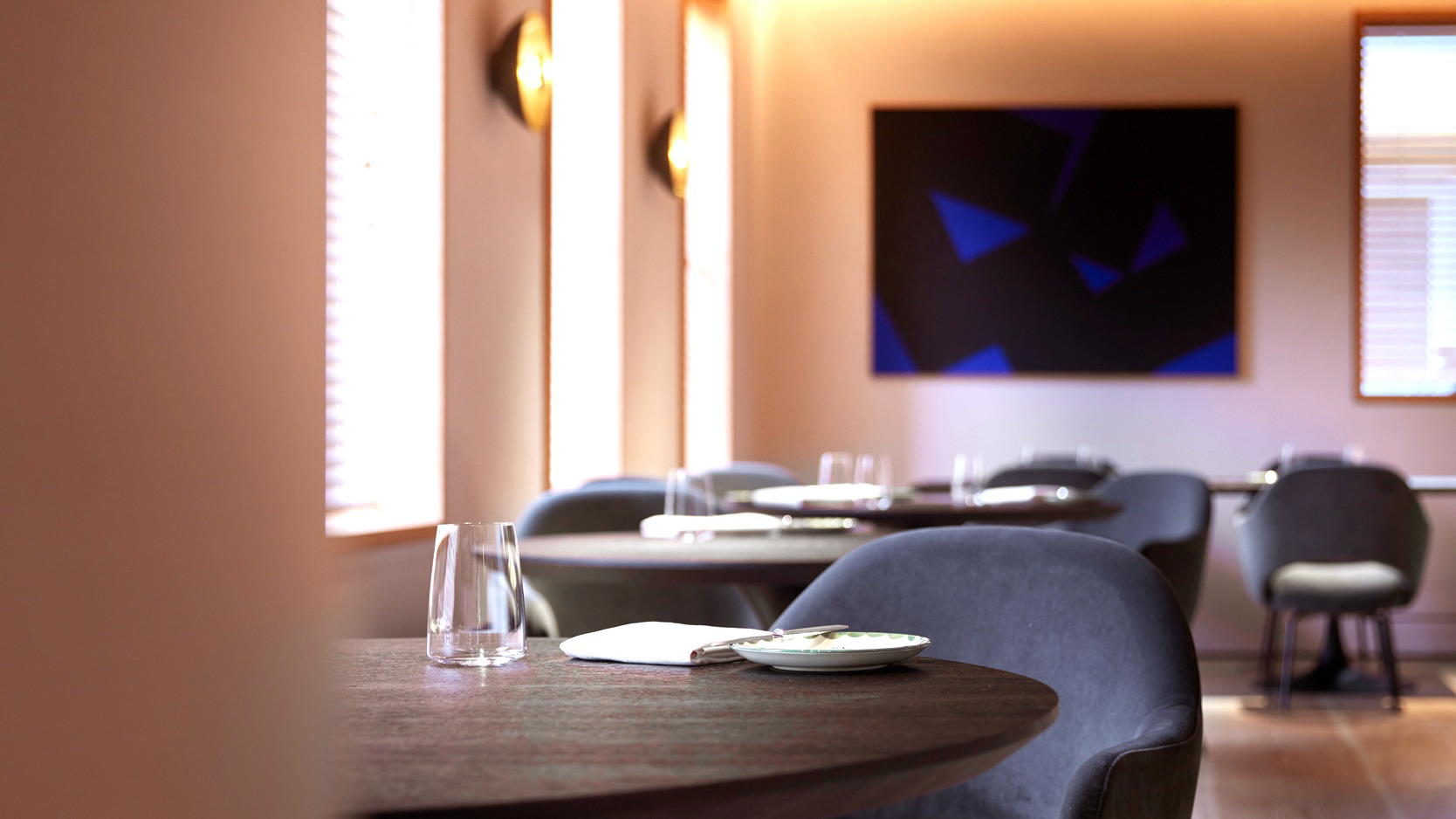
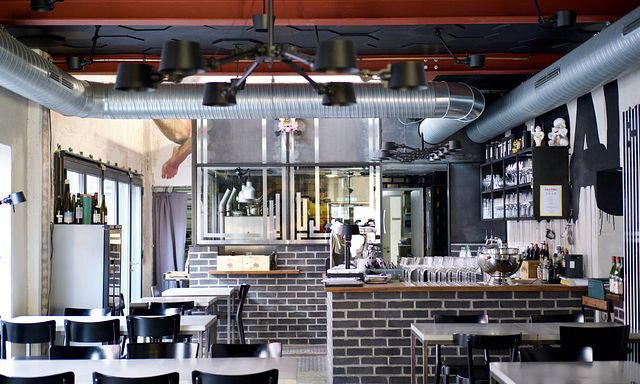
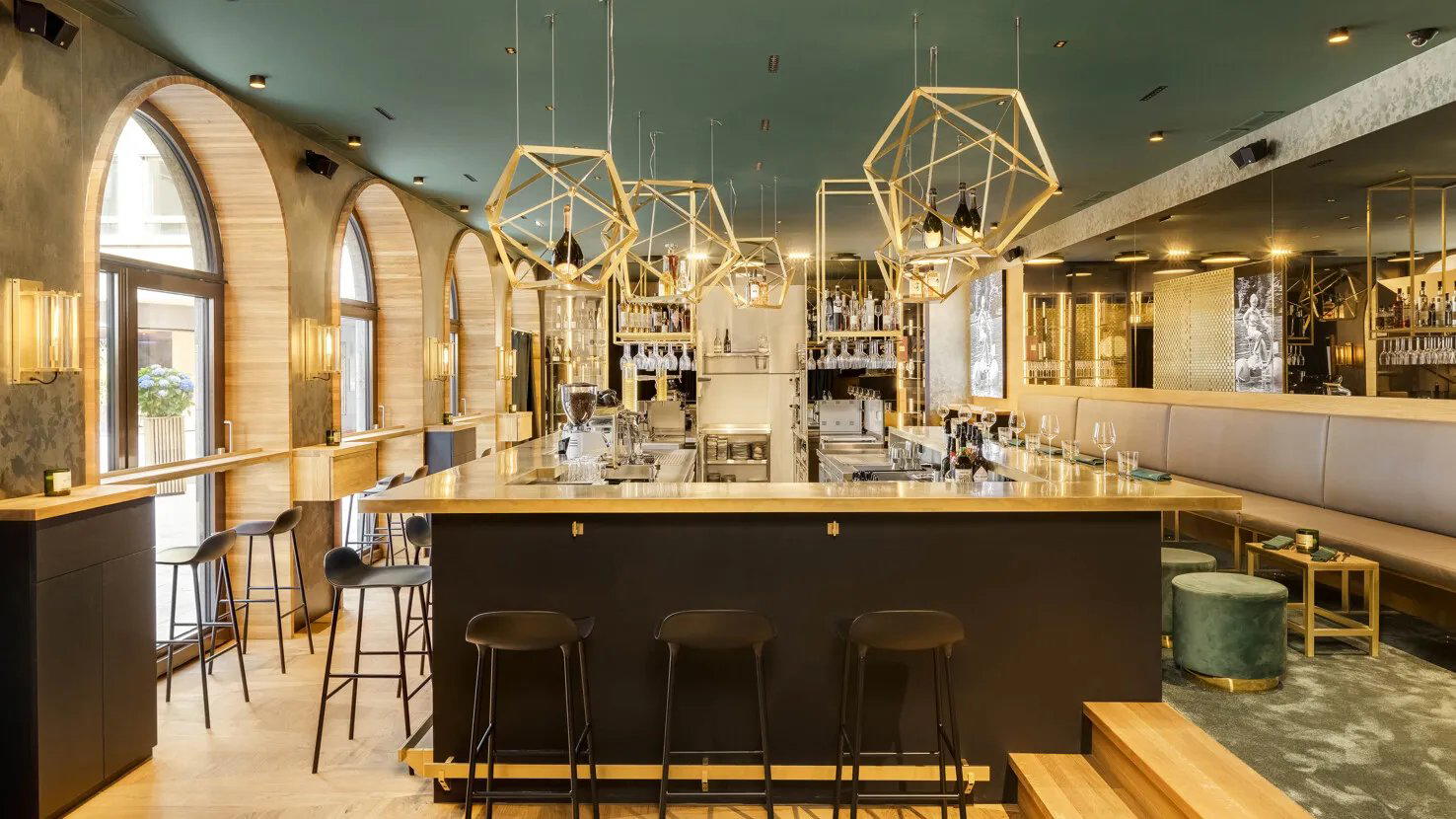
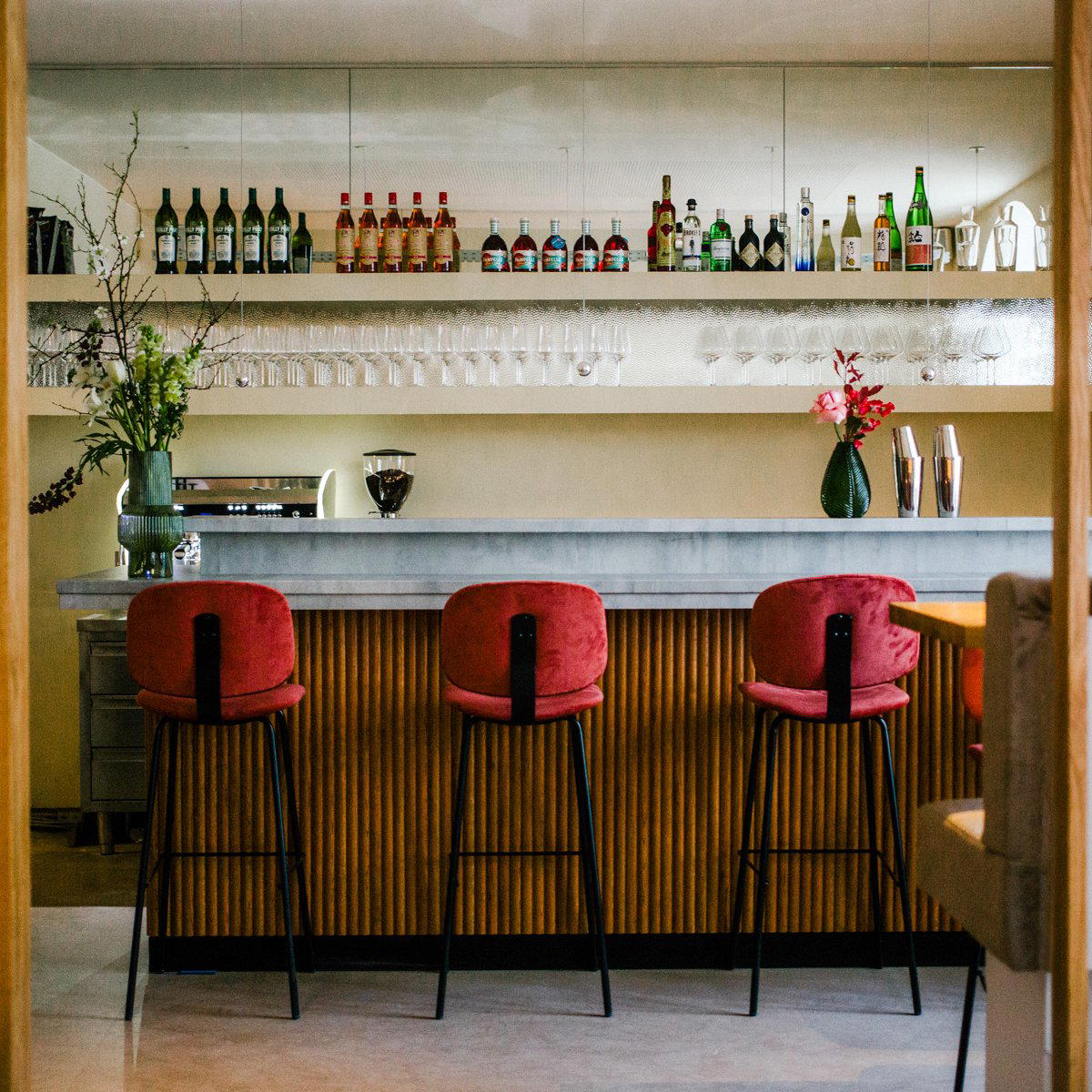
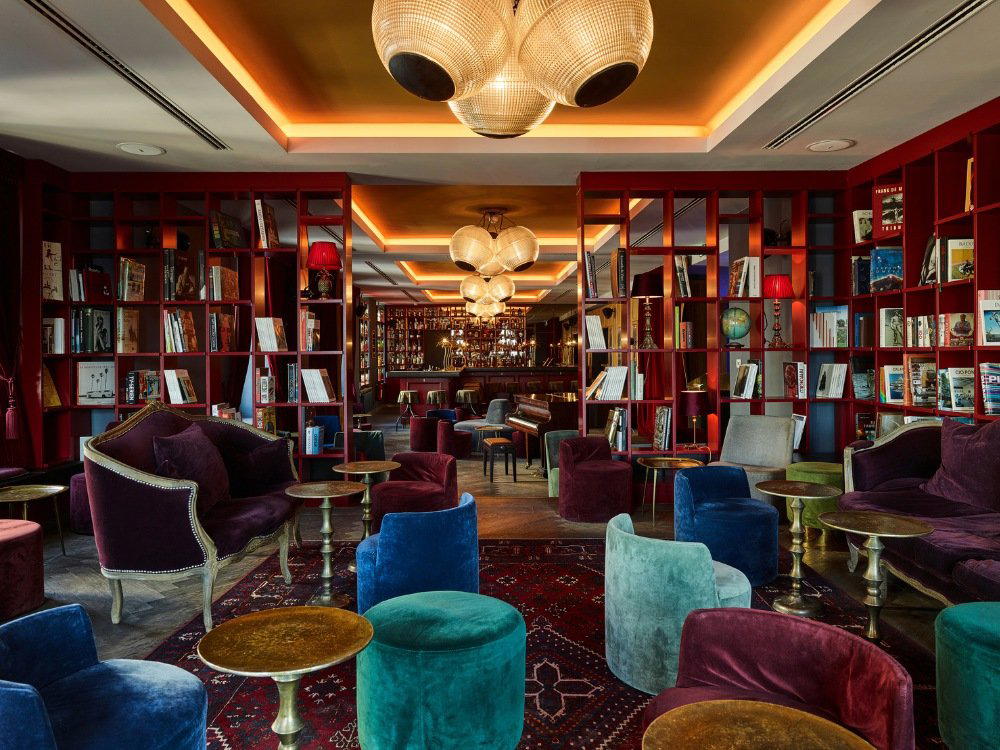
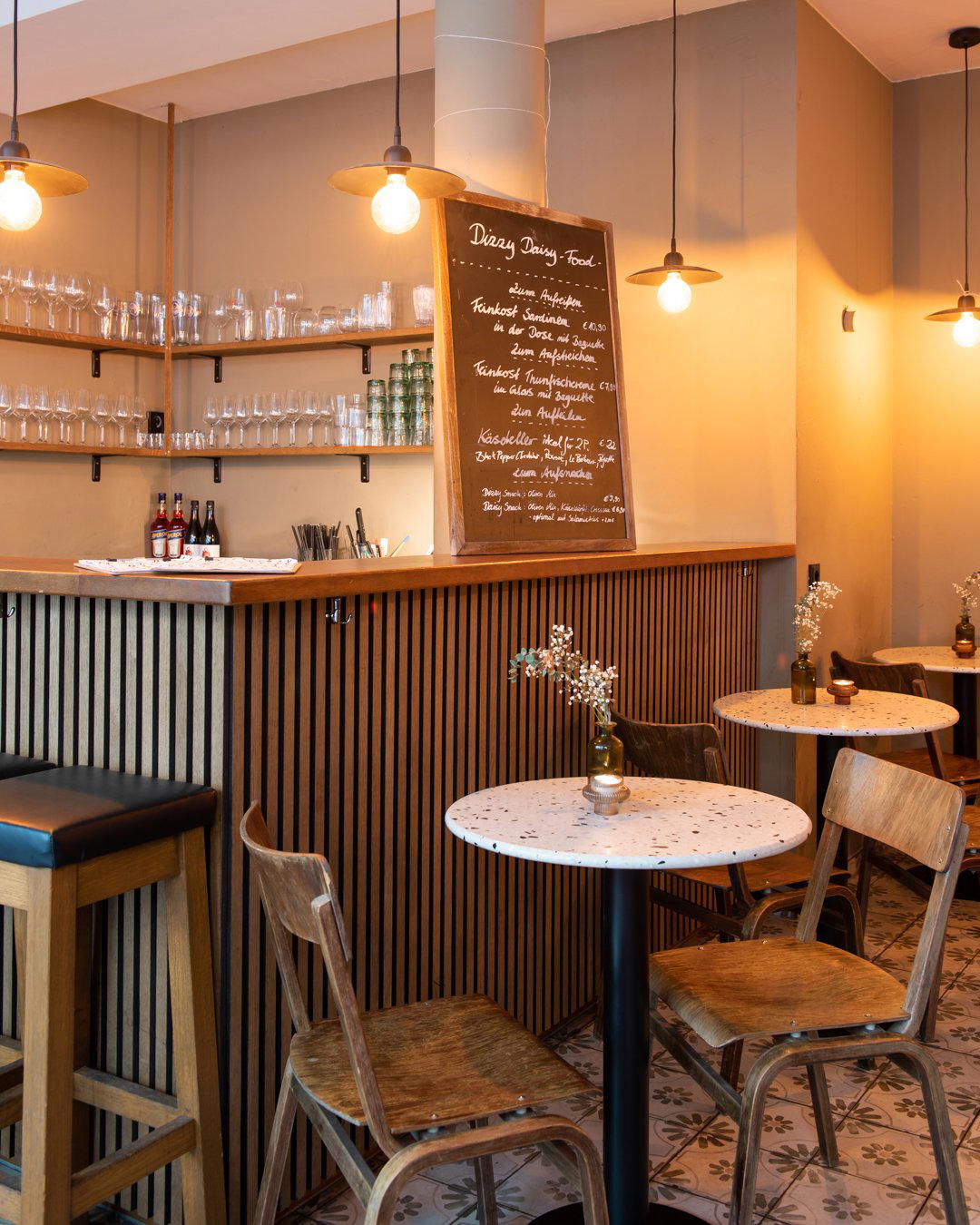
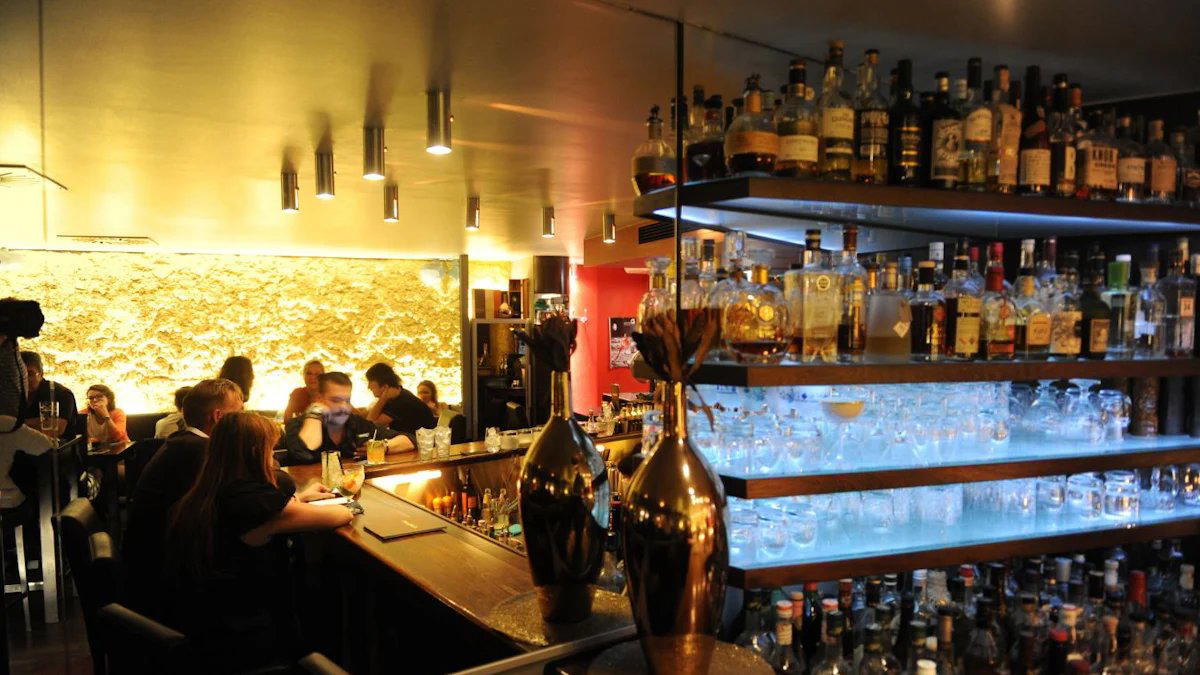
If the atmosphere holds to the regional pattern for Ammersee restaurants, expect the visual language to lean on the lake view itself rather than interior design investment: plain tables, natural light on water, and a pace that does not rush the meal. That kind of restraint in setting tends to place more pressure on what is on the plate and in the glass, which is where the sourcing argument either pays off or doesn't.
Placing Lenas am See in the German Regional Dining Spectrum
Germany's restaurant conversation has long been weighted toward its fine dining tier, where venues like Victor's Fine Dining by Christian Bau in Perl, Waldhotel Sonnora in Dreis, and Restaurant Haerlin in Hamburg attract critical attention through awards and international recognition. But a parallel track of serious regional cooking, anchored in specific geography and seasonal produce rather than technical spectacle, operates with less visibility and often more genuine connection to place. The Ammersee sits in that second track.
Regionally anchored restaurants of this type share characteristics: they are often seasonal in opening or in menu scope, they price against a local clientele rather than an international tourist market, and they resist the impulse toward elaborate tasting-menu formats in favour of shorter, more direct food. That description applies as a category tendency; individual kitchens along the Ammersee calibrate their own position within it. For travellers already planning trips to southern Bavaria and building an eating itinerary around fine dining stops like JAN in Munich or ES:SENZ in Grassau, a meal at Lenas am See offers a counterpoint that grounds the trip in regional produce and lake-specific cooking traditions that those city and alpine addresses cannot replicate.
For a broader picture of what the Utting eating scene offers, our full Utting restaurants guide maps the options by style and occasion. Comparison venues across Germany's wider fine dining circuit, including Schanz in Piesport, Bagatelle in Trier, ammolite in Rust, ATAMA by Martin Stopp in Sankt Ingbert, AUGUST in Augsburg, and AURA in Wirsberg, represent the more technically ambitious end of the spectrum, useful reference points when deciding what kind of eating experience a given trip should prioritise. If you are drawing international comparisons for the sourcing-first, produce-led approach, the analogies are closer to Le Bernardin in New York City's fish-centred discipline or Atomix's attention to ingredient provenance than to standard bistro cooking.
Planning a Visit
Utting am Ammersee is accessible from Munich via the S-Bahn S5 line, with the journey running approximately 55 to 65 minutes to Utting station; Seestraße is a short walk from the station to the lakeside. Given the size of the town and the typical capacity of lakeside restaurants in this area, securing a table in advance is advisable, particularly on weekends between May and September when lake traffic is at its highest. The Ammersee's summer season concentrates demand sharply, and restaurants that operate with limited covers can fill days ahead during peak weeks.
Comparable Spots, Quickly
Comparable venues nearby, for context on price, style, and recognition.
| Venue | Cuisine | Price | Notes |
|---|---|---|---|
| Lenas am SeeThis venue — the venue you are viewing | German Lakeside Bistro | $$$ | Not listed |
| Augustiner am Wörthsee | Traditional Bavarian | $$ | Woerthsee |
| Restaurant Oliv's | Regional German with French-Mediterranean influences | $$$ | Stadt Starnberg |
| Restaurant unvergesslich | Franconian-German Fine Dining | $$$ | Sindlingen |
| Klinglwirt | Organic Bavarian Tavern | $$ | Haidhausen |
| Brauereigaststätte Postkeller | Traditional Bavarian Brauhaus | $$ | Mittenwald |
At a Glance
- Scenic
- Cozy
- Elegant
- Celebration
- Date Night
- Family
- Waterfront
- Terrace
- Local Sourcing
- Waterfront
Current opening hours
- Monday
- Closed
- Tuesday
- Closed
- Wednesday
- Closed
- Thursday
- 11:30 AM–10:30 PM
- Friday
- 11:30 AM–10:30 PM
- Saturday
- 11:30 AM–10:30 PM
- Sunday
- 11:30 AM–10:30 PM
Hours can change for holidays and private events. Last verified .
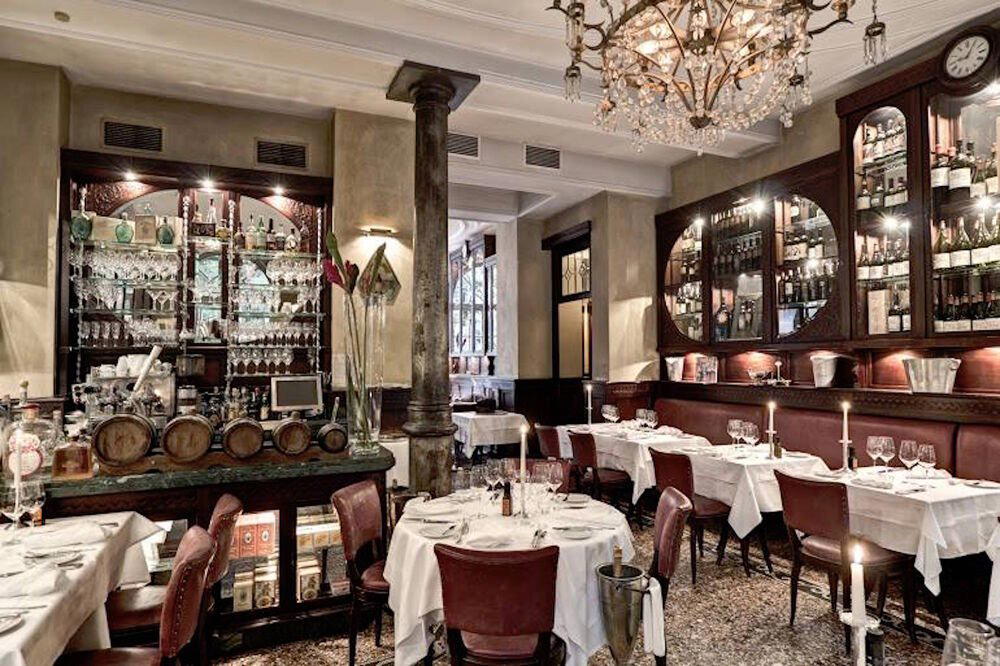
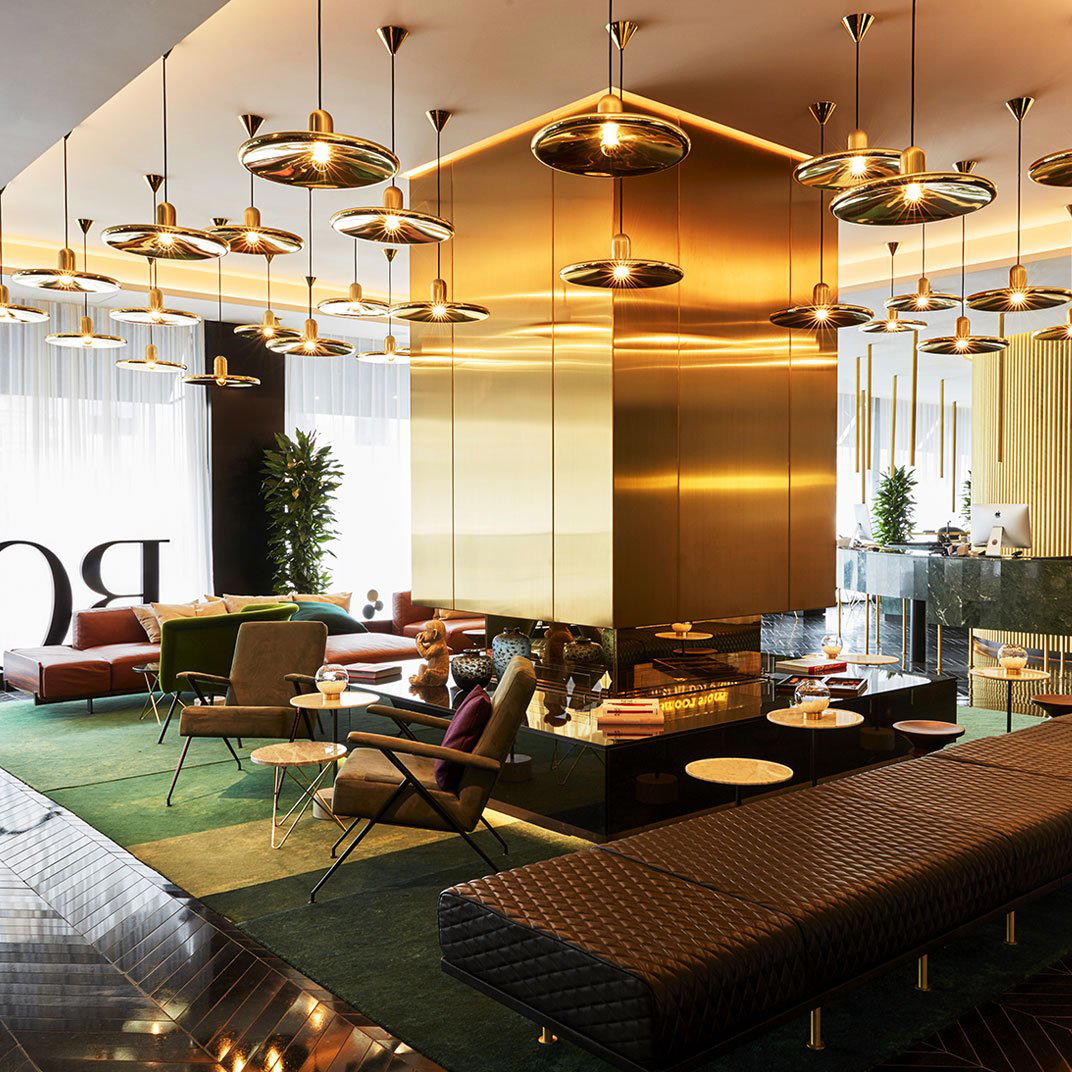
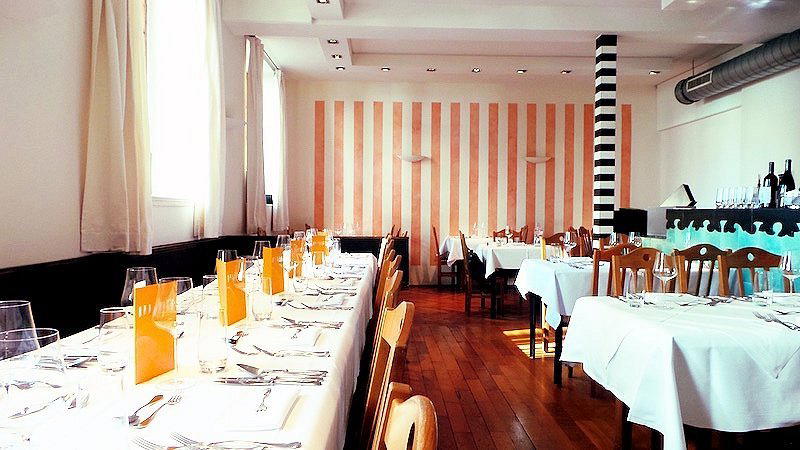
Pleasant and appealing ambience with Scandinavian austerity interior and relaxing lake views.