On Balanstraße in Munich's Au-Haidhausen district, Klinglwirt represents the kind of neighbourhood Wirtschaft that anchor Munich's non-tourist dining scene: grounded in Bavarian tradition, drawing a local crowd rather than a guidebook one, and operating at a register that sits well outside the city's Michelin-heavy fine dining tier. For visitors willing to look beyond the Innenstadt, it offers a direct line to how Munich actually eats.
Pearl is the En Primeur Club membership app — saves, bookings, and concierge access live there. Same editors, same standards.
- Address
- Balanstraße 16, 81669 München, Germany
- Phone
- +49 89 85676199
- Website
- speisekartenweb.de
- Directions
- Get directions
 Saves & bookings on Pearl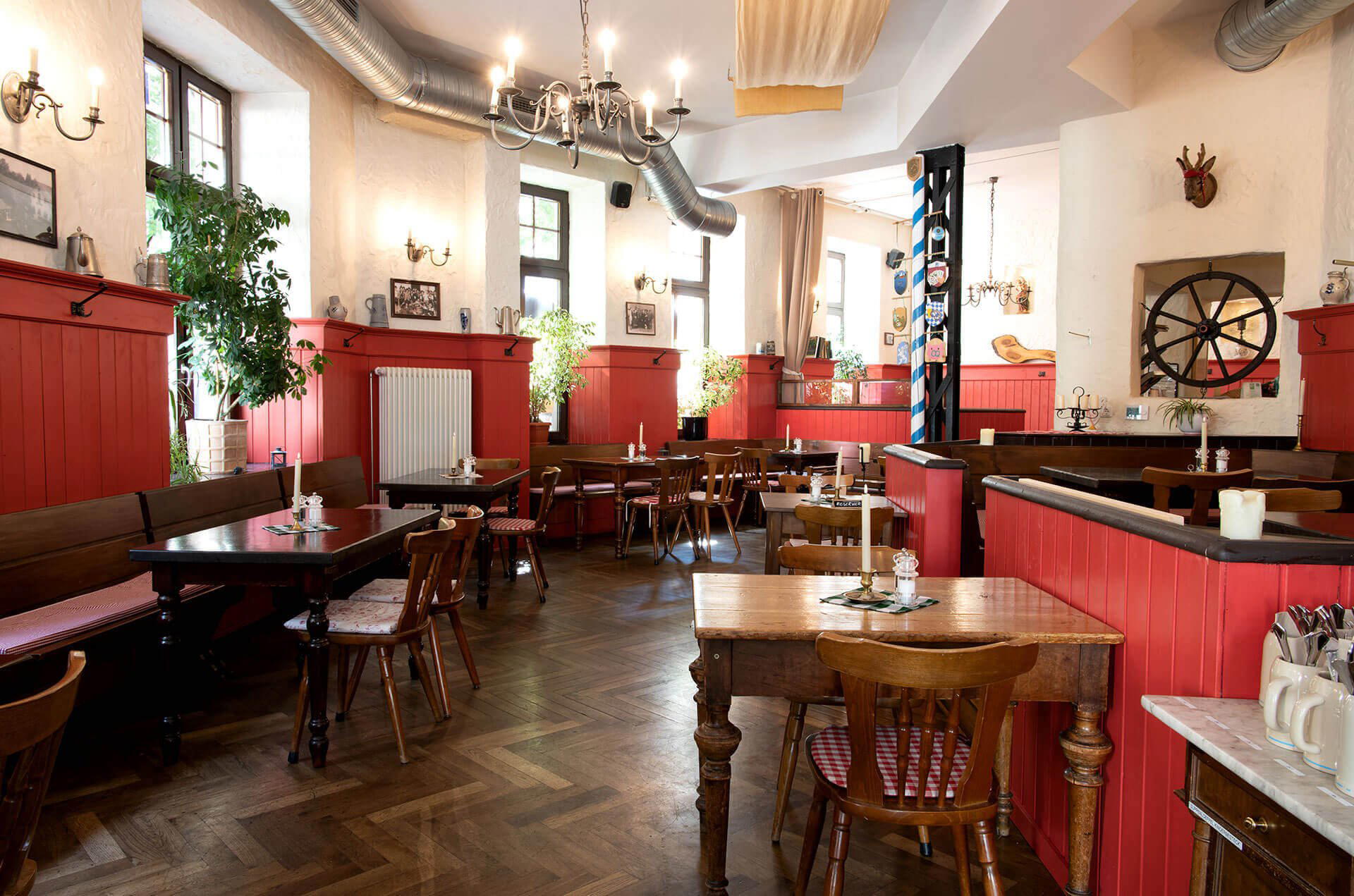
The Street, the Room, the Register
Balanstraße runs through Au-Haidhausen, a district east of the Isar that functions as one of Munich's more coherent residential neighbourhoods. The area's dining character is shaped less by destination restaurants than by a working infrastructure of Wirtschaften, biergartens, and mid-range trattorias. Klinglwirt at number 16 sits inside that fabric rather than above it. It draws the kind of repeat crowd for whom proximity and consistency matter more than seasonal tasting menus or imported wine lists. That positioning places it in a different conversation from the city's upper tier, represented by addresses like Atelier, JAN, or Alois - Dallmayr Fine Dining, and that contrast is worth understanding before you book.
Munich's restaurant market has bifurcated sharply over the past decade. On one side sit the Michelin-tracked creative restaurants, several of which carry the city's international profile: Tantris, long the reference point for Modern French ambition in Bavaria, and Tohru in der Schreiberei, which maps Japanese technique onto German-sourced ingredients. On the other side, and considerably larger in number, sit the neighbourhood Wirtschaften that serve the city's actual daily dining life. Klinglwirt belongs to the second category, and the editorial interest in visiting it lies precisely there.
What the Room Communicates
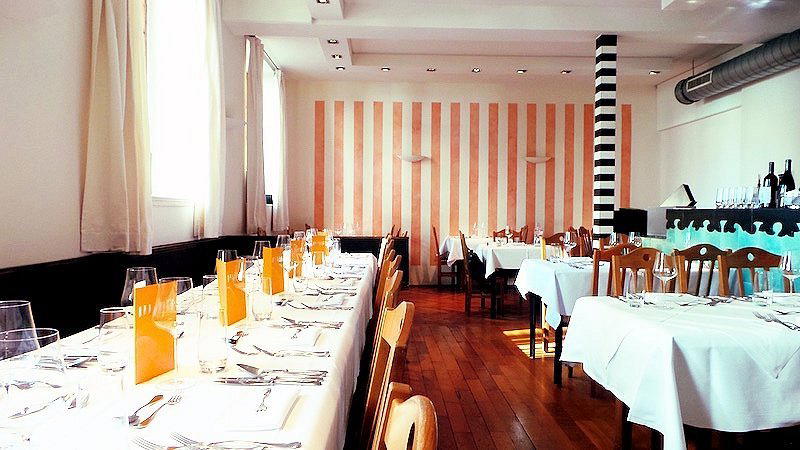
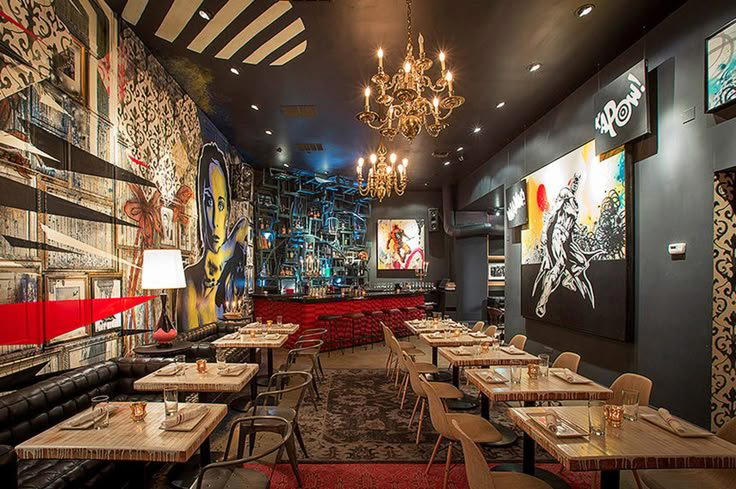
The sensory register of a traditional Bavarian Wirtschaft is well established and Klinglwirt conforms to it in ways that feel earned rather than performed. These are spaces built around warmth in the literal sense: wood surfaces that absorb rather than reflect light, a noise level that reads as animated rather than curated, and a cooking smell that arrives before you sit down. The kitchen's relationship to rendered fats, root vegetables, and long-cooked proteins is not hidden behind neutral-air ventilation; it becomes part of the room's atmosphere. That is either a feature or a drawback depending on what you came for.
The Wirtschaft format across Munich operates on a logic of abundance over refinement. Portions run large, and the menu vocabulary, when traditional, leans toward Schweinebraten, Schnitzel, Leberkäse, and the various offal preparations that define old-school Bavarian cooking. The season shapes what appears on the table in ways that matter: Starkbierzeit in March shifts the kitchen toward heavier, more fortifying plates, while summer opens up lighter preparations and the biergarten adjacency that characterises much of Munich's warm-weather dining.
Au-Haidhausen as a Dining District
Understanding why Klinglwirt sits at this particular intersection requires some context about the neighbourhood. Au-Haidhausen was historically Munich's working-class quarter, and its gastronomy retained an unpretentious character even as the area gentrified through the 1990s and 2000s. The Maximiliansstraße luxury corridor and the tourist pressure around the Marienplatz are a 15-to-20-minute walk to the west, but they might as well be a different city in terms of who eats where. The Wirtschaften along Balanstraße and its side streets serve a local clientele with local pricing, and that economic reality shows up in the food: generous, consistent, and priced against daily custom rather than occasion dining.
For comparison, the fine dining corridor running from Tantris in Schwabing to the hotel-anchored restaurants in Maxvorstadt operates at €€€€ pricing across the board. The neighbourhood Wirtschaft tier in districts like Au-Haidhausen sits at a considerably lower price point, making it accessible to the kind of daily repetition that builds the loyal crowd these rooms depend on. Germany's broader Wirtschaft culture has produced notable expressions at the fine dining end too, from Schwarzwaldstube in Baiersbronn to Waldhotel Sonnora in Dreis, but those are a different species entirely from what Balanstraße offers.
How to Approach the Visit
The conventional approach for Munich neighbourhood restaurants at this level is to arrive early in the evening service, particularly on weekdays. Fridays and Saturdays tend to draw a fuller house as the local crowd consolidates around neighbourhood options ahead of the weekend. Walking in on a Tuesday or Wednesday evening remains a reliable way to assess the room.
For visitors building a broader Munich itinerary, Klinglwirt makes most sense as a counterweight to the city's formal dining experiences rather than a substitute for them. The combination of a tasting menu dinner at somewhere like JAN or Tohru in der Schreiberei with a mid-week meal at a neighbourhood Wirtschaft gives a more complete picture of Munich's dining range than either alone.
Germany's dining culture beyond Munich offers comparable tension between the fine dining and neighbourhood tiers. Restaurant Haerlin in Hamburg and Vendôme in Bergisch Gladbach occupy the formal end of the German spectrum; CODA Dessert Dining in Berlin represents a different kind of ambition entirely. Against those references, Klinglwirt operates at the functional end of a long continuum, and that is its actual value.
Peers Worth Knowing
Comparable venues nearby, for context on price, style, and recognition.
| Venue | Cuisine | Price | Notes |
|---|---|---|---|
| KlinglwirtThis venue — the venue you are viewing | Organic Bavarian Tavern | $$ | Not listed |
| Giesinger Bräustüberl | Bavarian Brewery | $$ | Au |
| Miss Lilly's | German Cafe with Regional Specialties | $$ | Au |
| Zur Festwiese | Traditional Bavarian Gasthaus | $$ | Theresienwiese |
| Löwenbräukeller | Traditional Bavarian Beer Hall | $$ | Neuhausen |
| Deutsche Eiche | Modern Bavarian | $$ | Isarvorstadt |
At a Glance
- Cozy
- Rustic
- Classic
- Casual Hangout
- Family
- Historic Building
- Beer Program
- Organic
- Local Sourcing
Current opening hours
- Monday
- 5–10:30 PM
- Tuesday
- 5–10:30 PM
- Wednesday
- 5–10:30 PM
- Thursday
- 5–10:30 PM
- Friday
- 5–11:30 PM
- Saturday
- 5–11:30 PM
- Sunday
- 12–10 PM
Hours can change for holidays and private events. Last verified .
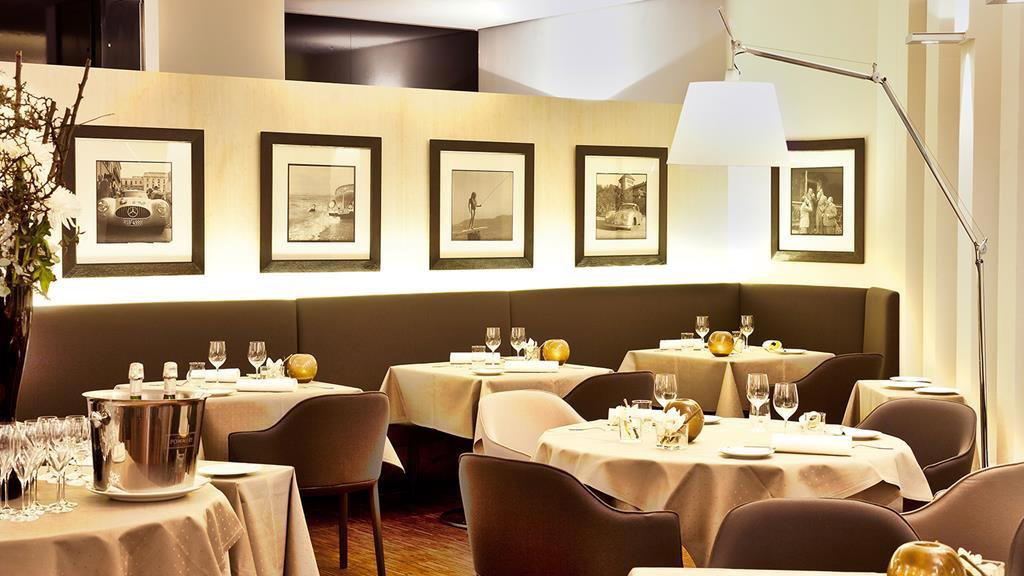
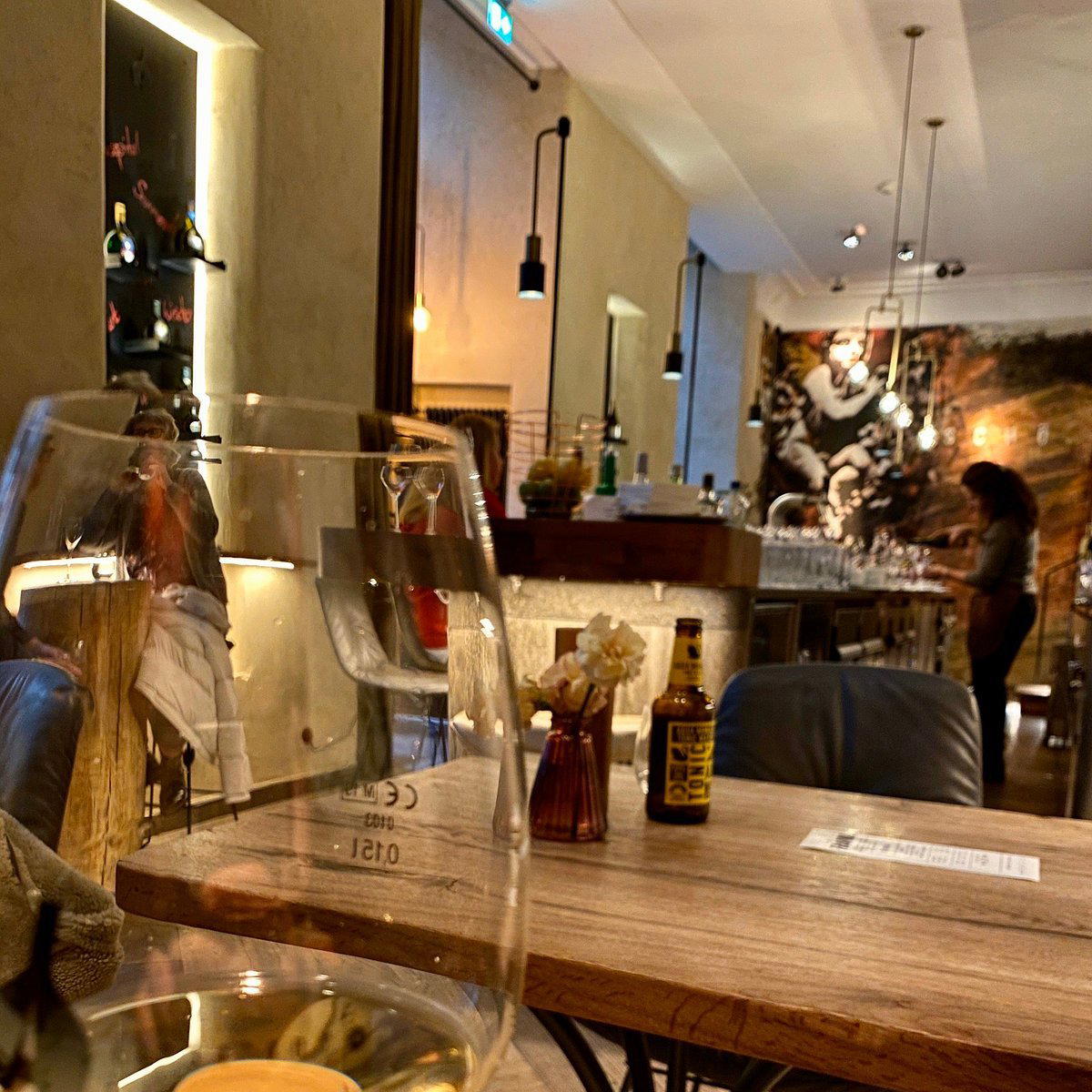
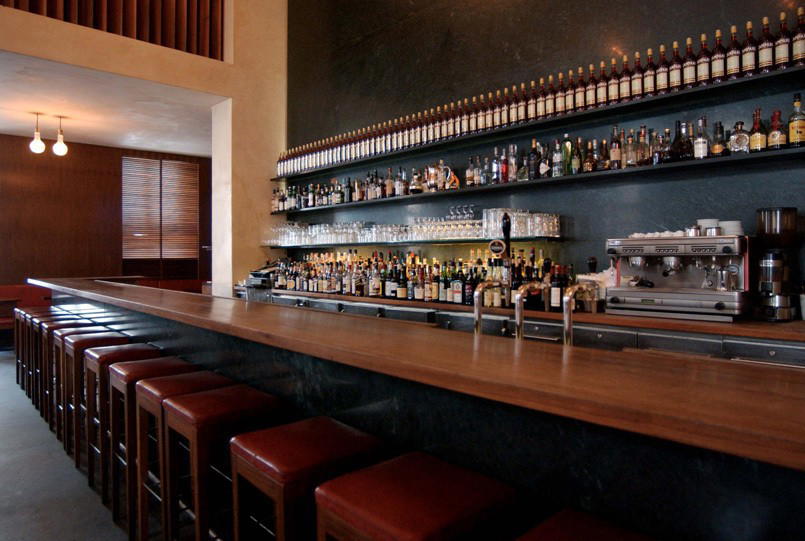
Quaint and casual atmosphere with cozy interior.