On Münchner Strasse in Starnberg, Restaurant Oliv's occupies a town that has long drawn Munich's professional class southward toward the lake. The restaurant sits within a dining scene where proximity to alpine producers and Bavarian market traditions shapes what ends up on the plate. For visitors arriving from the city, it represents a considered stop in a compact but quietly serious local restaurant circuit.
Pearl is the En Primeur Club membership app — saves, bookings, and concierge access live there. Same editors, same standards.
- Address
- Münchner Str. 17, 82319 Starnberg, Germany
- Phone
- +4949815144700
- Directions
- Get directions
 Saves & bookings on Pearl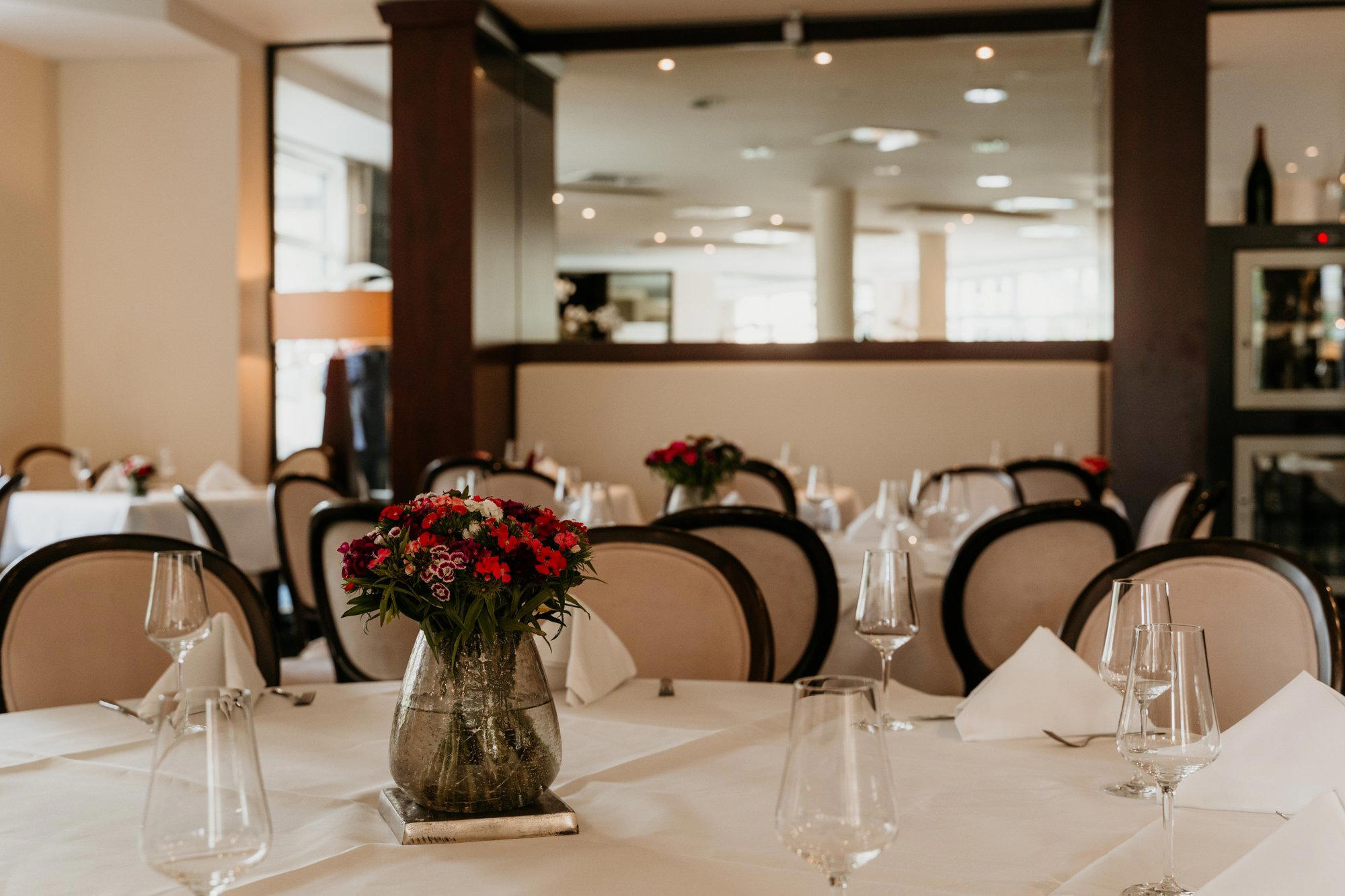
Starnberg's Quiet Restaurant Circuit
The towns ringing Lake Starnberg have never competed loudly for culinary attention. That has suited them well. While Munich's restaurant scene absorbs most of the regional commentary, the lakeside settlements to the south, Starnberg chief among them, have developed a dining character rooted in proximity to Alpine producers, Bavarian market traditions, and a resident clientele that expects substance without ceremony. Restaurant Oliv's is a restaurant at Münchner Str. 17 in Starnberg, Germany, serving Regional German with French-Mediterranean influences. The address places it on the main artery connecting Starnberg to Munich, a road that carries both commuters and weekenders, and the restaurant's presence there reflects the town's function as a destination for those leaving the city rather than those touring it.
Starnberg's dining scene is compact by design. The town is small enough that restaurants rely on repeat local trade rather than tourist volume, which tends to produce a different kind of cooking discipline. Venues that survive here over multiple seasons do so by staying honest about sourcing and execution. That pattern appears across the local circuit: Aubergine (Creative), positioned at the higher end with a creative tasting format, sits in the same town and draws a similar professional audience. Fisherman's addresses the lake itself as a source, tilting the local offer toward freshwater fish. Restaurant Bajazzo fills a more casual register. Oliv's fits somewhere in this local matrix, though
The Sourcing Logic of Alpine-Adjacent Kitchens
Understanding what a restaurant at this latitude and altitude bracket should be doing with ingredients matters before assessing what it actually does. The area south of Munich benefits from one of Germany's more direct supply chains between kitchen and producer. Alpine dairy, game from Bavarian forests, freshwater fish from the lake district, and seasonal produce from the foothills all arrive with shorter distances than kitchens in northern or central German cities typically manage. This geographic advantage is not automatically exploited, but it forms the baseline expectation for serious cooking in the region.
Germany's broader fine dining tier has increasingly made sourcing legibility a marker of ambition. Restaurants like ES:SENZ in Grassau, which operates at high altitude in the Chiemgau Alps with a comparable emphasis on regional Alpine produce, and Schwarzwaldstube in Baiersbronn, where Black Forest terroir shapes the menu architecture, demonstrate how ingredient provenance has moved from footnote to framework in German kitchens over the past decade. The Starnberg area, with its access to similar raw materials, operates within that same current, even if its restaurants have not yet attracted equivalent national coverage.
For context on what German restaurants are achieving at stronger examples from the ingredient-sourcing conversation, the contrast with urban programs is instructive. JAN in Munich and CODA Dessert Dining in Berlin represent different approaches to sourcing precision in urban formats. Aqua in Wolfsburg and Vendôme in Bergisch Gladbach sit at the structural pinnacle of the German fine dining tier, where provenance documentation and producer relationships are part of the competitive identity. Starnberg-area restaurants occupy a different register, but the sourcing logic runs through all of them.
What the Olive Oil Name Signals
Oliv's signals Mediterranean influence in a region more typically associated with Bavarian and Austrian culinary grammar. In southern Germany, this kind of naming often reflects either an owner's personal connection to southern European cooking traditions or a menu that blends Alpine produce with Mediterranean technique. Neither reading is certain from the name alone, but it sets a reasonable expectation that the kitchen is not operating purely within the Bavarian register. The tension between local sourcing and Mediterranean framing, when handled well, produces some of the more interesting cooking in the Alpine foothills: the produce is northern and seasonal, the technique and flavour architecture lean south. That combination has worked well in comparable venues across the region.
Positioning in a Broader German Restaurant Map
For readers who use this kind of editorial to calibrate their restaurant choices across Germany, placing Starnberg in the national picture helps. The dominant poles of German fine dining currently run through Hamburg (where Restaurant Haerlin anchors the northern tier), through the Moselle and Eifel (with Schanz in Piesport, Bagatelle in Trier, and Waldhotel Sonnora in Dreis), and through individual destination restaurants like Victor's Fine Dining by Christian Bau in Perl and ammolite in Rust. Starnberg does not compete in that tier. What it offers instead is a more grounded, lake-district dining culture that rewards visitors who treat the town as a destination in itself rather than a waypoint to somewhere louder. Our full Starnberg restaurants guide maps the local scene in more detail.
For international comparison, the dynamic of a prosperous lakeside town with a compact but serious dining circuit and proximity to a major city has parallels: the relationship between Lake Starnberg's villages and Munich mirrors, at a smaller scale, the relationship between certain Hudson Valley towns and New York (where Le Bernardin and Atomix define the urban ceiling that regional restaurants quietly orbit). The point is structural: proximity to a major city creates a certain kind of culinary ambition in satellite towns, and Starnberg fits that pattern.
Planning a Visit
Restaurant Oliv's is located at Münchner Str. 17 in Starnberg, reachable from Munich by S-Bahn on the S6 line, which runs directly to Starnberg station in under an hour from the city centre. The lakeside town is compact enough to cover on foot from the station, placing most of its restaurants within a short walk of each other. Reservations are recommended.
Comparable Spots, Quickly
Comparable venues nearby, for context on price, style, and recognition.
| Venue | Cuisine | Price | Awards | Notes |
|---|---|---|---|---|
| Restaurant Oliv'sThis venue — the venue you are viewing | Regional German with French-Mediterranean influences | $$$ | Not listed | Not listed |
| Restaurant Bajazzo | German Fusion Gastropub | $$$ | Not listed | Starnberg |
| Fisherman's | Modern Japanese Sushi | $$ | Not listed | Starnberg |
| Aubergine | Michelin-Starred Contemporary Fine Dining | $$$$ | Michelin 1 Star | Starnberg |
| Restaurant ISARFEIN | Modern German Fine Dining | $$$ | Not listed | Straßlach |
| Haxnbauer | Traditional Bavarian | $$$ | Not listed | Altstadt |
Continue exploring
More in Starnberg
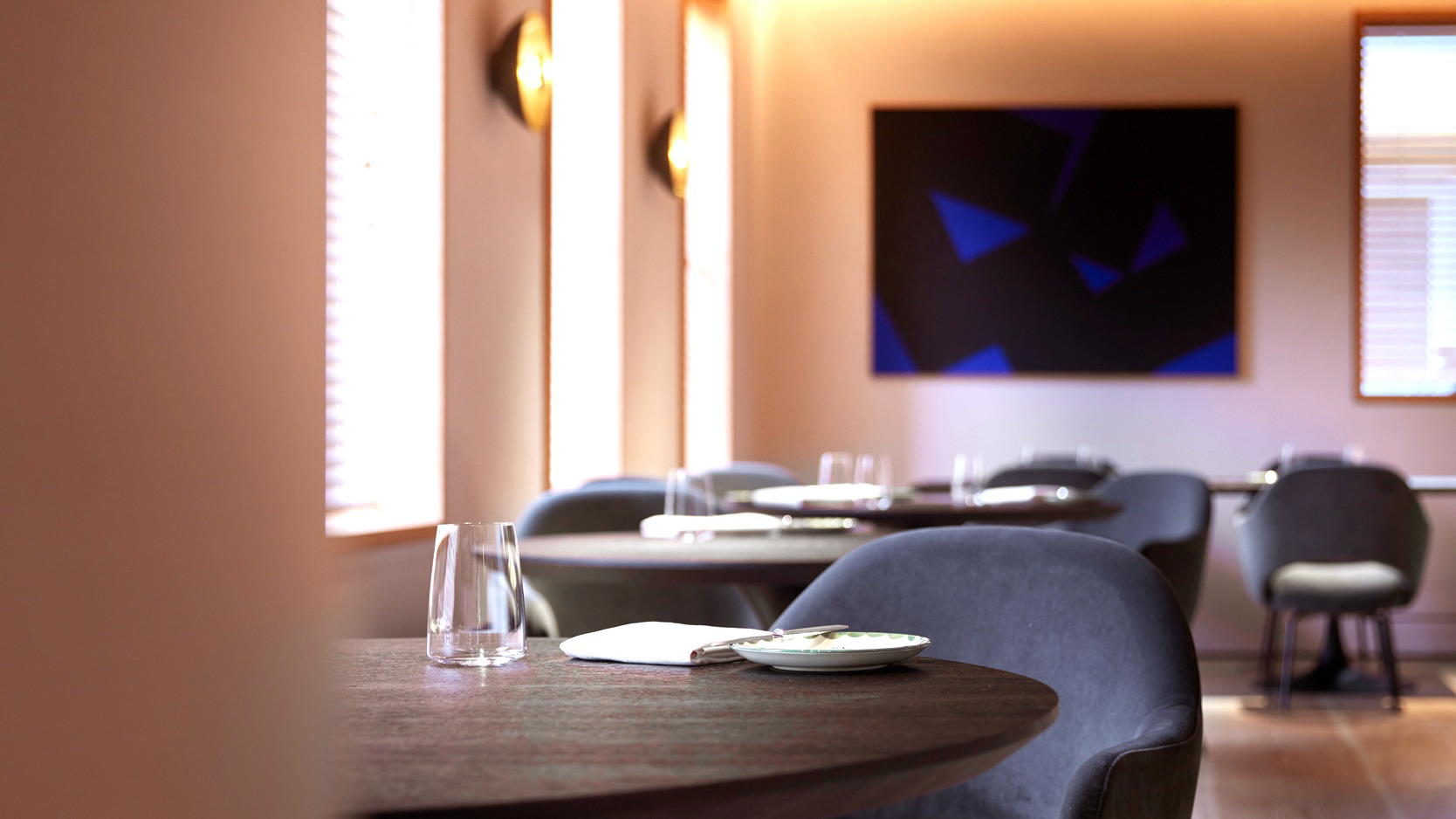
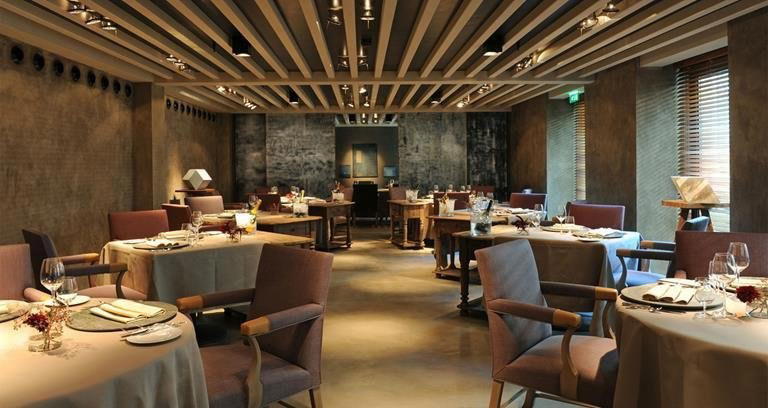
Restaurants in Starnberg
Browse all →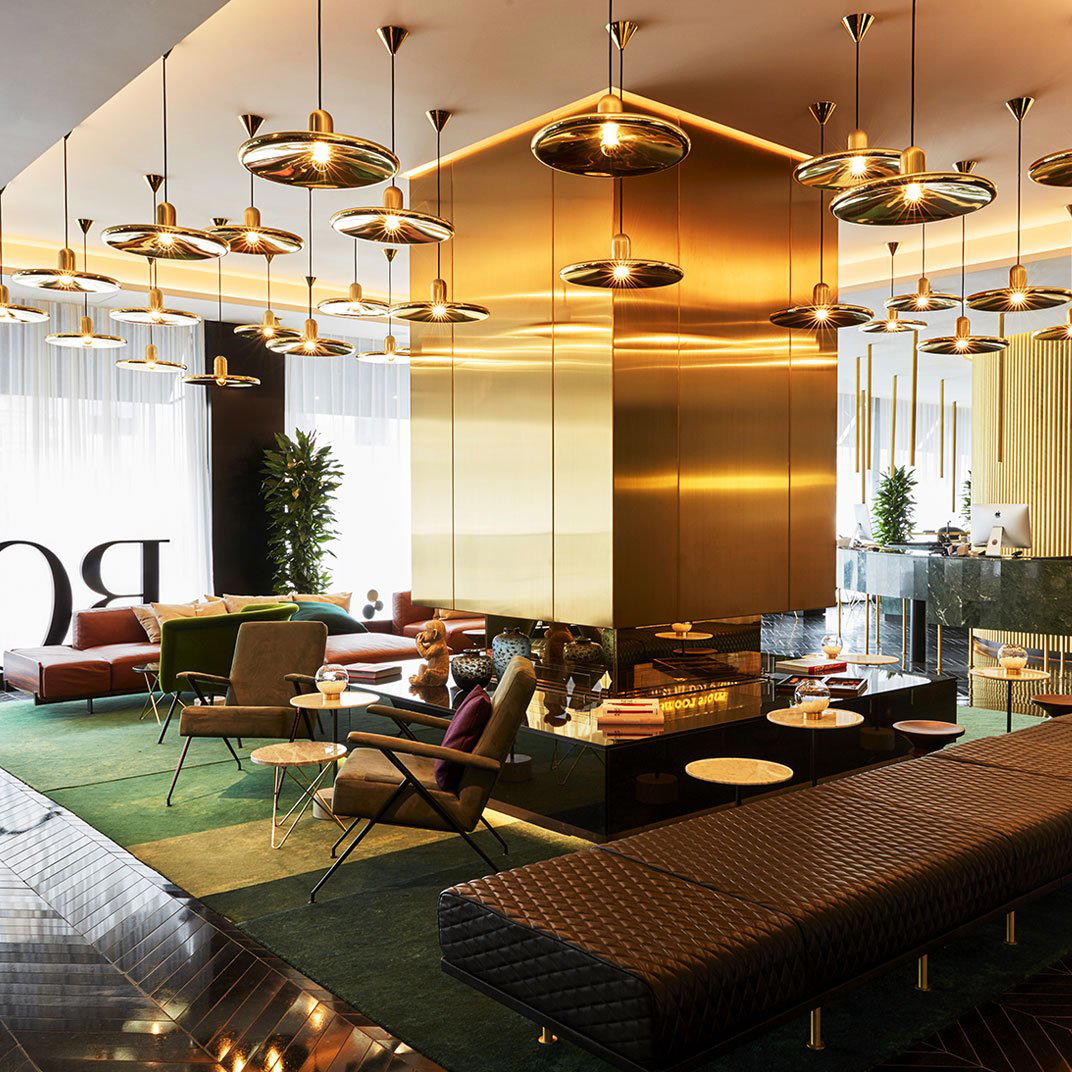
Bars in Starnberg
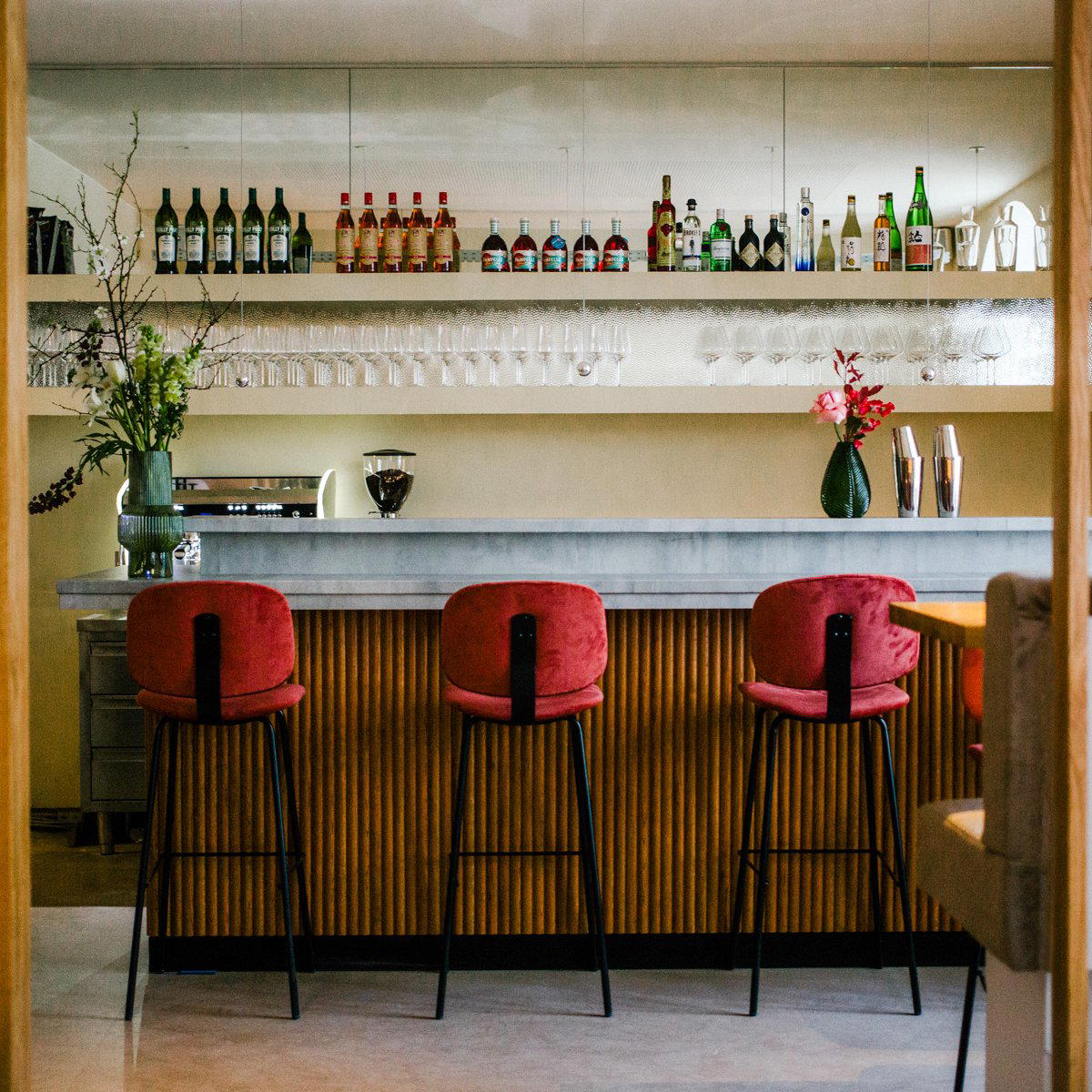
Browse all →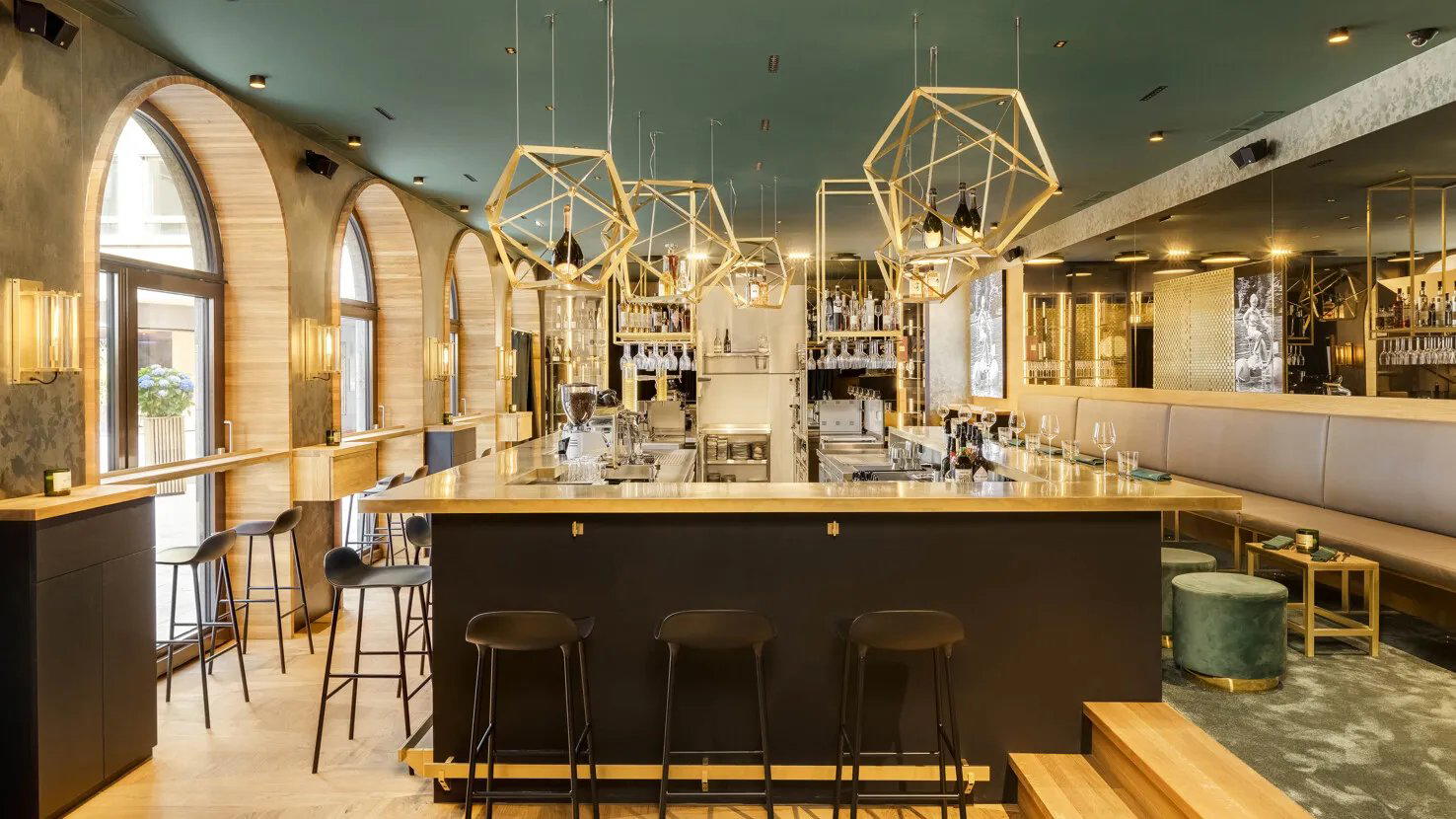
At a Glance
- Elegant
- Sophisticated
- Business Dinner
- Brunch
- Family
- Hotel Restaurant
- Terrace
- Local Sourcing
Current opening hours
- Monday
- 6:30–10 AM, 12–2 PM, 6–9:30 PM
- Tuesday
- 6:30–10 AM, 12–2 PM, 6–9:30 PM
- Wednesday
- 6:30–10 AM, 12–2 PM, 6–9:30 PM
- Thursday
- 6:30–10 AM, 12–2 PM, 6–9:30 PM
- Friday
- 6:30–10 AM, 12–2 PM, 6–9:30 PM
- Saturday
- 7–11 AM, 12–2 PM, 6–9:30 PM
- Sunday
- 7–10:30 AM, 6–9:30 PM
Hours can change for holidays and private events. Last verified .
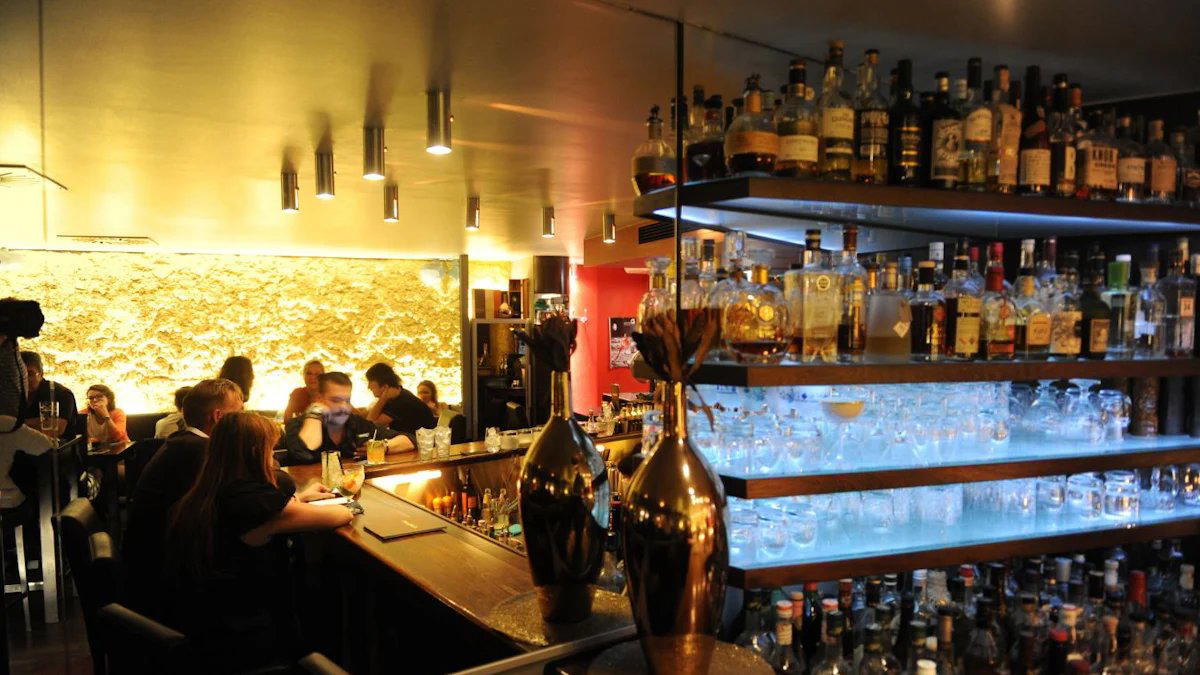
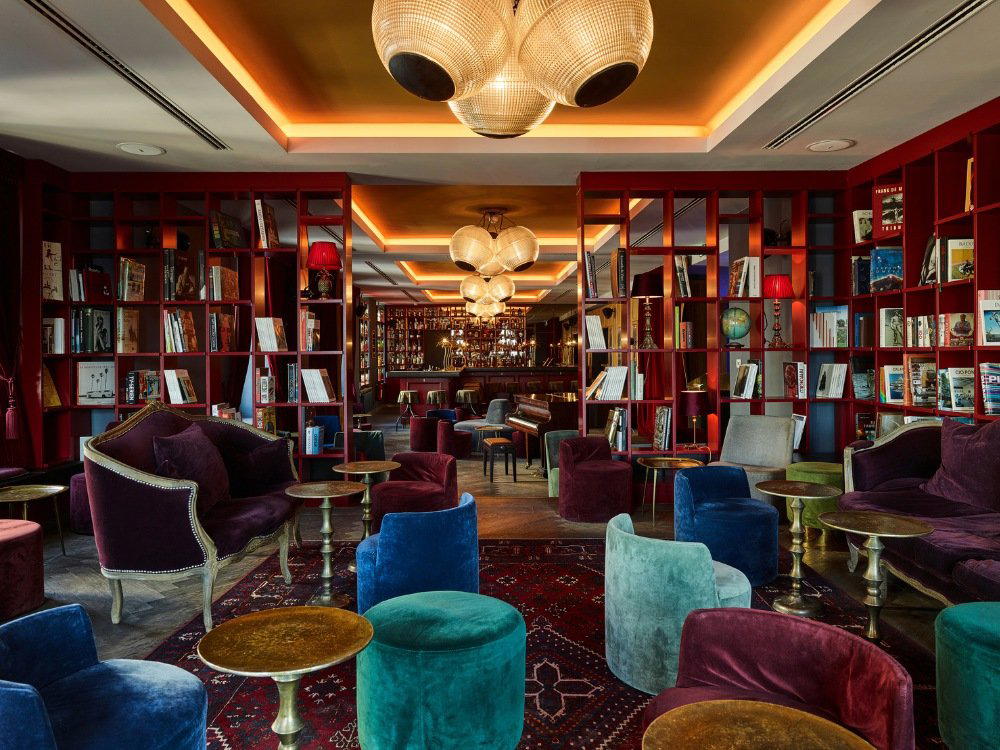
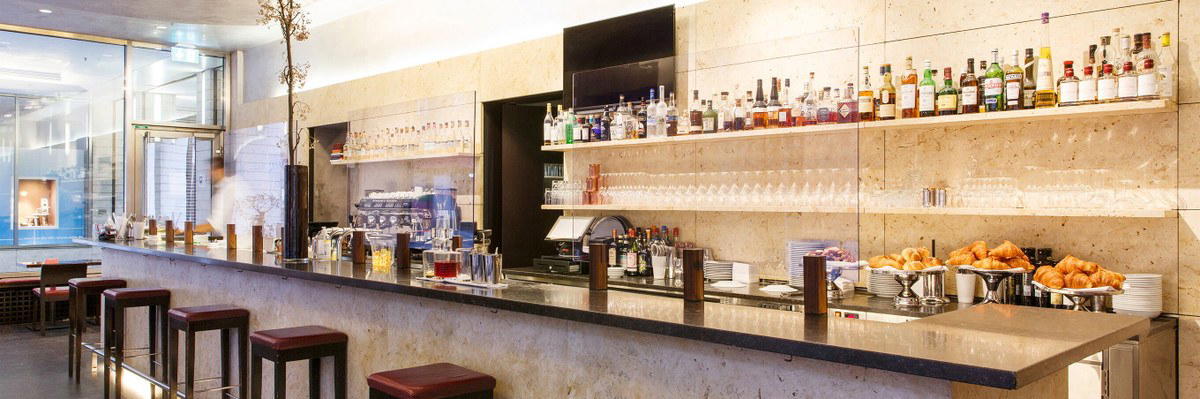
Stylish and elegant with white-tablecloth service, relaxing atmosphere conducive to conversation, though terrace can be noisy from nearby road.