Lech-Line

A 2025 Michelin-starred restaurant inside a converted railway station, Lech-Line brings precise, ingredient-led modern cooking to a town more associated with Bavarian day-trippers than fine dining. Chef Christian Sauer's sourcing extends to regional fish farms, and the à la carte 'Gourmet Bistro' format runs alongside a monthly-changing five-course menu on Fridays and Saturdays.
Pearl is the En Primeur Club membership app — saves, bookings, and concierge access live there. Same editors, same standards.
- Address
- Bahnhofspl. 1, 86899 Landsberg am Lech, Germany
- Phone
- +49 8191 9370952
- Website
- lech-line.de
- Directions
- Get directions
 Saves & bookings on Pearl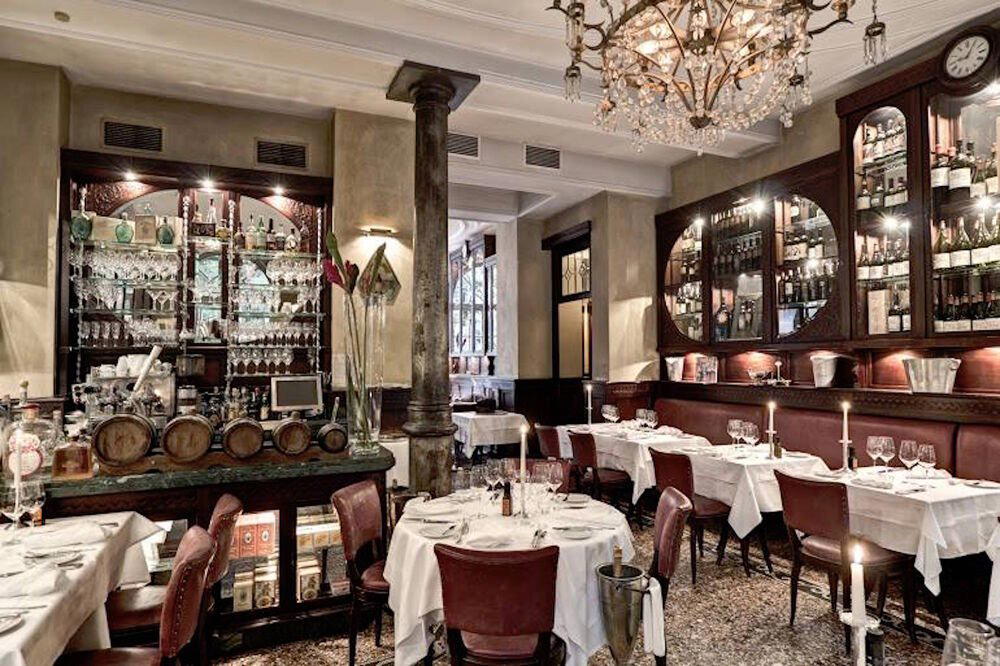
A Railway Station Reimagined as a Fine Dining Address
Landsberg am Lech sits roughly 60 kilometres west of Munich, better known for its medieval Altstadt and the River Lech than for destination dining. That context makes the address at Bahnhofsplatz 1 worth pausing on. Former railway station buildings across Germany have been converted into everything from supermarkets to beer halls, but the format Lech-Line occupies is less common: a space that reads as genuinely informal and contemporary while supporting the kind of cooking that earned a Michelin star. The building's bones, a station structure with architectural presence, give the room a different register than a purpose-built restaurant interior. You arrive expecting the remnants of transit infrastructure and find, instead, a room that moves between cocktail bar and considered dining space without the stiffness that often accompanies that ambition.
Why Sourcing Is the Structural Argument on the Plate
Modern cuisine as a category covers a wide range of commitments, from loosely international menus with borrowed techniques to genuinely ingredient-led cooking where the supply chain shapes the dish. Lech-Line sits closer to the latter. The ceviche on the 'Gourmet Bistro' à la carte menu is a clear signal: the fish comes from Birnbaum fish farm, a named regional source rather than a generic supplier. In a dish as uncooked and direct as ceviche, where lime, avocado, chilli, cucumber, and coriander frame the protein rather than mask it, sourcing is not incidental. The quality of the fish is the dish. That decision to name the farm on the menu is an editorial statement about where the kitchen places its priorities.
This matters in a broader German fine dining context. Across the country's Michelin tier, from Aqua in Wolfsburg to Vendôme in Bergisch Gladbach, the argument for a starred price point often rests on technique and classical lineage. Lech-Line's approach, international in reference while grounded in regional supply, represents a distinct position within that field. The Birnbaum farm fish appearing in a ceviche format, a dish with South American roots, is not contradiction but rather a coherent statement: precision and provenance can coexist with formats that aren't constrained by national culinary tradition.
The Gourmet Bistro Format and What It Actually Means
The 'Gourmet Bistro' label Lech-Line applies to its à la carte menu deserves attention. Bistro in the French sense implies informality and dailiness, but in the German starred context the term functions as a tone signal rather than a price signal. At €€€€ pricing, this is not casual dining by cost. What the label signals instead is a commitment to directness: dishes that achieve complexity without baroque construction, cooking described by Michelin itself as steering clear of unnecessary frills. That restraint is a deliberate position. The dishes are coherent and flavourful while retaining what the guide calls an air of simplicity, which in practical terms means the technique serves the ingredient rather than the reverse.
Alongside the à la carte format, a five-course set menu runs exclusively on Fridays and Saturdays, changing monthly. That cadence, monthly rotation on a subset of service days, creates a different kind of visit logic than venues where the tasting menu is the only serious option. For a diner in Munich or the surrounding region, the monthly Friday or Saturday menu offers a reason to return across seasons rather than treating a single visit as sufficient. The structure also concentrates kitchen ambition: on those two nights, the kitchen is running a tighter, more composed format without abandoning the broader à la carte programme that makes the venue accessible on other evenings.
Placed in the German Fine Dining Field
Germany's Michelin-starred restaurants at the single-star level occupy a varied field. Some, like ES:SENZ in Grassau, operate within Alpine resort contexts where the luxury infrastructure of hotels frames the dining experience. Others function as urban destination restaurants in major cities. The restaurant's position is different: a single-star address in a secondary Bavarian town, operating out of a repurposed building, holding. That combination, strong critical recognition and high public approval, is not automatic at this level. Venues that prioritise technical ambition sometimes do so at the expense of guest experience; the review signal here suggests that tension has been managed effectively.
The comparison set for ingredient-led modern cooking at this tier also extends beyond Germany. The commitment to named regional sourcing and a coherent, low-frills approach connects to a broader European sensibility visible in venues like Frantzén in Stockholm, where ingredient provenance is used as a primary structural argument. That restaurant operates this way from a converted railway station in a town outside Munich's immediate orbit makes the credential more notable, not less.
For context on the wider range of German fine dining, the Schwarzwaldstube in Baiersbronn, Restaurant Haerlin in Hamburg, and Schanz in Piesport each represent different nodes of the country's starred scene, from classical French lineage to contemporary precision. The restaurant's place within that field is defined by its informal format, regional sourcing logic, and the deliberate choice to avoid the ceremony that characterises much of the upper tier. The Waldhotel Sonnora in Dreis and Victor's Fine Dining by Christian Bau in Perl operate at three-star level and represent a different axis of ambition, useful for understanding where the single-star informal format sits by comparison. Bagatelle in Trier and CODA Dessert Dining in Berlin similarly illustrate how the German scene accommodates divergent formats under the same critical umbrella. JAN in Munich is the closest major-city reference point for the kind of internationally-inflected modern cooking that restaurant practices, though the contexts differ sharply.
Planning a Visit
The restaurant occupies the former station building at Bahnhofsplatz 1 in Landsberg am Lech, a direct drive or train connection from Munich. The bar is worth using on arrival: the Michelin note includes a specific recommendation to have a cocktail there before or after dinner, which signals that the bar programme is considered part of the experience rather than an afterthought. The five-course set menu runs on Fridays and Saturdays only, changing with each calendar month, so timing a visit around those evenings is worth the planning effort if the tasting format is the priority. The à la carte 'Gourmet Bistro' menu is available across all service days. At €€€€ pricing, the spend bracket aligns with Munich's upper-end dining rather than with casual regional restaurants, so budget expectations should be set accordingly.
Side-by-Side Snapshot
Comparable venues nearby, for context on price, style, and recognition.
| Venue | Cuisine | Price | Awards | Notes |
|---|---|---|---|---|
| Lech-LineThis venue — the venue you are viewing | Modern International Fine Dining | $$$$ | Michelin 1 Star | Not listed |
| Esszimmer im Oberschwäbischen Hof | Modern Fine Dining with South German Influences | $$$$ | Michelin 1 Star | Schwendi |
| Restaurant Karner | Modern Regional Chiemgau Fine Dining | $$$$ | Michelin 1 Star | Frasdorf |
| Leos by Stephan Brandl | Modern German Fine Dining | $$$$ | Michelin 1 Star | Liebenstein |
| Casala - das Restaurant | Modern German Fine Dining | $$$$ | Michelin 1 Star | Meersburg (Bodensee) |
| Lamm Rosswag | Modern Creative German Cuisine | $$$$ | Michelin 1 Star | Roßwag |
Recognition history
Dated appearances from independent guides and award organizations, with the underlying list record or original source where available.
Michelin 1 Star
Michelin
Michelin 1 Star
Michelin
Michelin 1 Star
Michelin
Continue exploring
More in Landsberg am Lech
Restaurants in Landsberg am Lech
Browse all →
Bars in Landsberg am Lech
Browse all →
At a Glance
- Modern
- Elegant
- Trendy
- Sophisticated
- Industrial
- Date Night
- Special Occasion
- Celebration
- Business Dinner
- Historic Building
- Design Destination
- Open Kitchen
- Private Dining
- Craft Cocktails
- Sommelier Led
- Local Sourcing
Current opening hours
- Monday
- Closed
- Tuesday
- Closed
- Wednesday
- 6 PM–12 AM
- Thursday
- 6 PM–12 AM
- Friday
- 6 PM–12 AM
- Saturday
- 6 PM–12 AM
- Sunday
- Closed
Hours can change for holidays and private events. Last verified .
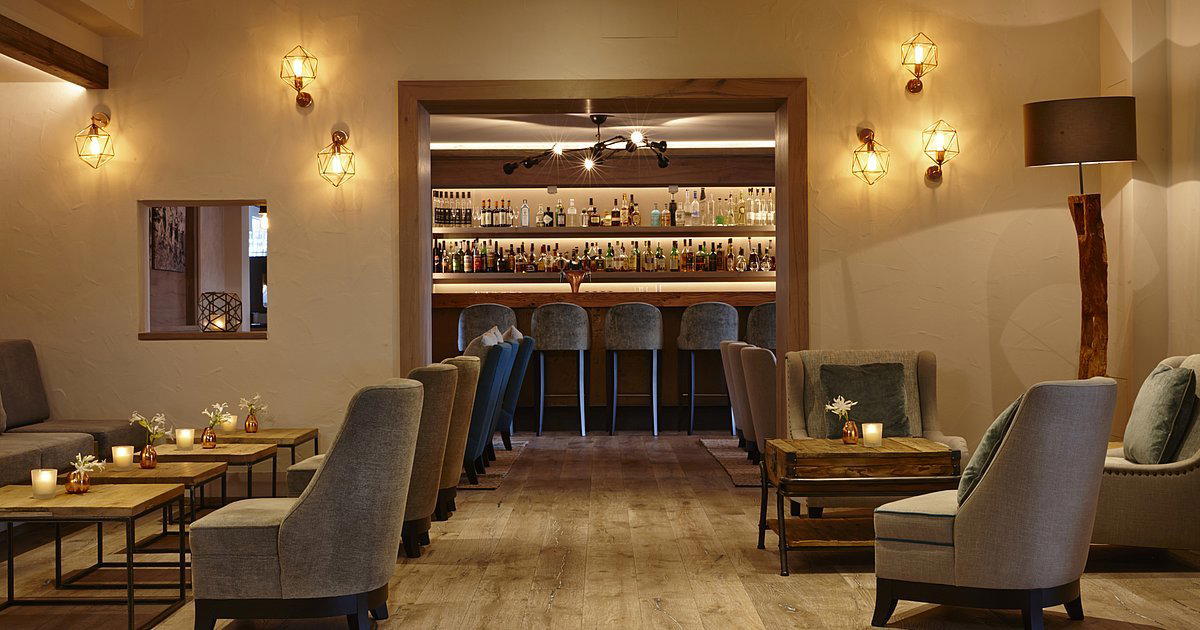
Warm, trendy, and inviting with industrial architecture from the turn of the century complemented by modern design elements; cozy interior with ample space between tables and acceptable noise levels.