Legal Crossing
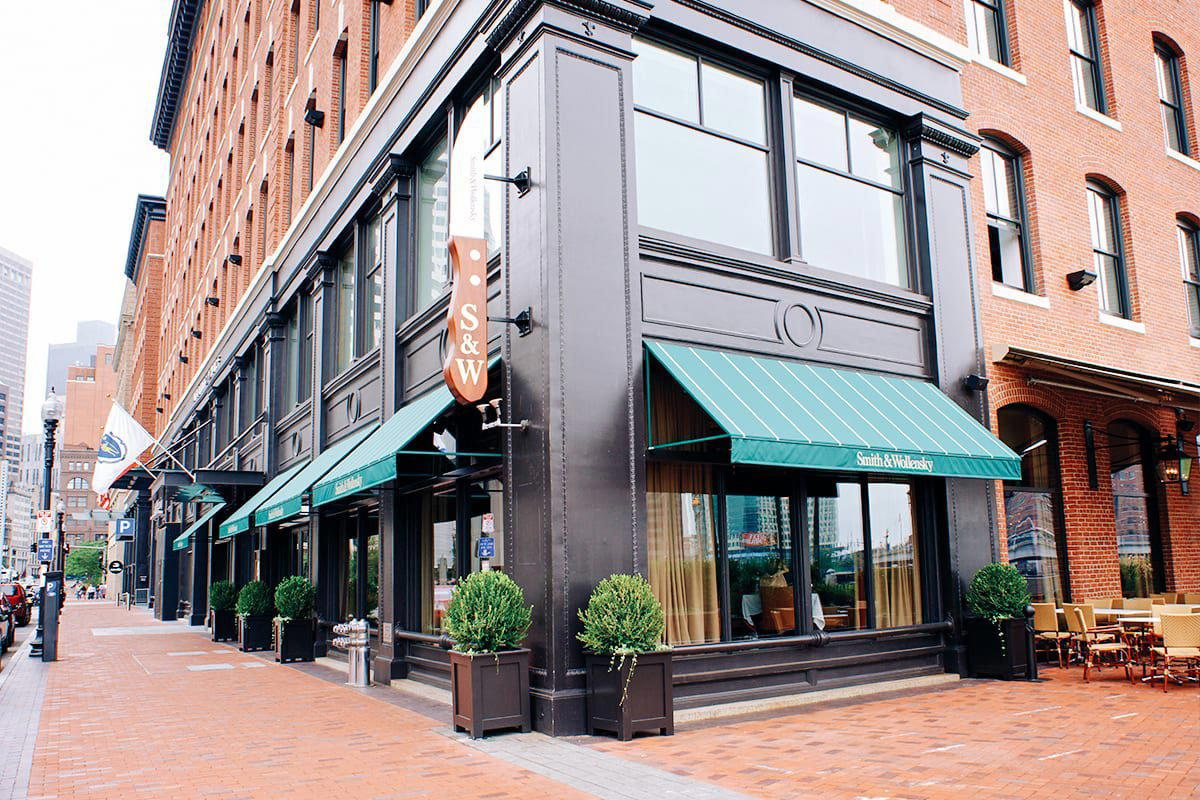
Legal Crossing occupies a corner of Washington Street where Downtown Crossing's retail density gives way to a more considered dining block. The room's design language and position in Boston's mid-tier American dining scene place it alongside a cluster of venues serving the Theatre District and Financial District crowd. Practical access from multiple T stops makes it a reliable pre-show or post-work destination.
Pearl is the En Primeur Club membership app — saves, bookings, and concierge access live there. Same editors, same standards.
- Address
- 558 Washington St, Boston, MA 02111
- Phone
- +16176928888
- Website
- legalseafoods.com
- Directions
- Get directions
 Saves & bookings on Pearl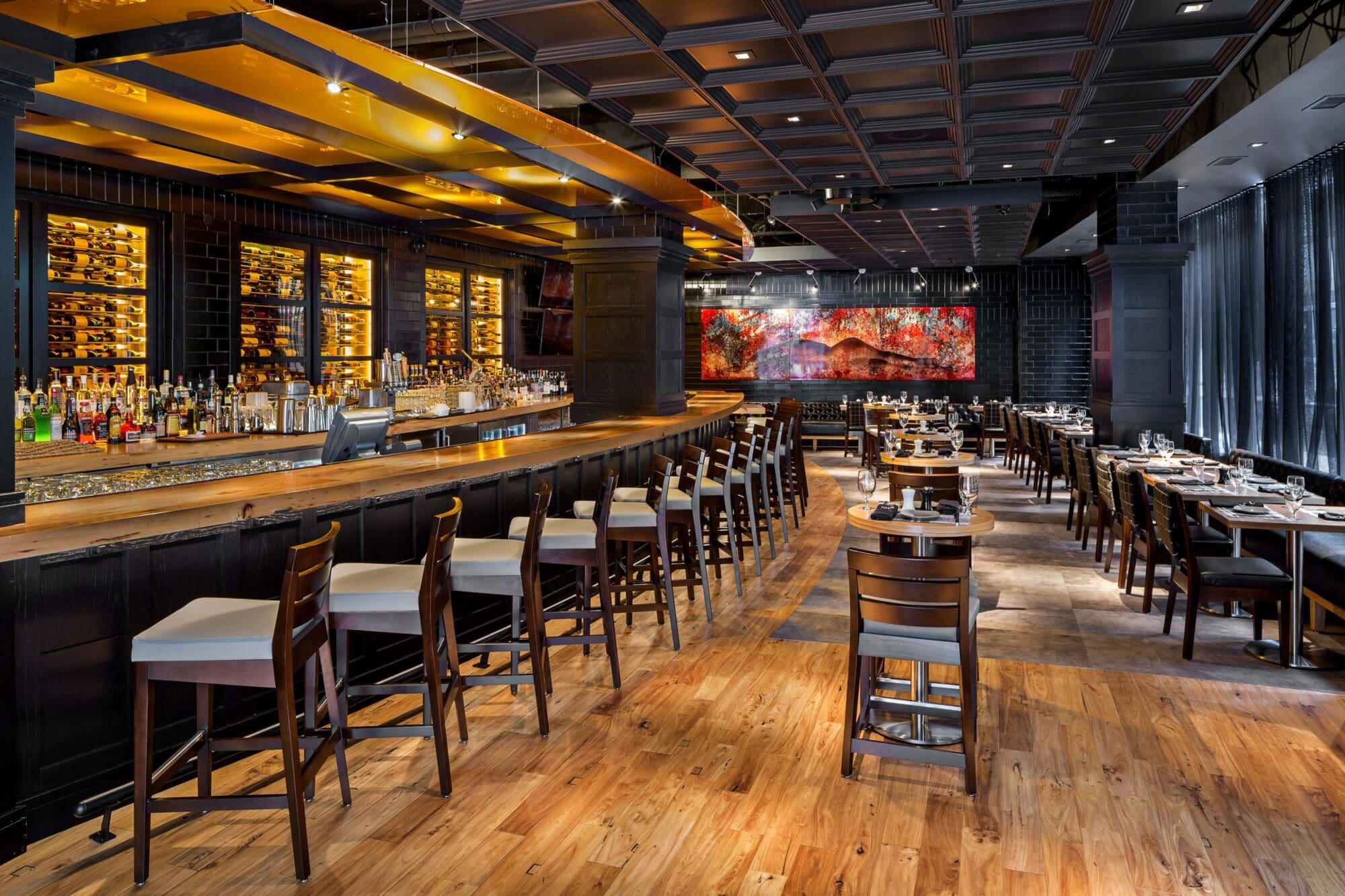
Washington Street and the Downtown Crossing Dining Tier
Downtown Crossing has spent the better part of a decade shedding its reputation as a gap in Boston's dining map. The corridor running along Washington Street now carries a genuine mix of formats, from fast-casual to sit-down American, and Legal Crossing sits at the intersection where that variety becomes intentional rather than incidental. The address at 558 Washington St places it squarely in the zone that serves Theatre District arrivals, Financial District workers extending their evenings, and shoppers from the Millennium Tower residences above. That positioning shapes the room's design logic as much as anything else.
Boston's dining scene has bifurcated in ways that matter for understanding where Legal Crossing fits. At one end, the city's premium tier has grown more specialized: 311 Omakase operates as a dedicated counter experience, Agosto anchors the Portuguese-influenced tasting-menu format, and the waterfront cluster around 1928 Rowes Wharf and 75 on Liberty Wharf trades on harbour views and a broader American seafood repertoire. At the other end, casual formats absorb the volume. Legal Crossing occupies a middle register: accessible enough for a walk-in weekday dinner, with a reservation recommended, and considered enough in its design and execution to function as a destination in its own right.
The Physical Container
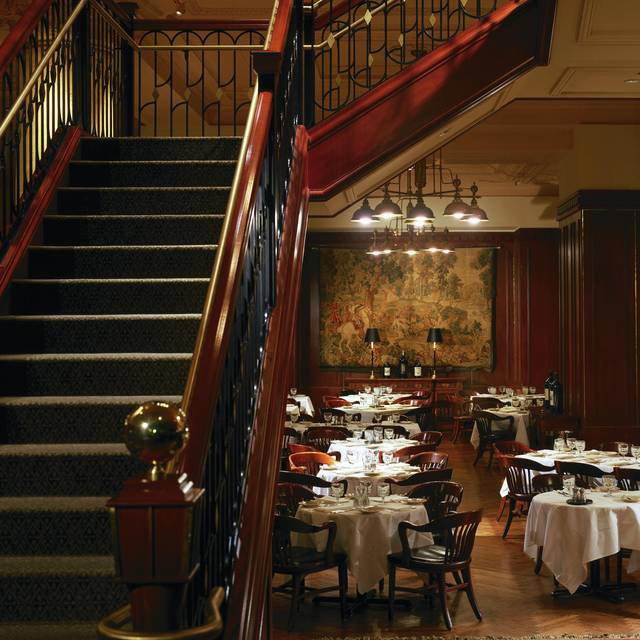
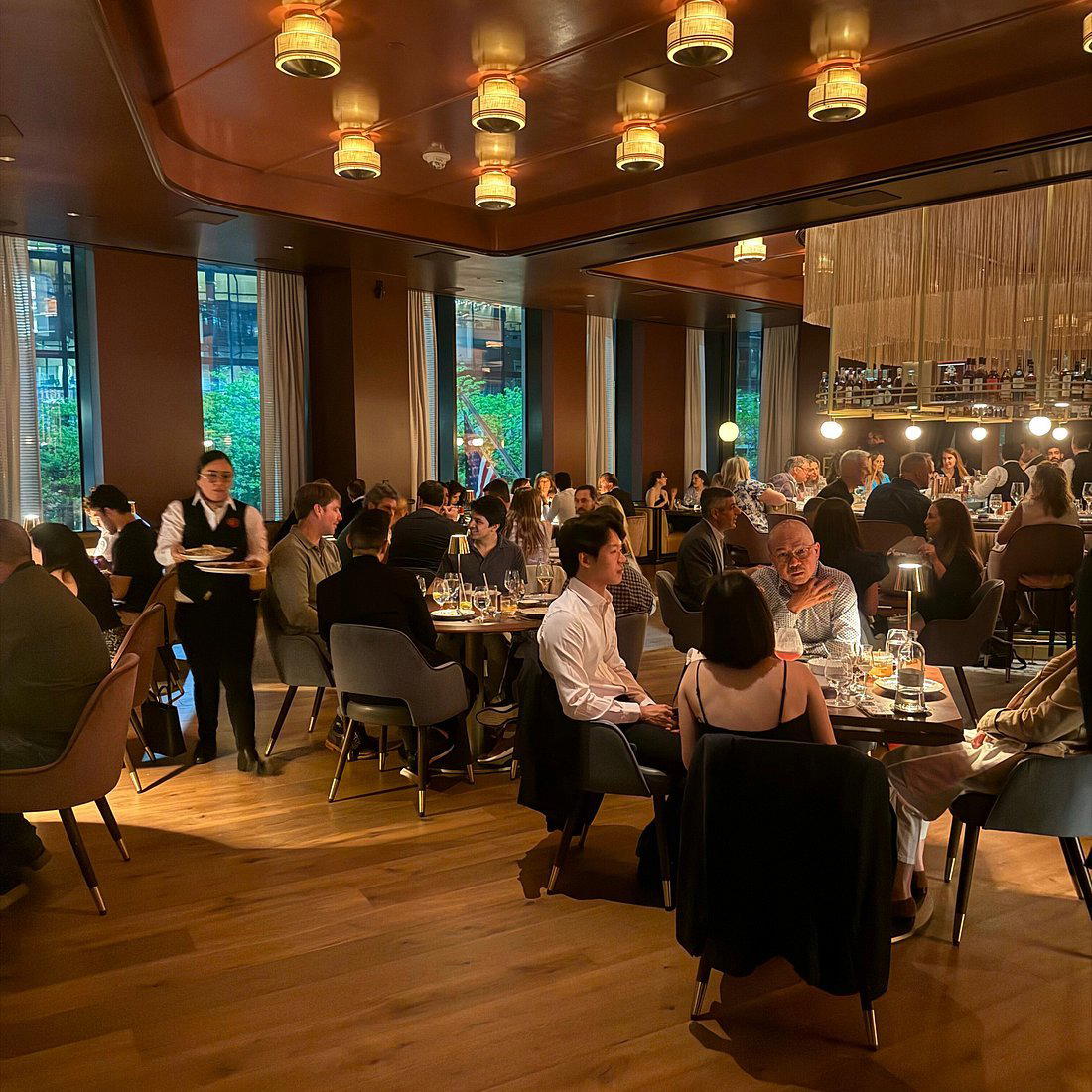
The room at the restaurant does the work that Washington Street's streetscape cannot fully do on its own. American bar-restaurant formats at this price tier typically default to one of two spatial approaches: the long bar anchoring a single open room, or the divided floor plan that separates bar traffic from dining. The restaurant reads as the former, with a layout organised around the bar as the architectural spine. This is not incidental. A bar-forward room in Downtown Crossing signals that the venue is designed for the full arc of an evening, not just the seated dinner portion of it.
The design language at this level of American dining has moved away from the exposed-brick-and-Edison-bulb vernacular that defined Boston's casual-upscale openings of the previous decade. Whether the restaurant follows that trajectory in full or retains some of those earlier signifiers, the Washington Street location carries enough foot traffic and enough surrounding density that the room needs to function across multiple dayparts and multiple visit types. A space that works for a solo diner at the bar, a pre-theatre pair, and a four-leading celebrating something mid-week is a space that earns its place in a neighbourhood with relatively high real estate costs and relatively demanding regulars.
For readers accustomed to the design ambition of nationally recognised rooms, reference points help calibrate expectations. The formal grandeur of The French Laundry or the spatial theatrics of Alinea in Chicago represent one end of the American dining design spectrum. The deliberate informality of Lazy Bear in San Francisco represents another. The restaurant operates in the territory between those poles, where design serves function and atmosphere serves the meal rather than the other way around.
Cuisine Context and the Boston Seafood Register
Boston's culinary identity remains anchored in seafood, and that gravitational pull shapes even venues that do not lead exclusively with it. The raw bar and New England seafood tradition running from Neptune Oyster's standing-room queues on Salem Street to Ostra's grilled seafood approach in the Back Bay defines one of the city's most consistent dining signatures. The restaurant, as a brand rooted in Legal Sea Foods' decades-long presence in Boston, operates within that tradition while applying it to a more casual, bar-integrated format.
The Legal Sea Foods lineage matters as a contextual anchor. The brand carries institutional knowledge of New England seafood sourcing that independent operators at this tier would take years to replicate. That credential does not place the restaurant in the same competitive set as Le Bernardin in New York City or Providence in Los Angeles, both of which operate with Michelin recognition and a different service register entirely. It does, however, mean that the kitchen starts from a position of sourcing infrastructure that smaller venues cannot assume.
Comparable mid-tier seafood and American formats in Boston include the waterfront venues that lean on setting as much as plate, and steakhouse-anchored operations like Abe and Louie's that serve a similar Financial District demographic. The restaurant's Washington Street position pulls it toward a slightly younger, more transit-accessible visitor base than those waterfront properties, and its design and format reflect that.
Getting There and Planning a Visit
558 Washington Street sits within easy walking distance of Downtown Crossing station, served by the Red and Orange Lines, making it one of the more T-accessible dining addresses in central Boston. The location also places it a short walk from the Theatre District, which means pre-curtain timing is a realistic use case. Visitors arriving from the Back Bay or South End will find the commute across the Common direct on foot in reasonable weather. Parking in Downtown Crossing is possible but not the default assumption for this address: the T remains the practical first choice.
Those seeking the tasting-menu end of the spectrum might cross-reference with Agosto or look further afield to nationally recognised rooms like Blue Hill at Stone Barns in Tarrytown, Single Thread Farm in Healdsburg, or The Inn at Little Washington for comparable commitment at the summit of the American fine dining register. At the other extreme, globally-minded diners passing through Boston might use the city as a reference point for how American seafood-led casual dining differs from formats like Atomix in New York City or 8 1/2 Otto e Mezzo Bombana in Hong Kong, where the service architecture and price point reflect different design ambitions.
For broader American dining context, Addison in San Diego and Emeril's in New Orleans represent the range of approaches American restaurant groups have taken when scaling from flagship to wider-audience formats, a trajectory Legal Sea Foods has navigated longer than most.
The Quick Read
Comparable venues nearby, for context on price, style, and recognition.
| Venue | Cuisine | Price |
|---|---|---|
| Legal CrossingThis venue — the venue you are viewing | Not listed | $$ |
| Row 34 - Kenmore Square | Kenmore, New England Seafood & Raw Bar | $$$ |
| Taiwan Cafe | Downtown Crossing, Authentic Taiwanese | $$ |
| Reunion BBQ | Bay Village, Modern Boston BBQ | $$ |
| Joe's on Newbury | Back Bay, Contemporary American Comfort | $$ |
| Serafina | Back Bay, Modern Italian Pizza and Pasta | $$ |
Continue exploring
More in Boston
Restaurants in Boston
Browse all →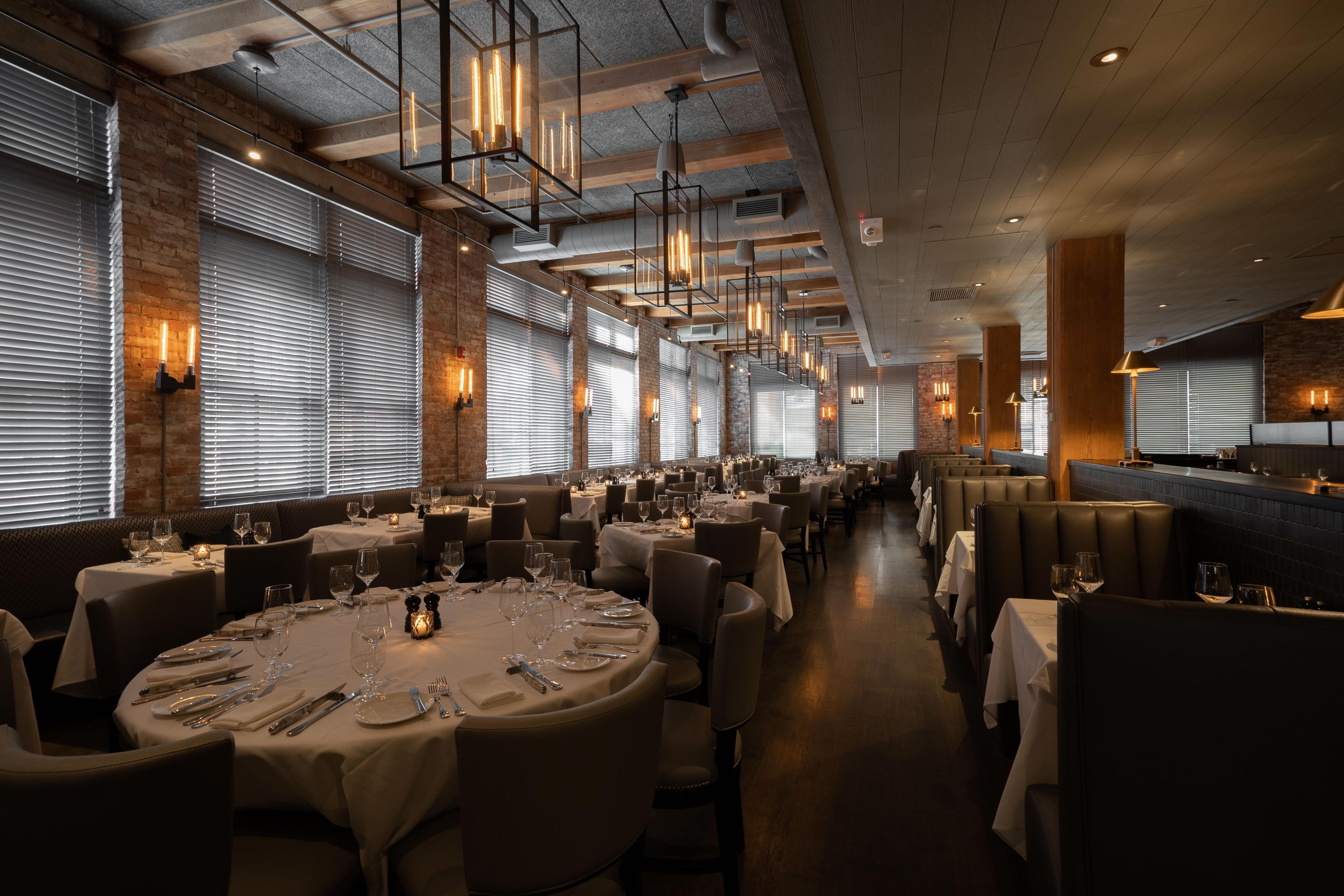
Bars in Boston
Browse all →
Hotels in Boston
Browse all →
Wineries in Boston
Browse all →
At a Glance
- Lively
- Modern
- Energetic
- Late Night
- Business Dinner
- After Work
- Open Kitchen
- Craft Cocktails
Current opening hours
- Monday
- 11:30 AM–10 PM
- Tuesday
- 11:30 AM–10 PM
- Wednesday
- 11:30 AM–10 PM
- Thursday
- 11:30 AM–10 PM
- Friday
- 11:30 AM–10 PM
- Saturday
- 11 AM–10 PM
- Sunday
- 11 AM–10 PM
Hours can change for holidays and private events. Last verified .
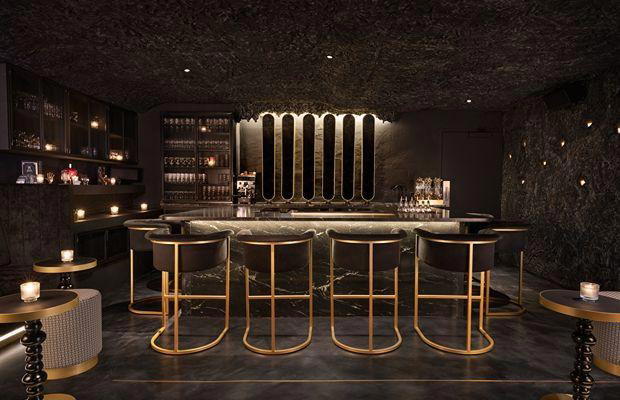
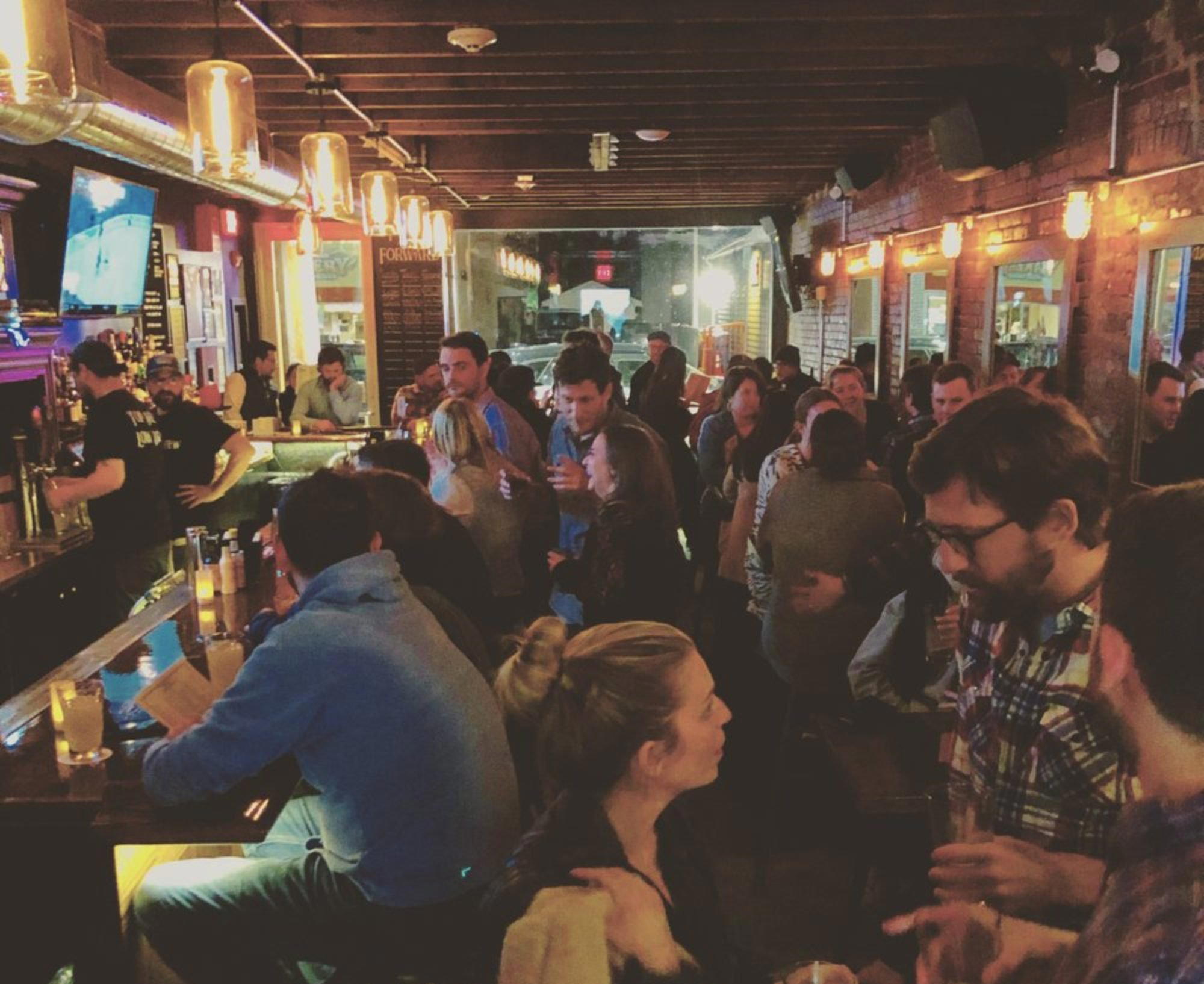
Modern styling with black brick and glowing amber glass, offering a casual-elegant vibe in the bustling lounge, bar, and dining room overlooking the open kitchen.