Serafina
On Newbury Street, Boston's most closely watched retail and dining corridor, Serafina occupies a address that puts it within immediate reach of the Back Bay's gallery row and the Public Garden. The restaurant draws on Italian-American traditions at a price point that positions it between fast-casual and destination fine dining, making it a practical anchor for an afternoon or evening on the street.
Pearl is the En Primeur Club membership app — saves, bookings, and concierge access live there. Same editors, same standards.
- Address
- 237 Newbury St, Boston, MA 02116
- Phone
- +16174261234
- Website
- serafinaboston.com
- Directions
- Get directions
 Saves & bookings on Pearl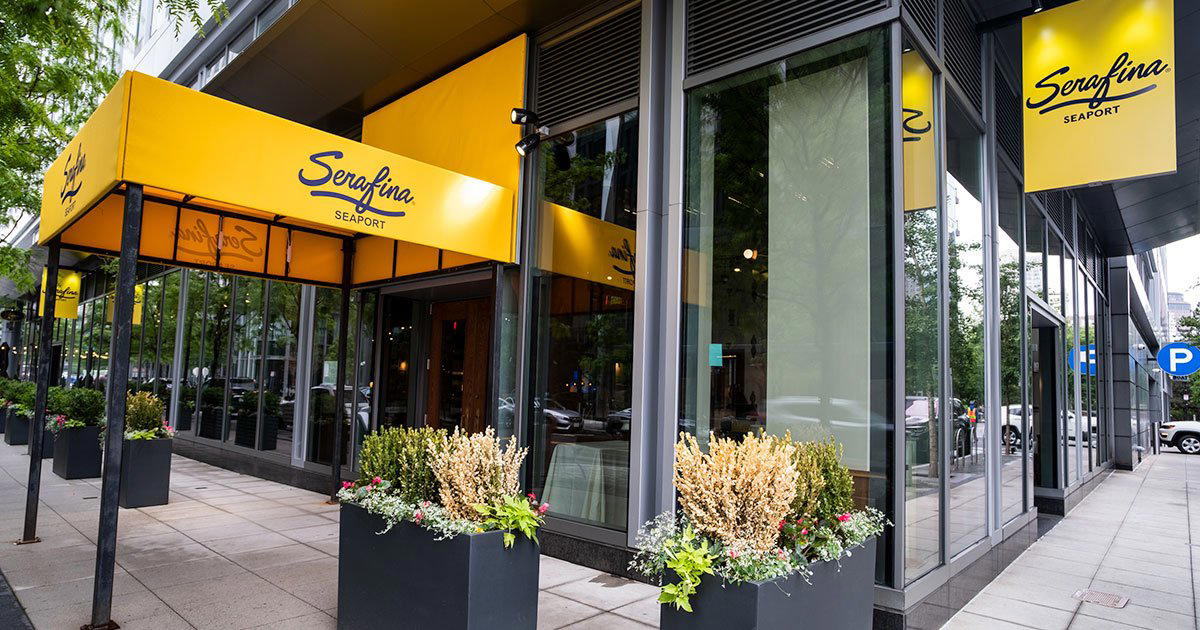
Newbury Street and the Architecture of the Room
Newbury Street does not reward timidity in design. The stretch between Arlington and Mass Ave has cycled through enough concept restaurants and retail conversions to develop a kind of collective visual memory among Boston diners: rooms that try too hard date quickly, while spaces that commit to a clear material language tend to hold. Serafina, a modern Italian pizza and pasta restaurant at 237 Newbury St in Boston, sits in a building stock that was never designed for restaurants but has been adapted for them across several generations of tenancy. The ground-floor footprint on this block is characteristically narrow and deep, a constraint that pushes designers toward one of two solutions: compress into intimacy or elongate into something more gallery-like.
For Italian-American dining rooms of this type, the standard vocabulary involves warm-toned materials, close table spacing, and some version of the red-sauce institution's visual code softened for a contemporary audience. How Serafina specifically resolves these pressures is worth noting for anyone choosing between it and the handful of other sit-down options on the same corridor: the address alone places the room in one of Boston's highest-foot-traffic dining zones, which affects everything from ambient noise levels at peak hours to the window-light quality at lunch.
Where Newbury Street Dining Sits in Boston's Broader Picture
Boston's restaurant geography has consolidated around a few distinct zones in recent years. The waterfront has pulled serious seafood investment, with places like 1928 Rowes Wharf and 75 on Liberty Wharf anchoring a dining culture tied to harbor views and hotel infrastructure. The South End has become the address of choice for chef-driven tasting formats, including Agosto, which runs a Portuguese-inspired chef's counter that represents one end of the city's ambition spectrum. Downtown and the Financial District hold the legacy steakhouses, of which Abe and Louie's remains the clearest reference point.
Newbury Street occupies a different register. It is not primarily a destination dining address in the way that, say, the concentration of omakase counters around 311 Omakase has made certain pockets of the city into pilgrimage targets for a specific kind of diner. Instead, Newbury operates as a high-frequency, high-visibility corridor where the dining proposition is usually secondary to the shopping or gallery visit that brought someone to the street in the first place. That context shapes what restaurants here are actually competing on: room quality, reliability, and a price point that feels proportionate to the neighborhood's general register.
Nationally, the Italian-American casual-to-mid-range category has been pressed on two sides simultaneously. On one end, counter-service formats have commoditized pasta and pizza at a price that used to belong to full-service trattoria dining. On the other, a generation of chefs trained in Italy or under Italian kitchens has raised the ceiling for what New England diners expect from the cuisine. The comparison set for a Newbury Street Italian restaurant now extends beyond Boston: what Le Bernardin in New York has done for the idea of French technique applied to seafood, or what The French Laundry in Napa has done for the multi-course American kitchen, filters down into diner expectations even at mid-market Italian addresses in secondary cities. Diners who have eaten at that level notice the gap when it exists.
The Physical Container and What It Signals
In cities where dining culture has matured, the room itself functions as a trust signal before the menu arrives. Boston has absorbed enough design-serious openings, from the chef's counter format at its more demanding end to the hotel dining rooms of the Back Bay, that a dining room's material choices now carry meaning. The distinction between a space that was designed and one that was fitted out is legible to a regular Boston diner in a way it might not have been fifteen years ago.
For a Newbury Street address specifically, proximity to the design-aware clientele of the gallery district creates a self-selecting audience that applies a visual filter before they apply a culinary one. This is worth noting because it sets a different expectation than, say, an oyster bar on the waterfront like 75 on Liberty Wharf, where the harbor view does most of the atmospheric work. On Newbury, the room has to carry more weight independently.
Internationally, the reference points for Italian-American dining rooms that hold up over time tend to share certain properties: they read clearly without being loud, they manage noise at high occupancy through surface choices rather than just spatial separation, and they create a seating arrangement that gives each table some sense of its own territory even in a dense floor plan. Whether a given Newbury Street address meets those criteria is the kind of assessment that benefits from a visit timed outside peak weekend service, when the room can be read on its own terms rather than through the compression of a full house.
Situating Serafina in a Wider American Italian Conversation
The Italian-American dining category in the United States has produced a handful of restaurants that have achieved genuine critical standing: places like 8½ Otto e Mezzo Bombana represent what the cuisine can reach at its most technically rigorous. Closer to Serafina's probable register, the conversation is more about consistency, sourcing transparency, and the degree to which a kitchen is cooking against the grain of its own category conventions. Boston's Italian dining scene has not produced the kind of landmark destination that, say, Alinea in Chicago or Providence in Los Angeles represent for their respective cities and cuisines. The Italian niche here remains an opportunity more than a settled field.
For a fuller picture of where Serafina sits within the city's dining options, the EP Club Boston restaurants guide maps the full range of the city's serious dining addresses, from waterfront seafood to the chef-counter formats that have defined Boston's more ambitious recent openings. The guide also covers how the city compares to peers like Lazy Bear in San Francisco or Blue Hill at Stone Barns in the kind of farm-driven, chef-led format that now sets national expectations.
Know Before You Go
- Address: 237 Newbury St, Boston, MA 02116
- Neighborhood: Back Bay, between the Public Garden and Mass Ave gallery corridor
- Booking: Contact the restaurant directly; walk-in availability varies by service and day
- Getting There: The Hynes Convention Center (Green Line B/C/D) puts the address within a short walk; street parking on Newbury is metered and competitive on weekends
- Leading Timing: Weekday lunch and early-week dinner service typically allow more flexibility than Friday or Saturday peak hours
Recognition, Side-by-Side
Comparable venues nearby, for context on price, style, and recognition.
| Venue | Cuisine | Price | Notes |
|---|---|---|---|
| SerafinaThis venue — the venue you are viewing | Modern Italian Pizza and Pasta | $$ | Not listed |
| Pauli's | Fast-Casual Italian Sandwiches & Lobster Rolls | $$ | North End |
| Forcella | Modern Italian | $$ | North End |
| Isabella | Traditional Italian | $$ | North End |
| Ristorante Saraceno | Classic Italian/Napoletana | $$$ | North End |
| Faccia a Faccia | Coastal Italian | $$$ | Back Bay |
Continue exploring
More in Boston
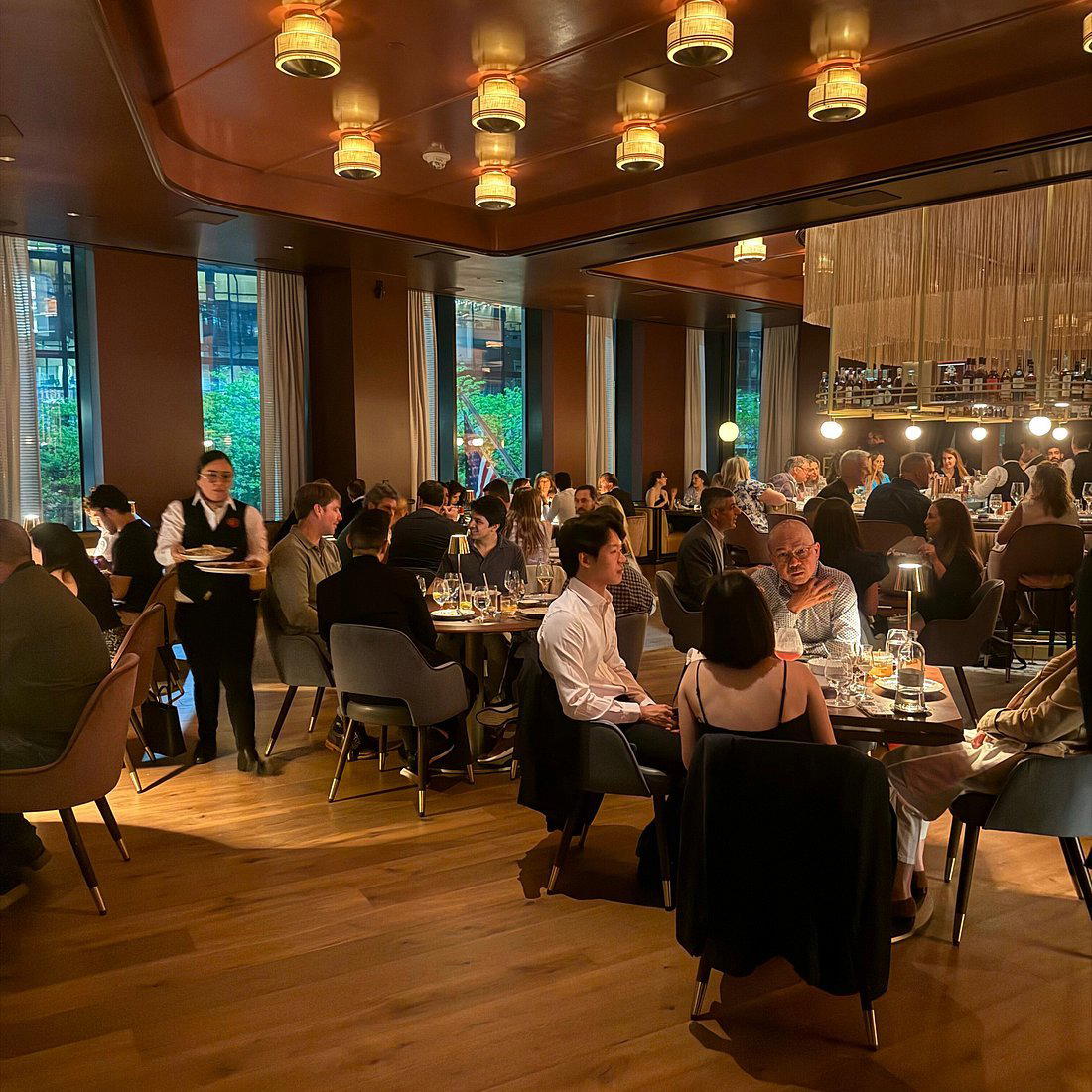
Restaurants in Boston
Browse all →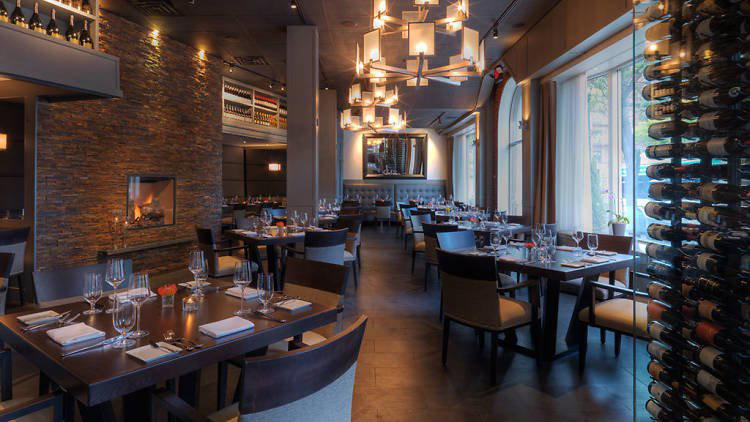
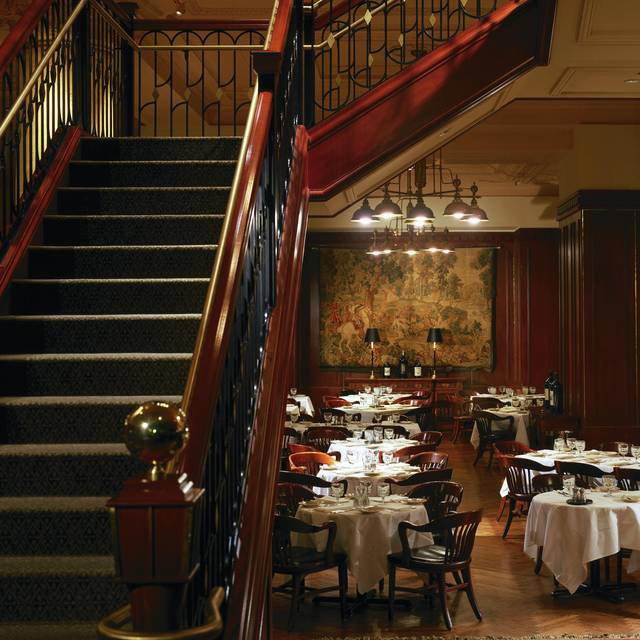
Bars in Boston
Browse all →
Hotels in Boston
Browse all →

Wineries in Boston
Browse all →
At a Glance
- Casual
- Intimate
- Trendy
- Date Night
- Brunch
- Group Dining
- Open Kitchen
- Extensive Wine List
- Craft Cocktails
- Street Scene
Intimate and casual atmosphere with a focus on fresh, high-quality Italian ingredients.