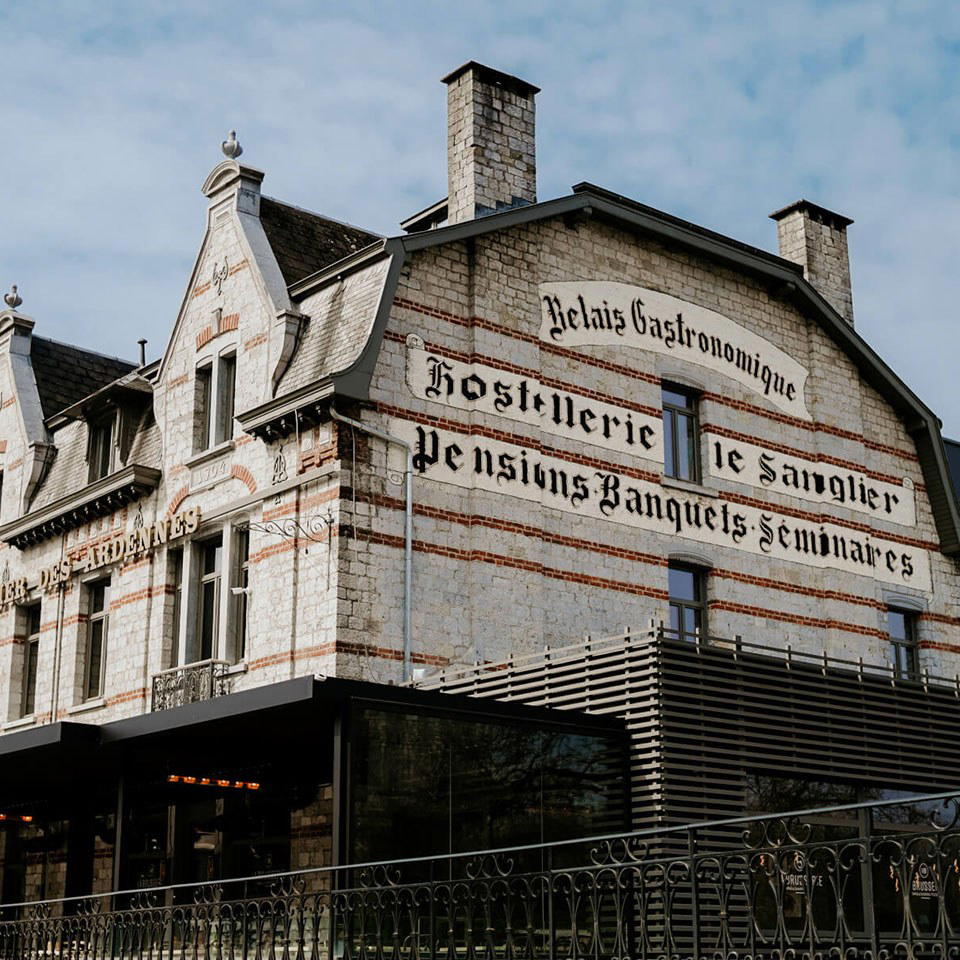
Le Saint Hadelin sits on Route de Neufchâteau in Houyet, a small commune in the Lesse valley where the Ardennes proper begins to assert itself. Dining in this part of southern Belgium means engaging with a regional larder that extends from the forests above to the river below. For those travelling through Wallonia's interior, it marks a specific point on the region's dining circuit.
 Discover on Pearl
Pearl is the En Primeur Club membership app — saves, bookings, and concierge access live there. Same editors, same standards.
- Address
- Rte de Neufchâteau 21, 5561 Houyet, Belgium
- Phone
- +3282666442
- Website
- lesainthadelin.be
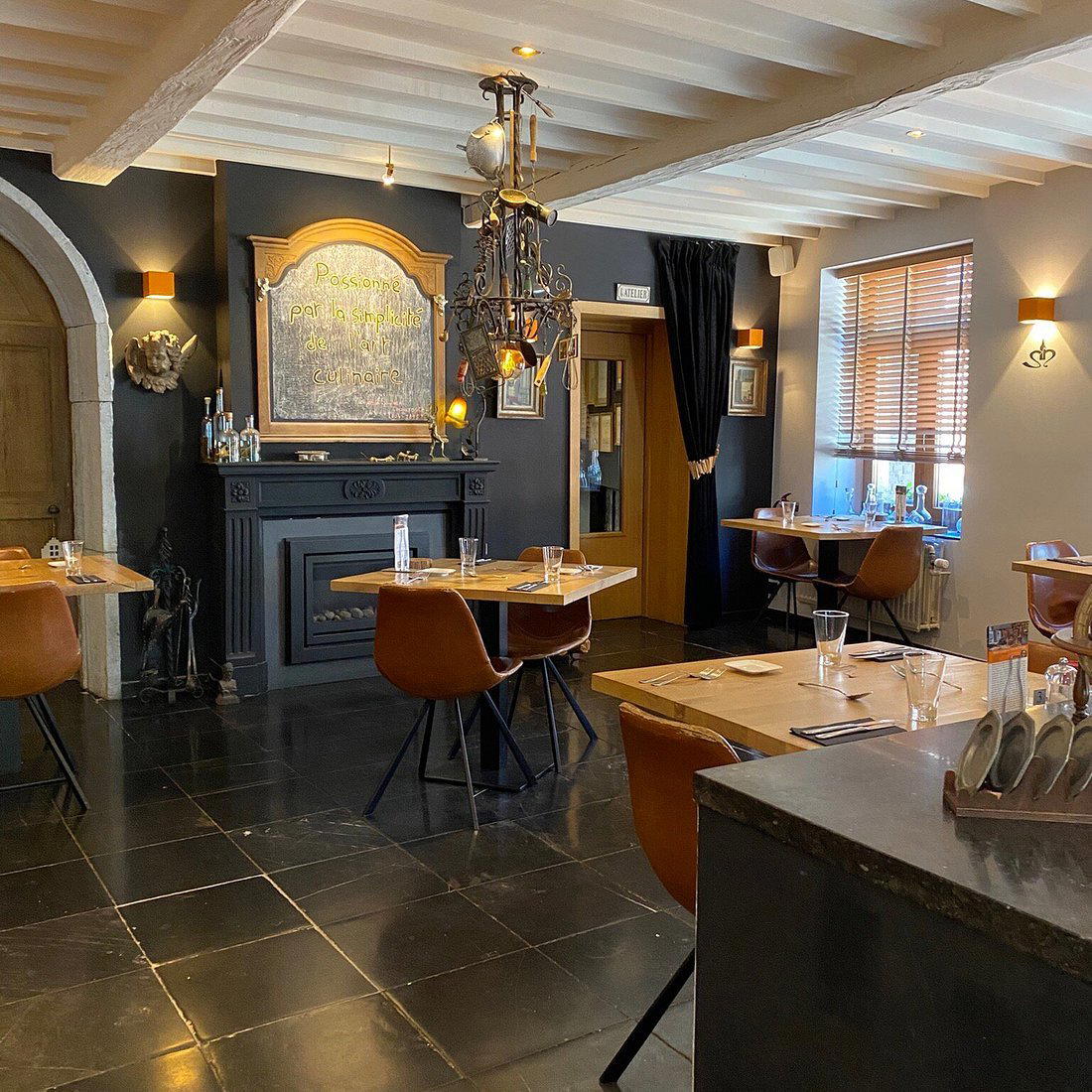
Where the Ardennes Larder Begins
The Lesse valley south of Namur is not a dining destination in the way that Brussels or the Flemish coast are. There are no dense clusters of starred restaurants, no neighbourhoods defined by competitive kitchen culture. What the area around Houyet offers instead is something more elemental: proximity to one of Belgium's most productive wild larders. The forests above the valley floor yield game, mushrooms, and foraged material through most of the year. The river system supports freshwater species that rarely appear on menus further north. Restaurants that operate in this context either ignore that larder entirely and cook from the same supply chains available anywhere in Belgium, or they treat geography as a foundational argument. Le Saint Hadelin, positioned on Route de Neufchâteau at the edge of the commune, occupies that second category.
Approaching the Address
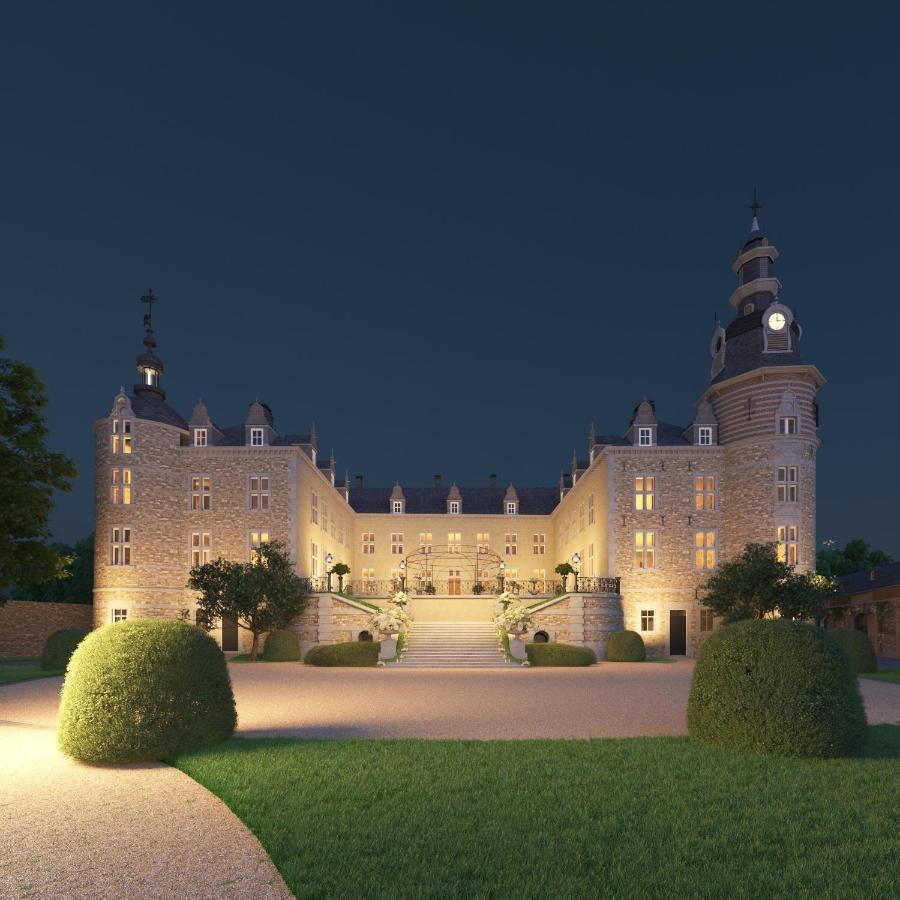
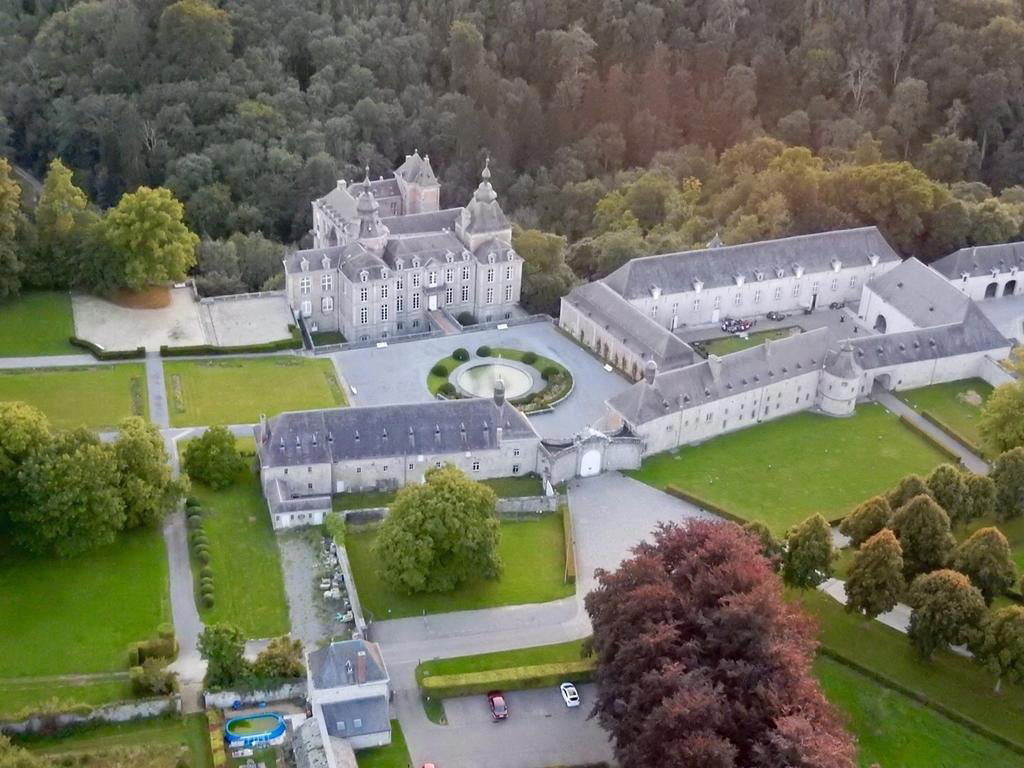
The N94 between Dinant and Houyet follows the Lesse through a range of limestone cliffs and narrow flood plain. Arriving at Houyet itself, the village sits at the confluence of several minor valleys, and the surrounding woodland presses close. Le Saint Hadelin's address on Route de Neufchâteau places it at the southern edge of this small settlement, the direction the road takes toward the deeper Ardennes and the Luxembourg border. The physical approach matters as editorial context: this is not a restaurant embedded in an urban dining circuit, and the setting shapes expectations before a single dish arrives.
The Regional Sourcing Argument in Southern Wallonia
Belgian fine dining has concentrated its critical mass in a belt running from Ghent and Bruges across to Brussels, with scattered outliers along the coast. Venues like Boury in Roeselare, Zilte in Antwerp, and Hof van Cleve in Kruishoutem operate within reach of dense urban populations and the logistics networks that serve them. The Ardennes functions differently. Supply chains here are shorter by necessity, and the regional ingredient argument is not aspirational branding but a practical description of what is available. Game from local estates, wild boar, venison, hare, and woodcock in season sit at the core of Wallonian autumn and winter cooking in a way that has no direct equivalent in Flemish cuisine. Willem Hiele in Oudenburg has built a similar geography-first argument on the North Sea coast, treating the immediate marine environment as both constraint and creative driver. The Ardennes equivalent operates through the forest rather than the tidal zone, but the structural logic is the same: place determines larder, and larder shapes the menu.
This is the tradition Le Saint Hadelin sits within. Restaurants across the region from Bouillon to Rochefort to Han-sur-Lesse share a common sourcing grammar, one built around seasonality that is hard rather than decorative. When game season opens in September, the menus shift. When morels emerge in April on the limestone slopes above the Meuse tributaries, they appear on plates. The calendar is not curated for aesthetics; it reflects what the land produces. Compared to the Franco-Asian creative register of L'air du temps in Liernu or the classical French architecture of Le Chalet de la Forêt in Uccle, Ardennes dining occupies a more vernacular register, one where the primary editorial argument is not technique but territory.
How Houyet Fits the Wider Belgian Picture
Belgium's restaurant geography rewards travellers willing to move beyond the obvious circuits. The country holds a disproportionate concentration of Michelin-starred tables relative to its size, and much of that recognition has historically accrued to venues in the Flemish half. Wallonia's starred kitchens are fewer and more dispersed. d'Eugénie à Emilie in Baudour and La Table de Maxime in Our represent the kind of destination dining that draws visitors specifically to small Wallonian communes, a model where the journey and the location are part of the value proposition. Houyet operates in this same logic. The village itself has a population in the low hundreds. There is no secondary dining scene, no wine bar circuit, no post-dinner street to walk. The decision to eat here is a decision to commit to a place, not to pass through it.
For travellers assembling an itinerary across southern Belgium, this area pairs naturally with the cave systems at Han-sur-Lesse, the kayaking routes along the Lesse, and the medieval sites between Dinant and Bouillon. Combining a meal at Le Saint Hadelin with broader Ardennes exploration makes practical sense; treating it as a standalone urban dining excursion from Brussels does not.
Contextual Peers Across Belgium and Beyond
Placing Le Saint Hadelin in its competitive set requires looking at restaurants that have made geography central to their offer rather than incidental to it. Bartholomeus in Heist does this with North Sea ingredients in a coastal village format. Castor in Beveren and De Jonkman in Sint-Kruis both sit within a Flemish creative tradition that foregrounds local sourcing. In Wallonia specifically, Nuance in Duffel and Maison Colette in Tongerlo operate in smaller town formats with clear regional identities. The comparison that holds most instructively for the Houyet context is not with urban fine dining, where the reference points would be Bozar in Brussels or La Durée in Izegem, but with the subset of Belgian restaurants that have made the case that their specific address is itself an ingredient. Internationally, the structural argument has parallels in how Le Bernardin in New York treats the sea as a singular focus, or how Atomix uses Korean culinary logic as a foundational rather than decorative element. Scale and setting differ enormously, but the commitment to a defined sourcing or cultural territory is the shared structural point.
Planning a Visit
Houyet is most accessible by car. The village sits roughly thirty kilometres south of Dinant on the N94, and public transport connections are limited. Visitors combining the area with a wider Ardennes loop will find the location natural as a midpoint between Dinant and the Luxembourg border towns. Given the venue's recommended reservation policy and limited opening hours, planning ahead is the appropriate first step.
In Context: Similar Options
Comparable venues nearby, for context on price, style, and recognition.
| Venue | Cuisine | Price | Awards | Notes |
|---|---|---|---|---|
| Le Saint HadelinThis venue — the venue you are viewing | French Bistronomy | $$$ | , | |
| Le Moulin de Daverdisse | Modern French Classic | $$$ | , | Daverdisse |
| 3Sense | Modern Belgian-French Gastro-Bistro | $$$ | , | Wilderen |
| La P'tite Auberge | Contemporary French Fine Dining | $$$ | , | Ohey |
| Sage | Modern French Market Cuisine | $$$ | , | Genappe |
| Kampernoelie | Refined Belgian-French Fine Dining | $$$ | , | Bilzen-Hoeselt |
At a Glance
- Cozy
- Rustic
- Elegant
- Scenic
- Date Night
- Family
- Special Occasion
- Waterfront
- Terrace
- Local Sourcing
- Farm To Table
- Waterfront
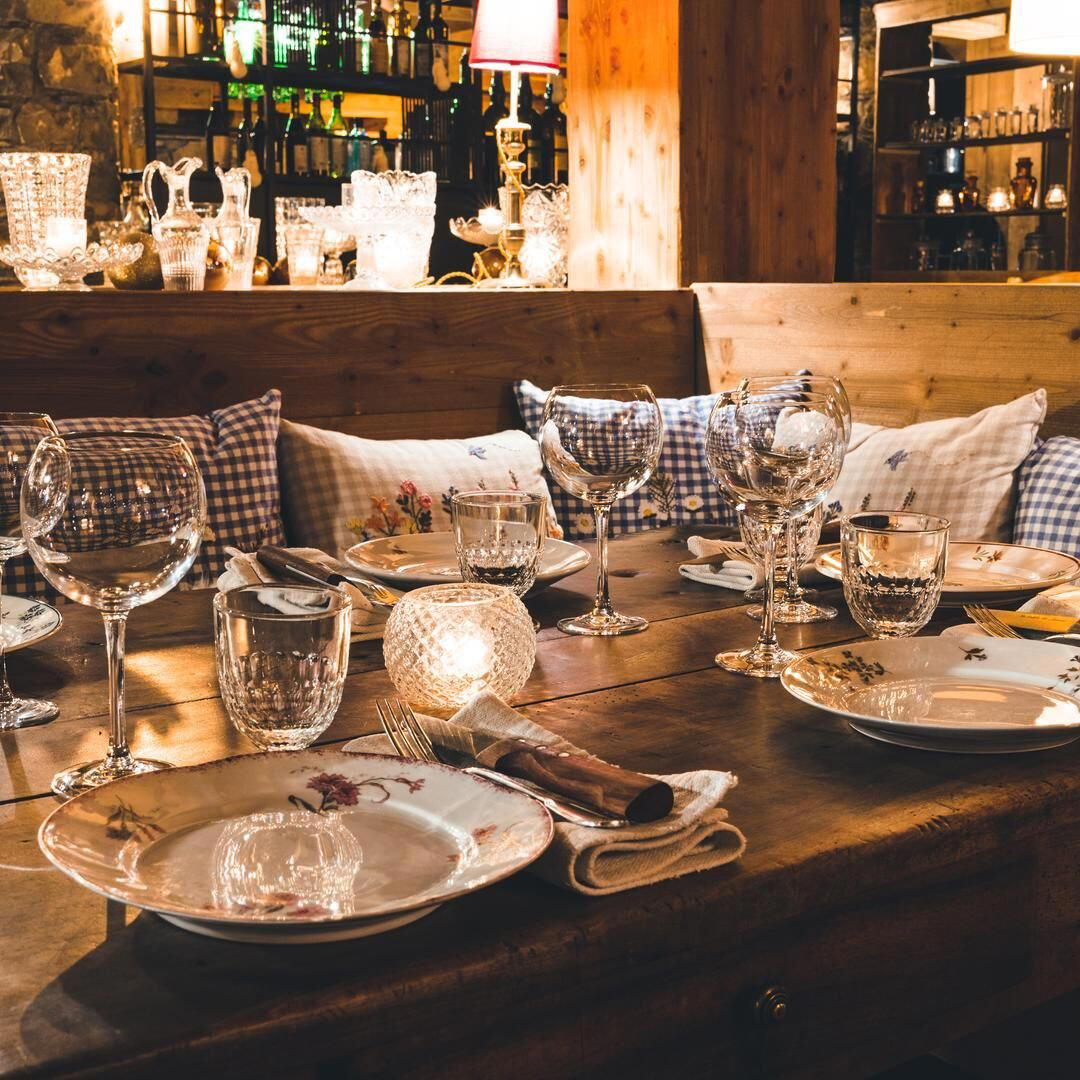
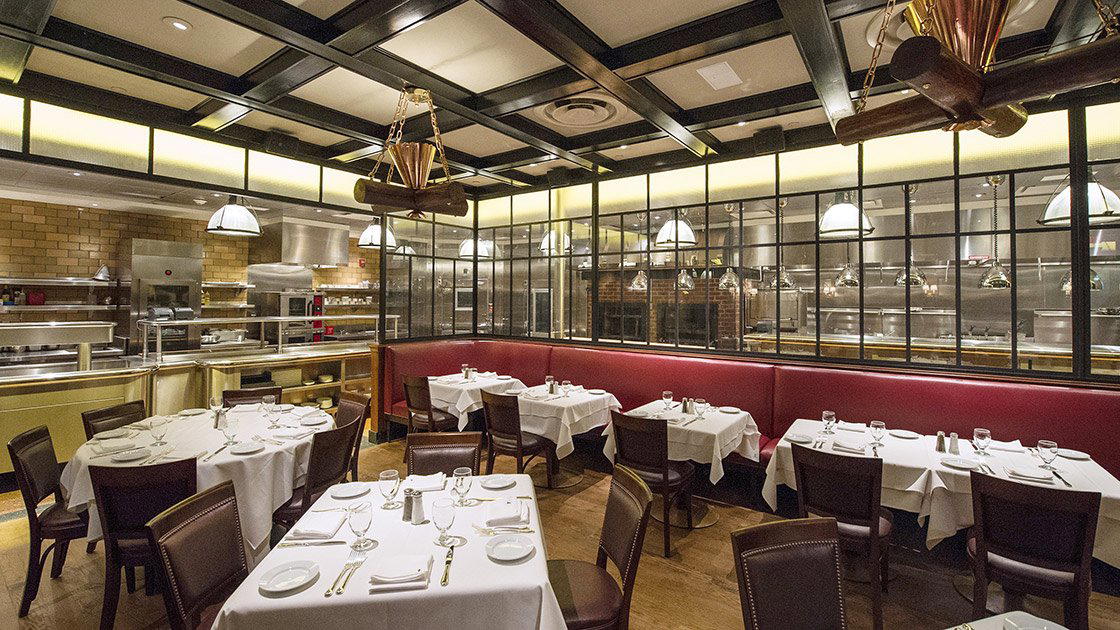
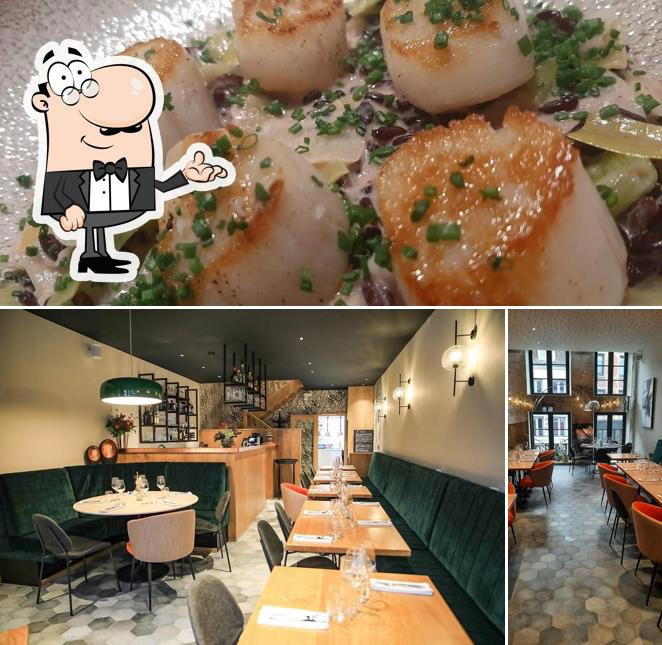
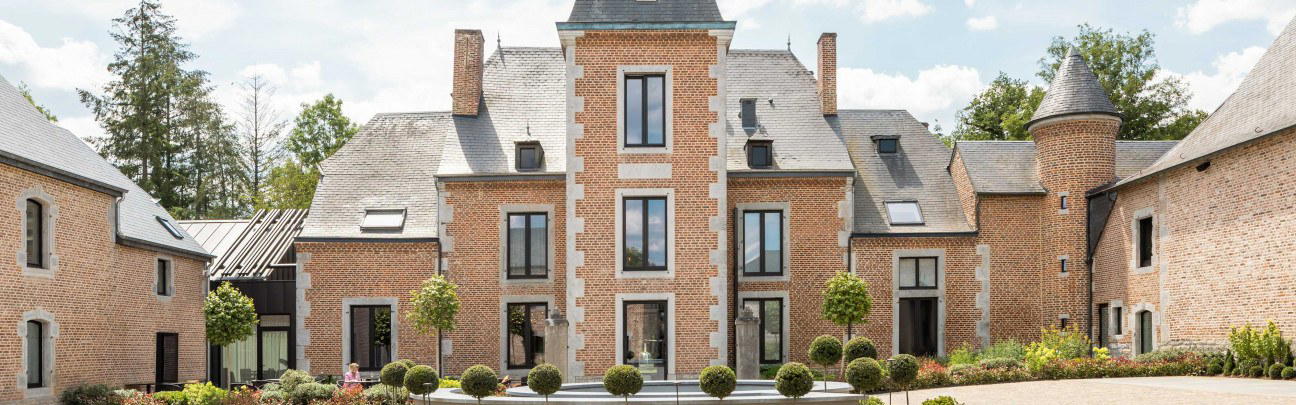
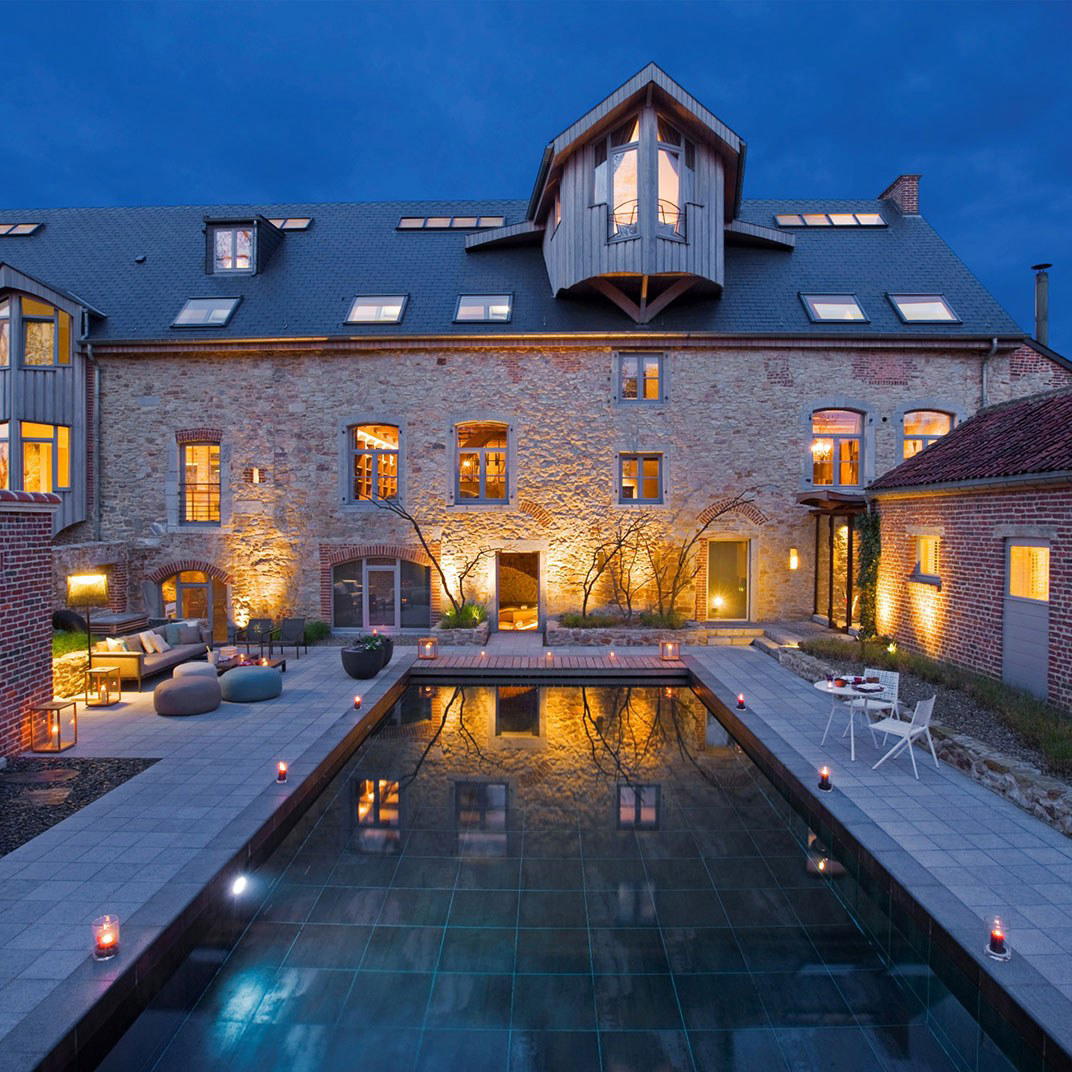
Country style dining room with open fire in winter, pleasant and warm atmosphere as per guest reviews.