

1 Michelin Star · We're Smart World 1 Radish
Our verdict
La Grange d'Hamois transforms a 150-year-old Ardennes barn into Emptinne's premier fine dining destination, where Chef Grégory Gillain's masterful technique elevates regional Belgian ingredients through signature dishes like braised sweetbread and confit pork belly, creating sophisticated expressions of local terroir.

Pearl is the En Primeur Club membership app, where members save venues, book tables and use the concierge.
The menu
What to order
- Braised sweetbread
- Confit of pork belly with kohlrabi
- Scallops
- Cod
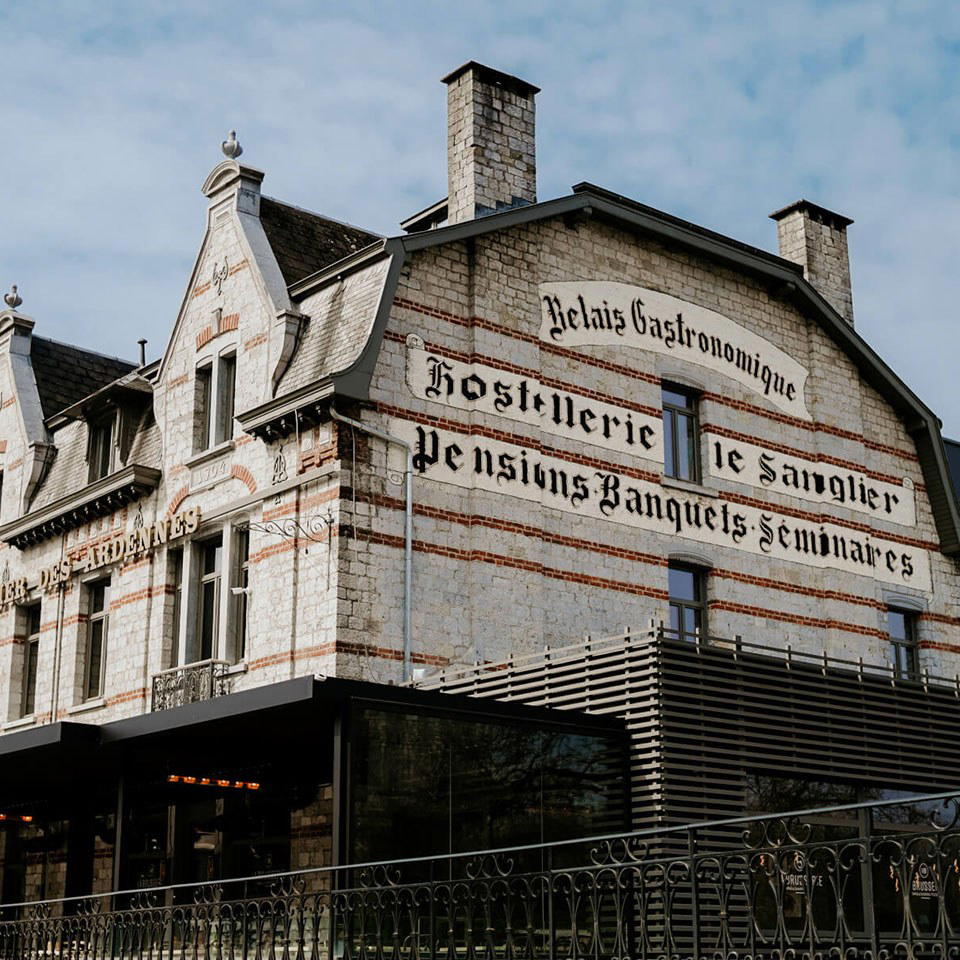
A Former Station in the Ardennes That Now Holds a Michelin Star
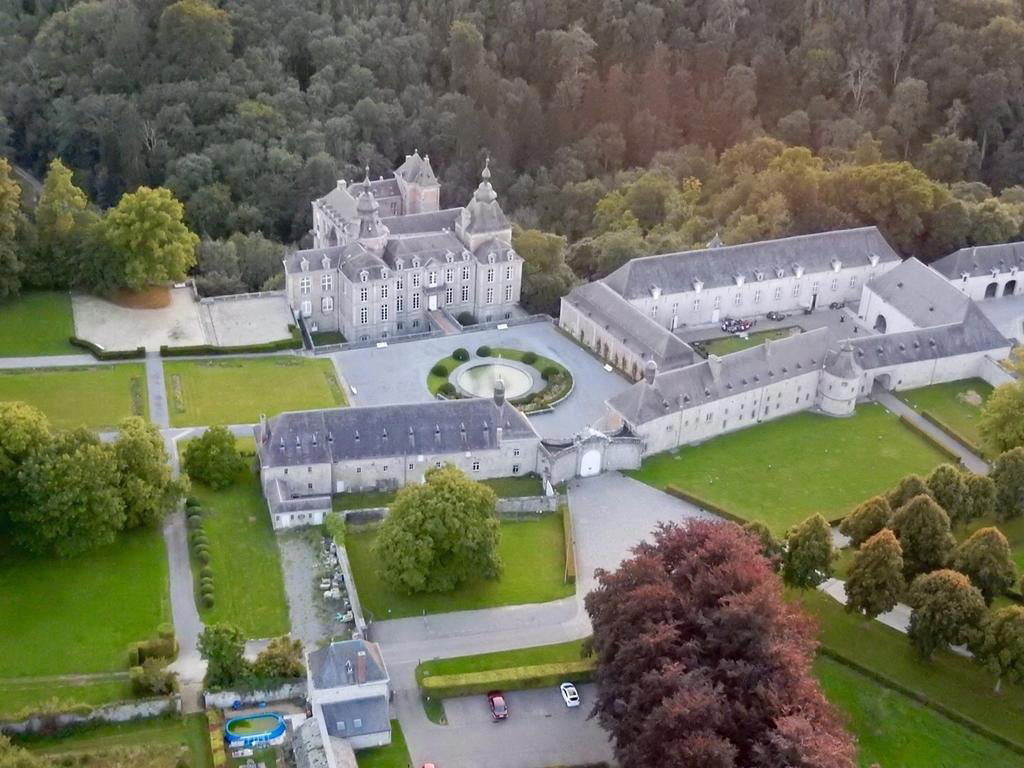
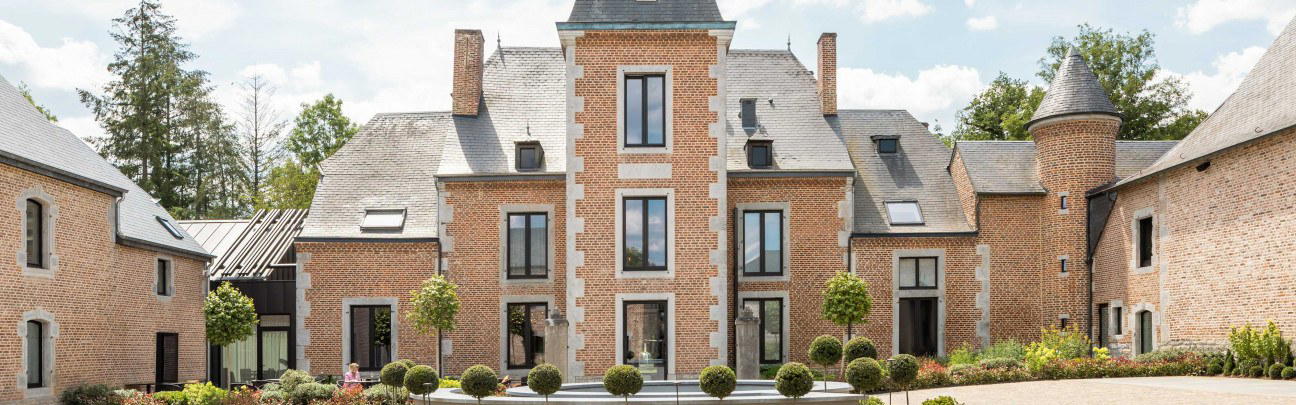
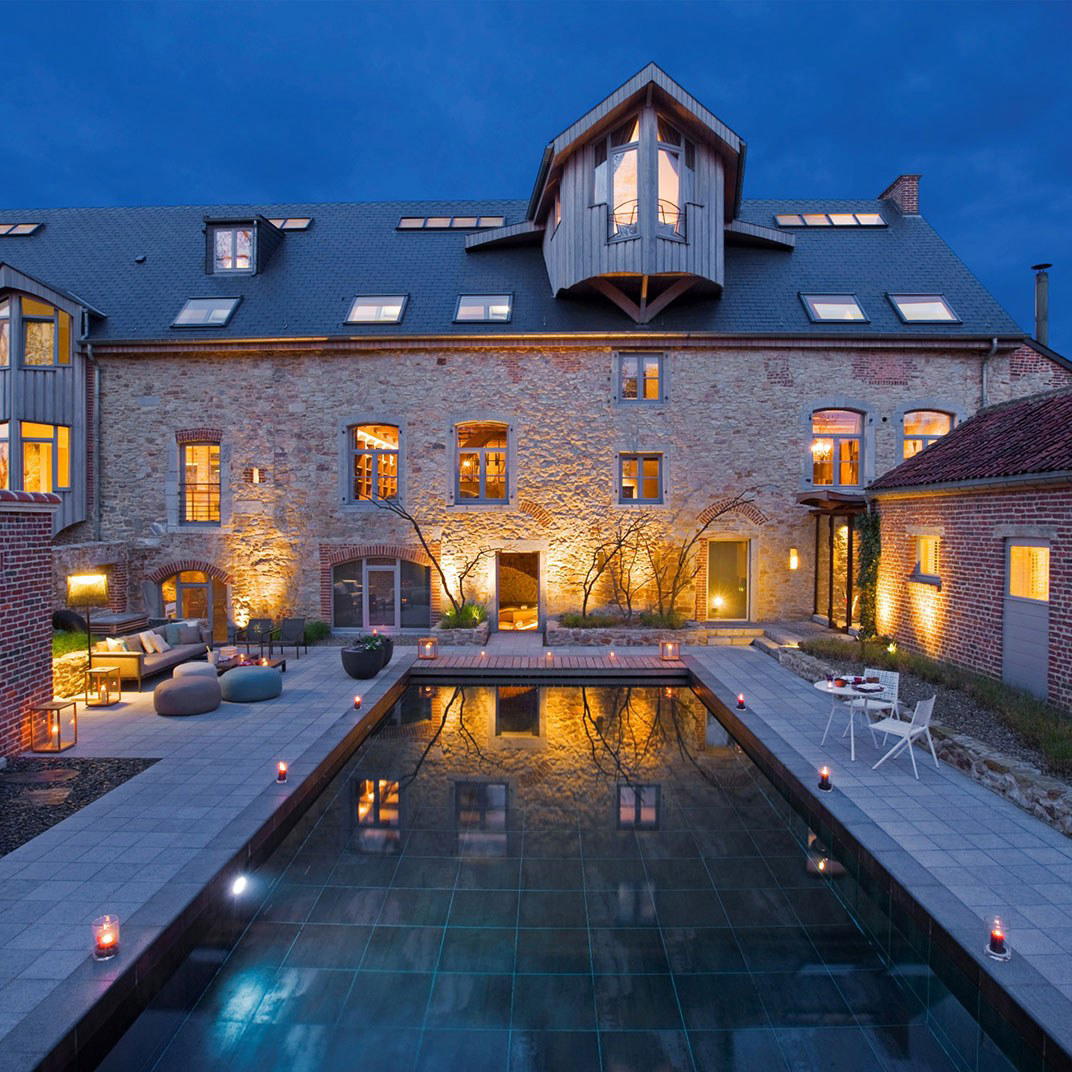
Drive through the rural commune of Emptinne in the Namur province and the converted station building on Chaussée d'Andenne announces itself before the sign does. The architecture is vernacular Walloon: thick stone, a pitched roof, the kind of structure that absorbed decades of agricultural life before it absorbed anything else. That physical grounding is not incidental to what happens inside. La Grange d'Hamois sits within a landscape where the sourcing logic is short and the seasons are legible, and the kitchen has built its register around both facts.
The broader pattern here is one that Belgian fine dining has been rehearsing for a decade. Across Wallonia and Flanders alike, a cohort of young chefs trained in established Michelin houses has been dispersing into smaller towns and rural conversions, trading urban foot traffic for creative autonomy and proximity to primary producers. La Grange d'Hamois belongs squarely to that movement. Grégory Gillain and Gélène Fays brought their formation from L'Eau Vive in Arbre, one of Wallonia's most respected modern French tables, to this old station building and reframed what a high-standard country bistro could mean.
The Provenance Logic on the Plate
The editorial angle at La Grange d'Hamois is leading understood through the lens of restraint-led modern French cooking as it has evolved in rural Belgium. The Michelin inspectors who awarded the restaurant a star in both 2024 and 2025 pointed to original high-class bistro meals built on precise preparations with fish and meat, with vegetables added sparingly. That phrase, added sparingly, is worth pausing on. It describes a kitchen that uses the vegetable kingdom as punctuation rather than padding, which in turn places enormous pressure on the quality of the primary proteins and on the precision of the cooking itself. In a pastoral corner of the Condroz plateau, where Ardennes producers operate within short logistical distances, that sourcing discipline is not an affectation. It is the most honest available response to what the region actually produces well.
This approach places La Grange d'Hamois in a distinct tier within Belgian fine dining. Tables like Boury in Roeselare and Zilte in Antwerp operate at the €€€€ price point with tasting menus that reflect urban ambitions and broader international reference points. La Grange d'Hamois sits at €€€, closer in spirit to the rural precision of Willem Hiele in Oudenburg or Bartholomeus in Heist in terms of its relationship between place and plate, though the Walloon countryside gives it a different landscape identity from those coastal Flemish addresses. For comparison, Wallonian peers like d'Eugénie à Emilie in Baudour and La Durée in Izegem illustrate the range of approaches within the modern French-Belgian tradition at this level.
The L'Eau Vive lineage matters here not as a biographical footnote but as a credentialing signal. Pierre Résimont's kitchen in Arbre is positioned at €€€€ and has long been cited as a rigorous school for the kind of technique-first cooking that treats the plate as an argument rather than a display. Chefs who come out of that environment carry a specific grammar: clean reductions, unambiguous acidity, the conviction that a single excellent protein prepared with care needs very little architecture around it. That sensibility is visible in how La Grange d'Hamois has described its cooking from the outset.
The Setting and What It Communicates
Belgium's premium dining scene has split over the past decade in ways that mirror patterns elsewhere in northern Europe. On one side: urban restaurants in Brussels, Antwerp, and Ghent with sophisticated wine programs, design-forward interiors, and menus that reference Tokyo and Copenhagen alongside Liège and Ghent. On the other: a smaller but growing cohort of rural conversions where the building itself communicates a set of values before the menu arrives. La Grange d'Hamois is firmly in the second group, and the former station building is doing real work in that positioning. Stone walls and agricultural heritage carry a specific message in contemporary fine dining: that the food comes from somewhere, and that somewhere is nearby.
Emptinne sits within the Condroz, a plateau region of alternating ridges and valleys between the Meuse and the Ardennes proper. The area is not a culinary destination in the way that, say, the coastal fringe around Ostend is, which means that La Grange d'Hamois draws a clientele willing to make a deliberate journey. Destination dining in rural Belgium operates differently from its urban equivalent: the room tends to be quieter, the pace unhurried, and the implicit contract between kitchen and guest is one of mutual seriousness. That atmosphere is consistent with what a two-consecutive-year Michelin star at a €€€ rural address implies about both ambition and execution.
For those planning around the wider region, our full Emptinne restaurants guide covers the local context, while the Emptinne hotels guide is worth consulting if the drive from Brussels (roughly 90 kilometres through the Namur province) suggests an overnight stay rather than a day trip. The Emptinne bars guide, wineries guide, and experiences guide round out the planning picture for those building a longer itinerary around the Condroz.
Situating La Grange d'Hamois in the Belgian Michelin Field
Belgium punches well above its size in the Michelin guides. The country regularly appears among the highest star-per-capita ratios in Europe, and Wallonia specifically has been adding addresses at the one-star level in recent years as a generation of chefs trained in French-lineage kitchens starts opening independently. La Grange d'Hamois joined that cohort with its first star in 2024 and retained it in 2025, which moves it from newcomer to confirmed address in the guide's logic. Retention at the one-star level after the first year is the more meaningful signal: it indicates that the kitchen is consistent rather than peaking for an inspection cycle.
Within the broader modern French tradition as it is practiced across northern Europe, the benchmark comparisons extend beyond Belgium's borders. Sketch, The Lecture Room and Library in London and Schanz in Piesport occupy the modern French category at higher price points and with different architectural ambitions, but they share the same foundational commitment to French technique as a non-negotiable baseline. La Grange d'Hamois operates within that same tradition at a scale and price point that makes it accessible to a wider bracket of the serious dining audience. Belgian comparators like Hof van Cleve in Kruishoutem, Bozar Restaurant in Brussels, Sir Kwinten in Sint-Kwintens-Lennik, and Ralf Berendsen in Neerharen illustrate how spread across geographies and price tiers Belgian fine dining has become, with rural Wallonia now clearly part of that map.
It suggests that the experience holds across a broad range of guests, not just the specialist audience that the Michelin star tends to attract.
Planning Your Visit
La Grange d'Hamois is located at Chaussée d'Andenne 10A, 5363 Emptinne. Given its position in the Condroz countryside, a car is the practical approach; the nearest rail connections are in Ciney and Namur, both requiring onward road transport. For those coming from Brussels, the A4/E411 motorway to Namur followed by the N4 corridor toward Marche-en-Famenne covers the distance in under 90 minutes in normal traffic. Given the rural location and the restaurant's consolidated reputation, booking in advance is advisable, particularly for weekend service. Specific hours, booking procedures, and current menu pricing are best confirmed directly through the venue's current booking channels, as this information can change across seasons.
Frequently asked questions
What should I expect atmosphere-wise at La Grange d'Hamois?
La Grange d'Hamois occupies a converted station building in rural Namur province, and the atmosphere reflects that setting directly. This is not an urban restaurant that has been relocated to the countryside; it reads as a place that belongs to the Condroz, with the unhurried pace and deliberate quiet that characterise destination dining in rural Belgium. At the €€€ price point with two consecutive Michelin stars (2024 and 2025), the room draws guests who have made a specific decision to be there, which shapes the tone. If you are travelling from Brussels or Namur, treat it as an occasion that warrants the journey rather than a convenient stop.
What do regulars order at La Grange d'Hamois?
The kitchen's described register, precise preparations centred on fish and meat, with vegetables used sparingly, points toward the protein-led dishes as the clearest expression of what the kitchen does. The L'Eau Vive lineage through Pierre Résimont, which the Michelin notes reference explicitly, suggests a technique-first approach where reductions and cooking precision carry more weight than elaborate garnish. For a kitchen operating in this register, the fish preparations and the meat courses are where the argument is made.
Can I bring kids to La Grange d'Hamois?
La Grange d'Hamois is a one-Michelin-star restaurant at the €€€ price point serving original high-class bistro meals in a rural converted building. The atmosphere and format are oriented toward adult diners making a deliberate dining visit. That does not mean children are excluded, but families with young children should weigh the pace and register of a serious modern French kitchen against what makes for a comfortable experience for the whole table. If you are travelling with older children who are comfortable with a longer, quieter meal, the rural setting and unhurried pace may actually work in your favour compared to a busier urban address at a similar level.
At-a-Glance Comparison
| Venue | Cuisine | Price | Awards | Notes |
|---|---|---|---|---|
| La Grange d'HamoisThis venue (the venue you are viewing) | Modern French | $100–150 | 1 Michelin Star · We're Smart World 1 Radish | Not listed |
| Boury | Creative French Fine Dining | $300–500 | 3 Michelin Stars · La Liste Top Restaurants | Modern Frlemish, Creative French |
| Comme chez Soi | French - Belgian, Classic Cuisine | Not listed | Michelin 1 Star | Not listed |
| Hertog Jan at Botanic | Modern Japanese Omakase Fine Dining | Not listed | 2 Michelin Stars · La Liste Top Restaurants | Modern Flemish, Creative |
| L'Eau Vive | Modern French Fine Dining | $150–200 | 2 Michelin Stars · La Liste Top Restaurants | French, Modern French |
| La Durée | Modern French Fine Dining | $150–200 | 2 Michelin Stars · La Liste Top Restaurants | French-Belgian, Creative |
Recognition history
Dated appearances from independent guides and award organizations, with the underlying list record or original source where available.
Michelin 1 Star
Michelin
We're Smart World 1 Radish
We're Smart World
Full recognition history (4 entries)
Michelin 1 Star
Michelin
Michelin 1 Star
Michelin
Continue exploring
More in Emptinne
Restaurants in Emptinne
All restaurants in Emptinne →
Bars in Emptinne
Browse all →

Details
- Elegant
- Romantic
- Rustic
- Sophisticated
- Intimate
- Cozy
- Date Night
- Special Occasion
- Celebration
- Open Kitchen
- Terrace
- Historic Building
- Standalone
- Extensive Wine List
- Sommelier Led
- Local Sourcing
- Farm To Table
- Tasting Menu
- Prix Fixe
- Wine
- Cocktails
- Beer
Current opening hours
- Monday
- Closed
- Tuesday
- 12–1:30 PM, 7–8:30 PM
- Wednesday
- 7–8:30 PM
- Thursday
- 12–1:30 PM, 7–8:30 PM
- Friday
- 12–1:30 PM, 7–8:30 PM
- Saturday
- 7–8:30 PM
- Sunday
- Closed
Hours can change for holidays and private events. Hours as of .
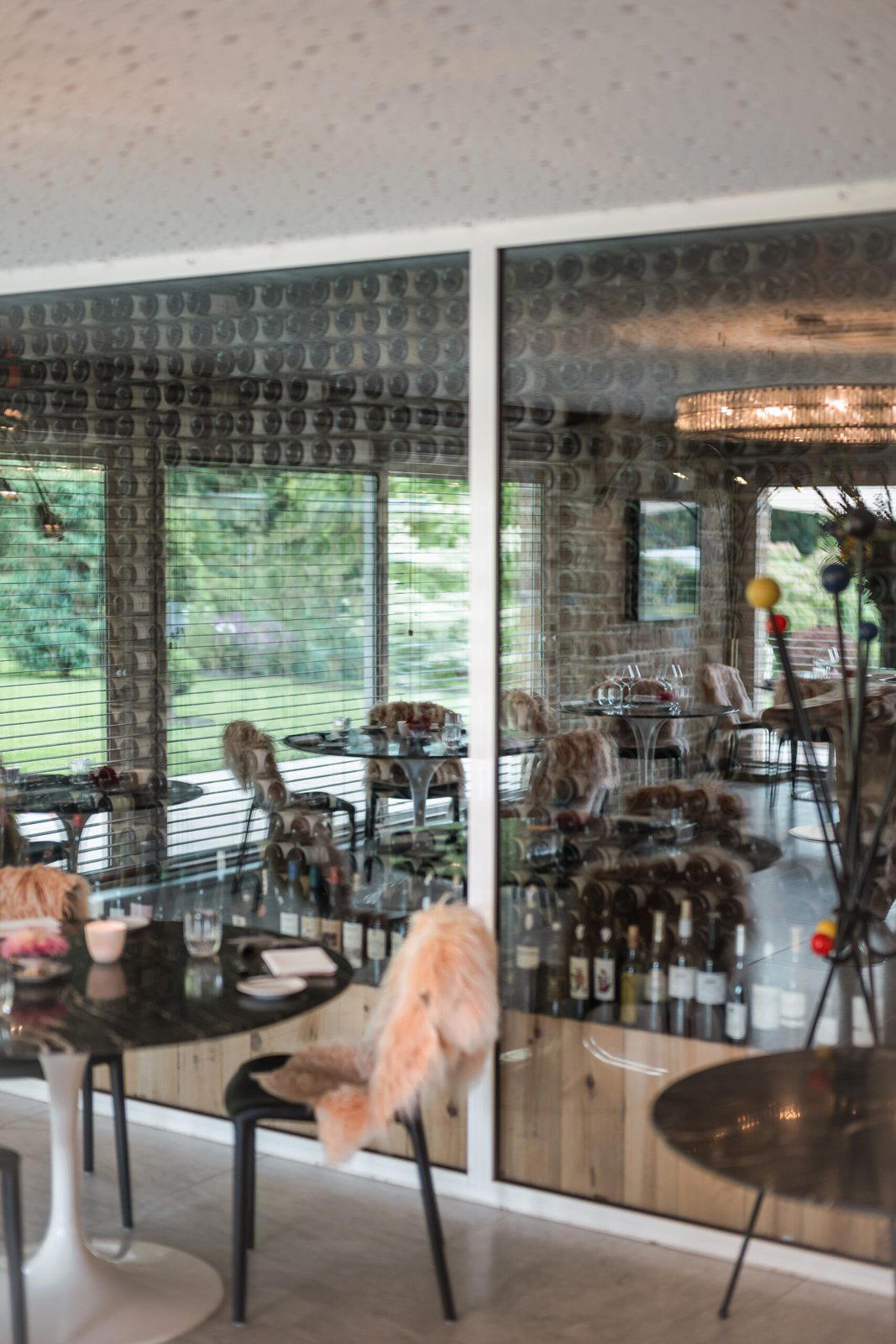
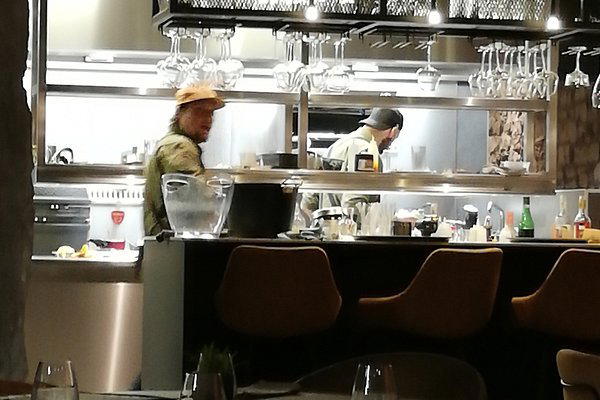
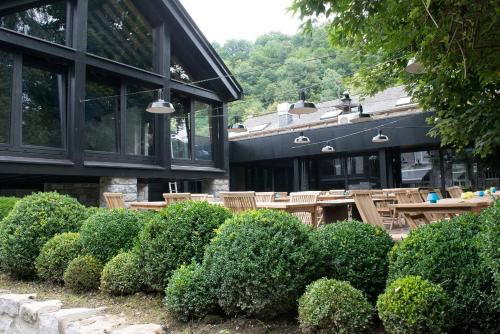
Refined yet warm atmosphere blending rustic stone architecture with modern minimalist décor; intimate indoor dining with open kitchen concept and charming outdoor terrace.