Domaine du Château de Modave occupies a seventeenth-century castle complex in the Hoyoux valley, positioning it among Belgium's most architecturally layered château stays outside the Ardennes tourist circuit. Advance planning is advisable given the limited regional accommodation at this level.

Pearl is the En Primeur Club membership app, where members save venues, book tables and use the concierge.
Stone, Scale, and the Architecture of Belgian Châteaux
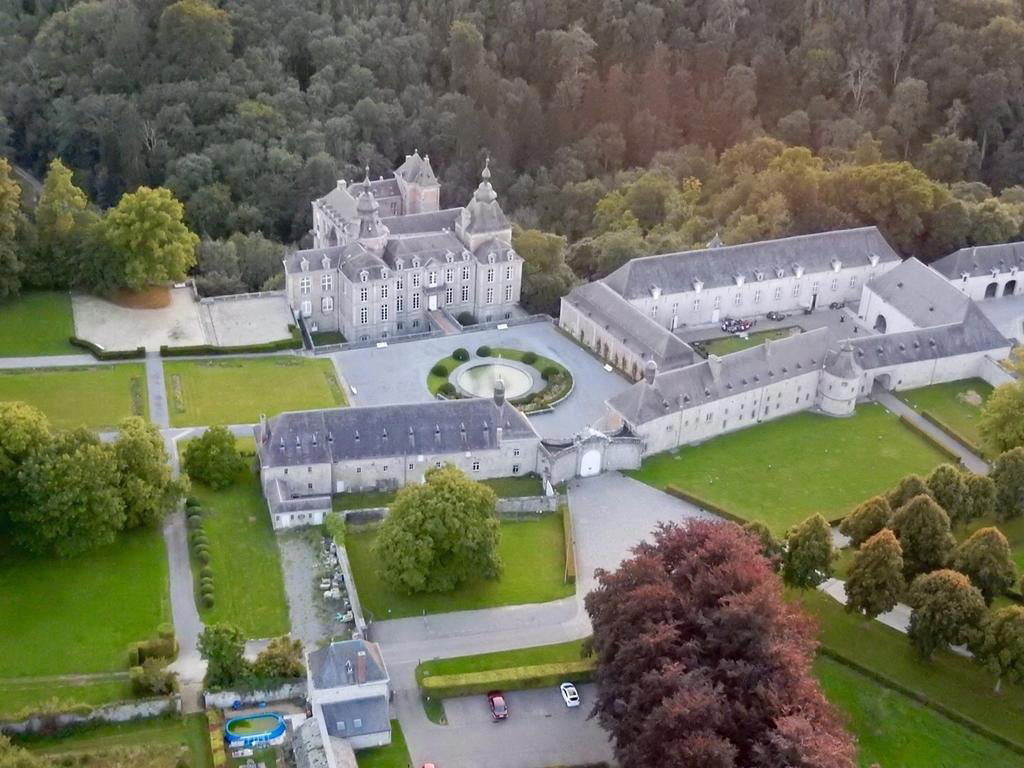
Belgium's château accommodation sits in a distinctive category: properties where the building itself is the primary argument for the stay, and where the surrounding landscape functions less as amenity than as historical context. The Hoyoux valley in the province of Liège concentrates several of these properties, but the sheer physical presence of the castle at Modave, a seventeenth-century limestone complex set on a rocky promontory above the river, places it in a smaller subset where architectural ambition and natural drama converge. Approaching along the valley road, the silhouette of towers and steep rooflines appears before the village does, which is itself an architectural statement about how these structures were originally positioned: not integrated into their communities, but placed above them.
Domaine du Château de Modave addresses one of the more persistent tensions in heritage hospitality across the Wallonia region: how to make a monumental historic structure function as a guest experience without stripping it of the material qualities that justify the visit in the first place. The properties that manage this well, and Chateau de Vignée in Rochefort is a comparable reference point in the same region, tend to keep intervention minimal and let the stonework, ceiling height, and original proportions carry the atmosphere. The ones that struggle either over-restore toward sterility or under-invest until discomfort overwhelms character.
The Physical Fabric: What the Architecture Communicates
The castle at Modave dates substantially from the 1650s and 1660s, a period when the Louis XIV style was beginning to influence Walloon noble architecture, grafting French classical order onto earlier medieval defensive structures. What results is a building that reads differently from different angles: from the valley below, it retains the mass and verticality of a fortified residence; from the interior courtyards, the symmetry and dressed stonework reflect the ambitions of its seventeenth-century commissioners toward something more palatial. This dual character, fortress and manor simultaneously, is the architectural condition that defines the experience of being inside it.
Among the interior elements documented in public architectural records, the Modave castle is particularly noted for its plaster ceiling work, attributed to Jean-Christian Hansche, a craftsman whose stucco ceilings also appear in other Belgian noble residences of the period. This places the property in a specific art-historical register: not just a château that happens to be old, but a documented example of seventeenth-century decorative craft at a specific moment in its regional diffusion. For visitors with an interest in baroque interior arts, this is contextual weight that few comparable properties in Belgium carry with the same specificity. In the tier of château properties across the Ardennes and Meuse valley, which also includes Kasteel van Ordingen in Sint-Truiden, the quality of period interior detailing is what separates architecturally significant stays from those that simply occupy old buildings.
Regional Position and the Château Stay Category
Modave sits in the broader Condroz plateau, roughly equidistant between Liège and Namur, in a part of Belgium that receives significantly less international tourism than Bruges, Brussels, or the more heavily marketed sections of the Ardennes. This matters for how the château experience registers: there is no surrounding visitor infrastructure to soften or distract from the property itself, which intensifies the sense of arrival but also means guests should plan provisions and logistics in advance. The town of Modave is small; the property is, in effect, its own environment.
Within Belgium's wider luxury accommodation map, the château category competes differently than urban hotels. Properties like Domaine La Butte aux Bois in Lanaken or the city-centre options, Le Louise Hotel Brussels, Corinthia Grand Hotel Astoria Brussels, or Radisson Collection Hotel, Grand Place Brussels, offer the conveniences of urban positioning. A château stay trades those conveniences for something that cannot be manufactured: the physical experience of occupying a structure that has resisted several centuries. That trade-off is not for every traveller, but for those who make it deliberately, the Hoyoux valley context around Modave makes the argument clearly.
For visitors arriving from Brussels, the drive south through Namur takes approximately ninety minutes, depending on route. Those coming through Liège have a somewhat shorter approach. Neither city lacks for accommodation options at various price points, Hotel Agora Brussels Grand Place and Pestana Brussels Schuman represent different positionings in the capital, making a combined itinerary practical for visitors who want to anchor city time before moving into the countryside. See our full Modave restaurants guide for dining context in the surrounding area.
How Modave Compares Within the Château Category Internationally
Placed against the international field of castle-to-hotel conversions, the Modave property operates in a register distinct from, say, the highly amenitised Italian approach represented by Castello di Reschio in Lisciano Niccone, or the palace-hotel model found at Badrutt's Palace Hotel in St. Moritz or Hôtel de Paris Monte-Carlo. Those properties layer contemporary hospitality services over historic shells in a way that produces a recognisable luxury-hotel experience; the architecture is backdrop. At Modave, the relationship between building and experience is less mediated: the structure is the subject. That orientation puts it closer in spirit to properties like B&B; The Verhaegen in Ghent, where the historic fabric of the building remains legible rather than smoothed over, even if the scale differs considerably.
Visitors expecting the calibrated consistency of international groups, the service rhythms of an Aman Venice or the urban polish of Cheval Blanc Paris, will find Modave operates on different terms. That is not a deficit; it reflects a different hospitality philosophy, one where the building's material authenticity takes precedence over service-layer refinement. Whether that trade-off suits a given traveller depends entirely on what they are asking the stay to deliver.
Planning the Visit
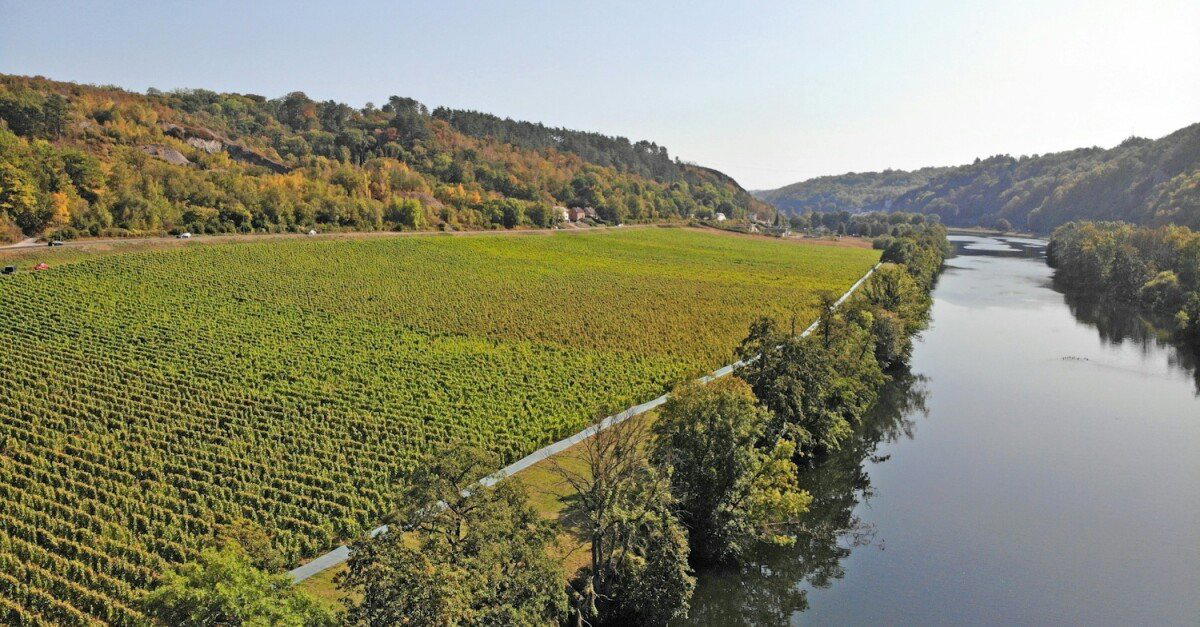
Given Modave's position in a largely rural commune with limited onsite amenity infrastructure, advance planning around dining, transport, and activity is more important here than at urban or resort properties. The spring and early summer months tend to offer the most legible version of the Hoyoux valley setting, with the surrounding woodland in foliage and the river at a photogenic level. Winter visits carry a different atmosphere, the stone interiors read more intensely when the outside temperature reinforces the thickness of the walls, but require greater self-sufficiency from guests.
Comparison Snapshot
| Venue | Price | Awards |
|---|---|---|
| Domaine du Château de ModaveThis venue (the venue you are viewing) | Not listed | Not listed |
| Hotel Amigo, a Rocco Forte Hotel | $300–500 | 1 Michelin Key · La Liste Top Hotels |
| Hotel Heritage | Not listed | Michelin Selected · Relais Chateaux Award |
| Juliana Hotel Brussels | Not listed | 2 Michelin Keys · Forbes Recommended |
| Kasteel van Ordingen | $100–200 | 1 Michelin Key · Relais Chateaux Award |
| Steigenberger Wiltcher's | $300–500 | Michelin Selected · La Liste Top Hotels |
Continue exploring
More in Modave
Hotels in Modave
All hotels in Modave →
Bars in Modave
Browse all →

Details
- Elegant
- Romantic
- Scenic
- Classic
- Romantic Getaway
- Weekend Escape
- Anniversary
- Historic Building
- Garden
- Wi Fi
- Room Service
- Concierge
- Parking
- Garden
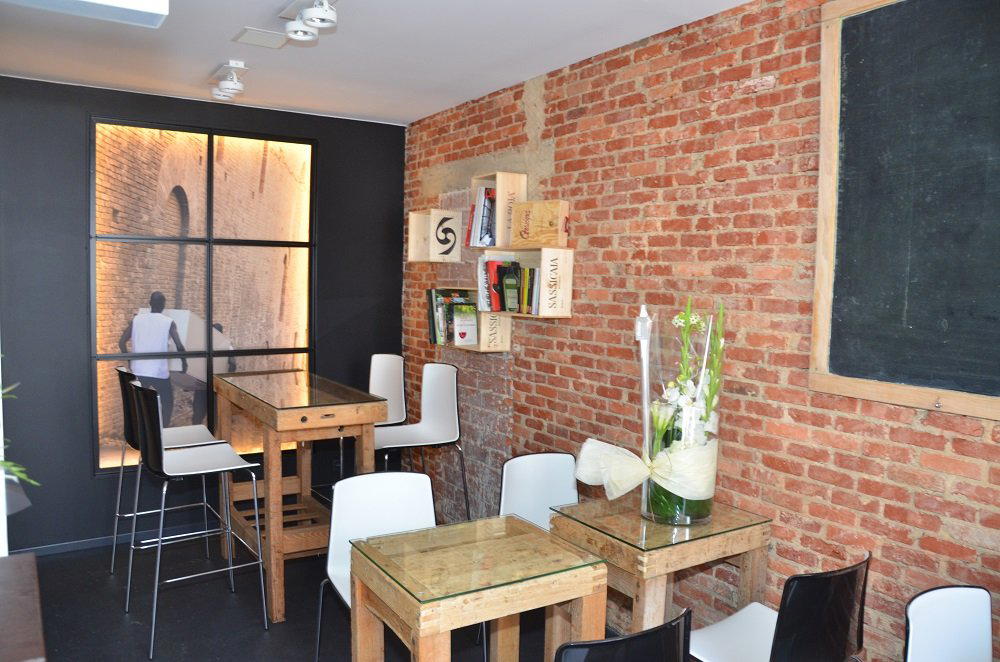
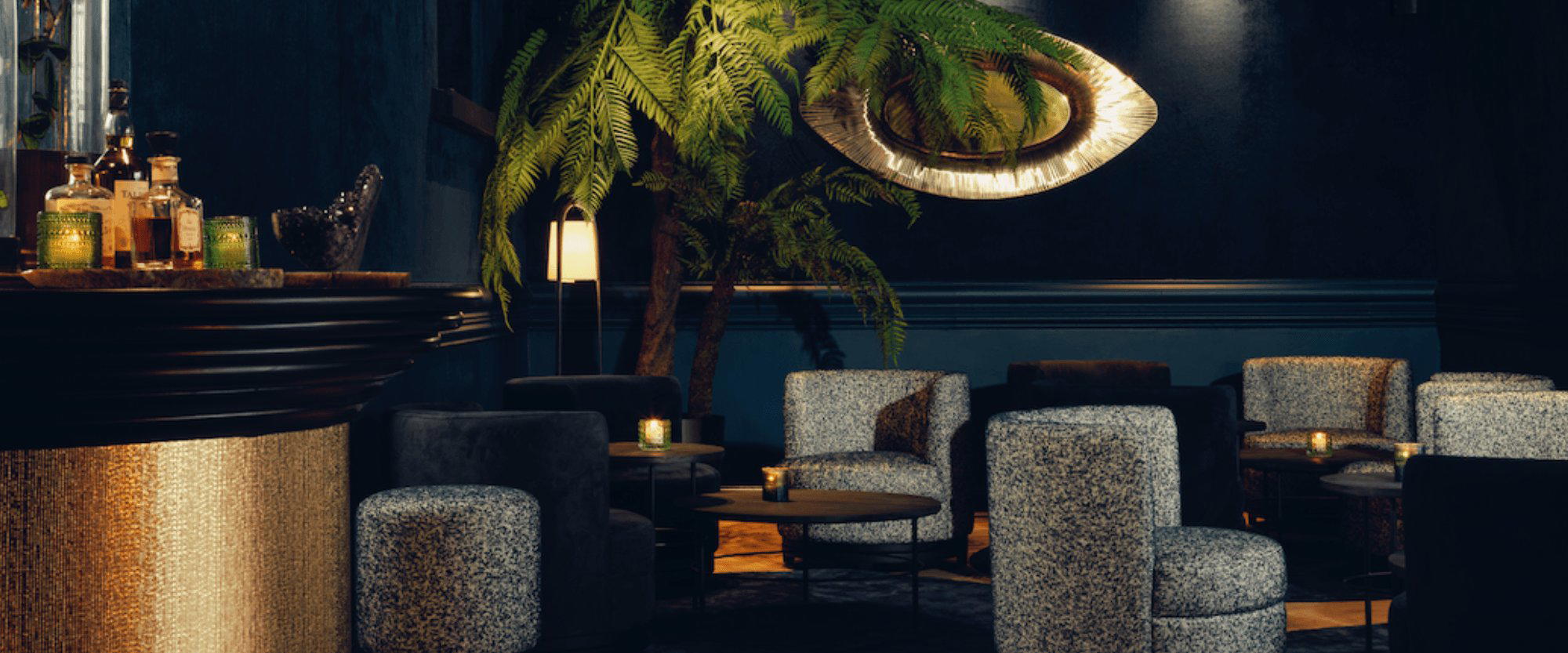
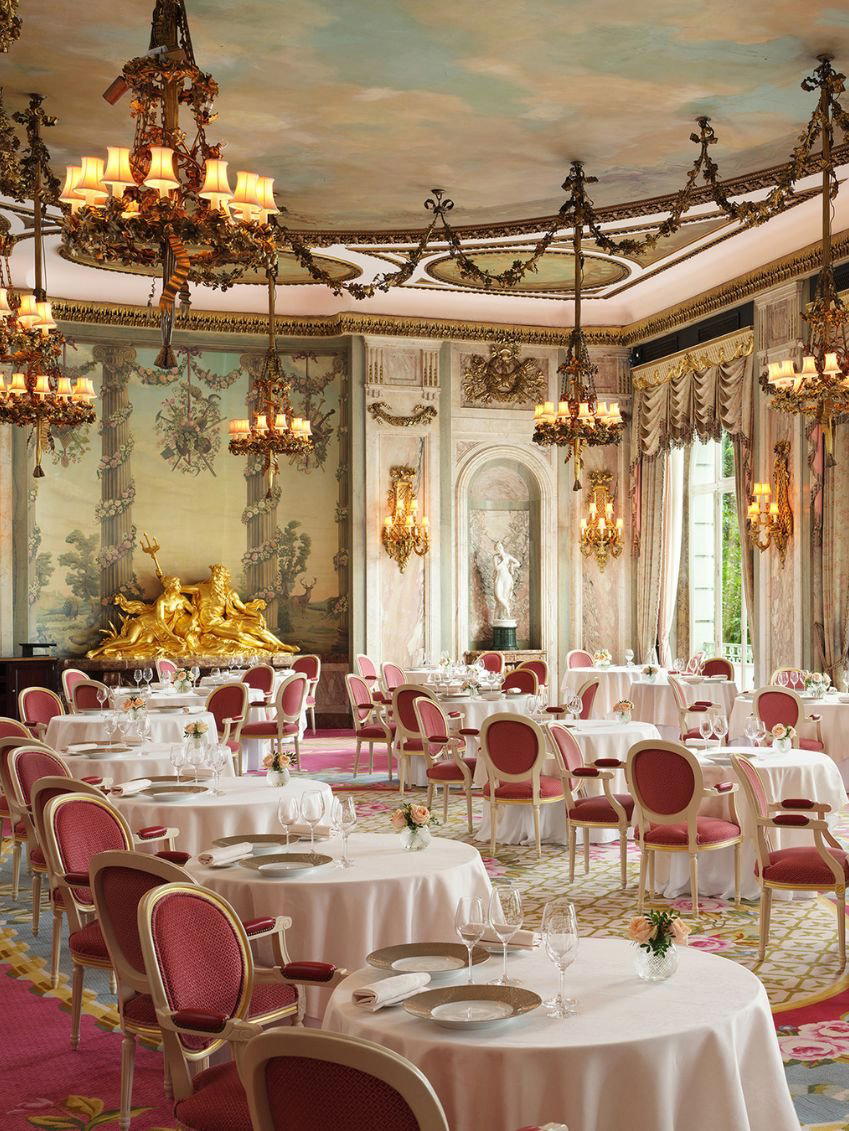
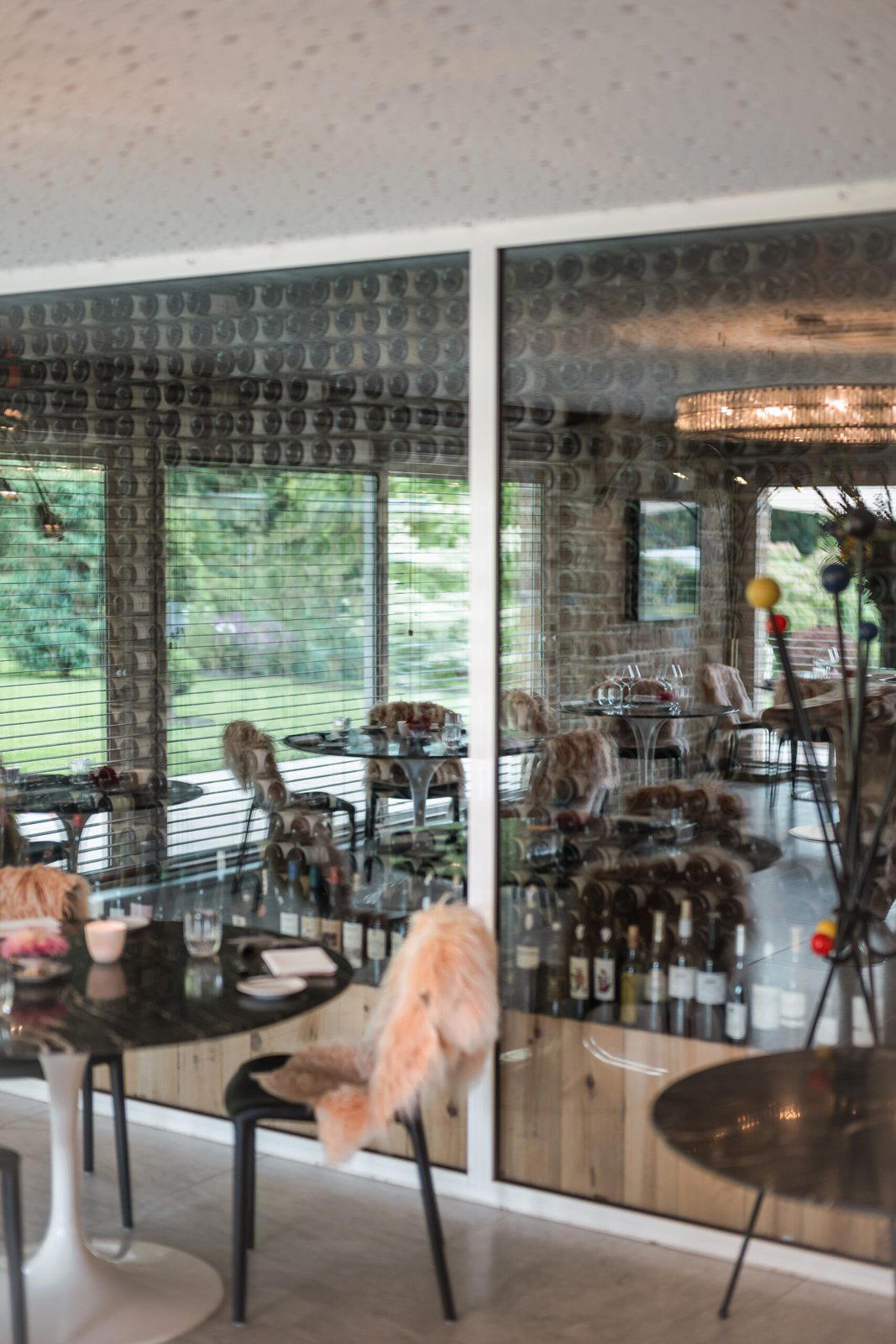
Elegant and serene atmosphere in a restored historic castle surrounded by picturesque countryside and gardens.