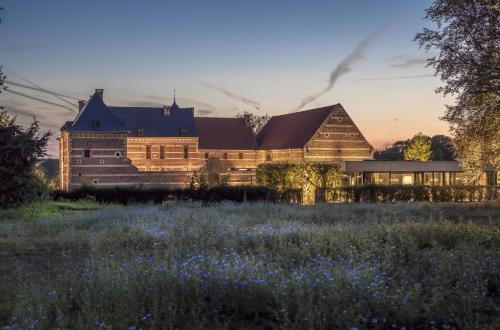
On Bergstraat in Hoeselt, at the northern edge of the Haspengouw agricultural plateau, Kampernoelie occupies the quiet, ingredient-anchored register that defines serious Belgian regional dining. The village setting, roughly midway between Hasselt and Tongeren, places the kitchen within direct reach of the stone fruit orchards and asparagus fields that supply the best Limburg tables. Worth the drive for those who treat sourcing as the central argument.
 Discover on Pearl
Pearl is the En Primeur Club membership app — saves, bookings, and concierge access live there. Same editors, same standards.
- Address
- Bergstraat 55, 3730 Bilzen-Hoeselt, Belgium
- Phone
- +32478535464
- Website
- kampernoelie.com
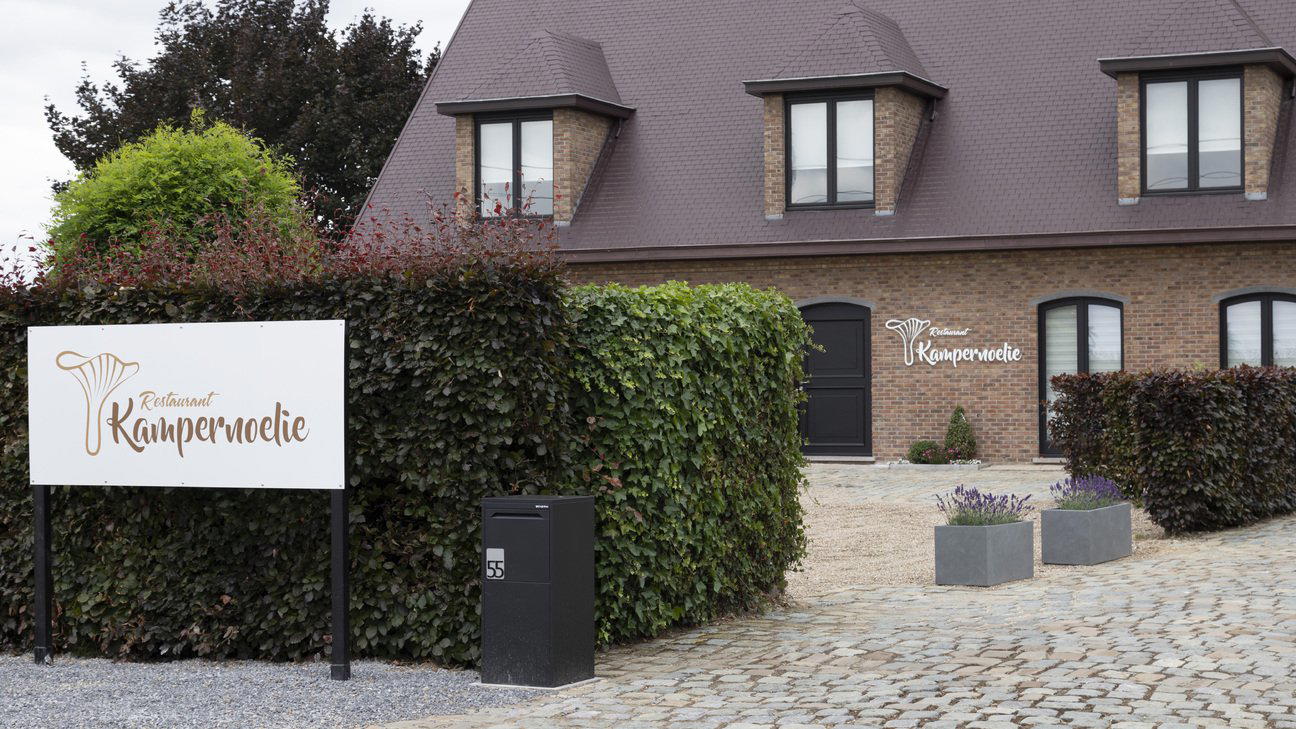
Limburg's Quiet Agricultural Belt, at the Table
The drive into Hoeselt sets expectations before you arrive. This corner of Belgian Limburg sits between Hasselt and Tongeren in a stretch of country that has supplied regional kitchens with soft fruit, asparagus, and grain for generations. The land is productive and unhurried, and the restaurants that take root here tend to reflect that, ingredient-led, seasonally anchored, operating without the performance pressure of a city address. Kampernoelie is a restaurant in Hoeselt, Belgium, at Bergstraat 55, with a Google rating of 4.7 from 207 reviews and an approximate price of $70 per person. It occupies exactly this kind of position: a Limburg table where the sourcing question matters as much as the cooking method.
Where Flemish Ingredient Culture Runs Deepest
Belgian fine dining has long split along a recognizable fault line. The Brussels and Antwerp contingent, places like Zilte in Antwerp and Bozar Restaurant in Brussels, operates in an urban register, where the theatre of service and the density of a wine list become part of the offering. The regional Flemish table works differently. Distance from the city means closer proximity to farms, orchards, and small producers who rarely supply metropolitan kitchens. Limburg's hagelslag cherries, Haspengouw apples, white asparagus from the sandy loam around Sint-Truiden, these are not imported credentials but literal neighbours.
This is the context in which Kampernoelie makes most sense. In a province where agricultural identity is part of daily life rather than a marketing posture, restaurants that anchor to local sourcing are not making a statement so much as following the logic of where they are. The same current runs through much of Belgium's regionally serious dining, from Willem Hiele in Oudenburg, where the North Sea coastline is the sourcing framework, to Hof van Cleve in Kruishoutem, which has spent decades building its identity around Flemish agricultural produce at the highest level.
The Sourcing Logic of the Haspengouw Region
Haspengouw, the agricultural plateau stretching across southern Limburg and into Liège province, is one of the most fertile stretches of Belgium. Its loamy soils produce stone fruit, pears, and grain at a scale that makes it one of Europe's denser fruit-farming regions. For a kitchen in Hoeselt, sitting at the northern edge of this plateau, that geography is a practical asset. Seasonal windows here are specific: white asparagus runs from late April into June; strawberries peak in July; orchard fruit carries through autumn. A menu that takes the region seriously will move with those windows rather than paper over them with imports.
This is a different discipline from the Franco-Asian creative approach at L'air du temps in Liernu, or the coastal-sourced precision of Bartholomeus in Heist. Each represents a regional sourcing logic specific to its geography, the Namur countryside, the North Sea, the Limburg plateau. What connects them is the argument that proximity to the source is itself a form of culinary authority, one that no amount of technique can fully substitute.
A Village Address in a Region That Rewards the Drive
Hoeselt is not a destination most visitors arrive at by accident. The village sits roughly equidistant between Hasselt (about 15 kilometres north) and Tongeren, Belgium's oldest city and a significant draw in its own right. Arriving by car from either direction takes you through landscapes that read as agricultural in the most literal sense: roadside farm stands, orchards in rows, occasional hop yards. The address on Bergstraat is residential-scale, which is characteristic of the serious regional Belgian table, no grand facade, no valet queue, simply a place doing careful work in a setting that matches it.
For readers planning around the broader Limburg dining circuit, Kampernoelie sits naturally alongside De Weijers Hoven, also in Hoeselt, and connects to the wider network covered in our full Hoeselt restaurants guide. The region rewards building an itinerary rather than treating any single table as a day trip from Antwerp or Brussels.
The Broader Belgian Regional Moment
Belgium's serious regional dining has become more coherent as a category in the past decade. Places like Boury in Roeselare, De Jonkman in Sint-Kruis, and Castor in Beveren have demonstrated that the distance from Brussels or Antwerp is not a handicap. In some respects it functions as a filter: the guests who make the drive are specifically interested, and the kitchen is freed from the ambient pressure of a city dining scene to focus on what it is actually doing. The Walloon counterparts, La Table de Maxime in Our, d'Eugénie à Emilie in Baudour, La Durée in Izegem, and Le Chalet de la Forêt in Uccle, confirm that this pattern runs across the country's linguistic divide. Maison Colette in Tongerlo, a near neighbour in provincial terms, sits in the same regional register.
For reference, the ambition level that Belgian regional dining can reach is visible in what has been achieved internationally by kitchens with deep sourcing discipline, a comparison point being Le Bernardin in New York City or Atomix in New York City, both of which have built international recognition on ingredient sourcing as a philosophical foundation, even if the culinary register differs entirely from a Limburg village table.
Planning Your Visit
Kampernoelie is located at Bergstraat 55 in Hoeselt, in the Bilzen-Hoeselt municipality. Given the village setting and the region's agricultural calendar, visiting between late spring and autumn aligns leading with the sourcing logic that defines this style of Belgian regional cooking, the months when Haspengouw produce is at its most specific and the drive through Limburg's orchards carries its own seasonal argument.
Fast Comparison
Comparable venues nearby, for context on price, style, and recognition.
| Venue | Cuisine | Price | Awards | Notes |
|---|---|---|---|---|
| KampernoelieThis venue — the venue you are viewing | Refined Belgian-French Fine Dining | $$$ | , | |
| De Weijers Hoven | Refined Regional Belgian Gastronomy | $$$ | 1 recognition | Hoeselt |
| Corneille | Belgian & French Grande Cuisine | $$$ | , | Genk |
| La Bonne Vie | French Fine Dining | $$$ | , | Stevoort |
| Murmure | Bistronomic French | $$$ | , | Verviers |
| Le Saint-Germain | Refined French Bistro | $$$ | , | Bastogne |
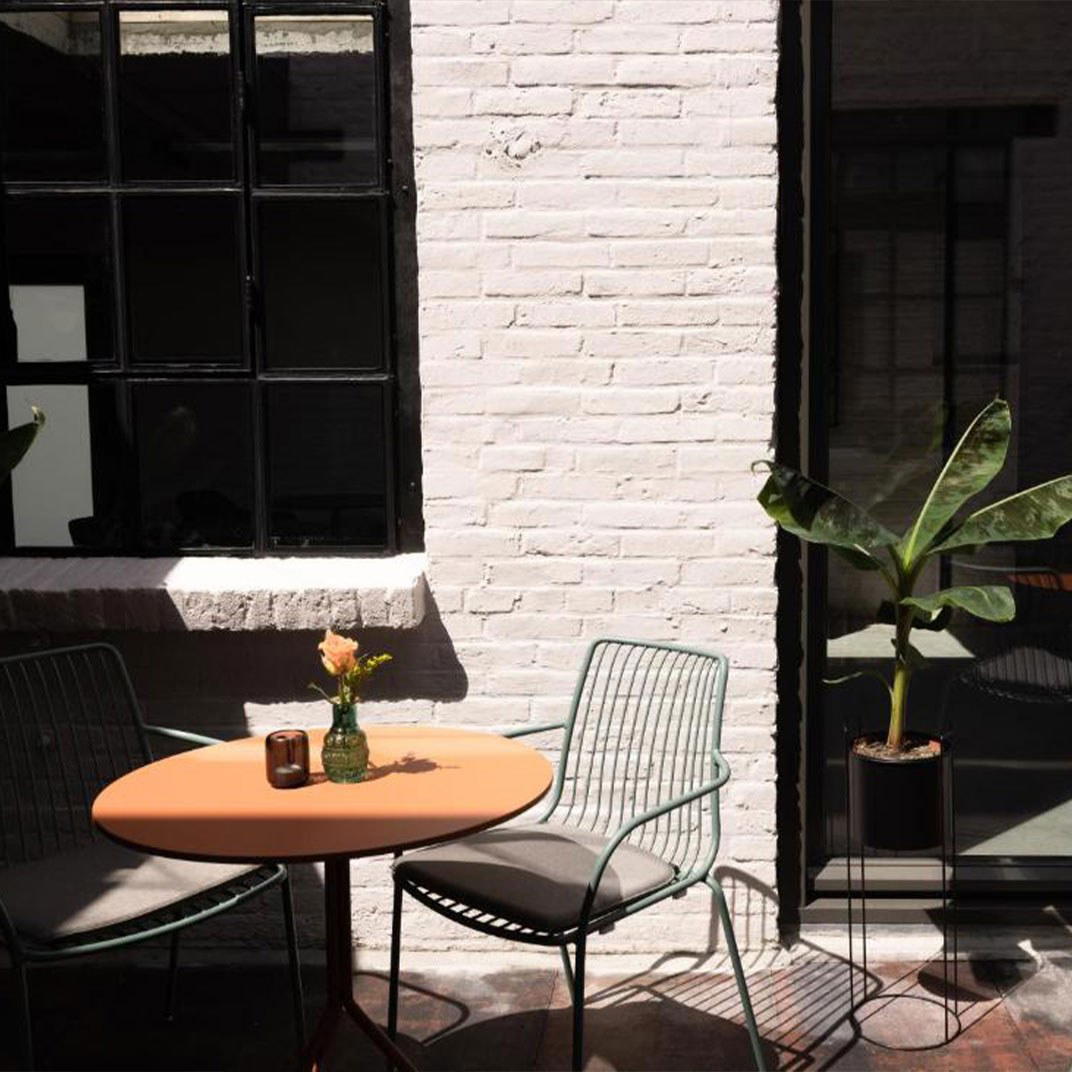
At a Glance
- Romantic
- Cozy
- Elegant
- Date Night
- Special Occasion
- Terrace
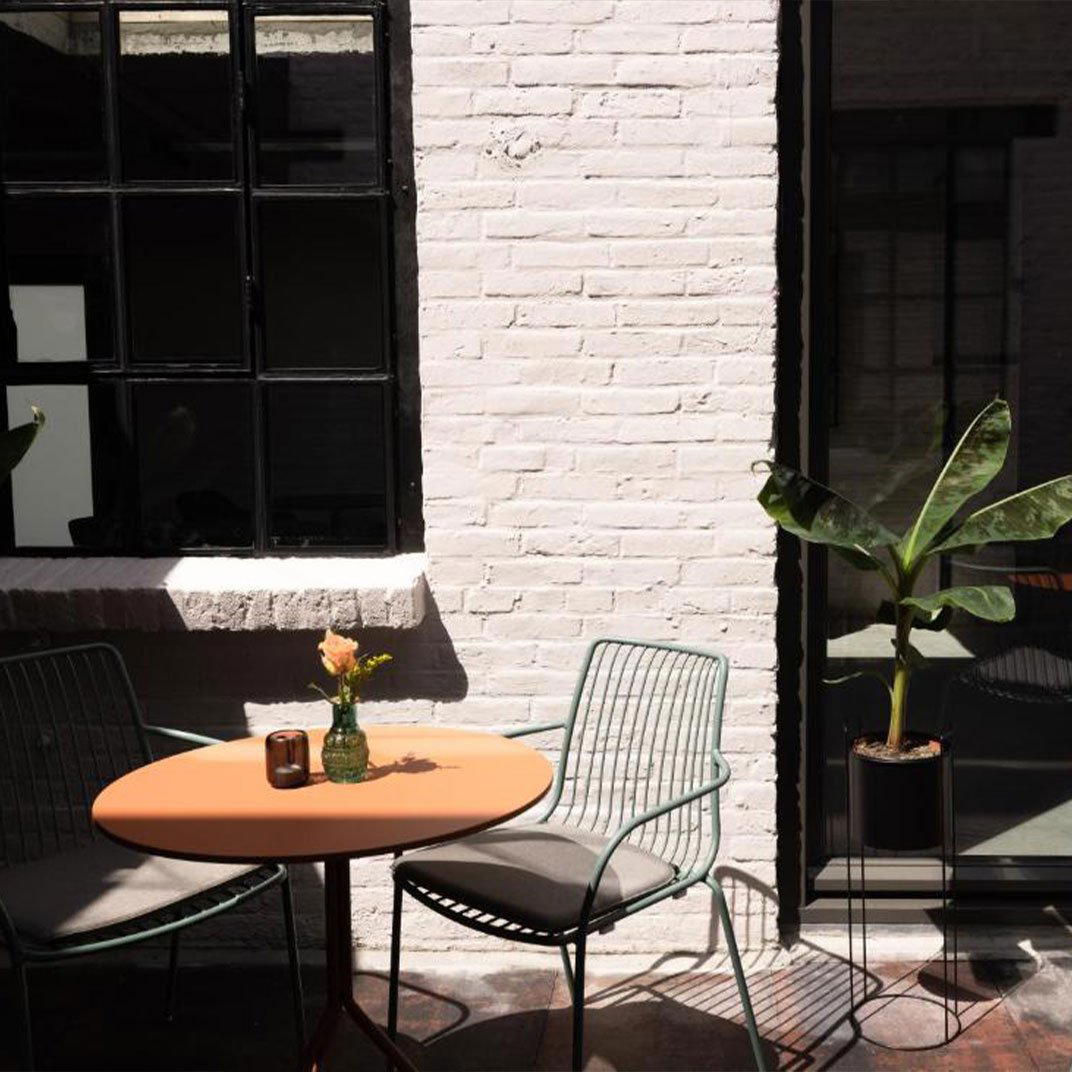
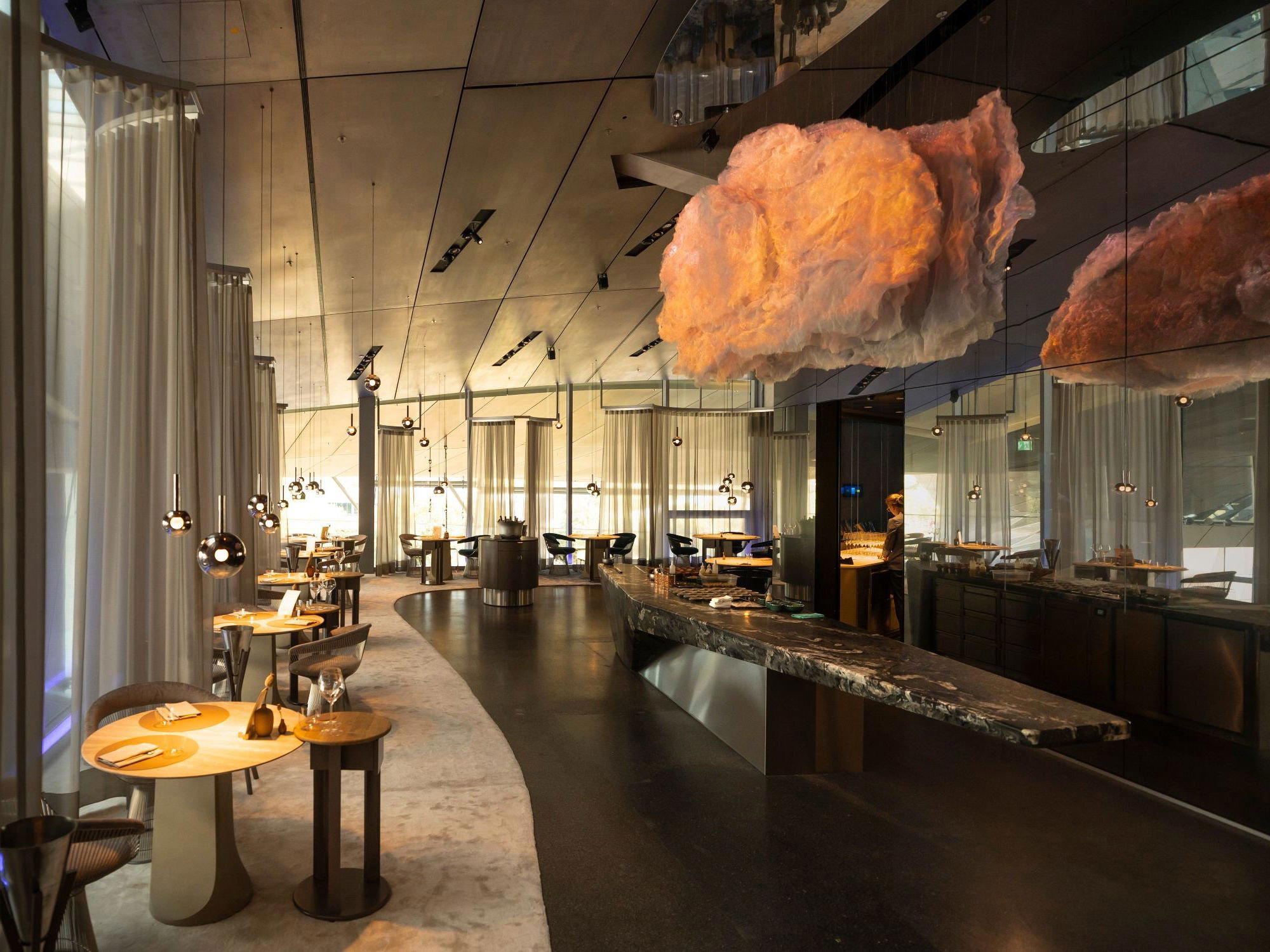
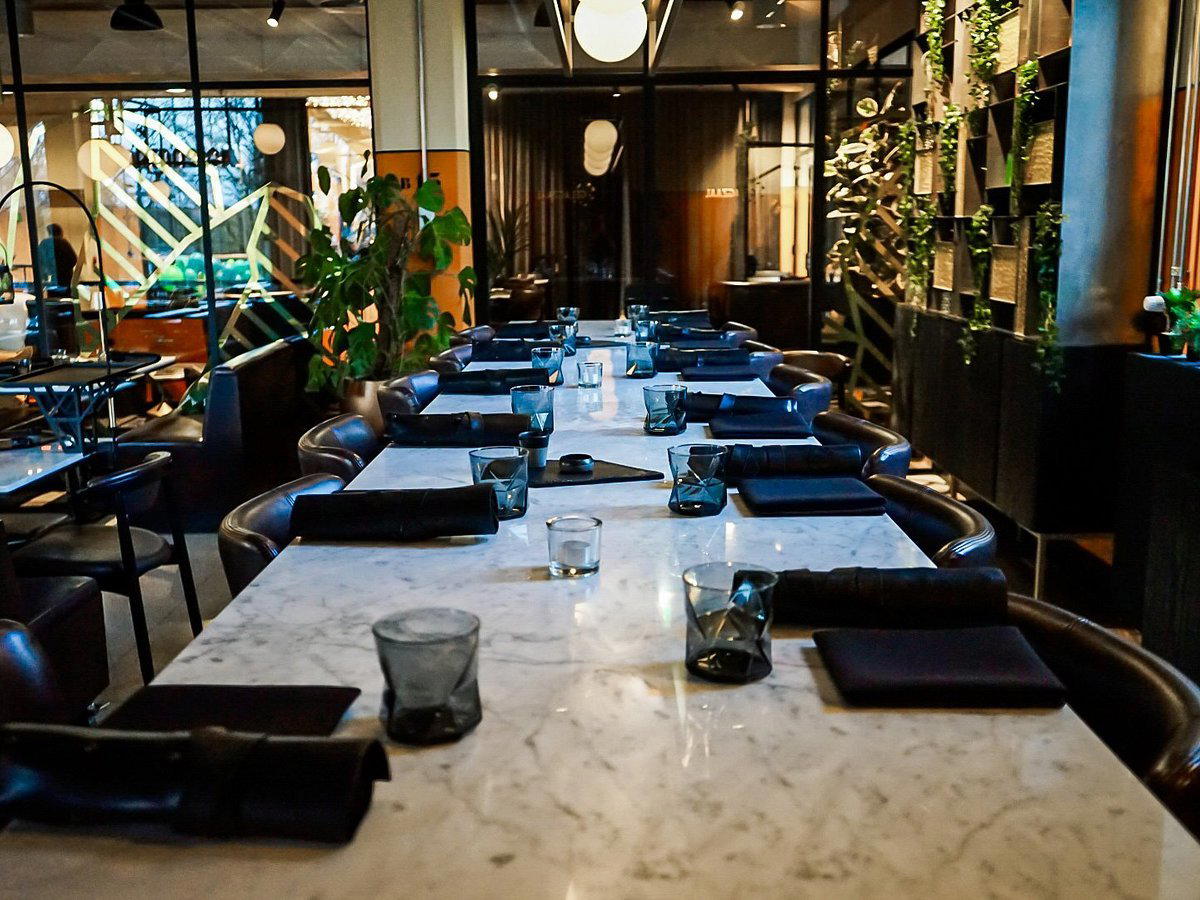
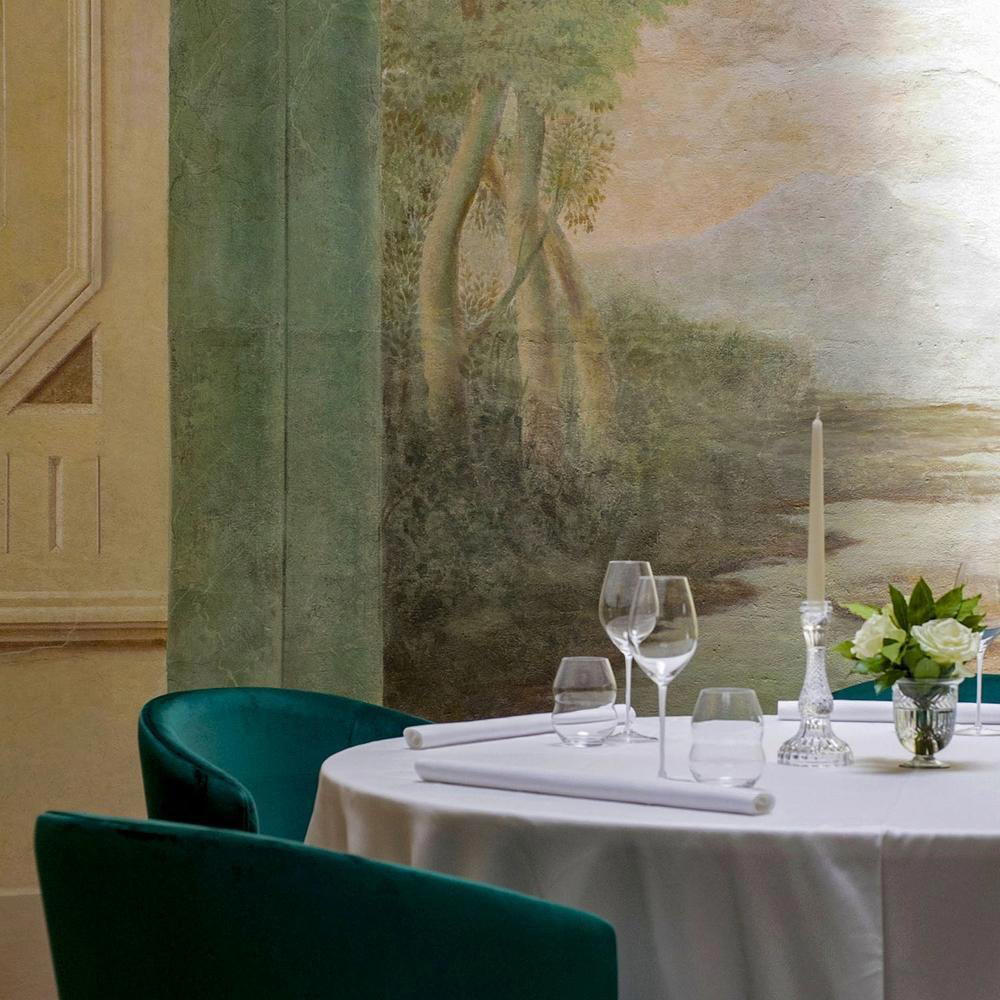
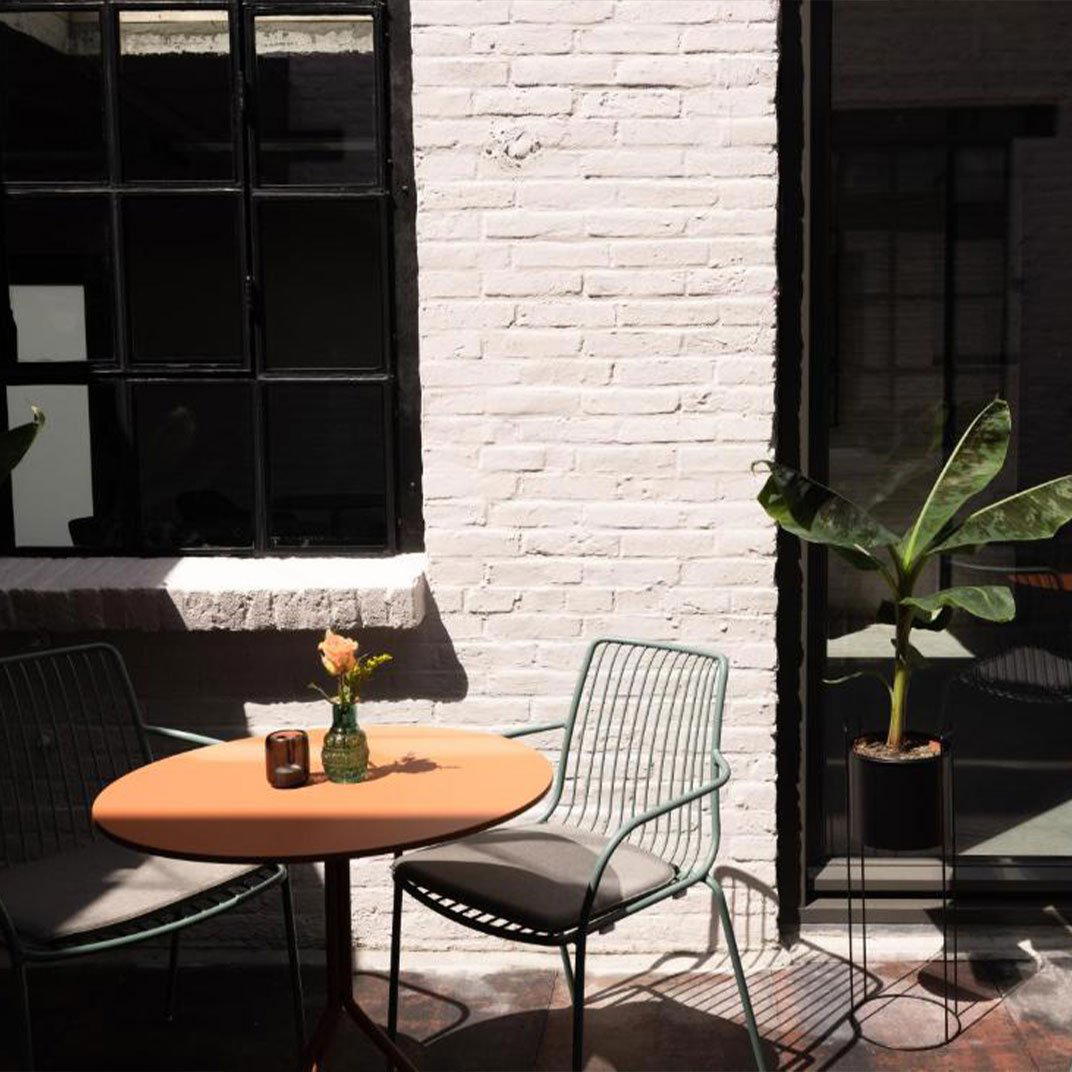
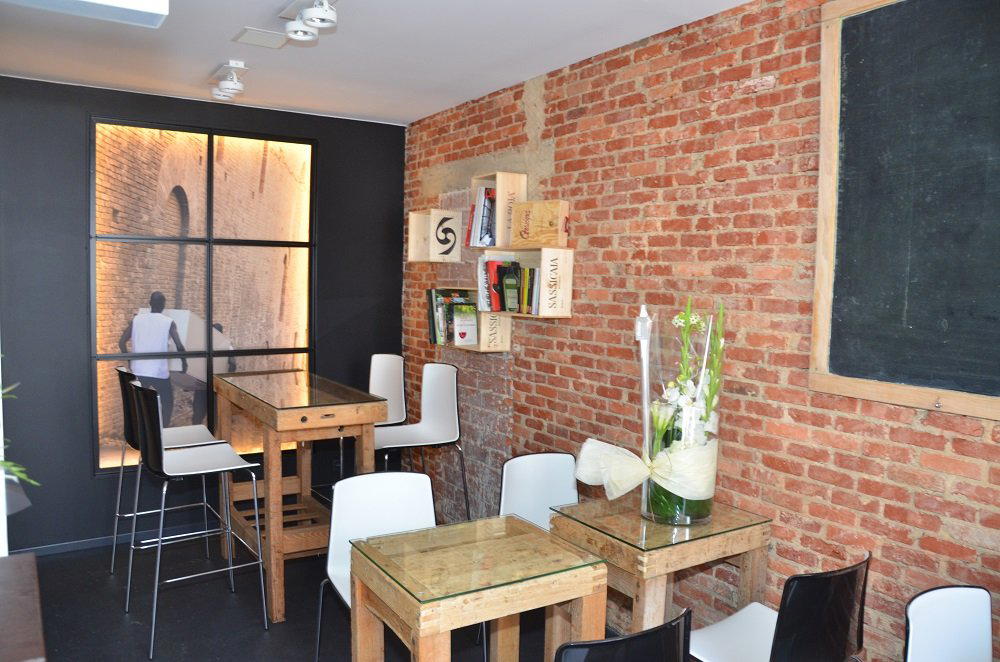
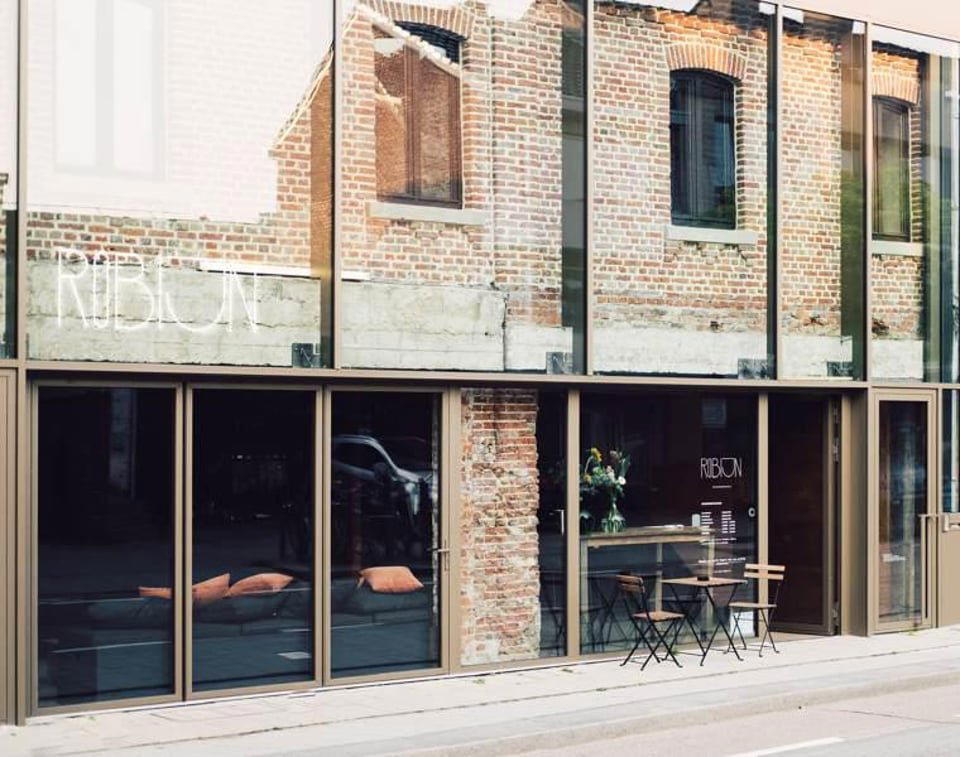
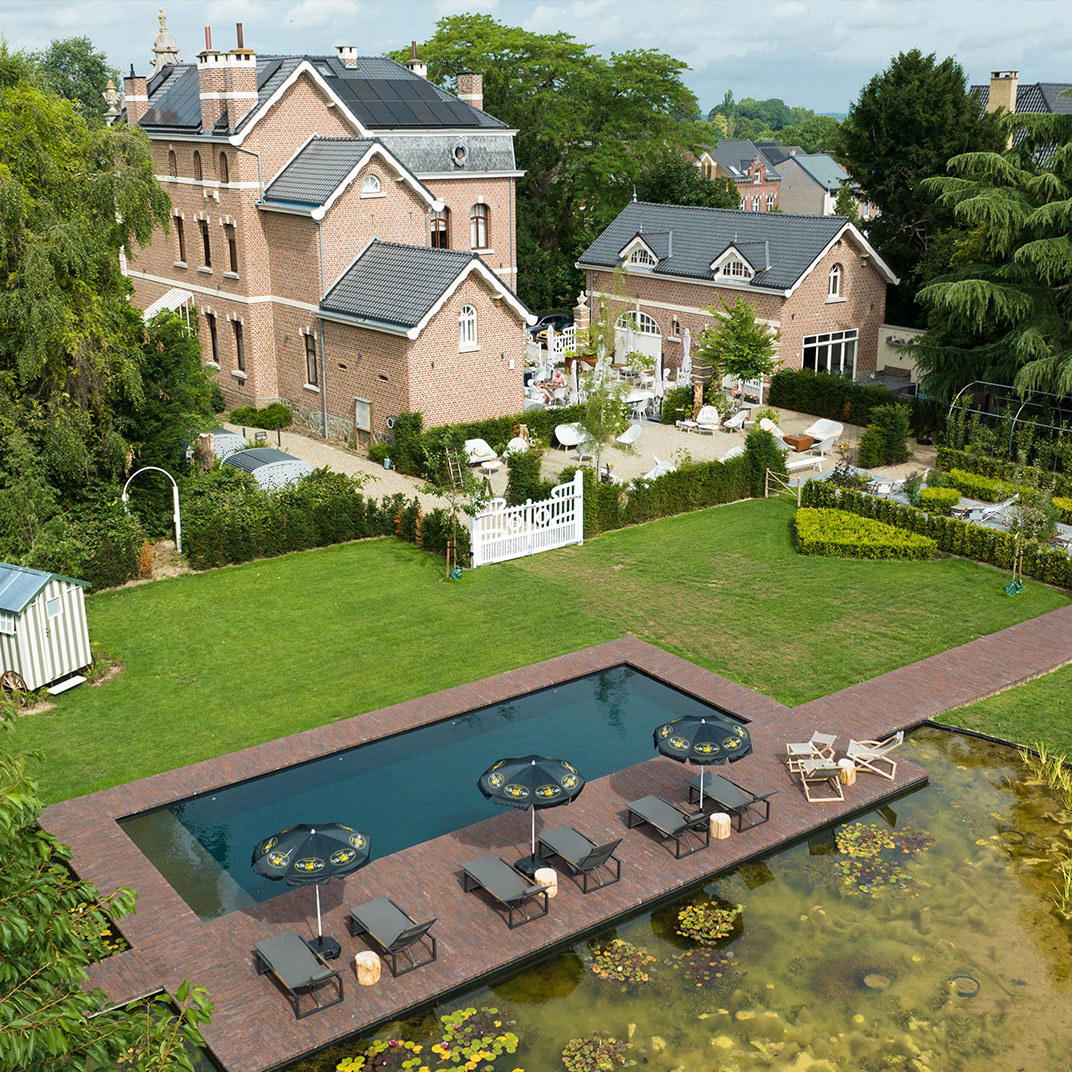
Welcoming and romantic atmosphere with a homey feeling, featuring air-conditioned comfort and terrace options.