Our verdict
Ừm Bò Restaurant sits on Lạch Tray Street in Haiphong's Ngô Quyền district, serving beef-focused Vietnamese cooking in a city where the port tradition of hearty, ingredient-led meals runs deep. The address places it within reach of the city's residential dining belt, away from the tourist circuit, and the name itself, ừm bò, a colloquial reference to slow-simmered beef, signals the kitchen's orientation toward long-cooked, source-dependent dishes.

Pearl is the En Primeur Club membership app, where members save venues, book tables and use the concierge.
Haiphong's Beef Cooking Tradition and Where Ừm Bò Fits
Vietnam's northern port cities have always cooked differently from Hanoi and the south. Haiphong's food culture developed alongside its maritime economy: practical, protein-forward, less finessed in presentation than the capital but often more insistent on ingredient quality. Beef dishes in this tradition are not decorative. They depend on sourcing, the cut, the age of the animal, the fat distribution, in ways that a broth-based preparation will expose without mercy. A pho that falls flat in Hanoi can be masked by condiments; a slow-simmered bò kho or a braised short rib in Haiphong has nowhere to hide.
Ừm Bò Restaurant takes its name from that tradition. The word ừm in Vietnamese cooking refers to a slow, low-heat technique applied to tough cuts that need time to surrender, shanks, tendons, cartilage-rich portions that reward patience and punish shortcuts. That culinary logic places this kitchen squarely in the ingredient-sourcing school: the method only works if the raw material is right. In a city like Haiphong, where proximity to agricultural supply chains in the Red River Delta gives kitchens relatively direct access to beef from northern Vietnamese farms, that premise is at least geographically plausible. Whether Ừm Bò executes it with consistency is something the dining room itself will answer.
The Address and What It Tells You
The restaurant sits at 1 Ngõ 213 Phố Lạch Tray in the Ngô Quyền district, a residential-commercial neighbourhood that functions as Haiphong's everyday dining belt rather than its showpiece. Lạch Tray is a long arterial street that locals use; the ngõ (alley) address puts the restaurant one step off the main road, in the kind of tucked-away position that, in Vietnamese cities, usually signals a place built on repeat local custom rather than foot-traffic from visitors. That positioning matters for sourcing-oriented cooking: restaurants that survive on neighbourhood regulars rather than tourist turnover are typically more invested in consistency, because their audience comes back often enough to notice when it drops.
For visitors arriving from central Haiphong, the Ngô Quyền district is accessible by motorbike taxi or ride-hailing apps, the standard practical options in a city where Haiphong's public transport remains limited for cross-district travel. The alley address is the kind of detail worth confirming on a mapping app before you set out, as ngõ numbering in Vietnamese cities does not always follow intuitive logic from the main street.
For context on the wider Haiphong dining scene and how different neighbourhoods compare, see our full Haiphong restaurants guide.
Beef Sourcing and the Northern Vietnamese Supply Chain
The Red River Delta, which stretches south and west of Haiphong, has historically supplied Hanoi and the port cities with both wet-market produce and livestock. Northern Vietnamese beef tends toward leaner profiles than the cattle raised in the central highlands, and it is better suited to braising and slow-cooking than to high-heat applications like grilling or quick stir-fry. That regional characteristic is not incidental to a restaurant named for its slow-heat technique, it is the underlying logic. Kitchens that specialise in ừm-style cooking are, in effect, selecting for a supply chain that delivers the right cuts at the right stage of maturity.
Across Vietnam, the spectrum of beef-forward dining runs from street-side pho stalls and bún bò Huế shops at one end to modern interpretations at places like Akuna in Ho Chi Minh City, where sourcing transparency has become part of an innovative tasting format, and the Vietnamese contemporary approach at Gia in Hanoi, which repositions local ingredients within a refined framework. Ừm Bò sits in a different tier: neighbourhood-rooted, technique-specific, without the urban-fine-dining framing that characterises those southern and capital venues. That is not a criticism. It is a different relationship with the same raw material.
The comparison worth making internationally is with the bone-marrow and long-braise traditions in French brasserie cooking, venues like Le Bernardin in New York City demonstrate how single-protein focus can anchor an entire kitchen identity, even if the format and price tier are worlds apart. The underlying editorial principle is the same: commit to a sourcing logic, then build technique around it.
What the Dining Room Experience Suggests
A restaurant operating from an alley address on a residential Haiphong street, with a name that references a specific slow-cooking technique applied to beef, is most plausibly a mid-format neighbourhood venue: shared tables or close-set individual ones, a menu that is tight rather than encyclopaedic, and a kitchen structured around a small number of preparations executed with some repetition-built confidence. This is the format that dominates Haiphong's mid-tier dining, not the elaborate tasting formats found at La Maison 1888 in Da Nang, but also not the quick-turnover street stall model.
Vietnamese beef restaurants in this category typically run lunch and dinner services, with the slower-cooked items prepared in a morning batch that sells through by early evening. Arriving early in a dinner service, or timing a late lunch, tends to secure both the full menu and the best of what came out of the pot that day. This is a general characteristic of the format, not a confirmed operational detail for Ừm Bò specifically.
For other dining formats across Vietnam that approach sourcing and atmosphere from different angles, the range is considerable: White Rose in Hoi An demonstrates how ingredient specificity can define a restaurant around a single dish, while Bien 14 Seafood Buffet in Halong shows how proximity to supply, in that case, the bay, shapes an entirely different format. Duyên Anh Restaurant in Phu Vang offers another regional reference point for Vietnamese cooking that prioritises local produce over imported technique.
Planning a Visit
Ừm Bò Restaurant is located at 1 Ngõ 213 Phố Lạch Tray, Lạch Tray, Ngô Quyền, Haiphong. Given the alley address, it is worth mapping the route before arrival rather than relying on street-level navigation from Lạch Tray itself.
For those building a broader Haiphong itinerary, the Ngô Quyền district is well-positioned relative to the city's central areas. It is a neighbourhood that rewards exploratory eating rather than curated venue-hopping: the streets around Lạch Tray carry a density of local food options that makes it worth arriving hungry and leaving decisions partly to circumstance.
Frequently asked questions
Is Ừm Bò Restaurant a family-friendly restaurant?
The Ngô Quyền address on Phố Lạch Tray places this restaurant firmly in a residential-commercial neighbourhood where family dining is the norm rather than the exception. Beef-focused Vietnamese restaurants in these districts typically operate as casual, table-sharing venues without the dress codes or booking structures that would make them awkward for children.
What should I expect atmosphere-wise at Ừm Bò Restaurant?
The alley address, 1 Ngõ 213 Phố Lạch Tray, signals a neighbourhood venue oriented toward Haiphong locals rather than visitors passing through the city centre. Restaurants operating under technique-specific names in these residential Ngô Quyền streets tend to be functional and direct: communal seating, working-kitchen noise, and a crowd that knows what they came to eat.
How does Ừm Bò Restaurant differ from Hanoi's beef restaurants?
Haiphong's food culture developed through its port economy rather than the capital's court and bureaucratic traditions, which gives its beef cooking a more direct, working-city character than Hanoi's more celebrated phở institutions. Ừm Bò's residential address in Ngô Quyền district reinforces that positioning: this is neighbourhood cooking specific to a northern port city, not a tourist-facing interpretation of Vietnamese beef cuisine. For visitors coming from Hanoi, the comparison is instructive, same ingredient focus, noticeably different culinary context.
What should I order at Ừm Bò Restaurant?
The name points directly to the kitchen's focus: ừm is a northern Vietnamese slow-simmering method applied to beef, typically producing deeply reduced broths and tender cuts that have absorbed aromatics over long cooking times. In restaurants built around a single technique like this, the menu is usually narrow by design, ordering off the central beef preparations is the point of the visit.
Comparable Venues
Comparable venues nearby, for context on price, style, and recognition.
| Venue | Cuisine | Price | Notes |
|---|---|---|---|
| Ừm Bò RestaurantThis venue (the venue you are viewing) | Traditional Vietnamese Phở | $1–10 | Not listed |
| Le Pont Club | Seafood with Sunset Bay Views | Not listed | Cat Ba |
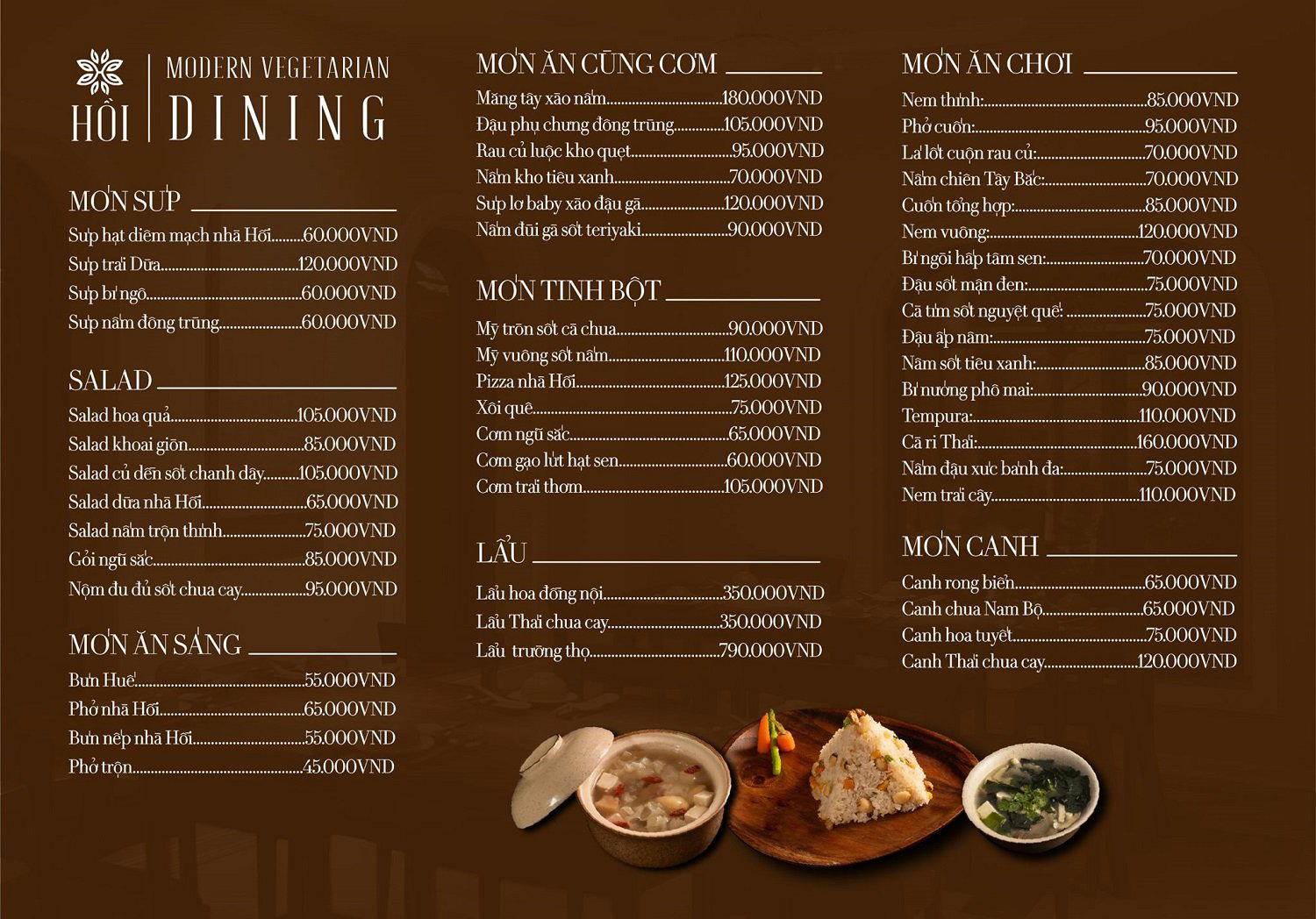
| Nhà Hàng Hồi Chay | Modern Vietnamese Vegetarian | $10–20 | Hong Hai |
| Madam Khanh The Banh Mi Queen | Hoi An Banh Mi | $1–10 | Minh An Ward |
| Banh Mi Huynh Hoa | Vietnamese Banh Mi | $1–10 | Bến Thành |
| The Hill Station Signature Restaurant | Authentic Sapa Ethnic Cuisine | Not listed | Sa Pa |
Continue exploring
More in Hai Phong
Restaurants in Hai Phong
All restaurants in Hai Phong →
Details
- Casual
- Rustic
- Casual Hangout
- Group Dining
- Standalone
- Local Sourcing
- A La Carte
- Family Style
- Soft Drinks
- Iced Tea
- Vegetarian Friendly
- Gluten Free Options
Current opening hours
- Monday
- 10 AM–10 PM
- Tuesday
- 10 AM–10 PM
- Wednesday
- 10 AM–10 PM
- Thursday
- 10 AM–10 PM
- Friday
- 10 AM–10 PM
- Saturday
- 10 AM–10 PM
- Sunday
- 10 AM–10 PM
Hours can change for holidays and private events. Hours as of .
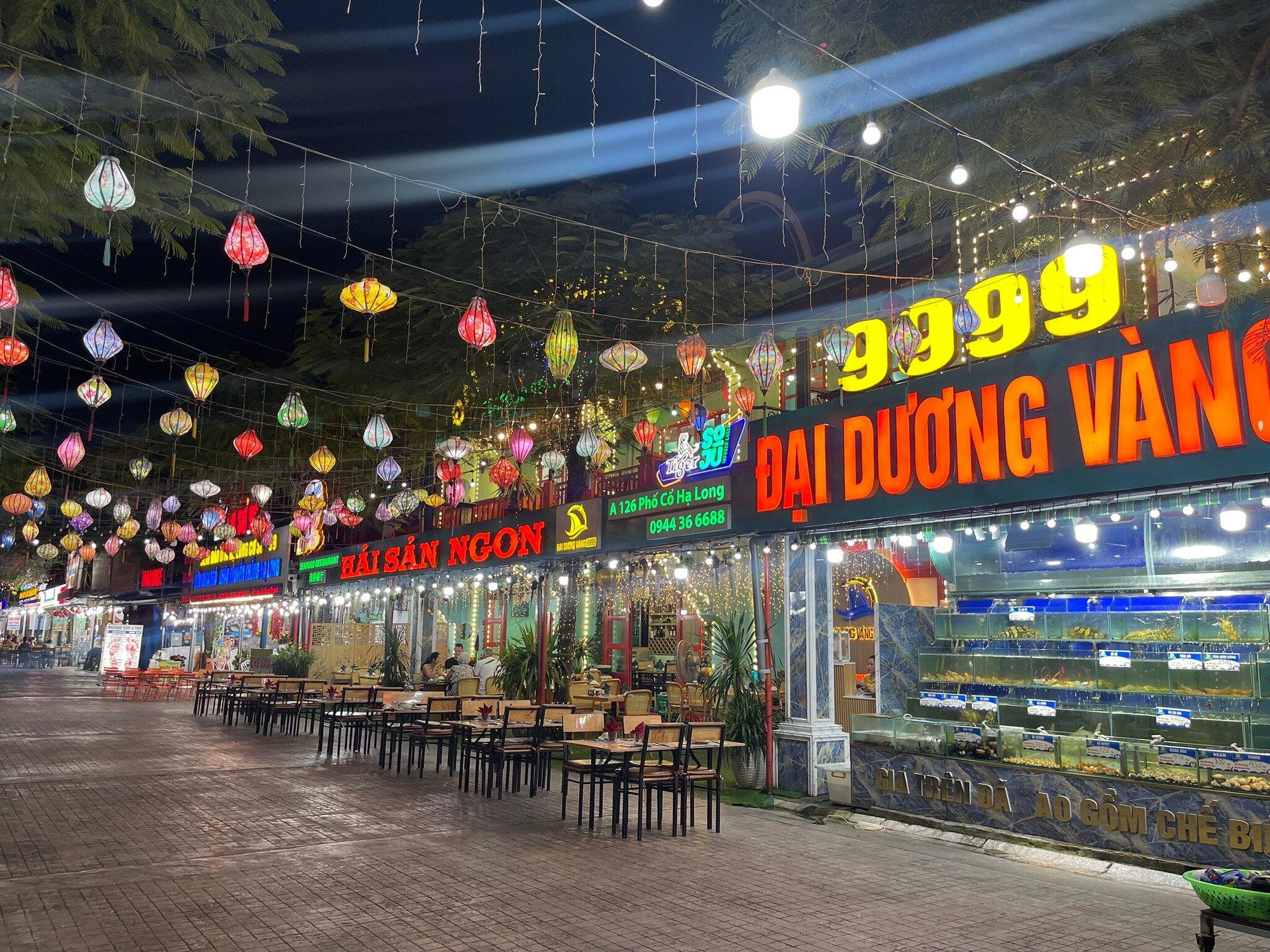
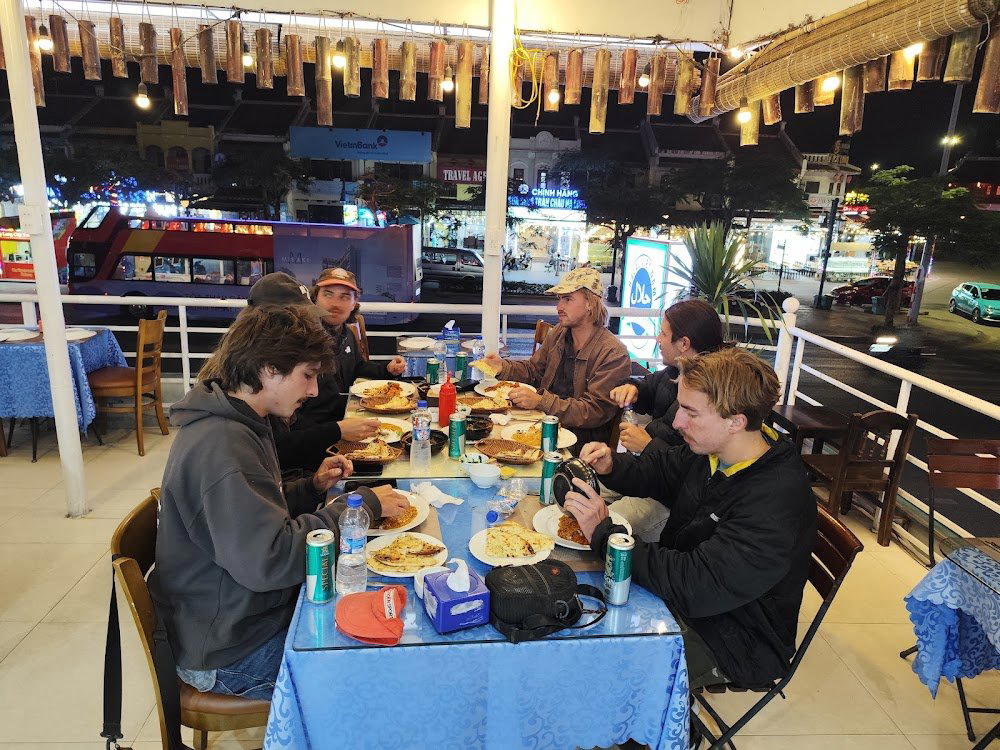
Casual, bustling local atmosphere with simple wooden furnishings and open kitchen views typical of traditional Vietnamese eateries.