
Nagoya’s French dining scene has moved beyond hotel formality and bistro nostalgia, with small rooms treating local seafood, wine, and counter seating as serious signals. le Lotus sits in that newer bracket: French and innovative cooking in Higashi-ku, selected for Tabelog French EAST 100 in 2025 and 2021, with a compact 26-seat format that suits business dinners and measured celebrations.
Pearl is the En Primeur Club membership app — saves, bookings, and concierge access live there. Same editors, same standards.
- Address
- 愛知県名古屋市東区泉3-23-20 グランエスポワール泉 1F
- Phone
- +81529081501
- Website
- le-lotus.jp
 Saves & bookings on Pearl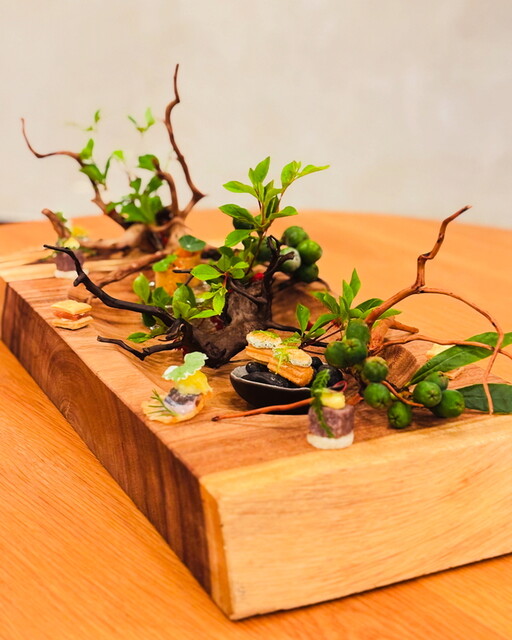
Izumi in Higashi-ku has the useful quiet of a neighbourhood that does not need to announce itself. The approach to le Lotus is low-key rather than theatrical, suiting Nagoya’s better contemporary dining rooms: less ceremony at the door, more attention to the meal once seated. In a city better known outside Japan for hitsumabushi, kishimen, miso katsu, and industrial wealth, French restaurants occupy a specific lane. They do not compete with Tokyo on scale; they work through intimacy, wine, produce, and Chubu pragmatism.
That context matters because French dining in Nagoya has never been only imported technique. The stronger rooms translate French grammar through Japanese seasonality and local expectations around pacing, privacy, and occasion. le Lotus is listed as French and innovative, with fish called out as a focus and wine as the natural drink register. Those details place it in an important contemporary category in regional Japanese cities: small-format French cooking, neither grand maison nor casual bistro, for diners who want technique without hotel-dining stiffness.
French technique, Nagoya restraint, and a room built for focus
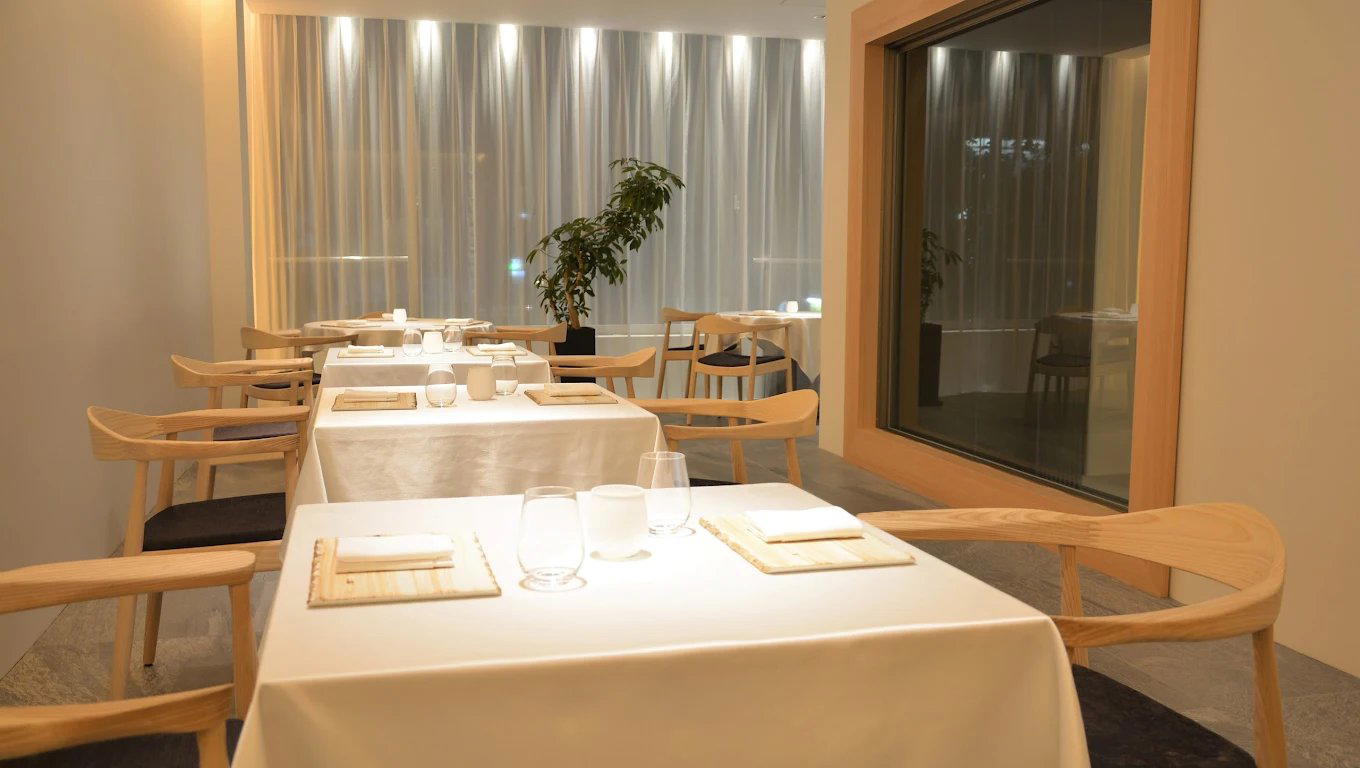
The room’s format says much about its ambition. Twenty-six seats is enough for more than a single counter sitting, yet small enough to keep rhythm controlled. The mix of counter seating, tables, and a semi-private room reflects a Nagoya habit: serious meals often need to suit business as much as romance or celebration. In Tokyo, this tier can become performative; in Nagoya, the stronger version is usually quieter, asking the meal rather than the room to carry status.
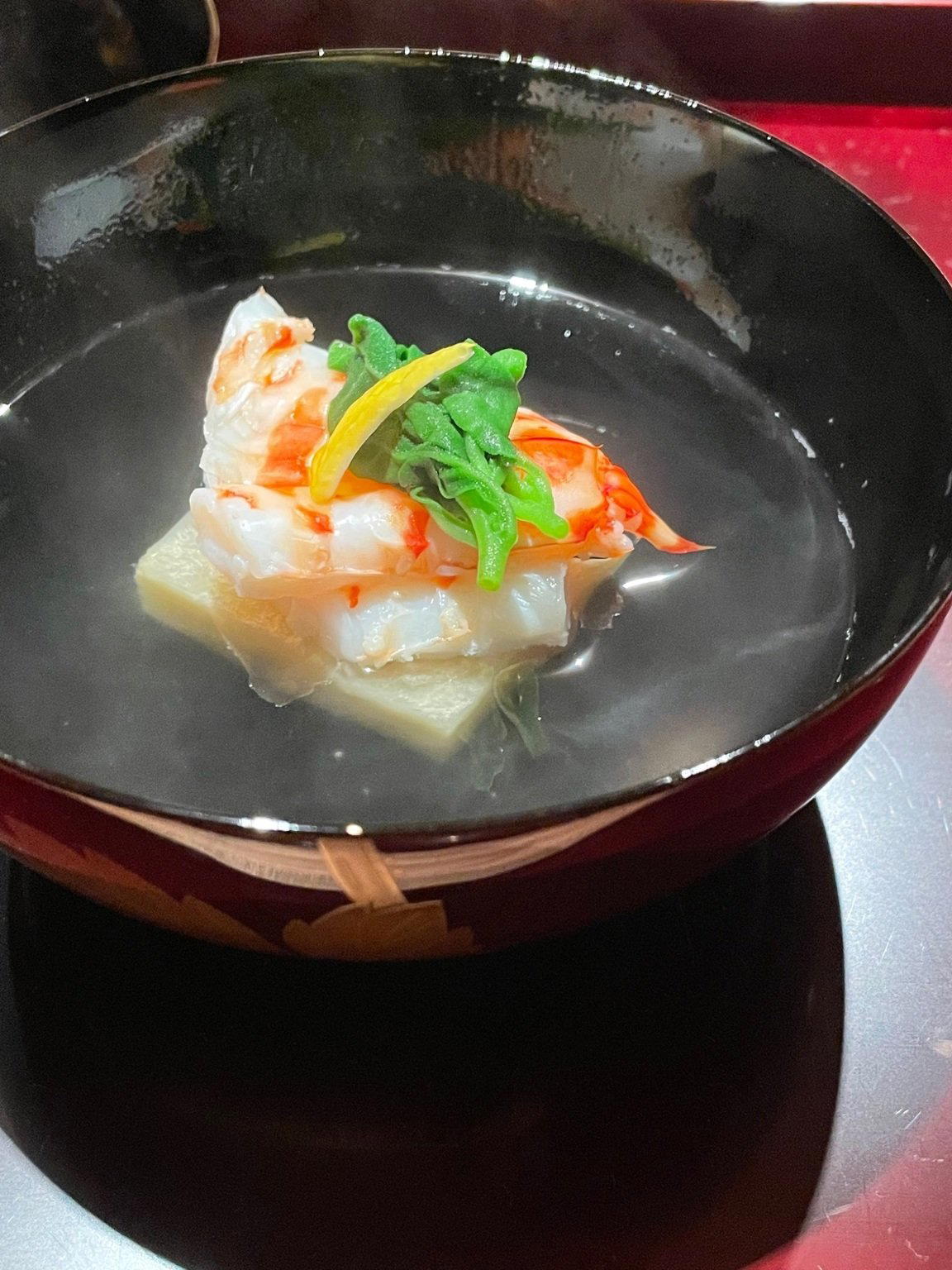
The culinary signal is clear. French cooking in Japan has long split between classic sauce-and-service houses and lighter, product-led restaurants that borrow from kaiseki’s seasonality without becoming Japanese cuisine. le Lotus belongs to the latter conversation. Its French and innovative category pairing points to interpretation rather than reproduction. The fish emphasis matters in Aichi, where access to Ise Bay, Mikawa Bay, and the broader Chubu supply chain gives regional restaurants a different starting point from the beef-heavy image many visitors attach to Nagoya.
Recognition sharpens the point. Selection for Tabelog French EAST 100 in both 2021 and 2025 places the restaurant among a defined group of French restaurants across eastern Japan, not merely on a local Nagoya list. Its Tabelog score of 3.65 is not a substitute for criticism, but in Japan’s restaurant culture it is useful when paired with category selection, price tier, and operating format. This is not entry-level French dining, and it is not trying to be. It occupies the mid-to-upper celebratory range, where diners expect a composed course meal, a wine-led table, and privacy for conversation.
Where it sits in Nagoya's serious dining map
Nagoya’s high-spend dining scene is more varied than its food clichés suggest. Japanese cuisine and seafood houses such as Japanese cuisine Takamitsu operate at a higher price bracket, while Onkui Sekio and Chuka Kappou Hisada sit in similarly serious dinner territory with different cultural foundations. Baci is a useful local Western-dining reference point, while Kamisono occupies a lower spend band. In that field, the restaurant reads as a French alternative for diners who want precision and wine without moving into higher Japanese fine-dining spend.
The comparison helps trip planning because Nagoya rewards category decisions. A visitor with one serious dinner might choose traditional Japanese cooking for regional depth, but French here offers another reading of the city: international technique filtered through local dining habits. That is the more interesting case for the restaurant. It suits travelers who have already eaten Nagoya’s regional staples and want to see how the city handles a European form without copying Tokyo’s luxury grammar.
For broader planning, compare it with the city’s other restaurants in Our full Nagoya restaurants guide. Hotel choice will shape the evening more than many visitors expect, so cross-check stays in Our full Nagoya hotels guide, especially if dinner follows a rail arrival or business day. Drinking plans can be built through Our full Nagoya bars guide, while cultural add-ons sit in Our full Nagoya experiences guide. Wine-focused readers can also scan Our full Nagoya wineries guide, though Nagoya’s restaurant wine programs are usually the more relevant dinner lens.
Who should choose this table
The restaurant is strongest as a controlled, adult dinner rather than a spontaneous stop. The reservation-only policy, compact seating, non-smoking room, and semi-private space suit business meals, birthdays, and dinners where conversation matters. The absence of a formal dress code lowers friction, but the price tier and service format still call for a composed evening. Children are handled by advance consultation, common in small Japanese dining rooms where pacing and seating affect the entire room.
The practical reading is simple: choose this for French cooking in Nagoya when the goal is a measured course meal with wine and enough structure to feel occasion-worthy. Choose elsewhere for casual local food, late flexibility, or a lively group atmosphere. The restaurant’s strongest argument is not novelty; it is how it reflects a mature regional dining culture that can absorb French technique without turning dinner into a performance of Frenchness.
Readers building a wider Japan itinerary can place this Nagoya stop beside other EP Club restaurant coverage, from 1022, 451, Aaron, Alan., and All Day Dining Montmartre to regional and overseas references such as -Grilled beef Sukiyaki- KAMAKURA TANUKIAN 鎌倉 たぬき庵 in Kamakura. 鮪と炭火焼き うお炭 秋葉原店 in Tokyo.cafe in Osaka.know in Kumamoto, (Shoku) Vietnam in Kawasaki, [Curry Senmon Ten] Maruyama Kyoju. in Sapporo, Jōdo Saké Bar in Los Angeles, and Onigiri Time in Pasadena. The useful thread is not sameness, but how each city expresses seriousness at the table through format, price, and local appetite.
Where It Fits
Comparable venues at a similar level for quick context.
| Venue | Cuisine | Price | Notes |
|---|---|---|---|
| le LotusThis venue — the venue you are viewing | Seasonal French with Japanese ingredients | $$$$ | Not listed |
| ラ・グランターブル ドゥ キタムラ | Modern French Fine Dining | $$$$ | Higashi |
| Chez Kobe | Classic French Fine Dining | $$$$ | Shōwa |
| ラ・フロレゾン・ドゥ・タケウチ | Modern French Fine Dining | $$$ | Naka |
| シケミチレストラン マツウラ | French with Local Nagoya Ingredients | $$$ | Nishi |
| アリーニュ | Contemporary French with Seasonal Ingredients | $$$ | Naka |
Recognition history
Dated appearances from independent guides and award organizations, with the underlying list record or original source where available.
Tabelog 100 #91 · No. 91
Tabelog · Tabelog 100 - French - EAST - 2025
Continue exploring
More in Nagoya
Restaurants in Nagoya
Browse all →
At a Glance
- Romantic
- Elegant
- Quiet
- Intimate
- Sophisticated
- Date Night
- Business Dinner
- Special Occasion
- Celebration
- Private Dining
- Design Destination
- Standalone
- Extensive Wine List
- Local Sourcing
- Farm To Table
Calm and refined "adult hideaway" with a minimalist, modern interior, soft lighting, and semi-private seating that encourages unhurried conversation over multi-course French-Japanese fusion cuisine.