Inside Nagoya's Sakae district, ラ・フロレゾン・ドゥ・タケウチ occupies a ground-floor address in the Ark Sakae Shirakawa Park Building, placing it squarely within the city's concentrated cluster of European fine dining. The French name signals a classical tasting-menu format and the kind of long-established local clientele that defines Nagoya's restaurant culture at this tier. For travellers working Japan's regional fine-dining circuit, it represents the city's quieter, more settled alternative to Tokyo's higher-pressure European addresses.
Pearl is the En Primeur Club membership app — saves, bookings, and concierge access live there. Same editors, same standards.
- Address
- Japan, 〒460-0008 Aichi, Nagoya, Naka Ward, Sakae, 2 Chome−12−12 アーク栄白川パークビル1F
- Phone
- +81522186738
- Website
- lafloraison-t.jp
- Directions
- Get directions
 Saves & bookings on Pearl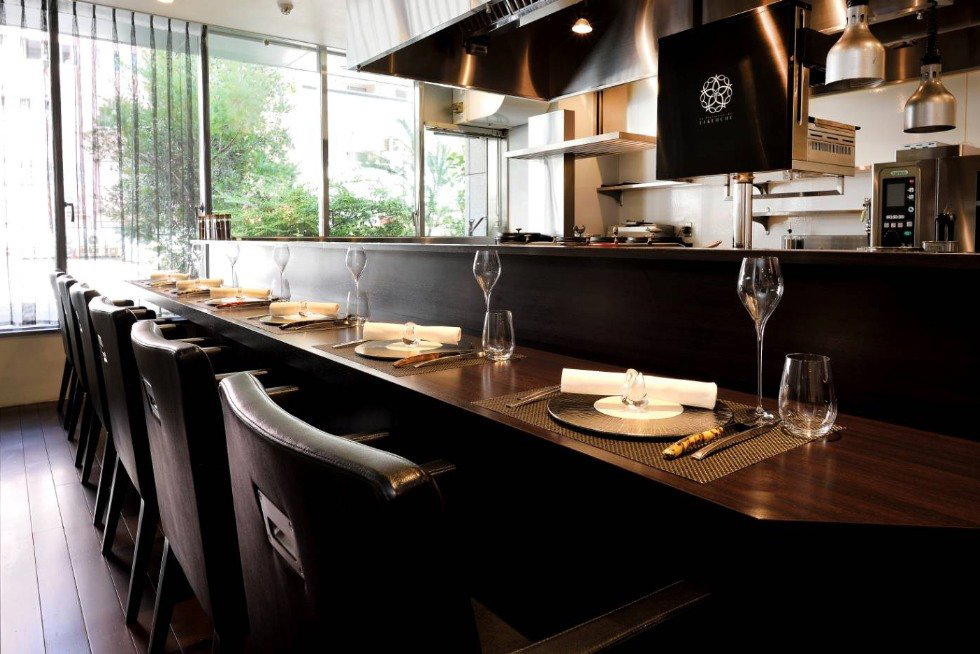
Sakae's French Quarter: Where Nagoya's European Dining Concentrates
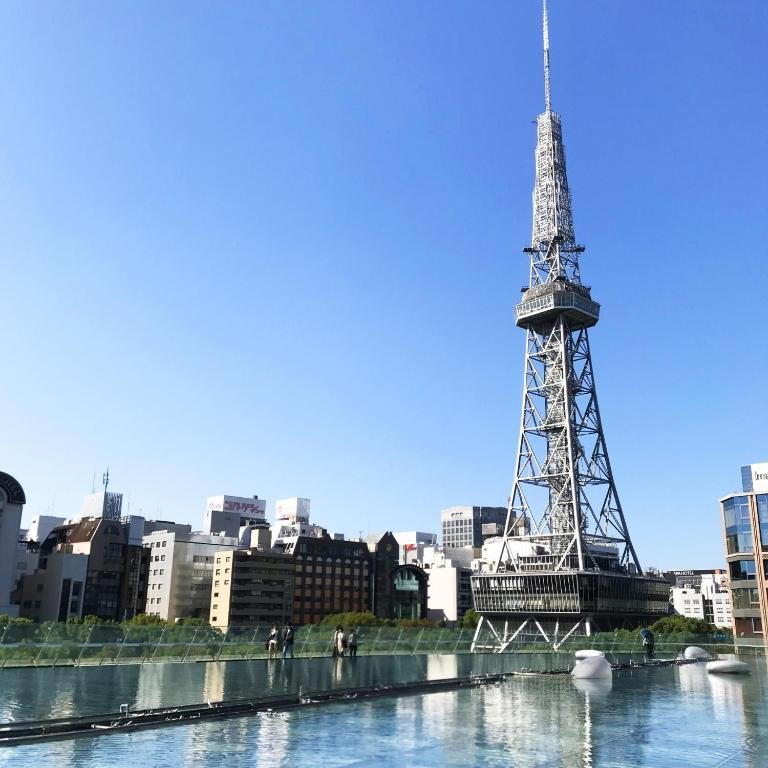
The Sakae district occupies the commercial and cultural centre of Nagoya, and within it, the streets around Shirakawa Park have quietly accumulated some of the city's most considered European dining. The address of ラ・フロレゾン・ドゥ・タケウチ, inside the Ark Sakae Shirakawa Park Building on Sakae 2-chome, places it precisely within this concentration. The restaurant is a Modern French Fine Dining address in Nagoya, with a price point of about $130 per person. The building sits at a junction where office blocks give way to the low-rise residential edges of Naka Ward, and it is this in-between quality, formal enough for expense-account dinners, relaxed enough for the Sakae neighbourhood crowd, that characterises much of what happens inside.
France-derived fine dining in Japanese cities has evolved considerably over the past two decades. Where earlier generations of French restaurants in Osaka, Tokyo, and Nagoya often imported both technique and atmosphere wholesale, the more recent tier has adapted the format to Japanese service rhythms and local seasonal logic. Nagoya sits somewhat apart from Tokyo and Kyoto in this story: the city's dining scene receives less international press attention, which means restaurants here have developed without the external pressure to perform for foreign critics. That relative quietness, if anything, tends to produce more consistent and less theatrical cooking.
The Sakae Address and What It Signals
In Nagoya's dining geography, Sakae functions as the city's primary high-end restaurant district, analogous in some respects to Ginza in Tokyo or Kitashinchi in Osaka, though at a different scale and without the density of either. The Ark Sakae Shirakawa Park Building address places ラ・フロレゾン・ドゥ・タケウチ within walking distance of the park itself, giving the location a slightly less corporate feel than the blocks immediately adjacent to Sakae station's main exits. A ground-floor position in a mixed-use building is the typical format for this tier of Nagoya French dining, where street-level access and proximity to the park create a different atmosphere from the basement or upper-floor rooms that define comparable restaurants in Tokyo.
For context, the French and Italian fine-dining tier in Nagoya occupies a different competitive set from destinations like Atsuta Horaiken (あつた蓬莱軒 本店), the city's celebrated unagi institution with deep local roots, or Cucina Italiana Gallura, which operates across both Italian and sushi formats. European fine dining in Sakae competes on different terms: longer tasting menus, wine programs with French cellar depth, and a service formality that is uncommon in Nagoya's broader restaurant offer. Other French-leaning addresses worth placing on the same map include Chez Kobe and the Italian houses Bacio and cucina Wada.
The Name and What It Implies About the Format
The name ラ・フロレゾン・ドゥ・タケウチ translates roughly from French as "The Flowering of Takeuchi," a construction common in a generation of Japanese French restaurants that named themselves in French as a direct credential signal. This naming convention peaked in the 1990s and early 2000s and is now less common in new openings, which means restaurants carrying it tend to be established addresses with accumulated track records. The format implied by this type of naming is typically a full-service French table: multiple courses, house mise en place, a serious wine offer, and service that maps closely to classical French protocols adapted for Japanese hospitality standards.
Nagoya's French dining addresses sit within a broader Tokai regional context. The city is surrounded by agricultural production, including Aichi Prefecture's substantial vegetable and seafood supply chains, and the leading regional French kitchens have learned to work that local sourcing into classical French frameworks. This is a different approach from the kaiseki-influenced crossover that defines parts of Kyoto's European dining, and different again from the Tokyo model where European fine dining often competes directly with international benchmarks. Nagoya's European restaurants generally serve a local and regional Japanese clientele first, which tends to create longer-term stability but less visibility on international radar.
Placing Nagoya in Japan's Fine-Dining Map
Japan's fine-dining circuit for European cuisine runs most visibly through Tokyo, Osaka, and Kyoto, where press attention, Michelin coverage, and international tourist volume concentrate. Nagoya exists at a productive remove from that circuit. Nagoya has produced recognised addresses across Japanese and European cuisine categories, but the competitive pressure is lower and the clientele more local. For a traveller already covering Japan's fine-dining circuit through addresses like HAJIME in Osaka, Harutaka in Tokyo, or Gion Sasaki in Kyoto, Nagoya's French tier offers a contrast in atmosphere: fewer tourists, a dining room more likely to be filled with Aichi-based regulars, and pricing that typically runs below Tokyo equivalents for comparable course counts.
Beyond the main corridor, Japan's regional fine dining is producing consistently interesting results in smaller cities. akordu in Nara and Goh in Fukuoka represent the same trend at different scales, as do specialist addresses like 一本杉 川原製菓 in Nanao and 古々路荘乃湯 in Sapporo. The pattern holds across Japan: the farther you move from the primary media cities, the more the dining room becomes a local institution rather than a destination for tourists, and the quality-to-attention ratio tends to tilt in the diner's favour.
Booking and Practical Planning
- Address: アーク栄白川パークビル1F, Sakae 2-chome-12-12, Naka Ward, Nagoya, Aichi 460-0008
- District: Sakae, central Nagoya, within walking distance of Shirakawa Park and Sakae station
- Format: French fine dining; full-service tasting format implied by name and address tier
- Access: Sakae station (Higashiyama Line / Meijo Line) is the primary access point for this address
- Reservations: Contact details not currently listed; reservation method not confirmed, check current booking channels before planning
- Price: Pricing not confirmed; for reference, Nagoya French fine dining at this address tier typically runs below Tokyo equivalents for comparable course structures
- Nearby: Chez Kobe and Bacio operate in the same Sakae dining cluster
Fast Comparison
Comparable venues nearby, for context on price, style, and recognition.
| Venue | Cuisine | Price | Notes |
|---|---|---|---|
| ラ・フロレゾン・ドゥ・タケウチThis venue — the venue you are viewing | Modern French Fine Dining | $$$ | Not listed |
| Restaurant Loire French | Classic French Fine Dining | $$$ | Naka |
| マスドラヴァンド | Classic French Fine Dining | $$$ | Higashi |
| Garden Restaurant Tokugawaen | Japanese-French Fine Dining in a Historic Garden | $$$ | Higashi |
| CORK | Modern French restaurant | $$$ | Chikusa |
| ル・タン・ペルデュ | Modern Natural French | $$$ | Naka |
Continue exploring
More in Nagoya
Restaurants in Nagoya
Browse all →
At a Glance
- Elegant
- Sophisticated
- Modern
- Intimate
- Date Night
- Special Occasion
- Business Dinner
- Open Kitchen
- Chefs Counter
- Extensive Wine List
- Street Scene
Current opening hours
- Monday
- Closed
- Tuesday
- 12–3 PM, 6–10 PM
- Wednesday
- 12–3 PM, 6–10 PM
- Thursday
- 12–3 PM, 6–10 PM
- Friday
- 12–3 PM, 6–10 PM
- Saturday
- 12–3 PM, 6–10 PM
- Sunday
- 12–3 PM, 6–10 PM
Hours can change for holidays and private events. Last verified .
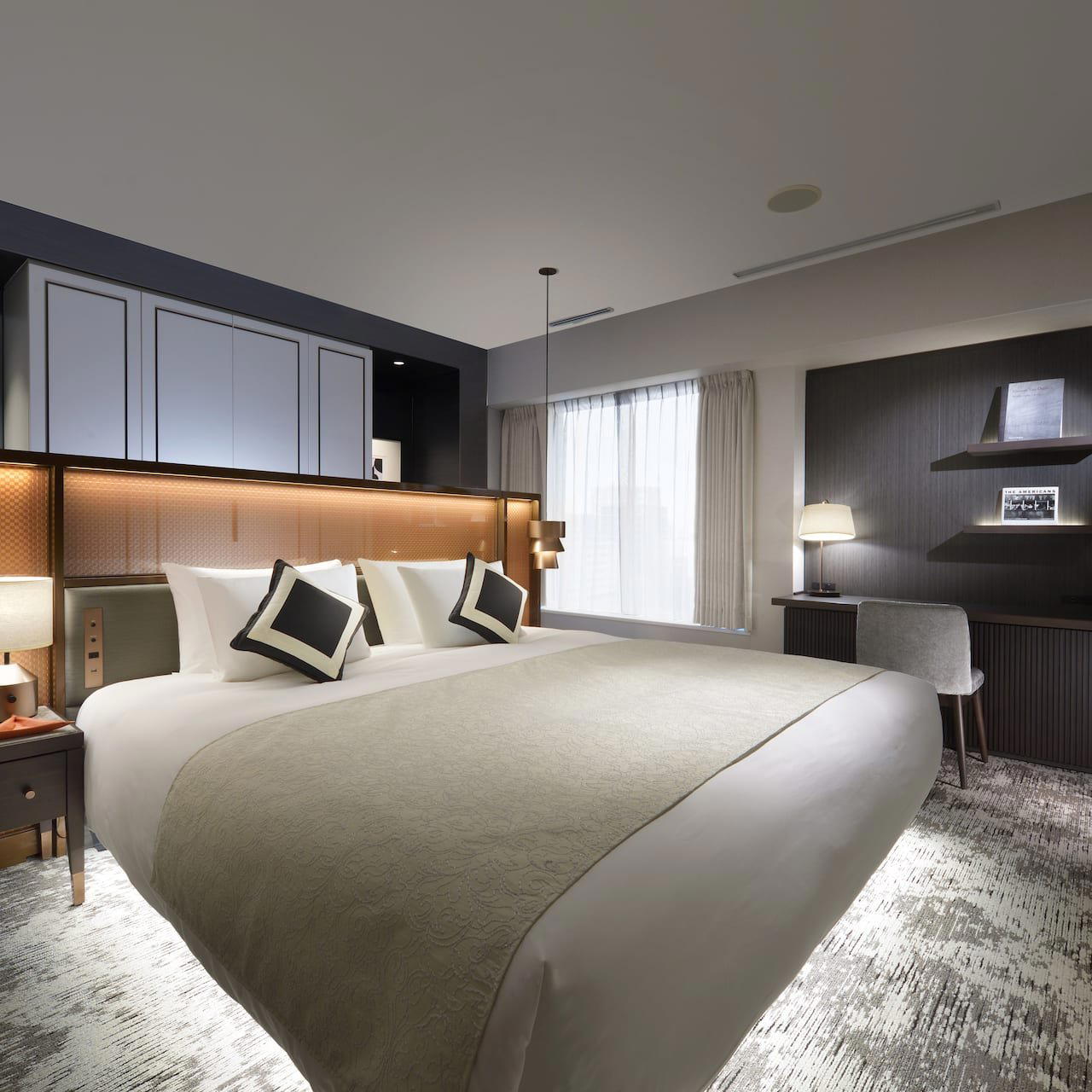
Clean white-based interior with chic colors, brown-black-white modern tones, and an open kitchen creating a lively yet refined atmosphere.