Our verdict
Le Bouchon Qui Chante sits along the Route du Bachat in Lyas, a small commune in the Ardèche where the table culture runs closer to the land than to the label. In a region where France's rural dining tradition resists metropolitan polish, this address operates in a register shaped by proximity to local producers and the rhythms of the surrounding countryside.

Pearl is the En Primeur Club membership app — saves, bookings, and concierge access live there. Same editors, same standards.
- Address
- 227 Rte du Bachat, 07000 Lyas, France
- Phone
- +33422910505
- Hours
- Mon–Tue ClosedWed 6:30–11:30 PMThu 10:30 AM–3 PM, 6:30–11 PMFri 10:30 AM–3 PM, 6:30–11:30 PMSat 10:30 AM–3 PM, 6:30 PM–12 AMSun 10 AM–4 PM
- Directions
- Get directions
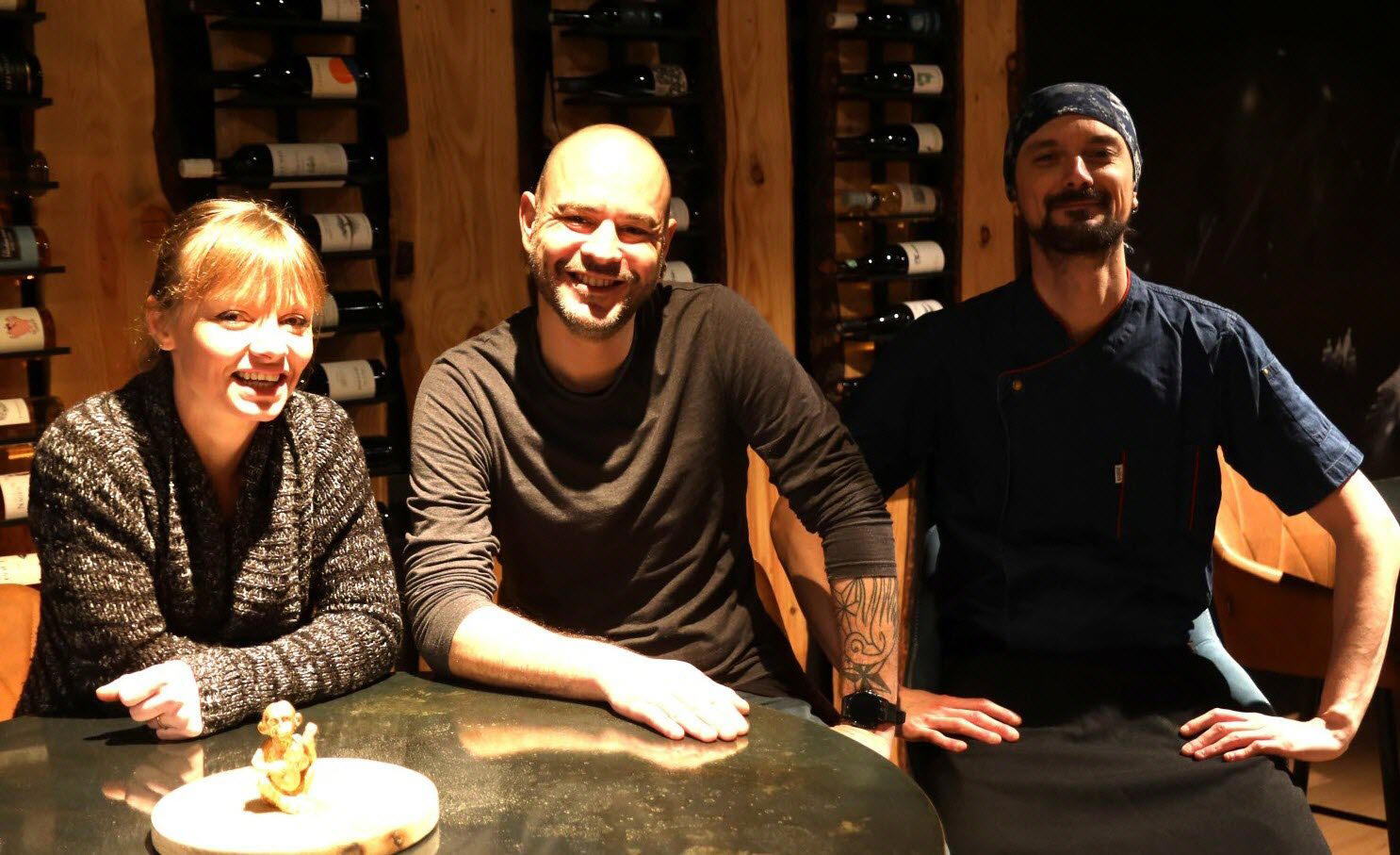
The menu
What to order
- Navarin d'agneau
- Filet de truite
- Bavette sauce forestière
Where the Ardèche Table Begins
The approach to Lyas already tells you something. The commune sits in the Ardèche department of the Auvergne-Rhône-Alpes region, south of Valence and well clear of the autoroute logic that tends to homogenise rural France. The Route du Bachat is agricultural road rather than tourist corridor, and the buildings along it read accordingly: functional, rooted, uninterested in performing anything for passing traffic. Le Bouchon Qui Chante, at number 227, belongs to that register. Before you reach the door, the setting has already made its argument about what kind of meal this is going to be.
That argument is one the Ardèche has been making for a long time. The department occupies a particular position in French rural gastronomy: it is productive enough to generate serious local ingredients — chestnuts, stone fruit, river fish, farmhouse charcuterie, raw-milk cheeses from small transhumance operations — without being fashionable enough to attract the kind of attention that tends to price those ingredients out of the kitchens that know them leading. For the traveller willing to get off the Rhône Valley axis, this translates into tables where the sourcing story is not a marketing decision but a geographic fact.
The Sourcing Logic of Rural Southern France
French regional gastronomy has long operated on a principle that the further a kitchen sits from a metropolitan supply chain, the more directly it depends on what grows, grazes, and runs within reach. In the Ardèche, that means a short-chain supply model by necessity rather than trend. Chestnuts, which have defined Ardèche agriculture since the medieval period, appear in preparations ranging from flour-based breads to accompaniments for game and pork. Stone fruits, apricots especially, from the Rhône corridor just to the east, enter kitchens at peak ripeness because the distances involved make refrigerated transit unnecessary. River fish from the Ardèche and its tributaries sit in a different freshness category from anything arriving via wholesale distribution in Lyon or Paris.
This is the context in which a name like Le Bouchon Qui Chante makes sense. The bouchon format, originally a Lyonnais concept denoting a small, informal eating house with a short, market-driven menu, migrated southward and adapted. In smaller Ardèche communes, the equivalent traditions involve menus built around whatever the producer down the road has available that week, served in rooms that prioritise conversation over ceremony. The contrast with the high-formality end of French dining is instructive: where Alléno Paris au Pavillon Ledoyen or Mirazur in Menton build tasting architectures around sourced ingredients as a conceptual framework, the rural southern French model treats sourcing as simply the way things work when you are close to the land.
Comparable dynamics appear at other French addresses that have made proximity to place their operational core. Bras in Laguiole built a three-Michelin-star reputation on Aubrac plateau ingredients, that kitchen sits at the formal end of this tradition. Auberge du Vieux Puits in Fontjoncouse demonstrates that serious award-level recognition is achievable from remote southern French locations. Further north, Troisgros - Le Bois sans Feuilles in Ouches and Georges Blanc in Vonnas represent the Bresse and Loire tradition of deep regional rootedness at the fine-dining tier. Le Bouchon Qui Chante operates at a different scale and register, but in the same broader lineage: French cooking that draws its character from a specific piece of ground.
The Ardèche in the Frame of French Regional Dining
Understanding where Lyas sits geographically clarifies what kind of dining neighbourhood this is. The Ardèche department is bounded to the east by the Rhône, which means Lyon, France's gastronomic capital by most serious measures, is within two hours. That proximity matters: the Lyonnais tradition of the bouchon, the market-driven bourgeois cuisine of the Mères Lyonnaises, and the broader Auvergne-Rhône-Alpes ingredient culture all exert influence southward. At the same time, the western Ardèche rises into the Massif Central, which introduces a harder, more austere set of ingredients and a cooking tradition built around preservation, chestnut, and pork rather than the lighter preparations of Mediterranean France.
This geographical in-between position gives Ardèche kitchens a layered reference set. They can draw on the richness of Rhône Valley produce, apricots, peaches, wine grapes, river fish, while also working with the heavier repertoire of the upland interior. The result, in established local kitchens, tends to be menus that shift register across a meal: lighter first courses that acknowledge the valley's proximity, more substantial plates that reflect the plateau's weight. It is a structure that rewards seasonal attention more than most French regional formats, because the available ingredients shift more dramatically between a high-summer harvest and a winter storage economy.
That seasonal dimension is what connects a small Ardèche address to the broader debate in French gastronomy about what regional cooking actually means in the twenty-first century. Destination restaurants like L'Oustau de Baumanière in Les Baux or Auberge de l'Ill in Illhaeusern have spent decades arguing that terroir-rooted cooking can sustain formal ambition at the highest level. Smaller, less decorated kitchens in the French provinces make the same argument at lower volume, and often with less distance between the cook and the source.
Planning a Visit
Lyas is most practically reached by car from Valence or Privas, with the Route du Bachat accessible from the N104 corridor. The address at 227 Route du Bachat is a rural setting rather than a town-centre location, which means arriving on foot or by public transit is not a realistic option for most visitors. For a wider view of what the area offers, our full Lyas restaurants guide maps the local dining context in more detail.
For travellers building a southern French itinerary around serious tables, the Ardèche sits at a useful junction. Moving north along the Rhône takes you toward Lyon's established fine-dining tier; heading south opens routes toward the Languedoc and Provence addresses. AM par Alexandre Mazzia in Marseille, Christopher Coutanceau in La Rochelle, and Paul Bocuse - L'Auberge du Pont de Collonges in Collonges-au-Mont-d'Or represent different points on the French fine-dining map that a longer regional journey might incorporate. For context on what French culinary ambition looks like at the very best of the format outside France, Le Bernardin in New York City and Atomix in New York City offer useful reference points on how French technique travels and transforms. Similarly, Assiette Champenoise in Reims and Au Crocodile in Strasbourg anchor the northern end of the French regional fine-dining circuit, while La Marine in Noirmoutier-en-l'île and Flocons de Sel in Megève show how France's Atlantic coast and alpine traditions develop their own sourcing arguments.
Frequently asked questions
How would you describe the vibe at LE BOUCHON QUI CHANTE?
The name itself is a signal: a 'bouchon' in French dining culture refers to a convivial, unpretentious table rooted in regional produce and shared plates. Set in the commune of Lyas in the Ardèche, the location points toward a room shaped by the rhythms of rural southern France rather than metropolitan dining trends. Expect warmth over formality.
Is Le Bouchon Qui Chante worth the drive from Valence or Privas?
Lyas sits in the Ardèche department, practically accessible from both Valence to the north and Privas via the N104 corridor, making it a manageable route for a dedicated lunch or dinner. The bouchon format, by definition, is built around a sense of occasion tied to place rather than convenience. Diners who treat the drive as part of the context tend to arrive with the right expectations.
What's the must-try dish at LE BOUCHON QUI CHANTE?
The Ardèche region is known for chestnut-based preparations, river fish, and local charcuterie, which regularly anchor menus in the area. Confirming the current offering directly with the restaurant before your visit is advisable.
What's LE BOUCHON QUI CHANTE's location?
LE BOUCHON QUI CHANTE is located at 227 Rte du Bachat, 07000 Lyas, France, Lyas.
What's LE BOUCHON QUI CHANTE best at?
The positioning of a bouchon in a small Ardèche commune like Lyas points toward a kitchen grounded in local sourcing and the cooking traditions of the Auvergne-Rhône-Alpes region. That format rewards diners looking for place-specific cooking rather than a menu designed for broad appeal. The setting along the Route du Bachat reinforces that this is a destination for the region's table, not a transient crowd.
Quick Comparison
Comparable venues nearby, for context on price, style, and recognition.
| Venue | Cuisine | Price | Notes |
|---|---|---|---|
| LE BOUCHON QUI CHANTEThis venue — the venue you are viewing | French Bistronomy | $30–50 | Not listed |
| Saturne | Modern French with Nordic Influences | Not listed | 2nd Arrondissement |
| MAISON GRIZLAW | Eco-responsible French Gastronomic | Not listed | Avenue Victor Hugo |
| Les Florets | Provençal French Bistro | $50–100 | Gigondas |
| Le St Georges | Bistronomic French | $50–100 | Serrieres |
| L'Escalier | Classic French Gastronomic | $50–100 | Saint-Laurent - Lavalette |

Details
- Cozy
- Elegant
- Rustic
- Date Night
- Special Occasion
- Terrace
- Live Music
- A La Carte
- Gluten Free Options
Current opening hours
- Monday
- Closed
- Tuesday
- Closed
- Wednesday
- 6:30–11:30 PM
- Thursday
- 10:30 AM–3 PM, 6:30–11 PM
- Friday
- 10:30 AM–3 PM, 6:30–11:30 PM
- Saturday
- 10:30 AM–3 PM, 6:30 PM–12 AM
- Sunday
- 10 AM–4 PM
Hours can change for holidays and private events. Last verified .
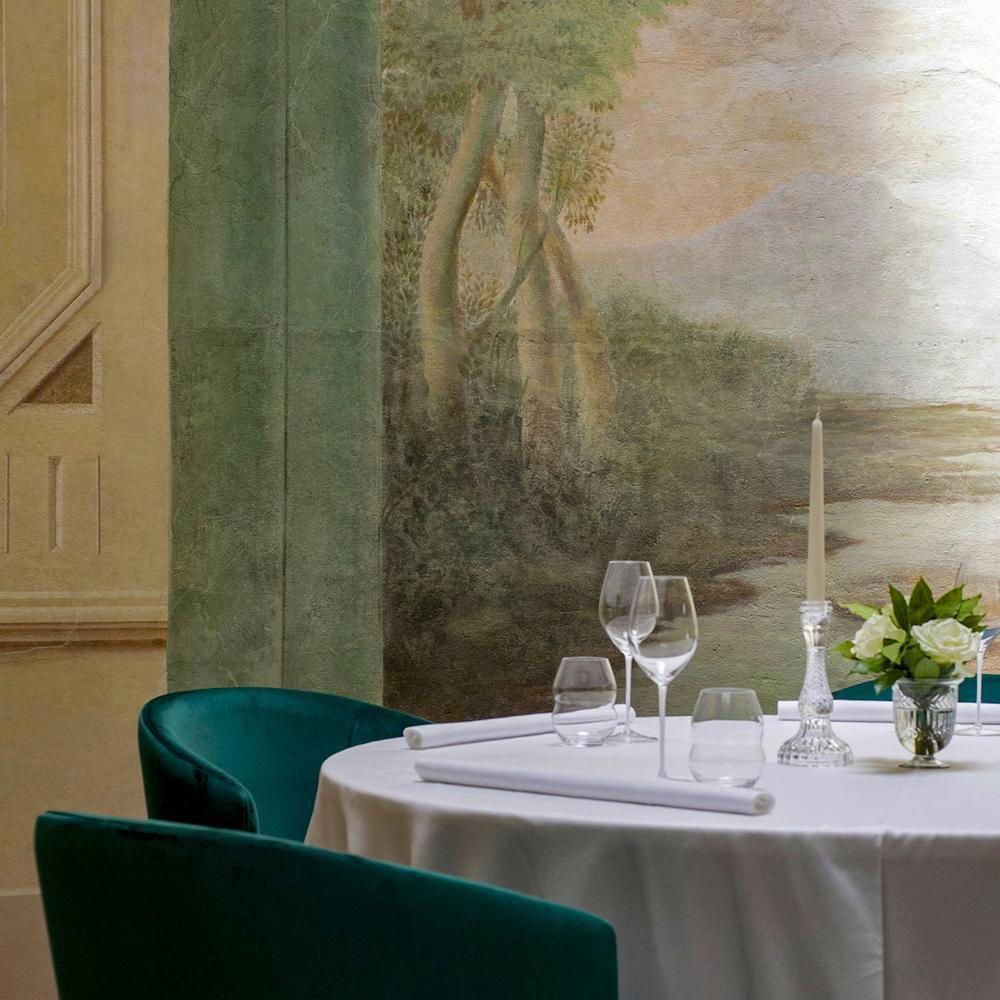
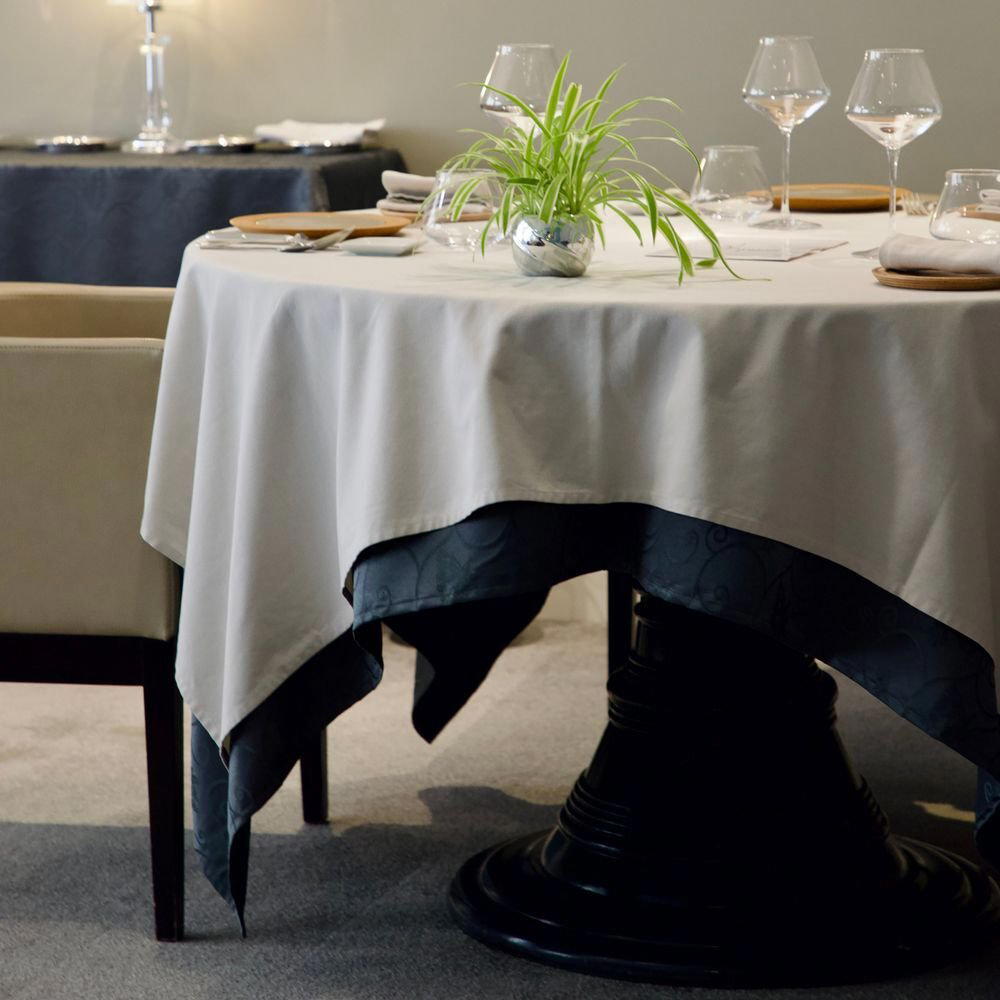
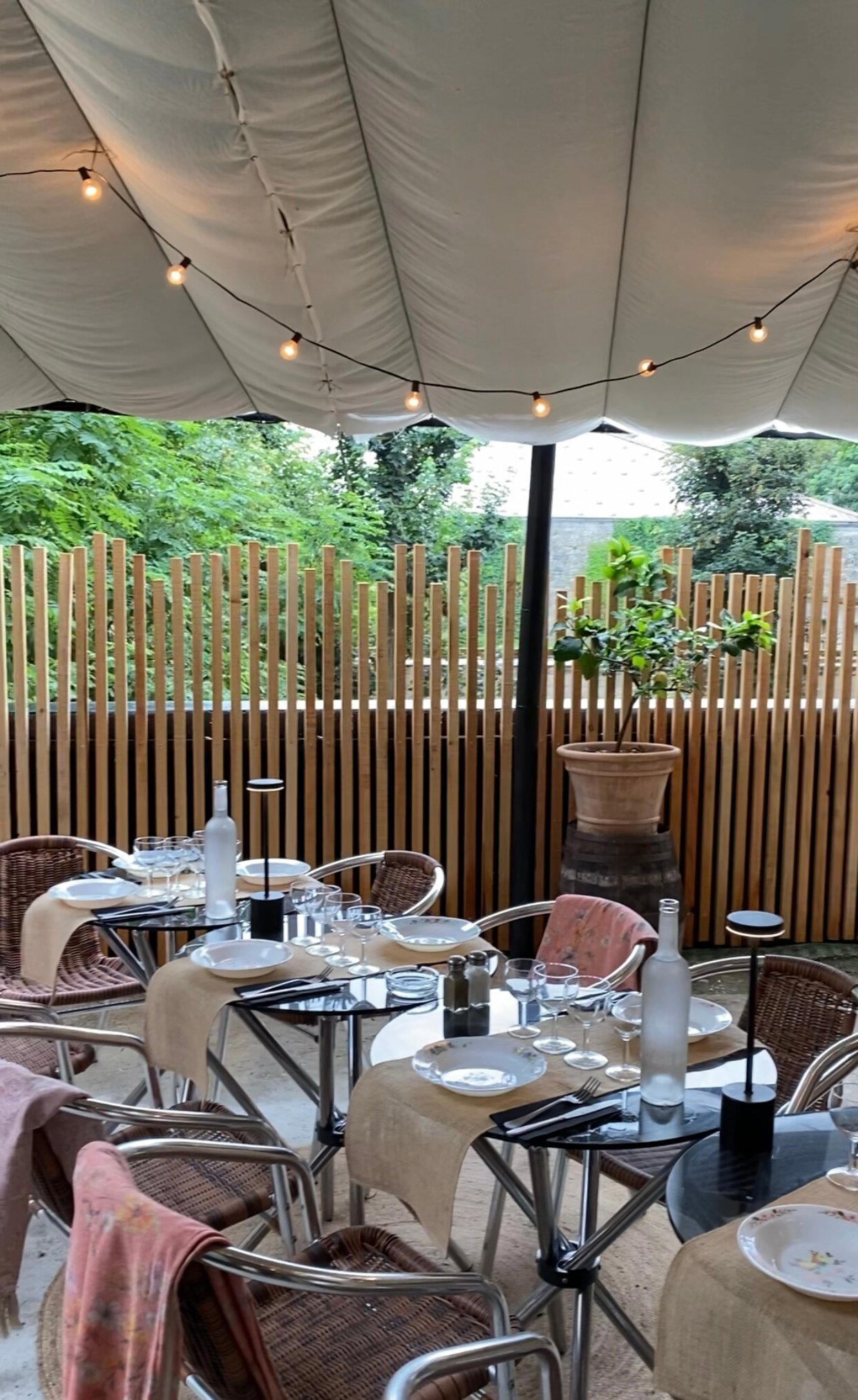
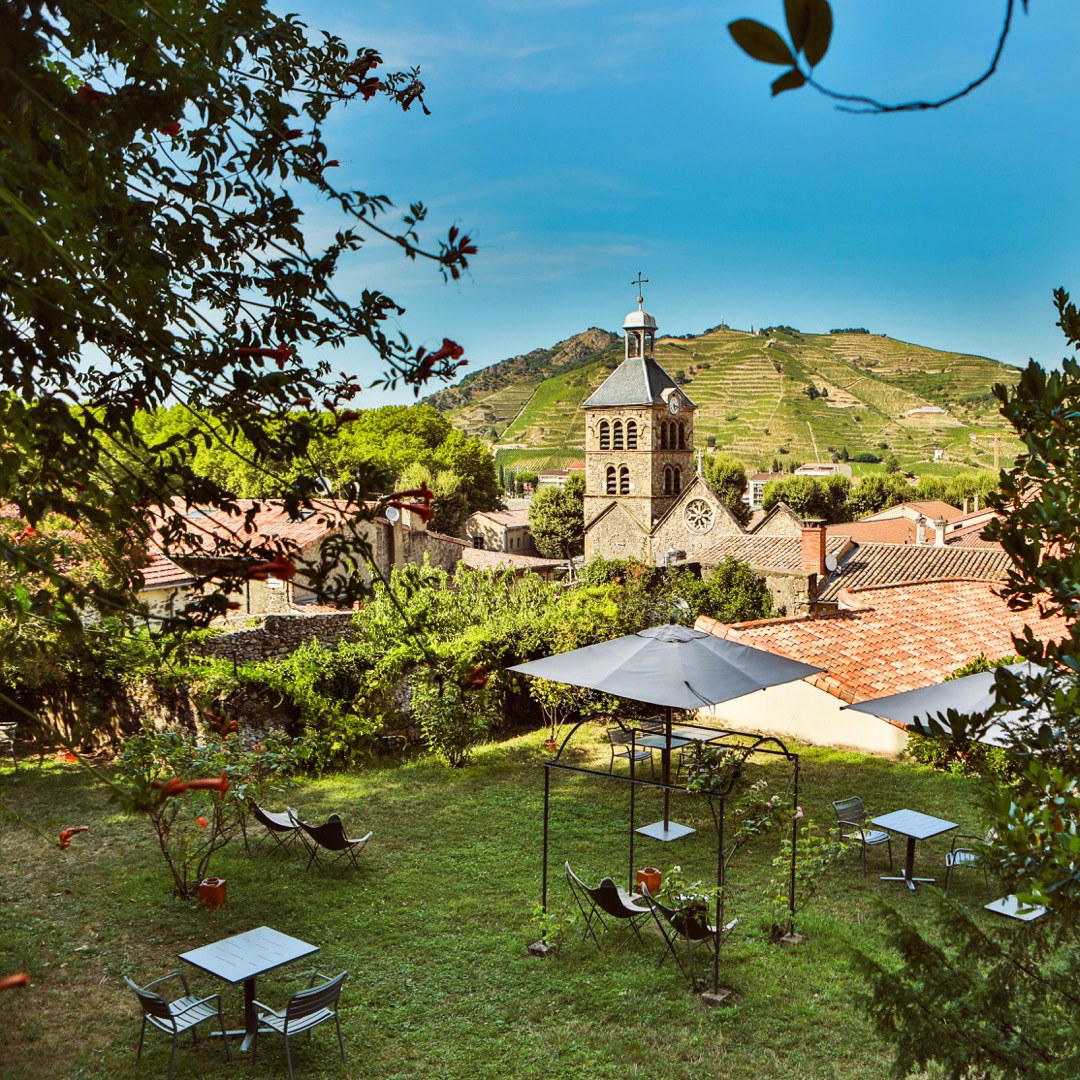
Cozy and sophisticated decor with a peaceful, elegant atmosphere set in a sublime forest under oak trees.