Our verdict
Laurent Gerbaud occupies a quiet address at Rue Ravenstein 2D in central Brussels, a short walk from the Palais des Beaux-Arts. The chocolatier has built a reputation among Brussels food specialists for working with single-origin cacao and minimal sugar additions, placing it in a different tier from Belgium's more commercial chocolate houses. For visitors prioritising craft over ceremony, it functions as a reference point in the city's artisan chocolate scene.

Pearl is the En Primeur Club membership app — saves, bookings, and concierge access live there. Same editors, same standards.
- Address
- Rue Ravenstein 2D, 1000 Bruxelles, Belgium
- Phone
- +3225111602
- Hours
- Mon ClosedTue–Thu 12–6 PMFri–Sun 12–6:45 PM
- Website
- chocolatsgerbaud.be
- Directions
- Get directions
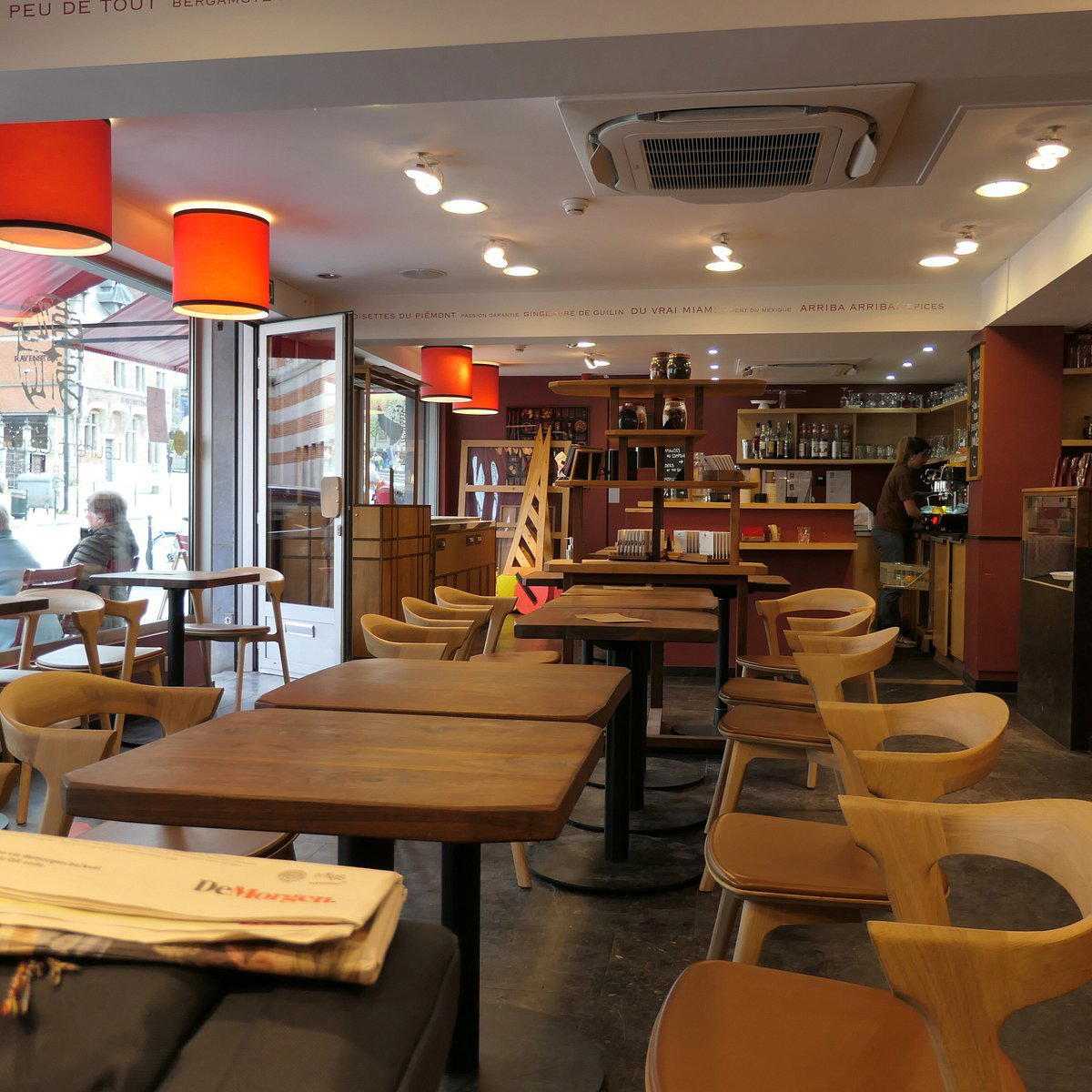
Where Brussels Chocolate Meets Considered Craft
The stretch of Rue Ravenstein that connects the Palais des Beaux-Arts to the Mont des Arts sits in an unusual Brussels register: institutional, quiet during the week, and largely overlooked by the tourist circuits that concentrate further north around the Grand Place. It is precisely this adjacency to cultural infrastructure and distance from retail noise that gives Laurent Gerbaud its particular character. The shopfront does not perform luxury in the way that many Belgian chocolate addresses do. There is no gilded signage, no theatrical window display engineered for passing footfall. What you find instead is a space organised around product legibility, where the provenance of cacao, the logic of flavour combinations, and the absence of unnecessary sugar are the primary communication.
In a city where chocolate is simultaneously a serious craft tradition and a mass-market export category, that distinction matters. Belgium's chocolate reputation rests partly on praline heritage developed in the early twentieth century and partly on a dense concentration of producers ranging from industrial-scale houses to single-location artisans. Laurent Gerbaud operates at the artisan end of that spectrum, with a focus on single-origin cacao and low-intervention processing that places it in a different competitive set from the ceremonial gift-box houses that dominate airport concourses and the Grand Place perimeter.
The Logic of Low Sugar and Single Origin
The broader shift toward single-origin chocolate in Europe mirrors what happened to specialty coffee a decade earlier: a reorientation from blend-driven consistency toward terroir expression and traceability. Brussels has been slower to absorb this shift than London or Paris, where bean-to-bar producers have established clearer footholds in specialist retail. Laurent Gerbaud is among the addresses in the Belgian capital that have pushed this argument most consistently, working with cacao sources where the flavour profile of the bean, rather than sugar or dairy additions, carries the finished product.
This approach has practical implications for how the chocolate reads on the palate. Reduced sugar levels allow bitterness, fruit acidity, and fermentation character to register more clearly, which means the experience rewards attention in a way that sweeter confections do not. For visitors accustomed to Belgian chocolate primarily through the praline format, the contrast is instructive. The praline tradition, associated with names like Neuhaus and Godiva at the commercial end and with smaller maisons at the craft end, prioritises textural contrast and filling complexity. The single-origin direction prioritises the base material. Both are legitimate expressions of the craft; they simply ask different things of the person eating them.
Craft Chocolate in the Context of Brussels Dining
Understanding Laurent Gerbaud requires placing it within Brussels' broader food culture, which has developed considerable sophistication across categories in recent years. The city's fine dining scene includes addresses like Bozar Restaurant, which operates within the Palais des Beaux-Arts itself, and Comme chez Soi, a long-established French-Belgian reference at the €€€€ tier. More recent additions such as Eliane and Barge reflect a push toward creative and organic formats. La Villa Lorraine by Yves Mattagne represents the modernist end of the city's established kitchens.
What connects these addresses, and what connects them to Laurent Gerbaud, is a broader shift in how Brussels food specialists think about ingredient sourcing and flavour honesty. The city's most discussed restaurants increasingly frame their identity around supply chain relationships and reduced intervention, whether in fermentation programs, natural wine selections, or, in the case of chocolate, cacao provenance. Laurent Gerbaud fits that cultural context more naturally than it fits the heritage luxury narrative that older Belgian chocolate houses tend to project.
For those building a deeper map of Belgian culinary craft beyond Brussels, the country's restaurant scene extends to addresses like Hof van Cleve in Kruishoutem, Boury in Roeselare, and Zilte in Antwerp, each operating at the higher end of the country's fine dining tier. Coastal references include Willem Hiele in Oudenburg and Bartholomeus in Heist. Further afield, Castor in Beveren, d'Eugénie à Emilie in Baudour, De Jonkman in Sint-Kruis, L'air du temps in Liernu, and La Durée in Izegem round out a national picture that rewards itinerary planning beyond the capital. Our full Brussels restaurants guide covers the city's current dining range in more detail.
Planning a Visit
Laurent Gerbaud is located at Rue Ravenstein 2D, 1000 Brussels, within comfortable walking distance of the central station and the Palais des Beaux-Arts. The address sits in a part of the city that is quieter than the tourist-heavy areas around Manneken Pis or the Sablon chocolate quarter, which concentrates several of Brussels' better-known chocolate maisons. Visiting the Sablon alongside Laurent Gerbaud gives a useful comparative read on how different approaches to Belgian chocolate play out in practice: the Sablon leans toward presentation and praline tradition, while Rue Ravenstein represents the lower-sugar, origin-focused counter-argument. For international context on what high-level sourcing discipline looks like in other categories, Le Bernardin in New York and Atomix in New York both demonstrate how ingredient provenance can anchor an entire hospitality identity at the restaurant level.
Frequently asked questions
What part of town is Laurent Gerbaud in?
Laurent Gerbaud is located at Rue Ravenstein 2D, 1000 Bruxelles, Belgium, Brussels.
How does Laurent Gerbaud's approach differ from traditional Belgian praline makers?
Where historic Brussels praline houses prioritise sugar-rich fillings and butter-heavy ganaches, Laurent Gerbaud works from a lower-sugar, single-origin premise that foregrounds the cacao itself. This places the shop closer to the craft chocolate movement that emerged in the United States and Scandinavia than to the Belgian confectionery tradition. For visitors at Rue Ravenstein 2D, Brussels, expecting the sweetness of conventional Belgian chocolate, the contrast is pronounced and intentional.
What should I order at Laurent Gerbaud?
The shop's focus on single-origin, low-sugar chocolate means the bars and bonbons themselves are the draw, built around specific cacao provenance rather than sugar-forward ganaches. Start with the single-origin selections to understand the house philosophy before moving to blended pieces. The address on Rue Ravenstein, close to the Palais des Beaux-Arts, makes it a natural stop when exploring central Brussels.
How hard is it to get a table at Laurent Gerbaud?
Laurent Gerbaud operates as a chocolate shop rather than a seated restaurant, so there is no reservation system or table competition. You walk in, browse, and buy. The Rue Ravenstein 2D location in central Brussels sees foot traffic from both tourists and office workers, so peak midday hours may feel busier than mornings.
What's the defining dish or idea at Laurent Gerbaud?
The defining idea is restraint: reducing sugar to let cacao character speak, sourced from single origins rather than blended for uniformity. This puts the shop in a peer group with European craft chocolate makers who treat chocolate more like specialty coffee than confectionery. It is a deliberate counter-position to the butter-and-sugar tradition that defines most Belgian praline houses.
What if I have allergies at Laurent Gerbaud?
Craft chocolate producers at this level typically work with a shorter ingredient list than mass-market confectioners, but nut inclusions and dairy are common in the category and should be verified in person.
Is Laurent Gerbaud overpriced or worth every penny?
No price range is formally documented for Laurent Gerbaud, which makes direct comparison difficult. Craft single-origin chocolate in European specialty shops generally commands a premium over supermarket Belgian chocolate, reflecting sourcing costs and lower production volumes. Given the location near the Palais des Beaux-Arts and the shop's positioning within Brussels' more considered food culture, the pricing is consistent with what the craft chocolate category demands across comparable European cities.
Price and Positioning
Comparable venues nearby, for context on price, style, and recognition.
| Venue | Cuisine | Price | Awards | Notes |
|---|---|---|---|---|
| Laurent GerbaudThis venue — the venue you are viewing | Artisanal Belgian Chocolatier | $10–20 | Not listed | Not listed |
| Centho | Belgian Artisan Chocolates | Not listed | Not listed | Tervuren, Belgian Artisan Chocolates |
| Neuhaus-Bruxelles | Belgian Chocolatier Cafe | Not listed | Not listed | Pl. de Brouckere, Belgian Chocolatier Cafe |
| Under The Stairs | Cocktail Bar | $20–30 | Not listed | near Royal Palace, Cocktail Bar |
| Thaiburi | Authentic Traditional Thai | $20–30 | Not listed | Grand' Place, Authentic Traditional Thai |
| Bon Bon | Dining | Not listed | We're Smart World 5 Radishes | Not listed |
Continue exploring
More in Brussels
Restaurants in Brussels
Browse all →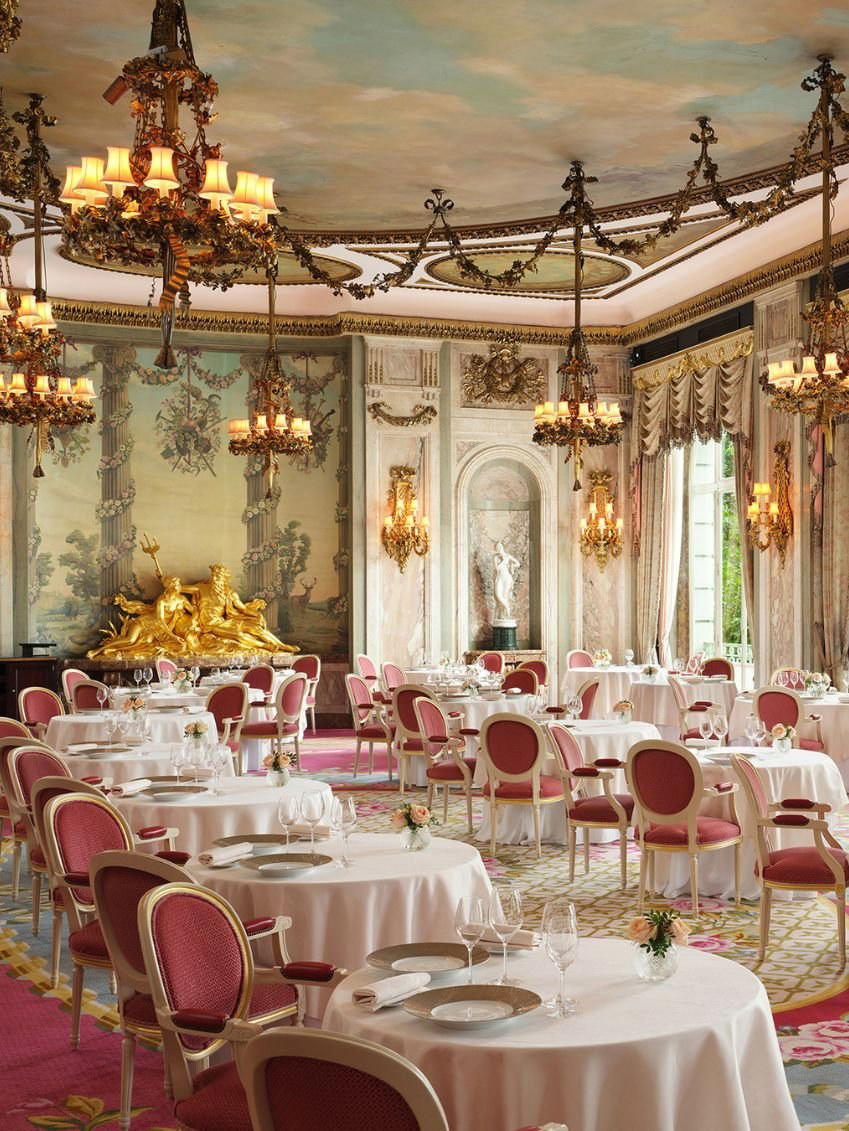
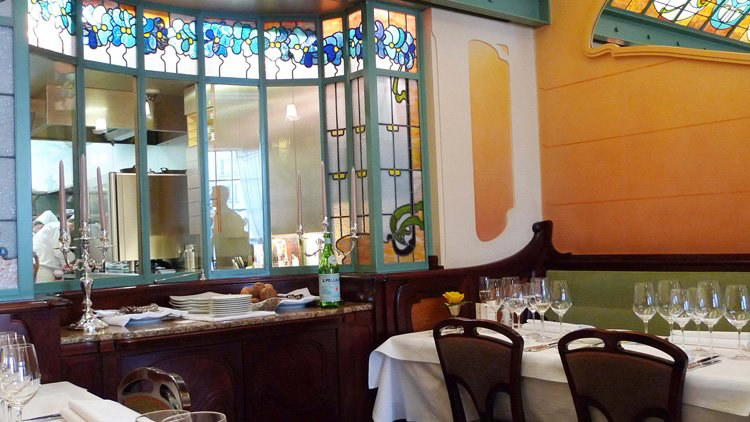
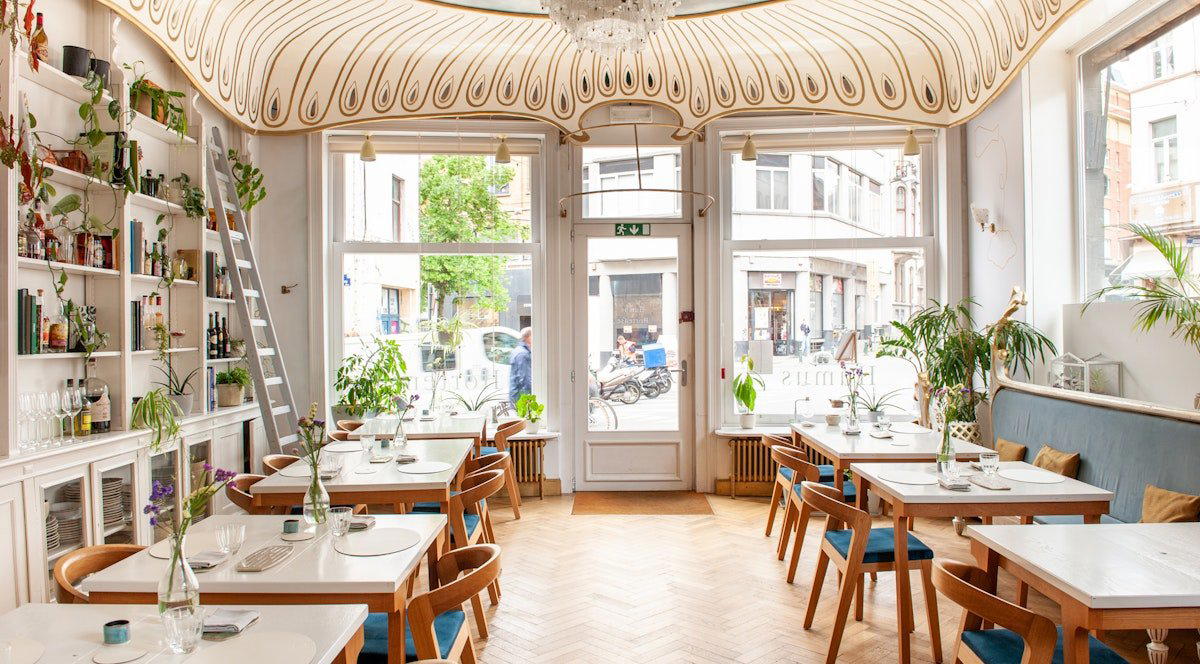
Bars in Brussels
Browse all →
Hotels in Brussels
Browse all →
Wineries in Brussels
Browse all →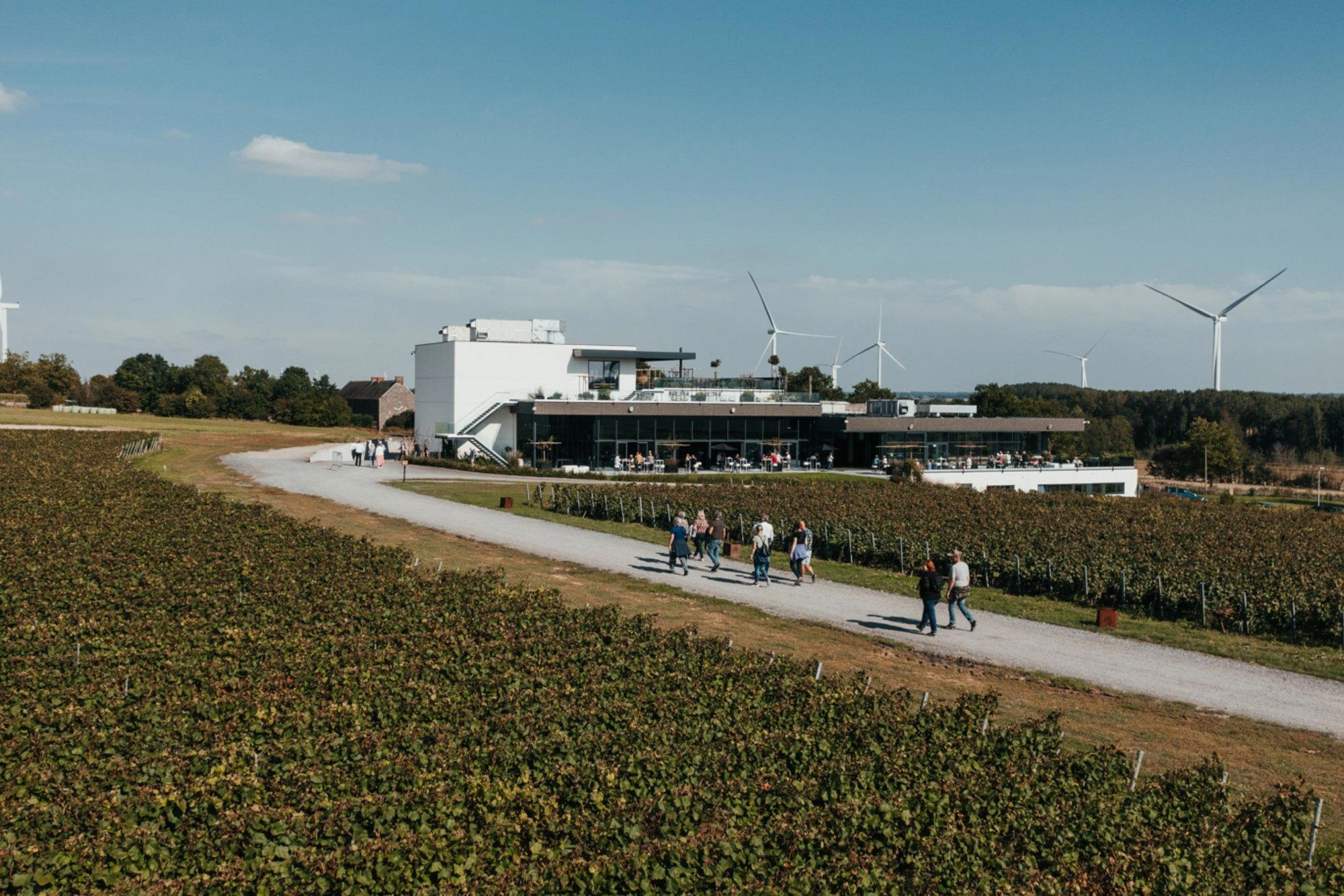
Details
- Elegant
- Modern
- Intimate
- Casual Hangout
- Solo
- Open Kitchen
- A La Carte
- Vegan Options
Current opening hours
- Monday
- Closed
- Tuesday
- 12–6 PM
- Wednesday
- 12–6 PM
- Thursday
- 12–6 PM
- Friday
- 12–6:45 PM
- Saturday
- 12–6:45 PM
- Sunday
- 12–6:45 PM
Hours can change for holidays and private events. Last verified .
Chic and transparent atelier with open kitchen view, cozy for savoring chocolates and hot drinks.