Lanzenschuster serves South Tyrolean Alpine Cuisine with Knödel, Wildkräuterknödel, and steaks, plus terrace and open kitchen service in Jenesien.
Pearl is the En Primeur Club membership app — saves, bookings, and concierge access live there. Same editors, same standards.
- Address
- Via Lanzen, 12, 39050 Bolzano BZ, Italy
- Phone
- +39471340012
- Website
- lanzenschuster.com
- Directions
- Get directions
 Saves & bookings on Pearl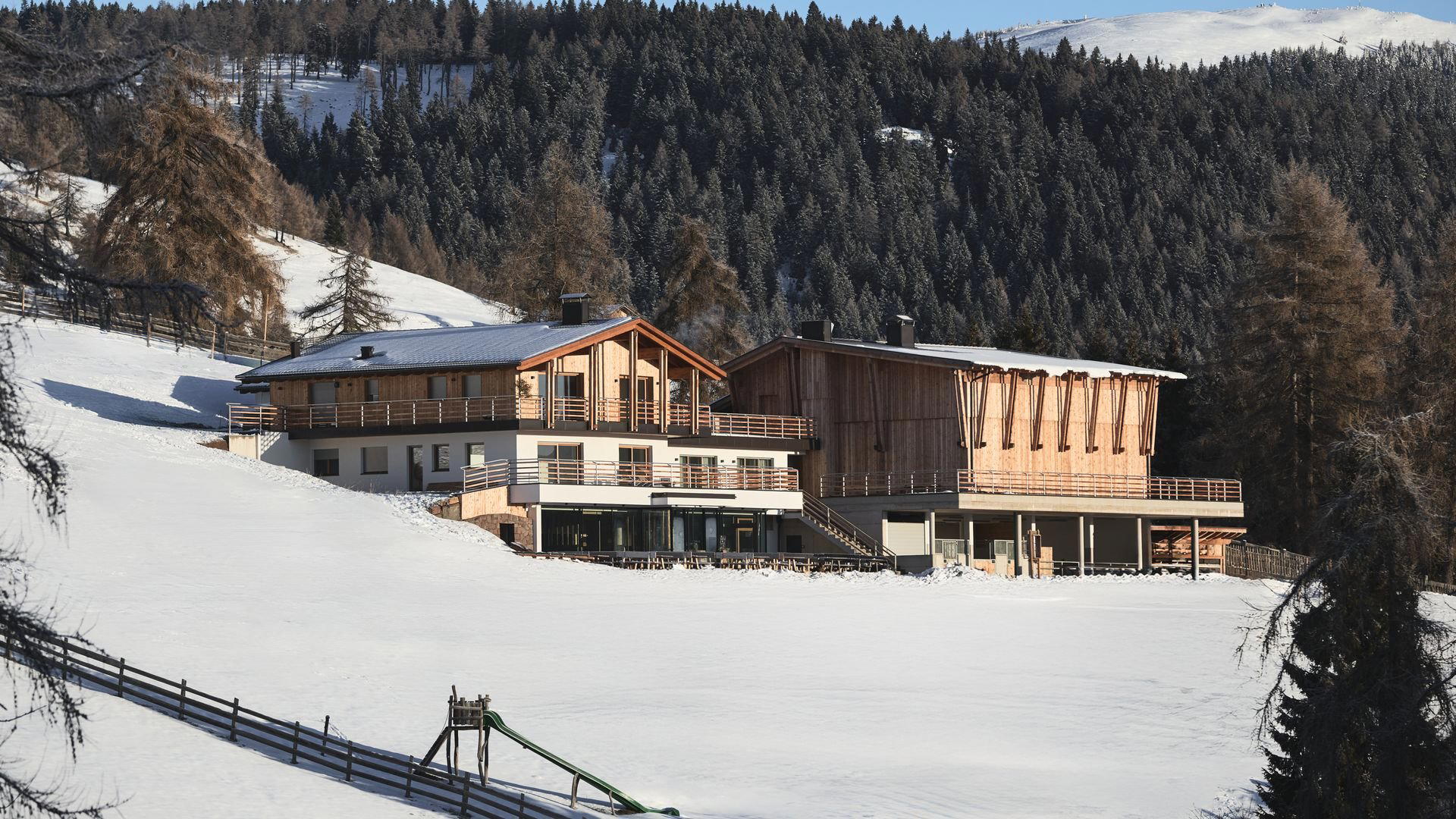
Jenesien and the Sourcing Logic of Alto Adige's Hillside Kitchens
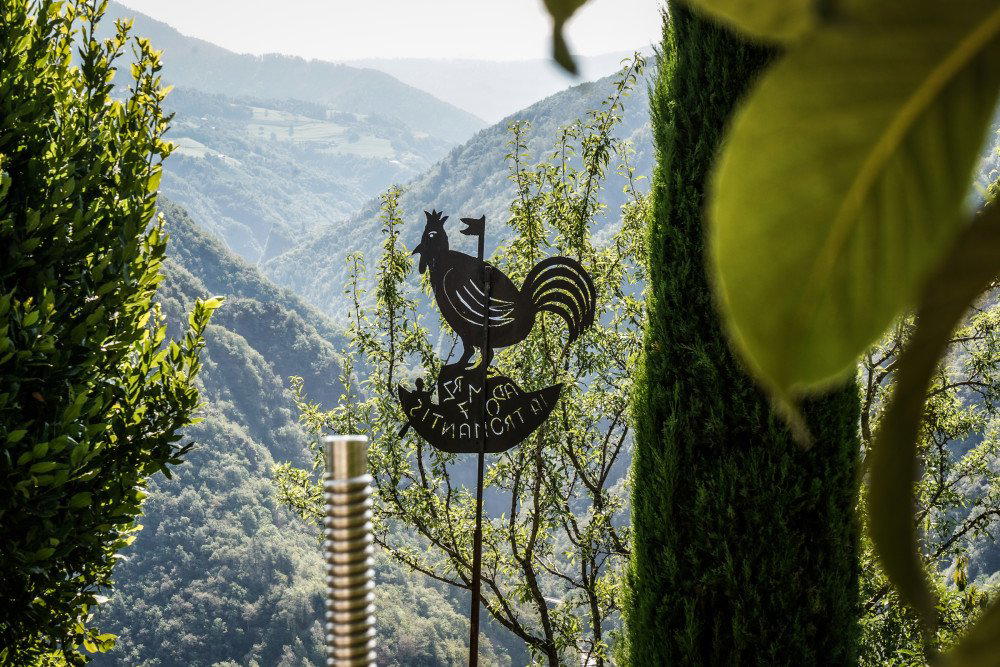
The road up to Jenesien from Bolzano climbs sharply through a landscape that explains a great deal about how this corner of South Tyrol eats. At around 1,000 metres, the plateau sits above the valley fog that settles over Bolzano in the colder months, and the farms here operate with a directness that lowland suppliers rarely achieve: animals graze close, orchards press against the village edges, and the growing season is short enough that it demands precision. Lanzenschuster is a restaurant at Via Lanzen, 12, 39050 Bolzano BZ, Italy, serving South Tyrolean Alpine Cuisine. The ingredients are, in many cases, simply nearby.
That proximity matters more in South Tyrol than in most Italian regions. The cooking tradition here fuses Tyrolean and Italian influences, a duality that runs through every aspect of the table from the bread service to the wine pours, and the leading kitchens in the area tend to treat local produce not as a marketing gesture but as a structural constraint: you cook what the altitude and the season allow. For context on how seriously the broader region takes this approach, it is worth noting that Atelier Moessmer Norbert Niederkofler in Brunico has built an internationally recognised programme around exactly this kind of Alpine sourcing philosophy, placing South Tyrol alongside particularly geographically committed kitchens in Europe.
The Alto Adige Table in Its Wider Italian Context
Italy's high-end restaurant tier has consolidated significantly over the past decade around a handful of signatures: labour-intensive pasta work at places like Dal Pescatore in Runate, the rigorous French-influenced cellar culture of Enoteca Pinchiorri in Florence, and the technically driven creative programmes of Le Calandre in Rubano or Osteria Francescana in Modena. What those venues share is a relationship to place that is as much intellectual as agricultural. South Tyrol's hillside kitchens operate from a different premise: the relationship to place is physical and logistical before it is philosophical. The Dolomites, the grazing patterns, the apple and wine growing traditions of the Etschtal valley below all impose rather than inspire.
That distinction shapes what Jenesien-area dining tends to offer. This is not a village that draws diners for spectacle or for tasting menu theatre. It draws visitors, and a consistent local clientele, because the food produced at this altitude reflects conditions that cannot be replicated at sea level. Speck cured in mountain air, dairy from herds that graze at altitude, and wild herbs that grow in the meadows above the treeline carry a specificity that is tied to geography in a way that imported ingredients cannot simulate. The broader Italian restaurant conversation, which you can trace through destinations like Piazza Duomo in Alba or Reale in Castel di Sangro, has increasingly moved toward this kind of territorial honesty, but South Tyrol was operating this way before it became a tendency elsewhere.
What the Setting Tells You Before You Sit Down
Arriving in Jenesien by car from Bolzano takes roughly 20 to 25 minutes via the winding SP6 road, and the elevation change is palpable. The village is quiet in a way that is distinct from rural quietude further south: this is a working agricultural plateau, not a tourist enclave, and venues here tend to reflect that orientation. The pace is unhurried and the assumption is that guests have made a deliberate choice to be here rather than a casual one. That self-selection affects the dining register across Jenesien's establishments, including Lanzenschuster, which sits within the residential and agricultural fabric of the commune rather than in a purpose-built tourism zone.
For those arriving from outside the region, Bolzano's main train station connects to the broader Italian rail network and to the Brenner route north, making the city an efficient base. The bus service to Jenesien from Bolzano's bus terminal runs regularly, though journey times and frequency vary by season. Driving remains one practical option for a meal, particularly in the evening, when the last services back to the valley may not align with a longer table. The approach road rewards patience: the views across the Etschtal open up at several points on the ascent, and the light in the late afternoon on the plateau is worth arriving early for.
Alto Adige's Sourcing Tradition and the Farms Behind the Plate
South Tyrol's agricultural identity is built on a set of protected designations and generations-old production methods that distinguish it from the rest of northern Italy. The Speck Alto Adige IGP, the region's apple production (which accounts for roughly 10 percent of all European apple output), and a wine sector that runs from the valley floor's Lagrein and Gewurztraminer up through mountain Pinot Noir plots all feed into a regional larder that restaurants here have direct access to. For hillside kitchens at Jenesien's elevation, dairy is particularly central: the plateau's grazing land produces milk that translates into cheeses and butter with a character that valley production does not replicate.
This is the sourcing logic that frames a meal at Lanzenschuster. What can be said with confidence is that the venue sits within a tradition where these supply chains are short, seasonal pressure is real, and the Tyrolean-Italian culinary duality shapes every section of a menu, from first course to cheese board. Restaurants operating at this level of geographic specificity tend to attract guests who have already done the work of understanding what the region produces: the table at a hillside Jenesien address is a conclusion to a thought process, not a starting point for one.
For wider reference on what Italy's most committed kitchens do with similarly defined terroir, the programmes at Uliassi in Senigallia, Quattro Passi in Marina del Cantone, and Da Vittorio in Brusaporto each demonstrate how a defined geography can anchor a kitchen's identity across formats and price points. Further afield, Villa Crespi in Orta San Giulio, Casa Perbellini 12 Apostoli in Verona, Enrico Bartolini in Milan, and La Pergola in Rome each represent the upper register of Italian fine dining, offering a frame against which a visit to a small-village address like Lanzenschuster reads differently: not as a lesser option, but as a different kind of commitment. International reference points like Le Bernardin in New York City, Atomix in New York City, and Gambero Rosso in Marina di Gioiosa Ionica underscore how sourcing integrity at this level of locality is increasingly a global rather than regional conversation.
Planning a Visit
Jenesien is a year-round destination, though the character of a meal here shifts considerably between seasons. Late spring through early autumn brings the full range of local produce and, for those arriving by car, the clearest road conditions and the longest daylight windows for the descent back to Bolzano. Winter visits carry their own appeal: the plateau can receive significant snow, which concentrates the experience of being at altitude and gives the dining context a particular gravity. Booking ahead for any Jenesien address is advisable, particularly on weekends, when Bolzano residents make the ascent for lunch.
Side-by-Side Snapshot
Comparable venues nearby, for context on price, style, and recognition.
| Venue | Cuisine | Price | Notes |
|---|---|---|---|
| LanzenschusterThis venue — the venue you are viewing | South Tyrolean Alpine Cuisine | $$ | Not listed |
| Ebnicherhof | Traditional Tyrolean | $$ | Oberbozen |
| Ansitz Fonteklaus | Traditional South Tyrolean Alpine Cuisine | $$ | Laion (Lajen) |
| Pretzhof Bistro | Farm-to-Table Italian Bistro | $$ | Ratschings |
| Ristorante da Cherubino | Traditional Venetian Trattoria | $$ | San Marco |
| Gutshof | Italian Pizza and Sushi | $$ | Lana |
Continue exploring
More in Jenesien
Restaurants in Jenesien
Browse all →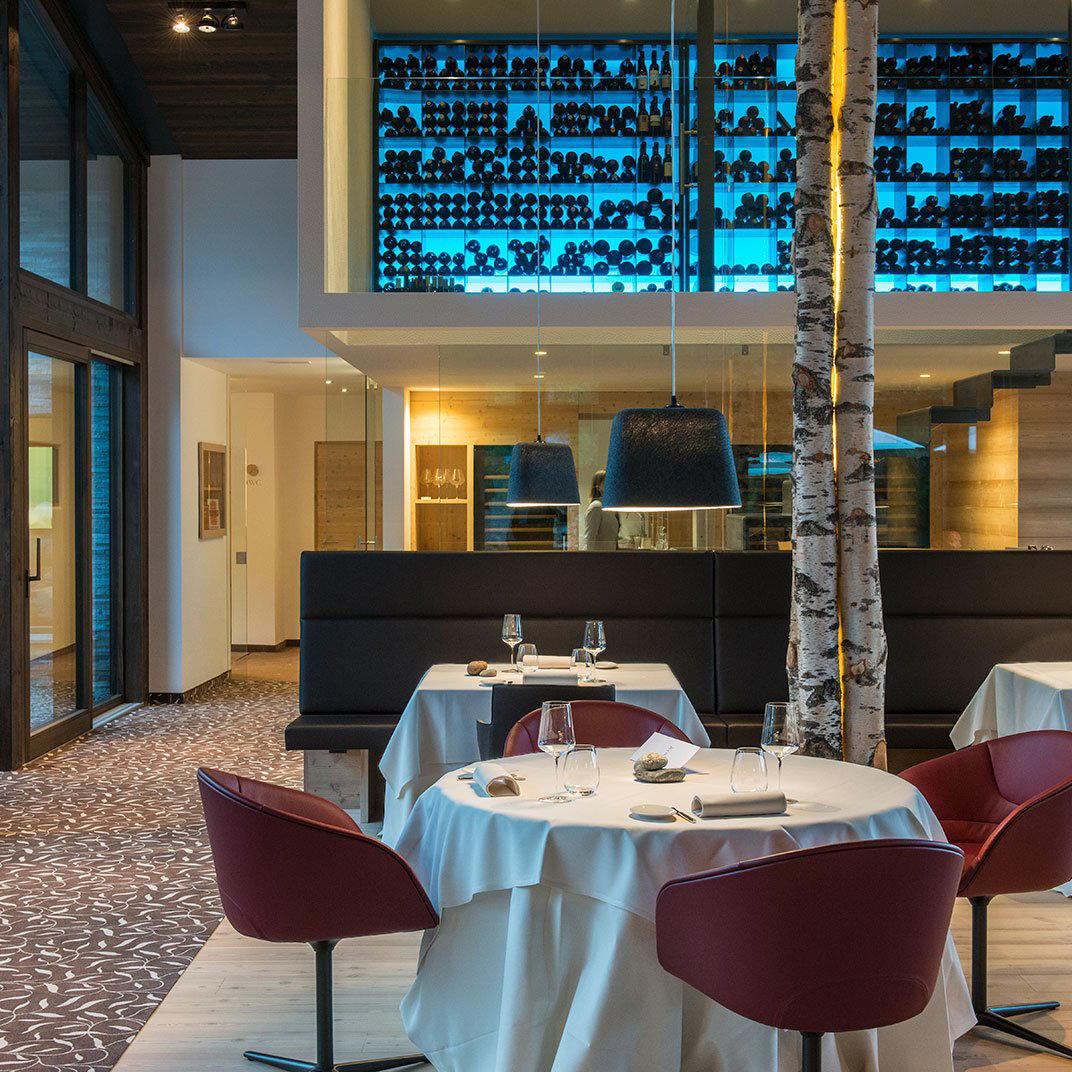
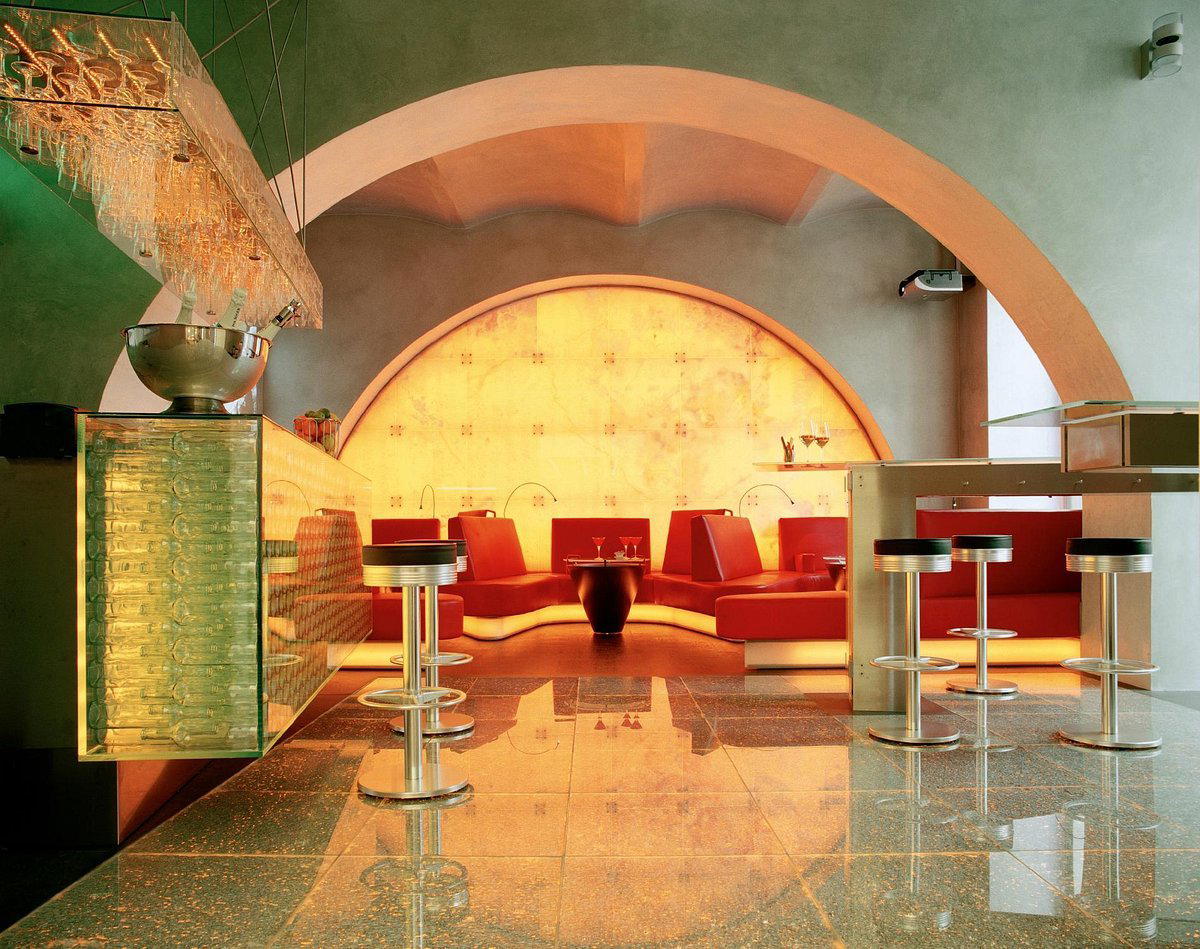
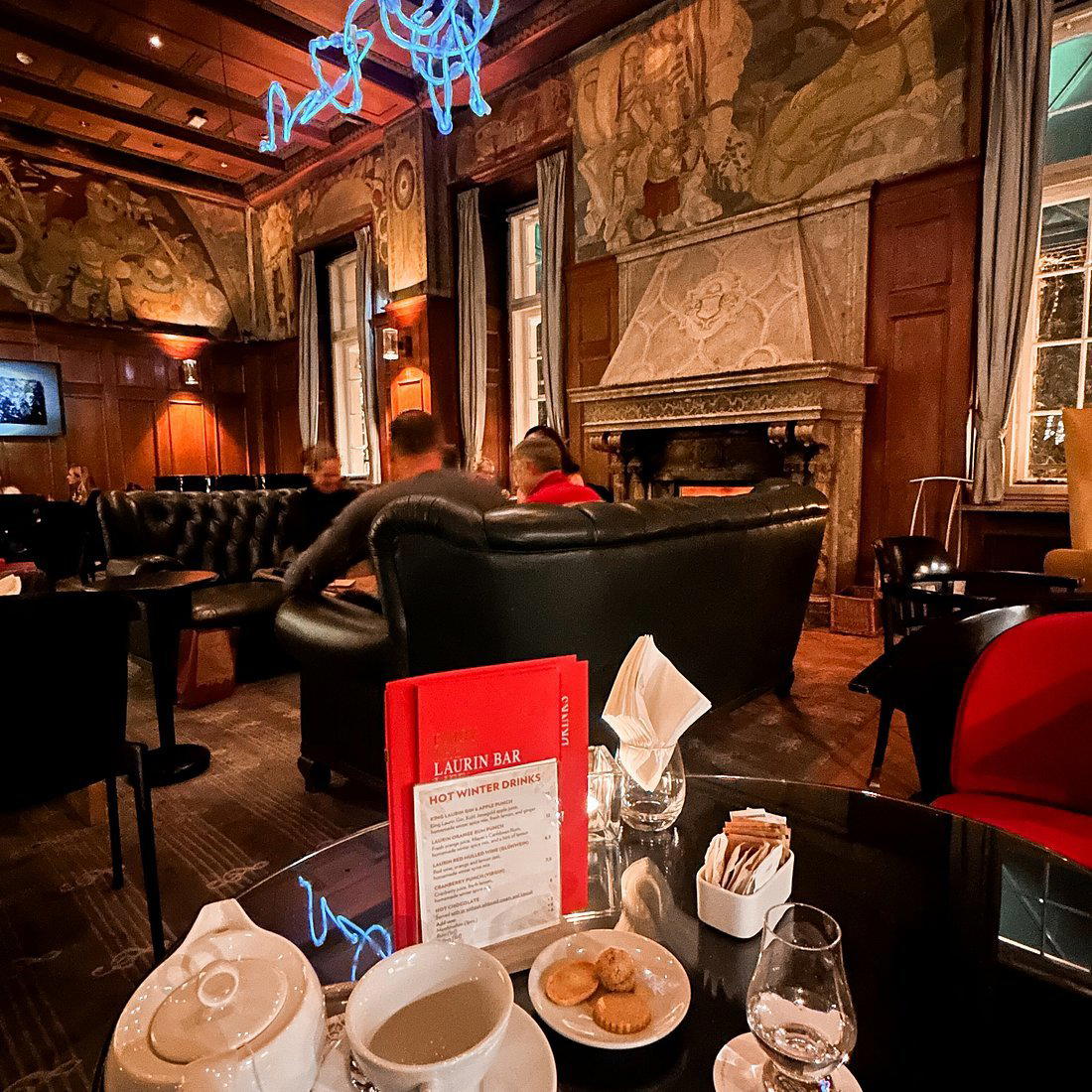
Bars in Jenesien
Browse all →
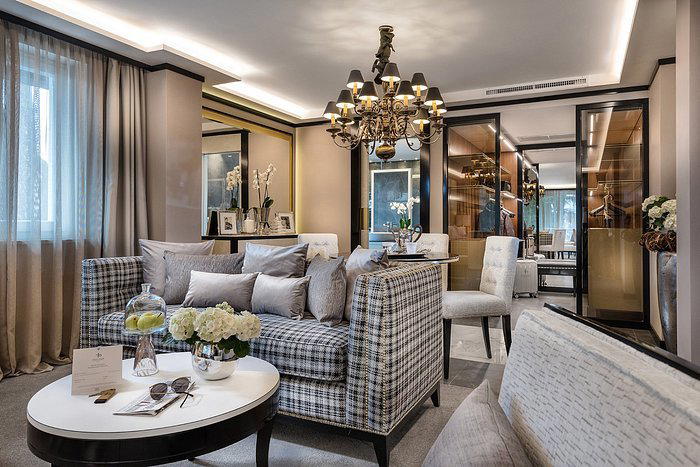
Hotels in Jenesien
Browse all →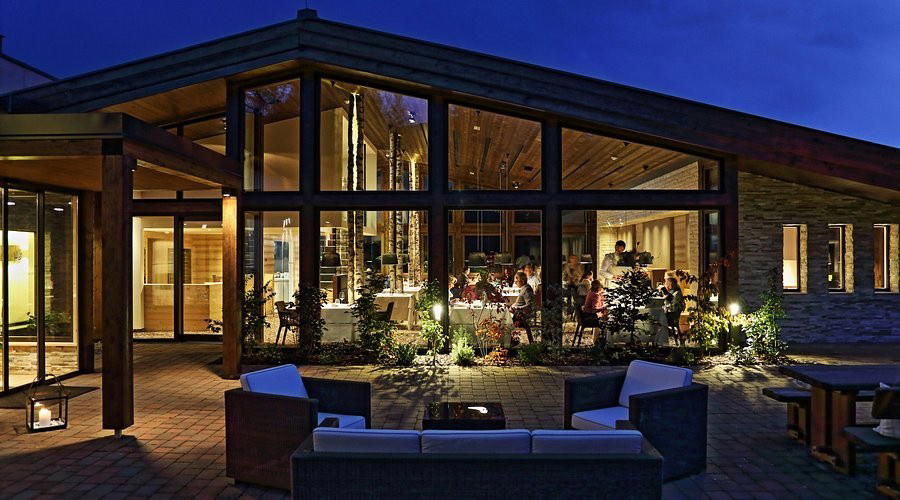
At a Glance
- Rustic
- Cozy
- Scenic
- Family
- Casual Hangout
- Terrace
- Open Kitchen
- Local Sourcing
- Mountain
Current opening hours
- Monday
- Closed
- Tuesday
- 8 AM–11 PM
- Wednesday
- 8 AM–11 PM
- Thursday
- 8 AM–11 PM
- Friday
- 8 AM–11 PM
- Saturday
- 8 AM–11 PM
- Sunday
- 8 AM–11 PM
Hours can change for holidays and private events. Last verified .
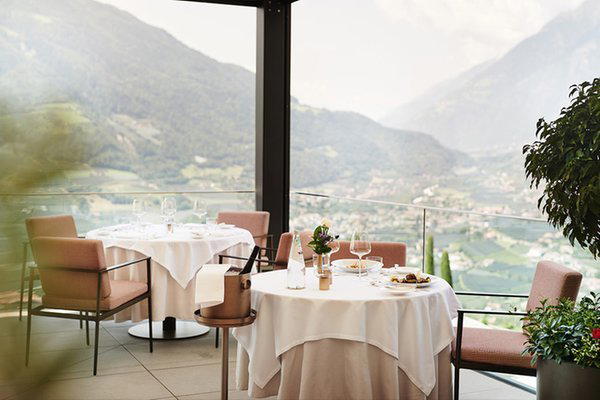
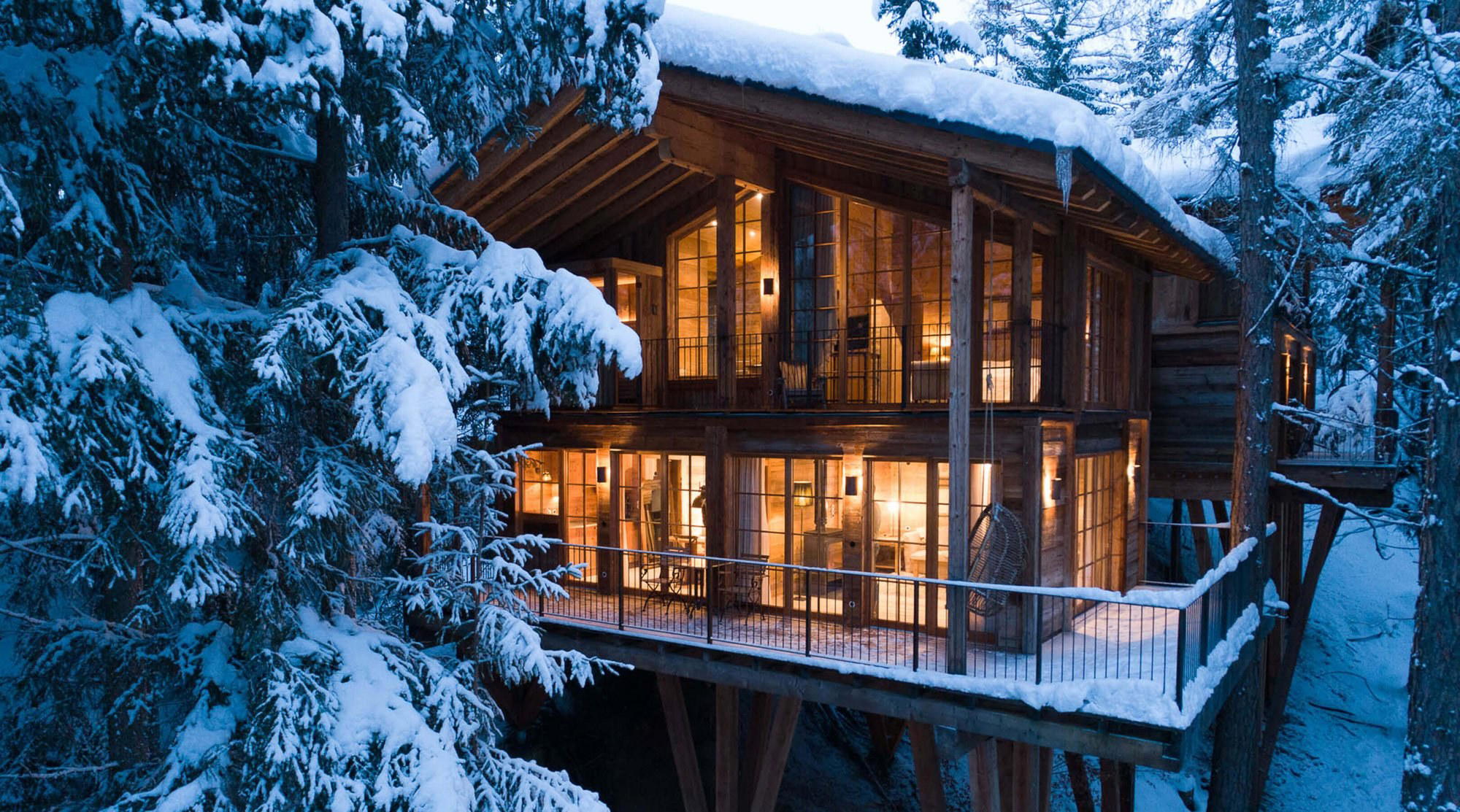
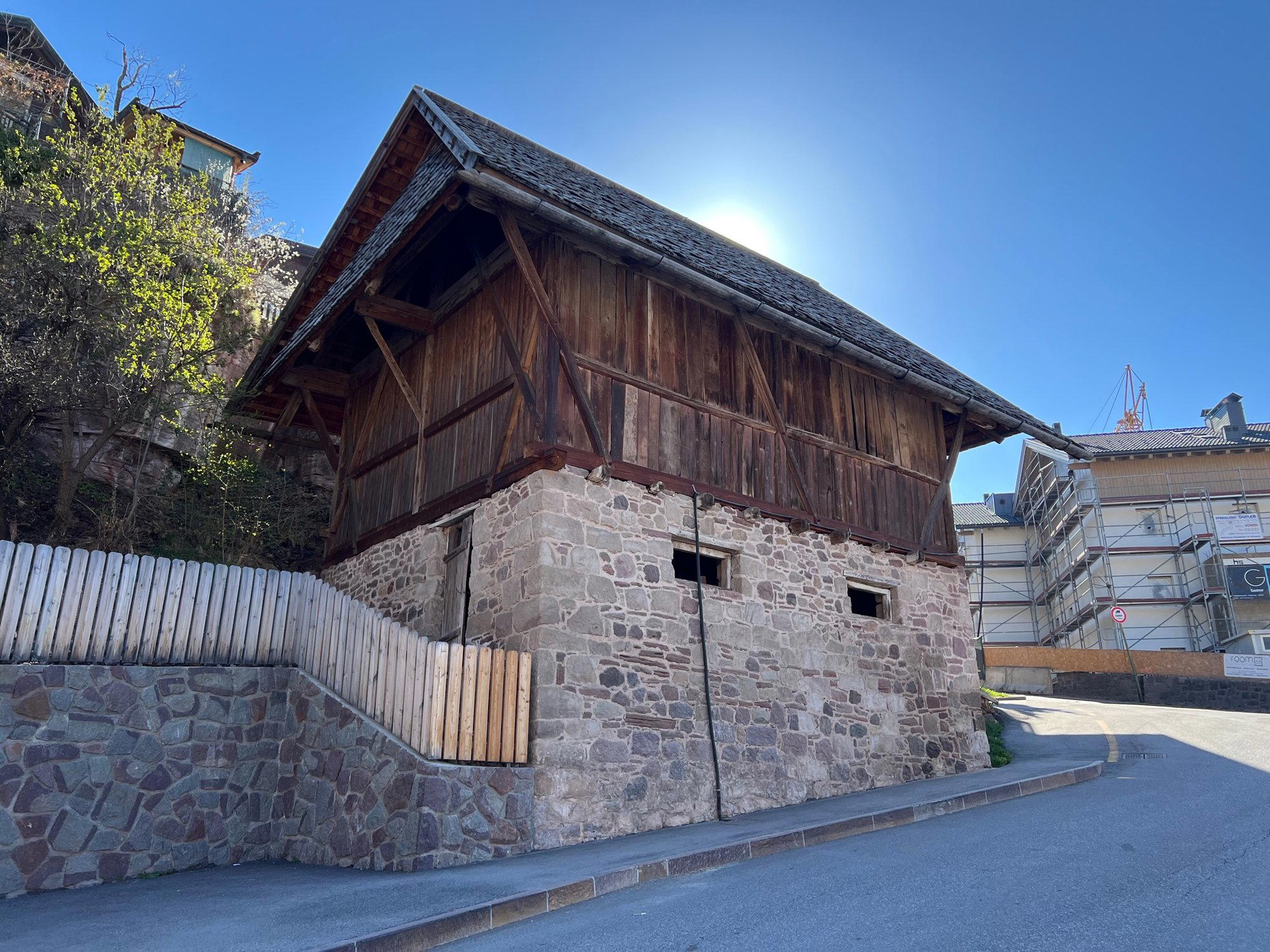
Cozy rustic interior with large panoramic windows, warm wood accents, and light-filled spaces complemented by a spacious terrace.