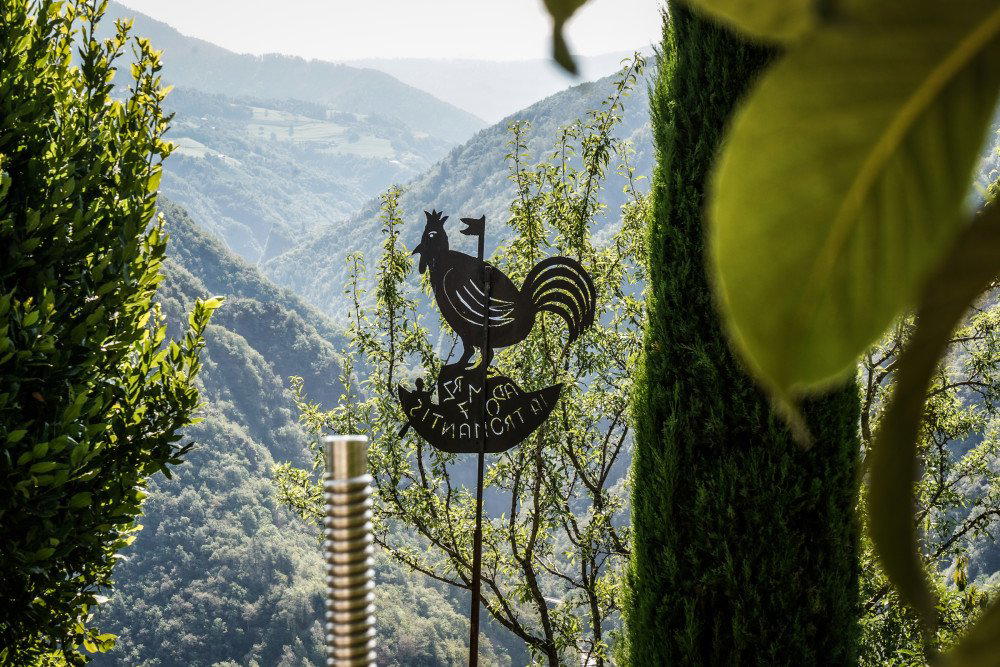
Ansitz Fonteklaus serves Traditional South Tyrolean Alpine Cuisine in a historic building with mountain and garden views, plus an extensive wine list for leisurely meals.
Pearl is the En Primeur Club membership app — saves, bookings, and concierge access live there. Same editors, same standards.
- Address
- Freins 4, 39040, Lajen, Autonome Provinz Bozen - Südtirol, Italy
- Phone
- +39471655654
- Website
- fonteklaus.it
- Directions
- Get directions
 Saves & bookings on Pearl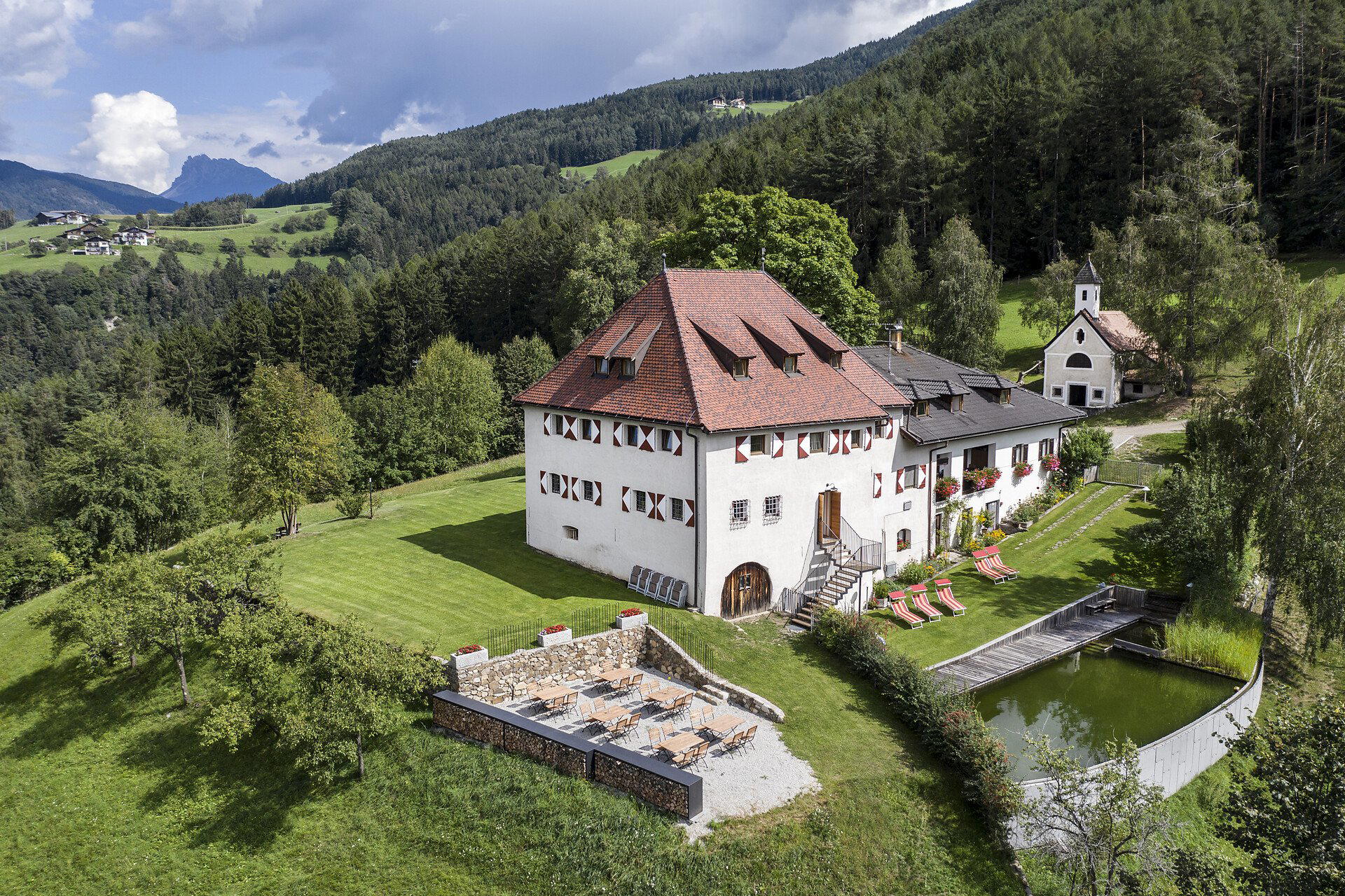
Where South Tyrol's Agricultural Character Shows Up on the Plate
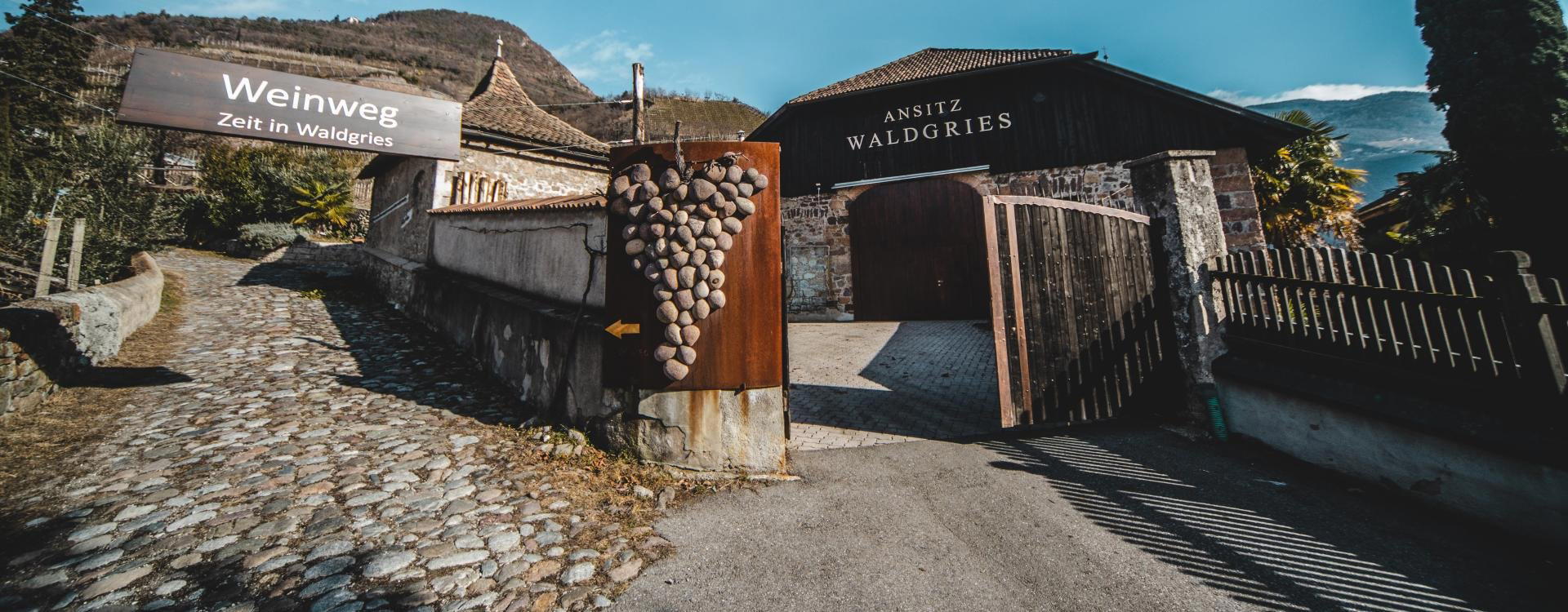
The Val Gardena corridor and its surrounding communes sit at an elevation where farming operates on terms that lowland Italy does not encounter. Villages like Laion, perched above the Eisack valley in the Autonomous Province of Bolzano, have sustained a particular relationship between land and table for centuries: short growing seasons, alpine pasture, and the cultural overlap of Tyrolean and Italian traditions that defines the entire region. Ansitz Fonteklaus, addressed at Freins 4 in the township of Lajen, sits inside that agricultural world rather than at a remove from it. The building itself is a historic ansitz, the term for a fortified manor house or estate of the South Tyrolean nobility, and the physical setting carries the weight of that provenance before a single dish arrives.
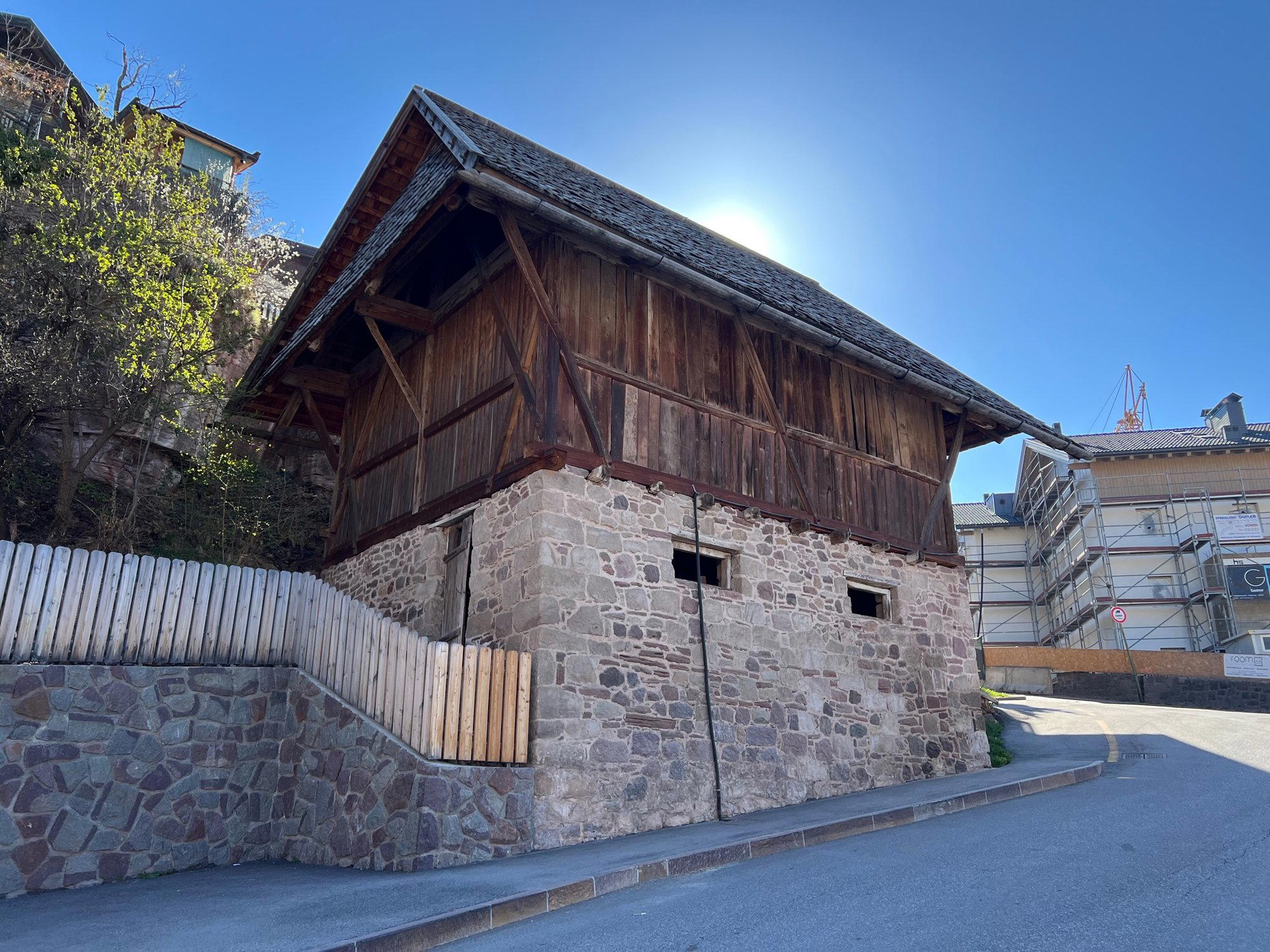
Approaching the property, the architecture reads in the local vernacular: stone foundations, thick-walled construction designed for altitude and winter, the kind of building that accumulated its character across generations rather than through a single design act. That physical context is not decorative. In South Tyrol, the estate farm tradition means ingredients and land are often entangled in a way that larger, more urban dining operations cannot replicate. The region as a whole produces speck Alto Adige IGP, cheeses from high-altitude dauerwiesen pastures, wild herbs from the Dolomite slopes, and orchard fruits from the valley floors at markedly lower elevations. Where a restaurant sits within that supply web matters considerably for what ends up on the plate.
The Ingredient Logic of South Tyrol
South Tyrolean cooking is frequently discussed in terms of its Germanic-Italian duality, but the more instructive frame is geographic compression. Within a single valley system, you move from Mediterranean-adjacent viticulture at 200 metres above sea level to alpine grazing terrain above 1,500 metres. That compression means a kitchen sourcing locally has access to a range that most European regions cannot match within a similar radius. Spelt and rye grown on steeper terraces, trout from cold-running streams, venison and chamois from managed hunting grounds, milk from Brown Swiss cattle on summer pasture: the ingredient palette is specific, seasonal, and determined almost entirely by altitude and calendar.
The ansitz model, where a historic estate property operates with some relationship to its surrounding land, places a venue like Ansitz Fonteklaus in a different sourcing position than a restaurant that imports its produce through a distributor. Whether that connection to local agriculture is direct or curated through close relationships with nearby farms, the expectation a well-travelled diner brings to a property of this type is proximity to material: food that reflects the specific meadows and forests of the upper Eisack valley rather than a generalised idea of Italian or Alpine cuisine. For context on what South Tyrolean ingredient-driven cooking looks like at its most decorated expression, Atelier Moessmer Norbert Niederkofler in Brunico has built one of Italy's most discussed sourcing programs around the same regional raw materials, operating at the €€€€ tier with a focus on alpine ingredients that Niederkofler has spent years articulating publicly.
Laion and the Quieter End of South Tyrolean Dining
Laion does not register on the same frequency as Bolzano or Merano when visitors plan a South Tyrol itinerary. That relative obscurity is partly geographic, partly a function of how the region's hospitality infrastructure clusters around major resort nodes and the provincial capital. The result is that properties in villages like Laion tend to draw a different guest profile: those looking for something with a more settled, agricultural character. Our full Laion restaurants guide maps the broader dining picture in the township for readers building a more complete visit.
The comparison set for Ansitz Fonteklaus within the region is not the tasting-menu circuit. It sits closer to the category of historic estate properties that have developed a dining identity rooted in place rather than in culinary ambition for its own sake. That is a meaningful distinction in a region where the pull toward premium positioning is strong. Across Italy more broadly, the restaurants that have maintained particularly durable reputations tend to be those where the sourcing logic is embedded in the property's identity rather than added as a programme. Dal Pescatore in Runate is one long-cited example of that kind of rootedness, operating at the €€€€ level with a kitchen whose relationship to its immediate agricultural environment is woven into its three-Michelin-star record across decades.
Reading South Tyrol Against the Rest of Italy
Italy's multi-starred dining tier spans a wide geographic and culinary range. The creative programs at Osteria Francescana in Modena, the seafood intelligence at Uliassi in Senigallia, the long-game classical cooking at Enoteca Pinchiorri in Florence, and the technically driven work at Le Calandre in Rubano all operate within a national conversation about what Italian fine dining means in its current form. South Tyrol occupies a distinct position within that conversation because its culinary identity is constituted differently: the German-language tradition, the autonomy statute that shapes agriculture and land use, and the Dolomite geography all produce an ingredient base and a set of cooking references that do not map neatly onto Emilian or Neapolitan frameworks.
That distinctiveness is part of what makes properties in the region worth approaching on their own terms rather than through the lens of the starred circuit. Reale in Castel di Sangro and Piazza Duomo in Alba both illustrate how deeply regional Italian cooking, when it commits fully to its own geography, produces something that resists simple categorisation. The same logic applies in South Tyrol, where the leading cases are not approximating an international fine-dining template but working from within a specific set of materials and traditions. Elsewhere in Italy's northern regions, Villa Crespi in Orta San Giulio and Casa Perbellini 12 Apostoli in Verona demonstrate how historic properties and classically grounded programs can sustain recognition across changing critical fashions. For international reference points, the sourcing rigour visible at Le Bernardin in New York City and the producer-led philosophy at Lazy Bear in San Francisco show how ingredient provenance has become a primary axis of fine-dining differentiation in markets far from the Alps.
Other strong Italian tables worth cross-referencing when thinking about regional depth include Quattro Passi in Marina del Cantone, Enrico Bartolini in Milan, Da Vittorio in Brusaporto, and La Pergola in Rome, each of which represents a different regional register of Italian cooking at the summit of the market.
For visitors planning a meal in Laion, the local comparator is Putzerhof, which operates in the same township and shares the general character of South Tyrolean estate dining.
Planning a Visit to Ansitz Fonteklaus
Laion sits roughly fifteen kilometres from Bolzano by road, accessed via the Val d'Ega or through the Klausen/Chiusa junction off the A22 Brenner motorway. The village is not served by direct rail, so a hire car or taxi from Bolzano or Klausen is the practical approach. Contact the property directly at the Freins 4 address or through local tourism channels in the Laion township for current details.
A Quick Peer Check
Comparable venues nearby, for context on price, style, and recognition.
| Venue | Cuisine | Price | Notes |
|---|---|---|---|
| Ansitz FonteklausThis venue — the venue you are viewing | Traditional South Tyrolean Alpine Cuisine | $$ | Not listed |
| Putzerhof | South Tyrolean Rustic | $$ | Laion |
| The Lido | Italian Lakeside Pizzeria & Beach Club | $$ | Cernobbio |
| Karrner | South Tyrolean Italian Tapas | $$ | historic center |
| Arso Trattoria Moderna | Traditional Roman Trattoria | $$ | .null |
| Waidmannalm | South Tyrolean Alpine Cuisine | $$ | Hafling |
Continue exploring
More in Laion
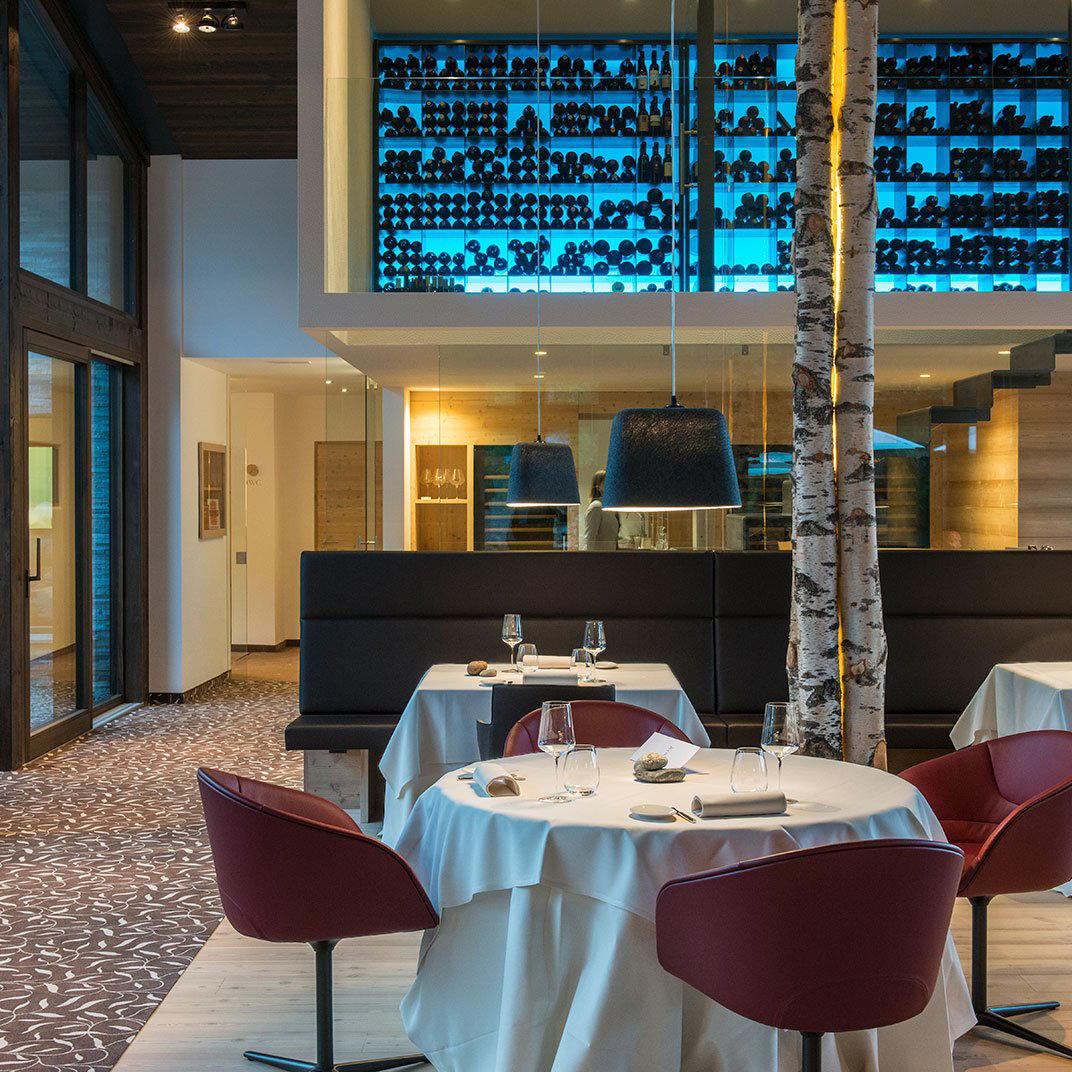
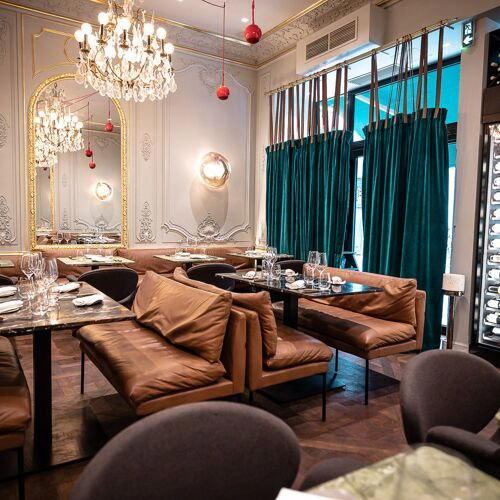
Restaurants in Laion
Browse all →
Bars in Laion
Browse all →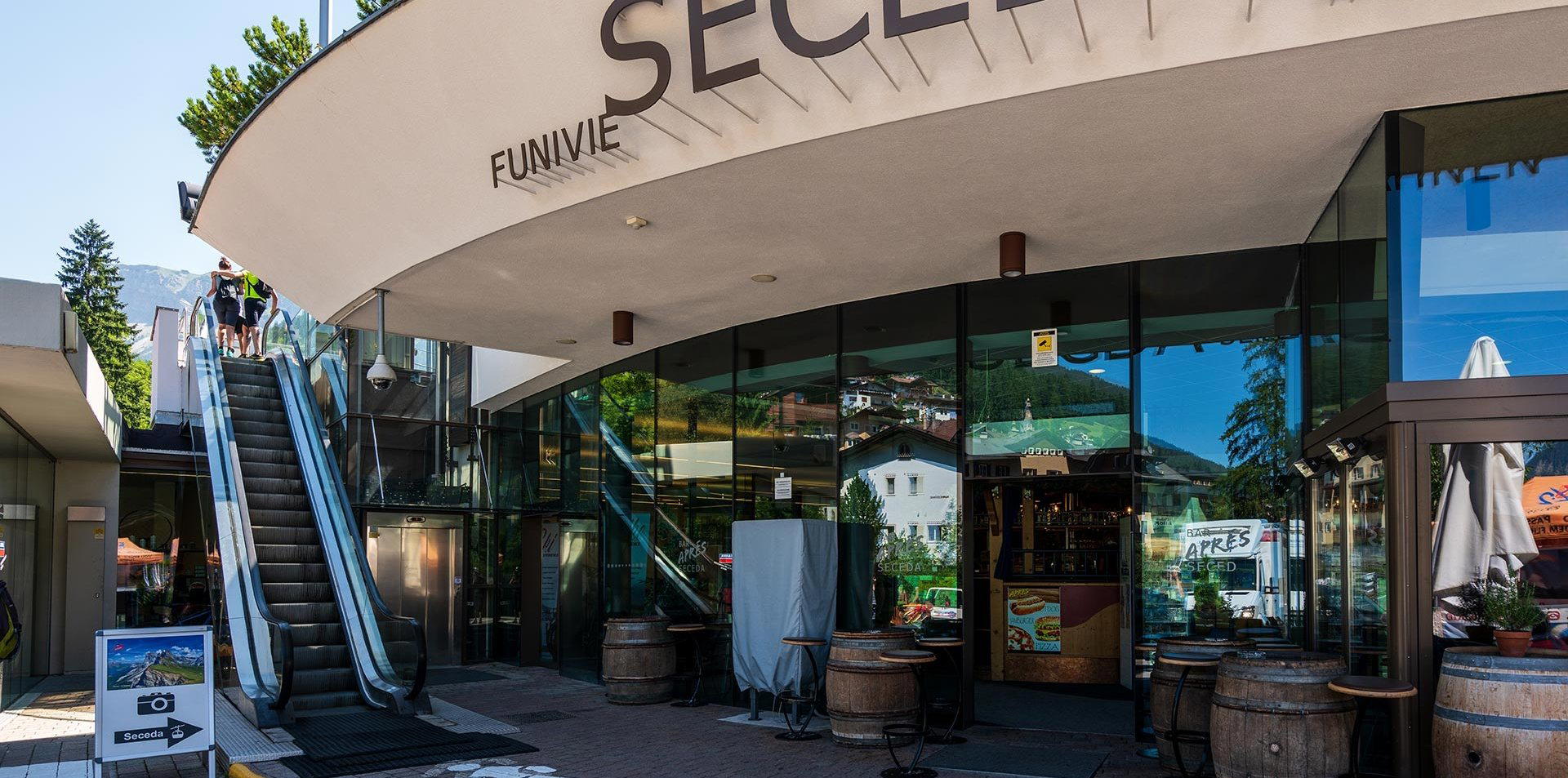
Hotels in Laion
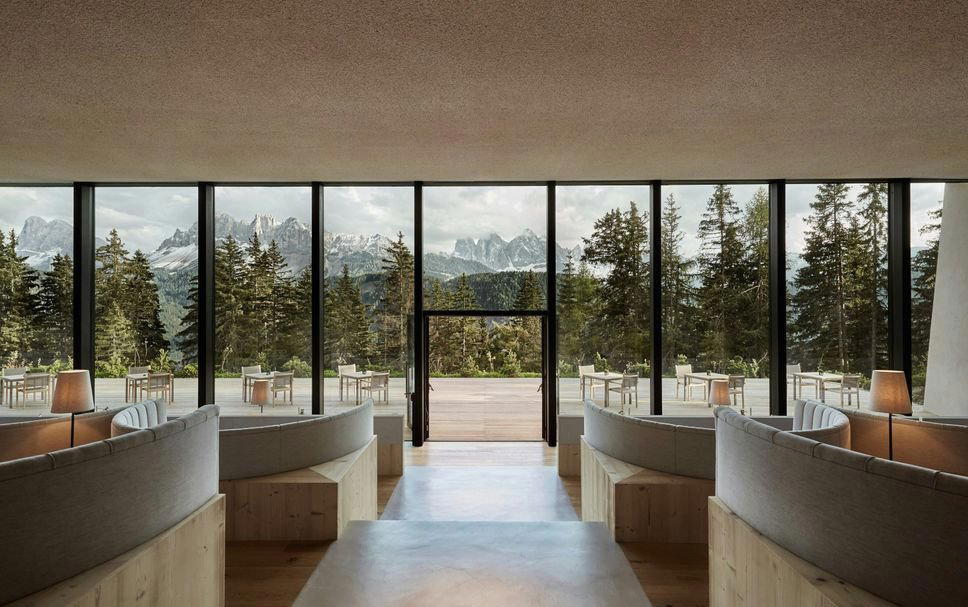
Browse all →
At a Glance
- Rustic
- Cozy
- Scenic
- Classic
- Family
- Group Dining
- Casual Hangout
- Celebration
- Terrace
- Garden
- Panoramic View
- Historic Building
- Standalone
- Extensive Wine List
- Farm To Table
- Local Sourcing
- Organic
- Mountain
- Garden
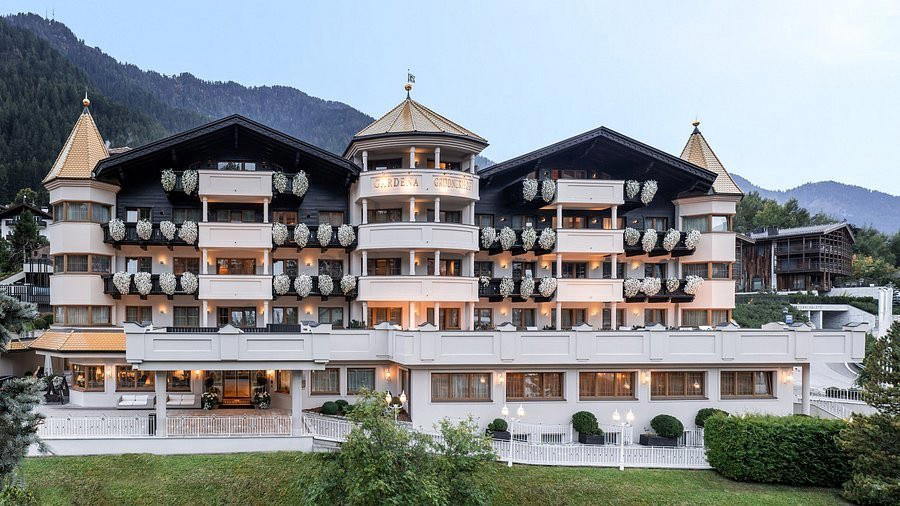
Warm and inviting with traditional wood-beamed ceilings, natural lighting from garden views, and a family-run atmosphere that emphasizes seasonal, locally-sourced comfort.