Pretzhof Bistro
Pretzhof Bistro sits in the Casateia industrial zone of Ratschings, a Val di Vizze valley address that immediately signals something apart from the tourist-facing dining of South Tyrol's ski corridors. In a region where Austrian culinary inheritance meets northern Italian produce, bistro-format dining here draws on both traditions without performing either. Visitors to Ratschings seeking an alternative to resort-adjacent restaurants will find context worth understanding before booking.
Pearl is the En Primeur Club membership app — saves, bookings, and concierge access live there. Same editors, same standards.
- Address
- Zona Artigianale Est, 24, 39040 Casateia BZ, Italy
- Phone
- +39472694988
- Website
- pretzhof.com
- Directions
- Get directions
 Saves & bookings on Pearl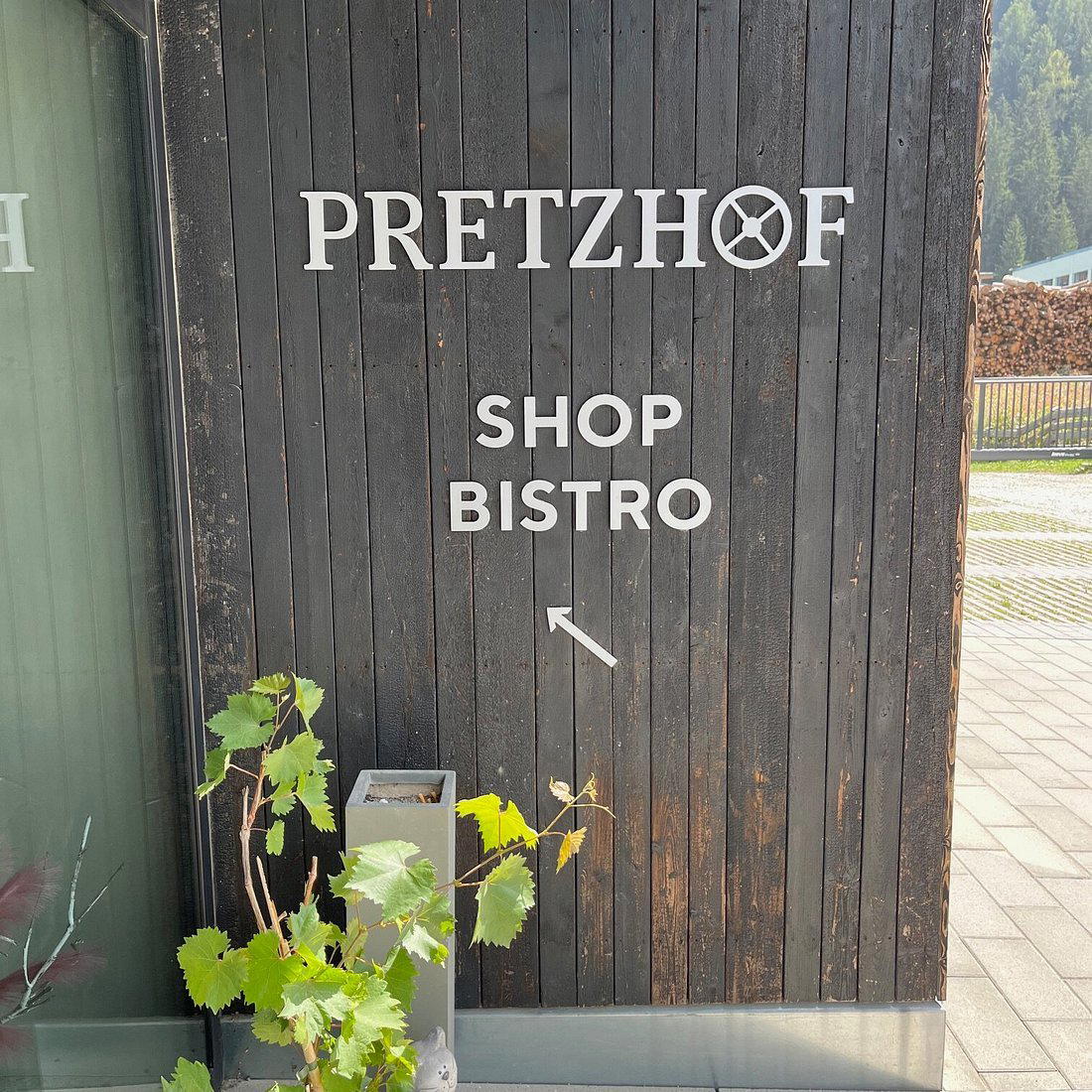
Between Two Kitchens: South Tyrol's Dual Culinary Identity
The Ratschings valley sits in the upper reaches of South Tyrol, a province that has spent more than a century navigating between Austrian and Italian culinary traditions without fully belonging to either. The result is a regional table that is genuinely its own: Speck cured in mountain air rather than smoked like its German cousins, Schlutzkrapfen pasta stuffed with spinach and ricotta that owes as much to the Brenner Pass as to Bologna, bread dumplings standing in where risotto would appear fifty kilometres south. Pretzhof Bistro is a Farm-to-Table Italian Bistro in Casateia, Italy. This is the cultural framework into which any bistro operating in Ratschings steps, whether consciously or not. Pretzhof Bistro, addressed on the eastern industrial strip of Casateia at Zona Artigianale Est 24, enters that conversation from an unpromising-looking corner of the valley, which is itself a familiar South Tyrolean pattern, where serious local eating often happens far from the scenic cable-car plazas.
The Industrial Zone as Dining Address
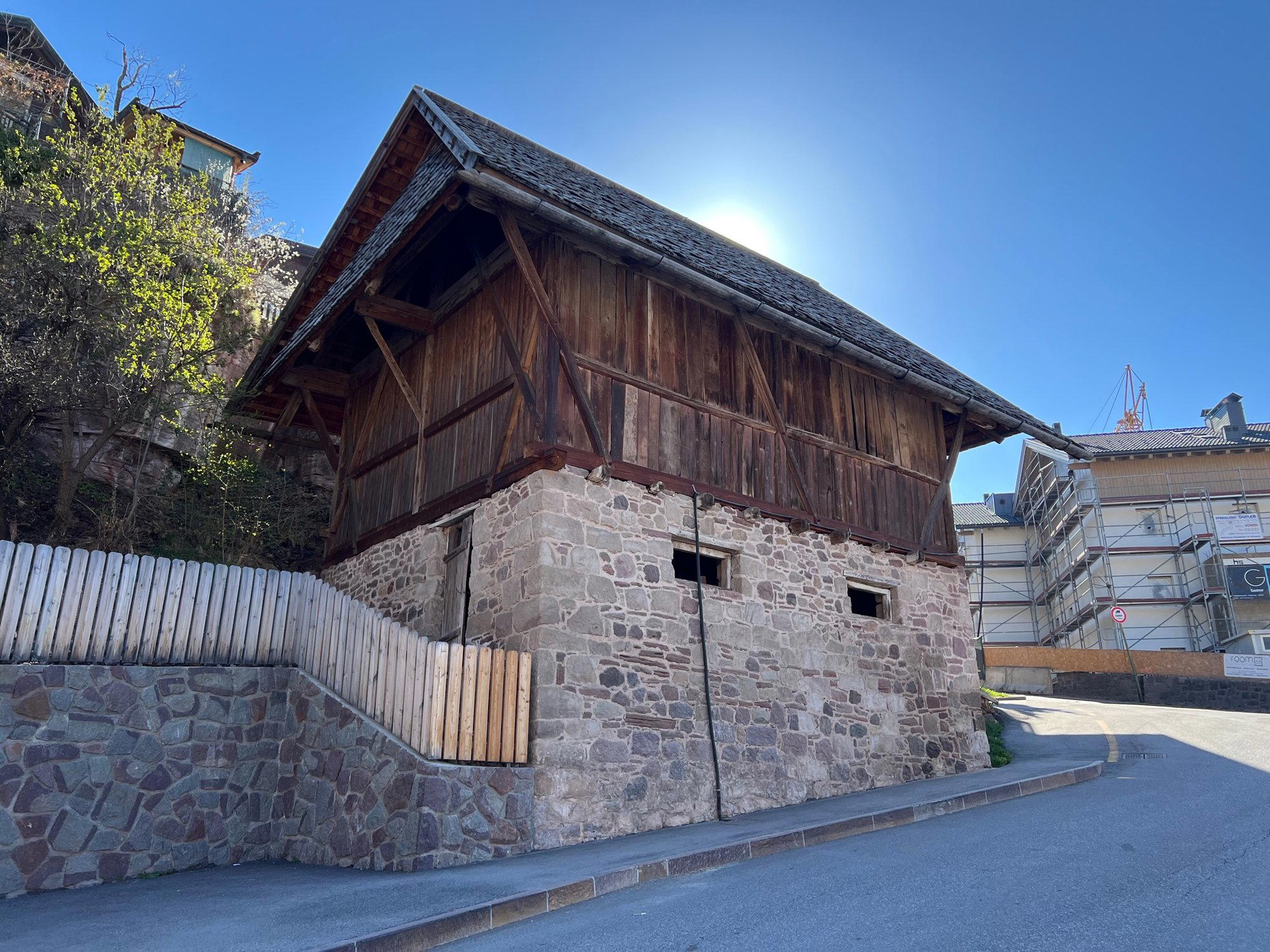
Zona Artigianale Est, literally the eastern craft zone, is the kind of address that filters out casual visitors almost entirely. In South Tyrolean towns, artigianale strips serve the working infrastructure of alpine communities: joinery workshops, machinery depots, agricultural suppliers. A restaurant operating within that fabric is either feeding a local lunch trade, serving a neighbourhood that has no other convenient option, or doing something deliberate with its positioning. Across northern Italy's more food-serious regions, this pattern recurs more often than outsiders expect: the trattoria behind the agricultural cooperative, the osteria above the hardware supplier. The address is not a liability but a signal, pointing toward a room that earns its regulars through cooking rather than through window dressing or proximity to a gondola station.
The bistro format itself carries a specific set of expectations in the alpine context. Unlike the tasting-menu formalism that defines South Tyrol's higher end, represented nationally by operations like Atelier Moessmer Norbert Niederkofler in Brunico, where the region's Cook the Mountain philosophy commands serious attention, or at the peninsula's fine-dining tier occupied by Osteria Francescana in Modena, Piazza Duomo in Alba, and Le Calandre in Rubano, bistro dining in this geography implies a more direct relationship with regional ingredients, shorter menus, and a room built for repeat use rather than occasion dining.
Reading South Tyrol Through Its Bistro Tier
Italy's fine-dining conversation has long centred on coastal and lowland regions: the Adriatic focus of Uliassi in Senigallia, the Mantuan continuity of Dal Pescatore in Runate, the Mediterranean ambition of Quattro Passi in Marina del Cantone. South Tyrol has historically sat outside that mainstream, its culinary identity too Germanic for Italian critics and too Italian for Austrian ones. That ambiguity has gradually become a point of strength: the region's leading tables, and the provincial bistro tier beneath them, now draw visitors specifically because the cooking does not resemble anything found in Lombardy, Tuscany, or Lazio.
At bistro level, that means a menu logic built around valley produce: dairy from small alpine farms, cured meats made to local specification, game from the surrounding forest zones, and pastry traditions that track more closely to Vienna than to Naples. The seasonal calendar is compressed and sharp, the growing window at altitude is short, and kitchens that work within it produce food with a directness that longer-season regions rarely achieve. Whether Pretzhof Bistro operates strictly within that framework or takes a more eclectic approach, the broader scene it inhabits is shaped by those constraints. Comparison with Italy's more globally positioned addresses, from the French-inflected register of Enoteca Pinchiorri in Florence to the metropolitan ambition of Enrico Bartolini in Milan or the waterfront formality of La Pergola in Rome, underscores how distinctly alpine this corner of Italian dining remains.
Internationally, the contrast is even sharper. The technical precision of Le Bernardin in New York City or the Korean-American tasting-menu architecture of Atomix in New York City belong to a different category conversation entirely. What South Tyrol's bistro tier offers is the opposite of that kind of ambition: cooking grounded in a specific place, season, and material culture, with little interest in signalling beyond its own valley.
Planning a Visit to Ratschings
Ratschings is not a major transport hub. The valley is most easily reached from Sterzing (Vipiteno), which sits on the A22 Brenner motorway approximately fifteen minutes north by road, and Sterzing itself connects to Innsbruck and Bolzano by rail. Most visitors arrive by car, particularly in winter when the valley functions as a ski destination and in summer when it draws hiking traffic. The Casateia industrial zone is navigable by GPS; the address at Zona Artigianale Est 24 is direct to locate once in the village. Visitors should verify current operating information directly before travelling specifically for a meal. Casa Perbellini 12 Apostoli in Verona, Da Vittorio in Brusaporto, and Reale in Castel di Sangro all illustrate how Italy's serious regional dining rewards advance planning; the same logic applies at every tier, including the bistro level in alpine valleys where seasonal closures and variable hours are common.
Booking and Cost Snapshot
Comparable venues nearby, for context on price, style, and recognition.
| Venue | Cuisine | Price | Notes |
|---|---|---|---|
| Pretzhof BistroThis venue — the venue you are viewing | Ratschings, Farm-to-Table Italian Bistro | $$ | Not listed |
| Ungererhof | Ratschings, South Tyrolean Farm-to-Table | $$$ | Not listed |
| Anett restaurant | Not listed | $$$ | Ratschings, Modern Italian with Alpine Influences |
| Villscheiderhof | Not listed | $$ | Fraktion Untereben, Traditional South Tyrolean |
| 357 Pizza and Food | Not listed | $$ | Central Merano, Traditional Italian Pizza |
| Trattoria Mainardo | Not listed | $$ | Center of Merano, South Tyrolean & Italian Trattoria |
Continue exploring
More in Ratschings
Restaurants in Ratschings
Browse all →
Bars in Ratschings
Browse all →

Hotels in Ratschings
Browse all →

At a Glance
- Modern
- Rustic
- Casual Hangout
- Standalone
- Farm To Table
- Local Sourcing
- Mountain
Current opening hours
- Monday
- 8 AM–12 PM
- Tuesday
- 8 AM–7 PM
- Wednesday
- 8 AM–7 PM
- Thursday
- 8 AM–7 PM
- Friday
- 8 AM–10 PM
- Saturday
- 8 AM–7 PM
- Sunday
- 8 AM–12 PM
Hours can change for holidays and private events. Last verified .
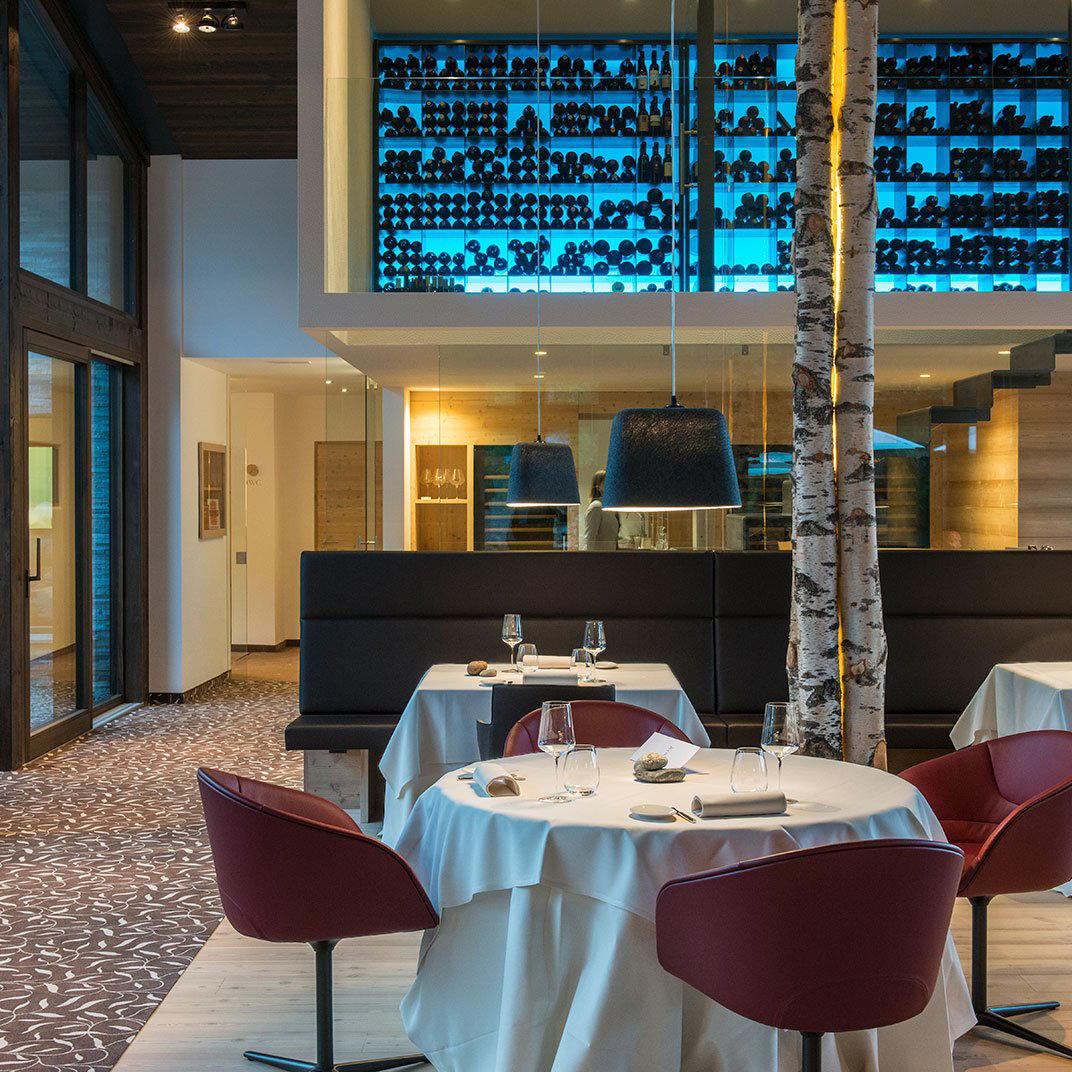
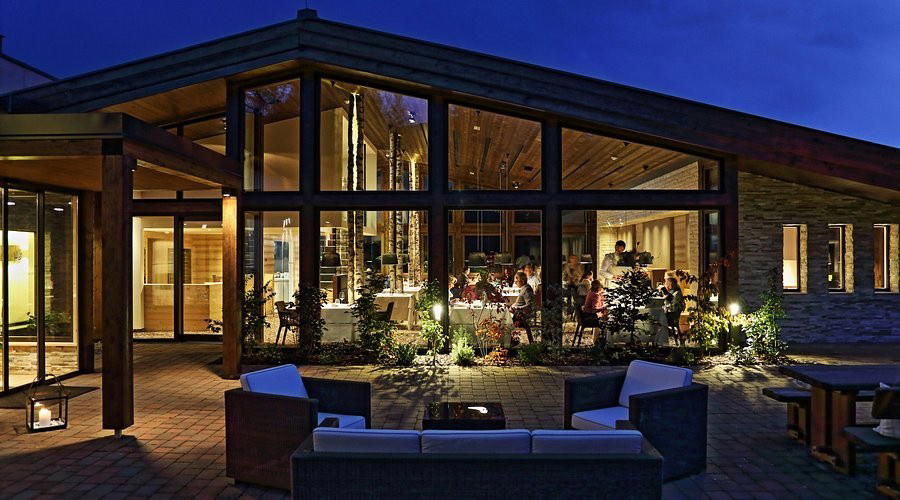
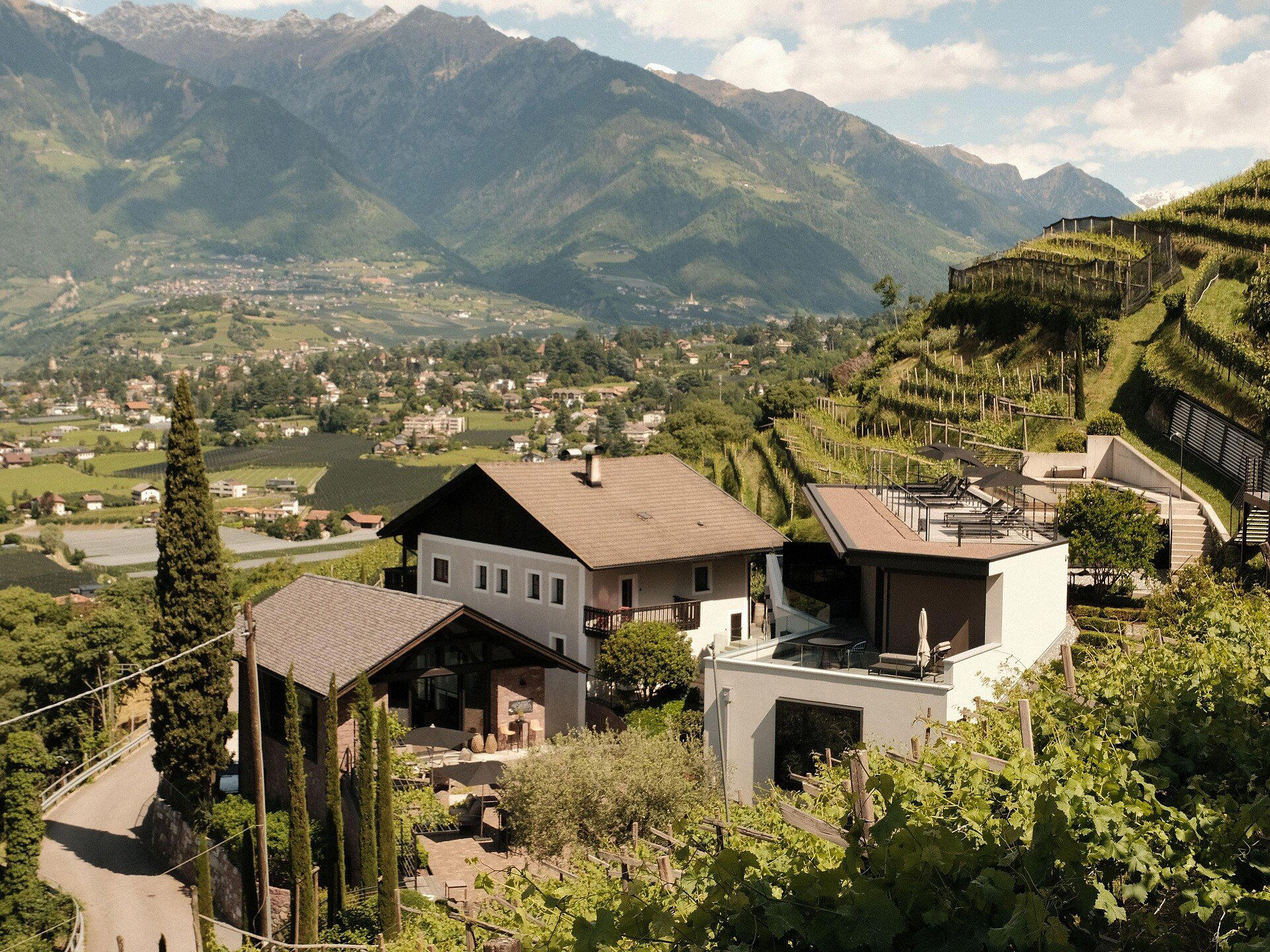
Modern design with artful food presentation and high-quality farm-sourced ingredients.