L'Anxova Divina
L'Anxova Divina occupies a waterfront position at Port Forum in Sant Adrià de Besòs, where the Catalan anchovy tradition meets Barcelona's northeastern edge. The restaurant draws on the Mediterranean's most closely argued ingredient — the cured anchovy — as both centrepiece and editorial lens for the wider coastal pantry. For anyone tracking Spain's serious seafood dining beyond the usual city circuits, it belongs on the itinerary.
 Discover on Pearl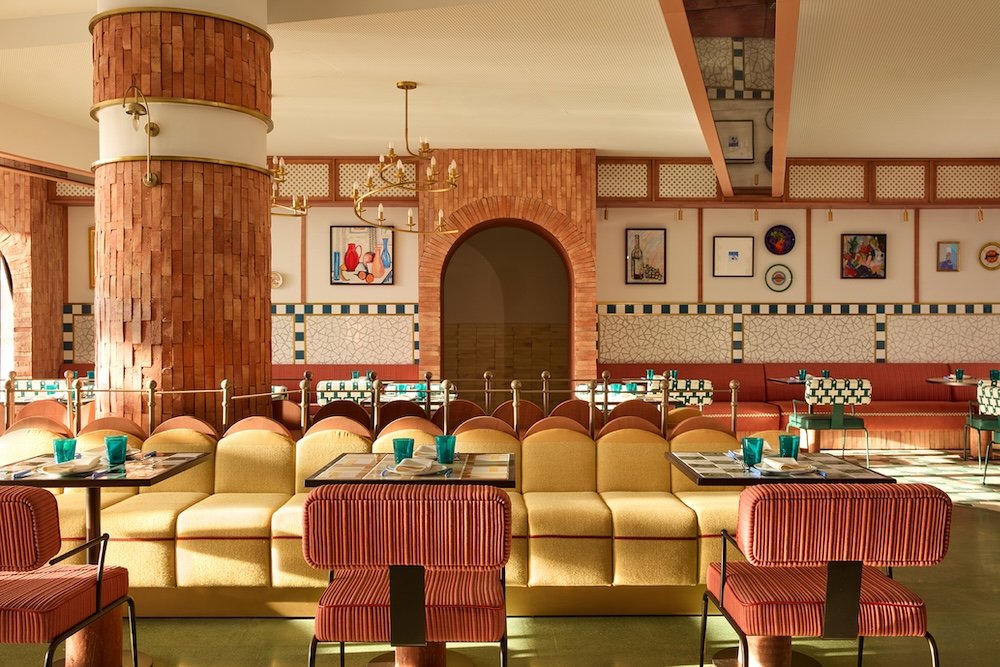
Port Forum and the Seafood Dining Strip Beyond Barcelona's Edge
The waterfront at Port Forum sits at the point where Barcelona's grid finally gives out and Sant Adrià de Besòs begins — a marina district that feels more working-port than tourist corridor, with restaurant terraces facing the water rather than the foot traffic. Arriving by tram or on foot along the coastal path, the transition from dense city fabric to open water is abrupt and clarifying. L'Anxova Divina occupies Carrer de la Pau on the port perimeter, a position that makes geographic sense once you understand what the restaurant is actually about: proximity to the sea is not decorative here, it is structural.
This stretch of the Catalan coast has long been a secondary register in Spain's premium dining conversation, overshadowed by Barcelona's concentrated restaurant scene and the well-publicised institutions to the north in Girona and the Basque Country. Yet the municipalities immediately north and east of Barcelona have historically supported a different kind of seafood culture — less chef-driven spectacle, more anchored in the specific ingredients that the Mediterranean actually produces at this latitude. L'Anxova Divina positions itself squarely inside that tradition, with the anchovy as its explicit organising principle. Nearby, Lora represents another angle on Sant Adrià's developing dining identity. For broader context on eating and drinking in the area, our full Sant Adrià de Besòs restaurants guide covers the neighbourhood in detail.
The Anchovy as Ingredient Argument
Few Mediterranean ingredients carry as much regional specificity as the cured anchovy. The Catalan relationship with the anxova runs deep and territorially specific: the anchovies from L'Escala, a small town on the Costa Brava roughly 130 kilometres north of Barcelona, have held protected geographical indication status since 2004, separating them formally from the broader anchovy trade. The production method , hand-packed in salt, matured for a minimum of six months, often twelve or more , produces a product with a character distinct from the quicker-processed alternatives that fill most supermarket tins. The difference is not subtle. A properly aged L'Escala anchovy has a saline depth and a clean, non-fishy finish that makes it function more like a seasoning than a garnish, capable of reorganising the flavour relationships of whatever it accompanies.
A restaurant built around this ingredient is making a particular claim about provenance and sourcing discipline. It signals that the menu is constrained by what the territory actually produces rather than assembled for variety. That constraint, when applied seriously, tends to push kitchens toward a cleaner, more direct style of cooking , the kind of approach that Spain's most serious seafood-focused restaurants, from Aponiente in El Puerto de Santa María at the opposite end of the country to Quique Dacosta in Dénia, have pushed in different directions over the past decade. L'Anxova Divina operates at a different register of ambition and price than those Michelin-starred addresses, but the underlying logic of letting a specific coastal ingredient define the kitchen's vocabulary connects them.
Where This Fits in Spain's Seafood Dining Spectrum
Spain's premium seafood dining has bifurcated over the past fifteen years. On one axis sit the technique-driven, often tasting-menu-format houses: El Celler de Can Roca in Girona, Arzak in San Sebastián, Mugaritz in Errenteria, Azurmendi in Larrabetzu, Martin Berasategui in Lasarte-Oria, and DiverXO in Madrid , restaurants where the cooking process and the chef's conceptual framework are as much the point as the raw ingredients. On the other axis sit places where the sourcing and the product take precedence, where the kitchen's job is to present rather than to transform. L'Anxova Divina belongs to the second tradition.
That is not a lesser category. Internationally, the distinction maps onto the difference between, say, a kitchen like Le Bernardin in New York City , where rigorous technique serves rather than obscures the seafood , and more conceptually oriented formats. The Barcelona area itself contains this tension: Cocina Hermanos Torres in the city proper represents the technique and spectacle end of the spectrum, while establishments like L'Anxova Divina occupy the territory where ingredient identity is the primary event. For diners who have already covered the tasting-menu circuit , and for those who find the anchovy's place in Catalan culture genuinely interesting , that distinction matters.
The Coastal Pantry Beyond the Anchovy
A kitchen organised around the anchovy as its signature is also, by extension, organised around the broader northern Mediterranean pantry. The anxova does not exist in isolation on a Catalan table: it arrives alongside olive oil from the Camp de Tarragona or the Siurana designation, with bread from local bakeries using heritage grain, with tomatoes from the hinterland that form the base of pa amb tomàquet. The ingredient logic cascades. Restaurants that take their sourcing seriously at the level of one signature product tend, in practice, to extend that discipline across the supply chain.
The Port Forum location reinforces this logic. Proximity to the water means access to the day's catch from the Barceloneta and Badalona fish markets , a direct supply chain compared to the logistical complexity facing inland kitchens. The seasonal availability of fresh anchovies (the fresh fish, not the cured product) typically peaks in late spring and early summer in Catalan waters, which suggests the menu shifts in emphasis across the year, leaning on cured product when fresh is not at its leading.
Spain's wider northern coast has produced comparable ingredient-driven approaches at different price points and levels of recognition: Casa Marcial in Arriondas, Cenador de Amós in Villaverde de Pontones, Noor in Córdoba, and Atrio in Cáceres each demonstrate how seriously Spain takes the conversation between kitchen and territory, even if the territories and ingredients differ significantly. Ricard Camarena in València and Atomix in New York City represent international points of comparison for kitchens that build identity around sourcing specificity, each in distinct cultural registers.
Planning a Visit
L'Anxova Divina is located at Port Forum, Carrer de la Pau, 2, in Sant Adrià de Besòs , reachable from central Barcelona via the T4 tram line to the Parc de Recerca Biomèdica stop, a journey of roughly twenty-five minutes from Ciutadella-Vila Olímpica. Given the limited publicly available information on booking methods, opening hours, and pricing for this restaurant, contacting the venue directly before visiting is advisable, particularly for weekend lunch, when the marina district tends to attract both local families and visitors coming from the city. The absence of a widely listed website suggests walk-in visits may be viable for some services, but confirmation in advance is the sensible approach for any group larger than two.
In Context: Similar Options
These are the closest comparables we have in our database for quick context.
| Venue | Cuisine | Price | Awards | Notes |
|---|---|---|---|---|
| L'Anxova Divina | This venue | |||
| Aponiente | Progressive - Seafood, Creative | €€€€ | Michelin 3 Star | Progressive - Seafood, Creative, €€€€ |
| Arzak | Modern Basque, Creative | €€€€ | Michelin 3 Star | Modern Basque, Creative, €€€€ |
| Azurmendi | Progressive, Creative | €€€€ | Michelin 3 Star | Progressive, Creative, €€€€ |
| Cocina Hermanos Torres | Creative | €€€€ | Michelin 3 Star | Creative, €€€€ |
| DiverXO | Progressive - Asian, Creative | €€€€ | Michelin 3 Star | Progressive - Asian, Creative, €€€€ |
Continue exploring
More in Sant Adria De Besos
Restaurants in Sant Adria De Besos
Browse all →
Bars in Sant Adria De Besos
Browse all →
Hotels in Sant Adria De Besos
Browse all →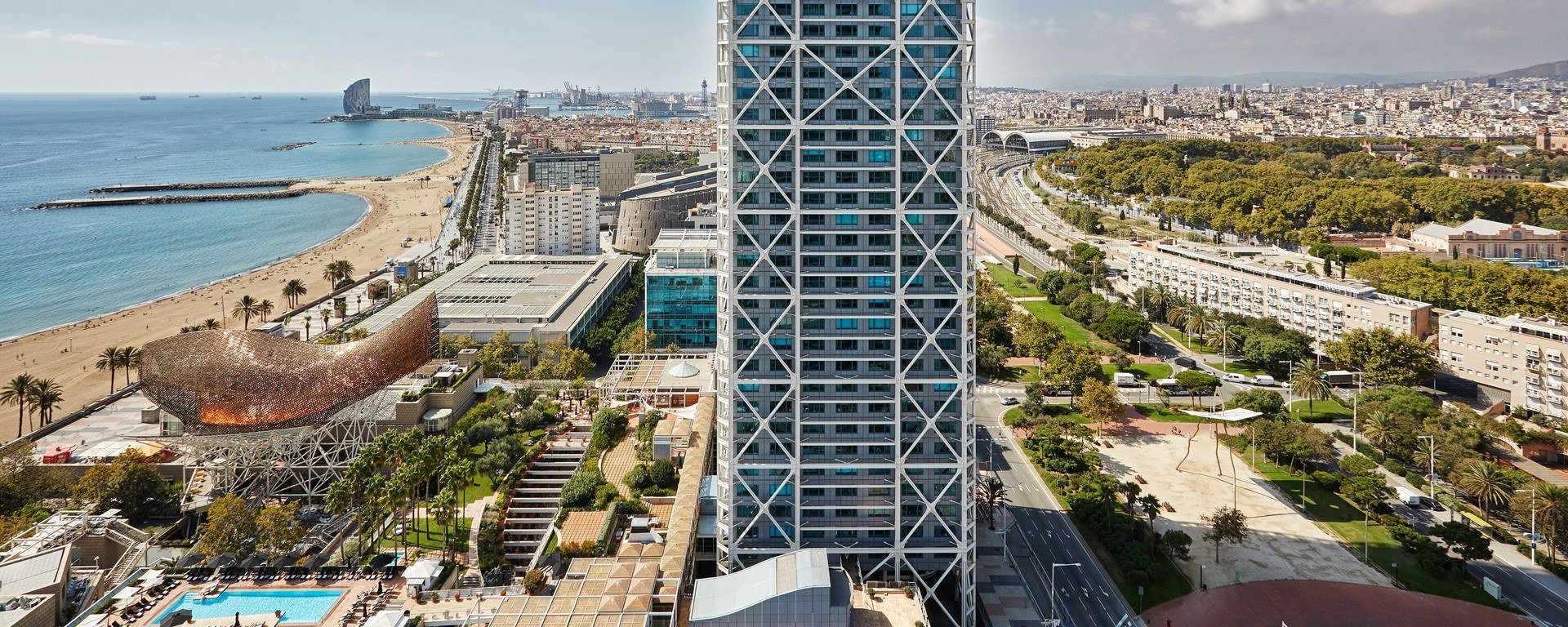
At a Glance
- Energetic
- Lively
- Trendy
- Casual Hangout
- After Work
- Group Dining
- Hotel Restaurant
- Beer Program
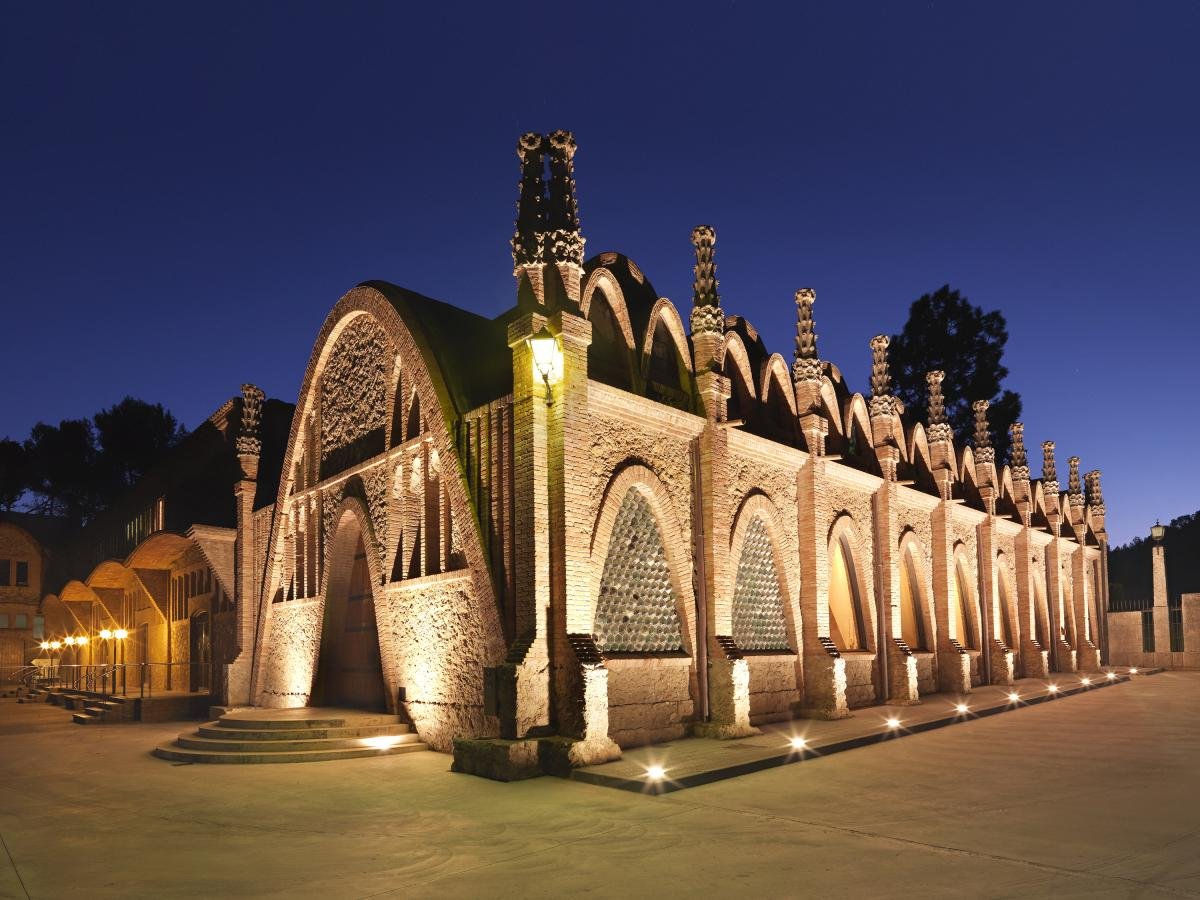
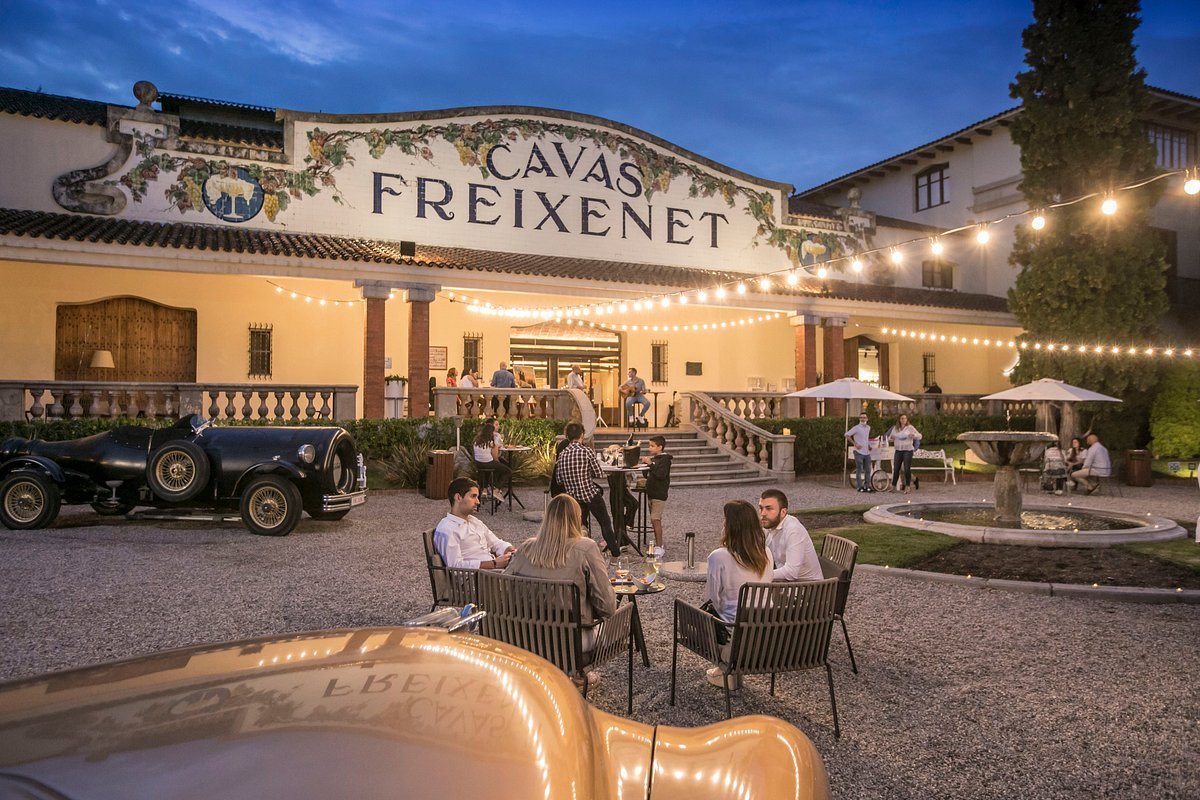
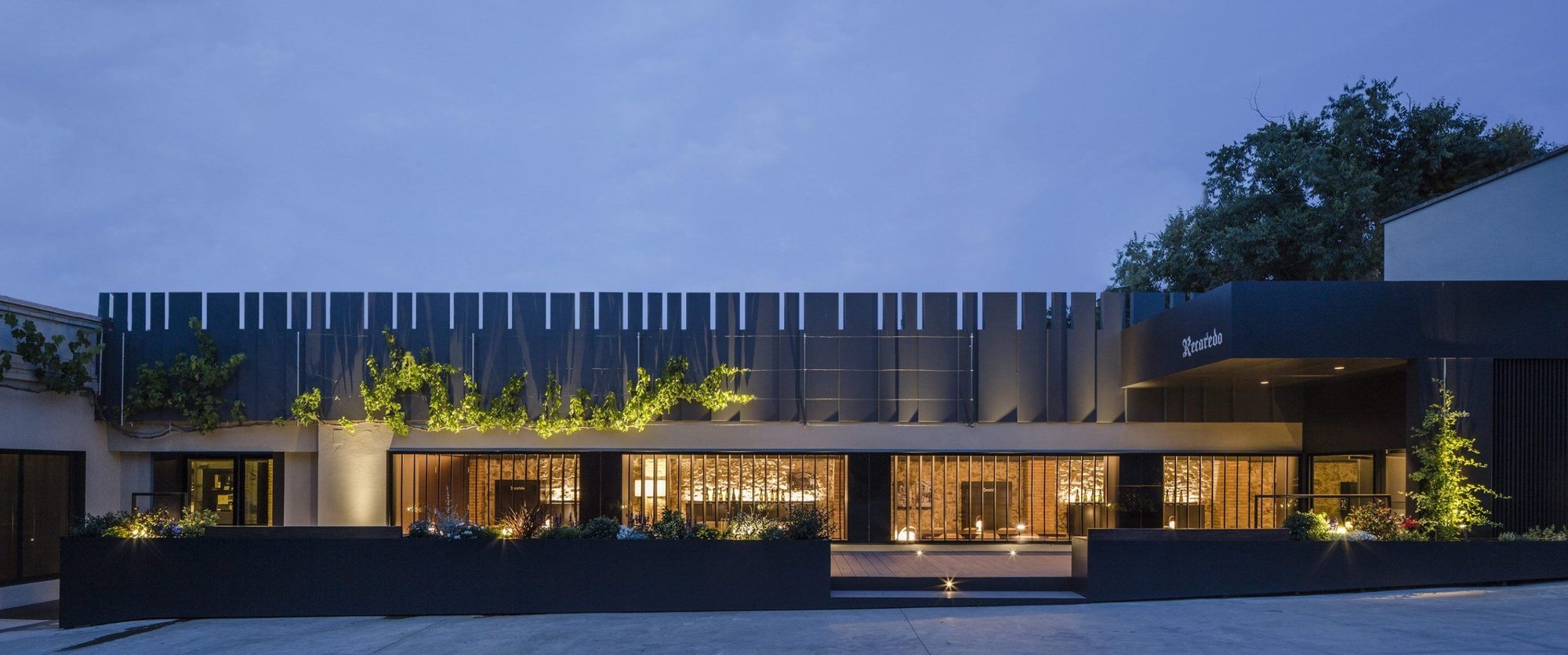
Bright, casual atmosphere with high ceilings and contemporary Spanish design elements reflecting the venue's celebration of Spanish art and culture.