Weingut Leth

Falstaff Winery - 4 Stars
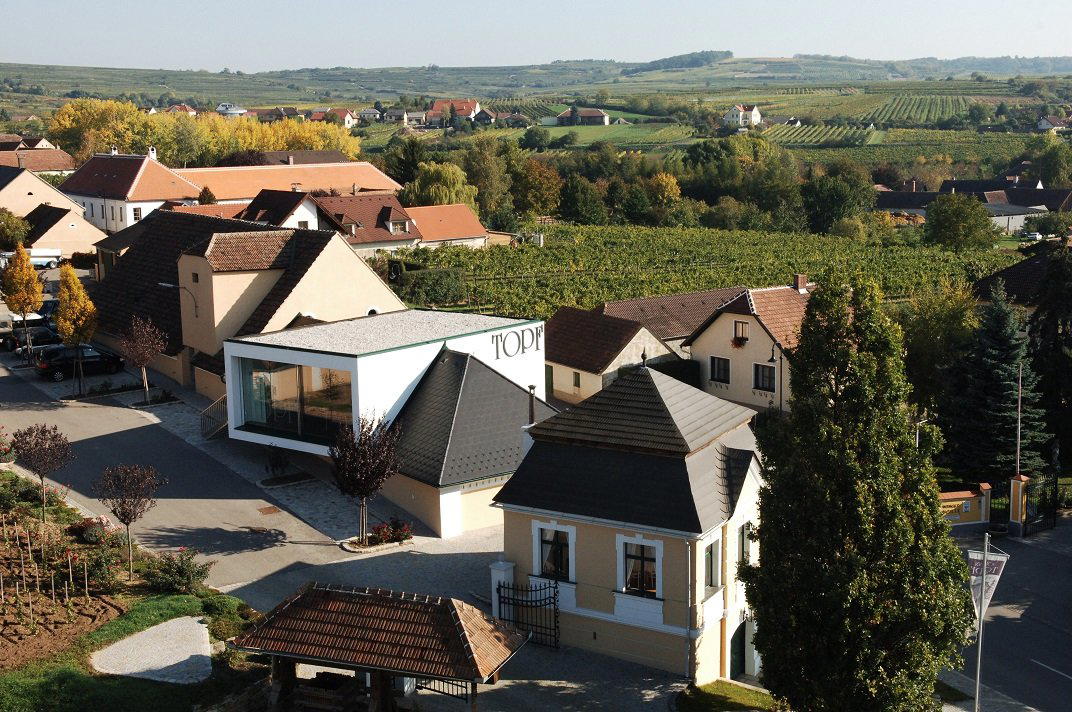
Weingut Leth operates from the heart of Fels am Wagram, a quiet village on the loess escarpment above the Danube plain in Lower Austria. The estate is a production-focused address, best approached with a prior appointment and a clear interest in what the Wagram's soil signature actually tastes like.

Pearl is the En Primeur Club membership app, where members save venues, book tables and use the concierge.
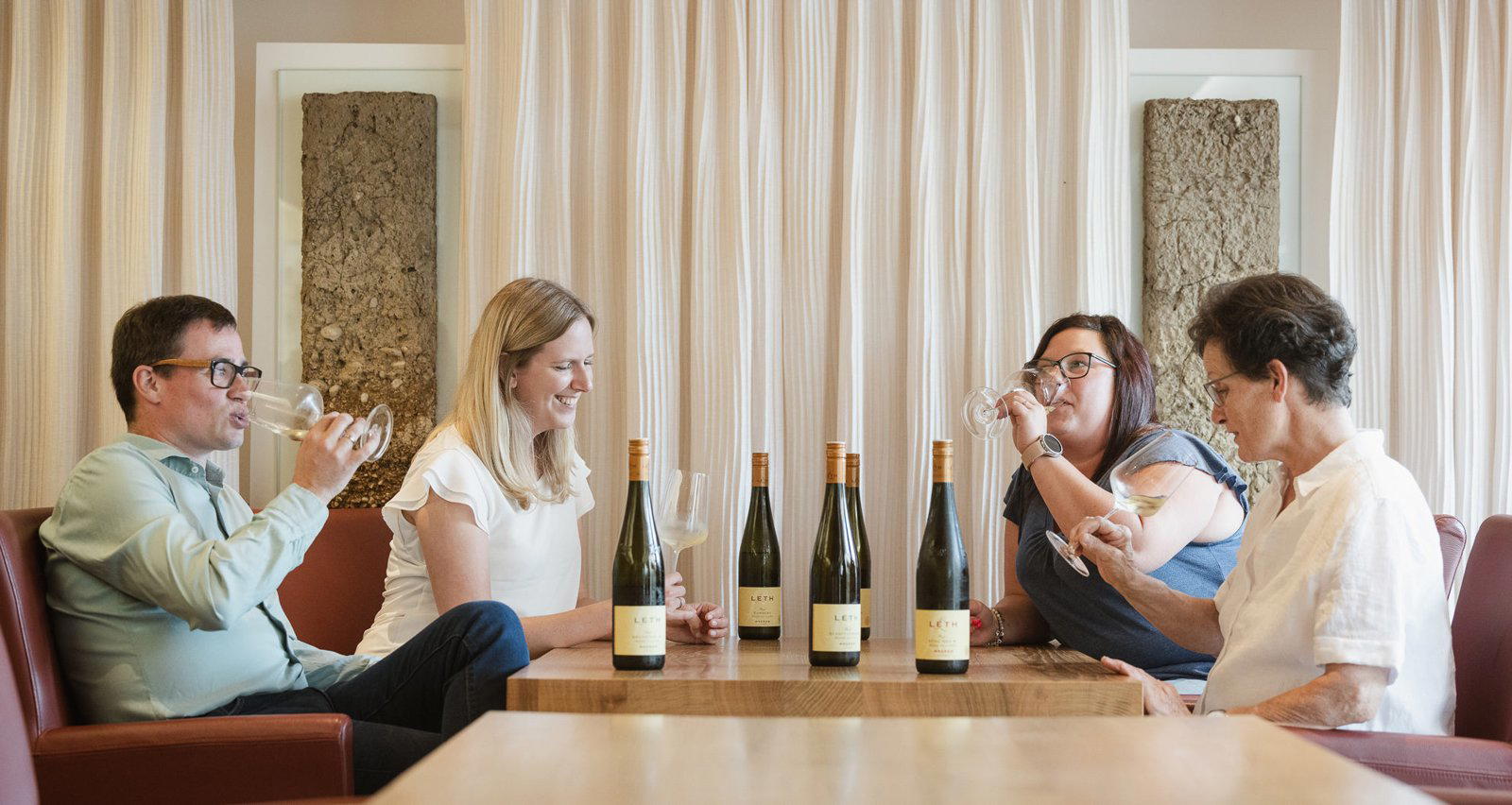
Loess, Limestone, and the Wagram Plateau
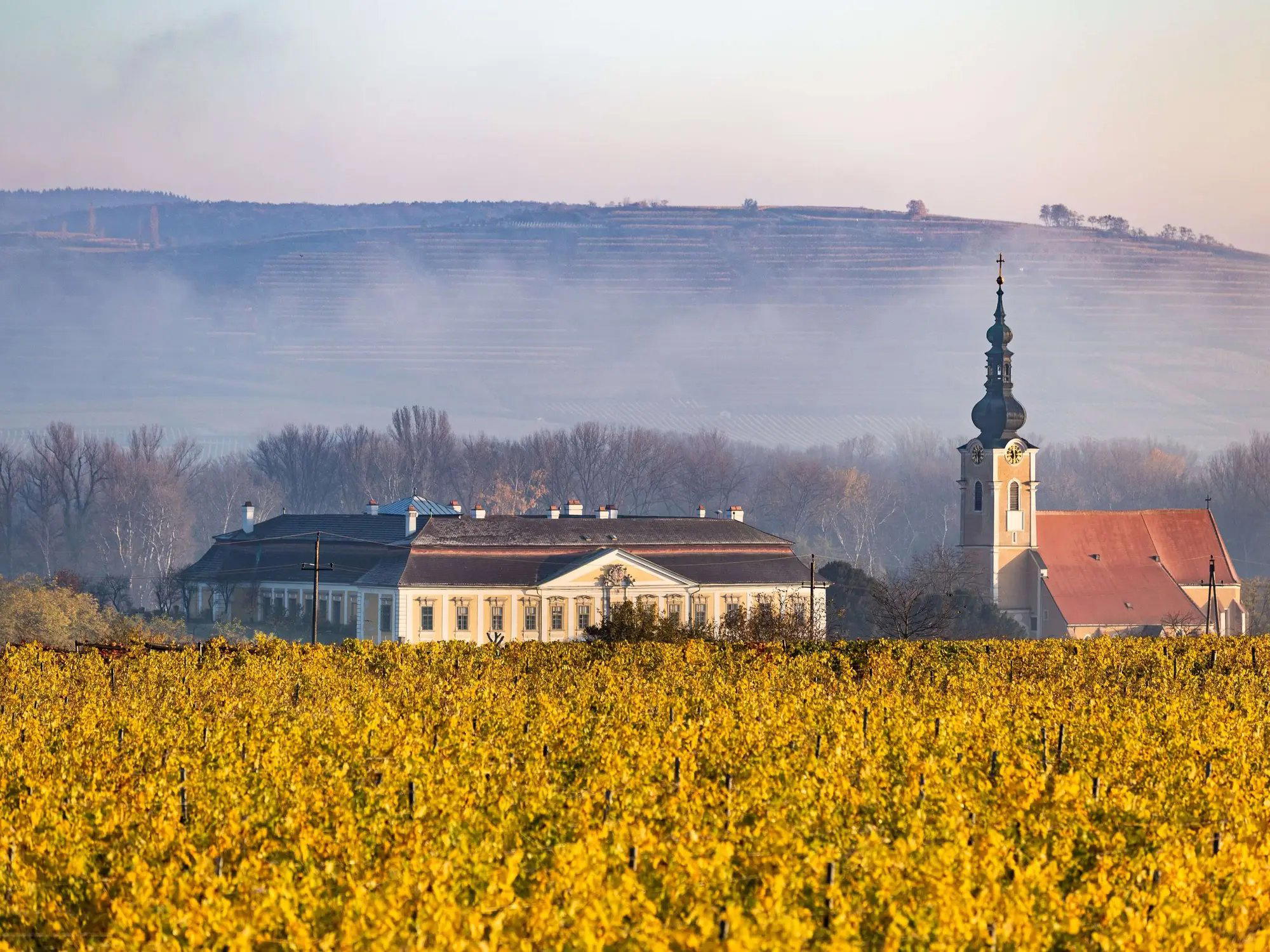
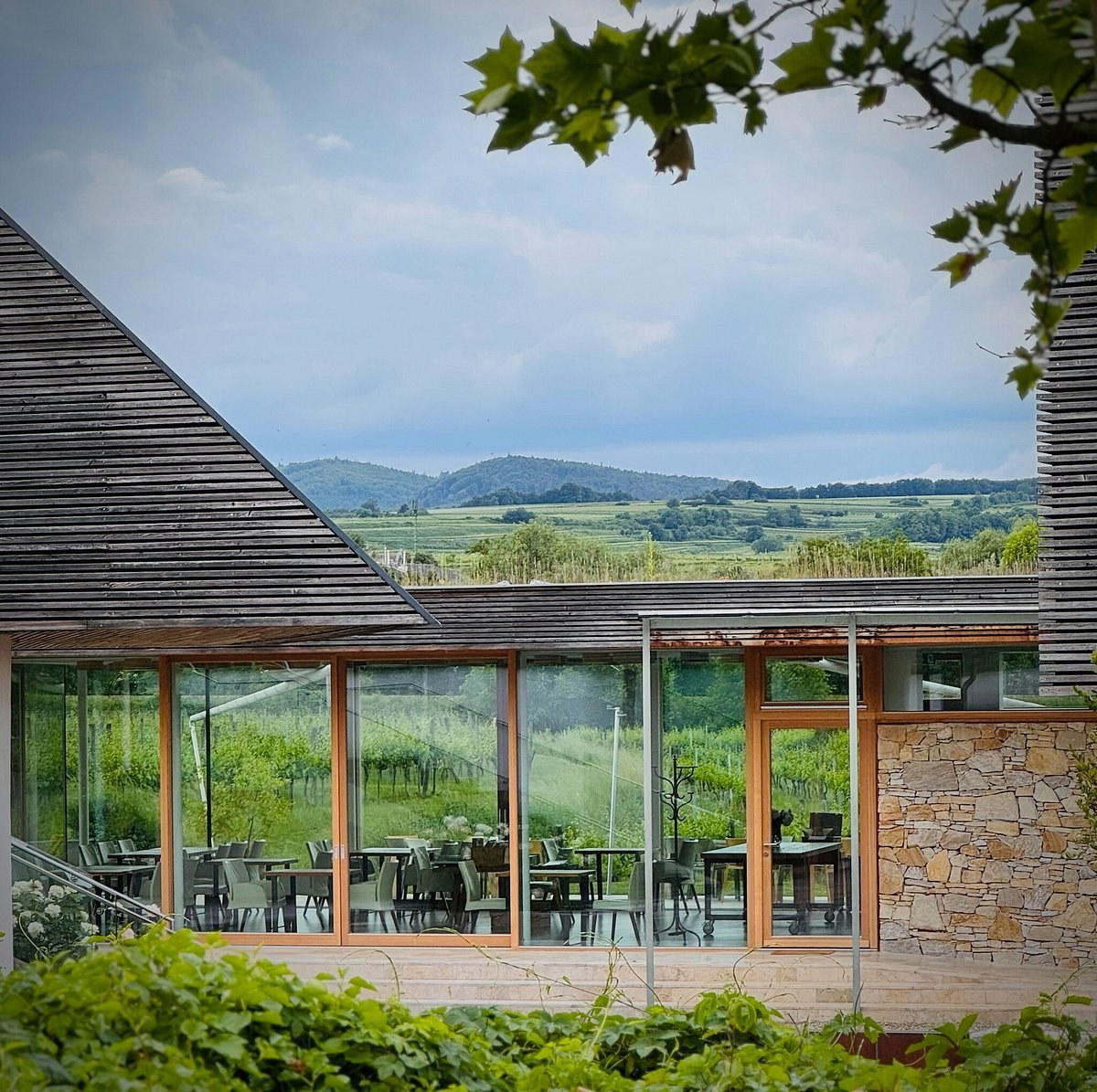
Drive northwest from Vienna along the Danube, past Klosterneuburg and Tulln, and the land gradually rises into a formation unlike anything else in Lower Austria. The Wagram is not a mountain range but a geological terrace, a long escarpment of loess-over-limestone that drops sharply to the Danube plain below. The soils here are deep, fine-grained, and ancient, deposited by wind during glacial periods, and they give the wines of this region a textural signature that distinguishes them clearly from Grüner Veltliner grown in the Kamptal or the Wachau. In Fels am Wagram, a small village anchored by a parish church and surrounded by vineyards that run to the cliff edge, Weingut Leth has been making wines from this soil for generations. The address on Kirchengasse, steps from that church, is as much a statement of rootedness as it is a postal coordinate.
For context on the wider Austrian premium wine scene, our full Fels am Wagram restaurants and wine guide maps the region's producers and their relative positioning.
What Loess Actually Does to a Wine
Loess soils are among the most discussed in Austrian viticulture, and the Wagram is their most concentrated expression. The soil is porous enough to drain efficiently yet retains enough moisture to sustain vines through dry summers without irrigation. More consequentially, loess is mineral-rich and imparts a characteristic weight to the wines grown in it: a textural density in the mid-palate, a fineness of grain in the tannin structure (relevant for reds), and in whites, a particular quality of mouthfeel that sits somewhere between the stony minerality of a Kamptal Grüner Veltliner and the broader, fruit-forward style of warmer Austrian appellations.
That is a sensible strategic position: the Wagram has a distinct soil argument to make, and the producers making it most clearly are the ones earning sustained critical attention. Weingut Bründlmayer in Langenlois and Weingut Emmerich Knoll in Dürnstein represent the benchmark standard in their respective appellations; Leth's 2025 award positions it in an analogous tier for the Wagram.
The Kirchengasse Address in Context
Fels am Wagram is not a destination wine town in the way that Dürnstein or Langenlois have become. There is no main square lined with restaurant terraces, no well-signposted wine trail attracting weekend coach traffic. What it has instead is a working agricultural village where production is the primary activity, and where the winery's presence on Kirchengasse places it within walking distance of its vineyards on the escarpment above. This proximity matters in practical terms: the harvest logistics are direct, grapes move quickly from vine to cellar, and the winemaking team can monitor parcels on foot through the growing season.
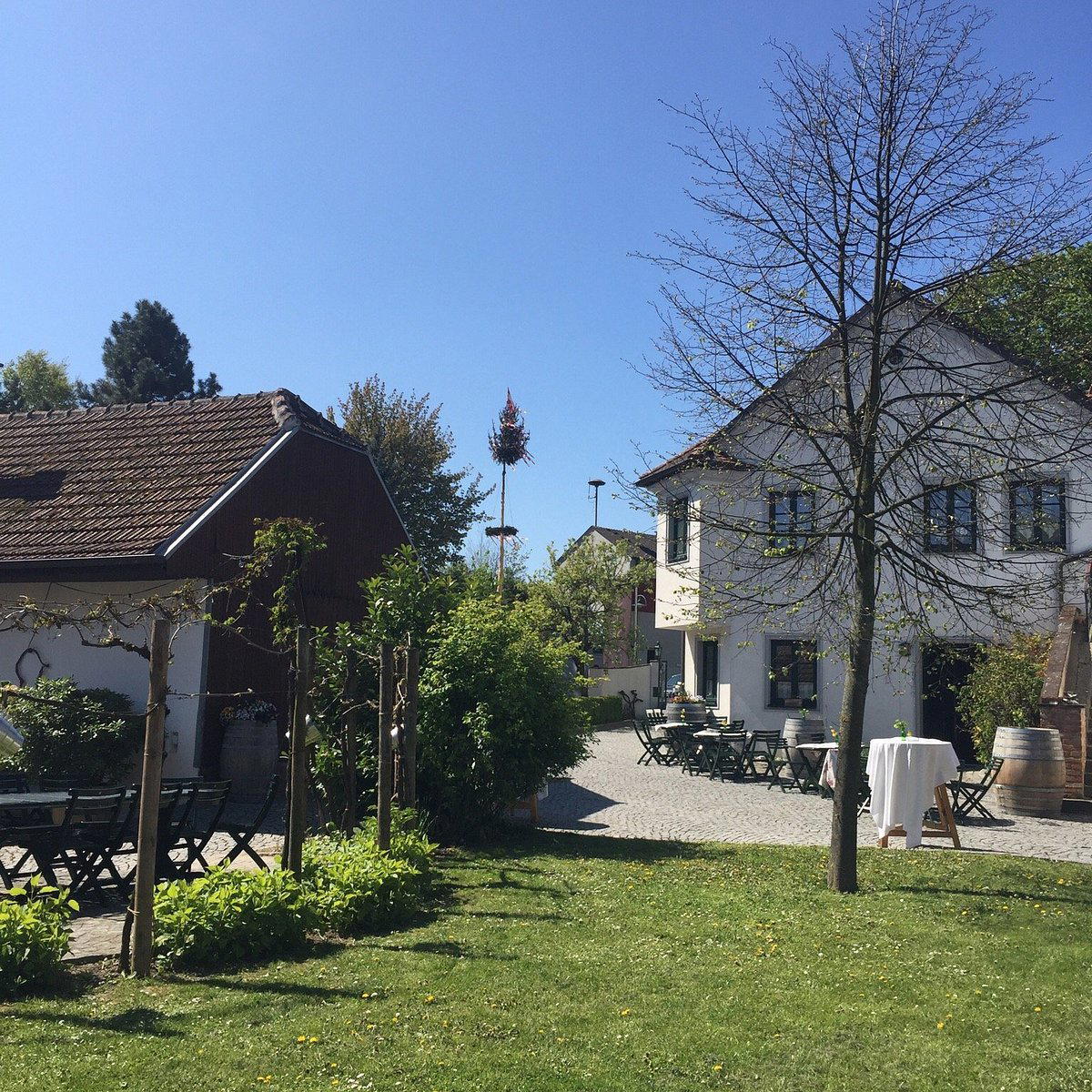
For visitors, this also means the experience of arriving at Weingut Leth is closer to discovering a working estate than visiting a wine tourism facility. The village atmosphere is quiet, the pace unhurried, and the context genuinely agricultural in a way that can feel scarce among premium producers who have built out substantial visitor infrastructure. That character is worth factoring into travel plans. Visitors accustomed to the polished tasting room formats of, say, Weingut Kracher in Illmitz or Weingut Wohlmuth in Kitzeck should calibrate expectations accordingly. The quality of wine is the draw; the surrounding infrastructure is more functional than scenic.
Peer Context: Where Wagram Sits in the Austrian Premium Map
Austrian wine's premium identity has long been anchored by three appellations: the Wachau, the Kamptal, and, to a growing degree, Kremstal. The Wagram has historically occupied a secondary position in that conversation, despite producing wines with a genuinely distinctive soil argument. That positioning has been shifting.
Comparison with Kamptal producers like Bründlmayer is instructive. Kamptal Grüner Veltliner from primary granite and gneiss sites tends toward a leaner, more saline profile with high acidity as its structural backbone. Wagram Grüner from deep loess runs warmer, with more weight and a rounder mid-palate, better suited to medium-term cellaring in a different register. Neither is superior; they answer different questions. Understanding that distinction is the most useful thing a visitor to the region can carry into a tasting. Similarly, exploring the Pannonian-influenced reds of Weingut Pittnauer in Gols or the singular botrytis work at Kracher illustrates just how wide Austrian wine's range has become, with the Wagram now holding a credible position across multiple style categories.
Planning a Visit to Fels am Wagram
Fels am Wagram sits roughly 55 kilometres northwest of Vienna, accessible by car in under an hour via the A22 and regional roads through Tulln. The village is also reachable by train, with connections from Vienna's Franz-Josefs-Bahnhof to Fels am Wagram station, though a car remains the more practical option for anyone visiting multiple producers in the area. The Wagram route connects Fels to nearby villages with their own producers, making a half-day circuit viable for those who plan ahead.
Arriving unannounced at a production-focused estate of this type risks finding the cellar team mid-harvest or mid-bottling, neither of which is conducive to an attentive tasting experience. For those building a Lower Austrian wine itinerary, pairing a Wagram visit with time at producers in the Kamptal or Kremstal makes geographic and thematic sense, given the proximity and the contrast in soil signatures across the appellations.
Broader Austrian producer context, including estates like Weingut Heinrich Hartl in Oberwaltersdorf, Weingut Scheiblhofer in Andau, and the distillery producers at 1310 Spirit of the Country in Sierning, A. Batch Distillery in Bergheim, and Abfindungsbrennerei Franz in Leithaprodersdorf, is covered in our broader Austrian producer guides. For international comparisons in premium winemaking, see also Accendo Cellars in St. Helena, Aberlour in Speyside, and 1404 Manufacturing Distillery or 1516 Brewing Company in Vienna for craft production formats across Austria.
Comparable Spots, Quickly
Comparable venues nearby, for context on price, style, and recognition.
| Venue | Cuisine | Price | Awards | Notes |
|---|---|---|---|---|
| Weingut LethThis venue (the venue you are viewing) | Grüner Veltliner, Roter Veltliner | Not listed | Falstaff Winery - 4 Stars | Not listed |
| Schnapsbrennerei Habbel | Winery | Not listed | Not listed | Kirchberg am Wechsel |
| Winzerhof Dockner | Grüner Veltliner, Riesling | $20–30 | Falstaff Winery - 3 Stars | Höbenbach |
| Grüneis Distillery | Winery | Not listed | Not listed | Stanz im Landeck |
| Weingut Wien Cobenzl | Grüner Veltliner, Riesling | Not listed | Falstaff Winery - 3 Stars | Grinzing |
| Stift Klosterneuburg Winery | Grüner Veltliner, Riesling | Not listed | Falstaff Winery - 3 Stars | Klosterneuburg |
Recognition history
Dated appearances from independent guides and award organizations, with the underlying list record or original source where available.
Falstaff Winery - 4 Stars
Falstaff
Continue exploring
More in Fels am Wagram
Wineries in Fels am Wagram
All wineries in Fels am Wagram →
Details
- Rustic
- Scenic
- Classic
- Intimate
- Wine Education
- Solo Exploration
- Vineyard Tour
- Estate Grounds
- Organic
- Sustainable
- Vineyard
- Grüner Veltliner
- Roter Veltliner
- Riesling
- Zweigelt
- Pinot Noir
- Still White
- Sparkling
- Still Red
- Estate Tasting
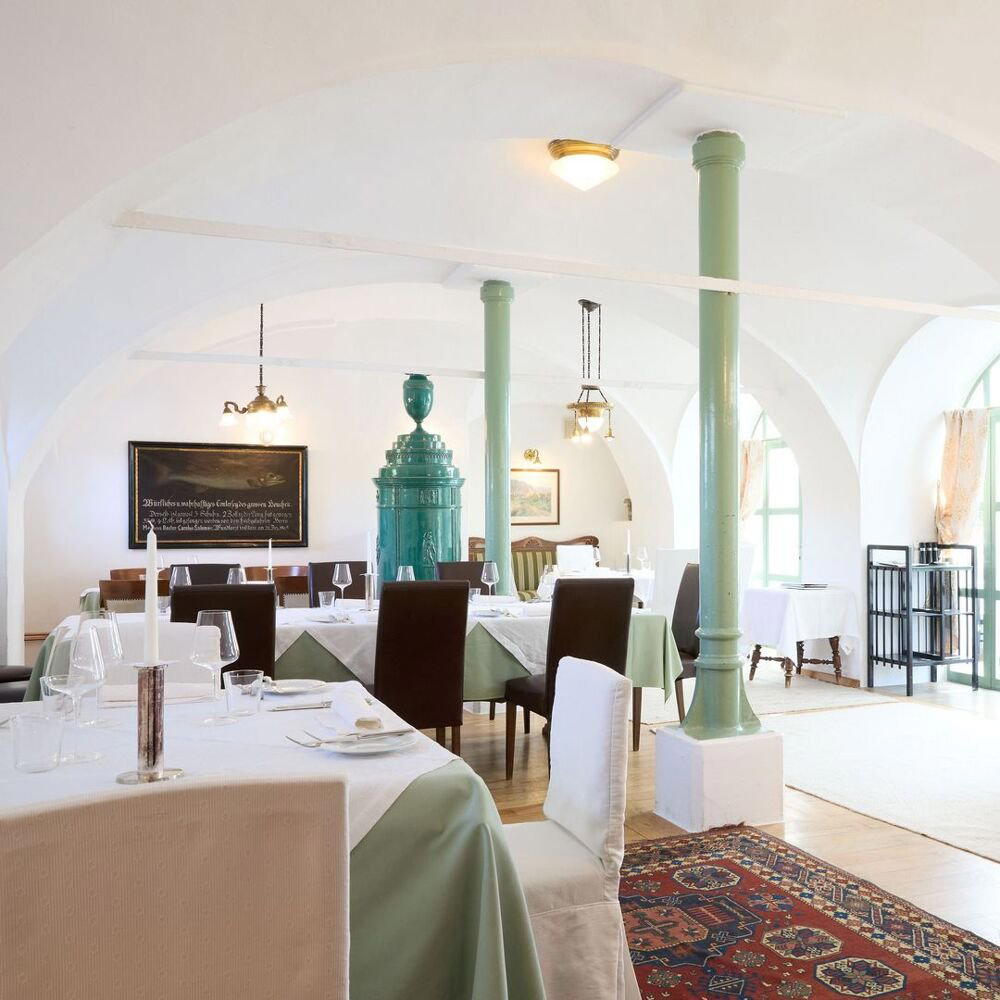
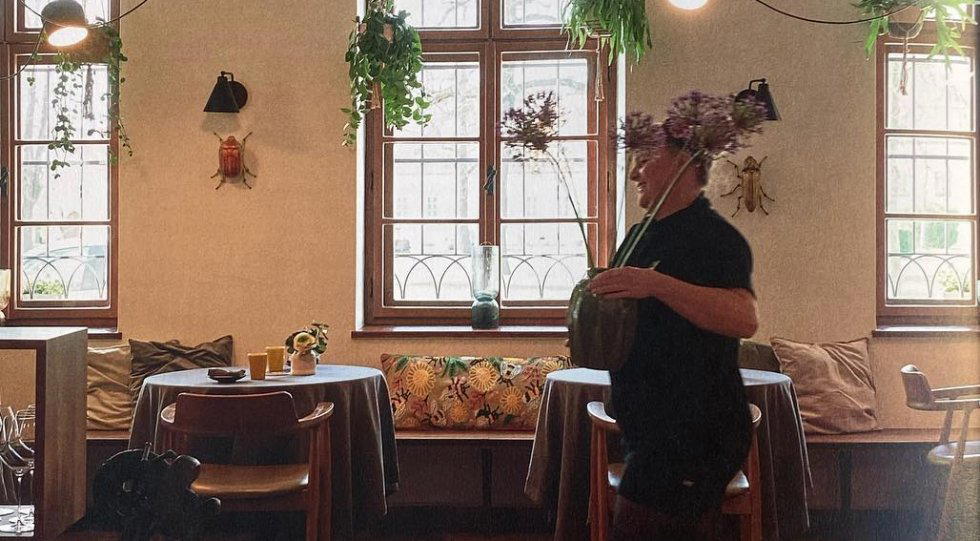
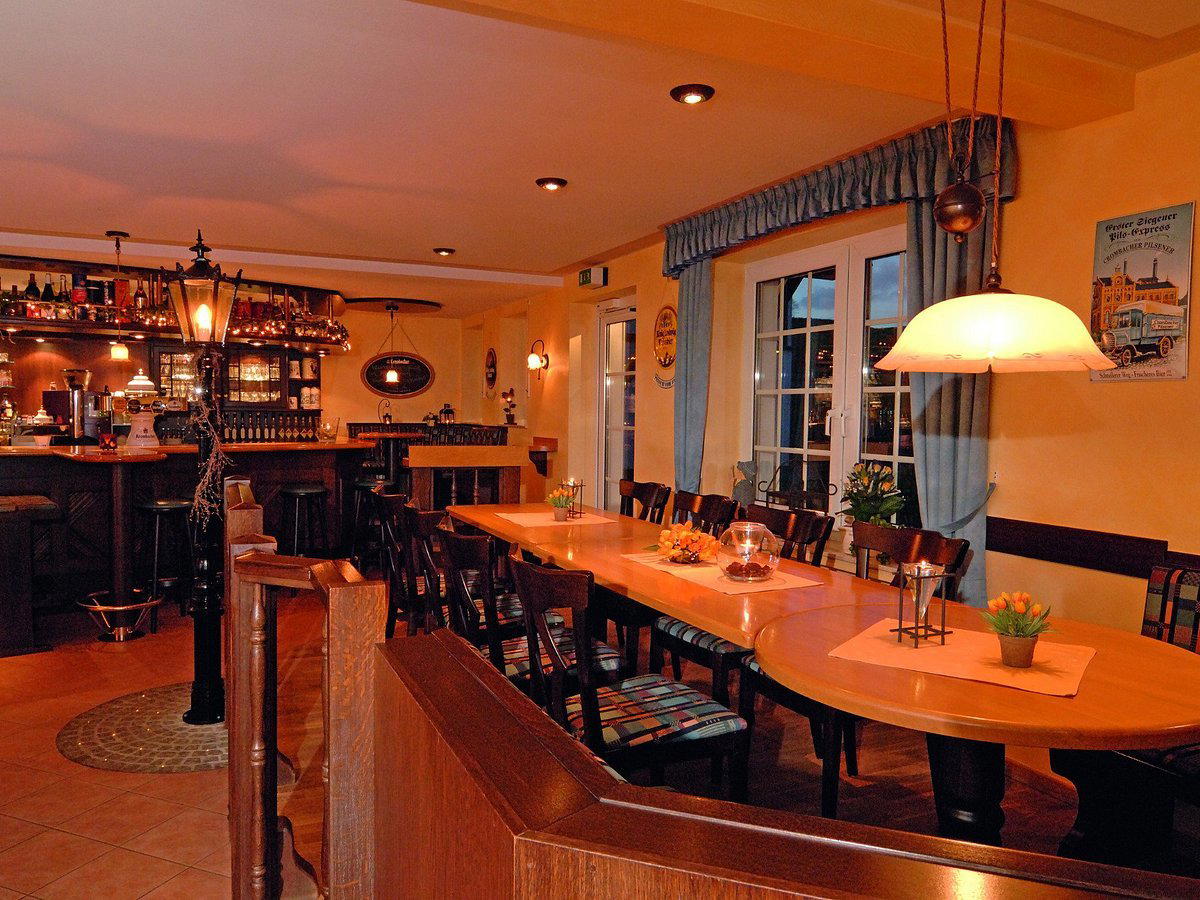
Rustic and authentic family winery atmosphere emphasizing terroir expression through organic vineyard work and traditional methods in a scenic loess landscape.