Das Blaufränkisch – Weinhotel
A wine hotel in Deutschkreutz, deep in Burgenland's Blaufränkisch heartland, where the address alone signals the producer-country connection that defines this corner of Austria. The property sits in Girm, a hamlet within the Mittelburgenland DAC zone, placing guests at the source of one of Austria's most compelling red wine traditions. For travellers crossing Austria's wine regions, it occupies a distinctive position between cellar-door stay and destination retreat.
Pearl is the En Primeur Club membership app — saves, bookings, and concierge access live there. Same editors, same standards.
- Address
- Girmer Str. 45, 7301 Girm, Austria
- Phone
- +4326138032211
- Website
- dasblaufraenkisch.at
- Directions
- Get directions
 Saves & bookings on Pearl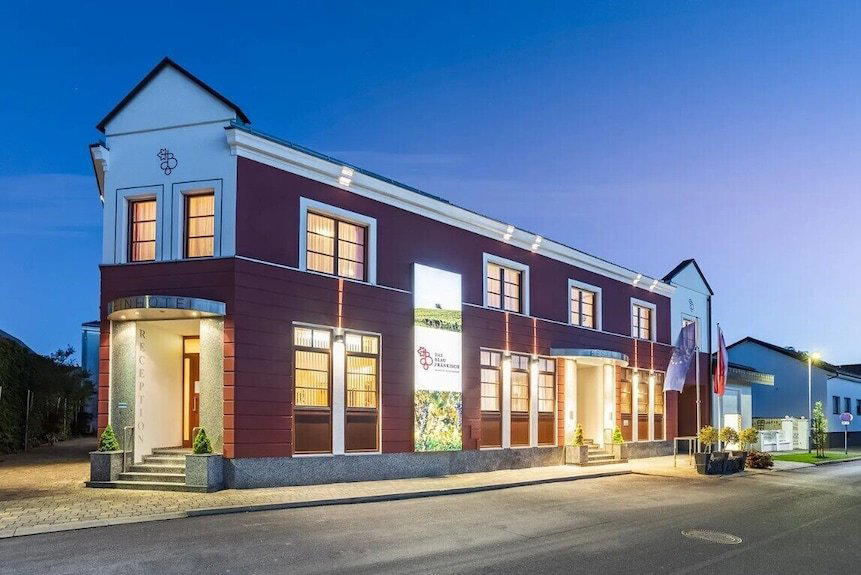
Mittelburgenland's Wine Country, Addressed Directly
Burgenland's wine identity is built around a single grape variety in a way that few Austrian regions can claim. Mittelburgenland DAC exists specifically to codify Blaufränkisch as its defining expression, and Deutschkreutz sits at the centre of that appellation, surrounded by the iron-rich soils that give the variety its particular character: firm tannins, dark fruit, and a minerality that separates it from the same grape grown further north. Das Blaufränkisch – Weinhotel, addressed at Girmer Str. 45 in the hamlet of Girm just outside Deutschkreutz, takes its name directly from that regional identity.
Arriving in Girm: The Village Before the Venue
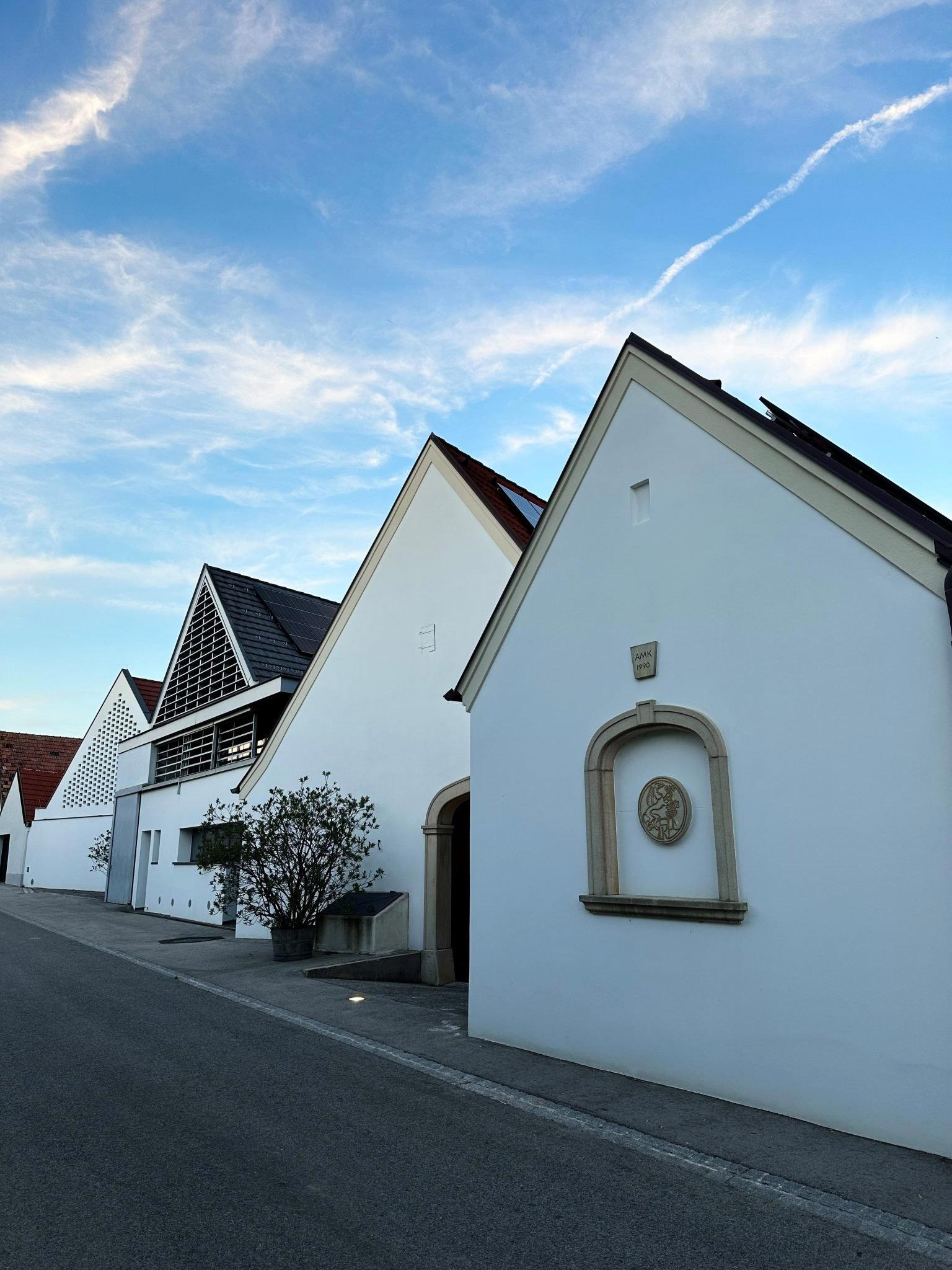
The approach to Girm from Deutschkreutz runs through vineyard rows that drop toward the Hungarian border flatlands. The architecture here is low, agricultural, and unhurried, a functioning wine village rather than a curated wine tourism set piece. Das Blaufränkisch sits within that texture rather than apart from it. A property named for a grape variety in a DAC appellation village is making a clear claim about where its sourcing allegiances lie: the wine on the table should be traceable to the soils outside the window. That geographical directness is a defining signal in Austrian wine tourism. Where destination restaurants like Döllerer in Golling an der Salzach or Taubenkobel in Schützen am Gebirge have built reputations around regional sourcing framed through contemporary technique, the wine hotel format in a production village offers a different register: the source material is grown around you.
The Sourcing Argument: What Mittelburgenland Produces
Blaufränkisch grown in Mittelburgenland DAC operates under appellation rules that require 100 percent varietal composition and regional origin, which means any glass poured here carries a legal guarantee of provenance. That matters in the context of Austrian wine tourism because it transforms the hotel wine list from a curated selection into evidence of place. The soils around Deutschkreutz are predominantly heavy clay and iron-oxide loam, which generate Blaufränkisch with more weight and grip than the lighter Eisenberg DAC expressions to the south. Producers working within Mittelburgenland DAC have spent the last two decades adjusting oak regimes and harvest timing to let that soil character speak more clearly, moving away from the heavily extracted international style that dominated the early 2000s toward fresher, more transparent expressions.
The Wine Hotel Format in Austria's Regional Context
Austria has developed a distinct category of wine-country accommodation that sits between the full-service destination hotel and the farm stay. The Weinhotel format typically pairs overnight accommodation with access to on-site or closely affiliated wine production, a restaurant that treats regional wine as the primary frame for the food programme, and a location within or immediately adjacent to the producing zone. Das Blaufränkisch operates in that category, with its address placing it directly inside the Mittelburgenland DAC boundary. The format suits travellers who plan around appellations rather than cities, and who prefer to eat and drink within a production landscape rather than in an urban dining room designed to evoke one. For comparison, properties associated with destination restaurants like Gourmetrestaurant Tannenhof in Sankt Anton am Arlberg or Griggeler Stuba in Lech anchor the experience in alpine landscape and seasonal supply chains; in Burgenland, the organising principle is the single appellation grape and what the land delivers through it.
Positioning Within Austria's Wine Tourism Circuit
Deutschkreutz sits roughly an hour's drive southeast of Vienna, placing it within comfortable range as a two-night detour from the capital or as part of a wider Burgenland circuit that takes in Neusiedlersee to the north. The wine tourism infrastructure in Mittelburgenland is less developed than in Wachau or Kamptal, which works in both directions: fewer tour groups, less polished visitor packaging, but also fewer curated tasting rooms designed for the uninitiated. Das Blaufränkisch occupies that less-trafficked end of the Austrian wine hospitality spectrum. Burgenland wine country operates on a quieter, more producer-focused register than urban or ski-resort dining. Those approaching from further afield, whether from cities with their own ambitious dining scenes or from celebrated American restaurants like Le Bernardin in New York City or Lazy Bear in San Francisco, will find the Burgenland wine hotel format a deliberate step toward agricultural directness. For regional Austrian comparisons with a strong sourcing emphasis, Kräuterreich by Vitus Winkler in Sankt Veit im Pongau, Atelier Fischer in Sankt Gilgen, Thaller - Gasthaus in Sankt Veit am Vogau, and Restaurant 141 by Joachim Jaud in Mieming each represent how Austrian hospitality grounds itself in a particular landscape and its produce. Schwarzer Adler in Hall in Tirol adds further context from the western end of the country.
Planning a Stay
Direct contact via the property address at Girmer Str. 45, 7301 Girm is one reliable approach. The village location means personal transport is effectively required.
Comparable Venues
Comparable venues nearby, for context on price, style, and recognition.
| Venue | Cuisine | Price | Notes |
|---|---|---|---|
| Das Blaufränkisch – WeinhotelThis venue — the venue you are viewing | Regional Austrian with Blaufränkisch Focus | $$$ | Not listed |
| Café & Restaurant Motto am Fluss | Modern Austrian with International Influences | $$$ | Innere Stadt |
| Mädchen und Wolf | Modern Austrian | $$$ | Wiener Neustadt |
| Hotel Restaurant Bistro Raffel | Austrian-Pannonian Regional | $$$ | Hauptplatz |
| Thomas im Johanneshof | Seasonal Austrian Fine Dining | $$$ | Tattendorf |
| der Thaller | Traditional Austrian Wirtshaus | $$$ | Anger |
Continue exploring
More in Deutschkreutz
Restaurants in Deutschkreutz
Browse all →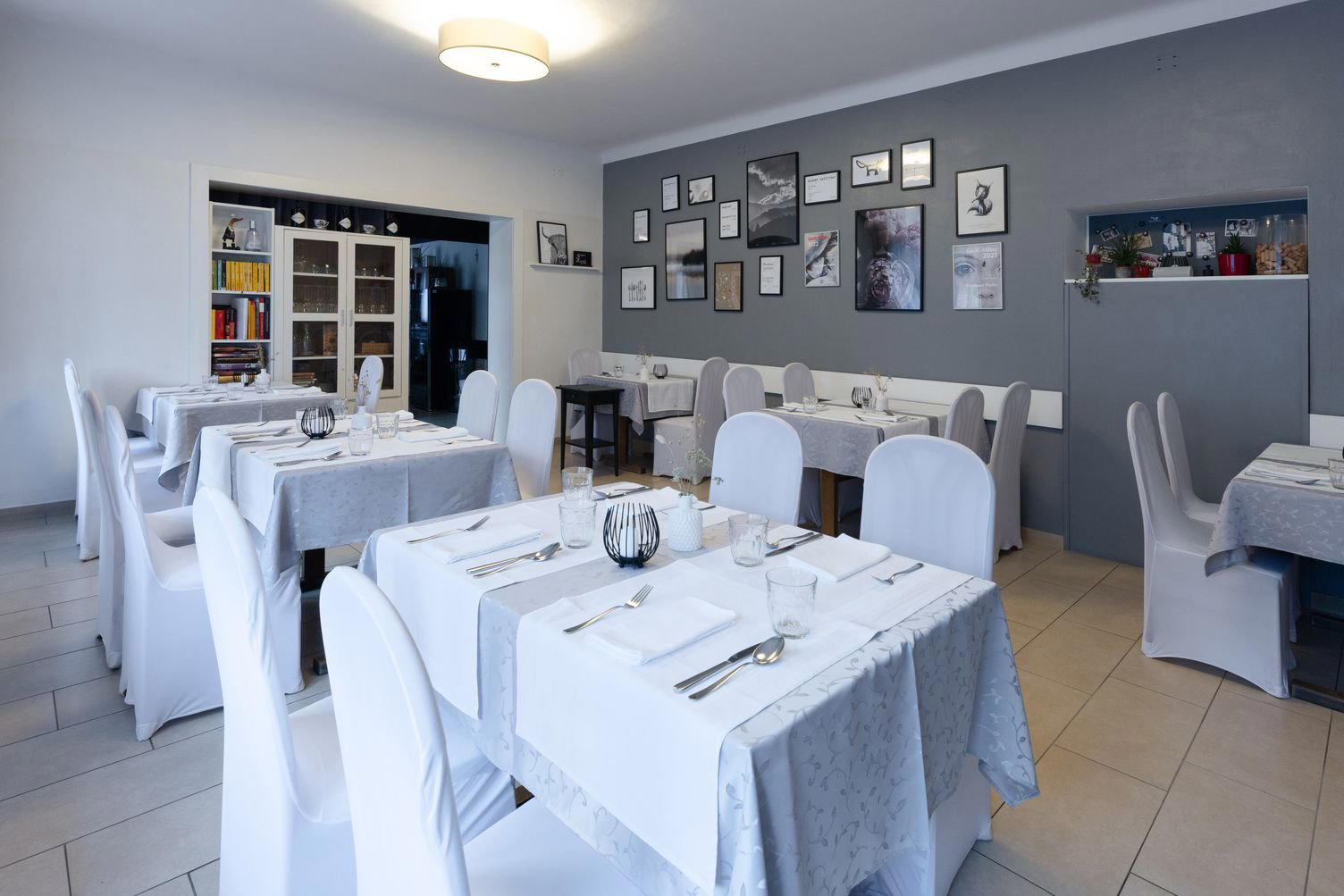
Bars in Deutschkreutz
Browse all →

Hotels in Deutschkreutz
Browse all →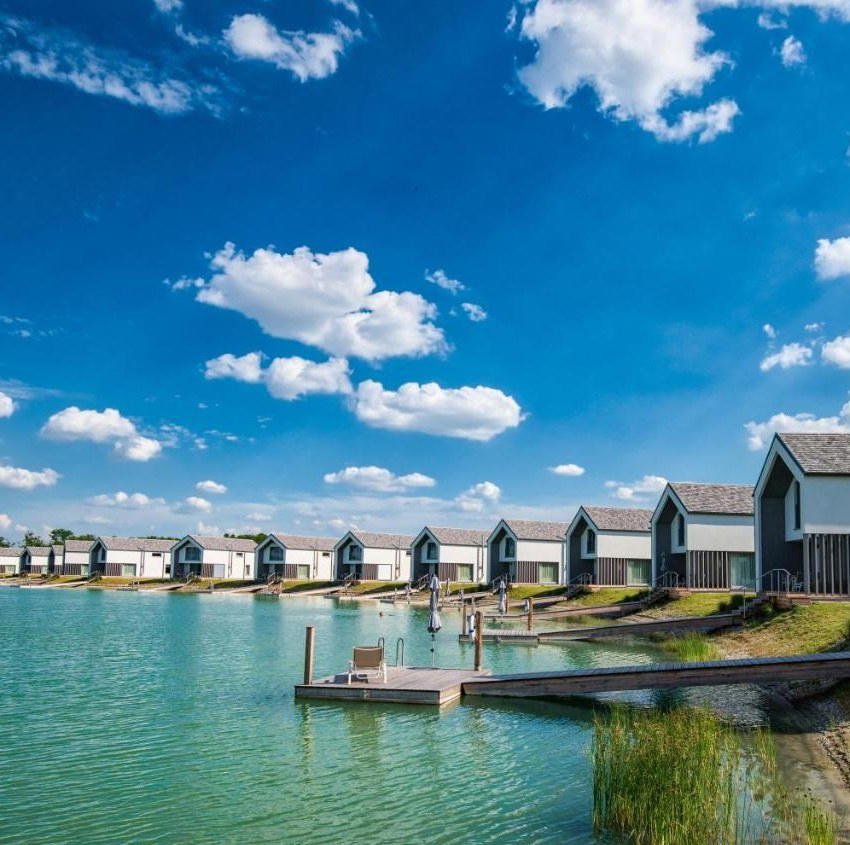
At a Glance
- Romantic
- Cozy
- Rustic
- Scenic
- Date Night
- Special Occasion
- Group Dining
- Wine Cellar
- Terrace
- Hotel Restaurant
- Extensive Wine List
- Local Sourcing
- Vineyard
- Garden
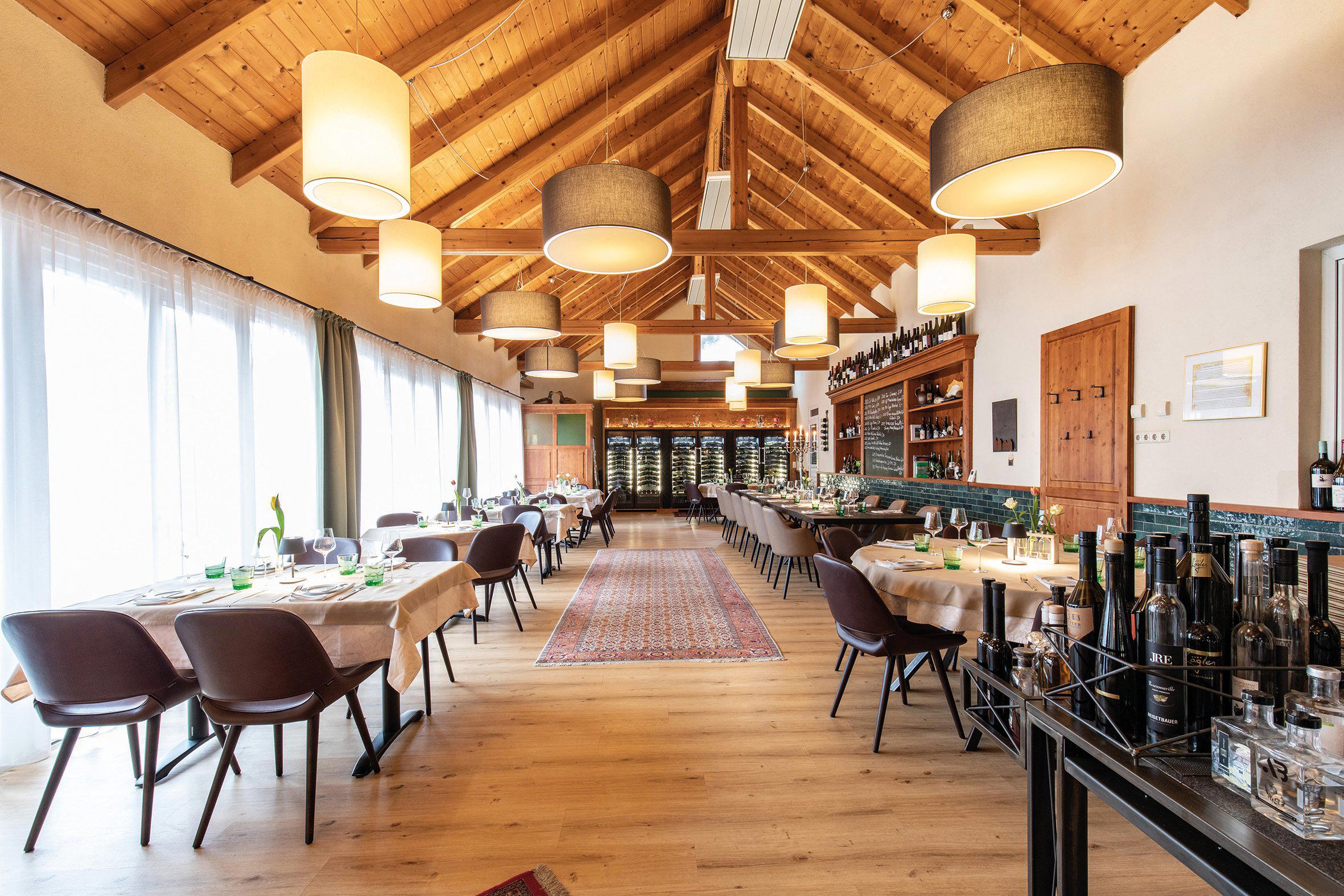
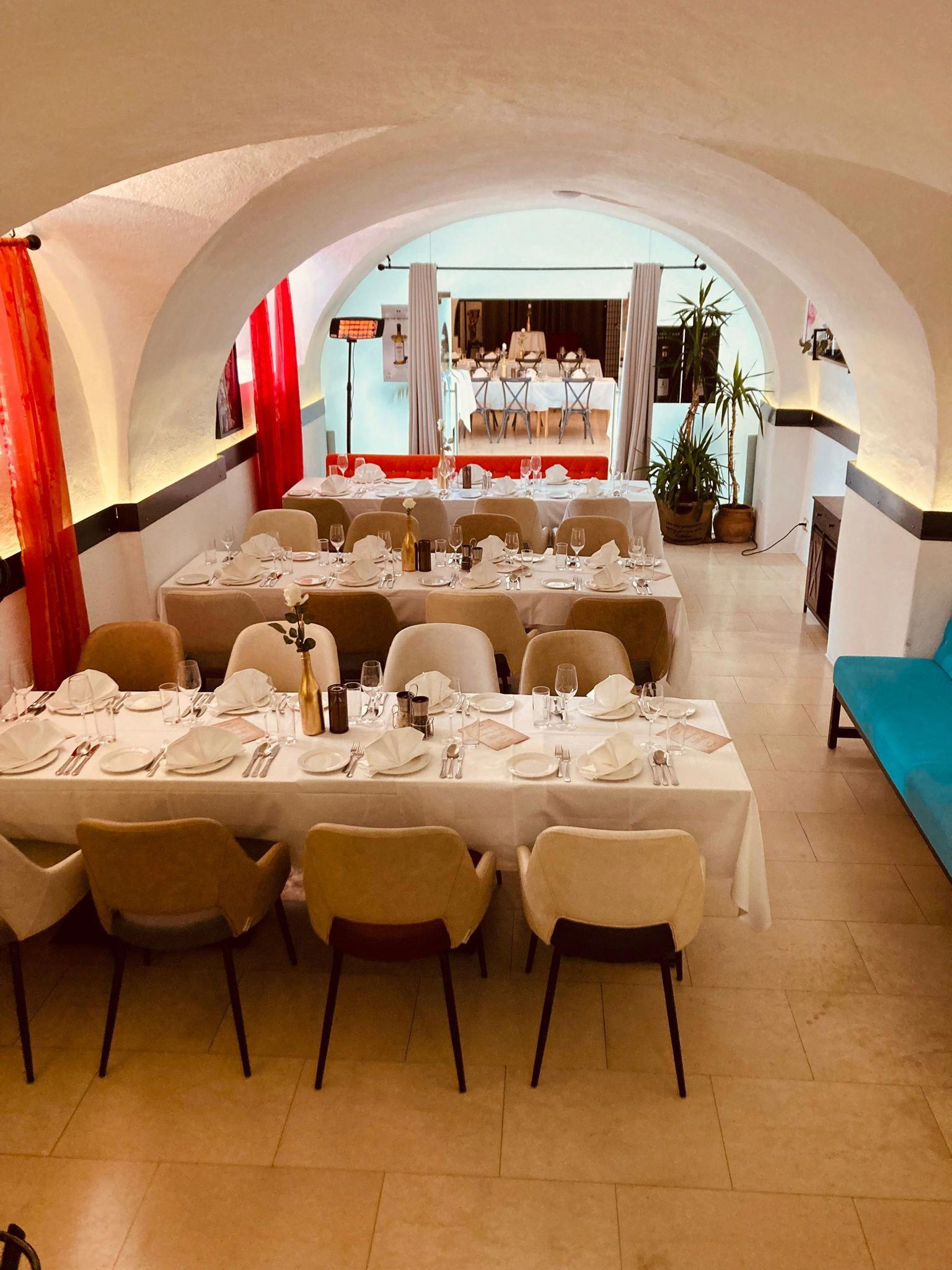
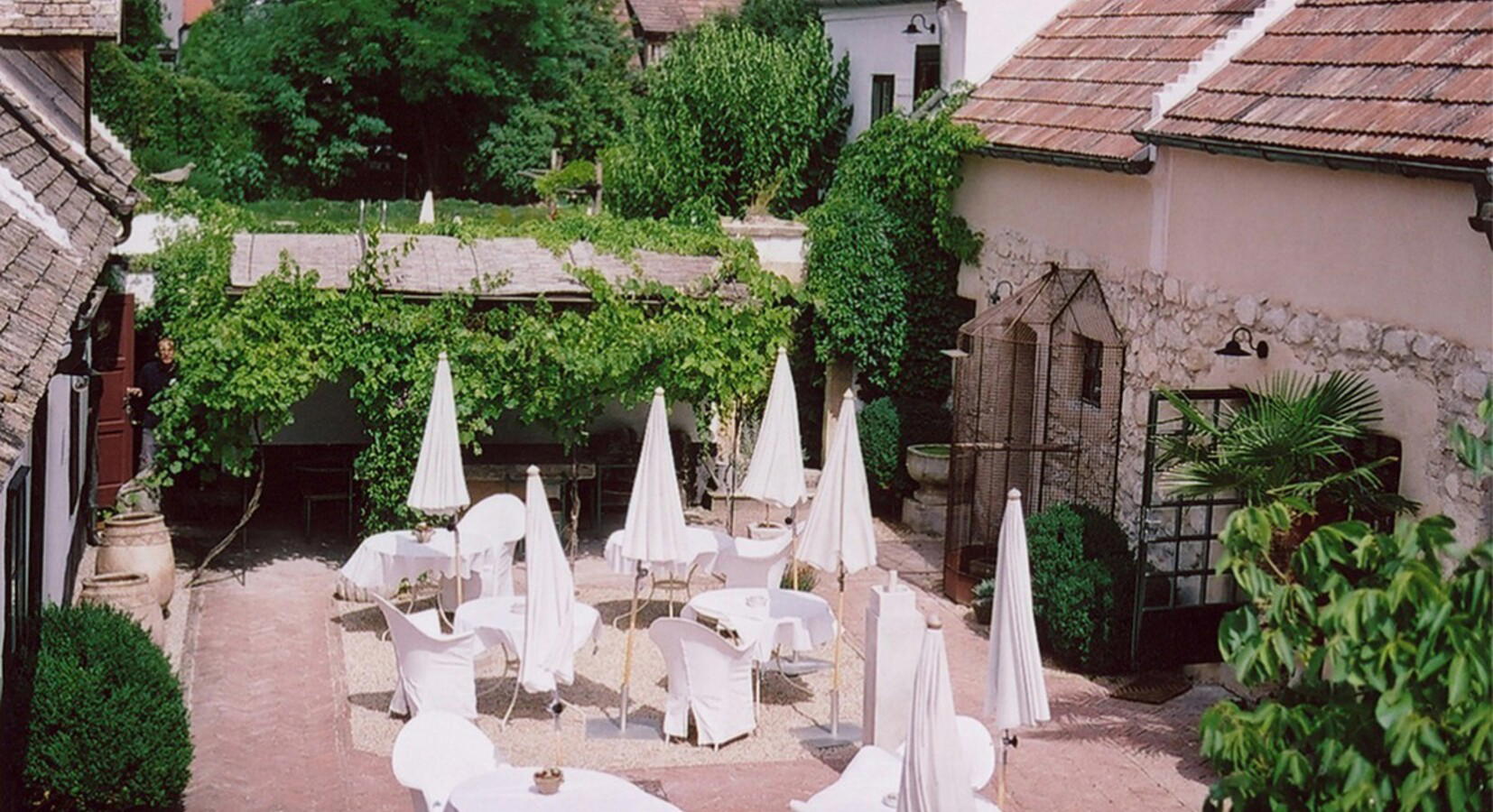
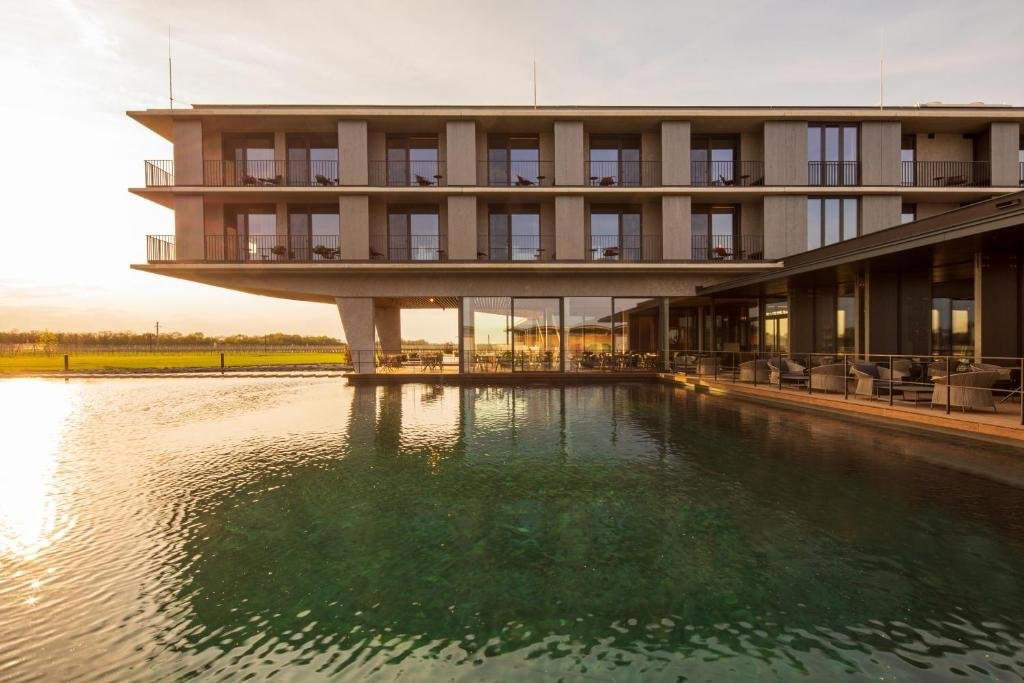
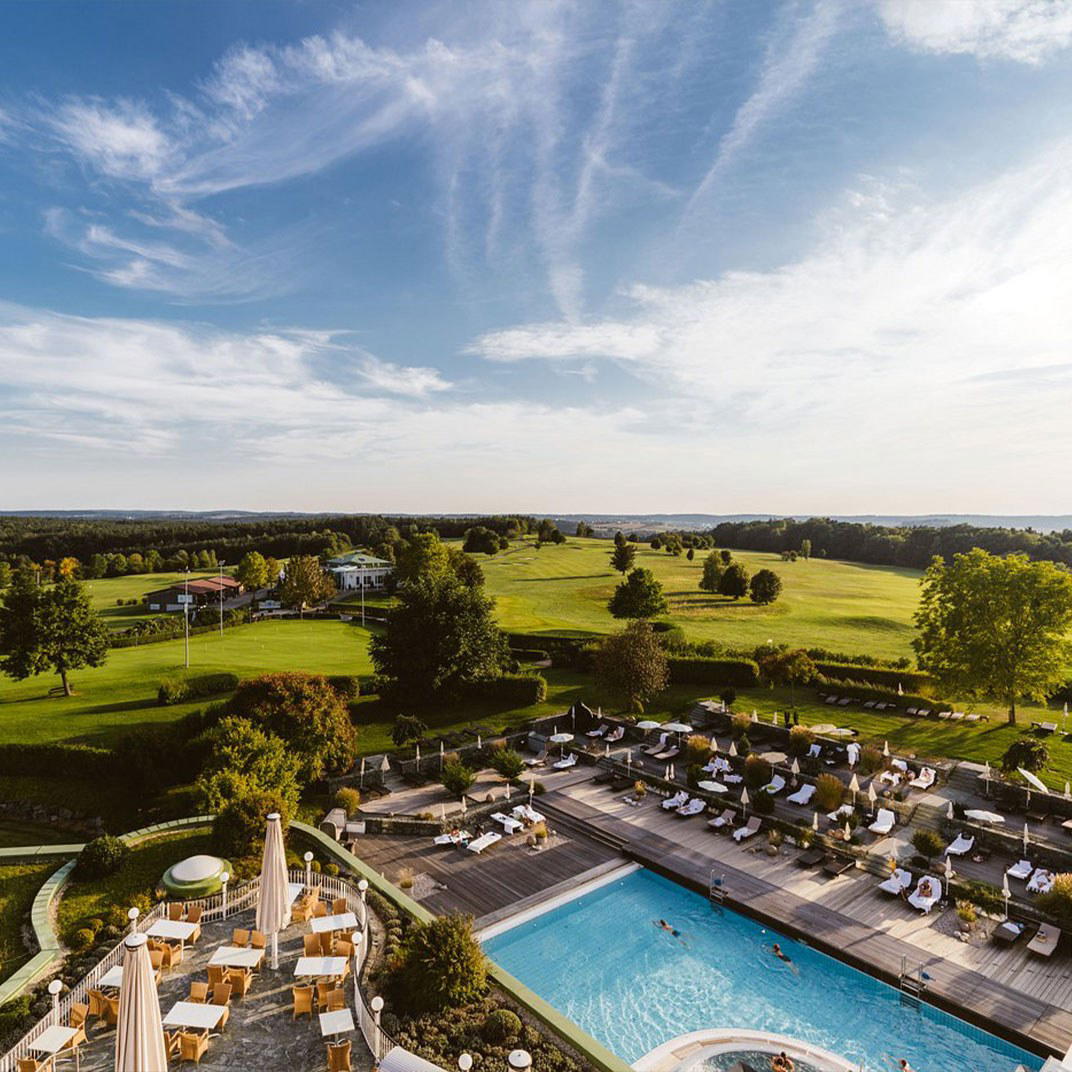
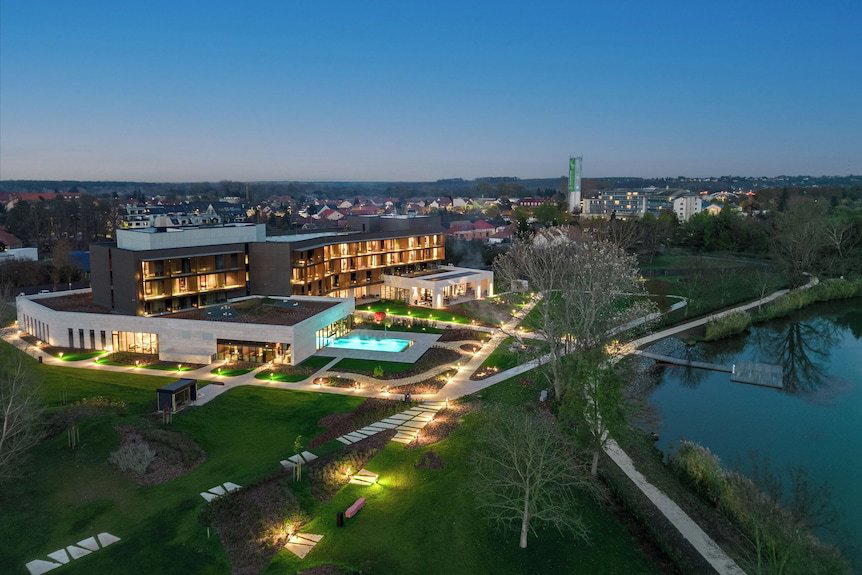
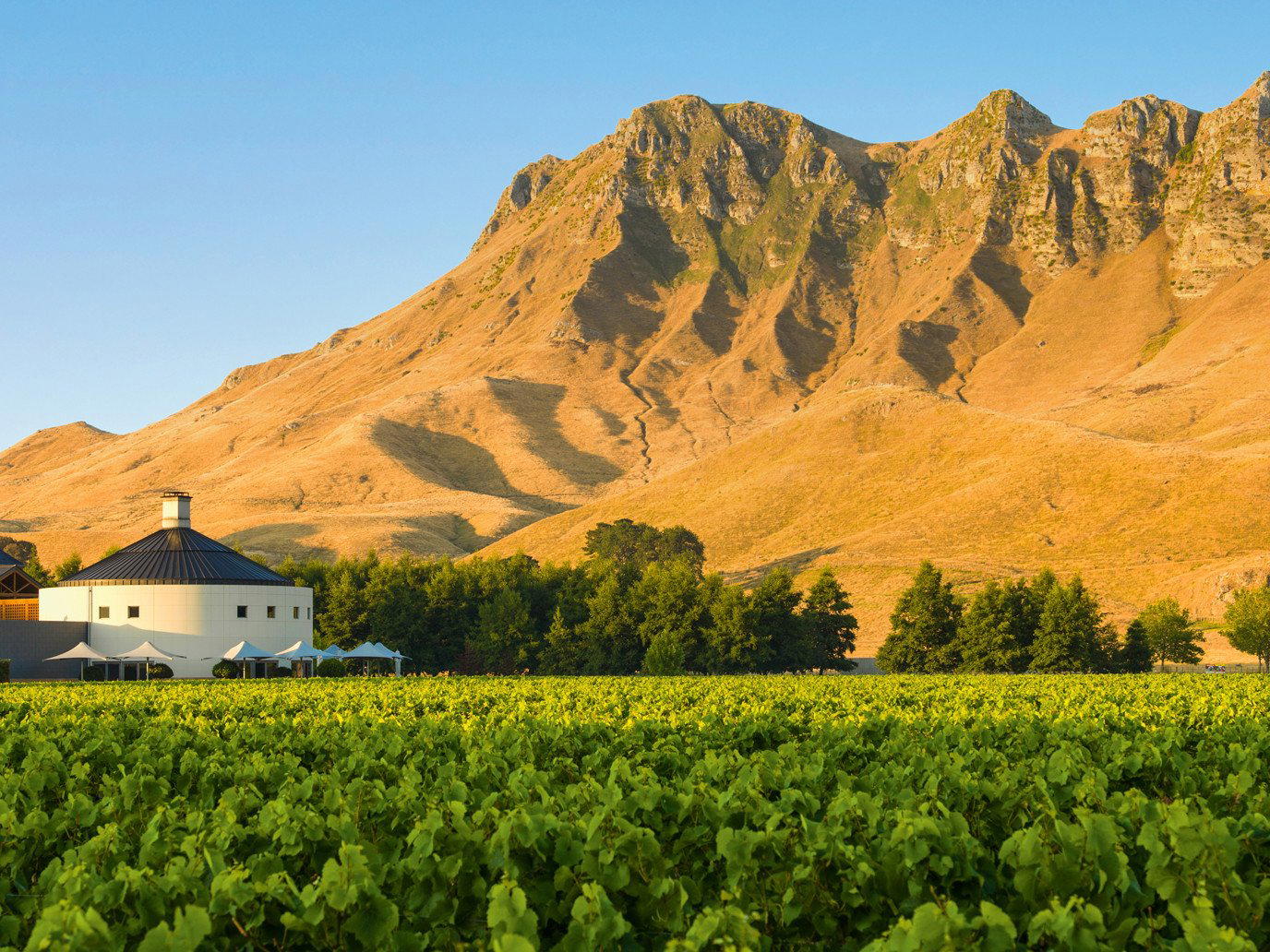
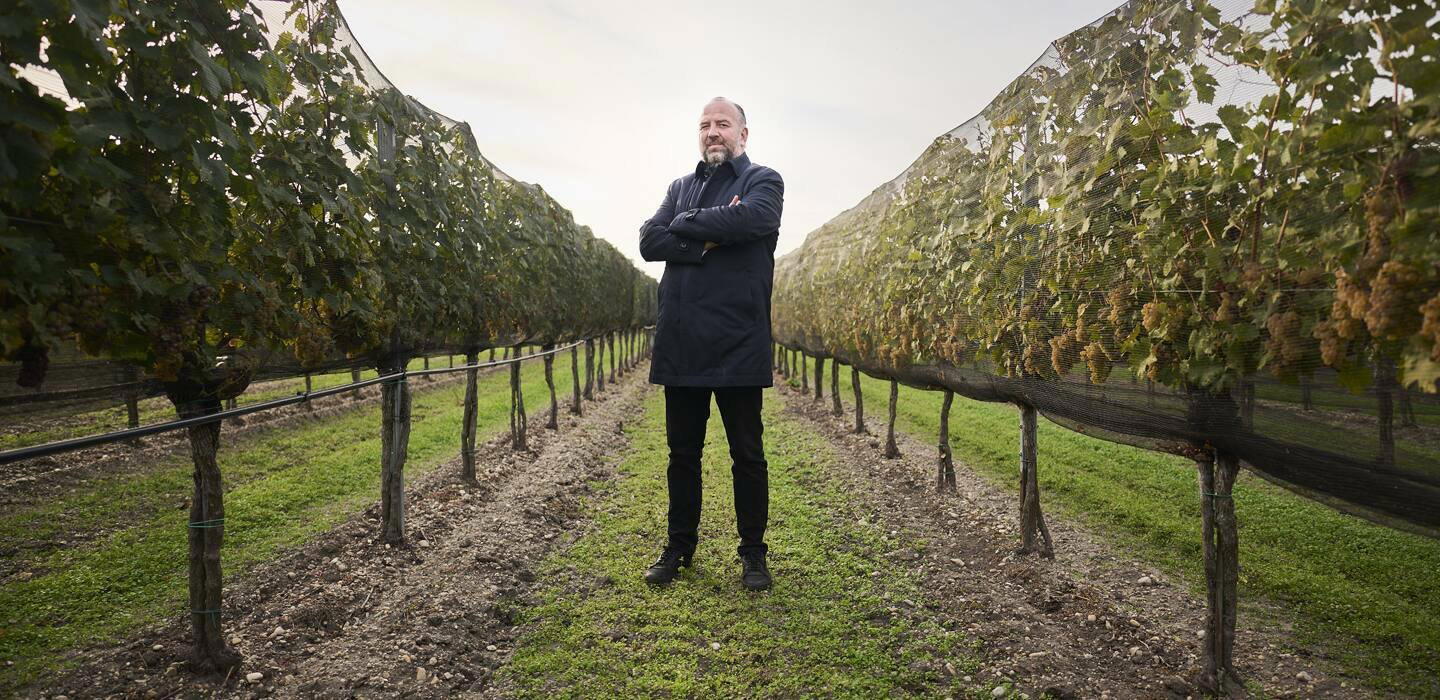
Relaxed and inviting atmosphere with terrace seating offering garden and vineyard views, cozy interior suitable year-round, enhanced by the surrounding wine region landscape.