Laby occupies a mid-century corner address on Ottakringer Strasse in Vienna's 17th district, sitting outside the compact radius where most of the city's recognised fine dining is concentrated. That geographic remove gives it a character the inner districts rarely produce: a neighbourhood cadence, a local regulars culture, and a physical setting that reads as considered rather than conspicuous.
Pearl is the En Primeur Club membership app — saves, bookings, and concierge access live there. Same editors, same standards.
- Address
- Ottakringer Str. 80, 1170 Wien, Austria
- Phone
- +4369910638098
- Website
- laby.at
- Directions
- Get directions
 Saves & bookings on Pearl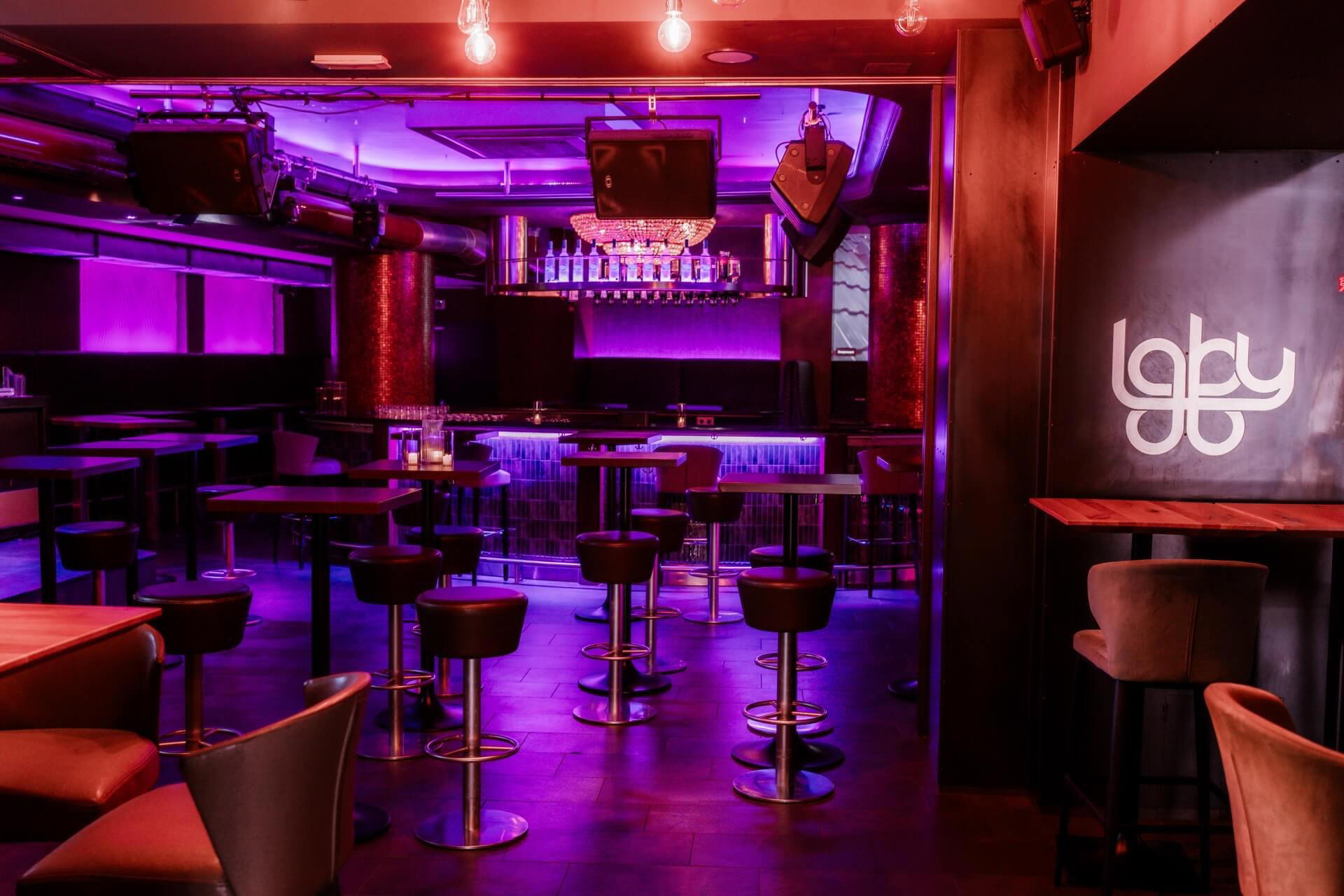
A Different Radius: Dining in the 17th District
Vienna's serious restaurant culture has historically concentrated itself in a tight arc: the 1st district's grand rooms, Steirereck's parkside pavilion in the 3rd, a scatter of ambitious addresses in the 7th and 8th. The 17th district, Hernals, sits well outside that familiar circuit. Ottakringer Strasse runs through working-class Vienna, a street defined by tram lines, neighbourhood bakeries, and the kind of unpretentious rhythm that the inner city increasingly struggles to produce. A restaurant at this address, Laby at number 80, is already making an argument simply by being there: that the city's more interesting dining is no longer guaranteed to happen inside the Ringstrasse.
That argument has been gaining traction across European cities for some years. In Paris, the move from Saint-Germain to the 10th and 11th arrondissements reshaped where credible cooking happens. In London, the drift from Mayfair toward Hackney and Peckham told a similar story. Vienna, more conservative in its dining geography, is beginning to show the same pattern. Venues like Doubek and Amador have demonstrated that serious cooking can command attention outside the tourist-weighted centre. Laby, at its Hernals address, fits into that broader dispersal.
The Space as Statement
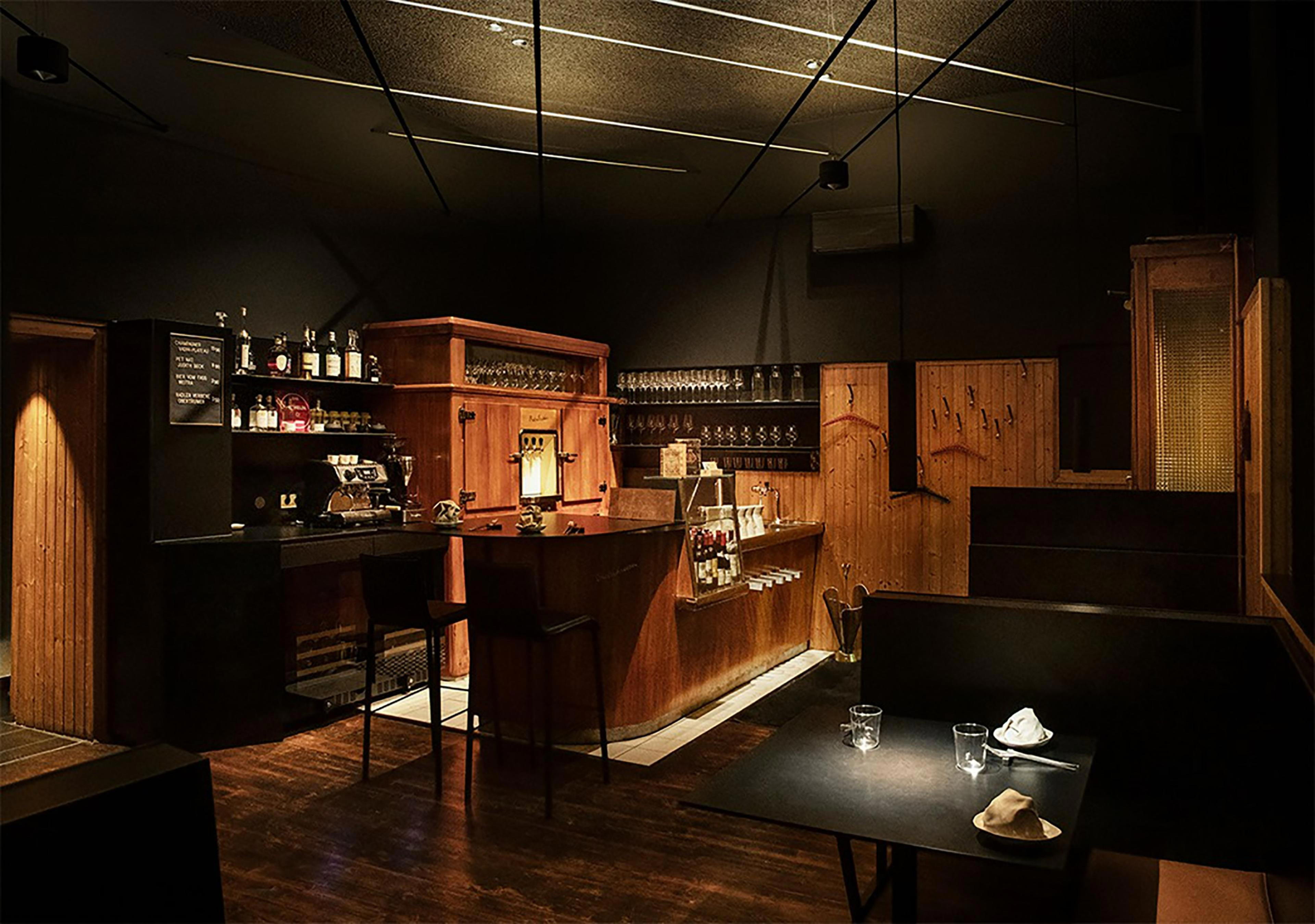
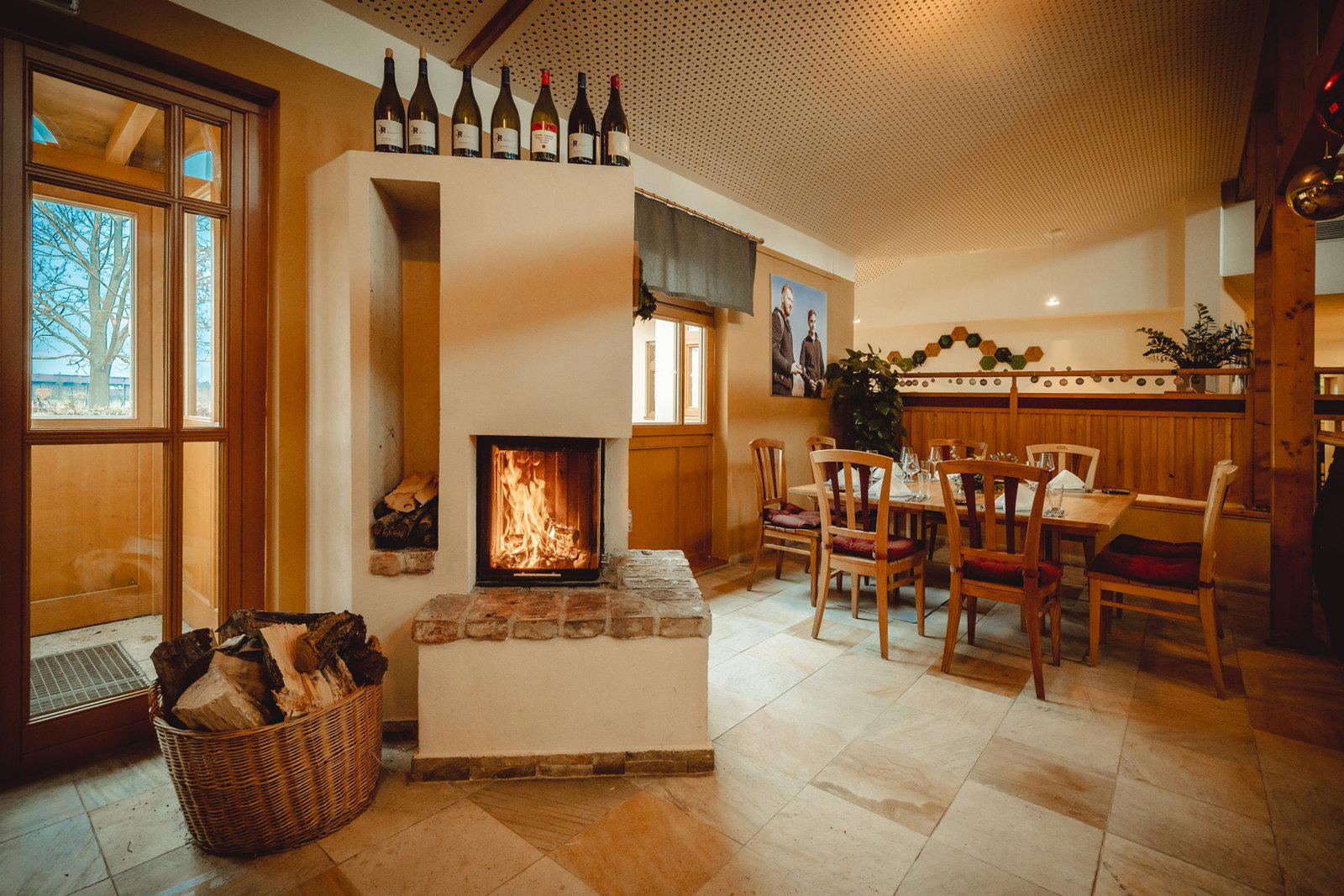
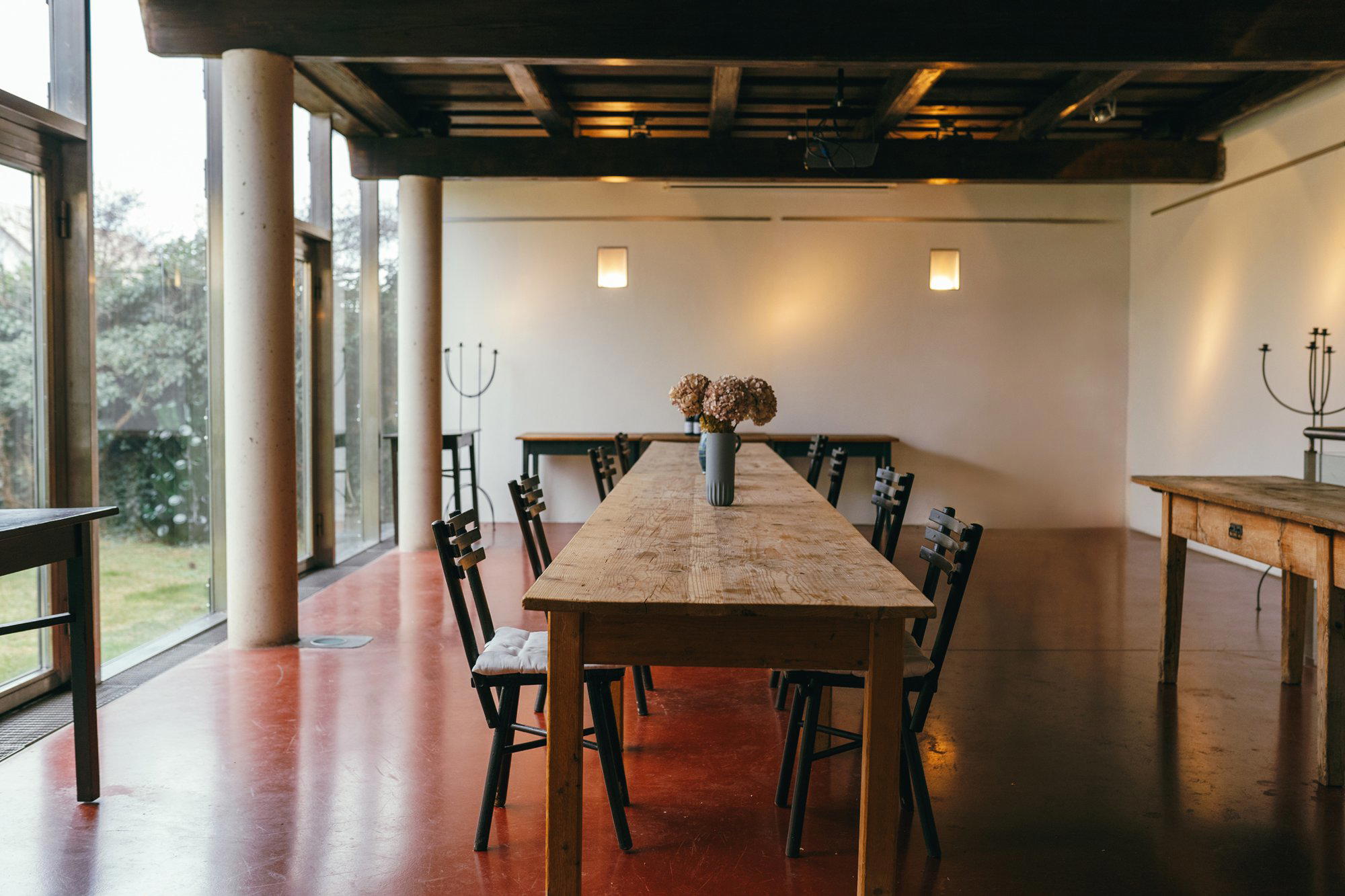
In Austrian dining culture, the physical container of a restaurant carries real communicative weight. The grand Beisl with its vaulted ceiling signals one set of expectations; the pared-back neighbourhood room signals another. Vienna's most discussed openings of the past decade have tended toward the latter register, rooms that suppress ornament in favour of material honesty, where the architecture does not compete with the food for attention.
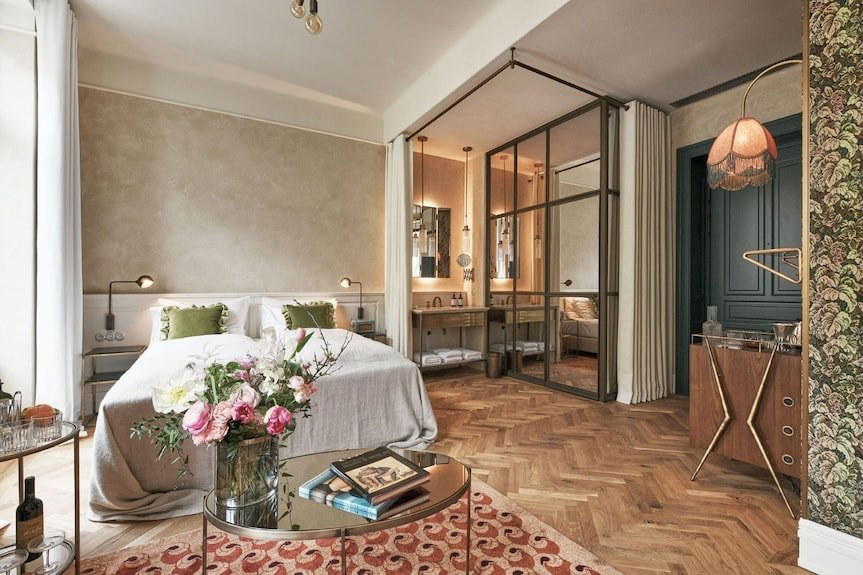
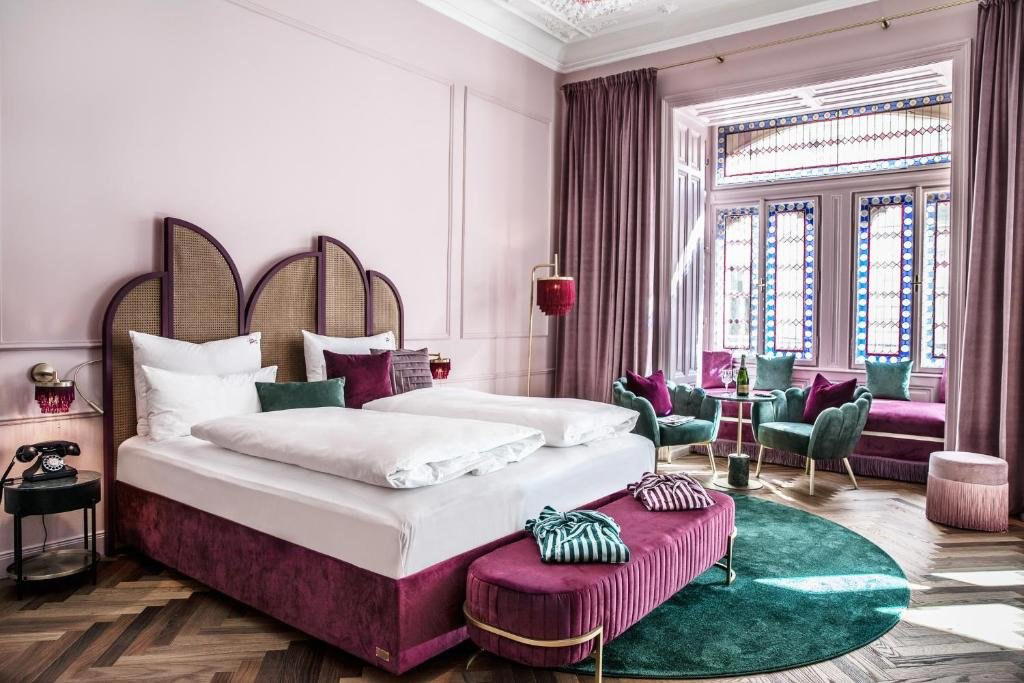
Ottakringer Strasse 80 sits in a district where the building stock runs to late Wilhelminian and early Modernist residential blocks, solid, unshowy facades with internal courtyards. A restaurant at this address draws its spatial identity from that grain. The surrounding neighbourhood is the context: this is not a destination designed to float free of its postcode, but one that reads as rooted in it. That rootedness tends to produce a particular interior sensibility, materials sourced locally, layouts that reflect the proportions of the existing building rather than imposing a concept upon them. Where Vienna's inner-district fine dining rooms often feel designed from the outside in, with a visual concept applied to a neutral shell, the more credible outer-district spaces tend to work in the reverse direction: letting the building's character set the terms.
In that sense, the physical address of Laby is itself an editorial decision. The 17th is not where a venue goes for exposure to passing foot traffic or proximity to hotel guests. It is where a venue goes when its primary audience is the city itself, rather than visitors to it.
Where Laby Sits in Vienna's Dining Hierarchy
Vienna's top tier remains well-defined. Steirereck im Stadtpark and Mraz & Sohn occupy the city's creative summit, both operating at €€€€ price points with Michelin recognition and significant international profiles. Konstantin Filippou covers modern European territory at the same tier. These are restaurants that position themselves against international peers as much as local ones. Below that tier, a second layer operates with genuine ambition but less institutional weight, cooking that does not necessarily seek comparison with Le Bernardin or Atomix, but that takes its craft seriously within a neighbourhood or regional frame.
Laby, given its address, appears to operate in that second tier, not as a consolation prize, but as a different kind of bet. Restaurants in this bracket succeed on repeat custom and word-of-mouth rather than on review cycles or award nomination. They tend to be more flexible, more responsive to their immediate community, and often more interesting as a result. Austria's regional scene demonstrates how durable that model can be: Obauer in Werfen, Landhaus Bacher in Mautern an der Donau, and Döllerer in Golling an der Salzach have each built substantial reputations outside the capital by anchoring deeply in place rather than chasing metropolitan visibility.
Vienna's outer districts are beginning to produce their own version of that anchoring. The 17th has the residential density and the income mix to support a serious neighbourhood restaurant without depending on tourism. For a venue positioned there, the audience is self-selecting: guests who sought the address out, rather than those who stumbled across it.
The Austrian Outer-District Context
Austrian fine dining has, over the past decade, distributed itself more widely than its public reputation suggests. Alongside the capital's recognised names, a generation of restaurants in smaller cities and mountain villages has accumulated critical recognition. Ikarus in Salzburg, Griggeler Stuba in Lech, Gourmetrestaurant Tannenhof in Sankt Anton am Arlberg, Schwarzer Adler in Hall in Tirol, Kräuterreich by Vitus Winkler in Sankt Veit im Pongau, and Ois in Neufelden each demonstrate that the country's most committed cooking is not exclusively a Vienna story. Nor, within Vienna, is it exclusively a first-district story. Restaurant 141 by Joachim Jaud in Mieming is another example of serious ambition operating away from obvious centres.
The pattern matters for understanding what a Hernals address communicates. It is not a marker of diminished ambition; it is a statement about where ambition is now permitted to locate itself.
Planning Your Visit
Laby is at Ottakringer Strasse 80 in Vienna's 17th district (Hernals). The address is accessible by tram from the city centre; line 44 runs along Ottakringer Strasse and connects to the U3 at Volkstheater. Direct contact or walk-in should be considered.
Just the Basics
Comparable venues nearby, for context on price, style, and recognition.
| Venue | Cuisine | Price | Notes |
|---|---|---|---|
| LabyThis venue — the venue you are viewing | Hernals, Café Bar | $$ | Not listed |
| Kalou | Inner City, Vegan | $$ | Not listed |
| Lebenbauer | Not listed | $$ | Inner City, Vollwert Wholefood with Vegan Focus |
| Der schöne Ernst | Not listed | $$ | Praterstern Wien Nord, Viennese Café & Aperitivo Bar |
| Mimi im Stadtelefant | Sudbahnhof, Modern European | $$ | Not listed |
Continue exploring
More in Vienna
Restaurants in Vienna
Browse all →
Bars in Vienna
Browse all →

Hotels in Vienna
Browse all →
At a Glance
- Lively
- Casual
- Casual Hangout
- After Work
Current opening hours
- Monday
- 8 AM–12 AM
- Tuesday
- 8 AM–12 AM
- Wednesday
- 8 AM–12 AM
- Thursday
- 8 AM–12 AM
- Friday
- 8 AM–4 AM
- Saturday
- 8 AM–4 AM
- Sunday
- 9:30 AM–12 AM
Hours can change for holidays and private events. Last verified .
Lively and celebratory atmosphere with a focus on local culture and social gathering.