Barfly's occupies a corner of Vienna's 6th district bar scene at Esterházygasse 33, where the Naschmarkt quarter gives way to quieter residential streets. Without the formal trappings of the city's grand café tradition or the theatrical ambition of its tasting-menu restaurants, it holds a different kind of position, one worth understanding before you arrive.
Pearl is the En Primeur Club membership app — saves, bookings, and concierge access live there. Same editors, same standards.
- Address
- Esterházygasse 33, 1060 Wien, Austria
- Phone
- +434315860825
- Website
- barflys.at
- Directions
- Get directions
 Saves & bookings on Pearl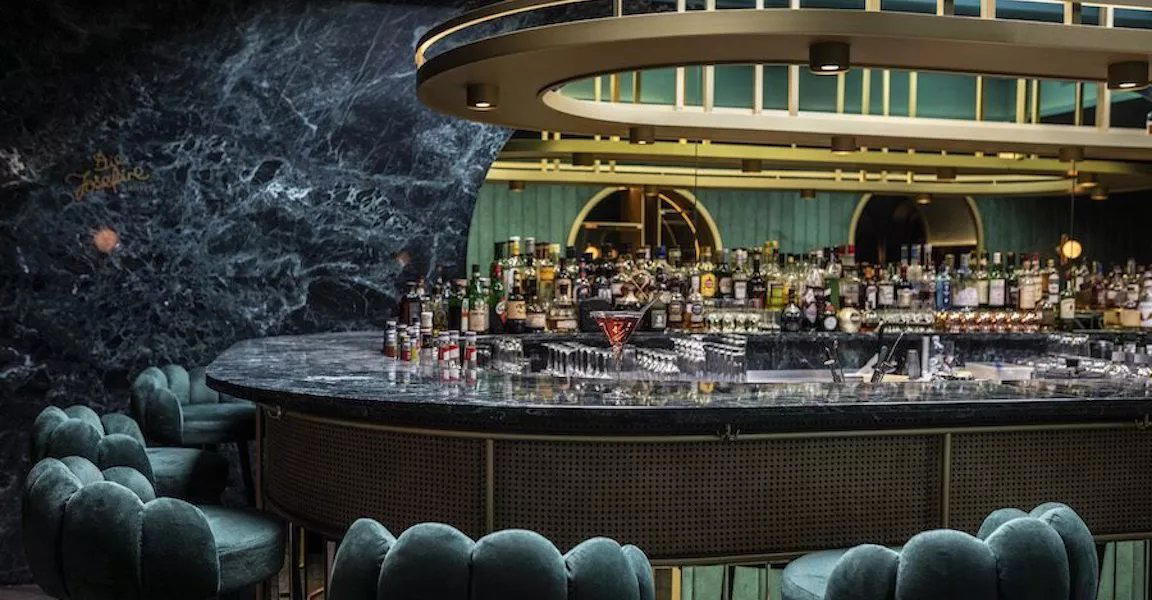
Sixth District After Dark: Where Vienna's Bar Culture Takes a Quieter Turn
Vienna's drinking culture is stratified in ways that visitors often miss. At one end sit the grand coffeehouses, operating as civic institutions since the Habsburg era. At the other, a cluster of high-concept cocktail bars has emerged in the inner districts, trading on technique and sourced spirits. Somewhere in between, and this is the more interesting territory, sits a cohort of neighbourhood bars in the 5th and 6th districts where the Naschmarkt corridor bleeds into residential Mariahilf. Barfly's, at Esterházygasse 33 in the 1060 postal district, belongs to this middle register: a cocktail bar with a consistent crowd and a quieter register.
The 6th district address places Barfly's in Mariahilf. Mariahilf runs from the commercial noise of Mariahilfer Strasse down toward the Naschmarkt's southern edge, and the streets in between have a texture that the inner districts rarely manage: wide enough to feel lived-in, close enough to the centre that they attract people who actually want to be out rather than just be seen. Bars in this zone tend to survive on repeat custom rather than tourist throughput, which shapes everything from the service register to the pacing of an evening.
The Progression of an Evening: How the Night Tends to Unfold
In bars operating at this register across European cities, the architecture of an evening follows a recognisable logic. You arrive with the room still finding its volume, early enough that the bar staff have time, late enough that the space has shed its emptiness. The first drink establishes the tone: something direct, probably spirit-forward, chosen because the person making it knows the menu rather than reciting it. The conversation that follows is the product of that unhurried opening, and the second round, if the first was well-judged, tends to go further into the list.
This progression model, familiar to anyone who drinks seriously in Vienna, Prague, or Zurich's equivalent neighbourhood pockets, depends entirely on a bar knowing its own identity. It does not require a sixteen-page cocktail menu or an imported ice program. What it requires is coherence: a clear sense of what the bar is for, communicated through the physical environment and reinforced by whoever is behind the counter. The bars in Vienna that hold this register over years, as opposed to the ones that spike on opening buzz and fade, tend to share a resistance to reinvention for its own sake.
Vienna's broader bar scene offers useful contrast here. The city's upper-tier cocktail programs, increasingly concentrated in the 1st and 7th districts, have moved toward the kind of technical transparency that cities like London and New York codified a decade ago. Clarified drinks, housemade bitters, and provenance-led spirit lists are now table stakes at that level. The bars at Steirereck im Stadtpark and Amador, when read as drinking destinations alongside their restaurant functions, represent the upper bracket of that shift. Barfly's does not compete in that bracket, which is precisely what makes it useful to understand as a different kind of entry in an evening's itinerary.
The Neighbourhood as Context
Mariahilf has been through several iterations of desirability. For much of the late 20th century it was unremarkably functional, dense residential blocks, small traders, the long draw of Mariahilfer Strasse pulling foot traffic toward retail rather than hospitality. The past fifteen years have shifted that. The Naschmarkt's expansion as a culinary reference point, combined with the gentrification pressure moving outward from the 1st district, has made the 5th and 6th districts more interesting to the hospitality market without fully displacing the residential character that makes them liveable.
This context matters because bars like Barfly's are products of their neighbourhood's economic moment as much as any deliberate concept. They occupy a position that the inner districts can no longer easily sustain: affordable enough to build a regular clientele, well-located enough to draw visitors who have already exhausted the more obvious options. Vienna's dining infrastructure reinforces this dynamic. The city's serious restaurant tier, including Konstantin Filippou, Mraz & Sohn, and Doubek, draws diners into the outer districts with increasing regularity, and those evenings need somewhere credible to continue. A bar that understands its role in that longer arc of an evening is more valuable than one that tries to be the main event.
Austria's broader dining geography reinforces how Vienna fits into a national picture of serious hospitality. Outside the capital, properties like Döllerer in Golling an der Salzach, Obauer in Werfen, and Landhaus Bacher in Mautern an der Donau represent a tradition of destination dining built around regional produce and sustained critical recognition. The urban bar scene, of which the restaurant is one example, operates in a different mode entirely, but both are expressions of an Austrian hospitality culture that values longevity over novelty. The same instinct that keeps Taubenkobel in Schützen am Gebirge relevant decade after decade shows up, at a different scale, in a neighbourhood bar that resists constant reinvention.
For reference points outside Austria, the comparison is less with technically ambitious programs like Le Bernardin in New York City or Lazy Bear in San Francisco and more with the kind of mid-register bar that anchors a neighbourhood's late evening. Vienna has always had more of these than its international profile suggests, and the 6th district is one of the better places to find them.
Where Barfly's Sits in the Wider Vienna Picture
For visitors building a Vienna itinerary, the practical question is sequencing. The city's tasting-menu tier, Steirereck im Stadtpark, Amador, the Michelin-tracked rooms across the inner districts, accounts for one category of evening. Austria's regional scene, from Gourmetrestaurant Tannenhof in Sankt Anton am Arlberg to Stüva in Ischgl to Kräuterreich by Vitus Winkler in Sankt Veit im Pongau, provides context for day-trip ambitions. The restaurant, and places like it in Mariahilf, fills a gap that neither category covers: the bar you end up in when the formal part of the evening is finished and the night still has somewhere to go. For a wider Austria context, Restaurant 141 by Joachim Jaud in Mieming, Schwarzer Adler in Hall in Tirol, and Ois in Neufelden each represent the kind of regional seriousness that makes Vienna's neighbourhood bars easier to understand by contrast.
Know Before You Go
- Address: Esterházygasse 33, 1060 Wien, Austria
- District: Mariahilf (6th district), close to the Naschmarkt corridor
- Reservations: Recommended
- Price range: About $25 per person
- Hours: Mon to Thu 6 PM to 2 AM, Fri to Sat 6 PM to 3 AM, Sun 7 PM to 1 AM
Cost and Credentials
Comparable venues nearby, for context on price, style, and recognition.
| Venue | Cuisine | Price | Notes |
|---|---|---|---|
| Barfly'sThis venue — the venue you are viewing | Mariahilf, Cocktail Bar | $$ | Not listed |
| Volksgarten club | Hofburg, Club Bar | $$ | Not listed |
| Laby | Hernals, Café Bar | $$ | Not listed |
| Honu Tiki Bowls | Inner City, Hawaiian Poke Bowls | $$ | Not listed |
| Downstairs | Hofburg, Cocktail Lounge & Billiards Bar | $$ | Not listed |
| Auersgarden | Not listed | $$ | Hofburg, Garden Bistro with Regional Focus |
![[aend] restaurant in Vienna](https://cdn.enprimeurclub.com/storage/v1/object/public/images/locations/recsVyRkMfzCxPmp0/hero2.jpg?width=3840&quality=75)
At a Glance
- Elegant
- Cozy
- Trendy
- Intimate
- Sophisticated
- Date Night
- Casual Hangout
- Late Night
- Craft Cocktails
Current opening hours
- Monday
- 6 PM–2 AM
- Tuesday
- 6 PM–2 AM
- Wednesday
- 6 PM–2 AM
- Thursday
- 6 PM–2 AM
- Friday
- 6 PM–3 AM
- Saturday
- 6 PM–3 AM
- Sunday
- 7 PM–1 AM
Hours can change for holidays and private events. Last verified .
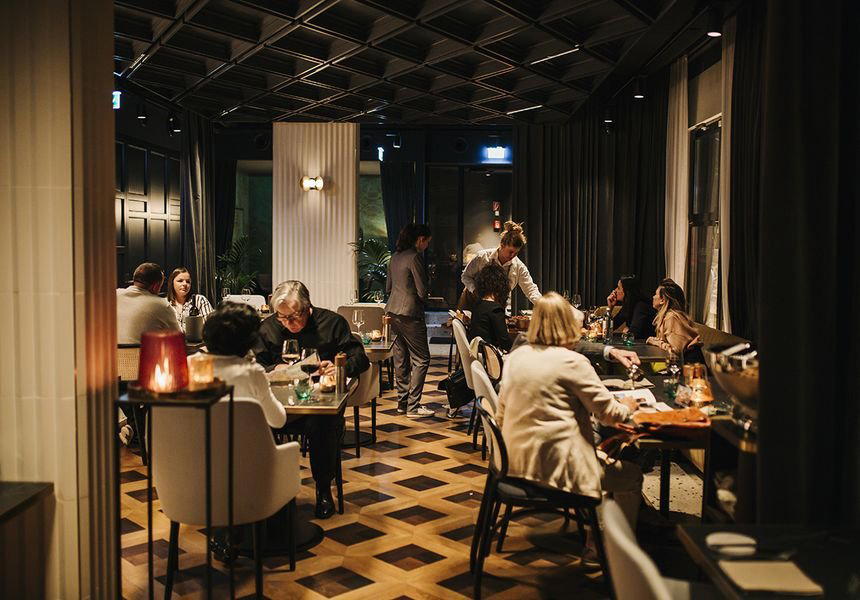
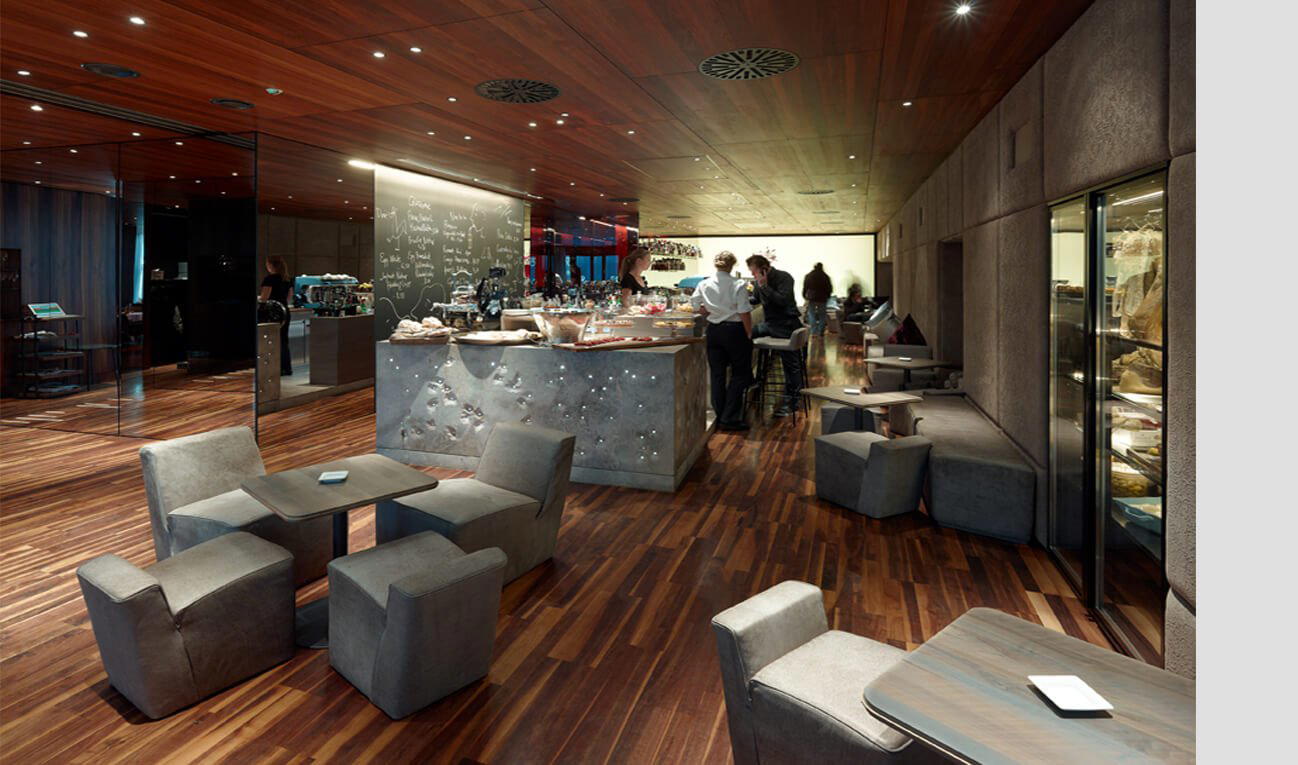
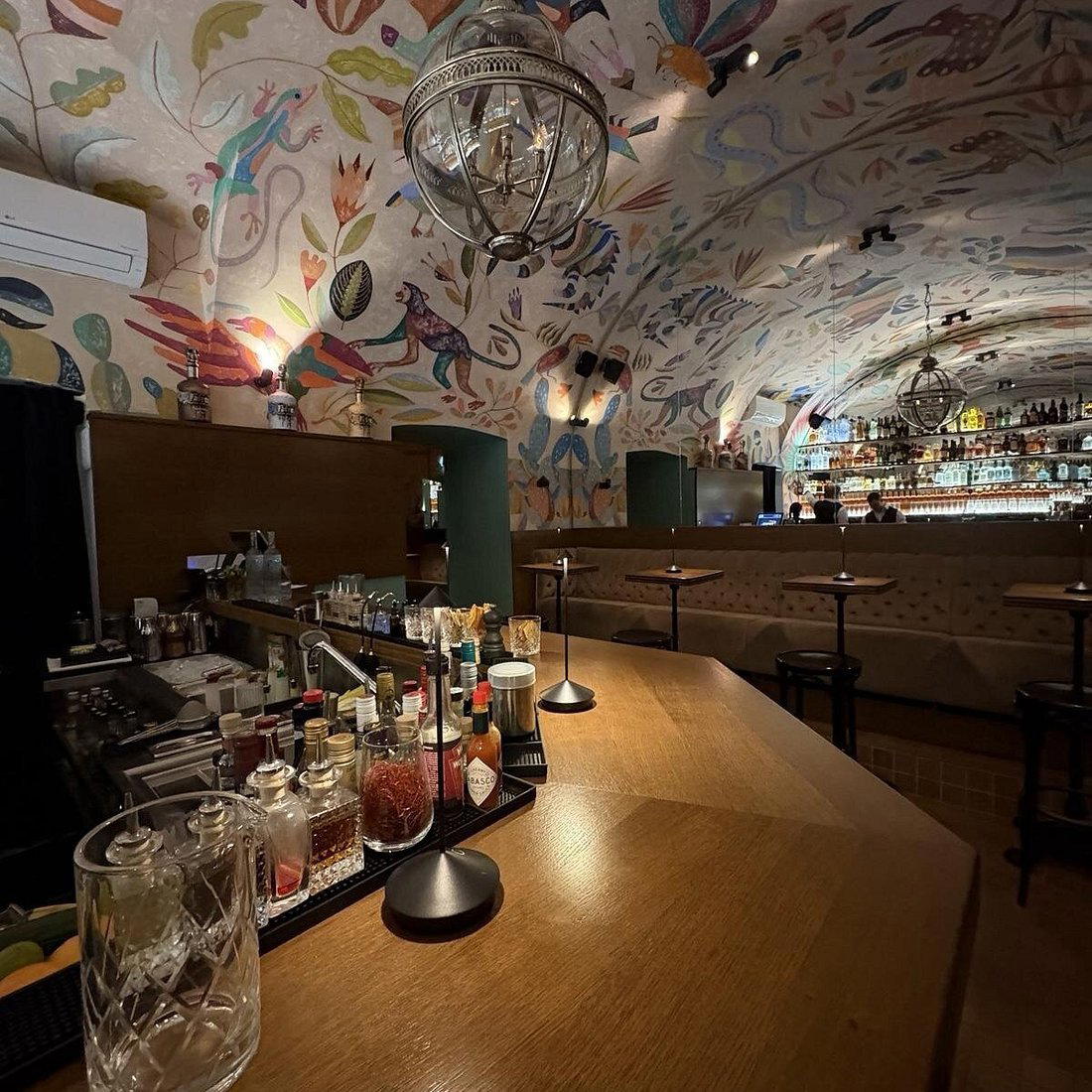
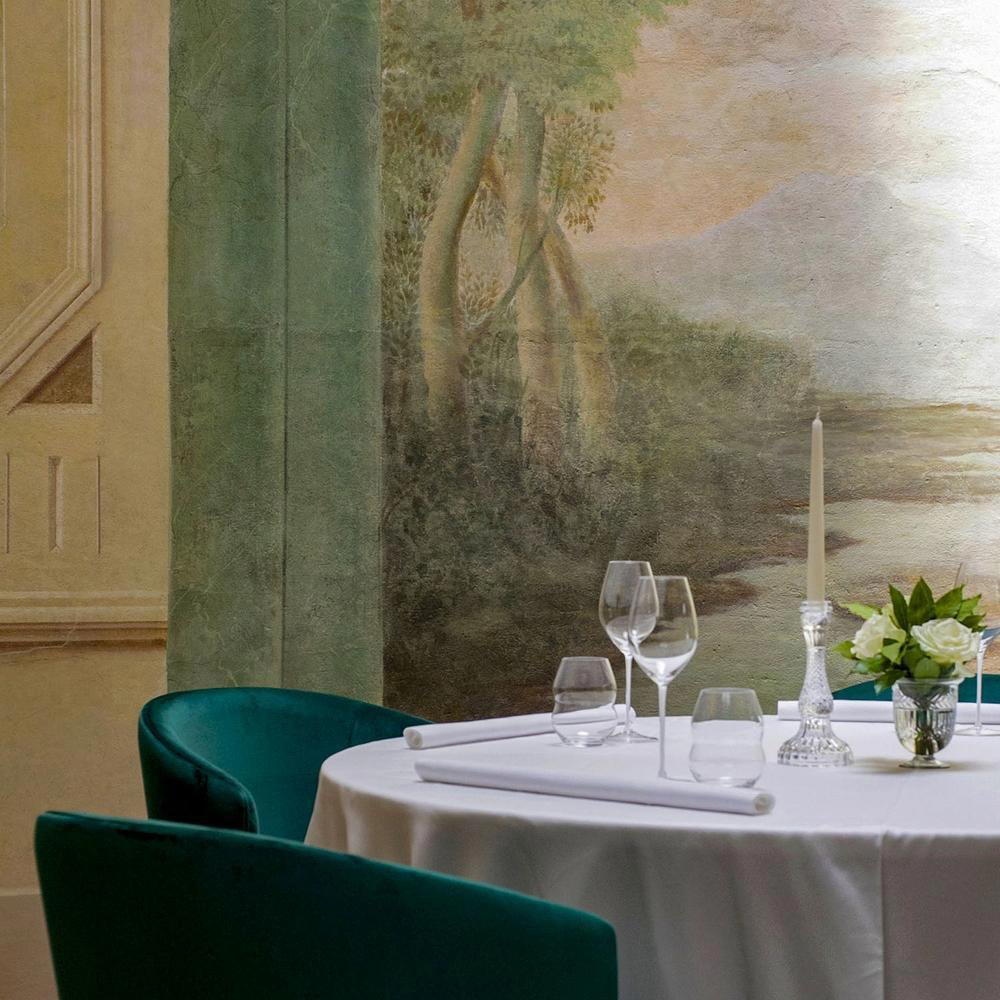
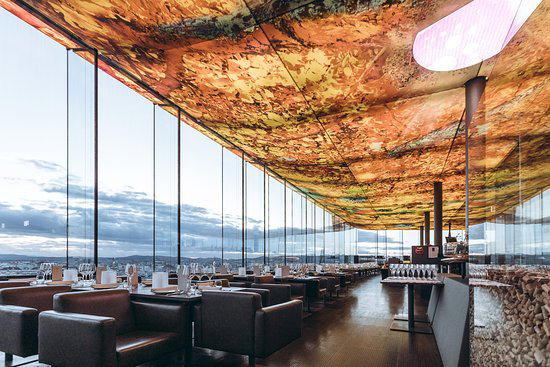
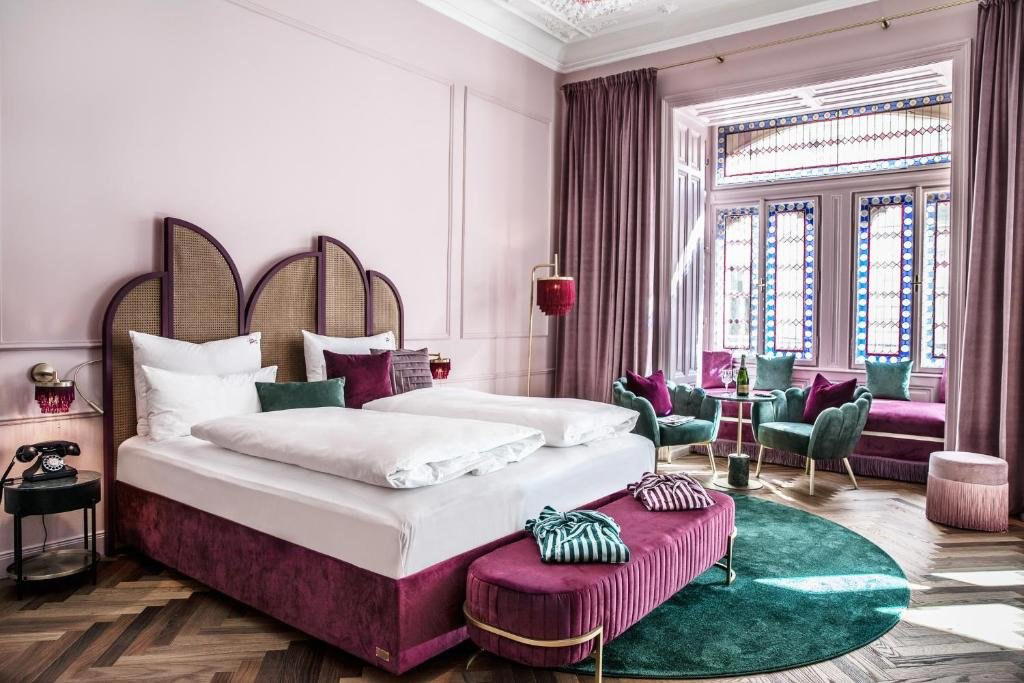
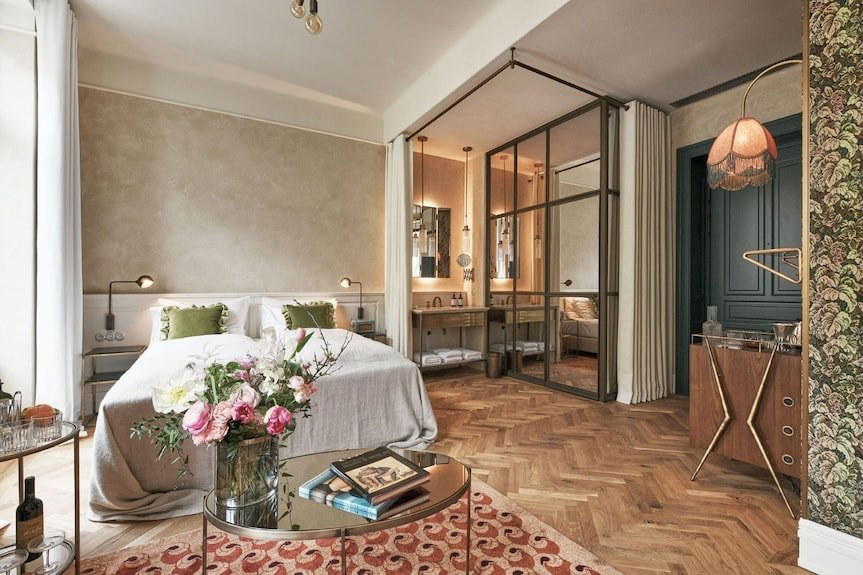
Velvet furnishings, brass accents, green marble walls, and huge mirrors create a classy, relaxed 1920s-inspired atmosphere with soft lighting.