La Vigneraie occupies a quiet address on Avenue Paul Pastur in Charleroi's southern quarter, positioning itself in a city that punches above its culinary weight for a post-industrial Belgian hub. The name alone signals a wine-forward sensibility, placing it alongside the small tier of Charleroi tables where sourcing and provenance shape the menu rather than trend cycles.
- Address
- Av. Paul Pastur 32, 6032 Charleroi, Belgium
- Phone
- +32476068308
- Website
- la-vigneraie.be
- Directions
- Get directions
Where Charleroi's Sourcing-Led Dining Finds Its Footing
Belgium's provincial dining scene has spent the last decade quietly separating from the idea that serious food only happens inside Brussels or the Flemish fine-dining corridor running through Ghent, Bruges, and Antwerp. Charleroi, historically a steel and glass city with a reputation for grit over gastronomy, has developed a smaller but credible restaurant tier where provenance thinking drives menus as often as classical technique. La Vigneraie, on Avenue Paul Pastur in the commune of Gilly just south of the city centre, sits within that emerging cohort. The address itself — a residential avenue rather than a commercial strip — tells you something about the kind of audience the kitchen expects: locals who know where they are going, not tourists following a list.
The name references the vine, and with it the broader agricultural logic that connects wine culture to ingredient culture. In French-speaking Belgian dining, that connection tends to run deeper than in more industrialised food markets. Tables that name themselves after growing traditions tend to build menus around the same thinking: what is in season, where it was grown, and whether the sourcing relationship is traceable. That framing places La Vigneraie in conversation with a wider Wallonian approach to produce-led cooking, rather than isolating it as a singular local curiosity.
The Sourcing Logic Behind French-Belgian Tables in Charleroi
In the Belgian Walloon region, ingredient sourcing at mid-to-upper restaurant tier has converged around a recognisable pattern over the past several years. Kitchen teams work with regional producers for vegetables and dairy, draw on the Belgian coast and North Sea markets for fish and shellfish, and increasingly reference Ardennes suppliers for game and aged meats during the autumn and winter months. This is not unique to any single restaurant, it is the operating logic of the category across Wallonia, and it produces menus that read with a strong seasonal spine.
For context, the benchmark tables in Belgium, Hof van Cleve - Floris Van Der Veken in Kruishoutem, Boury in Roeselare, Zilte in Antwerp, and Willem Hiele in Oudenburg, operate at the upper tier of that sourcing discipline, with Michelin recognition and long waiting lists that reflect national and international audiences. Below that tier, a second layer of serious provincial tables serves regional audiences with similar sourcing ambition at lower price points and considerably less ceremony. La Vigneraie operates in that second layer in Charleroi, alongside comparisons including Chez Duche (Traditional Cuisine) and l'APtit.
That positioning matters for how you read the menu. Provincial French-Belgian cooking at this level rarely chases novelty for its own sake. It tends to run a shorter menu, rotate it frequently according to what the market is producing, and focus technical effort on execution rather than concept. Seasonal transitions, the arrival of white asparagus in spring, cep mushrooms in October, waterzooï vegetables through winter, punctuate the year in ways that make return visits during different seasons functionally different meals.
Approaching the Room and the Format
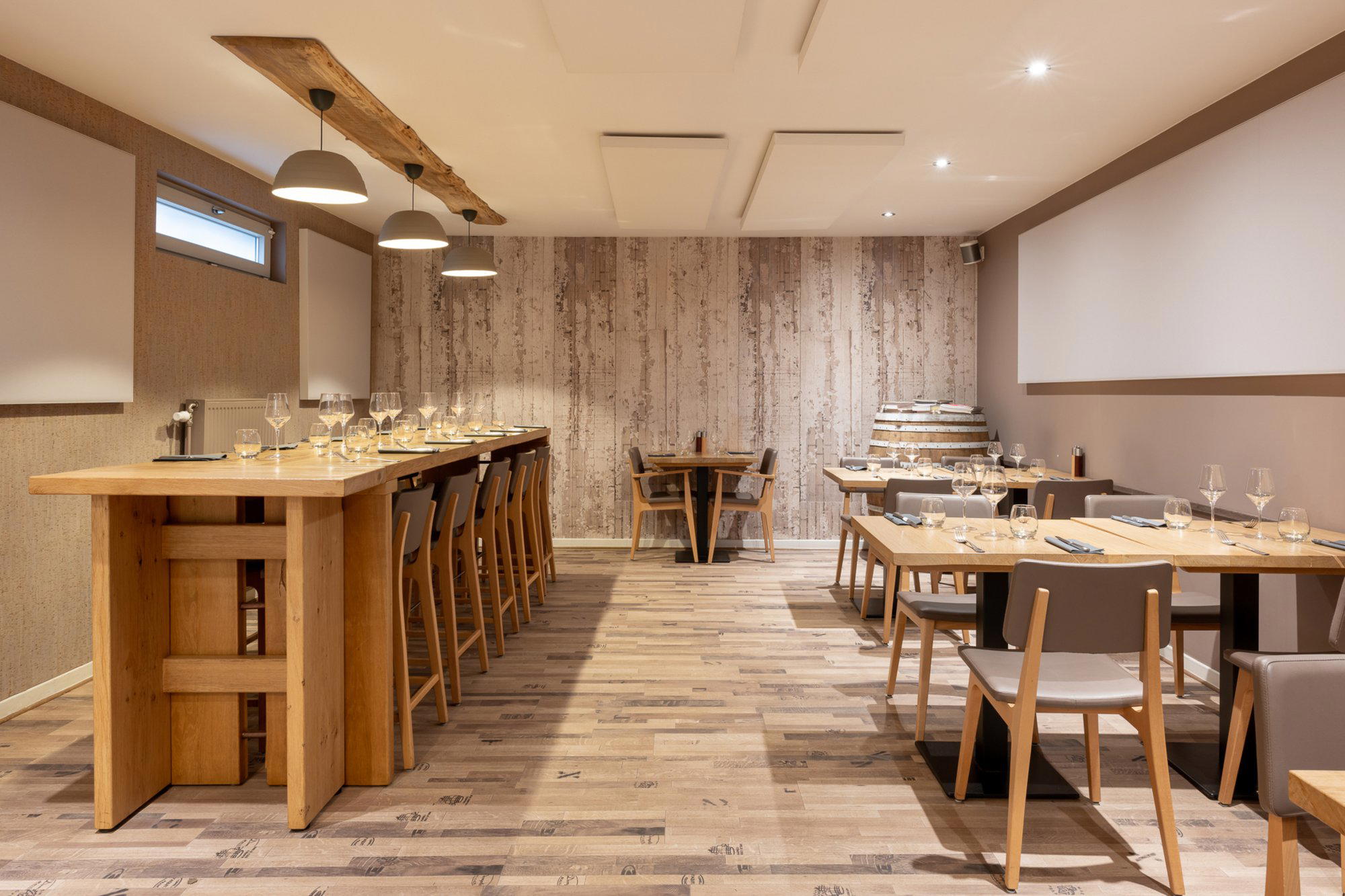
The physical approach to La Vigneraie reinforces the residential, neighbourhood-scaled character the address suggests. Avenue Paul Pastur is broad and tree-lined in the manner of many southern Charleroi avenues, with a mix of mid-century housing and professional premises. The restaurant sits at number 32, in a setting that does not perform its ambitions from the outside. This is common in Belgian provincial dining: the room reveals itself once you are inside, often with a level of comfort and care that the exterior withholds entirely.
Belgian restaurant formats at this tier typically operate on a set menu or limited à la carte structure, with table turnover kept deliberate rather than rapid. That operational logic reinforces ingredient integrity, kitchens can prep tightly when they know the throughput. Booking ahead is advisable for any serious provincial table in Belgium; the combination of limited covers and a loyal local clientele means walk-in availability is unreliable, particularly Thursday through Saturday evenings.
Charleroi in the Wider Belgian Context
Charleroi rarely appears on the shortlists that national food media compile for Belgian dining. That reflects the city's industrial identity and its distance from the tourist circuits that drive coverage of Brussels, Bruges, and Ghent. But the absence from those lists does not correspond to an absence of quality, it corresponds to an absence of marketing infrastructure. The Brussels benchmark, Bozar Restaurant in Brussels, operates in an entirely different category of visibility and institutional backing. So do destination tables like Bartholomeus in Heist or De Jonkman in Sint-Kruis, which benefit from coastal or heritage tourism footfall.
Charleroi's serious restaurants serve Charleroi. That is both a constraint and a distinction. Tables like La Vigneraie, Au Provençal, Le 1908, and Magari Restaurant hold their standards for an audience that returns regularly rather than one that arrives once for a special occasion. That dynamic tends to keep cooking honest. You can find a full overview of the city's dining options in our full Charleroi restaurants guide.
For Wallonia more broadly, the counterpart in ingredient-led seriousness is L'air du temps in Liernu, which sits in the upper tier of French-Belgian produce cooking and provides a useful reference point for what the region can achieve at maximum ambition. La Vigneraie occupies a different position on that scale, more accessible, more neighbourhood in character, but the underlying sourcing logic belongs to the same regional tradition. Comparable Wallonian tables worth knowing include d'Eugénie à Emilie in Baudour and Castor in Beveren, both of which serve regionally rooted menus to local audiences in similar format.
For planning purposes, La Vigneraie is accessible from central Charleroi by car in under fifteen minutes, and from Brussels via the E42 motorway in approximately forty-five minutes, making it a viable lunch or dinner destination for travellers transiting between the capital and the Ardennes. The restaurant does not list a public phone number or website in available records, so initial contact is leading made in person or through local reservation platforms.
How It Stacks Up
| Venue | Cuisine | Price | Awards |
|---|---|---|---|
| La VigneraieThis venue — the venue you are viewing | This venue | Not listed | Not listed |
| Vilain | Seasonal Cuisine | €€ | Seasonal Cuisine, €€ |
| Chez Duche | Traditional Cuisine | €€ | Traditional Cuisine, €€ |
Continue exploring
More in Charleroi
Restaurants in Charleroi
Browse all →
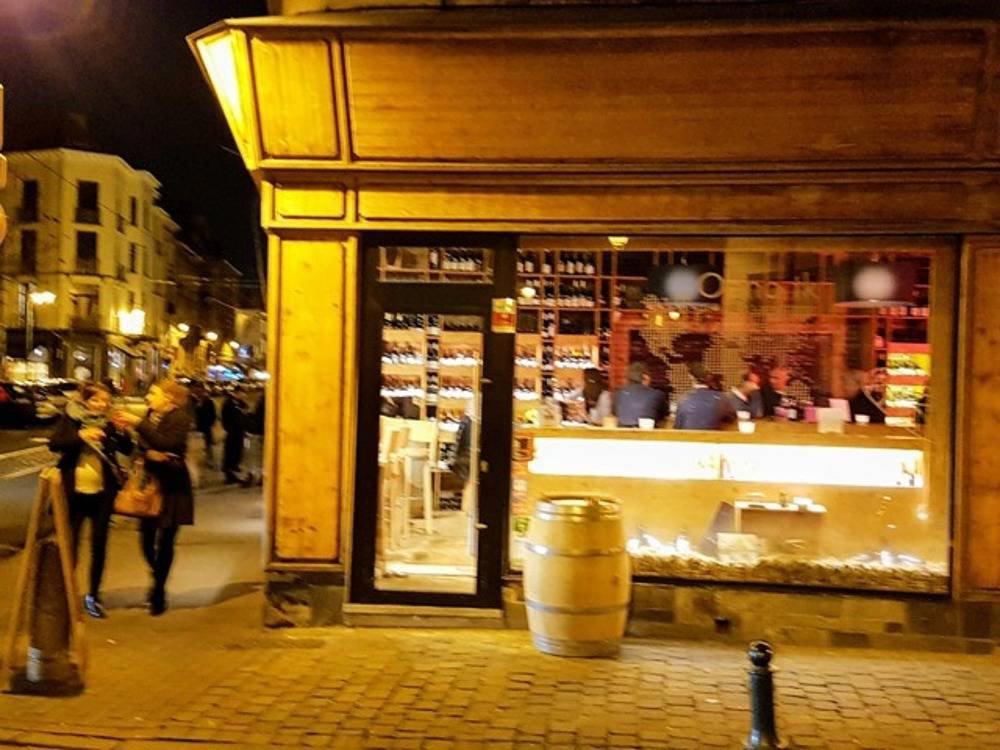
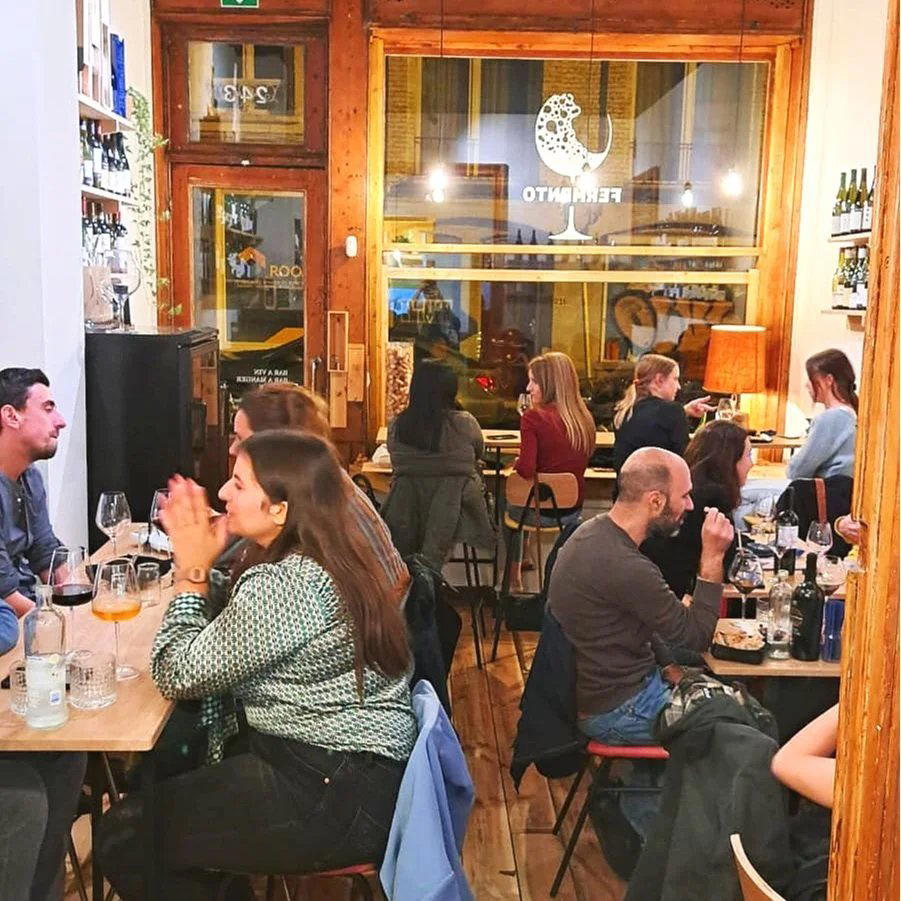
Bars in Charleroi
Browse all →
Hotels in Charleroi
Browse all →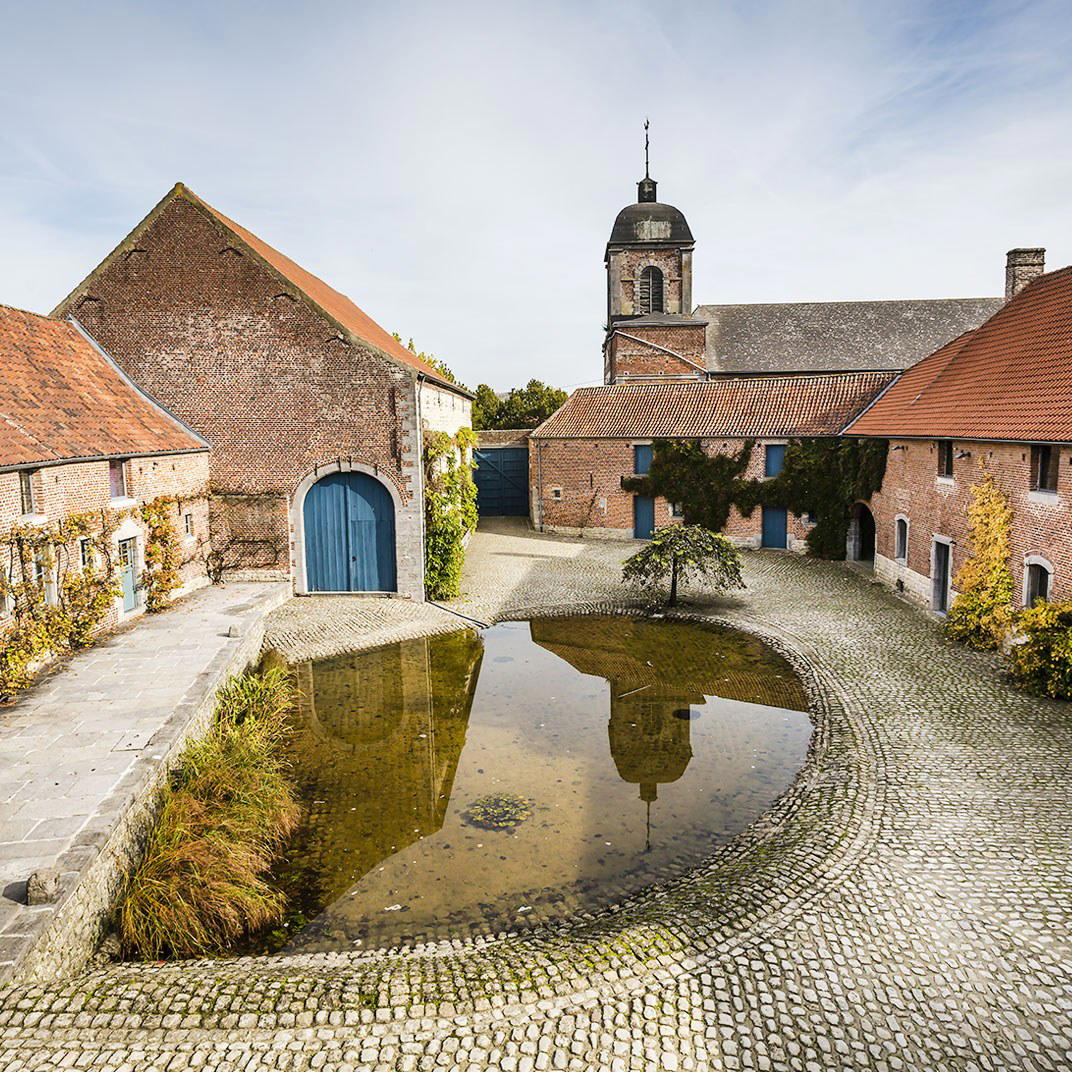
Wineries in Charleroi
Browse all →
At a Glance
- Romantic
- Elegant
- Cozy
- Date Night
- Business Dinner
- Wine Cellar
- Extensive Wine List
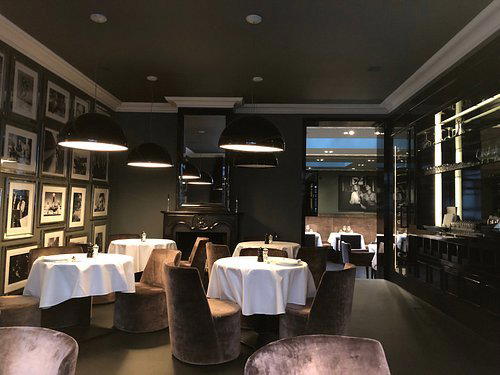
Sober and elegant setting with a warm atmosphere.
Know Before You Go
- Getting there
- Av. Paul Pastur 32, 6032 Charleroi, Belgium