Au Provençal brings a southern French accent to Charleroi's dining scene, occupying a address on Rue Puissant d'Agimont that signals neighbourhood character over high-street visibility. The kitchen draws on Provençal tradition — a cuisine built around specific sun-dried, herb-scented, and olive-oil-led ingredients — in a city more commonly associated with Wallonian hearth cooking. For visitors curious about how French regional cooking translates to a Belgian industrial city, it offers a clear point of difference.
Pearl is the En Primeur Club membership app — saves, bookings, and concierge access live there. Same editors, same standards.
- Address
- Rue Puissant d'Agimont 10, 6000 Charleroi, Belgium
- Phone
- +3271312837
- Website
- restoauprovencal.be
- Directions
- Get directions
 Saves & bookings on Pearl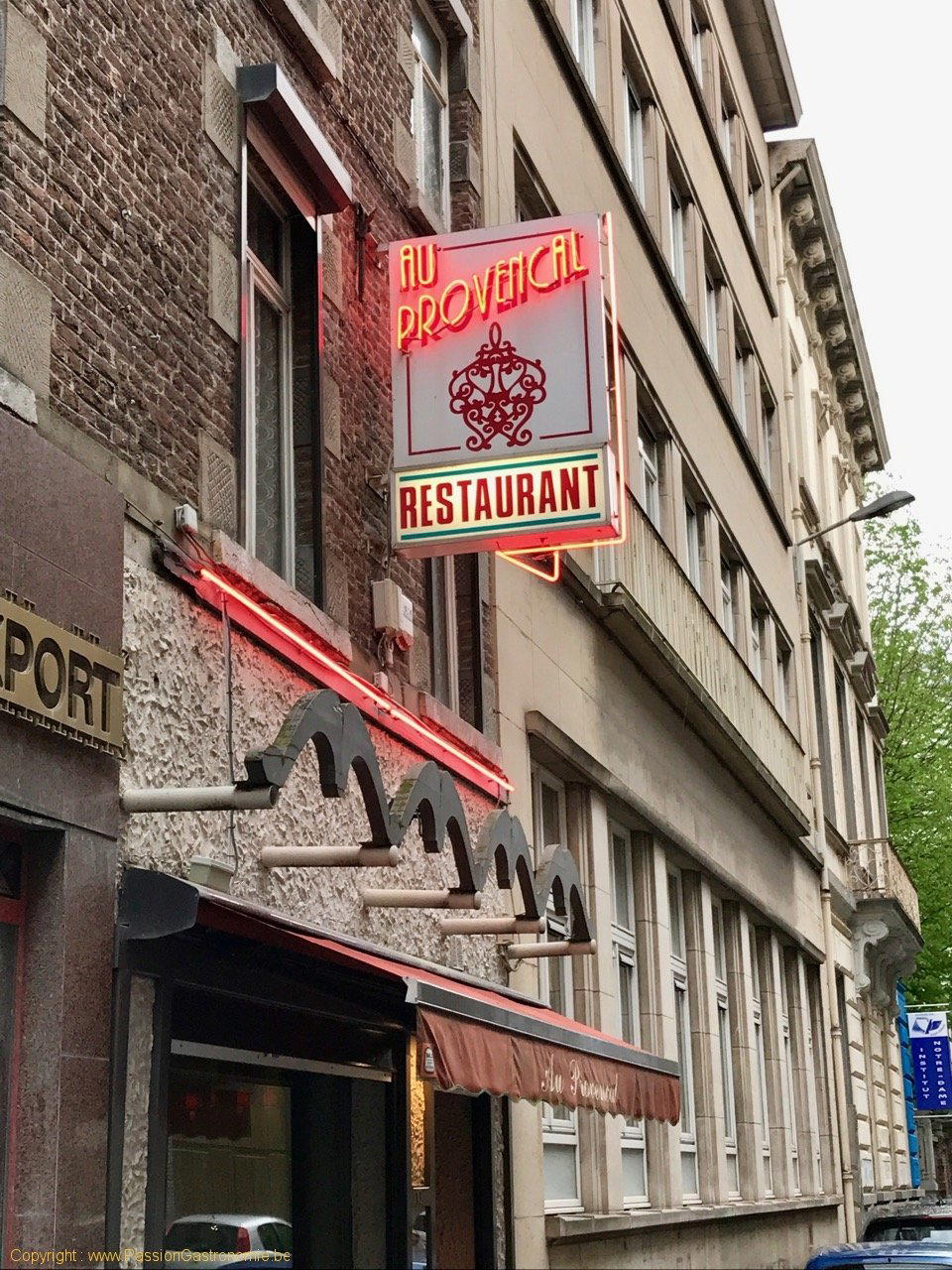
Where Provençal Cooking Meets Wallonian Industry
Charleroi does not arrive with the dining reputation of Brussels or Ghent. A post-industrial city in the heart of Wallonia, it has spent the past two decades rebuilding a civic identity, and its restaurant scene reflects that: a mix of neighbourhood traditions rooted in Belgian hearth cooking and a scattering of addresses where kitchen ambition exceeds the city's modest profile. The street address on Rue Puissant d'Agimont places Au Provençal in an area of the city where restaurants depend on local regulars more than passing tourism — a dynamic that tends to produce honest kitchens rather than performative ones.
The name declares its allegiance. Provençal cooking is a specific tradition, not a vague French gesture. It is defined by ingredient logic above all: olive oil rather than butter, dried herbs from the garrigue, tomatoes that have spent long hours in heat, slow-braised proteins, and a kitchen calendar that follows what the south of France produces rather than what Belgian seasons typically offer. In a city where most neighbourhood cooking leans into the butter, cream, and beer-braised richness of Wallonian tradition, a kitchen committed to Provençal sourcing makes a deliberate choice. That choice is the operative editorial fact about this address.
The Sourcing Argument in Southern French Cooking
Across Belgium, the most credible French regional kitchens succeed or fail on the same variable: whether the foundational ingredients actually come from the region they claim to represent, or whether the name is merely an aesthetic posture. At the serious end of this question, you find restaurants that source herbes de Provence in dried bundles from Var, that bring in tapenade-quality olives from the Baux-de-Provence appellation, and that build their fish preparation around rouille and saffron with enough confidence to suggest they understand the original context. The alternative is a kitchen that uses the Provençal label as shorthand for garlic and tomatoes, which is a different proposition entirely.
This sourcing discipline is what separates addresses like this from the broader category of French bistros with regional names but generic pantries. Belgium imports well; the infrastructure for moving produce from southern France to Wallonia is not an obstacle for a kitchen that chooses to use it. The question is always whether the kitchen bothers. For context, the French-speaking restaurant culture in Wallonia has a longer tradition of this kind of ingredient fidelity than many visitors expect. The region's proximity to France — Charleroi sits roughly 60 kilometres from the French border, means that sourcing relationships with northern French producers are common, and extending those relationships further south is a shorter operational leap than it might appear.
Compared to peers in the Charleroi neighbourhood tier, Au Provençal occupies a specific position. Chez Duche works within traditional Wallonian cooking, which is the city's dominant register. La Vigneraie and Le 1908 occupy their own angles on French-inflected dining. l'APtit and Magari Restaurant extend the city's range further. Against that map, a kitchen that holds to a specific southern French identity is making a niche choice, one that narrows the audience but sharpens the offer for those who come specifically for it. See our full Charleroi restaurants guide for more context on how the city's dining scene is structured.
How This Kitchen Sits Within the Belgian Fine Dining Picture
To understand the altitude Au Provençal occupies, it helps to look at where Belgian fine dining concentrates its energy. The country's most recognised tables, Hof van Cleve in Kruishoutem, Boury in Roeselare, Zilte in Antwerp, operate at price points and with award profiles that place them in the national conversation. Addresses like Willem Hiele in Oudenburg and Vrijmoed in Ghent work within distinct sourcing philosophies that have generated editorial attention. In Wallonia, d'Eugénie à Emilie in Baudour represents a formal tradition in the region's French-cooking inheritance.
Au Provençal does not compete in that tier. It is a neighbourhood address in a city that is rebuilding its dining culture, and its relevance is local rather than national. That distinction is not a criticism. Some of the most consistent cooking in Belgium happens at exactly this level: kitchens without the overhead of tasting menus or the pressure of guide scrutiny, where the margin for consistent ingredient quality is different. For a reader arriving in Charleroi on business, visiting family, or passing through on a longer Belgian route, the operative question is whether this kitchen delivers on its regional premise. The name and address point in a direction; the specifics of the kitchen's sourcing choices determine whether that direction holds.
For broader reference, the tradition Au Provençal draws from is the same one that informs the ingredient discipline you find at the European end of serious French kitchens: the belief that cooking well is mostly a function of sourcing well, and that technique exists to express ingredients rather than compensate for their absence. Bozar Restaurant in Brussels operates within a version of this logic. Further afield, addresses like La Durée in Izegem, Cuchara in Lommel, and Ralf Berendsen in Neerharen demonstrate how Belgian kitchens outside the major cities build identity through sourcing specificity rather than scale. Internationally, the sourcing-led philosophy is most visible in places like Le Bernardin in New York and Lazy Bear in San Francisco, where ingredient provenance is treated as the primary editorial statement of the kitchen.
Planning a Visit
Au Provençal is at Rue Puissant d'Agimont 10, 6000 Charleroi. The address sits within the city rather than on its periphery, accessible by the city's central transit network. This is not uncommon for neighbourhood restaurants in Charleroi, where direct contact remains the default. Given the city's scale, Au Provençal functions as a local dining address rather than a destination-driven proposition; visitors arriving specifically for this kitchen should verify current operations before planning around it.
How Au Provençal Charleroi compares with similar nearby venues.
| Venue | Cuisine | Price |
|---|---|---|
| Chez Duche | Traditional Cuisine | €€ |
| Vilain | Seasonal Cuisine | €€ |
Continue exploring
More in Charleroi
Restaurants in Charleroi
Browse all →
Bars in Charleroi
Browse all →
Hotels in Charleroi
Browse all →
Wineries in Charleroi
Browse all →
At a Glance
- Cozy
- Classic
- Rustic
- Business Dinner
- Family
- Casual Hangout
- Historic Building
Current opening hours
- Monday
- 12–2:30 PM, 6:30–9:30 PM
- Tuesday
- Closed
- Wednesday
- Closed
- Thursday
- 12–2:30 PM, 6:30–9:30 PM
- Friday
- 12–2:30 PM, 6:30–10 PM
- Saturday
- 12–2:30 PM, 6:30–10 PM
- Sunday
- Closed
Hours can change for holidays and private events. Last verified .
Cozy and convivial Provençal-colored atmosphere with a slightly dated, authentic charm featuring warm lighting and friendly service.
Know Before You Go
- Getting there
- Rue Puissant d'Agimont 10, 6000 Charleroi, Belgium