

1 Michelin Star · We're Smart World 2 Radishes
Our verdict
A converted barn in Hainaut's countryside, Au Gré du Vent holds a 2025 Michelin star under chef Stéphanie Thunus, GaultMillau's 'Grande de demain' and 2014 Lady Chef laureate. The kitchen draws directly from the family farm opposite and neighbouring Hainaut producers, building a menu where vegetables and fruit anchor every plate. The adjacent Au Fil de l'Eau Hotel makes an overnight stay the logical extension of dinner.

Pearl is the En Primeur Club membership app — saves, bookings, and concierge access live there. Same editors, same standards.
- Address
- Rue de Soudromont 67, 7180 Seneffe, Belgium
- Phone
- +32 64 33 66 01
- Hours
- Mon–Tue ClosedWed–Sat 12–2 p.m., 7–10 p.m.Sun Closed
- Website
- resto-augreduvent.be
- Directions
- Get directions
- Booking
- Book on Zenchef
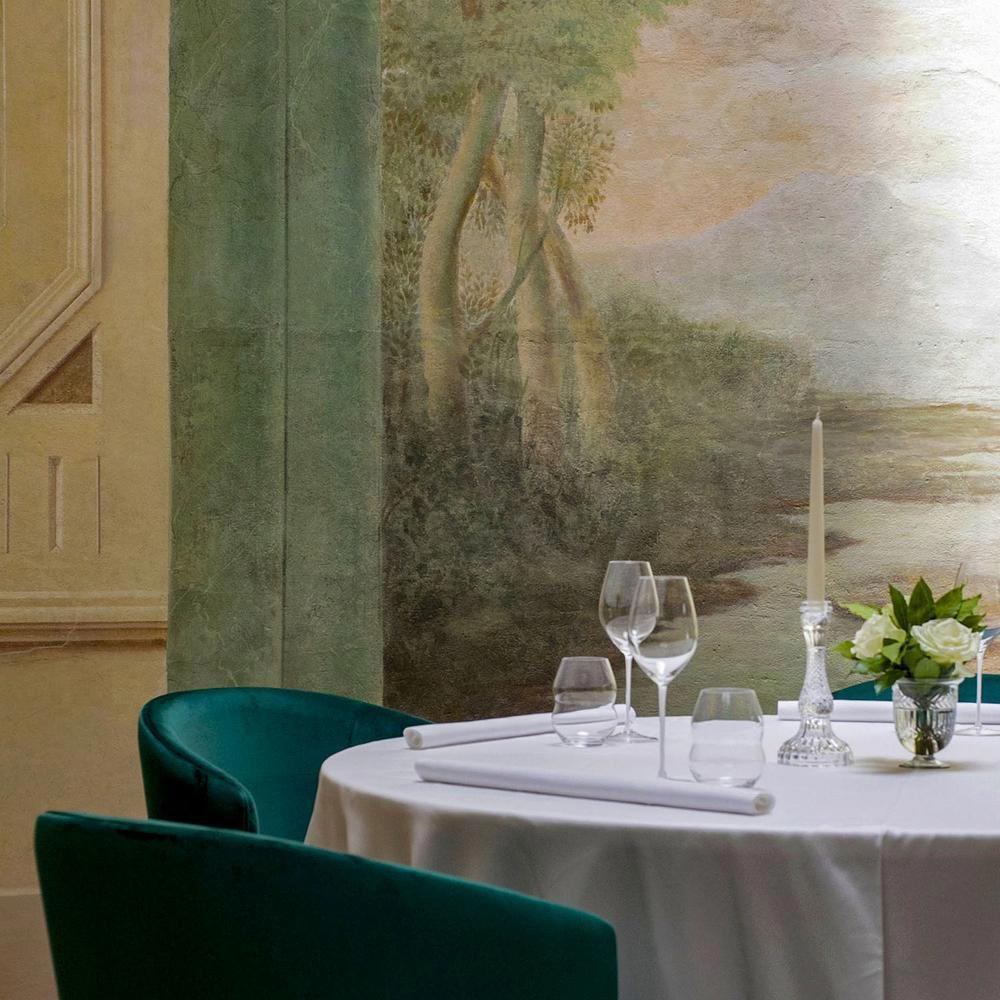
Where the Hainaut Countryside Comes to the Table
Approach Rue de Soudromont on a grey Wallonian afternoon and the former barn reads as countryside vernacular: low-slung, stone-faced, unhurried. Step inside and the proportions shift. Floor-to-ceiling windows open the dining room onto a landscaped garden, and the light — whatever the season — arrives in long, flat sheets that settle over a room designed for concentration rather than spectacle. The elegance is deliberate but not stiff; this is a space that draws you in gradually rather than announcing itself upfront.
Seneffe sits in the province of Hainaut, a part of Wallonia more often associated with former industrial towns and canal infrastructure than with fine dining. That context matters. Restaurants earning Michelin recognition in this part of Belgium operate at a remove from the urban circuits that generate most of Belgium's gastronomic press. They hold ground because the cooking sustains it, not because the address does. Au Gré du Vent earned its first Michelin star in 2025, a confirmation of what GaultMillau had already signalled in naming Stéphanie Thunus a 'Grande de demain', a distinction the guide reserves for chefs demonstrating both talent and consistency, not just a good season.
The Farm-to-Table Logic in Practice
Farm-to-table has become one of the more diluted phrases in contemporary dining. At its weakest, it describes a seasonal menu sourced from a rotating list of regional suppliers. At Au Gré du Vent, the supply chain is structurally different: Thunus's own parents operate the farm directly opposite the restaurant, supplying butter, cheese, and produce across the growing season. The relationship predates the restaurant's reputation and will outlast any trend cycle. Neighbouring agricultural producers and Hainaut orchards extend that network outward, but the model is proximity-first rather than provenance-as-marketing.
The practical result is a kitchen where vegetables and fruit are structural elements of every plate rather than garnish. Michelin's own notes reference a Skrei from Norway paired with heritage carrots and blood orange; asparagus from local fields alongside smoked beef and wild garlic; morels with langoustine, Comté, and sherry. These combinations read as seasonal negotiation rather than formula, with preserved and fermented elements stretching availability and adding register to ingredients that would otherwise peak and disappear. The cooking sits in a recognisable mode of contemporary French-inflected European cuisine, but its sourcing logic connects it more directly to Belgian agricultural tradition than to the urban modernist kitchens that dominate Belgium's top tier.
For context on how this positions Au Gré du Vent within Belgium's broader dining scene: the country's most-discussed restaurants, from Boury in Roeselare to Zilte in Antwerp, sit at the €€€€ tier and in cities with established food tourism infrastructure. Au Gré du Vent prices at €€€ and operates in a rural commune, which places it in a different competitive register: closer in spirit to countryside destination restaurants like L'Eau Vive in Arbre or d'Eugénie à Emilie in Baudour than to the metropolitan tasting-menu circuit.
Stéphanie Thunus: Credentials in the Wallonian Context
Belgium's fine dining conversation leans heavily Flemish in its international profile. Hof van Cleve, Willem Hiele, Bartholomeus, the names that travel internationally tend to cluster in Flanders. Wallonia's starred scene is smaller and receives less coverage outside Belgium, which makes Thunus's trajectory worth understanding in that light. She won the Lady Chef award in 2014, early in her tenure at this address, suggesting the recognition tracked her from the outset rather than arriving as a retrospective reward. GaultMillau's 'Grande de demain' designation followed, and the Michelin star in 2025 closes a loop that had been building for over a decade.
What that arc signals, more than any single award, is the consistency the Michelin text itself flags: 'une constance inaltérable,' an unwavering consistency that inspires confidence. In a category where chefs at €€€ operations often cycle through phases of ambition and consolidation, a ten-year record of incremental recognition at the same address is its own form of credibility. The cooking is described across multiple sources as subtle and generous simultaneously, a combination that is harder to sustain than either quality alone. Thunus's reported approach of working over each dish extensively before it leaves the kitchen fits the pattern of a chef more interested in depth than novelty.
The Setting Beyond the Plate
The barn conversion that houses the restaurant is part of a larger project. Stéphanie and Sébastien Thunus also operate the Au Fil de l'Eau Hotel, with guestrooms that allow the dinner experience to extend into an overnight stay. In a countryside location this is not incidental: driving to Seneffe from Brussels, Liège, or Mons is practicable as a day trip, but arriving without a return journey to plan changes the pace of the meal. The Hainaut countryside has its own logic for the unhurried visitor, particularly outside summer when the region's canals and agricultural land read differently in autumn and winter light. For anyone planning a longer Wallonian itinerary, our full Seneffe hotels guide covers the broader accommodation picture.
The dining room design, a converted agricultural building with considered contemporary interior work, places Au Gré du Vent in a European tradition of destination country restaurants that use the contrast between vernacular architecture and refined cooking as part of their appeal. The landscaped garden visible through floor-to-ceiling windows is a seasonal variable; on warmer evenings it extends the experience outward in a way that the room's design clearly anticipates. This is not a city restaurant that happens to serve local produce; the physical relationship between the building, its surroundings, and the sourcing logic is coherent throughout.
Planning Your Visit
Au Gré du Vent sits at the €€€ price tier, which positions it below the €€€€ ceiling of Belgium's most expensive tasting-menu restaurants but within the bracket where a multi-course dinner with wine becomes a considered evening rather than a casual one. Specific pricing, booking methods, and current hours are not listed here; contact the restaurant directly or check current availability through reservation platforms for up-to-date information. Given the rural address and limited seating in a converted barn format, advance booking is the operative assumption for weekend dining. For other dining options in the area, see our full Seneffe restaurants guide, and for drinking stops before or after, our Seneffe bars guide and Seneffe wineries guide cover the wider scene. Those building a regional itinerary may also find value in our Seneffe experiences guide.
For farm-to-table operations at comparable commitment levels elsewhere in the region, BOK Restaurant in Münster and Clostermanns Le Gourmet in Niederkassel offer cross-border reference points, while Sir Kwinten in Sint-Kwintens-Lennik, Ralf Berendsen in Neerharen, and La Durée in Izegem extend the picture across Belgium's French-Belgian creative tier. For a Brussels anchor point in the same trip, Bozar Restaurant offers a city counterpart with its own distinct register.
Frequently asked questions
What do people recommend at Au Gré du Vent?
Is Au Gré du Vent better for a quiet night or a lively one?
Can I bring kids to Au Gré du Vent?
At-a-Glance Comparison
| Venue | Cuisine | Price | Awards |
|---|---|---|---|
| Au Gré du VentThis venue — the venue you are viewing | French Farm-to-Table Fine Dining | $100–150 | 1 Michelin Star · We're Smart World 2 Radishes |
| Boury | Modern Frlemish, Creative French | Not listed | Michelin 3 Star |
| Comme chez Soi | French - Belgian, Classic Cuisine | Not listed | Michelin 1 Star |
| Hertog Jan at Botanic | Modern Flemish, Creative | Not listed | Michelin 2 Star |
| L'Eau Vive | French, Modern French | Not listed | Michelin 2 Star |
| La Durée | French-Belgian, Creative | Not listed | Michelin 2 Star |
Recognition history
Dated appearances from independent guides and award organizations, with the underlying list record or original source where available.
Michelin 1 Star
Michelin
We're Smart World 2 Radishes
We're Smart World
Full recognition history (4 entries)
Michelin 1 Star
Michelin
Michelin 1 Star
Michelin
Continue exploring
More in Seneffe
Restaurants in Seneffe
Browse all →
Bars in Seneffe
Browse all →
Hotels in Seneffe
Browse all →
Wineries in Seneffe
Browse all →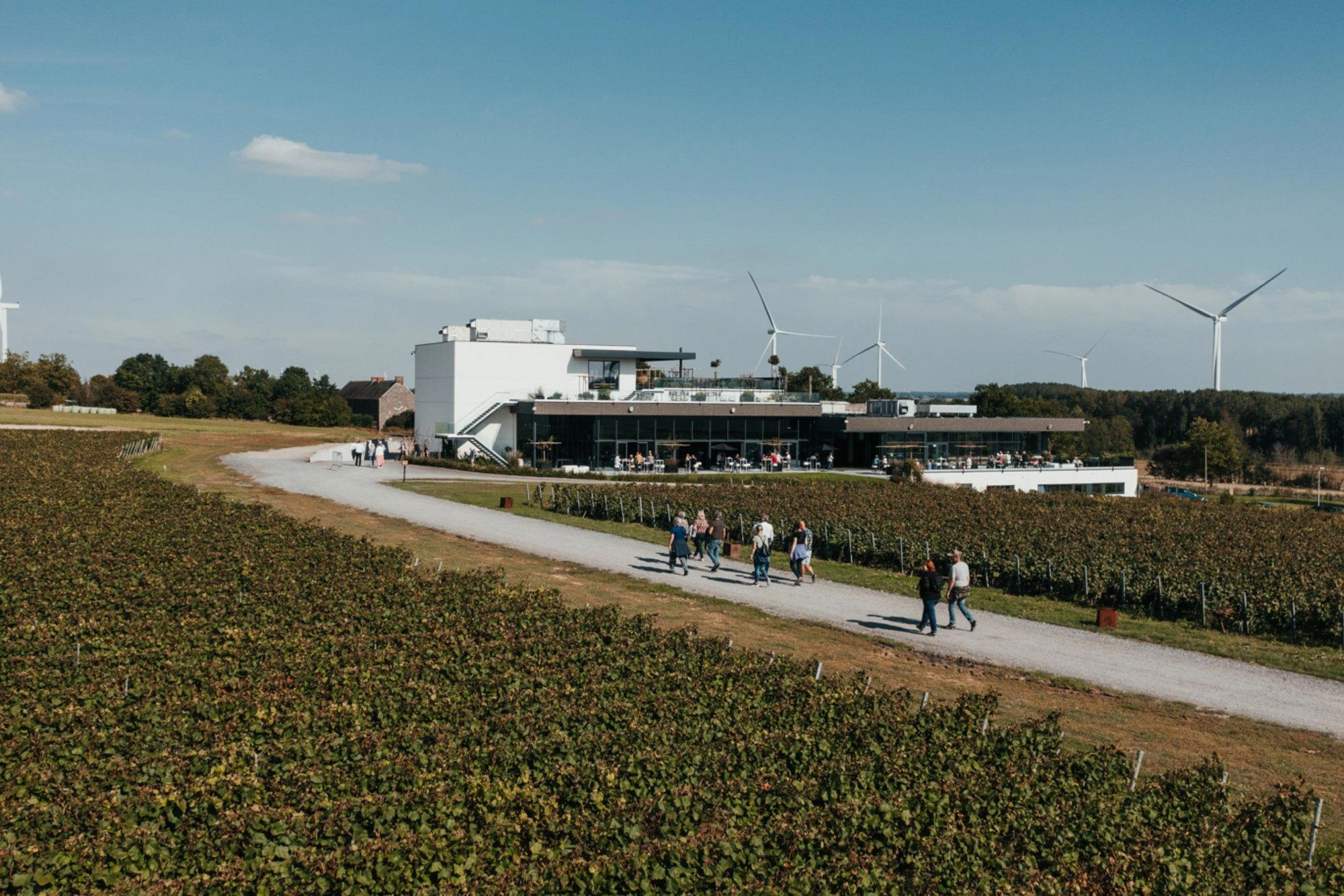
Details
- Elegant
- Cozy
- Intimate
- Sophisticated
- Scenic
- Date Night
- Special Occasion
- Business Dinner
- Garden
- Private Dining
- Extensive Wine List
- Sommelier Led
- Farm To Table
- Local Sourcing
- Garden
- Tasting Menu
- A La Carte
- Vegetarian Friendly
Current opening hours
- Monday
- Closed
- Tuesday
- Closed
- Wednesday
- 12–2 p.m., 7–10 p.m.
- Thursday
- 12–2 p.m., 7–10 p.m.
- Friday
- 12–2 p.m., 7–10 p.m.
- Saturday
- 12–2 p.m., 7–10 p.m.
- Sunday
- Closed
Hours can change for holidays and private events. Last verified .
Light-filled space with floor-to-ceiling windows offering garden views, elegant and comfortable furniture creating an intimate, serene, and cosy atmosphere.