
Michelin Plate
Our verdict
Chez Duche holds consecutive Michelin Plates for 2024 and 2025 at a mid-range price point that is rare among Michelin-recognised addresses in Belgium. Sitting on Avenue de Waterloo in Charleroi, it represents the city's tradition of neighbourhood-driven French-Belgian cooking where regional produce and honest technique carry more weight than theatrical presentation.

Pearl is the En Primeur Club membership app, where members save venues, book tables and use the concierge.
The menu
What to order
- Horse meat with house-made frites
- Cassoulet with duck confit and Toulouse sausage
- Waterzooi of seasonal vegetables
- Grilled salmon fillet
- Foie gras
The Avenue and What It Signals
Avenue de Waterloo in Charleroi carries a particular kind of civic weight: a broad, tree-lined thoroughfare that connects the urban centre to the southern communes, lined with the kind of middle-class addresses that have always anchored Belgian neighbourhood dining. Approaching Chez Duche at number 5, the setting already tells you something about what the kitchen will prioritise. This is not the self-conscious design minimalism of an Antwerp tasting-menu counter or the grand bourgeois theatre of a Brussels brasserie. It is a room that places its bet on what arrives at the table.
Charleroi's dining scene has long been underwritten by a working relationship between kitchen and region rather than kitchen and trend. The city's industrial past shaped a culture of generous, produce-led cooking where the sourcing question, what arrives from where and when, matters more to the regulars than the plating geometry. Chez Duche operates within that tradition, and its consecutive Michelin Plate recognition in 2024 and 2025 confirms that inspectors have found the kitchen consistent enough to recommend on those terms.
What Michelin Plates Actually Mean in This Context
A Michelin Plate denotes a restaurant where inspectors judge the cooking to be good, without yet reaching the one-star threshold of particularly outstanding cuisine. Across Belgium, the Plate tier tends to cluster around restaurants offering solid classical or regional technique at accessible price points, often in cities that lack the concentration of starred venues found in Brussels, Ghent, or Bruges. Charleroi fits that pattern. Consecutive Plate recognition, repeated from 2024 into 2025, signals something more specific than a one-off positive inspection: it points to a kitchen that maintains a standard rather than peaking occasionally.
For reference, Belgium's upper bracket looks like Boury in Roeselare at three Michelin stars, or two-star addresses like Castor in Beveren and Cuchara in Lommel, or creative Flemish houses like De Jonkman in Sint-Kruis. All operate at the €€€€ price tier. Chez Duche holds Michelin recognition at the €€ tier, which, in the Belgian context, makes it a rare intersection of inspector approval and genuine accessibility.
Traditional Cuisine and the Question of Sourcing
The classification of Traditional Cuisine, as it applies to a Belgian address at this price point, carries specific implications for how a kitchen sources its raw materials. French-Belgian classical cooking at the neighbourhood level has always depended on supply relationships that larger, more fashionable restaurants often bypass in favour of specialist distributors or branded provenance stories. The vegetables that have come into season in Hainaut province, the game from the Ardennes when the calendar permits, the freshwater fish from regional waterways: these are the inputs that define the category at its most honest.
That connection to regional produce is not unique to Chez Duche, but it is what the Traditional Cuisine designation points toward. Across Belgium, the most durable neighbourhood restaurants in this tier tend to build menus around what is available and correct for the season rather than what photograph well or signal ambition. The approach is quiet but disciplined. You see it in how the menu shifts across months rather than quarters, and in the absence of the imported luxury ingredients that populate more overtly prestige-driven rooms.
For another Charleroi address working within a seasonal sourcing framework, Vilain takes a Seasonal Cuisine approach that pairs interestingly with Duche's more classical register. Elsewhere in the Belgian culinary conversation, Bozar Restaurant in Brussels and the produce-obsessed approach at Willem Hiele in Oudenburg or Bartholomeus in Heist represent how seriously Belgian kitchens across the price spectrum treat the sourcing question. Even internationally, the Traditional Cuisine category operates with similar discipline at places like Auberge Grand'Maison in Mûr-de-Bretagne and Auga in Gijón.
Placing Chez Duche Inside the Charleroi Dining Picture
Charleroi is a city that Belgian food culture has historically underserved in editorial terms, despite having a resident population that eats out with regularity and a culinary tradition rooted in Walloon and northern French influences. The city's restaurant density skews toward informal and mid-market, which makes any Michelin-recognised address a reference point for visitors trying to read the scene quickly. Chez Duche functions as that reference point for traditional cooking, holding a position that very few Charleroi addresses can claim with two consecutive years of inspector recognition behind them.
For those planning a broader visit, our full Charleroi restaurants guide maps the wider picture, and dedicated sections cover bars, hotels, wineries, and experiences across the city. Comparisons further afield include the high-end creative register of Hof van Cleve in Kruishoutem and Zilte in Antwerp, both of which illustrate how different the Belgian fine-dining ceiling looks compared to the neighbourhood tier where Chez Duche operates and, importantly, excels. And for a Wallonia regional comparison closer to home, d'Eugénie à Emilie in Baudour occupies a similar geography and culinary character.
Planning Your Visit
Chez Duche sits at Avenue de Waterloo 5 in the 6000 postal district of Charleroi, reachable from the city centre without difficulty. The €€ price tier places it among the more accessible Michelin-recognised addresses in the country; expect a bill that reflects confident neighbourhood cooking rather than a tasting-menu investment. Specific hours, current booking method, and seasonal menu details are best confirmed directly with the restaurant before your visit.
Frequently asked questions
Is Chez Duche expensive?
Pricing at Chez Duche is listed as €€.
Where is Chez Duche in Charleroi?
Chez Duche is located at Av. de Waterloo 5, 6000 Charleroi, Belgium, Charleroi.
Comparable Spots, Quickly
| Venue | Cuisine | Price | Awards | Notes |
|---|---|---|---|---|
| Chez DucheThis venue (the venue you are viewing) | Classic French & Belgian Bistro | $20–30 | Michelin Plate | Not listed |
| Boury | Creative French Fine Dining | $300–500 | 3 Michelin Stars · La Liste Top Restaurants | Modern Frlemish, Creative French |
| Comme chez Soi | French - Belgian, Classic Cuisine | Not listed | Michelin 1 Star | Not listed |
| Hertog Jan at Botanic | Modern Japanese Omakase Fine Dining | Not listed | 2 Michelin Stars · La Liste Top Restaurants | Modern Flemish, Creative |
| L'Eau Vive | Modern French Fine Dining | $150–200 | 2 Michelin Stars · La Liste Top Restaurants | French, Modern French |
| La Durée | Modern French Fine Dining | $150–200 | 2 Michelin Stars · La Liste Top Restaurants | French-Belgian, Creative |
Recognition history
Dated appearances from independent guides and award organizations, with the underlying list record or original source where available.
Michelin Plate
Michelin
Full recognition history (3 entries)
Michelin Plate
Michelin
Michelin Plate
Michelin
Continue exploring
More in Charleroi
Restaurants in Charleroi
All restaurants in Charleroi →
Bars in Charleroi
Browse all →
Hotels in Charleroi
Browse all →
Wineries in Charleroi
Browse all →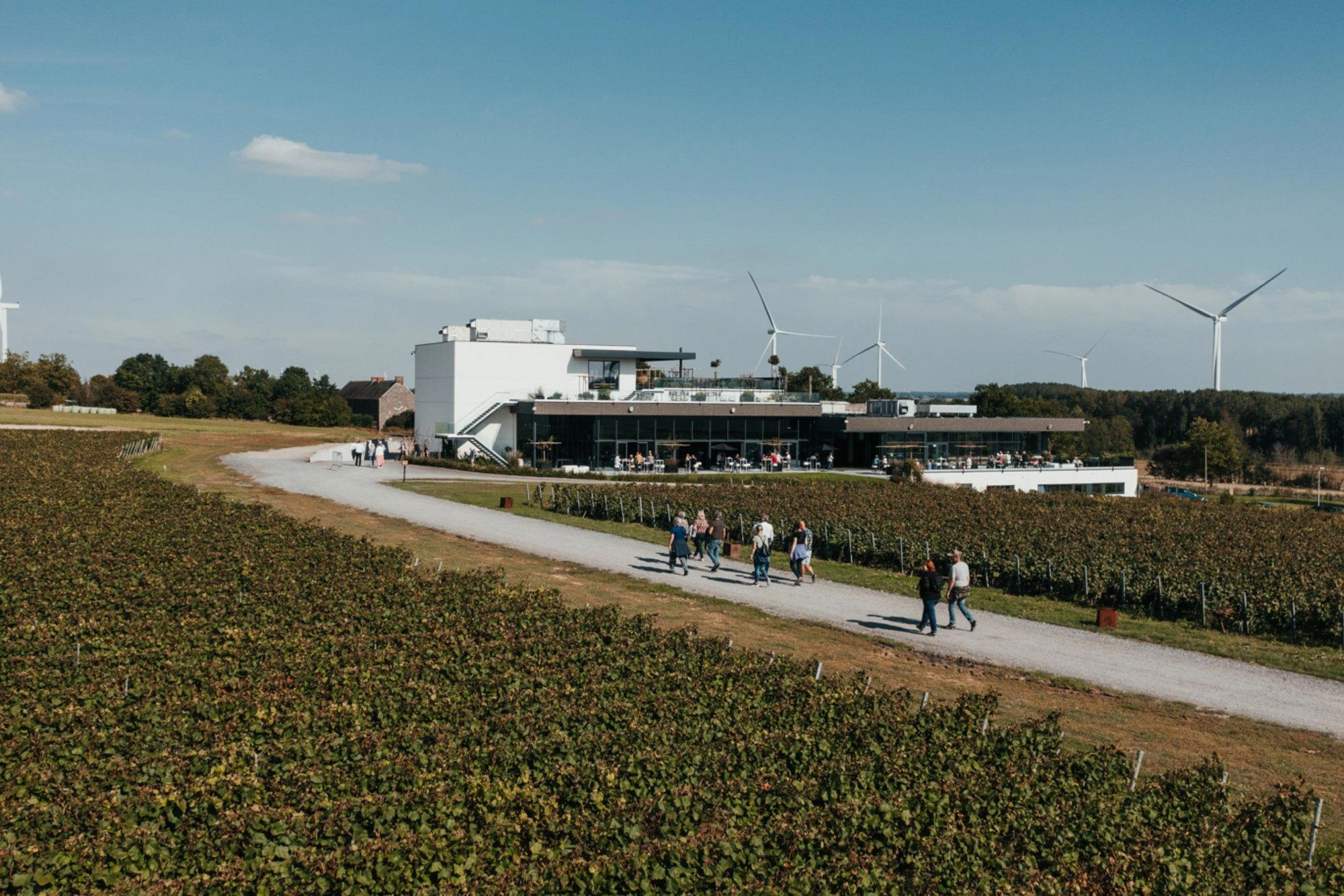
Details
- Cozy
- Classic
- Intimate
- Business Dinner
- Group Dining
- Casual Hangout
- Standalone
- Extensive Wine List
- Local Sourcing
- A La Carte
- Set Menu
- Wine
Current opening hours
- Monday
- Closed
- Tuesday
- 12–2 PM, 6:30–10 PM
- Wednesday
- 12–2 PM, 6:30–10 PM
- Thursday
- 12–2 PM, 6:30–10 PM
- Friday
- 12–2 PM, 6:30–10 PM
- Saturday
- 6:30–10 PM
- Sunday
- Closed
Hours can change for holidays and private events. Hours as of .
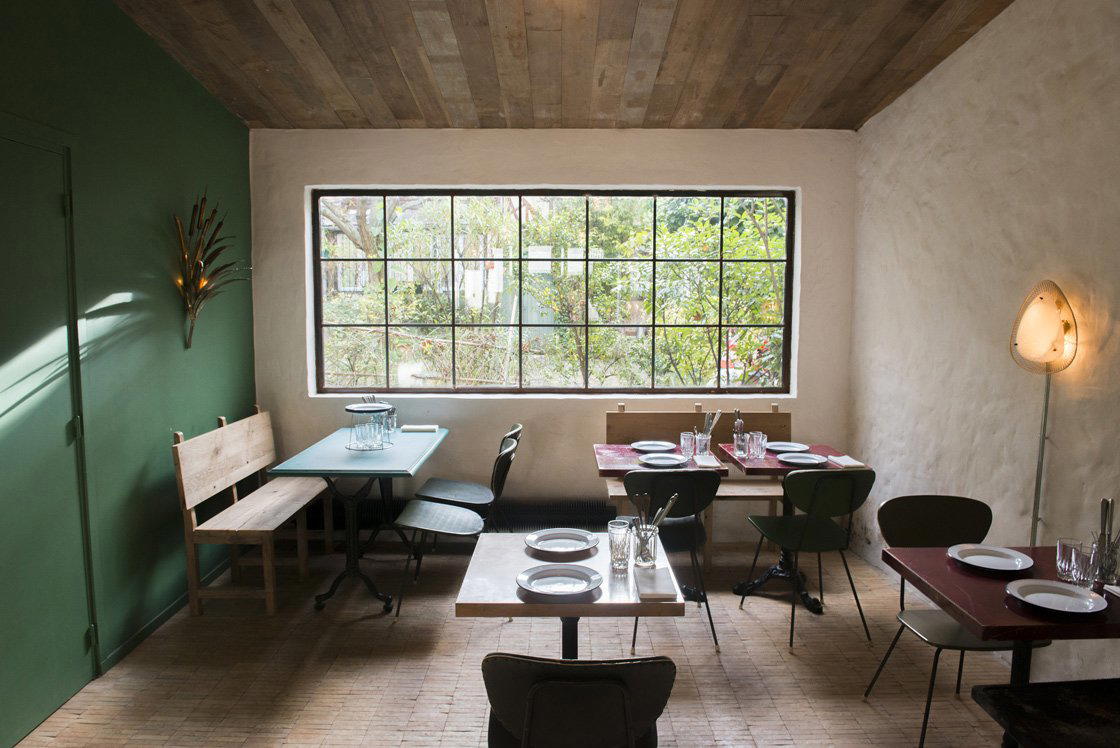
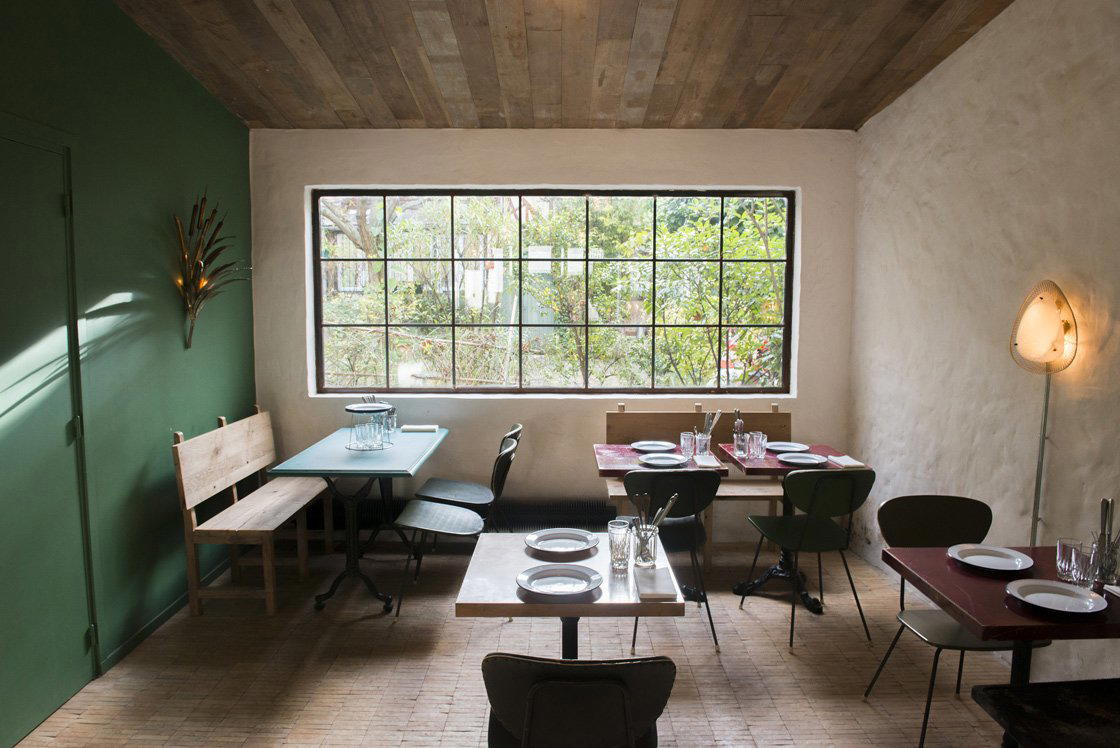
Cozy, busy, and welcoming neighborhood eatery with a small, plain interior that belies refined and generously-portioned food; recently renovated with warm, modern touches.