Our verdict
La table de Jeanne occupies a quiet address on Rue de la Station in Silly, a Hainaut municipality better known for its fields than its restaurant scene. The kitchen draws on the agricultural character of the surrounding Walloon countryside, placing it in a small but growing tradition of Belgian tables that treat proximity to the source as a culinary principle rather than a marketing claim.

Pearl is the En Primeur Club membership app, where members save venues, book tables and use the concierge.
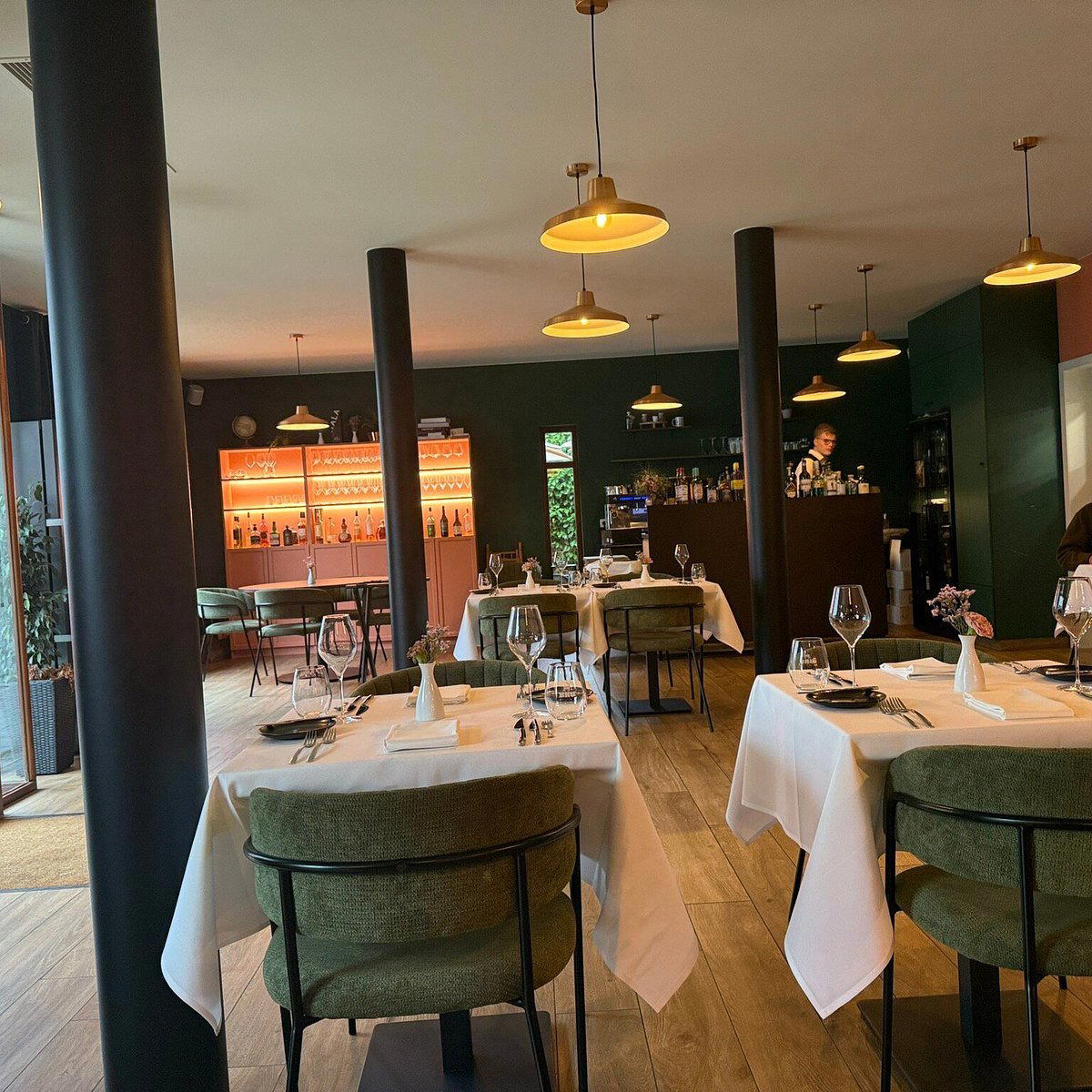
A Village Address in Walloon Hainaut
The municipality of Silly sits in the rolling agricultural plain of Hainaut province, roughly equidistant between Ath and Enghien, a stretch of Belgium that produces grain, sugar beet, and cattle long before it produces restaurant reservations. That context matters. Dining in a village like Silly, population under ten thousand, no motorway exit, no tourist infrastructure, means the kitchen is operating on different logic than its Brussels or Ghent counterparts. The clientele arrives by local knowledge or deliberate detour, not by foot traffic or hotel concierge card. That sorting mechanism tends to concentrate the room with people who have already decided what they want, which changes the atmosphere before the first course arrives.
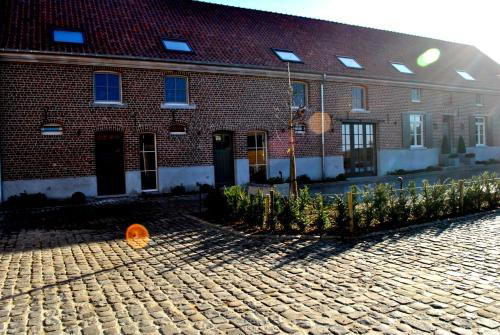
La table de Jeanne holds its address at Rue de la Station 8, in the kind of Belgian village where the station building has long outlived the trains and repurposed itself into the texture of daily life. The setting grounds the experience in something specific to this part of Wallonia: agricultural proximity, quiet scale, and a direct relationship between the land outside and what ends up on the plate.
Where the Food Comes From, and Why That Matters Here
Belgium's most decorated kitchens, tables like Hof van Cleve in Kruishoutem, Boury in Roeselare, and Zilte in Antwerp, have spent the last decade refining a model that treats the sourcing relationship as inseparable from the cooking itself. The same instinct operates at a different register in Hainaut. The province has a distinct agricultural identity: deep-loam arable land, smallholder vegetable producers, and a tradition of livestock farming that predates any discussion of provenance as a fine-dining concept. For a kitchen working in this territory, the supply chain is not a branding exercise but a practical fact of geography.
Tables operating in rural Wallonia with serious culinary intent tend to organise their menus around what the immediate region produces in a given season. That means the gap between harvest and plate is shorter than in urban kitchens that source nationally or internationally, and it also means the menu shifts with more frequency than a fixed carte allows. The logic connects La table de Jeanne to a broader pattern visible across Belgian regional cooking: smaller venues, closer to the source, built around relationships with specific producers rather than wholesale catalogues. L'air du temps in Liernu and De Jonkman in Sint-Kruis have established that this model can carry serious critical weight; the question in Silly is what scale and format the kitchen has chosen to work at.
The Hainaut Table Tradition
Hainaut cooking sits at a particular intersection in Belgian culinary geography. It draws on French-inflected technique, the province borders the French Nord, while maintaining the Walloon preference for substantial, produce-led dishes that reflect the agricultural character of the land. That means less emphasis on the light, ocean-facing style you find at Bartholomeus in Heist or Willem Hiele in Oudenburg, and more attention to root vegetables, slow-cooked proteins, and the kind of depth that comes from patience rather than precision equipment.
The nearest comparable address in the broader region is d'Eugénie à Emilie in Baudour, which occupies similar Hainaut territory with a similarly intimate format. Both represent a cohort of Walloon tables that have chosen depth over scale, working small rooms and focused menus rather than the broader ambitions of a destination restaurant. For context on what that ambition looks like at higher altitude, Le Chalet de la Forêt in Uccle and Bozar Restaurant in Brussels represent the Brussels end of the spectrum, same French culinary grammar, very different register of expectation and formality.
Planning a Visit to Silly
Reaching Silly requires a car in practical terms. The village is accessible from the E42 motorway corridor, with Ath serving as the nearest town with rail connections, but the final stretch is rural road. That isolation is part of the proposition: a meal here is a planned event, not a spontaneous booking, and the experience sits within a half-day commitment at minimum when arriving from Brussels or Ghent. Visitors pairing a visit to the area with other Hainaut stops will find the surrounding countryside worth the drive in its own right.
For those building a broader Belgian itinerary around serious regional tables, La Table de Maxime in Our and Maison Colette in Tongerlo represent comparable regional-scale ambition in different parts of the country, while Castor in Beveren and La Durée in Izegem occupy the Flemish equivalent of the same niche. Contact details for La table de Jeanne are not currently listed online; arriving via direct enquiry or through local recommendation remains the practical approach for reservation-making. The full overview of Silly's dining options is available in our full Silly restaurants guide, which also covers the broader village context.
The other Silly address worth noting is L'Esprit Village, which operates in the same municipality and gives some indication of the local appetite for serious eating despite the small population base.
The Wider Belgian Context
Belgium punches well above its geographic weight in European fine dining, a fact that tends to surprise visitors more accustomed to France or Italy setting the regional reference points. Venues like Le Bernardin in New York City and Atomix in New York City demonstrate that French and Korean-inflected precision can sustain a global critical conversation; Belgium's contribution to that conversation runs through product quality, technique, and a density of serious kitchens that is disproportionate to its size. What distinguishes the rural Walloon end of that spectrum from its urban counterparts is not ambition but axis: the leading village tables are organised around the agricultural calendar rather than the hospitality calendar, and they attract a clientele that has made peace with that.
La table de Jeanne operates in that tradition, a Hainaut address working the logic of proximity and agricultural honesty that has come to define the more interesting end of Belgian regional cooking.
Frequently asked questions
Where is La table de Jeanne located?
La table de Jeanne is located at Rue de la Station 8, 7830 Silly, Belgium, Silly.
How far is La table de Jeanne from Brussels, and is it a practical day trip?
Silly sits in Hainaut province between Ath and Enghien, placing it roughly 50 kilometres southwest of Brussels by road via the E429 or E42 corridor, a journey of under an hour by car under normal conditions. That distance makes a lunch visit from Brussels practical without an overnight stay. No public transport connection to Silly itself is documented, so a car is the only reliable option.
What should I eat at La table de Jeanne?
The venue's cuisine specifics are not publicly detailed, but La table de Jeanne operates in Silly, a Hainaut agricultural commune where kitchens at this scale typically draw on French-inflected technique and local produce from the surrounding plain. Dishes rooted in the regional repertoire, seasonal vegetables, pork preparations, and freshwater fish, represent the culinary grammar of this part of Belgium. Confirm the current menu directly with the restaurant before visiting.
Should I book La table de Jeanne in advance?
For a village restaurant in Silly, a commune with a small local population, covers are limited and demand from visitors travelling from Ath or Enghien can fill a dining room quickly on weekends. Booking ahead is advisable rather than optional, particularly for Friday and Saturday evenings. Contact details are best sourced through a local directory or Google listing, as no phone or website is currently published in standard travel databases.
What's the signature at La table de Jeanne?
What defines village tables in Hainaut is typically the cooking's coherence with local agricultural rhythm rather than a single showpiece plate. The address on Rue de la Station 8 in Silly positions it as a neighbourhood anchor rather than a destination restaurant built around one dish.
Can La table de Jeanne handle vegetarian requests?
No dietary policy is formally documented for La table de Jeanne. Walloon village restaurants of this type tend to operate short, market-driven menus where flexibility depends on advance notice rather than a standing vegetarian menu. check the venue's official channels before your visit to confirm what can be accommodated.
Is La table de Jeanne worth it?
La table de Jeanne sits in Silly, a commune that requires a car to reach and offers none of the ambient restaurant scene of a city like Liège or Ghent. The case for visiting rests on the Hainaut village table format itself, cooking tied to local producers in a province that borders French Flanders and carries that cross-cultural culinary influence. No Michelin award or price tier is currently documented, so value judgement depends on what you find when you arrive.
Comparable Spots, Quickly
Comparable venues nearby, for context on price, style, and recognition.
| Venue | Cuisine | Price | Awards | Notes |
|---|---|---|---|---|
| La table de JeanneThis venue (the venue you are viewing) | Refined French Terroir | $50–100 | Not listed | Not listed |
| L'Esprit Village | French Farm-to-Table Bistro | $50–100 | Michelin Plate | Thoricourt |
| Oscar | French-Belgian Brasserie with Thai Accents | $20–30 | Not listed | Grand-Place |
| Table 22 | Modern French Brasserie | Not listed | Not listed | Welle |
| Brasserie de l'Expo | Classic French-Belgian Brasserie | Not listed | Not listed | Heysel |
| L'Envers | French-Belgian Brasserie | $30–50 | Not listed | city centre |
Continue exploring
More in Silly
Restaurants in Silly
All restaurants in Silly →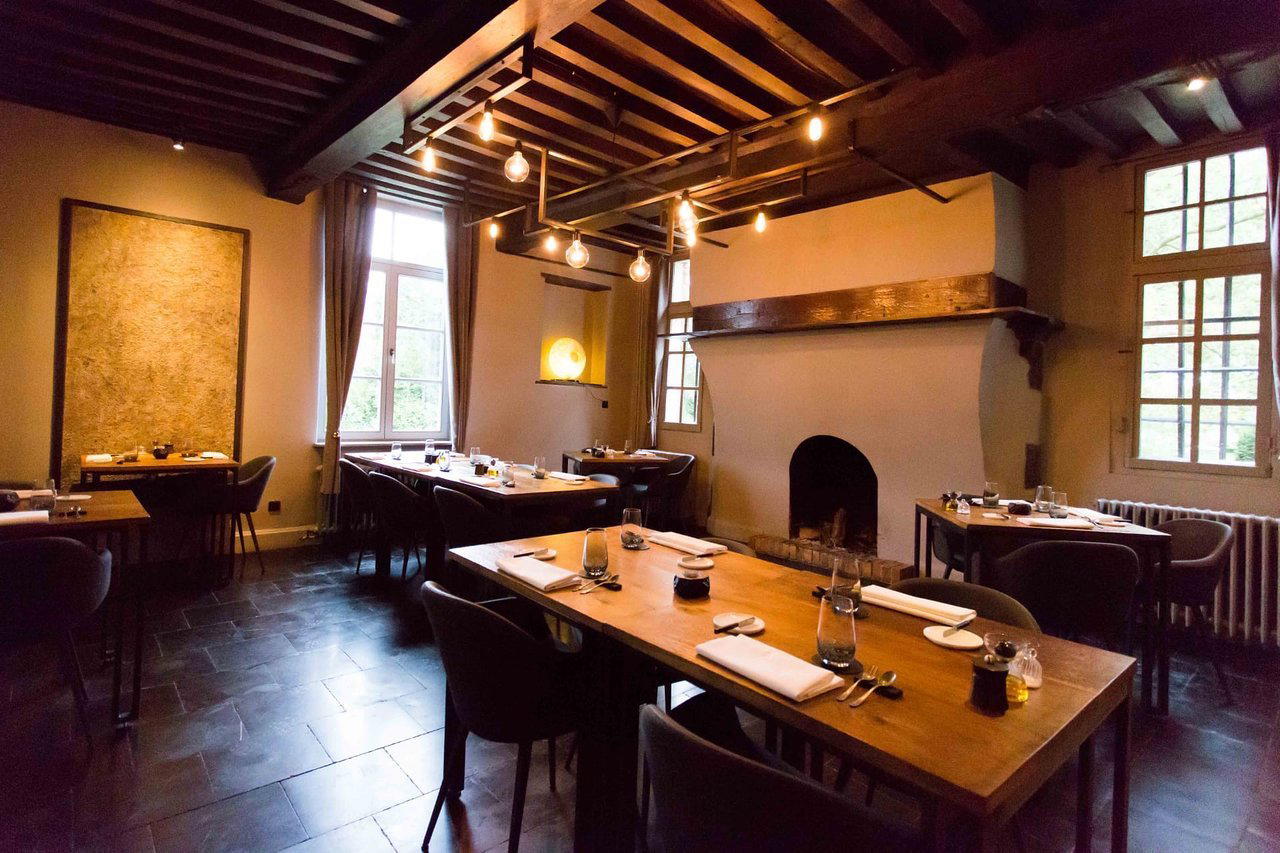
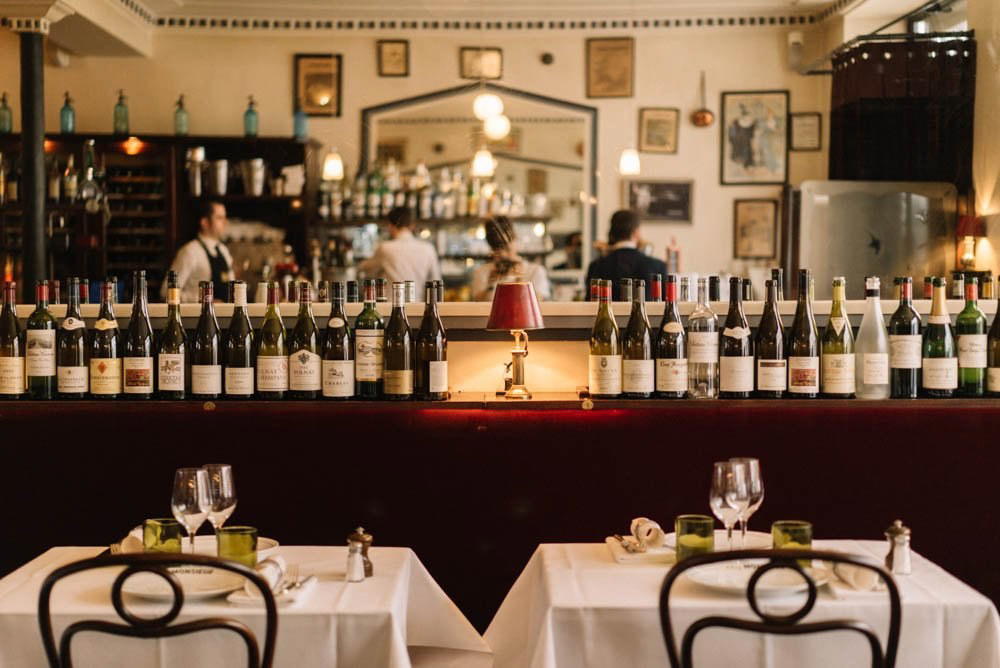
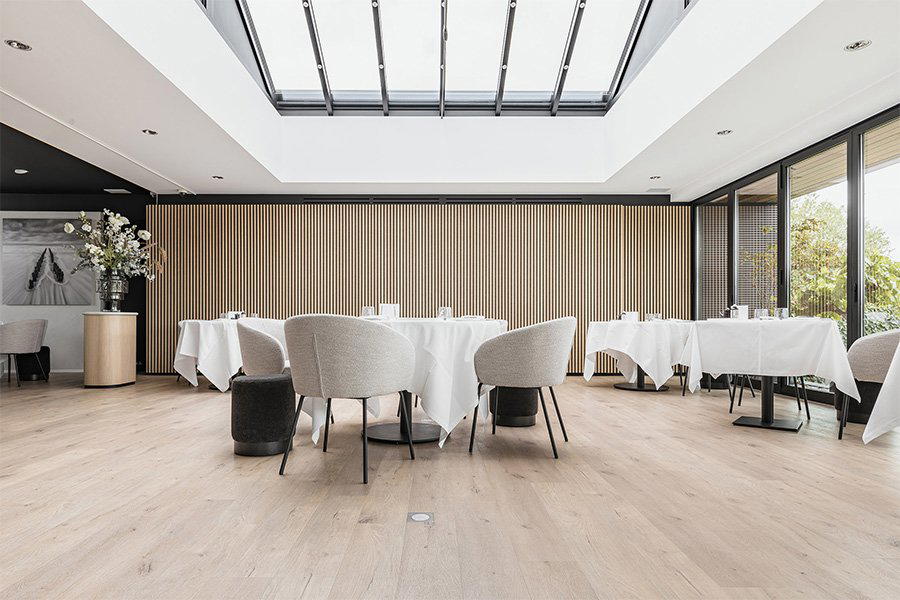
Bars in Silly
Browse all →
Hotels in Silly
Browse all →
Wineries in Silly
Browse all →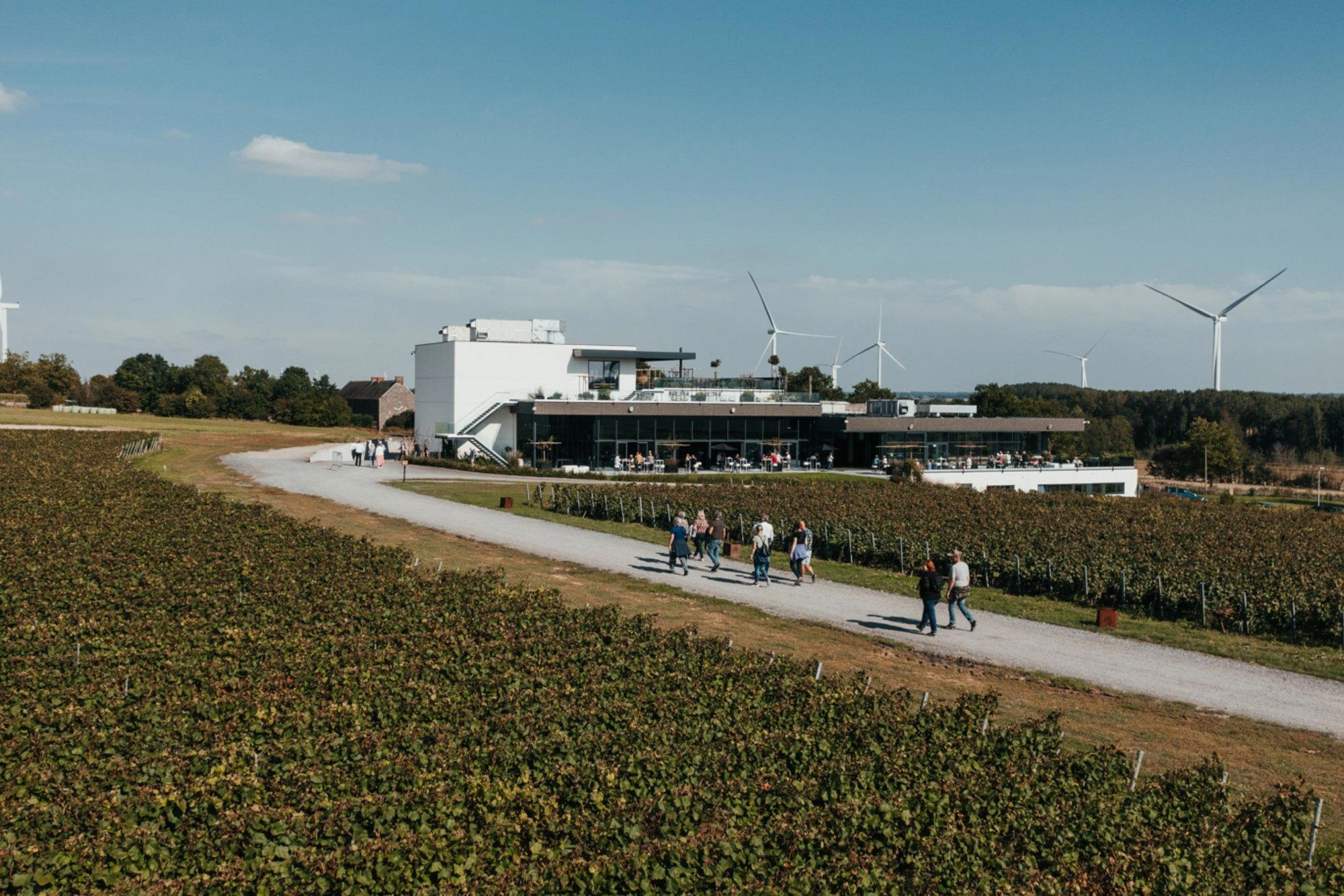
Details
- Cozy
- Elegant
- Intimate
- Rustic
- Date Night
- Special Occasion
- Family
- Open Kitchen
- Extensive Wine List
- Local Sourcing
- A La Carte
- Set Menu
Current opening hours
- Monday
- Closed
- Tuesday
- Closed
- Wednesday
- 12–2 PM, 7–9 PM
- Thursday
- 12–2 PM, 7–9 PM
- Friday
- 12–2 PM, 7–9 PM
- Saturday
- 12–2 PM, 7–9 PM
- Sunday
- Closed
Hours can change for holidays and private events. Hours as of .
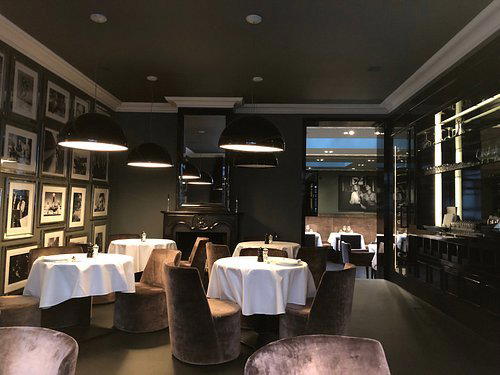
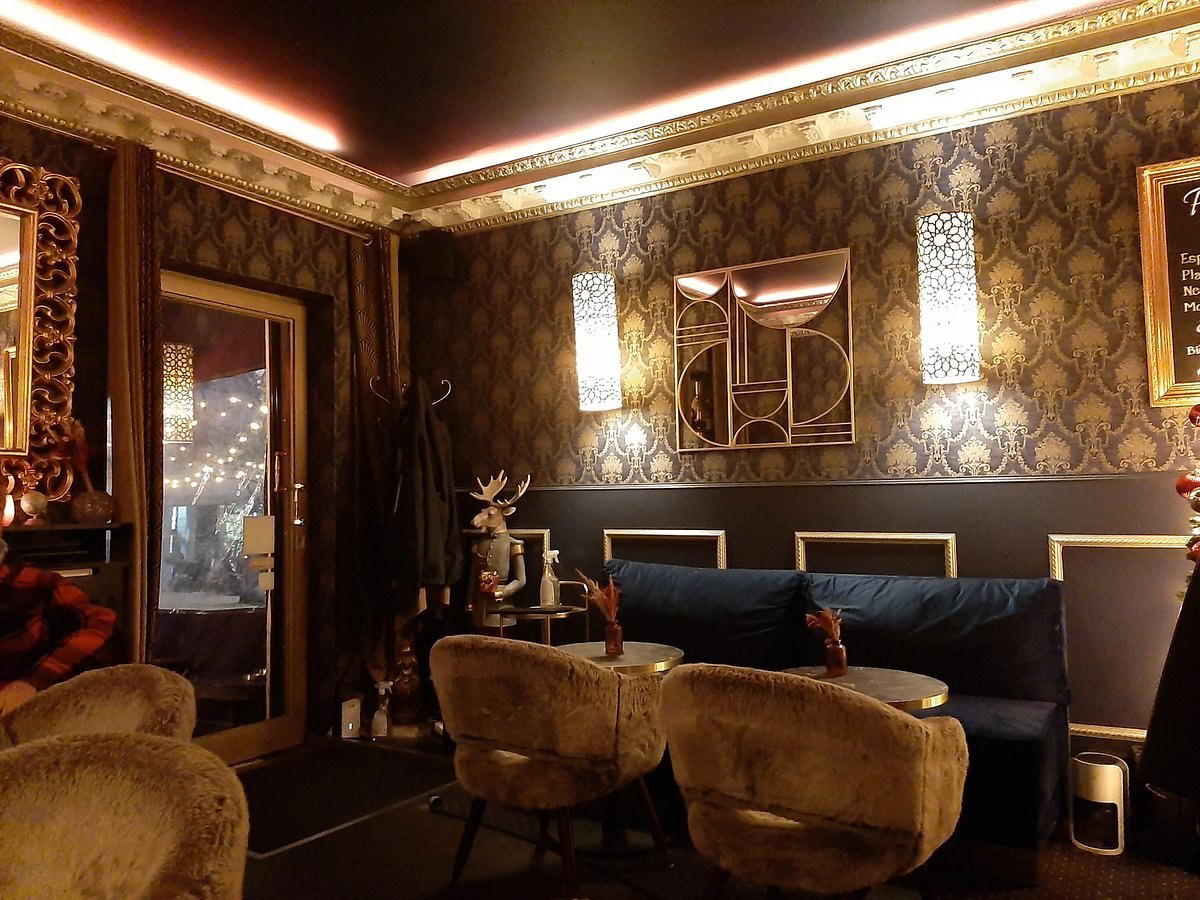
Cozy and refined atmosphere with warm welcoming service, quiet yet convivial setting ideal for savoring seasonal dishes.