Positioned along Avenue Houba de Strooper in Brussels' Laeken district, Brasserie de l'Expo draws from the neighbourhood's deep association with the 1958 World's Fair. The address places it within reach of the Atomium and the Royal Domain, giving it a context that few Brussels brasseries can claim. It occupies the classic Belgian brasserie tier, where the format and setting do as much work as the plate.
Pearl is the En Primeur Club membership app — saves, bookings, and concierge access live there. Same editors, same standards.
- Address
- Av. Houba de Strooper 188, 1020 Bruxelles, Belgium
- Phone
- +3226606281
- Website
- brasserie-delexpo.be
- Directions
- Get directions
 Saves & bookings on Pearl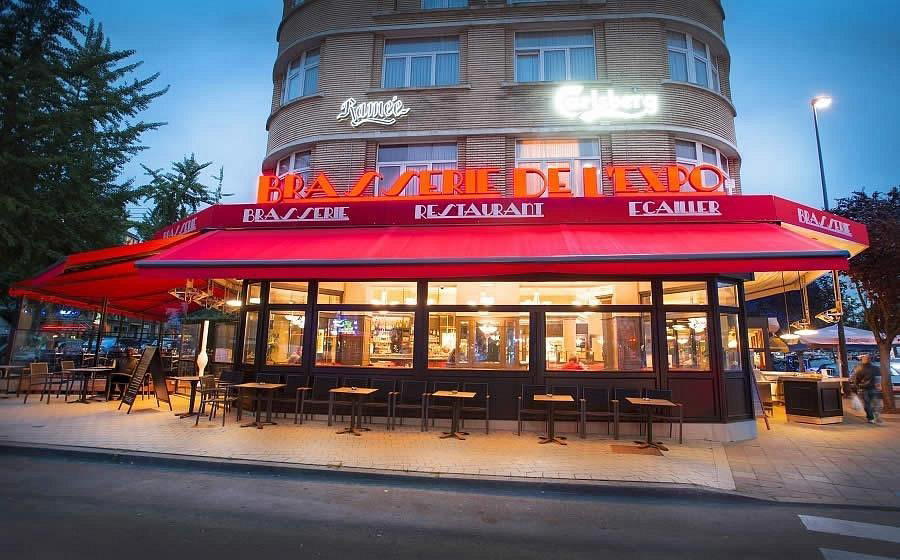
Laeken and the World's Fair Atmosphere
The stretch of Avenue Houba de Strooper running through Laeken carries more history per metre than most Brussels addresses. The 1958 World's Fair transformed this part of the city, leaving behind the Atomium as its most photographed artefact and a neighbourhood character still shaped by that civic ambition. Brasserie de l'Expo sits within this context, at number 188, where the address itself does a kind of editorial work before a single dish arrives. Approaching from the direction of the Atomium, the avenue is wide and tree-lined, the kind of boulevard that feels borrowed from a French provincial city rather than a northern European capital. That spatial quality, open and unhurried, sets the atmospheric register for what a brasserie at this address is expected to offer.
The Belgian brasserie format has its own grammar. Unlike the French bistro, which leans toward intimacy and chalkboard spontaneity, the Belgian brasserie historically operated at a grander scale, closer in spirit to the Parisian grand café, with tiled floors, mirrored walls, and a menu designed to function from midday through the late evening. That tradition persists at addresses across Brussels, from the tourist-facing rooms around Grand-Place to neighbourhood anchors like this one in Laeken, which serves a more local, less internationally visible clientele.
The Brasserie Format in Brussels Context
Brussels supports a wide spectrum of formal dining, from the classic French-Belgian register of Comme chez Soi and the modern cuisine of La Villa Lorraine by Yves Mattagne at the upper end, through creative mid-tier rooms like Eliane and Barge, down to the brasserie tier where format and accessibility take precedence over fine-dining ceremony. Brasserie de l'Expo occupies this latter category, alongside established addresses such as Aux Armes de Bruxelles in the city centre, where the Belgian brasserie canon, mussels, carbonnade, waterzooi, stoemp, constitutes the operational core.
The distinction between a tourist-facing brasserie and a neighbourhood brasserie is worth drawing carefully. The former calibrates its menu to international recognition and tends to price at a premium for location. The latter, of which this Laeken address is an example, operates within a more local economy of expectation, where regulars set the baseline and the menu reflects the cooking traditions of the surrounding district rather than a curated version of Belgian national cuisine for export. For visitors, that difference is often the more interesting dining proposition.
Those seeking the decorated end of the Belgian dining spectrum, whether in Brussels or across the country, will find reference points at Hof van Cleve in Kruishoutem, Boury in Roeselare, or Zilte in Antwerp. Brasserie de l'Expo operates at a different register entirely, one where the value is in the format's reliability rather than its ambition.
Laeken as a Dining District
Laeken remains one of Brussels' least internationally profiled neighbourhoods despite its considerable institutional weight. The Royal Domain, the Atomium, and Mini-Europe all sit within its boundaries, yet restaurant coverage in international travel media clusters heavily around the Ixelles, Saint-Gilles, and Sablon districts. That asymmetry means Laeken dining tends to serve a more Belgian audience, with the kind of pricing and informality that follows from a local rather than tourist-dependent clientele.
For visitors who arrive in Brussels via the Atomium or the nearby Brupark leisure complex, the immediate dining options on Avenue Houba de Strooper represent a more authentic cross-section of the neighbourhood's eating culture than anything closer to the Grand-Place. Brasserie de l'Expo's position at this address makes it a practical reference point for anyone spending time in this northern pocket of the capital.
The Bozar Restaurant anchors the fine-dining end of Brussels' cultural-institution dining scene in the city centre; Laeken's version is considerably less formal, which is precisely the point. When the visit is the Atomium rather than the Palais des Beaux-Arts, the dining register should follow accordingly.
What to Expect at This Address
The Belgian brasserie menu in its standard form covers a reliable range: moules-frites in several preparations through the autumn and winter months when mussels are in season from the North Sea, vol-au-vent, croquettes aux crevettes grises, and a steak-frites execution that functions as a reliable benchmark for a kitchen's baseline competence. Carbonnade flamande, the Flemish beef and beer stew, appears at most serious brasserie addresses and carries enough regional specificity to function as a genuine marker of kitchen intent.
Beer pairing at Belgian brasseries is not an optional addition but a structural part of the format. The country's brewing tradition, from Trappist ales to spontaneously fermented lambics from the Senne valley just west of Brussels, gives a brasserie kitchen access to ingredients and beverage pairings that have no direct equivalent in French or Italian dining. A carbonnade made with a local abbey beer and served alongside a compatible gueuze occupies a different culinary register than its French counterpart, even if the dish's name sounds borrowed.
For those exploring Belgium's wider dining scene beyond Brussels, Willem Hiele in Oudenburg, Vrijmoed in Gent, and d'Eugénie à Emilie in Baudour each represent distinct expressions of Belgian cooking at higher formality levels. Further afield for reference, Le Chalet de la Forêt in Uccle represents the classical luxury end within greater Brussels. Internationally, the discipline of a well-run brasserie kitchen bears comparison to the kind of format rigour found at places like Le Bernardin in New York City, though the price tier and ambition differ by orders of magnitude.
Planning a Visit
Brasserie de l'Expo is located at Avenue Houba de Strooper 188 in the Laeken district, reachable from central Brussels via metro to Heysel station, which places the Atomium and the surrounding boulevard within easy walking distance. For visitors combining a meal with a visit to the Atomium or the nearby Chinese Pavilion and Japanese Tower within the Royal Domain, the timing logic is direct: the brasserie format is built for midday meals and early dinners, making it a natural anchor around an afternoon visit to the area's public attractions. Given the neighbourhood's calibration toward a local clientele, walk-in availability tends to be more accessible here than at the saturated dining addresses around Grand-Place, though weekend afternoons near the Atomium can compress that advantage significantly. No booking contact details are available through EP Club's current data, so checking directly on arrival or via local review platforms before visiting is advisable. Our full Brussels restaurants guide covers the wider dining picture across all city districts.
How Brasserie de l'Expo Brussels compares with similar nearby venues.
| Venue | Cuisine | Price |
|---|---|---|
| Faraya | Lebanese | €€ |
| 't Stoveke | Modern Cuisine | €€€ |
| French Kiss | Meats and Grills | €€ |
| Wine in the City | Modern Cuisine | €€€€ |
At a Glance
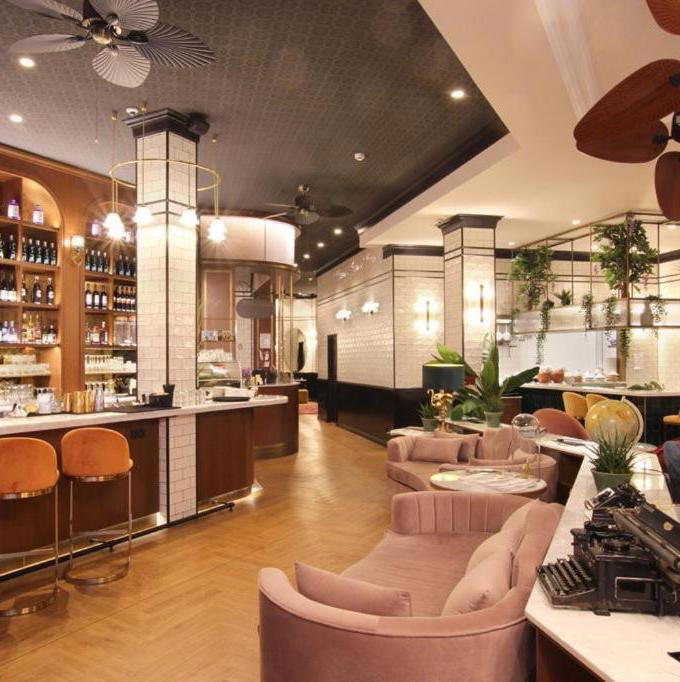
- Classic
- Cozy
- Casual Hangout
- Terrace
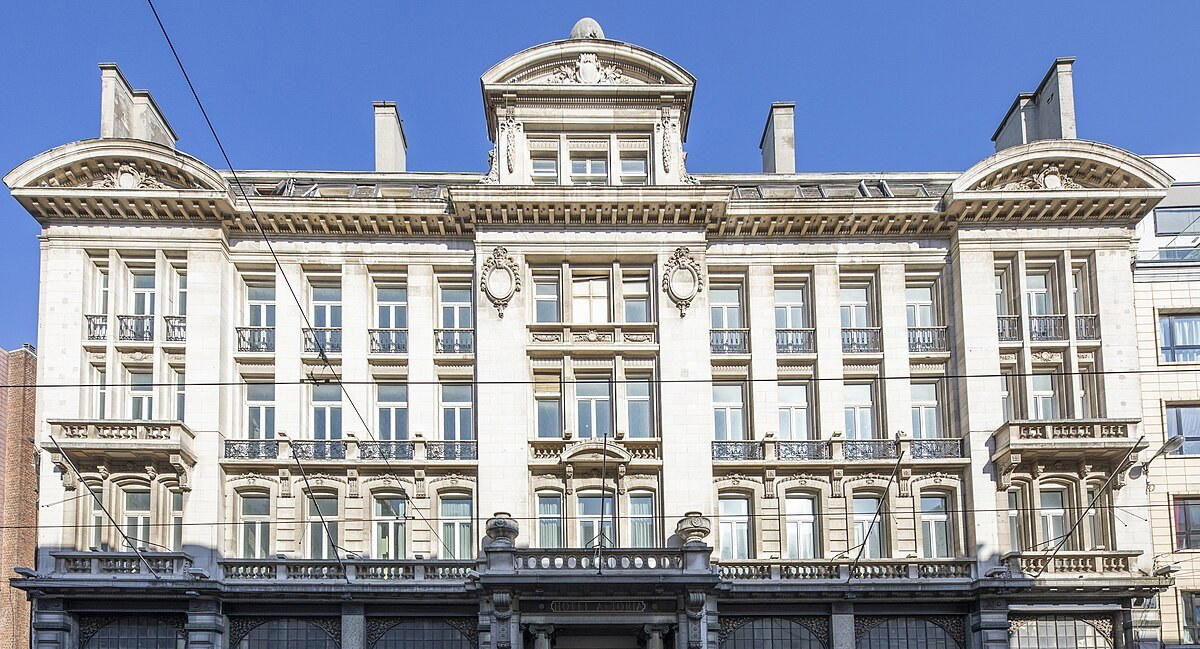
- Historic Building
- Extensive Wine List
Current opening hours
- Monday
- Closed
- Tuesday
- 11:45 AM–10:30 PM
- Wednesday
- 11:45 AM–10:30 PM
- Thursday
- 11:45 AM–10:30 PM
- Friday
- 11:45 AM–10:30 PM
- Saturday
- 11:45 AM–10:30 PM
- Sunday
- 11:45 AM–10:30 PM
Hours can change for holidays and private events. Last verified .
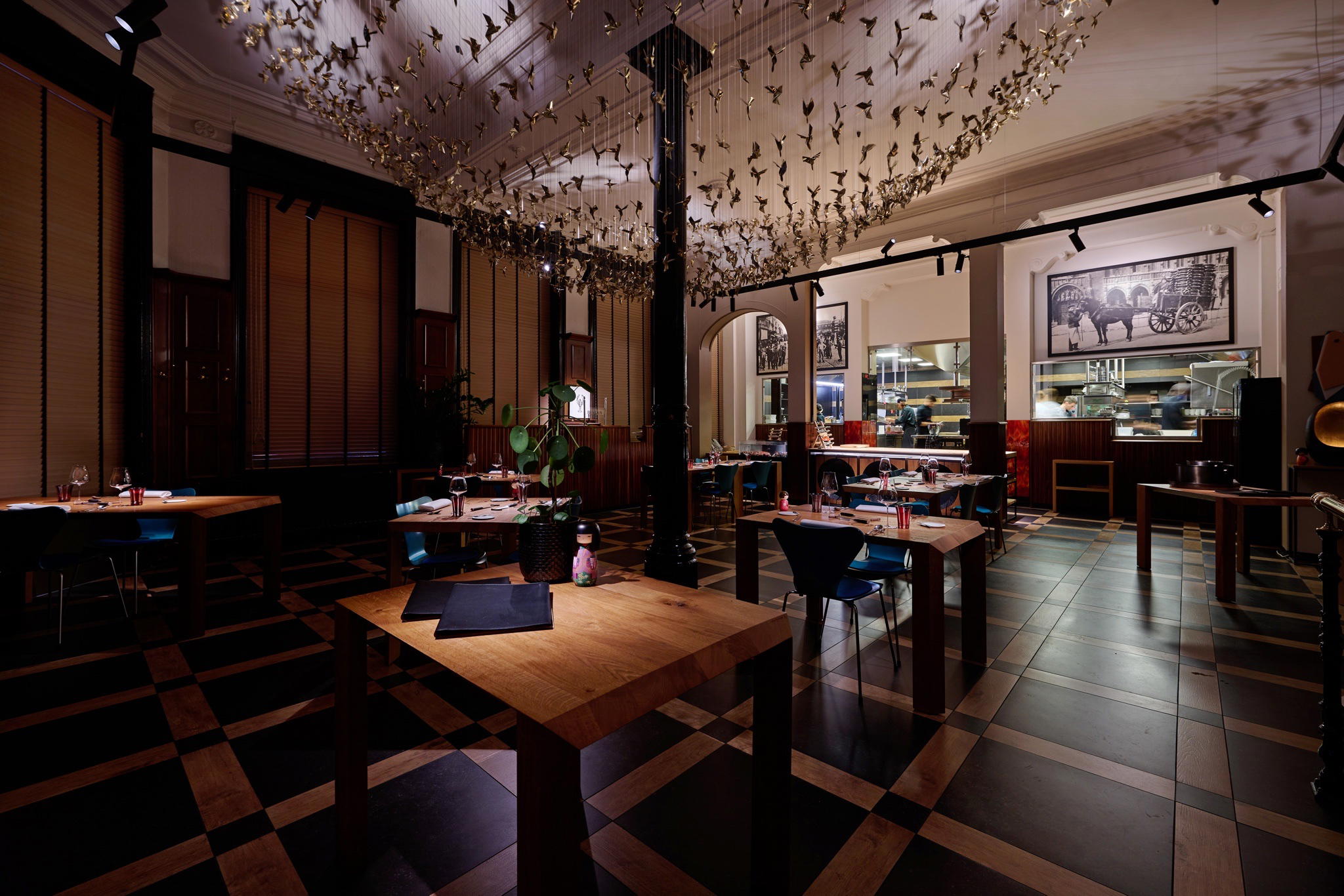
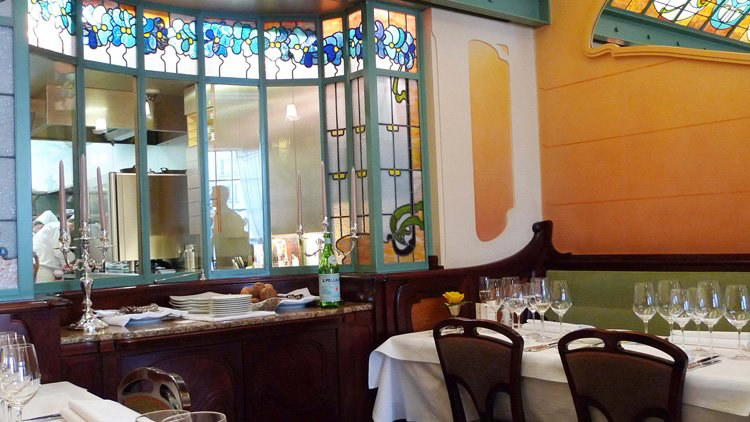
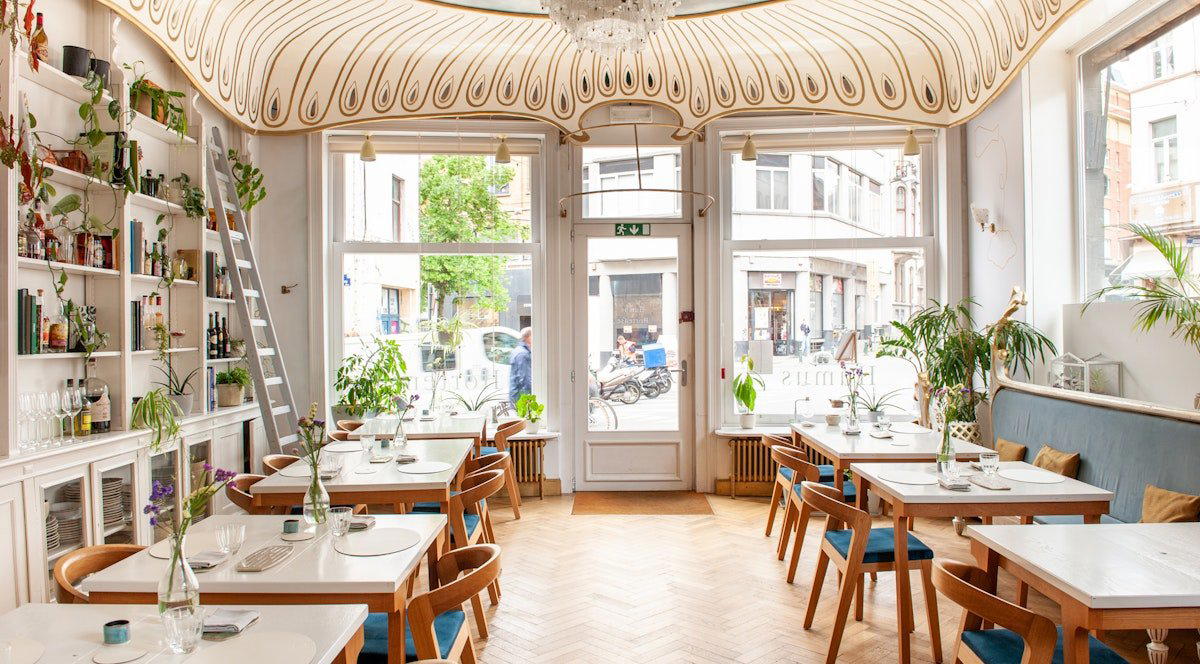
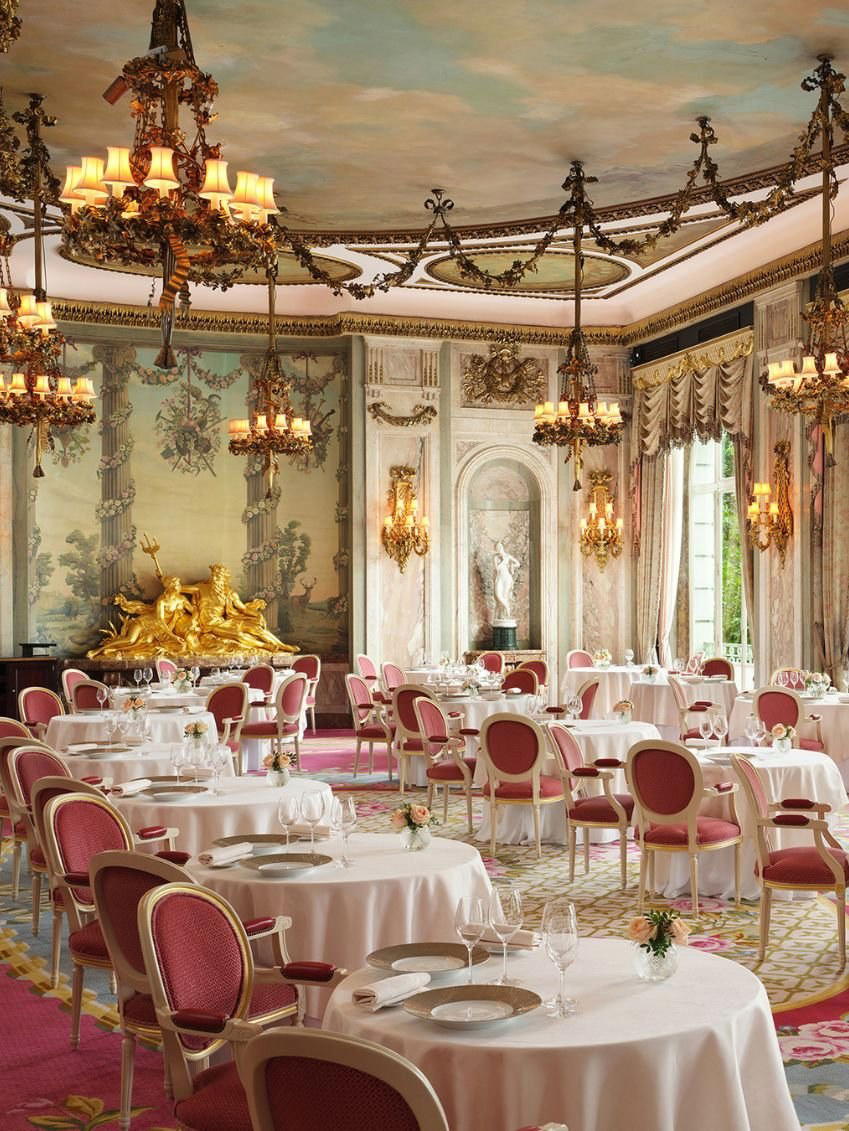
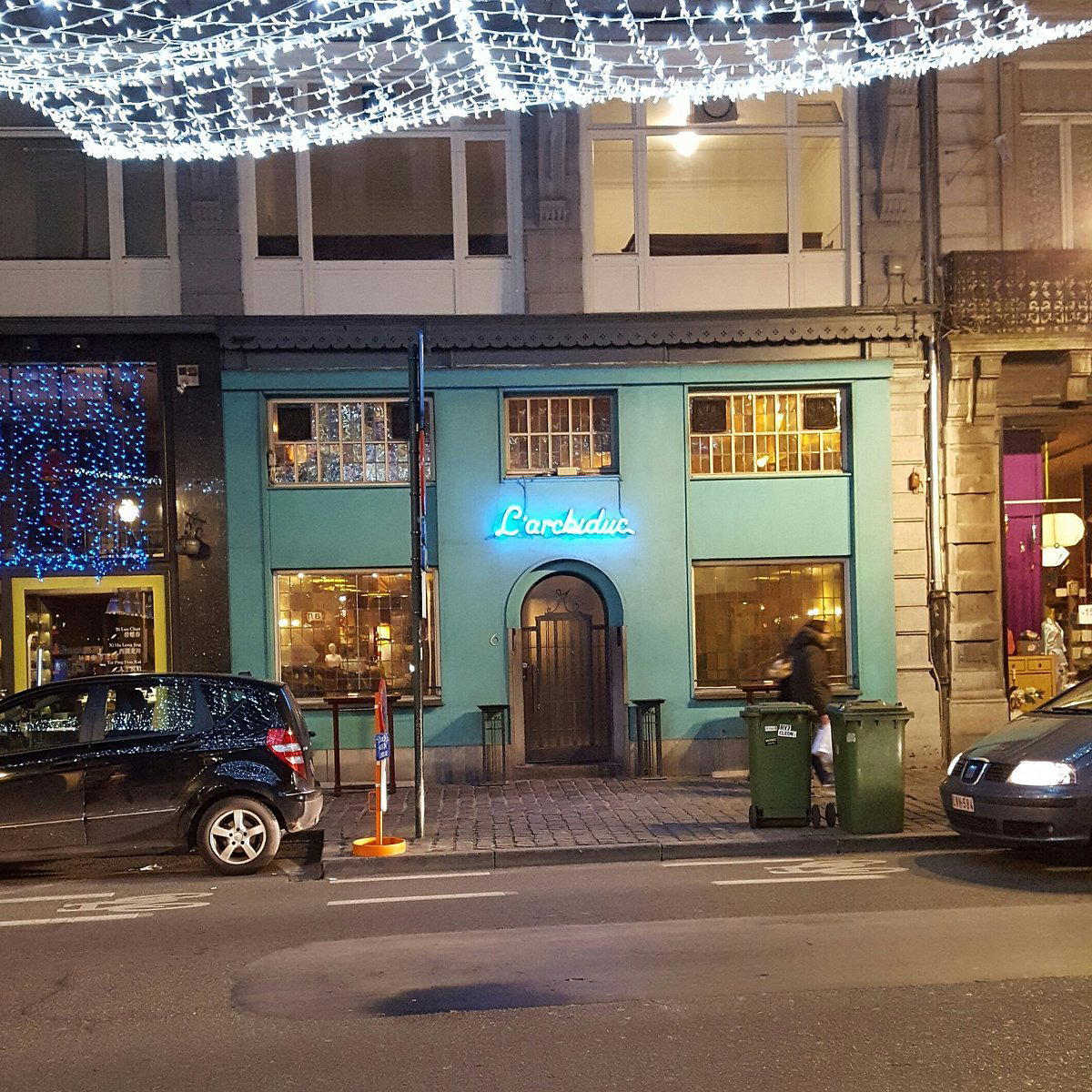
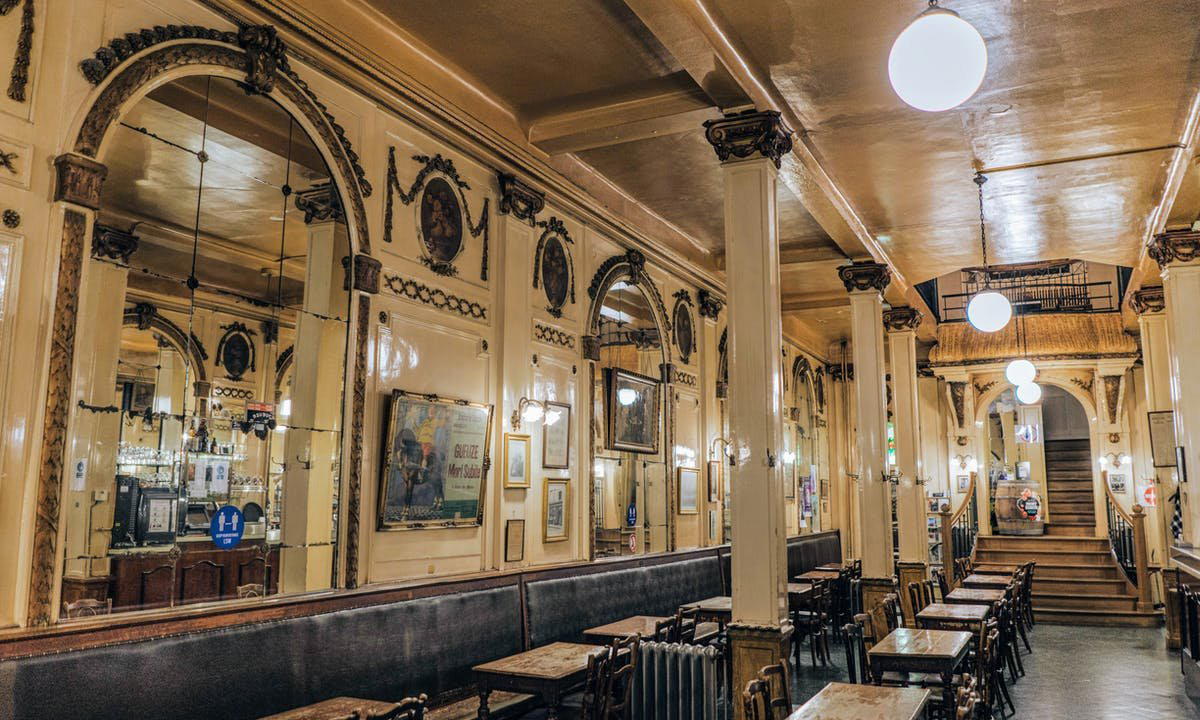
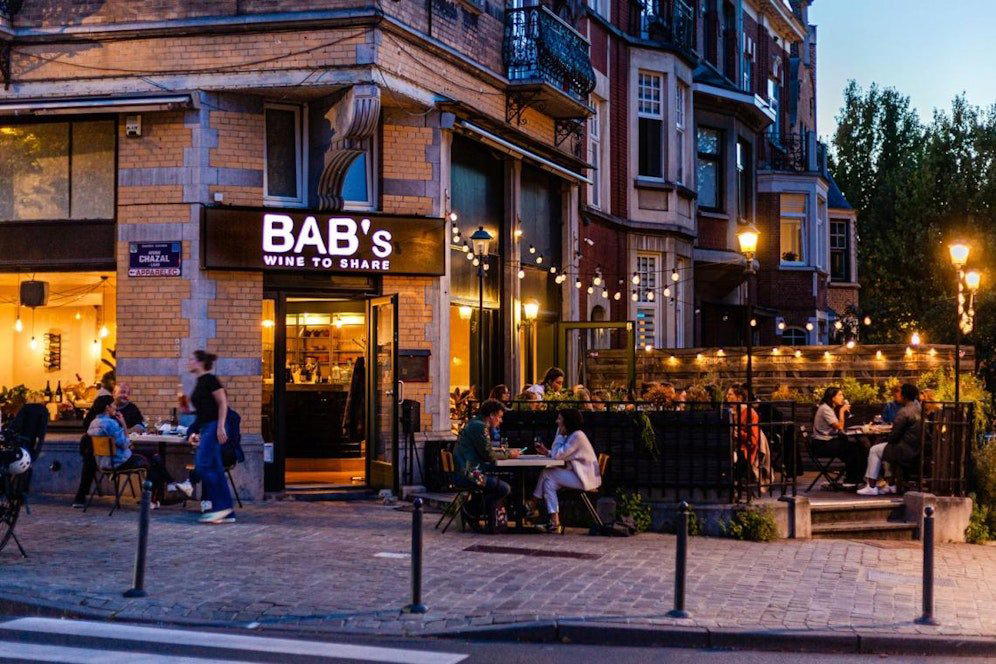
Cozy indoor charm with Art Deco decor and a lively outdoor terrace for enjoying Brussels atmosphere.
Know Before You Go
- Getting there
- Av. Houba de Strooper 188, 1020 Bruxelles, Belgium