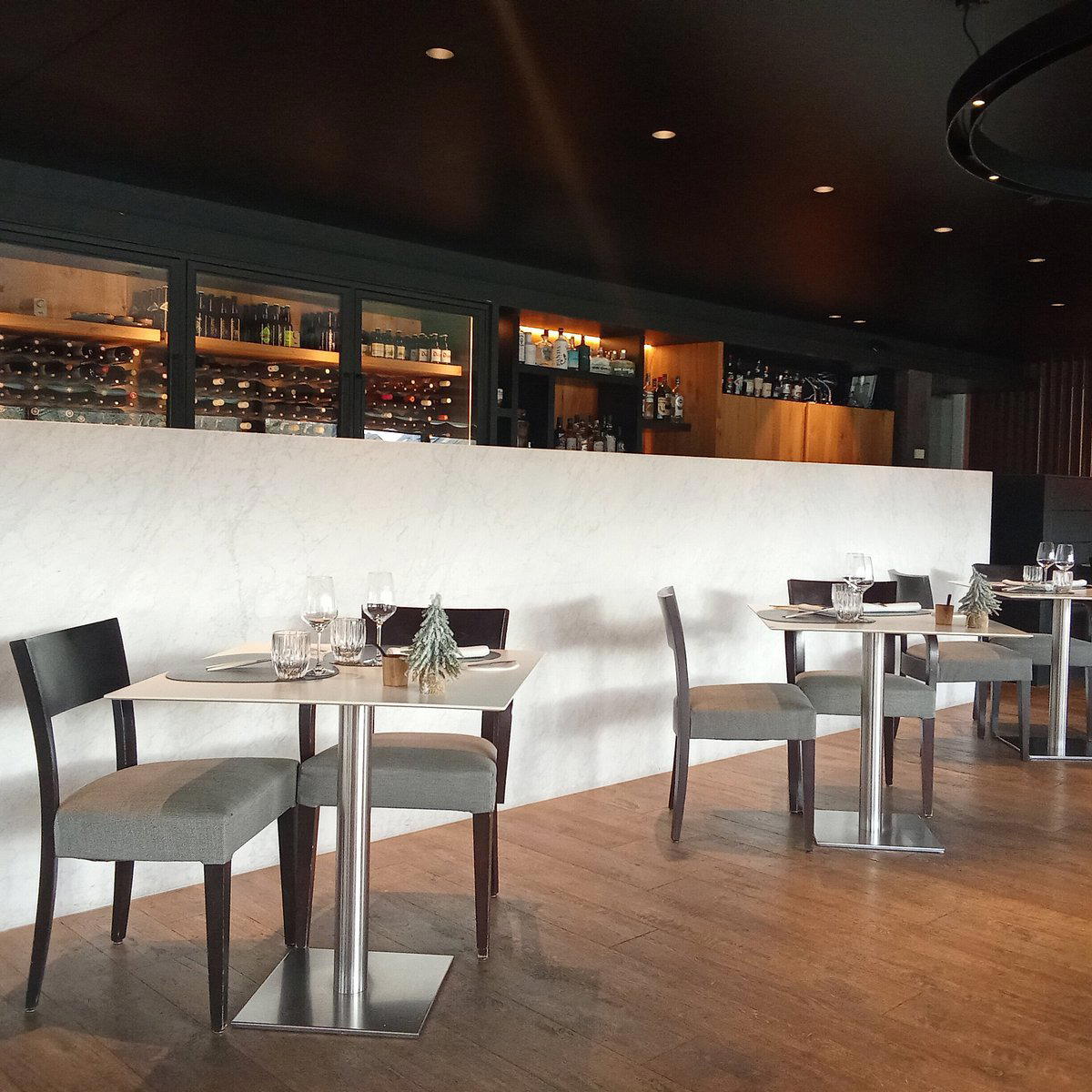
La Plage d'Amée occupies a quietly considered address on Rue des Peupliers in Namur, a city where the Meuse and Sambre rivers frame a dining scene that punches above its provincial scale. The name, evoking a beloved beach, signals something informal and sun-warmed, a deliberate contrast to the more formal creative French tables that define the upper tier of Namur's restaurant map.
- Address
- Rue des Peupliers 2, 5100 Namur, Belgium
- Phone
- +3281309339
- Website
- laplagedamee.be
Where Namur's River Character Meets the Table
Namur sits at the confluence of two rivers, and that geographical fact shapes more than its skyline. The Walloon capital has developed a restaurant scene that draws on the agricultural richness of the surrounding countryside, Condroz lamb, Ardenne game, river fish, regional cheeses, while absorbing the technical currents that flow south from Brussels and north from France. La Plage d'Amée, at Rue des Peupliers 2 in Namur, serves French-Belgian fine dining at about €105 per person, and its positioning reads as deliberately counter-programmed against the more formally appointed creative French tables that anchor Namur's upper dining tier.
The name itself is worth pausing on. In French, "la plage" is the beach, and "amée" carries the sense of something cherished or beloved. That combination of leisure and affection is not accidental shorthand in a city where dining culture tends to oscillate between convivial brasserie ease and careful fine-dining aspiration. Namur has always occupied a different register from Brussels or Liège, more intimate, more neighbourhood-scaled, less concerned with international legibility, and venues that understand that register tend to read as authentically rooted rather than aspirationally positioned.
The Namur Dining Context: A Scene with Range
To understand where La Plage d'Amée sits, it helps to map the broader Namur picture. The city supports a credible range of serious tables. Attablez-vous operates at the creative French tier (€€€), with a format that foregrounds technique and seasonal sourcing. 90 Degrés covers modern cuisine at a similar price point. Further along the spectrum, Basile cuisine gourmande and Belle & Chocolat serve different registers of the city's appetite for quality without formality. The Atelier de Bossimé, outside the city centre, represents the more rural, terroir-anchored strand of Walloon cooking.
This range matters because it reveals a city that has moved past the binary of brasserie-or-fine-dining. Namur's mid-tier has deepened considerably over the past decade, with venues increasingly comfortable articulating local ingredient sourcing alongside imported technical frameworks. That intersection, indigenous products processed through global method, defines the more interesting cooking happening across the province right now.
Local Ingredients, Borrowed Technique: A Belgian Framework
Belgium's broader fine-dining story has long been built on exactly this axis. At the national level, kitchens from Hof van Cleve in Kruishoutem to Boury in Roeselare have demonstrated that Belgian terroir, Flemish coast seafood, inland game, heritage-breed meat, fermented dairy, can sustain kitchens operating at European reference level when approached with the disciplined technique more typically associated with French or Nordic traditions. Zilte in Antwerp and Willem Hiele in Oudenburg extend this further, both treating Belgian coastal and agricultural produce as primary material worthy of the most considered treatment.
Wallonia operates from a different larder than Flanders: less seafood-dominated, more reliant on game, freshwater fish, cold-climate vegetables, and aged charcuterie traditions from the Ardenne. The restaurants that have translated this larder most effectively tend to do so by applying French classical structure to distinctly Walloon ingredient logic, then stripping back the ceremonial weight that pure French classicism often carries. The result is cooking that feels simultaneously rooted and technically current, a register that L'Air du Temps in nearby Liernu has demonstrated at the highest level, and that a number of Namur tables are now approaching in more accessible formats.
The broader Belgian pattern is instructive here: the country's most compelling kitchens, from Bartholomeus in Heist to Castor in Beveren, tend to resist the temptation to import foreign ingredient logic wholesale. Instead, they anchor in local supply chains and let the technique serve the product. Brussels venues like Bozar Restaurant have shown how this plays at a more metropolitan scale. Even internationally, the comparison is useful: the precision applied to indigenous seafood at Le Bernardin in New York, or the way Korean heritage is handled through French training at Atomix, suggests that the local-ingredient, global-technique axis is now a structuring principle across serious cooking, not a regional quirk. Venues in Wallonia that understand this operate within an international framework, even when their sourcing radius is measured in kilometres.
Seasonality and the Rhythm of the Meuse Valley
Spring and early summer bring the most legible seasonal argument for visiting Namur's dining scene. White asparagus from Walloon farms arrives in April and holds through late May, during which period kitchens across the city re-orient their menus around it with something close to ritual consistency. Wild garlic, morel mushrooms, and river trout from tributaries of the Meuse define the following weeks. By autumn, Ardenne game, hare, woodcock, venison, becomes the dominant seasonal logic, a shift that coincides with Namur's most atmospheric period, when the city's stone citadel and riverside plane trees take on a particular quality of light.
A venue named for the beach carries implicit spring and summer associations, and the warmer months, when the Meuse riverbanks animate and outdoor dining becomes viable across much of the city, represent the most natural seasonal frame for a table with this character. For visitors planning around the river atmosphere and the lightest seasonal cooking, late May through September offers the most coherent combination of climate, produce, and city energy.
Positioning Within the Namur comparable set
Within Namur's current landscape, La Plage d'Amée reads as a venue angled toward approachability rather than ceremony, a distinction that matters in a city where the more formal creative tables, such as Attablez-vous or the modern-cuisine tier occupied by venues like L'Espièglerie and Le Roi de Trèfle, set a particular tone of carefully managed experience. The beach reference in the name functions as a kind of temperature-setting: it signals that the register here is warmer, the dress code looser, the relationship between kitchen and guest less mediated by formality.
Walloon dining at this register, quality-conscious without being ceremonially weighted, has found a growing audience in the past several years, particularly among visitors arriving from Brussels via the 60-minute train connection who are looking for Namur's version of the kind of neighbourhood-serious table that has proliferated in the capital. The address on Rue des Peupliers, in a residential edge of the city rather than the tourist-facing old town, reinforces that neighbourhood orientation.
What the Walloon Table Offers Visitors Right Now
Belgium's Walloon south remains less internationally covered than the Flemish cities, which means that Namur's restaurant scene operates at a quality level that often surprises visitors arriving without deep prior knowledge of the region. The combination of strong agricultural supply chains, a culinary culture shaped by French classical tradition, and a local dining population with genuine quality expectations has produced a tier of serious tables that would register clearly in any Western European city of comparable size. D'Eugénie à Emilie in Baudour and De Jonkman in Sint-Kruis represent the broader provincial seriousness that the region sustains outside its major cities.
La Plage d'Amée, at its Rue des Peupliers address, operates within this context: a Namur table that wears its name lightly but sits inside a city with a growing, confident dining identity. The beach, in this reading, is less a literal reference than a disposition, the sense that serious cooking need not be solemn, and that the leading seasonal produce from the Meuse valley deserves a setting where it can be enjoyed without ceremony getting in the way.
Same-City Peers
Comparable venues nearby, for context on price, style, and recognition.
| Venue | Cuisine | Price | Notes |
|---|---|---|---|
| La Plage d'AméeThis venue — the venue you are viewing | French-Belgian Fine Dining | $$$ | |
| Pépite - Cave à manger | French Seasonal Small Plates & Natural Wine | $$$ | Old Town Namur |
| Cagette | Neo-Bistro French-Asian Small Plates | $$ | Centre |
| Les Terrasses de l'Écluse | Modern French Brasserie | $$$ | Jambes |
| Restaurant les Coulisses | French Bistro | $$ | Namur |
| PETIT PAYS Restaurant | Seasonal Neo-Bistro | $$$ | Namur |
At a Glance
- Elegant
- Modern
- Scenic
- Sophisticated
- Date Night
- Special Occasion
- Business Dinner
- Waterfront
- Terrace
- Private Dining
- Extensive Wine List
- Local Sourcing
- Waterfront
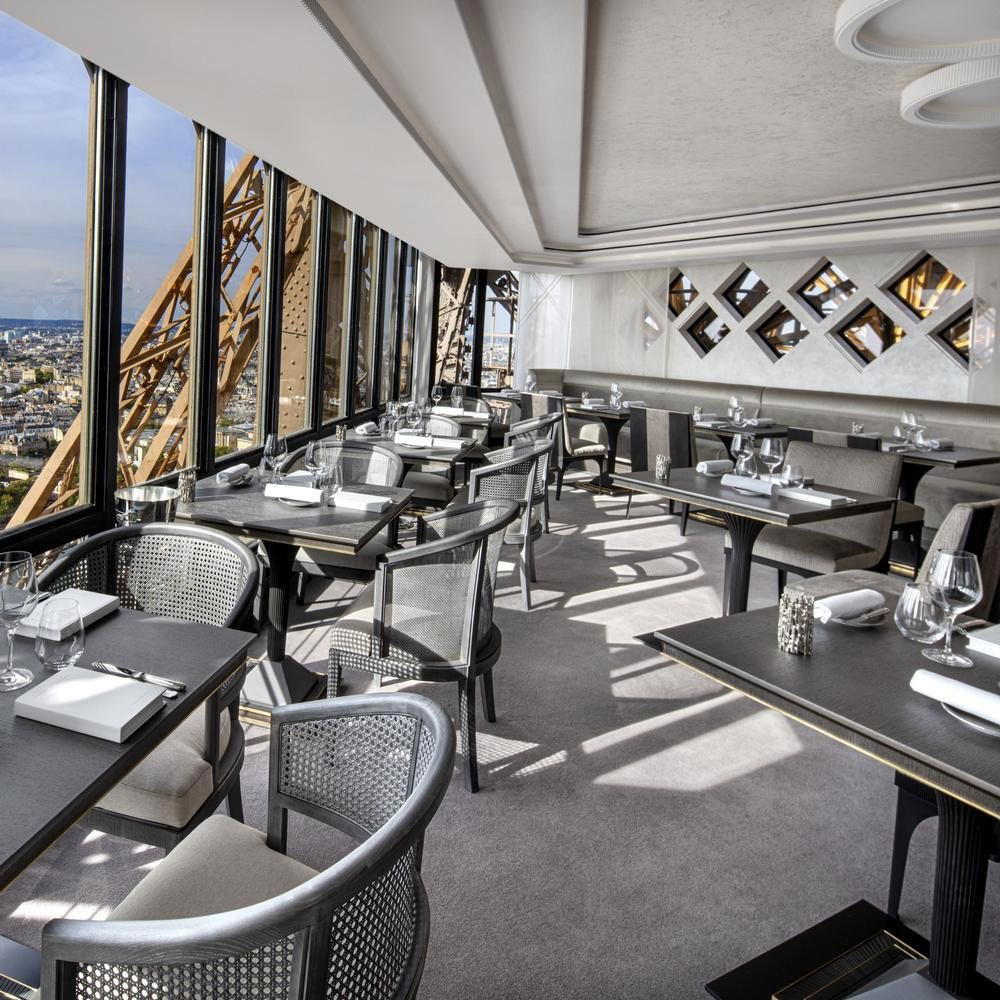
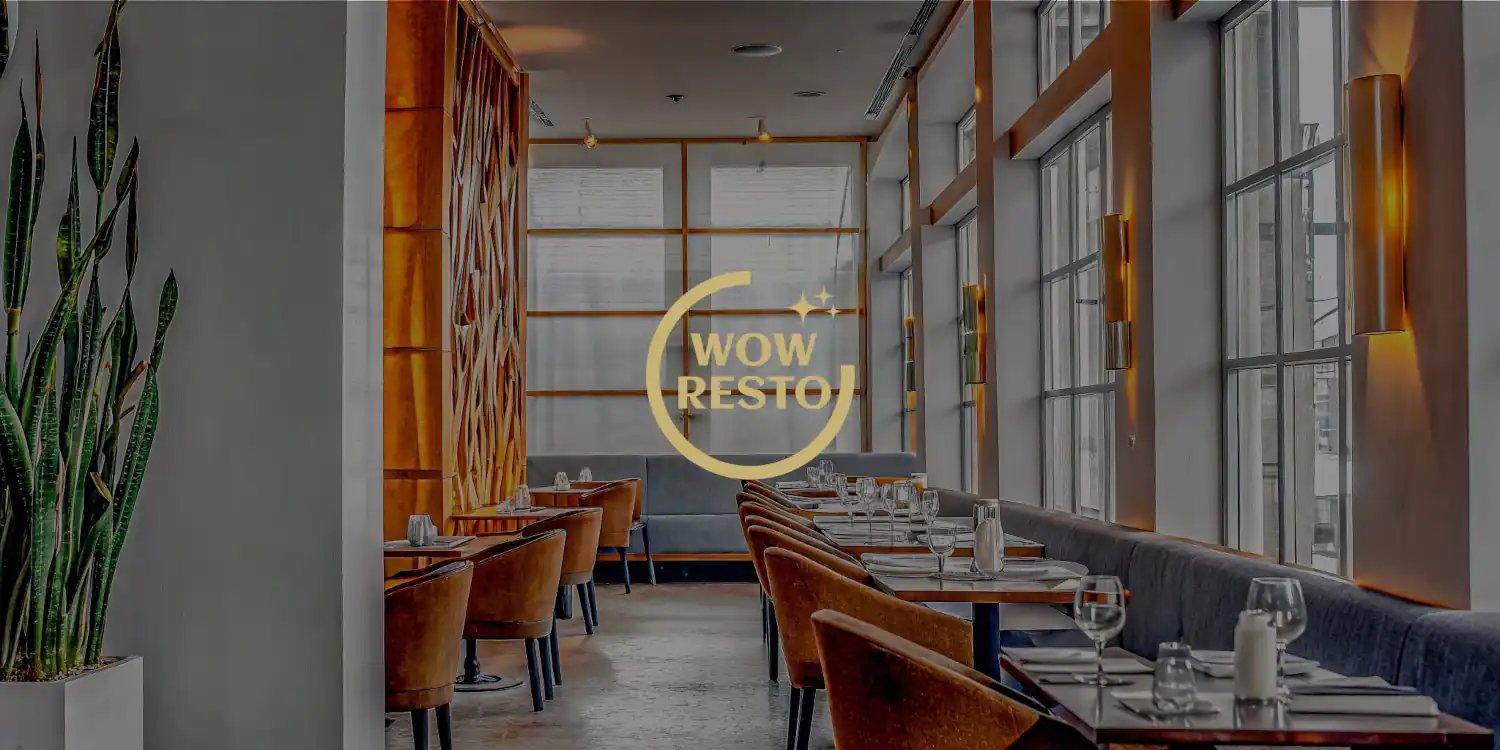
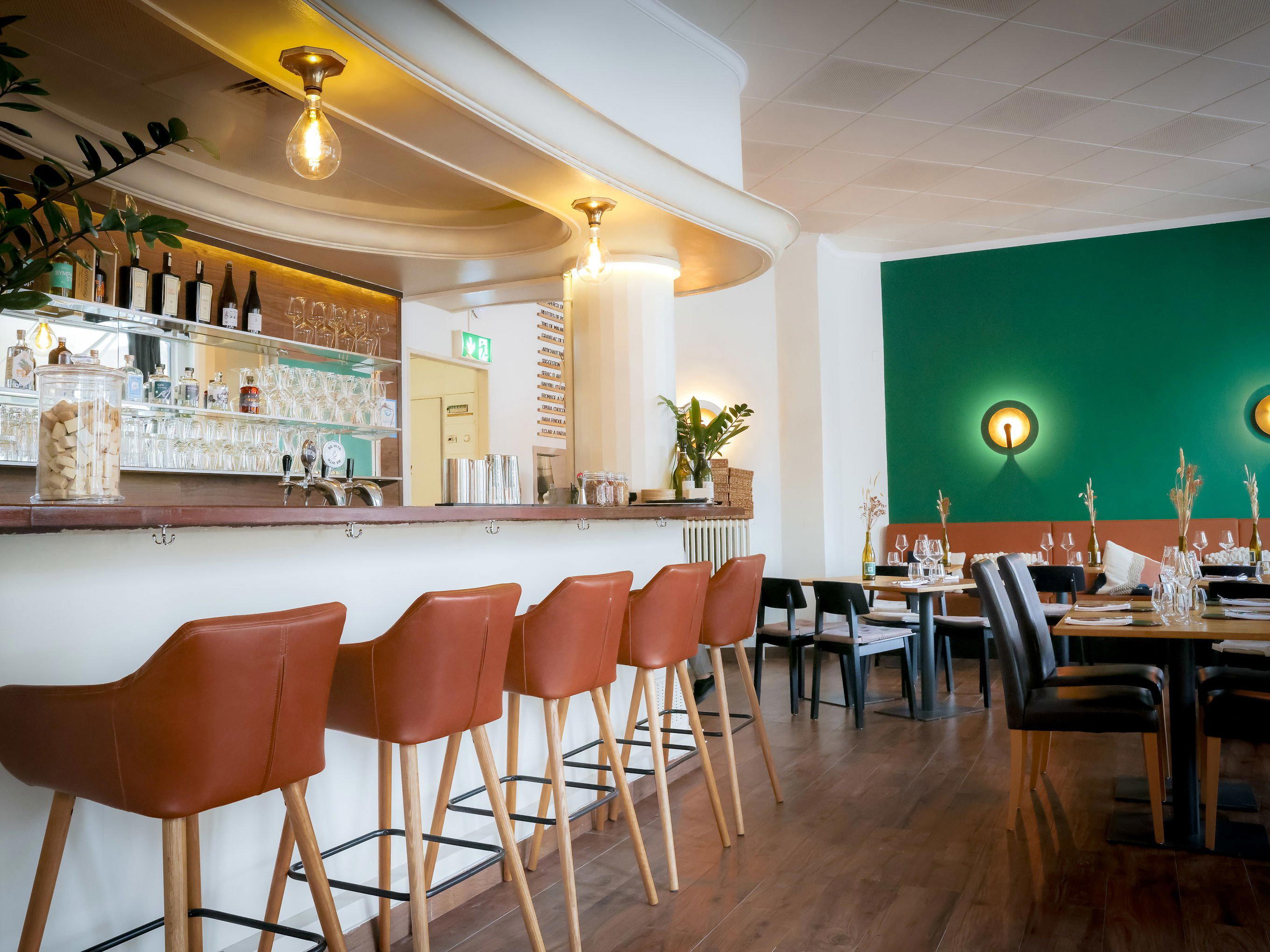
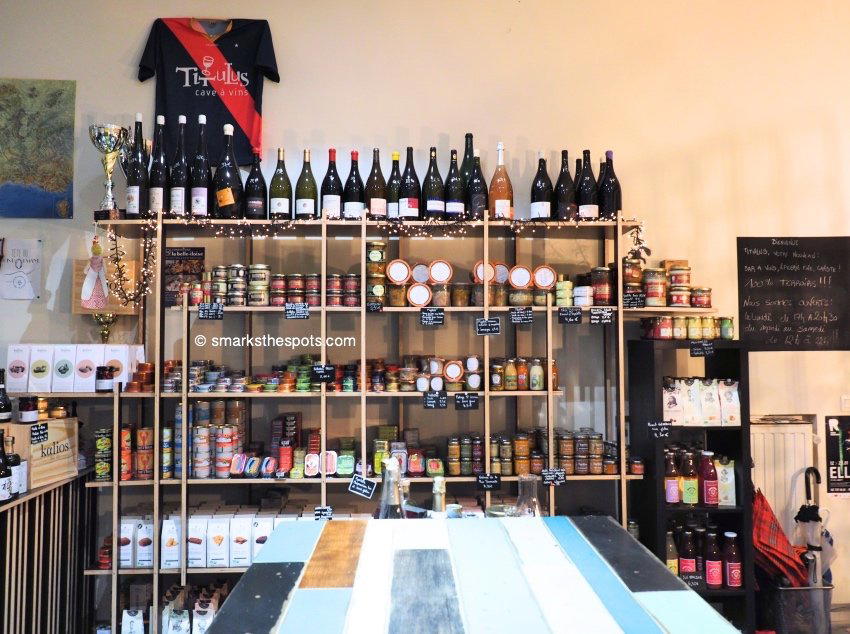
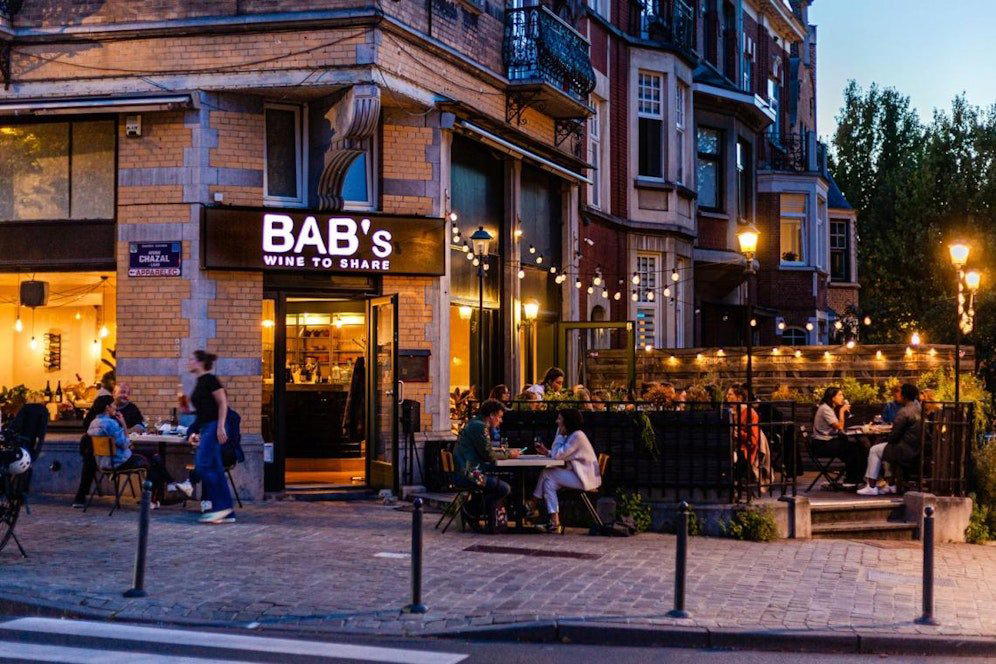
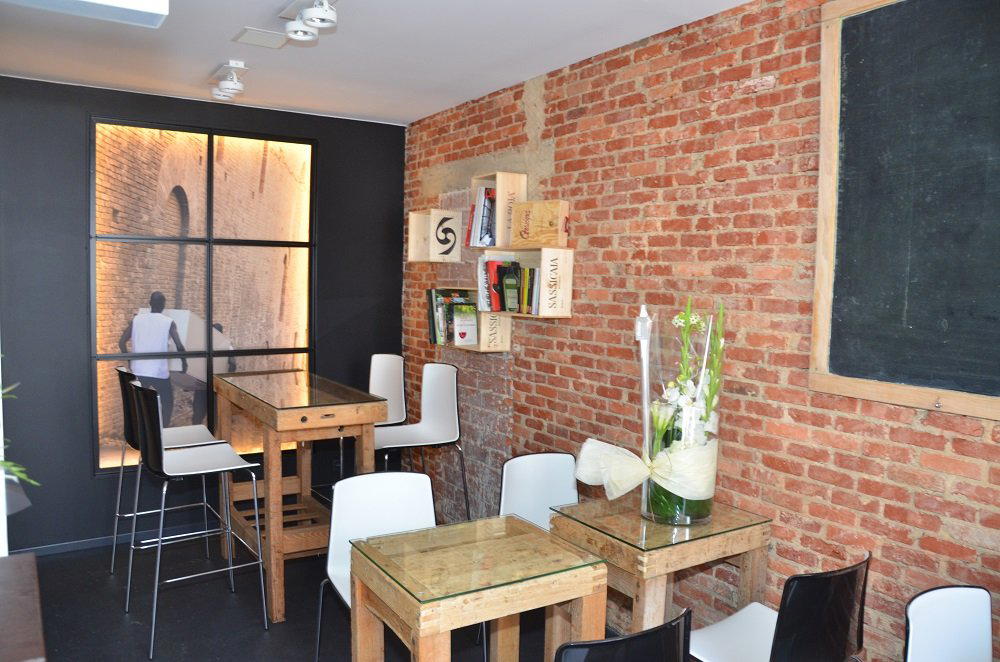
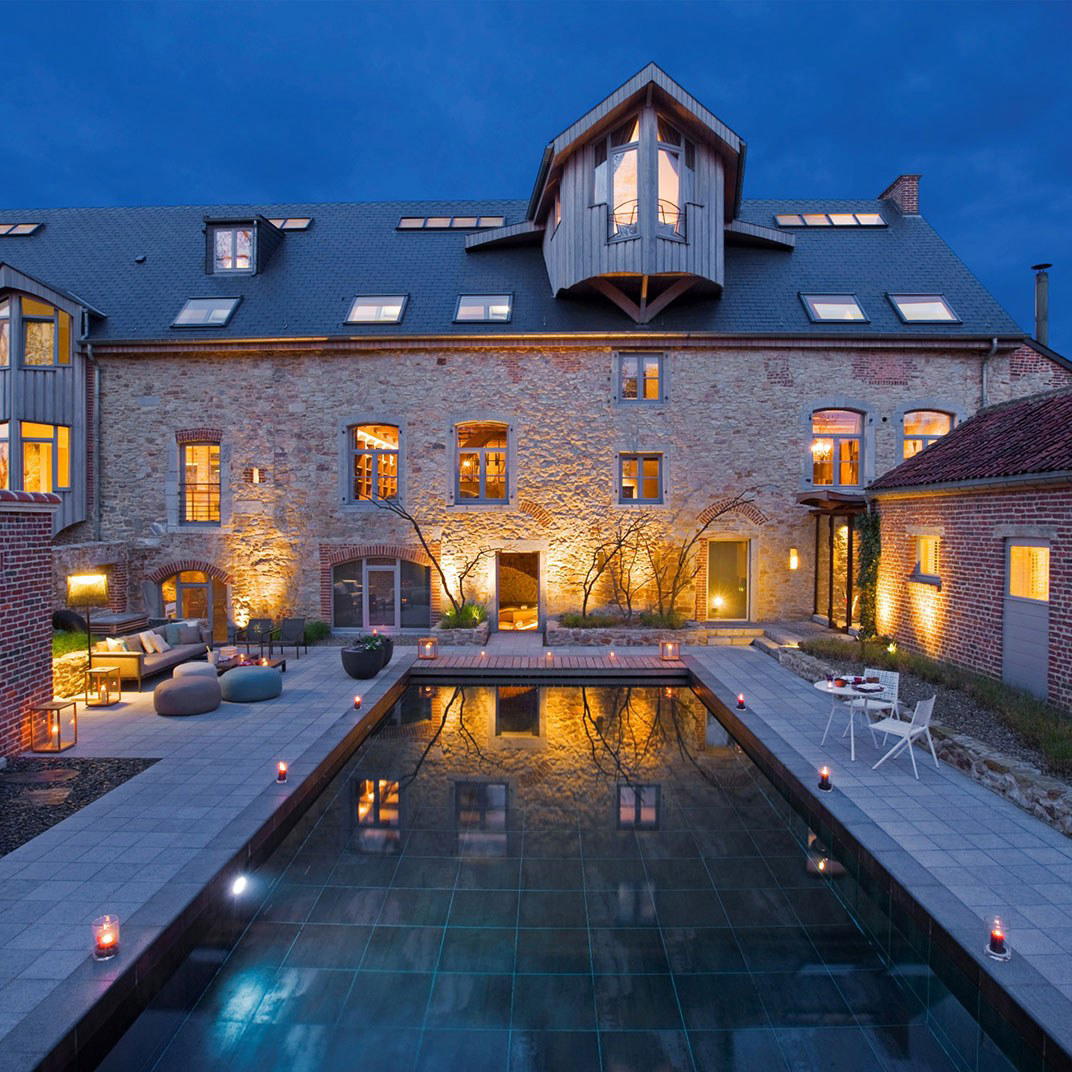
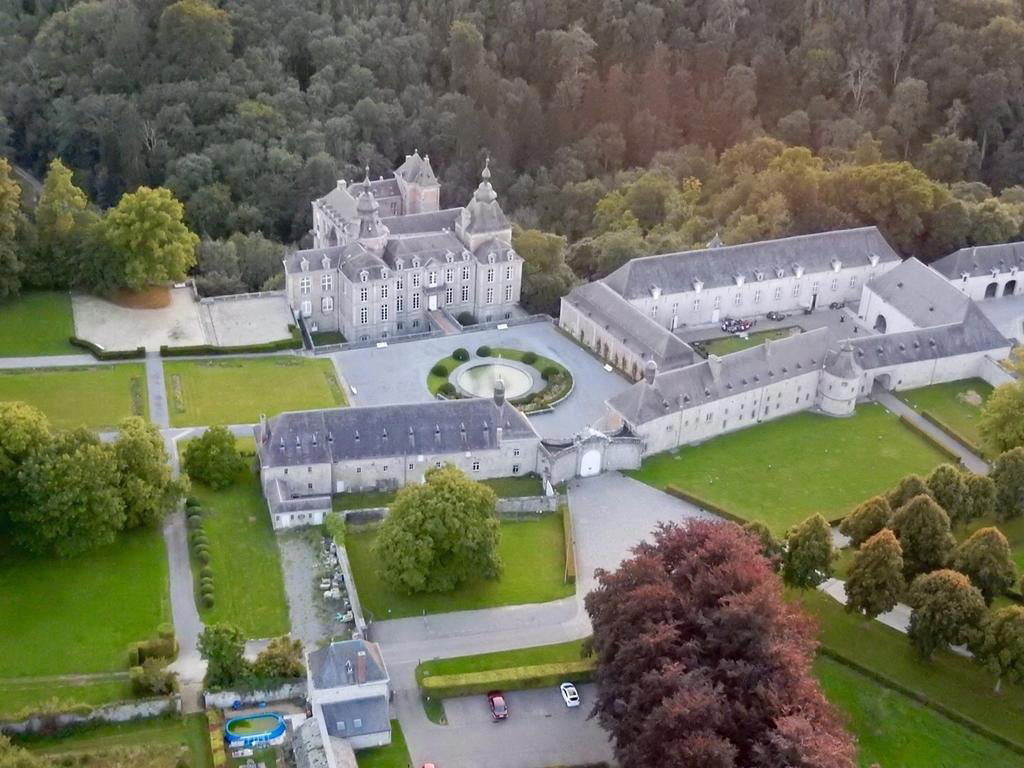
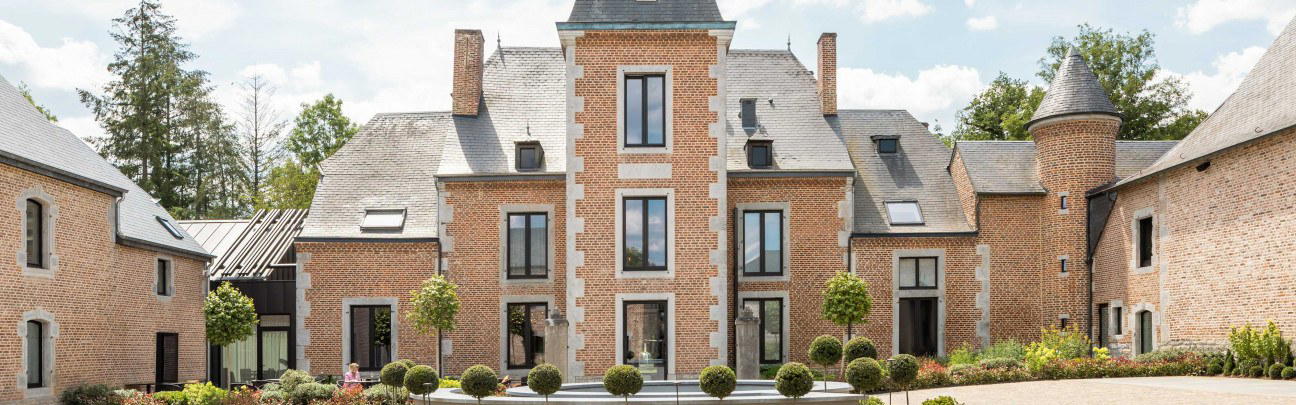
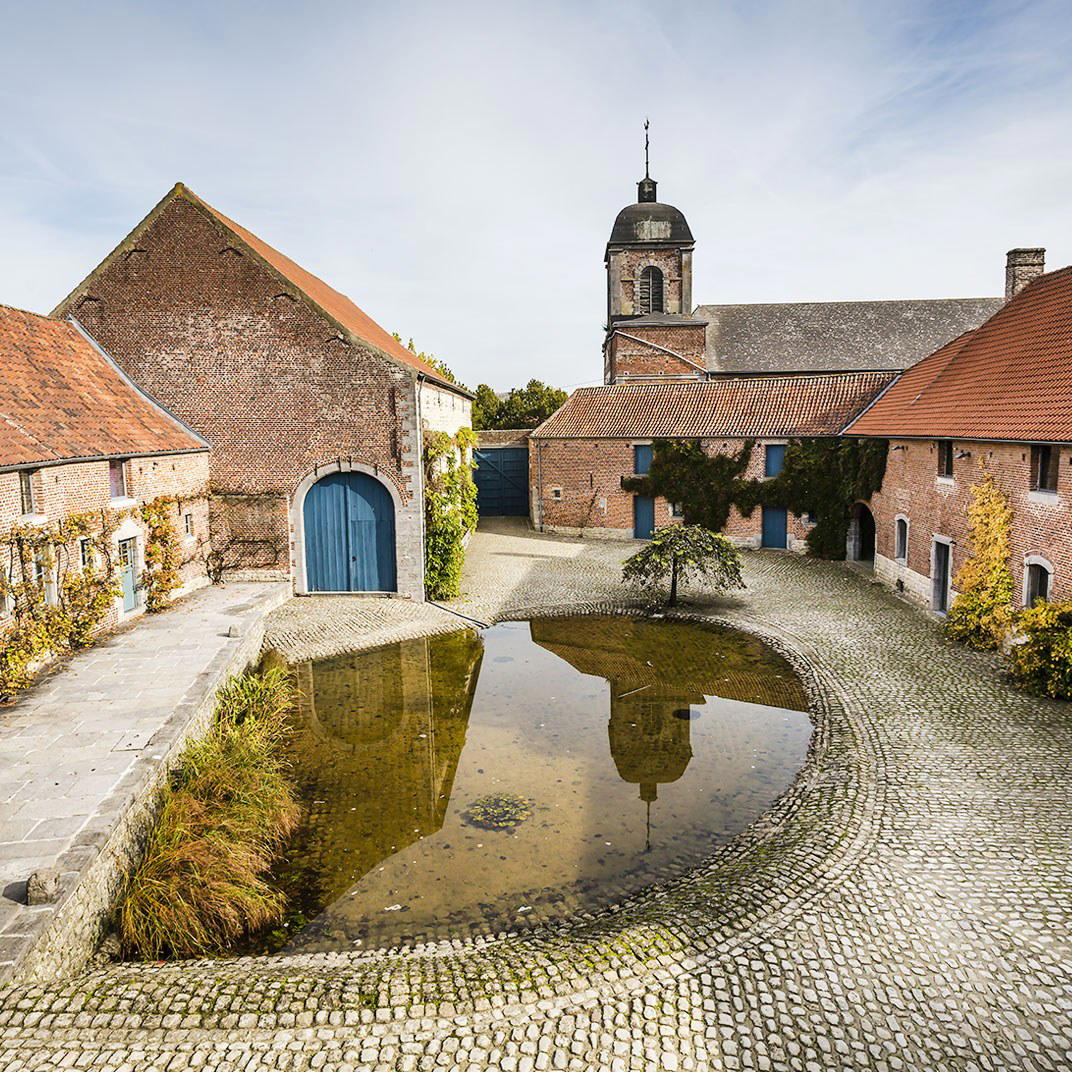
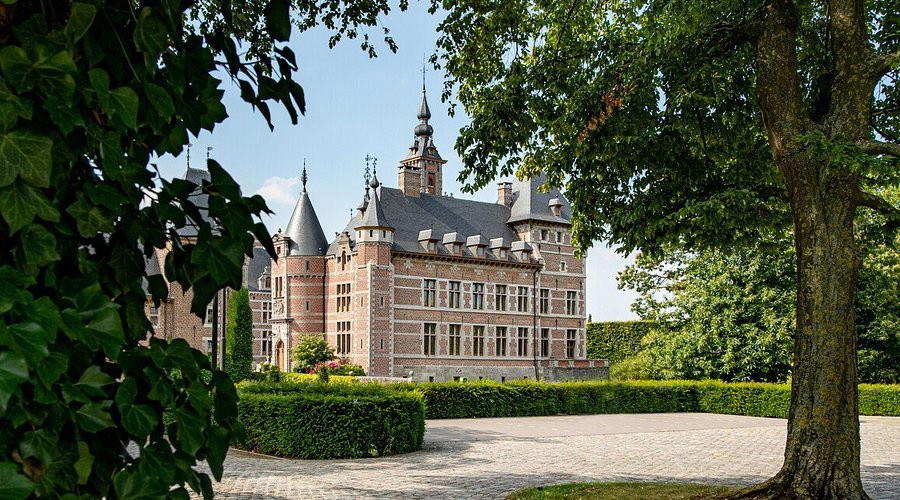
Contemporary, airy, and bright with large bay windows offering panoramic Meuse views; elegant yet relaxed atmosphere.