On Rue des Brasseurs in central Namur, 90 Degrés occupies an address that places it squarely within the city's emerging fine-dining conversation. The restaurant's multi-course format signals a kitchen working in a progressional register, where each plate builds on the logic of the last. For Wallonia, that kind of structured ambition remains rarer than the region's culinary potential deserves.
Pearl is the En Primeur Club membership app — saves, bookings, and concierge access live there. Same editors, same standards.
- Address
- Rue des Brasseurs 104/106, 5000 Namur, Belgium
- Website
- nonantedegres.be
- Directions
- Get directions
 Saves & bookings on Pearl
Rue des Brasseurs and the Shape of Namur's Table
Namur sits at the confluence of the Sambre and the Meuse, a city whose culinary identity has long lived in the shadow of Brussels and Liège. That is changing. Over the past several years, a small but coherent group of kitchens has pushed the city toward a more considered dining register, one where multi-course progression, seasonal sourcing, and technical ambition are no longer exceptions. 90 Degrés, at Rue des Brasseurs 104/106, occupies a position inside that shift. Rue des Brasseurs 104/106 places it in central Namur, close to the old town and the city's commercial core.
Namur's restaurant tier at the higher end currently includes places like Attablez-vous (Creative French) at the €€€ level and Atelier de Bossimé slightly outside the city, both of which have established a benchmark for what structured ambition looks like in this part of Wallonia. 90 Degrés enters that conversation at a moment when the category has enough depth to sustain comparison. For readers already familiar with Belgium's northern fine-dining tier, including Hof van Cleve in Kruishoutem or Boury in Roeselare, Namur represents a different register: smaller, quieter, less internationally trafficked, with a dining culture still consolidating its identity.
The Arc of the Meal
The format that defines kitchens operating in this tier, the multi-course tasting progression, is where 90 Degrés makes its clearest editorial case. In Belgian fine dining broadly, the progression model has become the dominant grammar of serious kitchens. From the coast, where restaurants like Bartholomeus in Heist build menus around North Sea produce across a structured sequence, to urban rooms like Zilte in Antwerp, the logic is consistent: a meal should build, each course advancing both flavour and narrative.
What distinguishes Wallonia's approach from Flanders, broadly speaking, is a tighter relationship with French culinary grammar. The reference points are Burgundian and Lyonnais rather than Nordic or avant-garde. Kitchens in the Namur orbit, including Basile cuisine gourmande and Bistro Camélia, operate in a seasonal-French idiom that prizes product clarity over technique as spectacle. The restaurant, positioned on the same street as the city's everyday commerce, works within that tradition. Whether the kitchen extends it or refines it is the kind of question answered by sitting at the table.
The progressive structure of a serious tasting menu, regardless of kitchen, tends to follow a logic: lighter textures and acidic notes at the open, then richer proteins through the middle, then a controlled contraction into dessert that resolves the meal rather than merely concludes it. Kitchens that understand this arc treat the menu as a single composition. Those that do not produce meals that feel like a series of disconnected plates. In Wallonia, the tradition leans toward the former, influenced by the French classical model where the meal is an argument with a beginning, a development, and a resolution.
Namur in a Belgian Context
Placing the restaurant inside a national dining map requires acknowledging how different Namur's situation is from Belgium's better-known fine-dining centres. Brussels has institutions like Bozar Restaurant and a dense international clientele. Antwerp and the Flemish coast have decades of Michelin attention and a more developed food-tourism infrastructure. Namur operates with a smaller critical mass, which changes both the economics of running a serious kitchen and the relationship a restaurant has with its guests. Tables here tend to fill with local regulars and regional visitors rather than destination travellers, which creates a different kind of accountability: the room knows the food and returns because it works, not because a guidebook said so.
That context matters for how to read any ambitious restaurant in this city. Wallonia's fine-dining tier does not yet have the density of recognition that Flemish kitchens have accumulated, but places like L'air du temps in Liernu and d'Eugénie à Emilie in Baudour demonstrate that serious cooking exists throughout the French-speaking south. The restaurant joins a roster that, taken together, suggests Wallonia's kitchens are building toward the kind of sustained critical attention the region's produce and culinary instincts have long warranted.
For international reference points, Belgium's highest-ambition kitchens share conceptual DNA with rooms like Atomix in New York City or Le Bernardin in New York City in the sense that they treat the meal as a designed sequence rather than a list of options. The execution gap between Namur and those rooms is real, but the underlying philosophy, that a meal should have structure, pace, and intention, is shared.
Planning a Visit
The restaurant is located at Rue des Brasseurs 104/106 in central Namur, within walking distance of the city's main railway station, which connects directly to Brussels in under an hour. For visitors combining a Namur dinner with broader Wallonian exploration, the city serves as a practical base: L'air du temps in Liernu is a short drive east.
Where the Accolades Land
Comparable venues nearby, for context on price, style, and recognition.
| Venue | Cuisine | Price | Notes |
|---|---|---|---|
| 90 DegrésThis venue — the venue you are viewing | Modern French Tasting Menu | $$ | Not listed |
| Le Pâtanthrope | French-Belgian Fusion | $$ | city center |
| L'O à la Bouche | Modern French Bistro | $$$ | Wépion |
| Le Panorama | Modern French with Local Products | $$$ | Citadelle |
| La Plage d'Amée | French-Belgian Fine Dining | $$$ | Jambes |
| PhilFa | Modern French Brasserie | $$ | City Centre |
At a Glance
- Modern
- Date Night
- Special Occasion
- Terrace
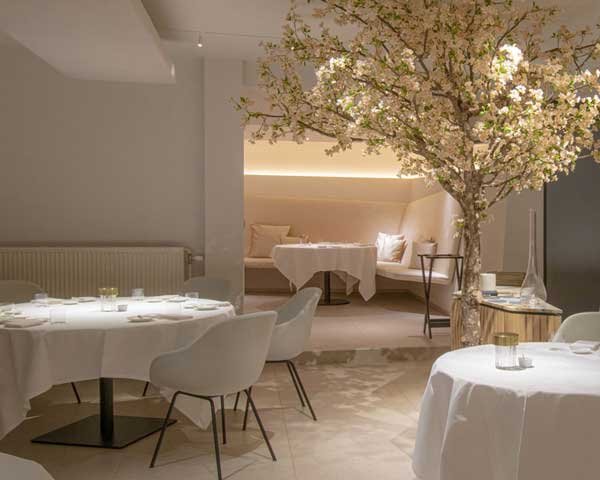
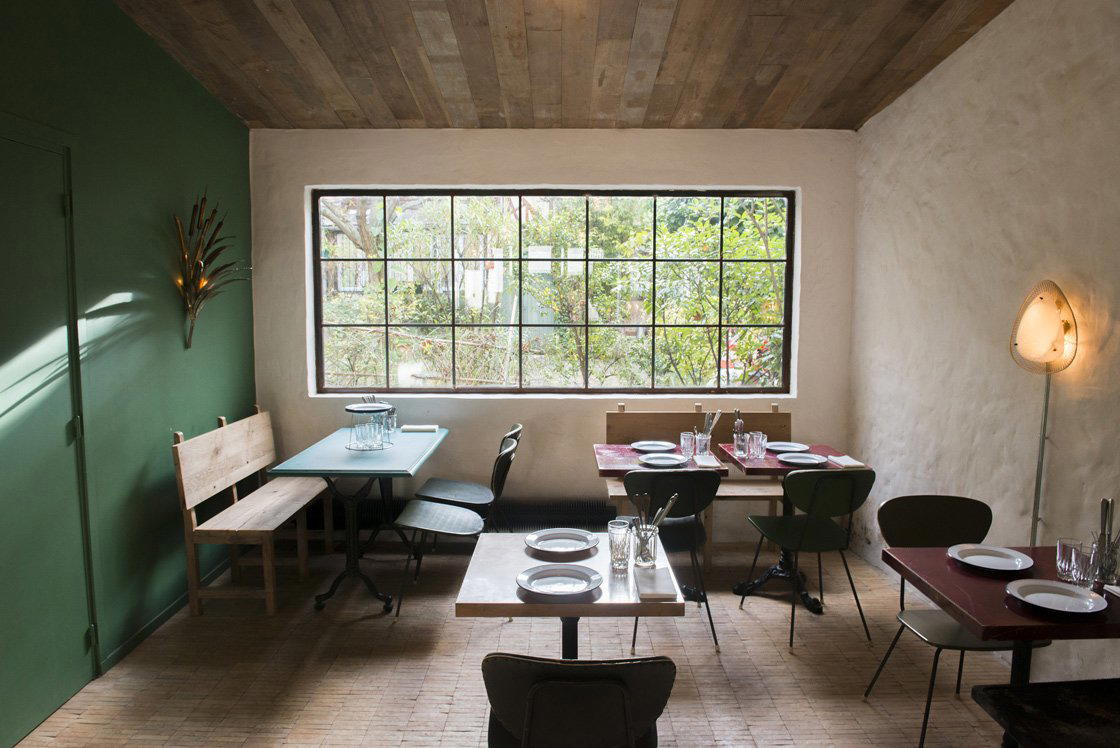
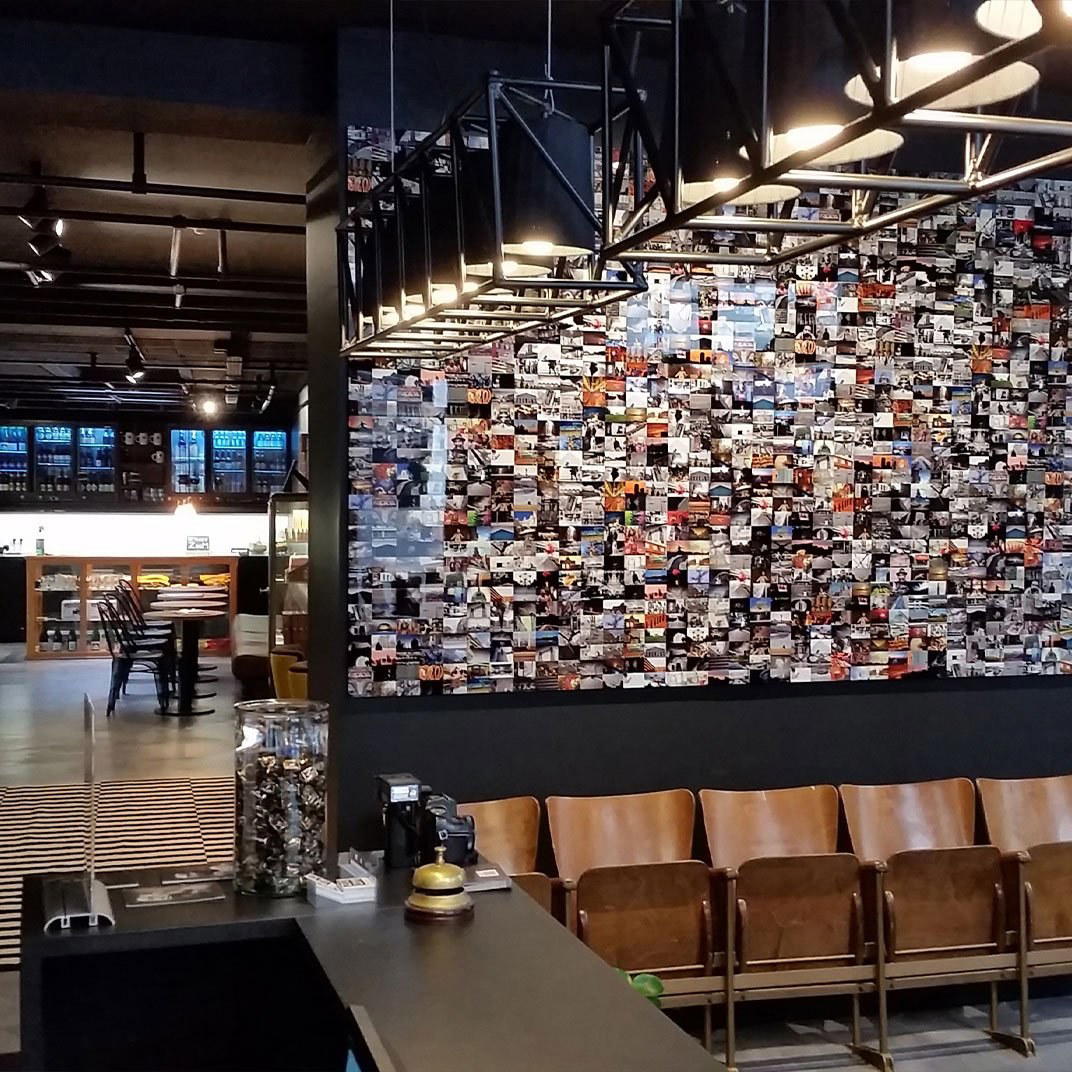
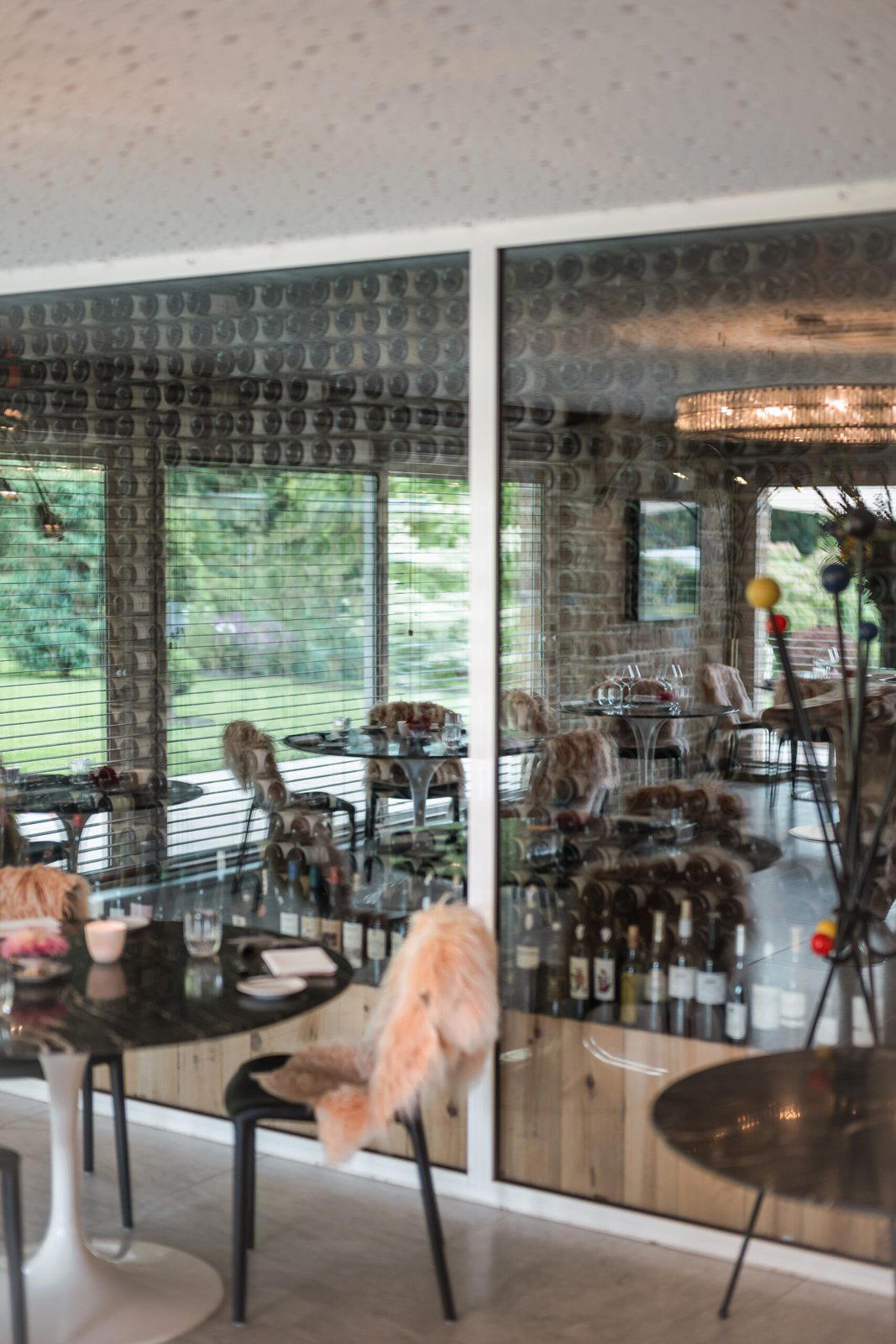
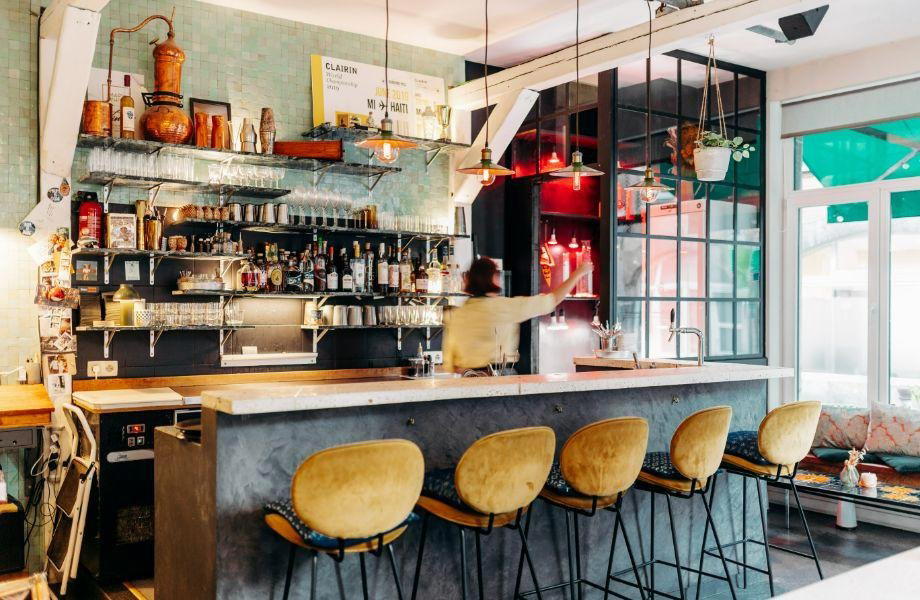
Modern and elegant with terrace seating.