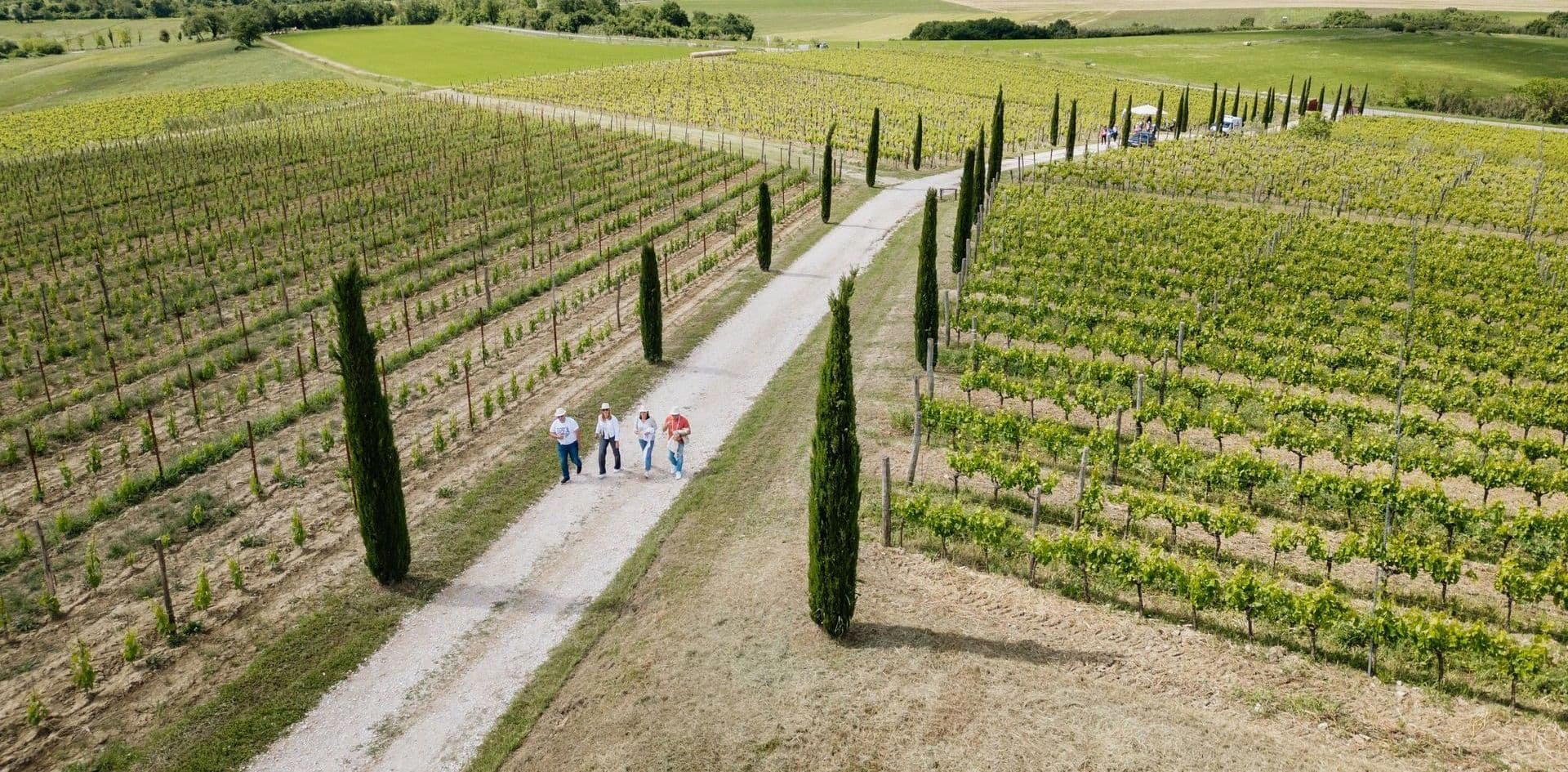
La Parenzana sits in Kastel, a village at the edge of Istria's interior wine country, where the old Parenzana railway once stitched together the peninsula's agricultural hinterland. The address, Volpija 3, Buje, places it deep in the truffle-and-olive belt that defines this corner of Croatia. For travellers moving through northwest Istria, it represents the region's quieter, produce-driven dining tradition rather than the coastal showcase circuit.
Pearl is the En Primeur Club membership app — saves, bookings, and concierge access live there. Same editors, same standards.
- Address
- Volpija 3, 52460, Buje, Croatia
- Phone
- +38552777460
- Website
- laparenzana.com
- Directions
- Get directions
 Saves & bookings on Pearl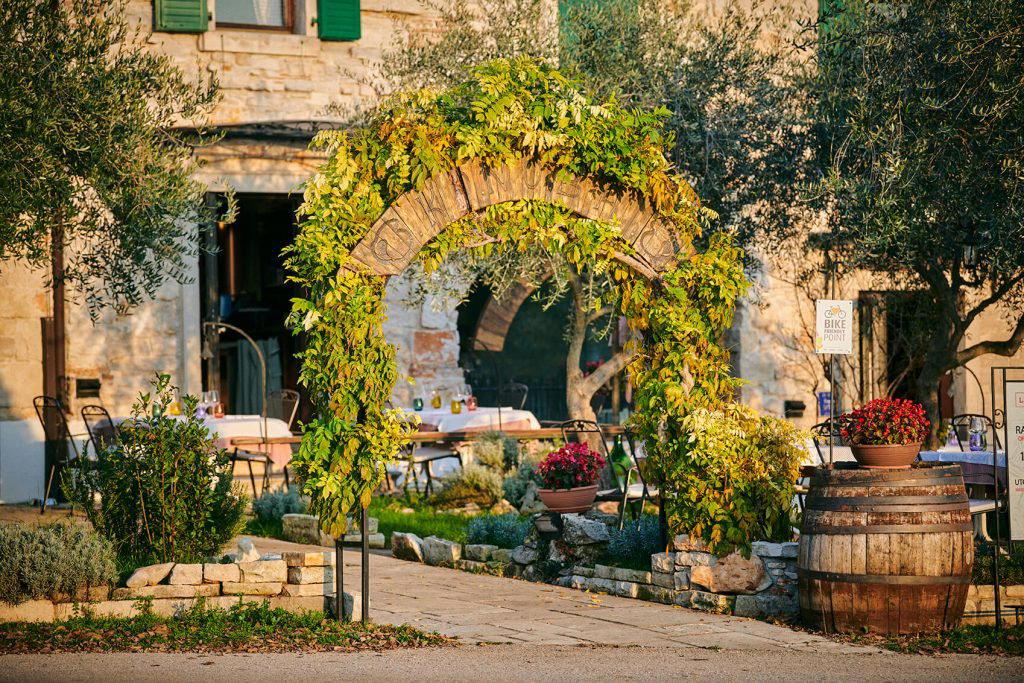
Where Istria's Interior Table Comes Into Focus
The Istrian interior has a different relationship with food than its coastline does. Along the Adriatic, dining tends toward seafood showmanship and tourist-season pricing. Inland, around the hilltop towns between Buje and Motovun, the logic shifts: truffles pulled from oak forests, olive oil pressed from groves that predate the current borders, wine from Malvazija vines planted on limestone ridges. This is the territory that La Parenzana references, both in name and in address. The restaurant takes its name from the narrow-gauge railway that ran from Trieste through Poreč to Pula between 1902 and 1935, a line that once connected the peninsula's farming villages and moved their produce to market. That history is not decoration, it is a geographic argument about where the food in this part of Istria actually comes from.
The village of Kastel sits close to Buje, which is itself one of the refined inland towns that defines the Istrian hinterland's character. The address at Volpija 3 places La Parenzana away from the coastal dining circuit entirely. Getting here requires intention: from Poreč the drive runs roughly 30 kilometres northeast into the hills; from Rovinj, plan for 45 minutes or more. That distance is the point. Restaurants in this part of Istria draw a different kind of visitor, one coming specifically for the interior's produce culture rather than stopping in between beaches.
The Parenzana Route as a Sourcing Argument
Croatia's premium restaurant tier has developed a consistent grammar around provenance in the past decade. Venues like Pelegrini in Sibenik and Agli Amici Rovinj in Rovinj have built their identities around named local suppliers and regional specificity. In Istria's inland zone, that sourcing argument is easier to make because the produce itself is harder to dismiss. White truffles from around Motovun carry a global market price and a verifiable geographic origin. Malvazija Istarska, the indigenous white variety grown on these limestone and clay soils, has accumulated enough critical attention to anchor a wine list without explanation. Istrian extra-virgin olive oil from the Buje area, including varieties like Buža and Rosinjola, has won international competition recognition. When a restaurant in this territory frames its menu around local sourcing, the claim has specific, testable content rather than being a marketing default.
This matters because ingredient sourcing in Croatian fine dining is not uniform. The country's coastline runs long and the interior short, which means that fish from the Adriatic is often the dominant category in ambitious restaurants. Restaurant 360 in Dubrovnik and LD Restaurant in Korčula operate within a seafood-forward context that reflects their coastal geography. Inland Istria's upper dining tier operates from a different pantry: funghi, game, cured meats, aged cheeses, and that dense, grassy olive oil are the anchors, with fish appearing as a secondary register rather than the headline. Understanding that distinction helps set expectations before arriving.
Northwest Istria's Dining Tier
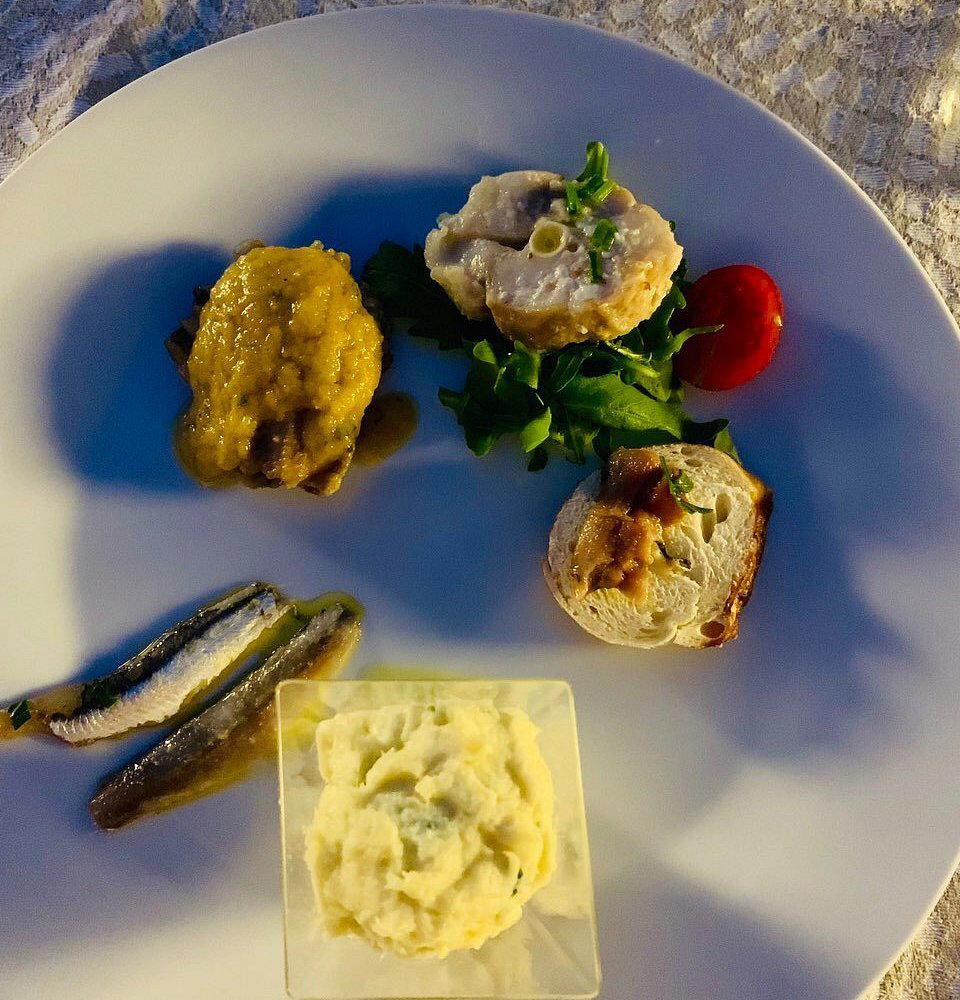
The inland Istrian restaurant category remains smaller and less internationally profiled than Croatia's coastal fine-dining circuit. That is partly a function of visitor volumes, the coast absorbs the bulk of summer tourism, and partly because the interior's appeal is harder to communicate in the compressed formats of travel media. A meal built around seasonal truffles, local prosciutto, and a glass of orange Malvazija from a producer two hillsides away does not photograph as dramatically as a sunset terrace above Dubrovnik. But among visitors who have already covered Croatia's coastal highlights, the interior's dining culture tends to generate strong returns.
Croatia's broader fine-dining geography rewards systematic exploration. Properties like Boskinac in Novalja on Pag and Nebo by Deni Srdoč in Rijeka demonstrate how the country's non-Dalmatian dining tier has developed genuine ambition. Inland Istria belongs to that same development story, drawing on its own raw material advantages rather than trying to replicate the coastal model.
For travellers building a longer Istrian itinerary, the inland zone pairs logically with time in Rovinj or Poreč on the coast. The Alfred Keller in Mali Lošinj and Cubo in Opatija represent the Kvarner Bay dining tier for those moving north, while Dubravkin Put in Zagreb and Korak in Jastrebarsko cover the continental interior further east. The range of registers across those venues, from Krug in Split to Burin in Crikvenica to Cantilly Garden Restaurant in Samobor, illustrates how Croatia's dining scene has diversified well beyond its most photogenic coastal addresses. Even Bodulo in Pag, BioMania Bistro Bol in Bol, and the produce-forward BioMania Bistro signal a national move toward ingredient specificity that inland Istria has pursued longer than most regions.
Planning Your Visit
La Parenzana is located at Volpija 3, 52460 Buje, Croatia, in the Kastel area of northwest Istria. Reservations are recommended. The inland Istrian season runs longest from late spring through October, with the autumn truffle months, October and November, representing the period when the region's signature ingredient is at peak availability. Visiting during the shoulder season, before the summer peaks of July and August, often means quieter roads through the Istrian hill towns and more flexibility at tables across the area.
- Truffle pasta
- Istrian ham and cheese
- Chicken liver pâté
- Grilled octopus
- Beef carpaccio
- Homemade fuži pasta with truffles
A Quick Peer Check
Comparable venues nearby, for context on price, style, and recognition.
| Venue | Cuisine | Price | Notes |
|---|---|---|---|
| La ParenzanaThis venue — the venue you are viewing | Contemporary Mediterranean with Istrian Influences | $$ | Not listed |
| Peterokutna Kula | Modern Istrian Seafood | $$ | Old Town |
| Hotel & Restoran Degenija | Traditional Croatian Regional Grill | $$ | Selište Drežničko, Rakovica |
| 2. peron | Istrian Trattoria & Pizzeria | $$ | Cerovlje |
| Kali | Traditional Croatian Seafood | $$ | Medveja |
| Konoba Volta | Traditional Croatian & Gorski Kotar Game Cuisine | $$ | Fuzine |
Continue exploring
More in Kastel
Restaurants in Kastel
Browse all →
Bars in Kastel
Browse all →
Hotels in Kastel
Browse all →

At a Glance
- Romantic
- Scenic
- Rustic
- Elegant
- Cozy
- Date Night
- Family
- Group Dining
- Special Occasion
- Terrace
- Garden
- Historic Building
- Private Dining
- Extensive Wine List
- Beer Program
- Farm To Table
- Local Sourcing
- Organic
- Garden
- Vineyard
Current opening hours
- Monday
- Closed
- Tuesday
- 12–10 PM
- Wednesday
- 12–10 PM
- Thursday
- 12–10 PM
- Friday
- 12–10 PM
- Saturday
- 12–10 PM
- Sunday
- 12–10 PM
Hours can change for holidays and private events. Last verified .
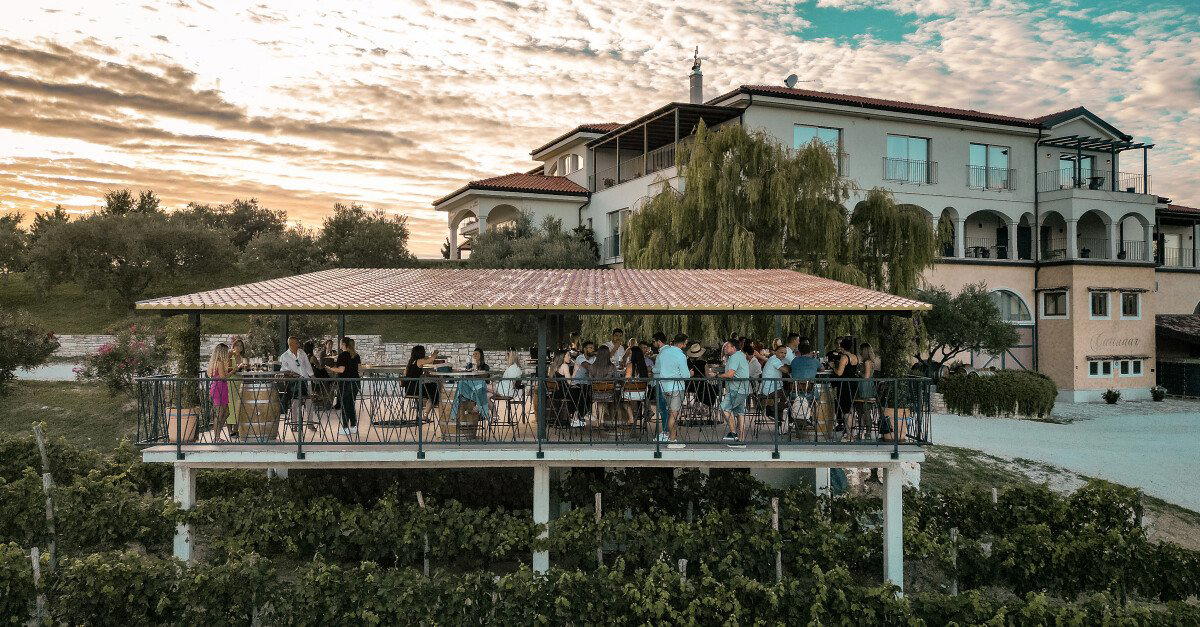
Warm and welcoming with elegant rustic charm; candlelit terrace dining beneath trees in summer, cozy interior with wood and stone details, local artwork displayed throughout.