Set on the ancient Roman Decumanus in Poreč's walled old town, Peterokutna Kula occupies among the more historically loaded addresses in Istria. The restaurant draws on the Adriatic's coastal larder within a setting shaped by centuries of Venetian and Roman overlay, placing it among the more atmospheric dining options in a town better known for its basilica than its table.
Pearl is the En Primeur Club membership app — saves, bookings, and concierge access live there. Same editors, same standards.
- Address
- Ul. Decumanus 1a, 52440, Poreč, Croatia
- Phone
- +385993465055
- Website
- kula-porec.com.hr
- Directions
- Get directions
 Saves & bookings on Pearl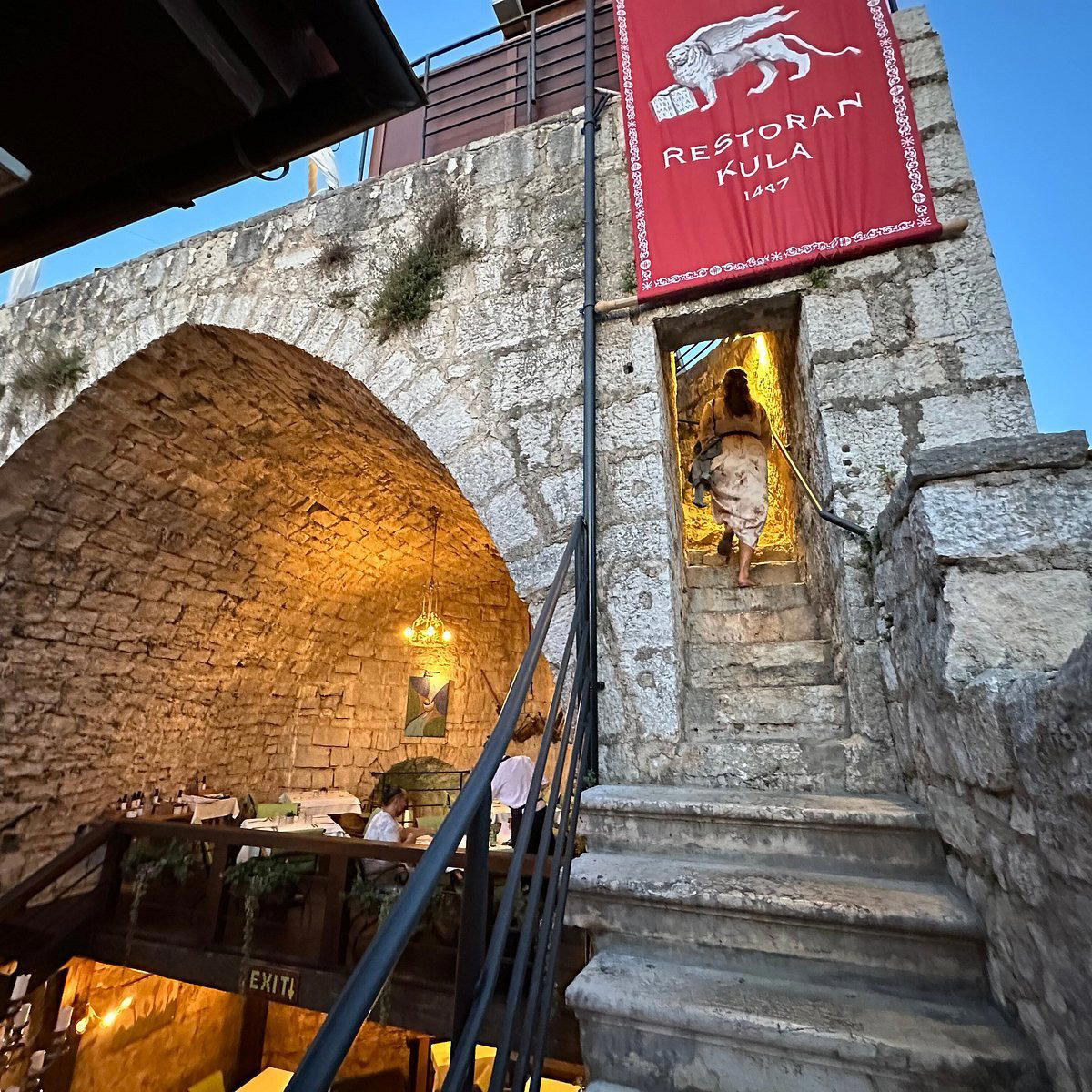
Dining on the Decumanus: What Poreč's Roman Grid Means for the Table
The address alone does much of the work at Peterokutna Kula. Ul. Decumanus 1a places this restaurant directly on the primary east-west spine of Poreč's Roman street plan, a grid laid down in the first century and still legible in the compressed lanes and stone facades of the old town peninsula. In Istria, historical layering is a given, but few dining rooms sit this literally inside it. The basilica of Euphrasius, a UNESCO World Heritage site, stands within a short walk; the Adriatic frames the western edge of the peninsula. For anyone arriving by foot through the old town, the approach is as much about sequence of stone, archway, and salt-air as it is about destination.
That physical context matters editorially because it shapes the competitive comparable set. Poreč's old town dining scene divides broadly between tavern-format konobas oriented toward grilled fish and local wine, and more structured restaurants that use the setting as a frame for refined Istrian cooking. Venues such as Artha, Divino, and Fora Le Porte represent different points along that continuum. Peterokutna Kula's position on the Decumanus, with its reference to the Roman tower (kula) that punctuates the old town walls, signals an alignment with the setting-conscious tier of that scene.
The Istrian Coastal Kitchen: What the Region Puts on the Plate
Istria's food identity runs on a short list of defining ingredients: white truffles from the interior forests around Buzet and Motovun, olive oil from the peninsula's groves, hand-rolled pasta (fuži, pljukanci), and fish and shellfish drawn from the northern Adriatic. The regional kitchen is not elaborate in its technique, but it is specific in its sourcing, and the leading tables in the area treat that specificity as a point of distinction rather than a marketing convenience.
In coastal towns like Poreč, the split between inland and sea ingredients defines the menu logic. A kitchen that takes both seriously will move between truffle-enriched pasta and grilled bream or scampi without treating either as an afterthought. The wine program in this corner of Istria typically anchors on Malvazija Istarska, the region's dominant white varietal, and Teran, the indigenous red that runs through the peninsula and into Slovenia. Both reward food pairing in different directions: Malvazija's oxidative, herbal edge against shellfish or lighter pasta dishes; Teran's iron-mineral backbone against richer meat preparations.
For context on how Istria's coastal restaurants position against Croatia's broader fine-dining circuit, the reference points include Agli Amici Rovinj in Rovinj, which operates at the Michelin-starred tier of Istrian cooking, and Boskinac in Novalja, which pairs its kitchen with an estate winery. Further along the Adriatic coast, Pelegrini in Sibenik and Restaurant 360 in Dubrovnik represent the award-recognized tier of Dalmatian dining. Poreč's table, by contrast, operates at a more accessible pitch: ambitious enough in its sourcing but without the formal tasting-menu architecture that defines the starred circuit.
Old Town Atmosphere: Stone Walls and the Tourist Season Variable
Poreč receives significant summer tourism pressure, concentrated between late June and early September. The old town peninsula absorbs most of that traffic, and restaurants on or immediately adjacent to the Decumanus operate in a different seasonal rhythm than venues set back from the main flow. Summer evening service on the peninsula is defined by outdoor terraces, ambient noise from passing pedestrians, and the particular quality of light that the Adriatic towns share: low-angled, warm, and extending late into the evening in July and August.
The practical reading of this is that shoulder season, particularly May, early June, and October, delivers a materially different experience. Tables are easier to secure without advance planning, the pace of service adjusts, and the composition of other diners shifts toward visitors who are choosing Poreč deliberately rather than arriving as part of mass summer itineraries. Across Istria, October is also harvest and truffle season, which amplifies the relevance of the inland ingredient story on menus throughout the region.
Within Poreč's dining options, Hrast and Konoba aba represent the konoba end of the local spectrum.
Planning a Visit: What to Know Before You Go
The Decumanus address is pedestrian-only, so arrival is on foot through the old town gates. The nearest parking is outside the walled peninsula, and in peak summer the walk through the old town is unavoidable but short. For visitors combining dinner with the Euphrasius Basilica or a walk along the western seafront, Peterokutna Kula sits within that circuit without requiring a separate journey across town. As with most old-town Poreč restaurants, checking directly for reservation availability in July and August is advisable; shoulder-season visitors will find less pressure on tables. Reservations are recommended.
Those building a broader Istrian or Croatian dining itinerary should note that the regional context extends north to Nebo by Deni Srdoč in Rijeka, south through the Dalmatian coast to LD Restaurant in Korčula and Krug in Split, and inland to Dubravkin Put in Zagreb and Korak in Jastrebarsko. For a sense of scale against internationally recognized dining, Alfred Keller in Mali Lošinj anchors the island-dining segment of the Kvarner region. At the global reference tier, Le Bernardin in New York City and Atomix in New York City illustrate the benchmark that Croatian fine dining increasingly measures itself against, even if the format and price point differ substantially.
A Minimal comparable set
Comparable venues nearby, for context on price, style, and recognition.
| Venue | Cuisine | Price | Notes |
|---|---|---|---|
| Peterokutna KulaThis venue — the venue you are viewing | Old Town, Modern Istrian Seafood | $$ | Not listed |
| Konoba aba | Not listed | $$ | Porec Old Town, Authentic Istrian Seafood & Truffle |
| Fora Le Porte | city center, Modern Istrian Bistro | $ | Not listed |
| Konoba Ćakula | Poreč, Istrian Seafood & Mediterranean | $$ | Not listed |
| Hrast | Poreč Old Town, Mediterranean Seafood | $$ | Not listed |
| Artha | Not listed | $$ | Old Town Porec, Istrian Vegan & Vegetarian Bistro |
Continue exploring
More in Porec
Restaurants in Porec
Browse all →
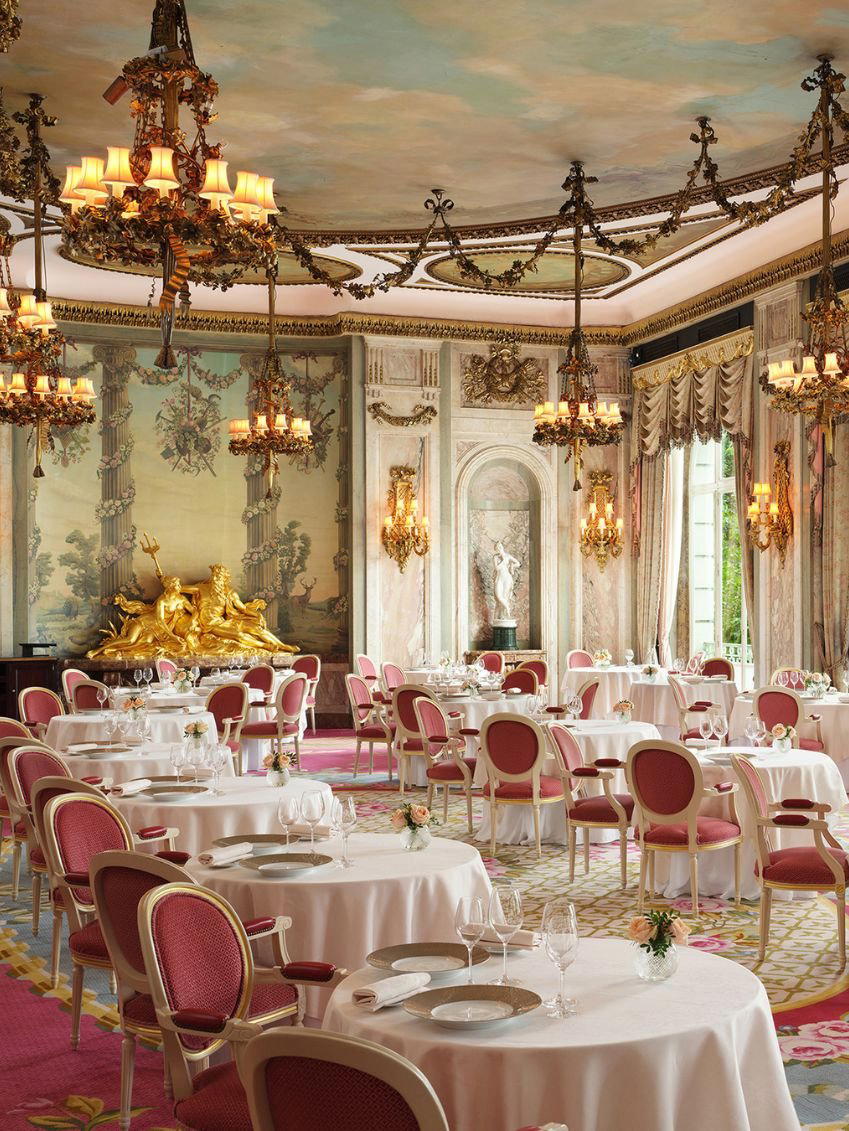
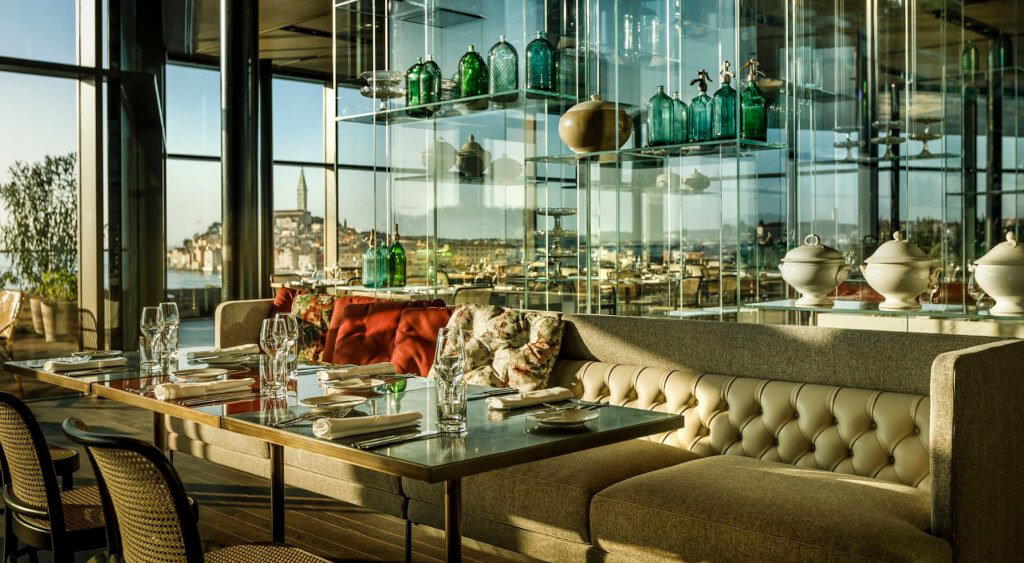
Bars in Porec
Browse all →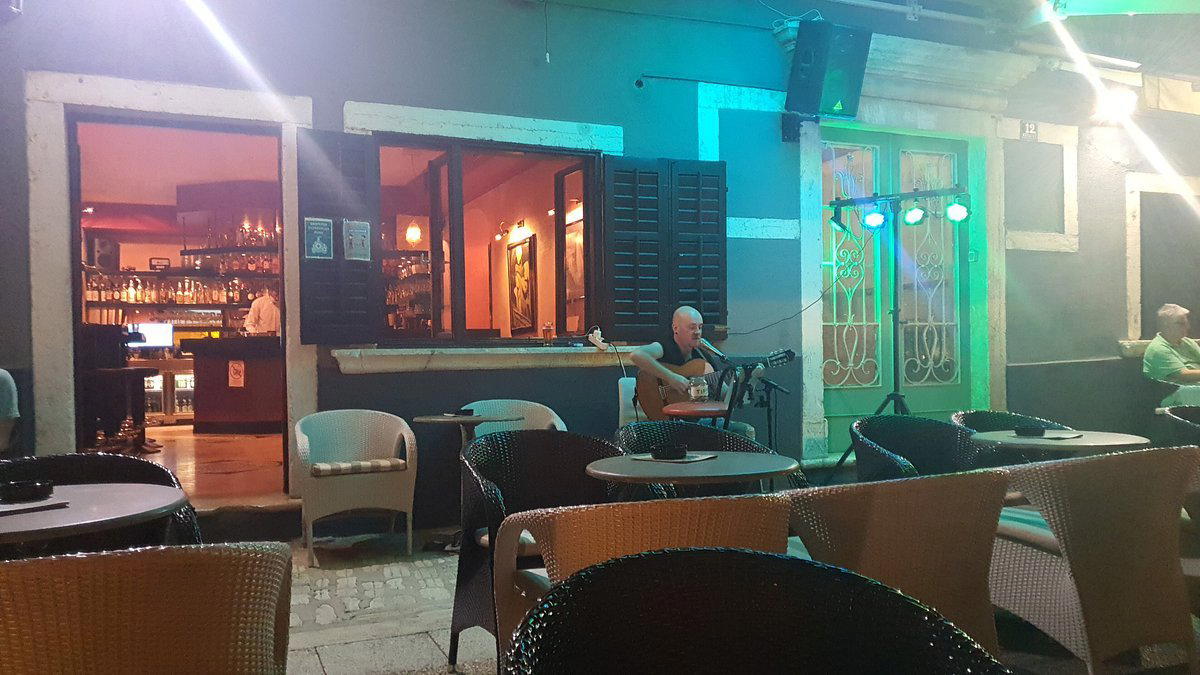
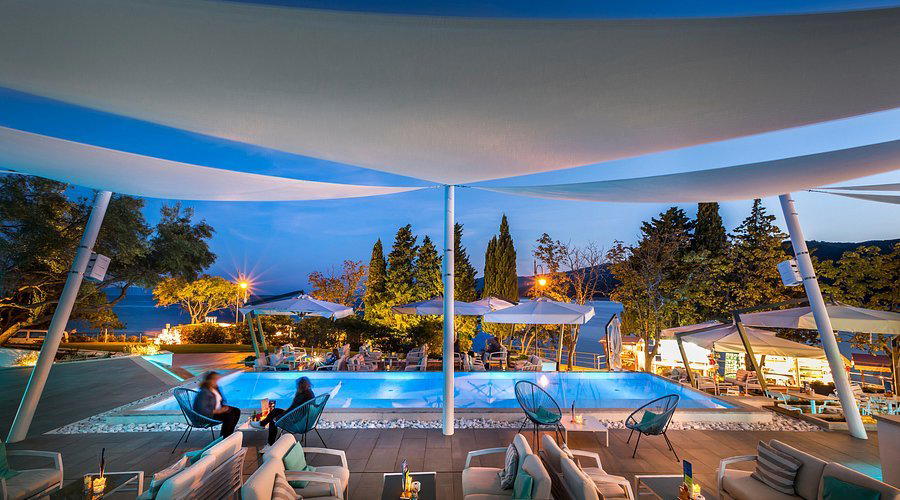
Hotels in Porec
Browse all →

At a Glance
- Historic
- Scenic
- Intimate
- Elegant
- Date Night
- Special Occasion
- Historic Building
- Terrace
- Panoramic View
- Extensive Wine List
- Local Sourcing
- Street Scene
Current opening hours
- Monday
- 12 PM–12 AM
- Tuesday
- 12 PM–12 AM
- Wednesday
- 12 PM–12 AM
- Thursday
- 12 PM–12 AM
- Friday
- 12 PM–12 AM
- Saturday
- 12 PM–12 AM
- Sunday
- 12 PM–12 AM
Hours can change for holidays and private events. Last verified .
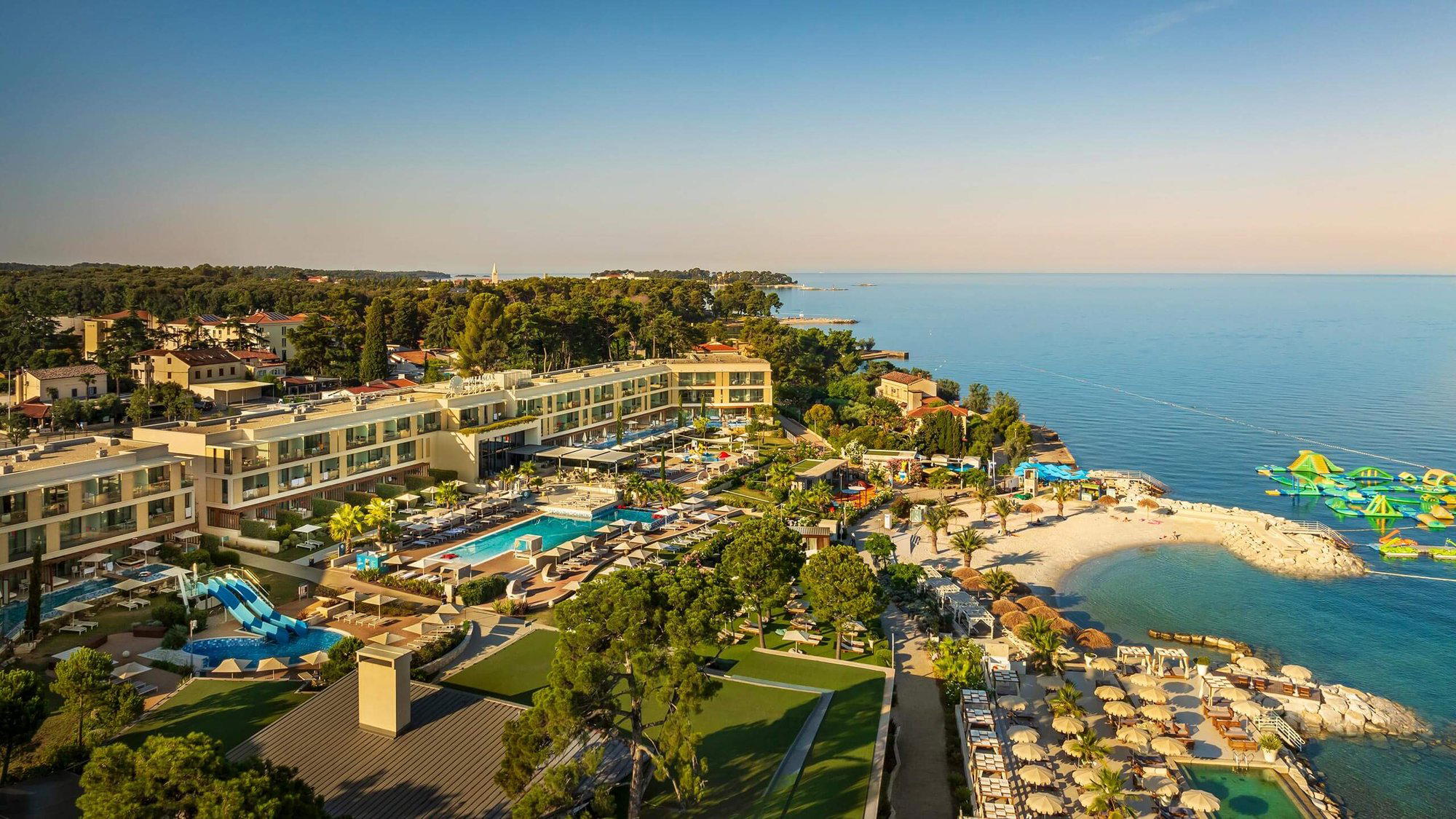
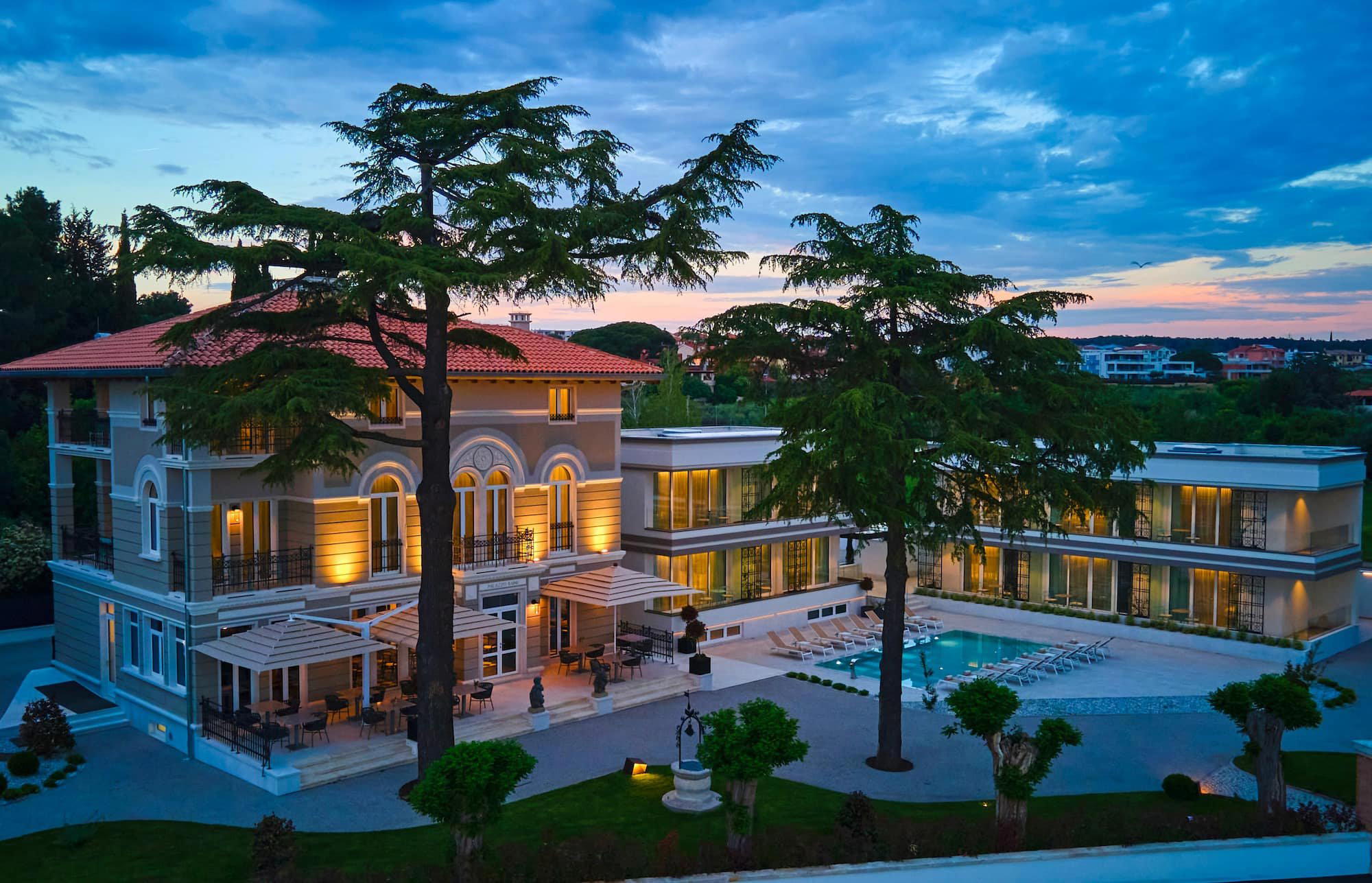
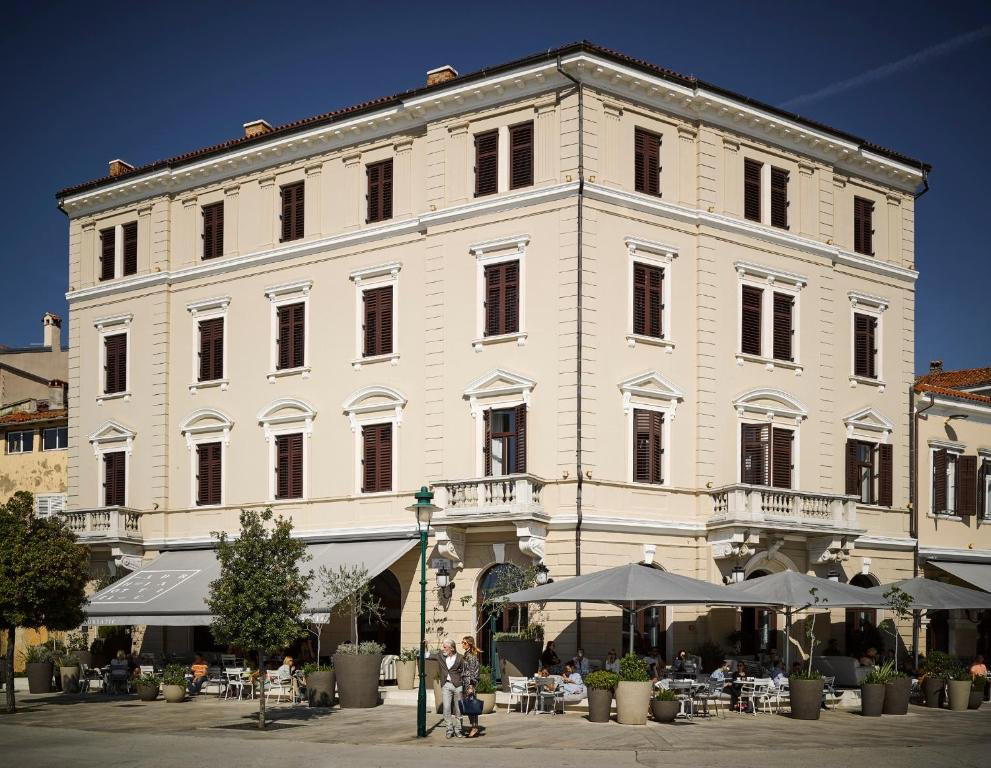
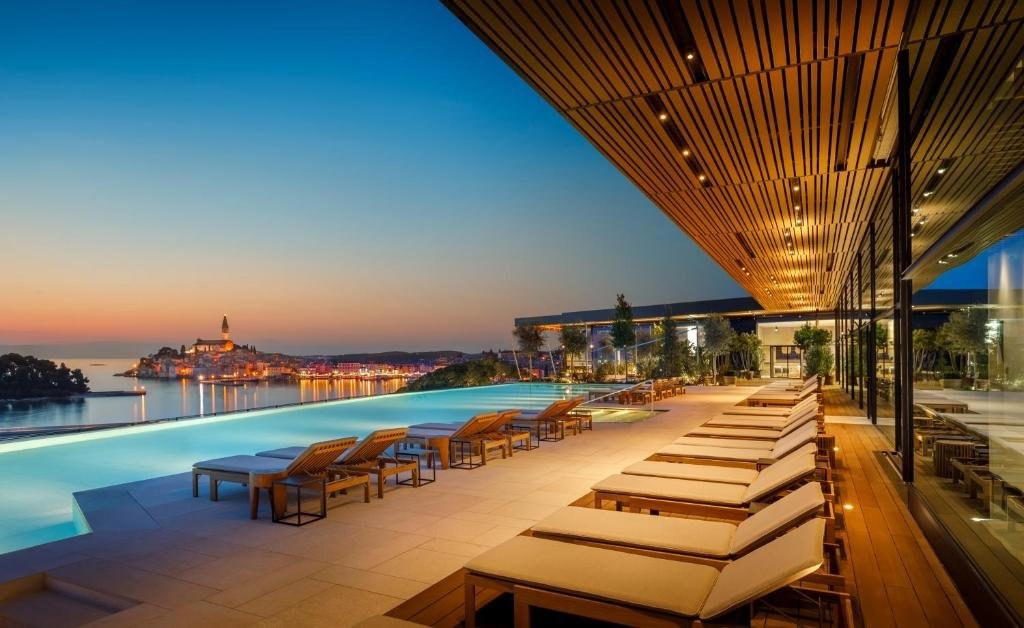
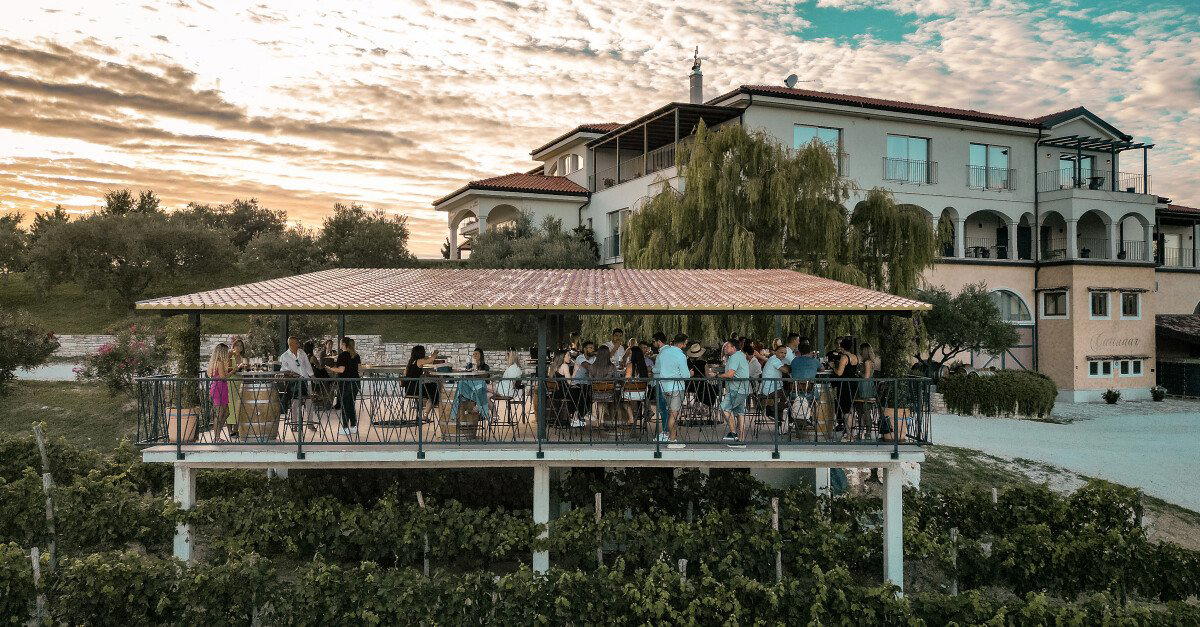
Pleasantly restored historic space with intimate gothic architecture, panoramic terrace views at sunset, and varied dining areas.