Kali serves Traditional Croatian Seafood on a waterfront terrace in Medveja, with local sourcing and a leisurely pace for lunch or dinner.
Pearl is the En Primeur Club membership app — saves, bookings, and concierge access live there. Same editors, same standards.
- Address
- Kali 39a, 51415, Medveja, Croatia
- Phone
- +385992146181
- Website
- konobakali.hr
- Directions
- Get directions
 Saves & bookings on Pearl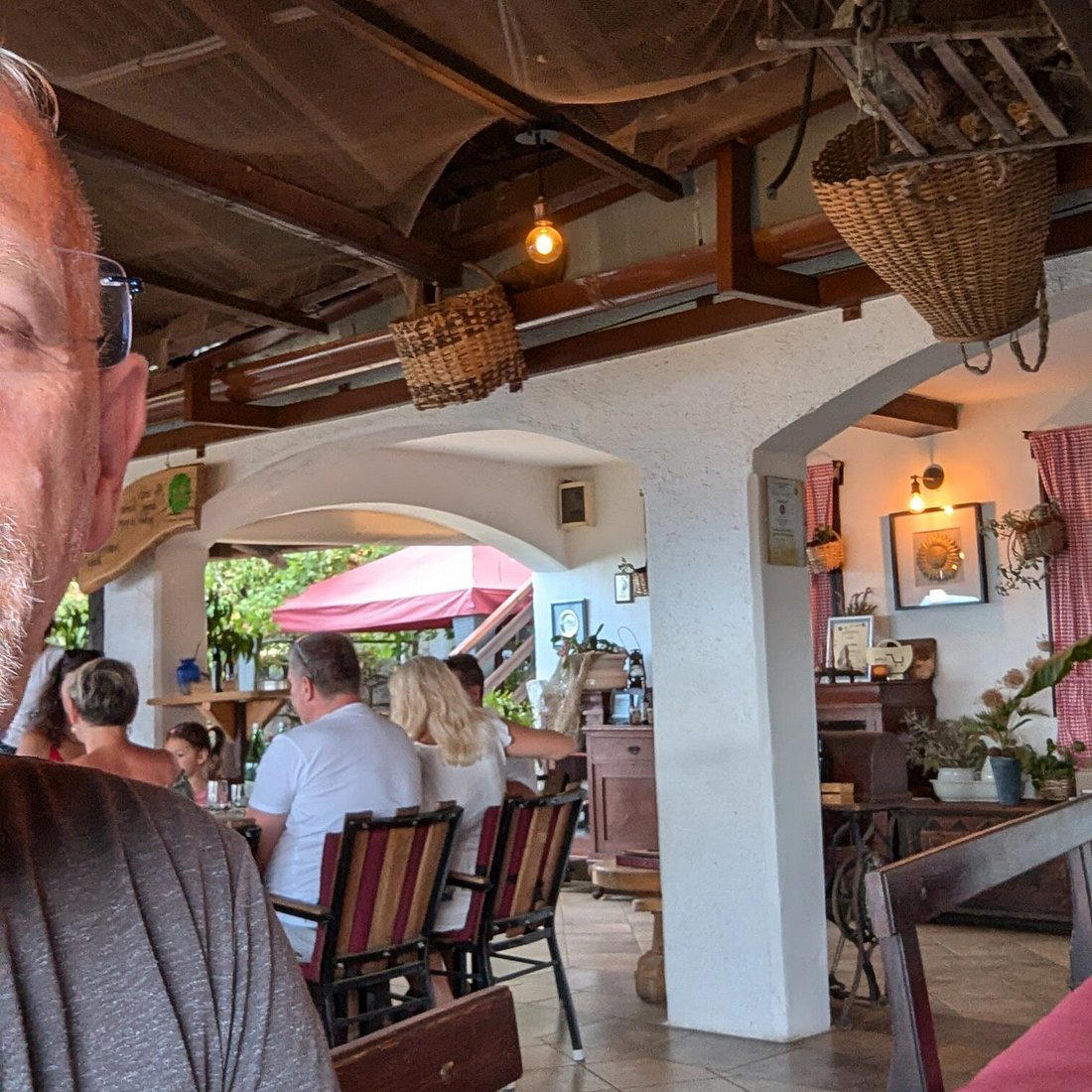
Where the Kvarner Gulf Meets the Plate
Medveja sits on a short pebble beach tucked between the limestone hillsides of the Kvarner Riviera, roughly midway between Lovran and Mošćenička Draga on Croatia's northern Adriatic coast. It is a small settlement rather than a resort town, which shapes every dining expectation. Restaurants here do not compete with the polished rooms of Opatija a few kilometres north, where Cubo in Opatija sets a urbane benchmark. Instead they answer to the village itself: its fishing quay, its market gardens on the slopes above, and the daily rhythms of a coastline that has supplied Kvarner kitchens for generations. Kali, at address 39a on that same coastal strip, is a restaurant serving Traditional Croatian Seafood.
The Ingredient Logic of the Kvarner Coast
The strongest editorial argument for any restaurant in this part of Croatia is not the room or the reputation, it is proximity to source. The Kvarner Gulf produces some of the Adriatic's most referenced seafood: Kvarner scampi (škampi) have held a geographic identity long before provenance became a marketing term, prized for a sweetness attributed to the cold, deep channels between Cres, Lošinj, and the mainland. Sea bream and sea bass from these waters move from net to kitchen within hours rather than days. That compression in supply chain alters what a cook can actually do with a fish, not as a philosophical position but as a practical advantage that restaurants further inland, in Zagreb or even Rijeka, cannot replicate without logistics.
This is the context in which Kali operates. A restaurant at a Medveja address is working with one of the shortest possible farm-to-fork distances on the Croatian coast. The hillside terraces above the Lovran area have historically supplied citrus, chestnuts, and stone fruits; the sea below supplies the protein. That combination anchors the Kvarner cuisine tradition more specifically than the broader Dalmatian template that dominates Croatian dining internationally. Pelegrini in Sibenik and Restaurant 360 in Dubrovnik both work within Mediterranean sourcing frameworks, but their competitive sets, their price points, and their award profiles place them in a different tier from the village-scale rooms of the Kvarner Riviera. Kali's relevant comparison is not those rooms but the mid-coast tradition of ingredient-led, unfussy Adriatic cooking found at places like Burin in Crikvenica, just up the coast toward Rijeka.
Setting and Approach
Medveja's physical scale means that arriving at Kali is not an event with a dramatic approach or a notable facade to photograph. The village is genuinely small: a beach, a car park, a handful of buildings pressed between the water and the forested slope. What that lack of scale delivers is directness. There is no layered tourist infrastructure to pass through. The sea is immediately present, audible and visible, which in practical terms means any restaurant on this strip is selling proximity as much as it is selling the plate. That is not a criticism, proximity to the Adriatic is a legitimate asset in coastal Croatian dining, and one the leading addresses in the region consciously maintain rather than mask with interior theatrics.
For a point of contrast, Nebo by Deni Srdoč in Rijeka operates in a city setting with a more structured fine-dining framework and the kind of culinary credentials that draw broader regional attention. Kali's register sits below that tier, in the tradition of coastal konobas and informal Adriatic tables that prioritise the material quality of the catch over the architecture of the service.
Sourcing as the Central Argument
Across Croatia's premium dining scene, ingredient sourcing has become the dominant critical conversation. Boskinac in Novalja on Pag Island has built a reputation partly on its estate-grown produce and the island's own lamb and cheese. Agli Amici Rovinj in Istria brings a cross-border Italian sensibility to local Istrian ingredients. Alfred Keller in Mali Lošinj works within the same Kvarner island geography as Kali's supply chain. What these rooms share is a willingness to let the provenance of the raw material carry significant editorial weight on the menu. The same logic applies at the village scale in Medveja. A restaurant in this location that is not orienting itself around local catch and coastal produce is working against its own geography.
Beyond seafood, the Lovran hinterland contributes to a larder that has historically been underrepresented in Croatian restaurant writing. The chestnut festival in Lovran every October signals the depth of the area's agricultural identity, and terraced olive groves between Medveja and Mošćenička Draga add a local oil dimension that distinguishes the cooking from Dalmatian olive production further south. LD Restaurant in Korčula and Bodulo in Pag both work with island-specific ingredient identities; the Kvarner Riviera's identity is no less distinct, simply less marketed.
Planning Your Visit
Medveja is accessible by car from Opatija in under twenty minutes via the coastal road, and the village has limited parking that fills quickly in July and August. Those months also represent peak season on the Kvarner Riviera, when any worthwhile coastal table operates under pressure. Visiting in late spring or September allows the same quality of local produce and catch with meaningfully fewer covers competing for attention. For context on the broader regional restaurant circuit, our full Medveja restaurants guide maps the options at this end of the coast. Those planning a wider Croatian itinerary might also note that Dubravkin Put in Zagreb, Korak in Jastrebarsko, and Cantilly Garden Restaurant in Samobor represent the inland Croatian dining tradition, while Krug in Split and BioMania Bistro Bol in Bol anchor the Dalmatian coast further south. For those using Croatia as a stop within a broader European food itinerary, the gap between village-scale Adriatic cooking and the technical ambition of rooms like Le Bernardin in New York City or Atomix in New York City is a useful reminder of how differently sourcing philosophies translate across contexts and price tiers.
Comparison Snapshot
Comparable venues nearby, for context on price, style, and recognition.
| Venue | Cuisine | Price | Notes |
|---|---|---|---|
| KaliThis venue — the venue you are viewing | Traditional Croatian Seafood | $$ | Not listed |
| Corto Magarese | Mediterranean | $$ | Vis |
| Don Dino Restaurant | Modern Dalmatian Seafood | $$ | Trogir Old Town |
| Karaka | Croatian Mediterranean Seafood | $$ | Krk |
| Konoba Volta | Traditional Croatian & Gorski Kotar Game Cuisine | $$ | Fuzine |
| Marina | Traditional Mediterranean Seafood & Istrian Cuisine | $$ | Kukci |
Continue exploring
More in Medveja
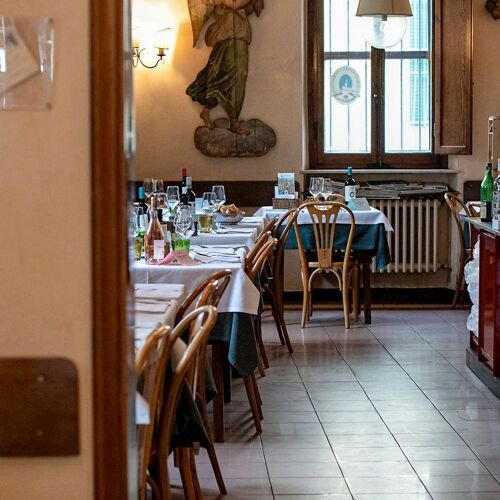
Restaurants in Medveja
Browse all →
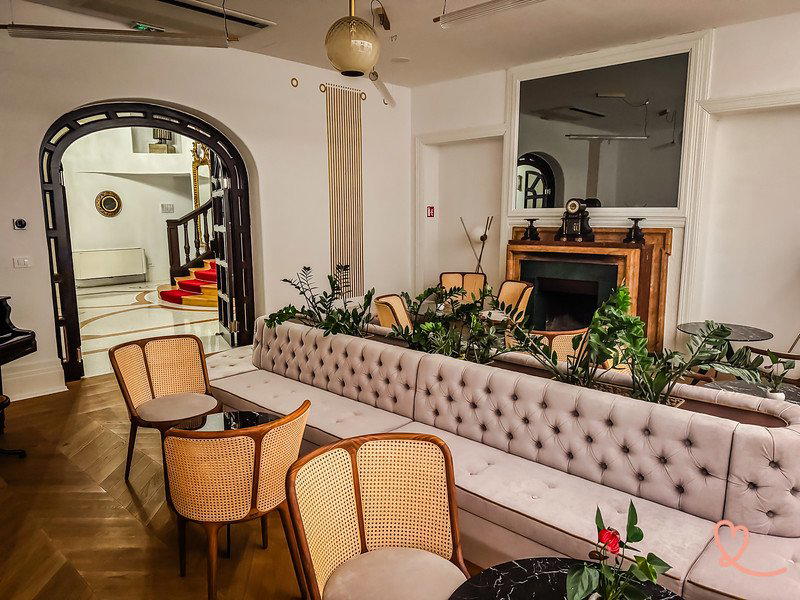
Bars in Medveja
Browse all →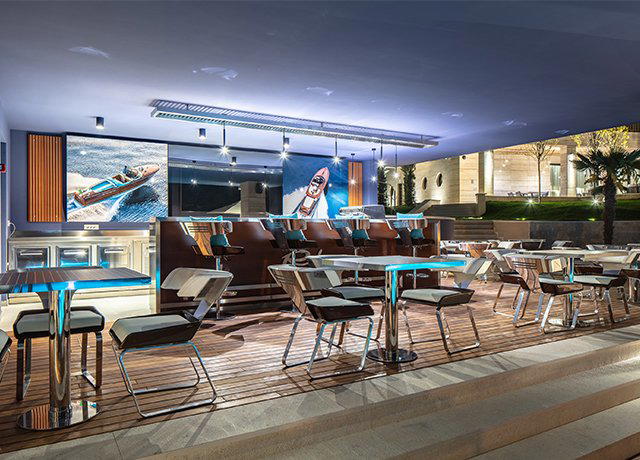
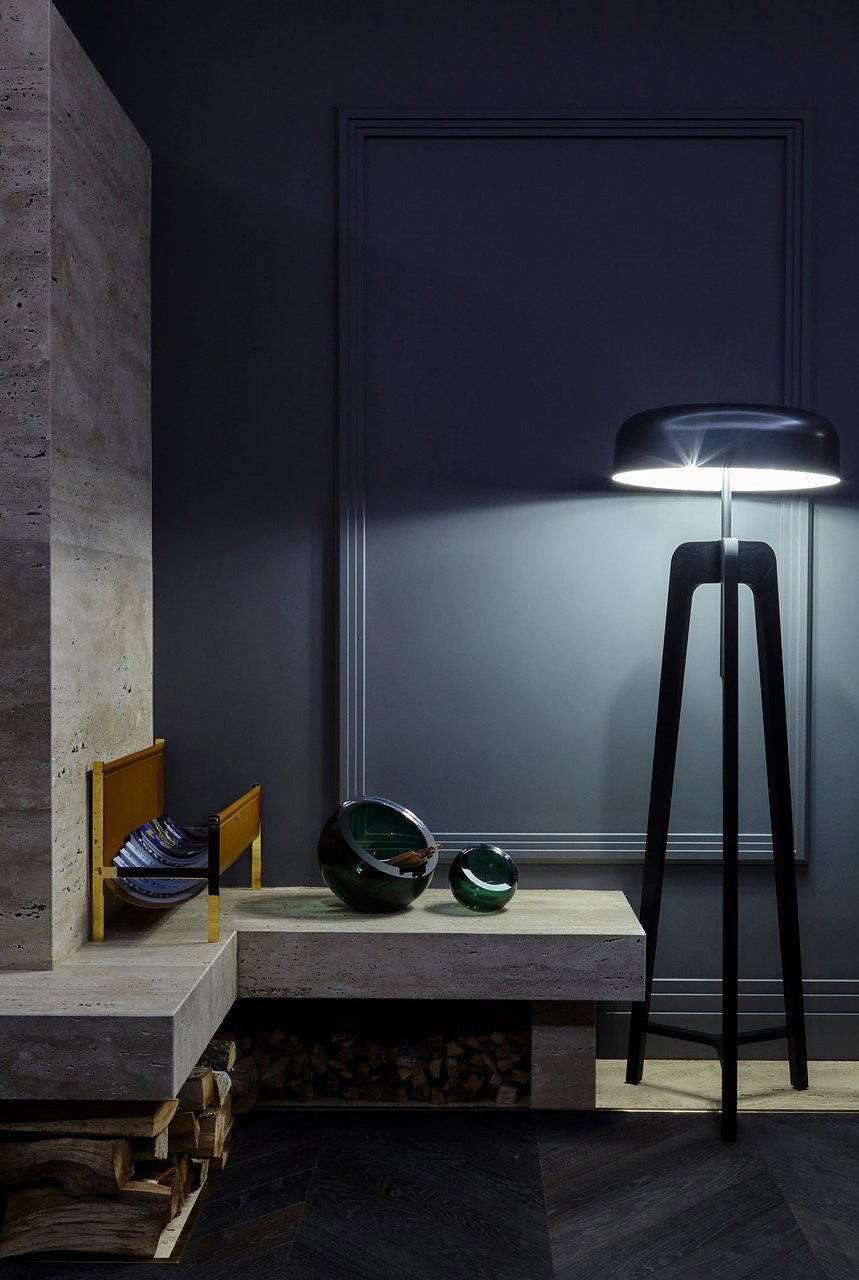
Hotels in Medveja
Browse all →

At a Glance
- Rustic
- Cozy
- Scenic
- Intimate
- Family
- Casual Hangout
- Special Occasion
- Terrace
- Waterfront
- Local Sourcing
- Waterfront
Current opening hours
- Monday
- 9 AM–4 PM
- Tuesday
- 9 AM–4 PM
- Wednesday
- 9 AM–4 PM
- Thursday
- 9 AM–4 PM
- Friday
- 9 AM–4 PM
- Saturday
- Closed
- Sunday
- Closed
Hours can change for holidays and private events. Last verified .
Cozy village atmosphere with terrace seating enjoying sea views, intense red sunsets, and a warm family welcome.