
Falstaff Winery - Listed
Clai is a small Istrian wine estate near Buje, framed by vineyards, olive trees, limestone flysch soils and Adriatic influence. The draw is terroir-led natural winemaking: organic farming, estate-grown fruit, native varieties such as Malvazija Istarska, Refošk and Teran, and a cellar approach built around spontaneous fermentation, large wood and minimal additions.

Pearl is the En Primeur Club membership app — saves, bookings, and concierge access live there. Same editors, same standards.
- Address
- Buje, Istarska županija, Kroatien
- Directions
- Get directions

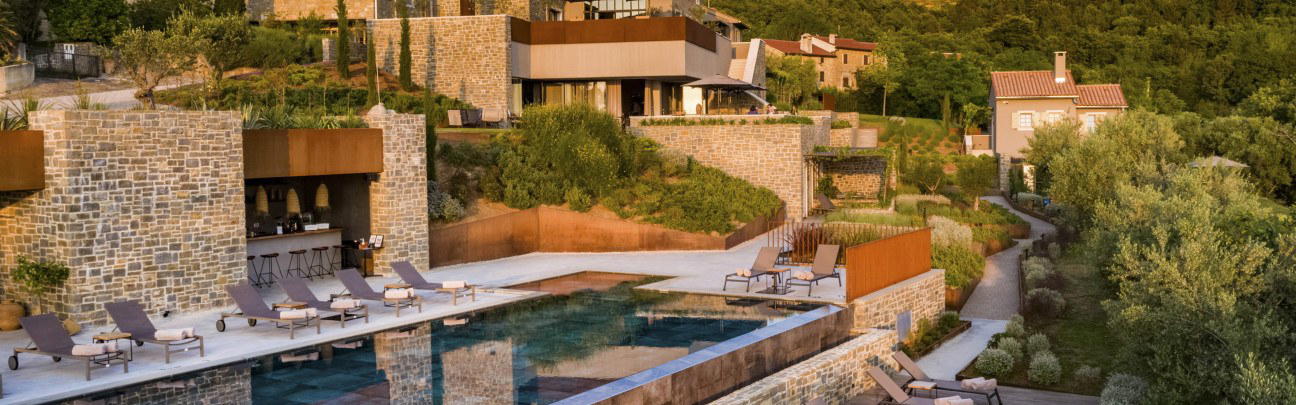
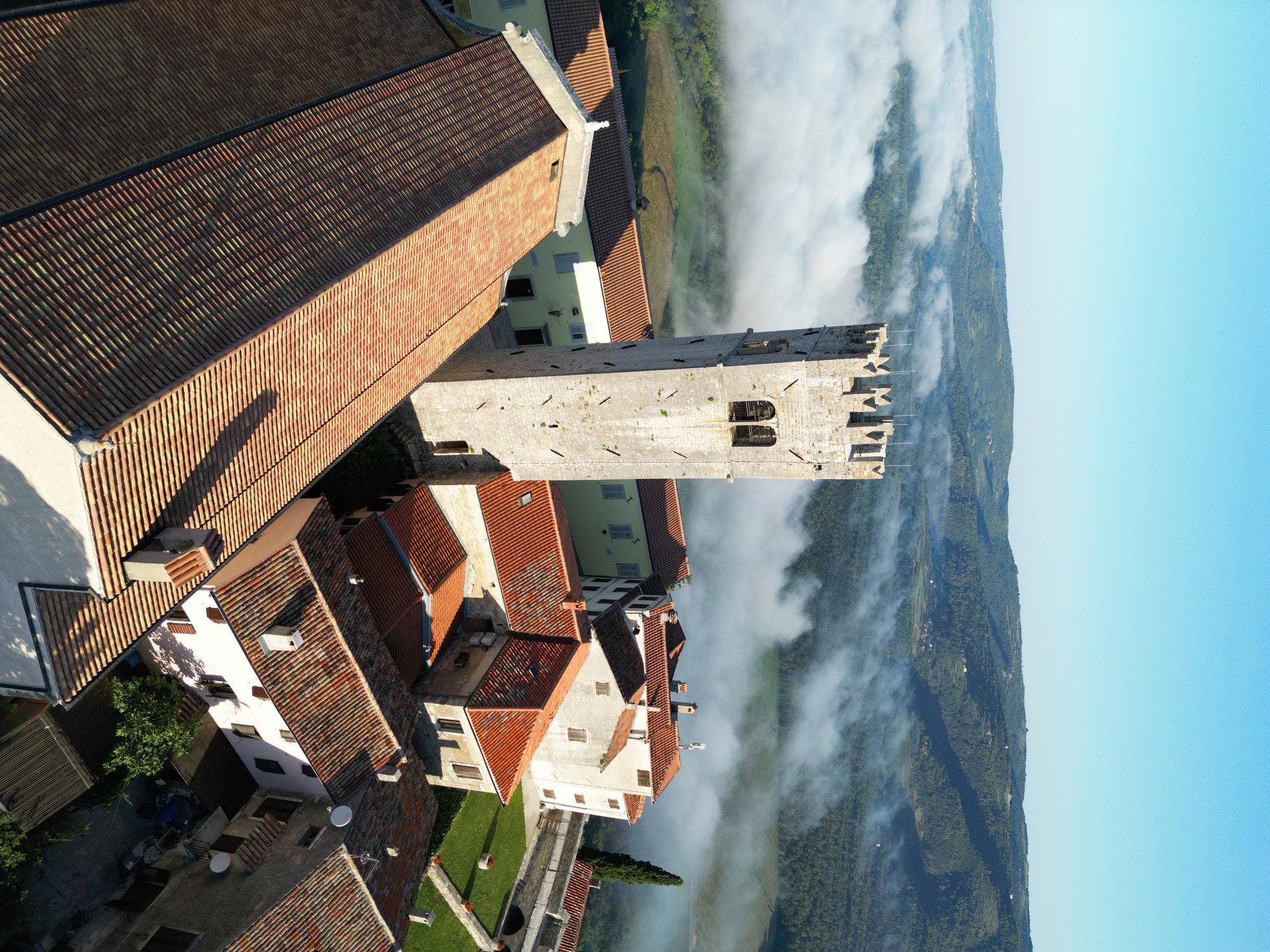
Inland Istria changes register quickly: the coast falls away, the hills tighten, olive trees begin to share the frame with vineyards, and Buje becomes less a stop on a wine route than a useful reading of the peninsula’s agricultural interior. Clai belongs to that setting. The estate works from a rural Istrian frame of vines, olive groves and village scale, where the point is not polished tourism infrastructure but the link between soil, farming and glass.
That context matters because Istrian wine is not only a story of seaside holidays and crisp whites. Around Buje, the more serious conversation runs through white limestone flysch, native grapes and the tension between Adriatic freshness and inland ripening. Clai has become part of the small-producer argument for Istra as a region of texture and structure, not just easy-drinking coastal refreshment. The estate’s price level sits in the premium tier for the area, but the logic is agricultural before it is decorative: about 10 hectares of vineyards, 5 hectares of olive trees, organic farming and artisanal scale rather than volume.
White soil, sea air and the Istrian argument for texture
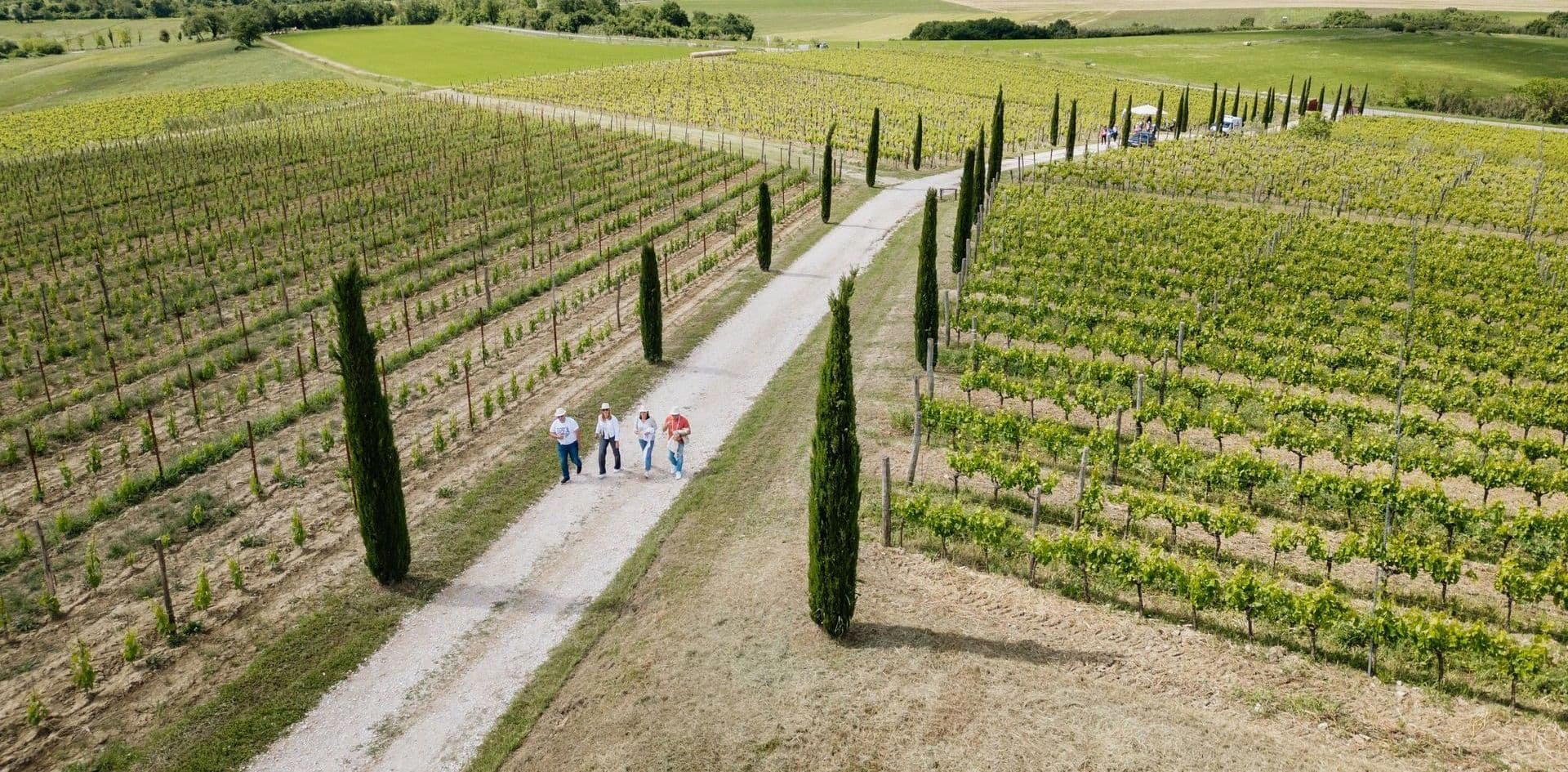
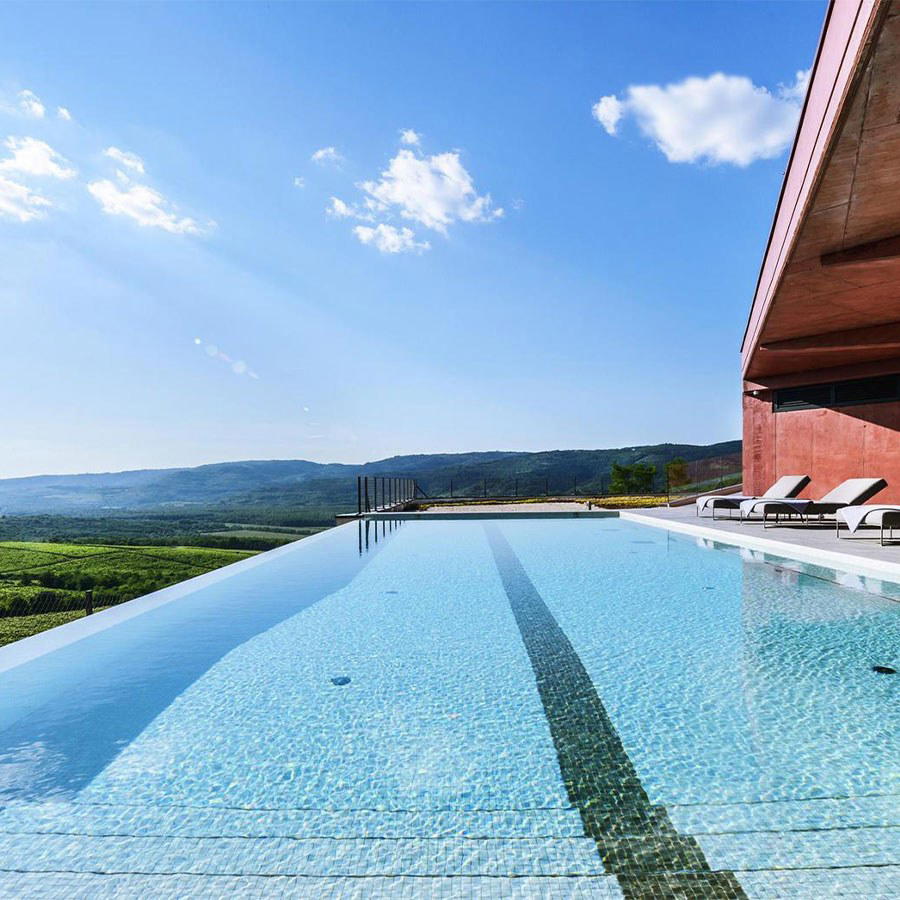
The land here gives the wines their critical frame. The vineyards sit around 200 metres above sea level in northern Istria, with Adriatic influence close enough to moderate heat and preserve freshness. The soil is the local Bijele Zemlje, or white soil, a limestone flysch terrain associated with drainage, low fertility and a tighter mineral line in the region’s wines. In a warmer Mediterranean zone, that combination is not a footnote; it is the mechanism that keeps ripeness from becoming heaviness.
Clai’s importance in Buje rests on how directly it connects that terrain to native varieties. Malvazija Istarska, Refošk and Teran anchor the Istrian identity, while Sauvignon Blanc, Pinot Gris, Cabernet Sauvignon and Merlot give the cellar room for blending. That mix says something about the region itself: autochthonous grapes carry the cultural signal, but Istria has long been a borderland, close to Italian and Slovenian influence, and its stronger wineries often work with a broader palette than visitors expect.
The farming choices sharpen the argument. The estate is planted at a high density of 5,700 vines per hectare, with low yields and estate-grown fruit rather than purchased grapes. Organic viticulture is central to the production model, with vineyards managed without chemical products, herbicides or insecticides. For travellers interested in natural wine, that matters less as a label than as a set of consequences: lower intervention begins in the vineyard, not in the sales language around the bottle.
Natural winemaking without turning the estate into theatre
Croatia’s natural-wine scene has expanded, but the stronger producers tend to avoid making the method the whole performance. Clai fits that more disciplined side of the category. Grapes are fermented spontaneously on skins, without commercial yeast, enzymes or added malolactic bacteria, then aged on lees in large wooden barrels of various sizes. After two years, bottling takes place without micro or sterile filtration. The wines are made without fining agents, with grapes and a small amount of sulphur forming the essential intervention list.
That cellar language matters because Istria’s serious whites and orange wines can be misunderstood by travellers expecting neutral, chilled coastal whites. Skin contact, lees aging and unfiltered bottling shift the experience toward grip, texture and savoury structure. The reds, built around varieties such as Refošk and Teran alongside international grapes, belong to a different regional conversation: acidity, firmness and earth rather than soft, anonymous Mediterranean fruit.
The estate’s recent leadership also signals continuity without making biography the main story. Dimitri Clai is listed as winemaker in the current estate information, while the broader Clai name remains tied to Giorgio Clai’s late-1990s role in pushing Istrian wine toward organic farming, low yields and more ambitious natural production. In the Croatian context, that is the useful credential: a producer associated with the move from regional promise to cellar seriousness.
For a wider Buje wine route, Clai reads differently from estates where hospitality architecture or larger visitor systems dominate the impression. Nearby planning can reasonably include Bastian, Franković Winery, Giorgio Clai, Kabola Winery and Kozlović, though the better comparison is not a ranking exercise. The distinction is philosophical: Clai’s appeal is strongest for drinkers who want the vineyard and cellar choices to be legible in the glass.
How to use Clai in a Buje itinerary
The estate works for a slower northern-Istrian day rather than a checklist approach. Its setting is quiet, rural and small in scale, with outdoor space and vineyard-focused tastings forming the natural rhythm. The visit type is by reservation, and the format suits wine education, solo exploration, couples and small group outings better than families with children. On-site parking keeps the logistics simple once in Buje, and casual dress is enough for the estate mood.
The absence of food pairing as a core feature is not a weakness here. It keeps attention on the wine, olive-grove setting and production choices. Travellers building a fuller day should treat Buje as a base for several categories rather than only a cellar crawl: Our full Buje restaurants guide, Our full Buje hotels guide, Our full Buje bars guide, Our full Buje wineries guide and Our full Buje experiences guide are the better planning frame.
Clai’s broader relevance is also easier to see when placed against Croatia’s spread of small wine regions. A traveller looking beyond Istria might put it alongside inland and coastal producers such as Adzic in Kutjevo, Ante Sladić Vino in Skradin and Arman Marijan Winery in Vizinada, or compare the Central European natural-wine conversation with »der Steiner« Hans Steiner in Podersdorf am See and & Handwein in Mannheim. The reason to come to Buje, however, remains specific: Istria’s limestone, sea air and native grapes have a voice of their own, and Clai is one of the clearer places to hear it.
Recognition history
Dated appearances from independent guides and award organizations, with the underlying list record or original source where available.
Falstaff Winery - Listed
Falstaff
Clai
Featured Guides
Continue exploring
More in Buje
Wineries in Buje
Browse all →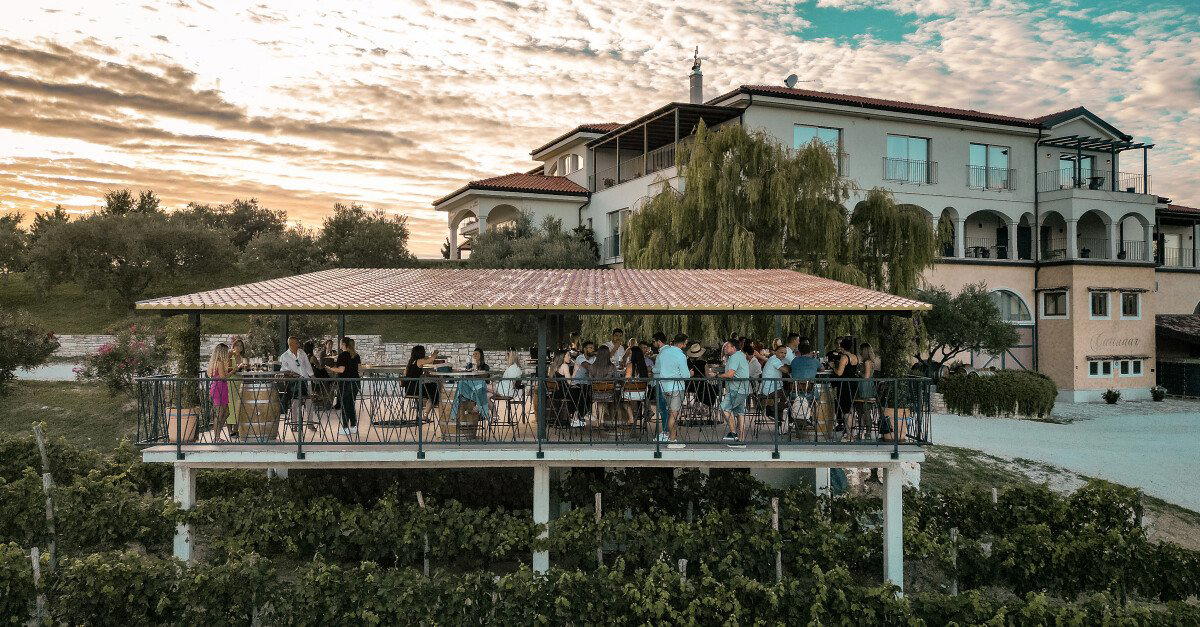
Bars in Buje
Browse all →
Restaurants in Buje
Browse all →
Details
- Rustic
- Scenic
- Classic
- Intimate
- Romantic Getaway
- Group Outing
- Solo Exploration
- Wine Education
- Special Occasion
- Estate Grounds
- Vineyard Tour
- Private Tasting
- Organic
- Vineyard
- Still Red
- Still White
- Orange
- Sparkling
- Estate Tasting
- Vineyard Visit
- Group Booking
Rural Istrian estate setting with vineyards and olive groves around a small village; atmosphere centers on nature, terroir, and relaxed tastings rather than formal tourism infrastructure, giving a rustic yet refined feel.