On a quiet residential street in Gràcia, La Muriel occupies a corner of Barcelona that feels removed from the tourist circuit without being inaccessible. The neighbourhood sets the register before you step inside: local, unhurried, and specific. For visitors tracing Barcelona's dining scene beyond its Michelin-starred tier, La Muriel offers an entry point into the quarter's more grounded eating culture.
Pearl is the En Primeur Club membership app — saves, bookings, and concierge access live there. Same editors, same standards.
- Address
- Carrer de Verntallat, 30, Gràcia, 08024 Barcelona, Spain
- Phone
- +34936018800
- Website
- opentable.com
- Directions
- Get directions
 Saves & bookings on Pearl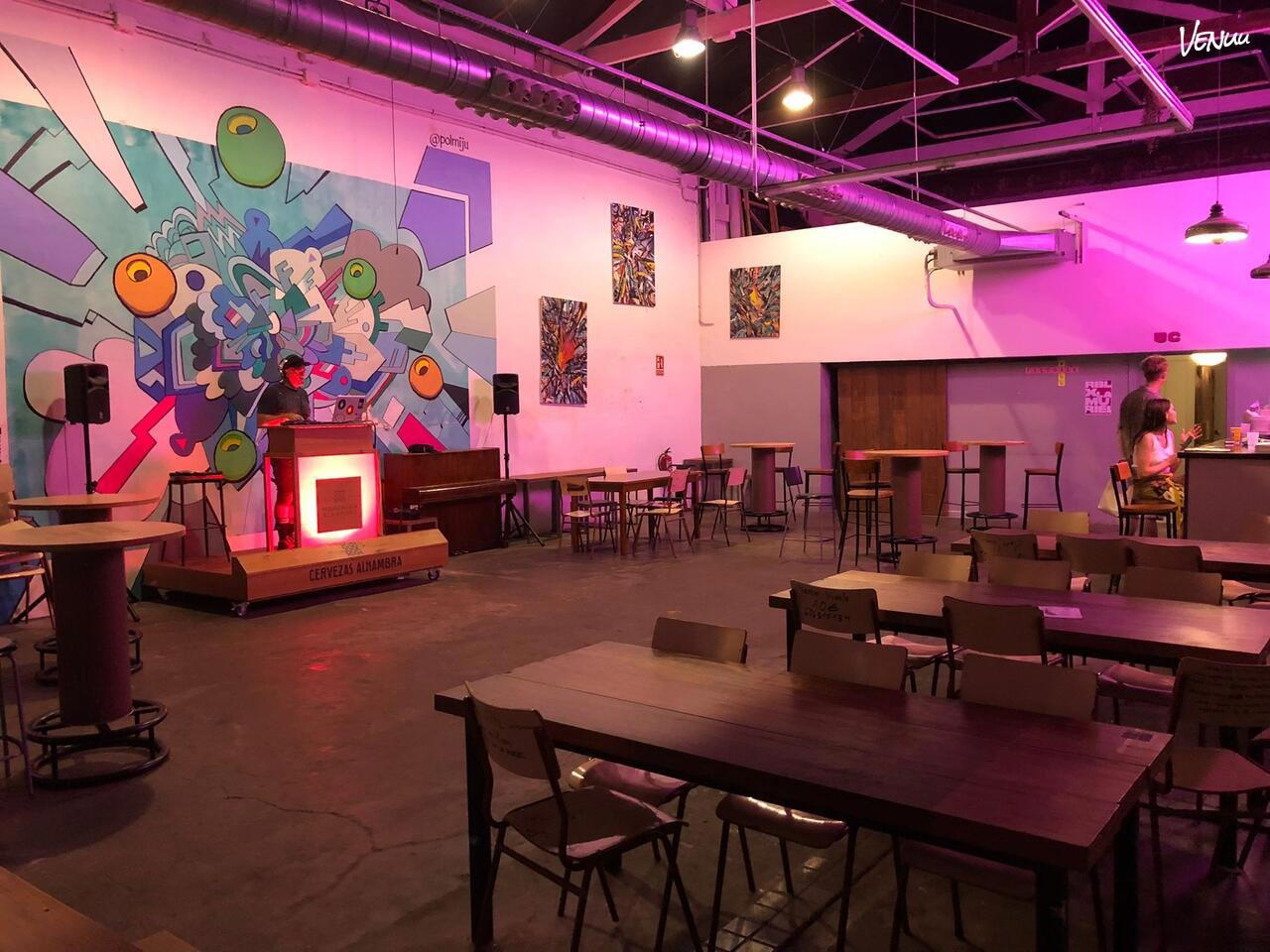
A Street in Gràcia That Sets the Tone
Gràcia operates on different rhythms than the Gothic Quarter or Eixample. The streets are narrower, the pace slower, and the ambient sounds shift from tourist crowds to the unremarkable domesticity of a working neighbourhood: deliveries, schoolchildren, the hiss of a coffee machine through an open door. Carrer de Verntallat, where La Muriel sits at number 30, is precisely this kind of street. It does not announce itself. The building does not perform. That restraint is part of what gives Gràcia its dining credibility among locals who have long treated the barrio as a refuge from the more theatrical restaurant culture closer to the waterfront.
Barcelona's restaurant scene has bifurcated sharply over the past decade. At one end, the city holds some of Spain's most technically demanding kitchens: Disfrutar (Progressive, Creative), Cocina Hermanos Torres (Creative), Lasarte (Progressive Spanish, Creative), ABaC (Creative), and Enigma (Creative) all operate at the €€€€ tier with tasting menus that function as structured arguments about Spanish cuisine. At the other end sits an enormous informal stratum of tapas bars, bodegas, and neighbourhood restaurants that do not seek recognition and do not need it. La Muriel occupies a position in that second world, within a neighbourhood known for independent dining and a local regulars' scene.
What the Atmosphere Communicates
In Gràcia, the physical environment of a restaurant tends to do a lot of communicative work. The quarter's dining rooms are typically small, the ceilings low, the light warm but not engineered. This is not the studied minimalism of a design-led hotel restaurant; it is the accumulated character of a room that has been used. The sounds in this kind of space are the sounds of actual conversation rather than a curated soundtrack. You hear the kitchen. You hear your neighbours at the next table. The smell of the room tells you what the kitchen is working with before the menu arrives.
This sensory directness is a defining quality of the neighbourhood category La Muriel belongs to. Across Spain's mid-tier dining culture, from the pintxo bars of San Sebastián to the market restaurants of Valencia, the leading rooms in this register share an unpretentious physical honesty. They are not trying to simulate an experience; they are delivering one that has been refined through repetition. Spain's broader fine-dining circuit, which includes El Celler de Can Roca in Girona, Mugaritz in Errenteria, and Arzak in San Sebastián, thrives in part because there is a strong neighbourhood-level ecosystem beneath it keeping expectations calibrated and appetites honest.
Gràcia as a Dining Neighbourhood
The barrio has a particular role in Barcelona's food map. It draws a mix of long-term residents, younger professionals, and visitors who are specifically avoiding the concentration of tourist infrastructure in the central districts. The result is a dining culture that is neither fully local nor tourist-facing, but occupies a productive middle ground where the standards are set by the neighbourhood's own residents. Restaurants that survive here do so because they are genuinely used, not because they have captured search traffic or a brief wave of social media attention.
This dynamic is not distinctive to Barcelona. In Madrid, similar neighbourhood dynamics play out in Malasaña and Lavapiés. In València, the areas surrounding the central market operate on comparable logic. What distinguishes Gràcia is the density of independently operated places relative to the size of the neighbourhood, and the degree to which the local population is actively engaged as a dining public rather than a passive audience. For context on Spain's wider dining map, the country's most decorated kitchens range from Aponiente in El Puerto de Santa María and Quique Dacosta in Dénia along the coast, to Azurmendi in Larrabetzu, Martin Berasategui in Lasarte-Oria, and DiverXO in Madrid in the interior. The neighbourhood restaurant, unglamorous and specific, anchors the base of that whole structure.
Reading the Room Correctly
For visitors arriving at the restaurant's address on Carrer de Verntallat, the correct frame is the one the neighbourhood itself suggests: arrive without elaborate expectations about ceremony or spectacle, and pay attention to what is in front of you. Barcelona's most satisfying neighbourhood meals tend to be the ones where the diner is not performing the act of eating at a destination, but simply eating in a place that knows what it is doing. The kitchen's relationship with its local customer base, built over regular service rather than high-profile press coverage, is the relevant credential here.
For those building a broader itinerary around Spanish dining, Ricard Camarena in València and Atrio in Cáceres represent the kind of regionally specific excellence that complements a Barcelona visit. Internationally, the structured tasting-menu format that Barcelona's leading kitchens favour has parallels at places like Le Bernardin in New York City and Atomix in New York City, though the neighbourhood-level eating that Gràcia offers has no direct equivalent in that register. See our full Barcelona restaurants guide for a structured overview of the city's dining tiers.
Know Before You Go
| Address | Carrer de Verntallat, 30, Gràcia, 08024 Barcelona, Spain |
|---|---|
| Neighbourhood | Gràcia |
| Price Range | About €25 per person |
| Booking | Reservations are recommended. |
| Hours | Wed: 7 PM-12 AM; Thu: 7 PM-12 AM; Fri: 5 PM-1 AM; Sat: 12:30 PM-1 AM; Sun: 12:30-11 PM |
Cuisine and Recognition
Comparable venues nearby, for context on price, style, and recognition.
| Venue | Cuisine | Price | Notes |
|---|---|---|---|
| La MurielThis venue — the venue you are viewing | Modern Spanish Tapas with Cultural Events | $$ | Not listed |
| El Pintxo De Petritxol | Authentic Basque Pintxos & Spanish Tapas | $$ | Barri Gotic |
| Restaurant Amaya | Traditional Basque and Mediterranean | $$ | Barri Gotic |
| El Glop Gaudí | Traditional Catalan | $$ | la Sagrada Familia |
| La Barra del 7 Portes | Traditional Catalan Tapas | $$ | Sant Gervasi - Galvany |
| La Terrasseta del Lesseps | Spanish Tapas & Mediterranean Café | $$ | Vallcarca i els Penitents |
Continue exploring
More in Barcelona
Restaurants in Barcelona
Browse all →
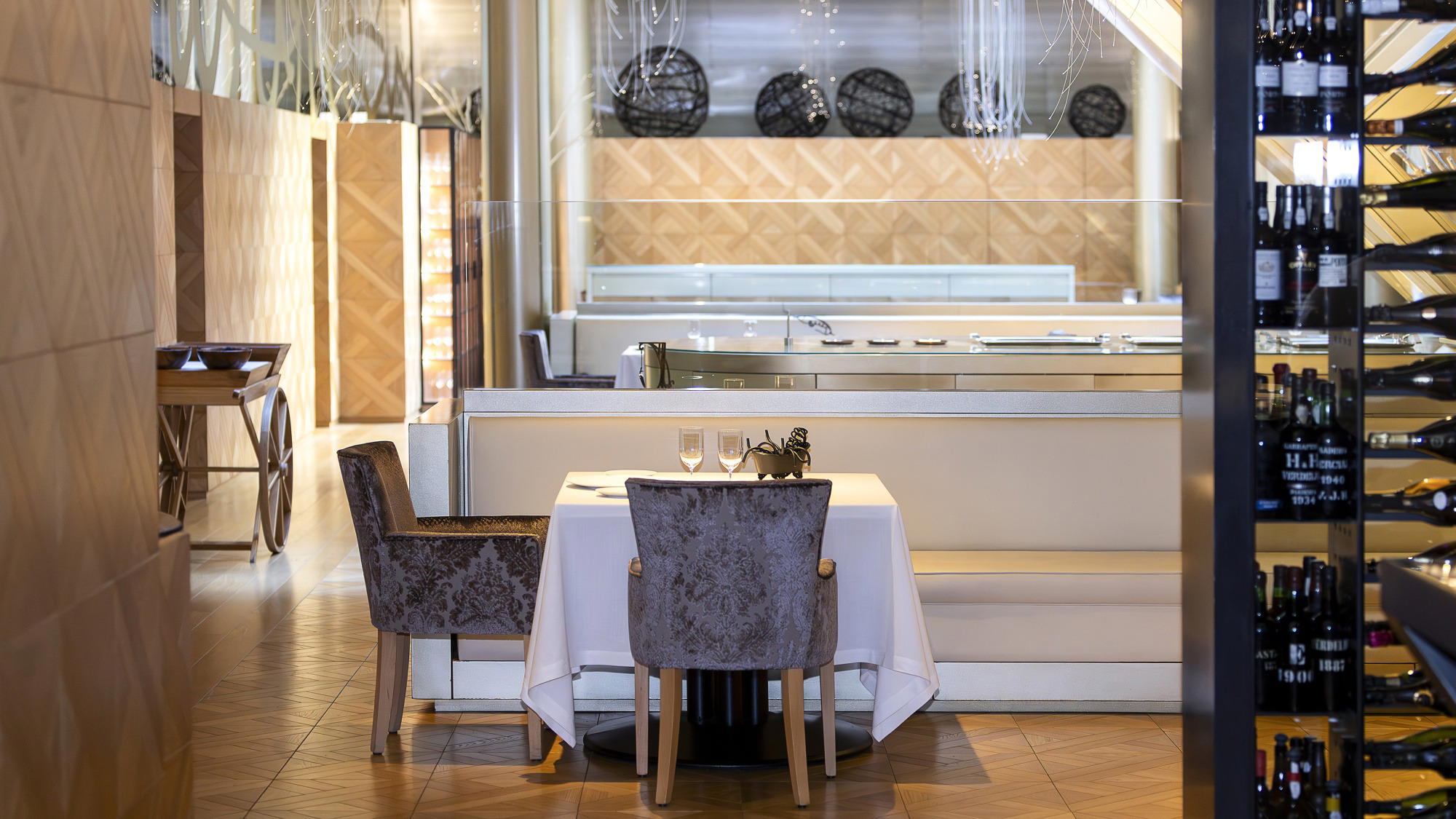
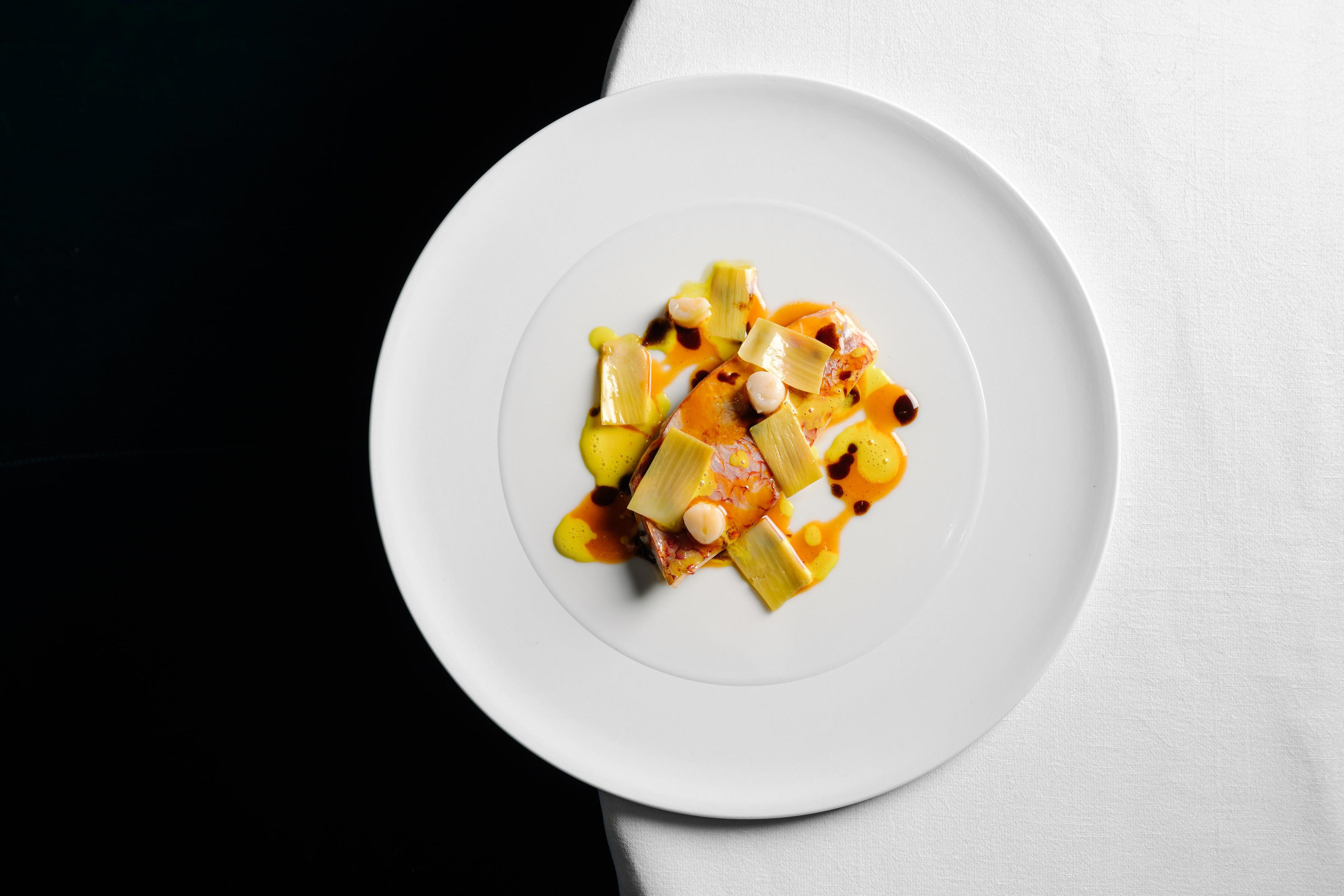
Bars in Barcelona
Browse all →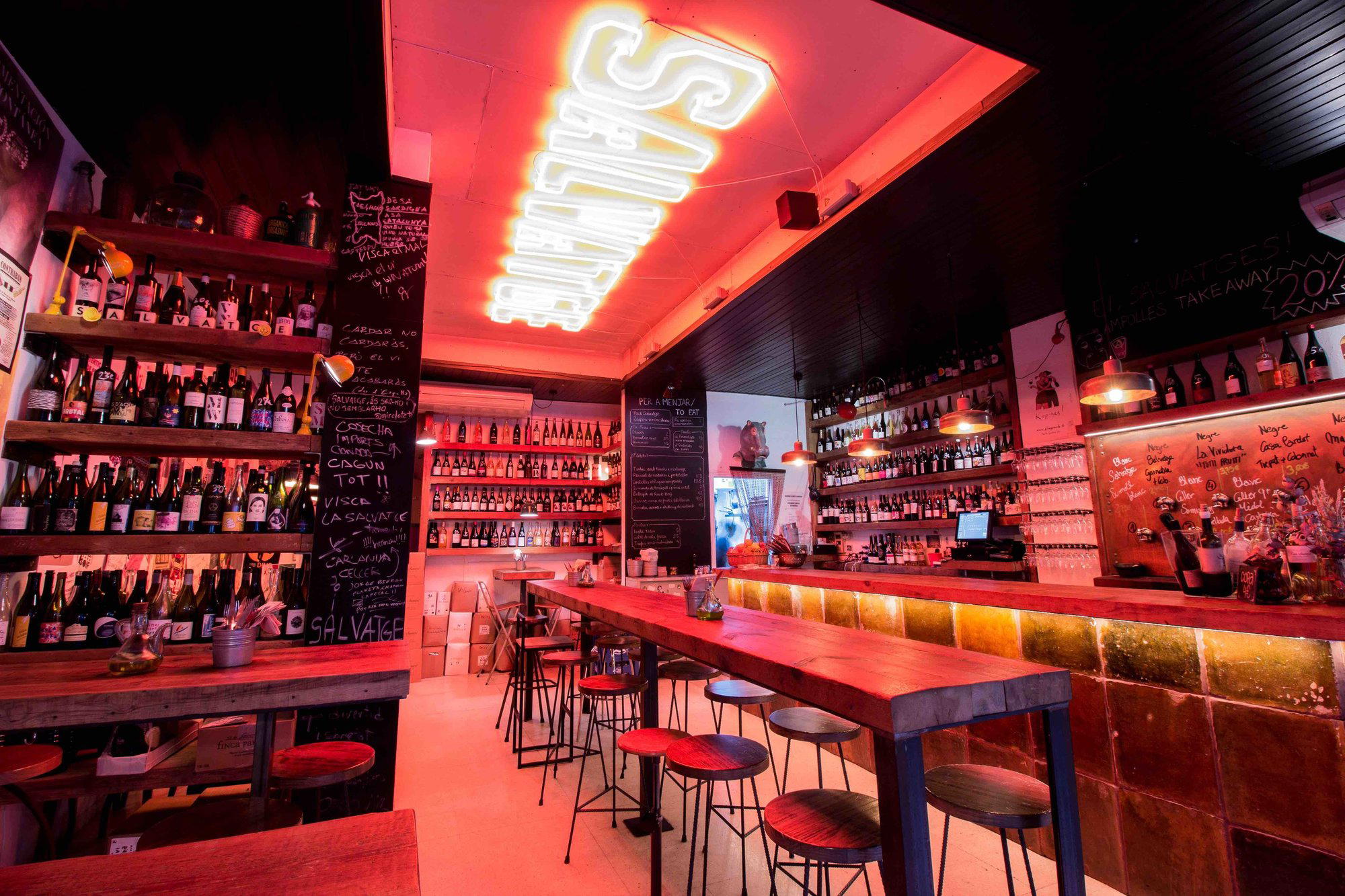
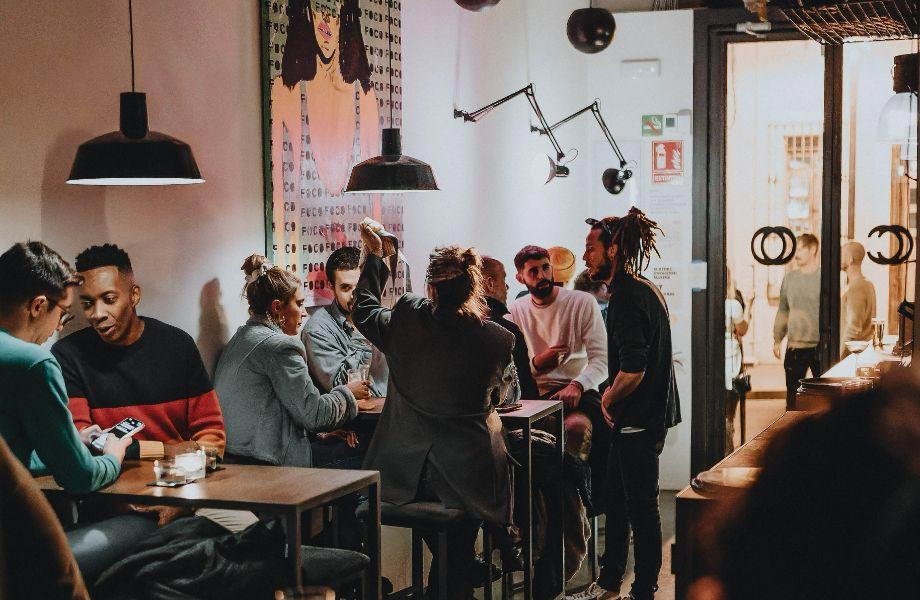
Hotels in Barcelona
Browse all →
At a Glance
- Lively
- Industrial
- Trendy
- Cozy
- Casual Hangout
- Date Night
- Special Occasion
- Live Music
- Open Kitchen
- Extensive Wine List
- Craft Cocktails
- Local Sourcing
Current opening hours
- Monday
- Closed
- Tuesday
- Closed
- Wednesday
- 7 PM–12 AM
- Thursday
- 7 PM–12 AM
- Friday
- 5 PM–1 AM
- Saturday
- 12:30 PM–1 AM
- Sunday
- 12:30–11 PM
Hours can change for holidays and private events. Last verified .
Grunge-industrial atmosphere with lively energy from live music, jazz sessions, and cultural events.