On La Rambla's most-walked stretch in Ciutat Vella, Restaurant Amaya occupies a position where Barcelona's tourist current and its older Basque dining tradition converge. The address places it in one of the city's highest-footfall corridors, yet the kitchen draws on a culinary lineage rooted well north of Catalonia. For visitors calibrating between local creative tasting menus and something more rooted in Spain's broader dining culture, Amaya offers a different register entirely.
Pearl is the En Primeur Club membership app — saves, bookings, and concierge access live there. Same editors, same standards.
- Address
- La Rambla, 20-22, Ciutat Vella, 08002 Barcelona, Spain
- Phone
- +34933026138
- Website
- restauranteamaya.com
- Directions
- Get directions
 Saves & bookings on Pearl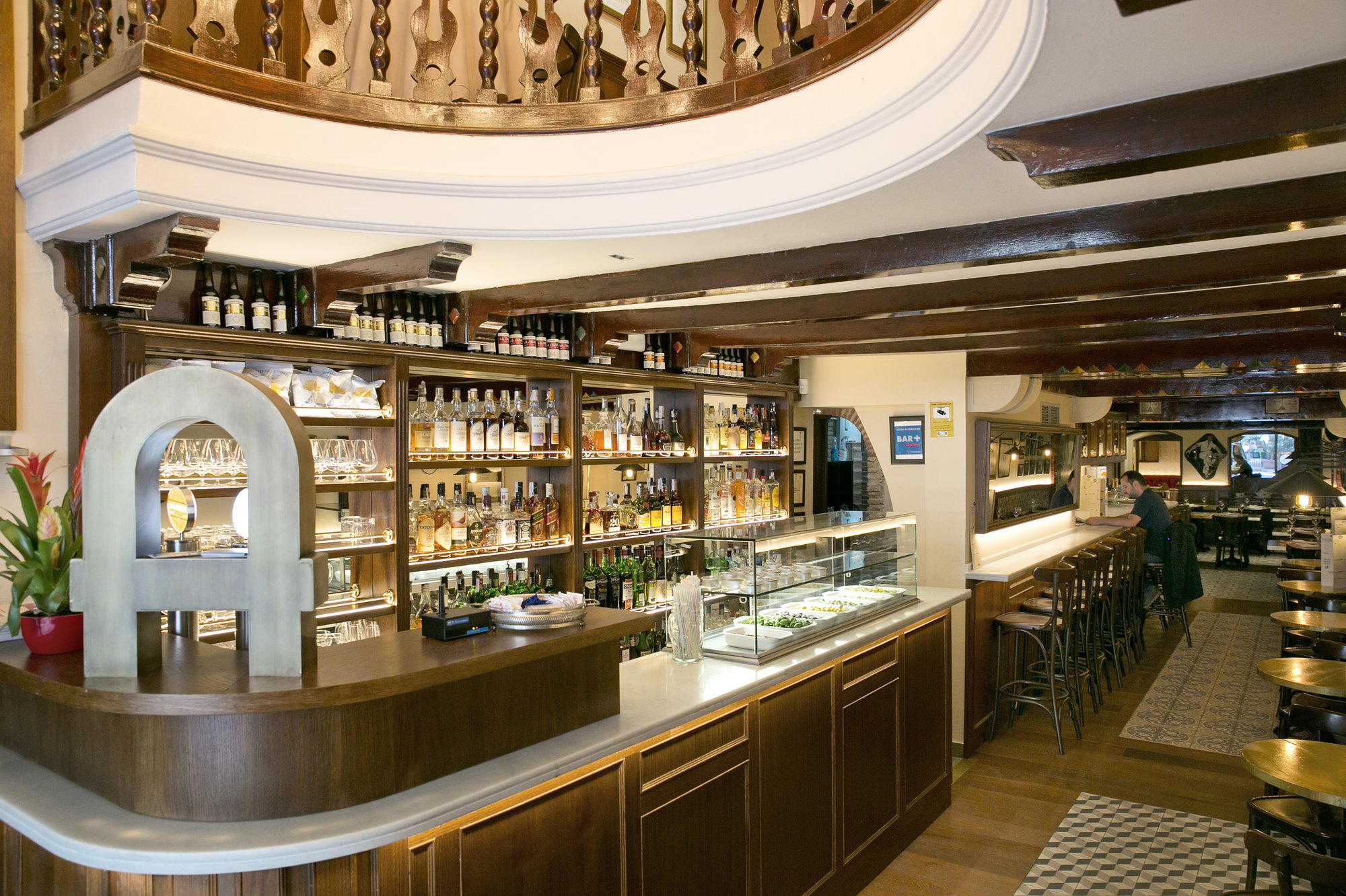
La Rambla and the Basque Dining Thread in Barcelona
La Rambla is one of Europe's most relentlessly trafficked streets, and most serious dining discussions in Barcelona treat it as geography to cross rather than a destination in itself. The serious creative tasting-menu circuit, Disfrutar, Enigma, ABaC, sits in Eixample, Gràcia, or further out. What La Rambla does carry, buried beneath the souvenir stalls and pavement cafés, is the occasional institution that pre-dates the city's current fine-dining identity. Restaurant Amaya at numbers 20-22 is one of those addresses.
The cultural roots here are Basque, not Catalan. That distinction matters more than it might initially seem. Basque cuisine, the tradition that produced Arzak in San Sebastián and shaped the competitive environment that later gave Spain so many of its highly ranked tables, operates from a different pantry and a different set of values than the market-driven, Catalan-identity cooking that defines Barcelona's current critical conversation. The pintxo counter, the salt cod preparations, the long-simmered sauces: these are signals of a culinary culture that arrived in Barcelona with Basque migration and settled into a small number of addresses that have held their ground across decades.
The Setting: A Rambla Address That Reads Against Type
Approaching from the Plaça de Catalunya end, the building sits in Ciutat Vella's dense lower grid. The address, La Rambla, 20-22, puts it within a few blocks of the Liceu opera house and the entrance to the Barri Gòtic, in a section of the boulevard that carries heavy pedestrian pressure year-round. Interiors at this kind of address tend toward either the tourist-facing simplicity of a café or the deliberate insulation of a room that has decided not to engage with what's happening outside.
Seasonally, the Rambla corridor shifts its character in ways that affect the surrounding dining scene. Summer brings the highest international footfall; late autumn and winter thin the tourist density considerably, and the remaining clientele skews more toward residents and business travelers who know where they are going. A Basque-rooted restaurant with a fixed address and a clientele that has been coming for years reads differently in November than in August, and both readings are genuine.
Basque Cooking in the Catalan Context
Spain's most-awarded restaurant tables are spread across its geography in a way that defies any single regional claim. El Celler de Can Roca in Girona is Catalan. Martin Berasategui operates from Lasarte-Oria in the Basque Country. Azurmendi in Larrabetzu and Mugaritz in Errenteria both represent a Basque tradition of pushing formal cooking far beyond its own regional limits. In Barcelona, the Catalan creative tradition has dominated the critical narrative, but the Basque presence in the city's restaurant culture is older in some cases and more quietly persistent.
What Basque cooking brings to a Barcelona context is a different relationship to the sea and to time. Salt cod, bacalà in Catalan, bacalao in Castilian, is a shared reference point, but the Basque preparations are their own canon: pil-pil, the emulsified sauce built from gelatin released by slow movement through oil, is a technique that requires patience and a specific understanding of what the fish gives up under controlled heat. These are not quick preparations, and a kitchen that maintains them is making a statement about where it locates its identity.
That stands in contrast to what Barcelona's most-discussed creative tables are doing. Cocina Hermanos Torres and Lasarte operate within the tasting-menu format and the kind of technical ambition that aligns with the broader Spanish avant-garde lineage. Disfrutar, with its elBulli alumni kitchen, represents one end of that spectrum. Amaya, if it holds its Basque-rooted positioning, represents a different conversation entirely, one about cooking that arrived in Barcelona as an immigrant tradition and remained because it was good enough to stay.
Positioning Within Barcelona's Dining Tiers
Barcelona's restaurant scene has stratified sharply over the past decade. The leading creative tier, venues competing for Michelin recognition and 50 Best placement, operates at price points and booking timelines that place them in a separate category from mid-market dining. Spain's broader fine-dining circuit, which runs from DiverXO in Madrid to Aponiente in El Puerto de Santa María to Quique Dacosta in Dénia, is broadly legible to the international visitor. What sits below that tier in Barcelona is less mapped by international criticism, and that gap includes a range of addresses with real depth and no particular interest in the award cycle.
For a visitor calibrating options, the comparison with Ricard Camarena in València or Atrio in Cáceres is less useful than understanding what a Basque-lineage restaurant on La Rambla is and is not. It is not a tasting-menu destination in the current creative mode. It is not competing with Le Bernardin in New York for the same kind of attention, nor with Atomix for the same diner. What it offers is a specific culinary tradition maintained at a specific address in a city that has largely moved its critical attention elsewhere. That positioning is neither a weakness nor a marketing point; it is simply what the address is.
For the full range of Barcelona's dining options, see our full Barcelona restaurants guide.
Planning Your Visit
| Venue | Cuisine Type | Price Tier | Booking Lead Time | Format |
|---|---|---|---|---|
| Restaurant Amaya | Basque / Traditional Spanish | Not confirmed | Not confirmed | Not confirmed |
| Cocina Hermanos Torres | Creative | €€€€ | Several weeks | Tasting menu |
| Disfrutar | Progressive, Creative | €€€€ | Months in advance | Tasting menu |
| Lasarte | Progressive Spanish, Creative | €€€€ | Several weeks | Tasting menu / à la carte |
Nearby-ish Comparables
Comparable venues nearby, for context on price, style, and recognition.
| Venue | Cuisine | Price | Notes |
|---|---|---|---|
| Restaurant AmayaThis venue — the venue you are viewing | Traditional Basque and Mediterranean | $$ | Not listed |
| Bodega Pasaje 1986 | Traditional Spanish Tapas Bodega | $$ | la Marina de Port |
| Tramendu El caliu de la brasa | Traditional Catalan Grill | $$ | la Bordeta |
| Casa Pepi | Traditional Spanish Tapas | $$ | el Clot |
| Santa Magdalena | Traditional Catalan | $$ | la Vila de Gracia |
| Ca l'Agut | Traditional Catalan | $$ | Barri Gotic |
Continue exploring
More in Barcelona
Restaurants in Barcelona
Browse all →
Bars in Barcelona
Browse all →
Hotels in Barcelona
Browse all →
At a Glance
- Classic
- Cozy
- Casual Hangout
- Group Dining
- Terrace
- Private Dining
- Street Scene
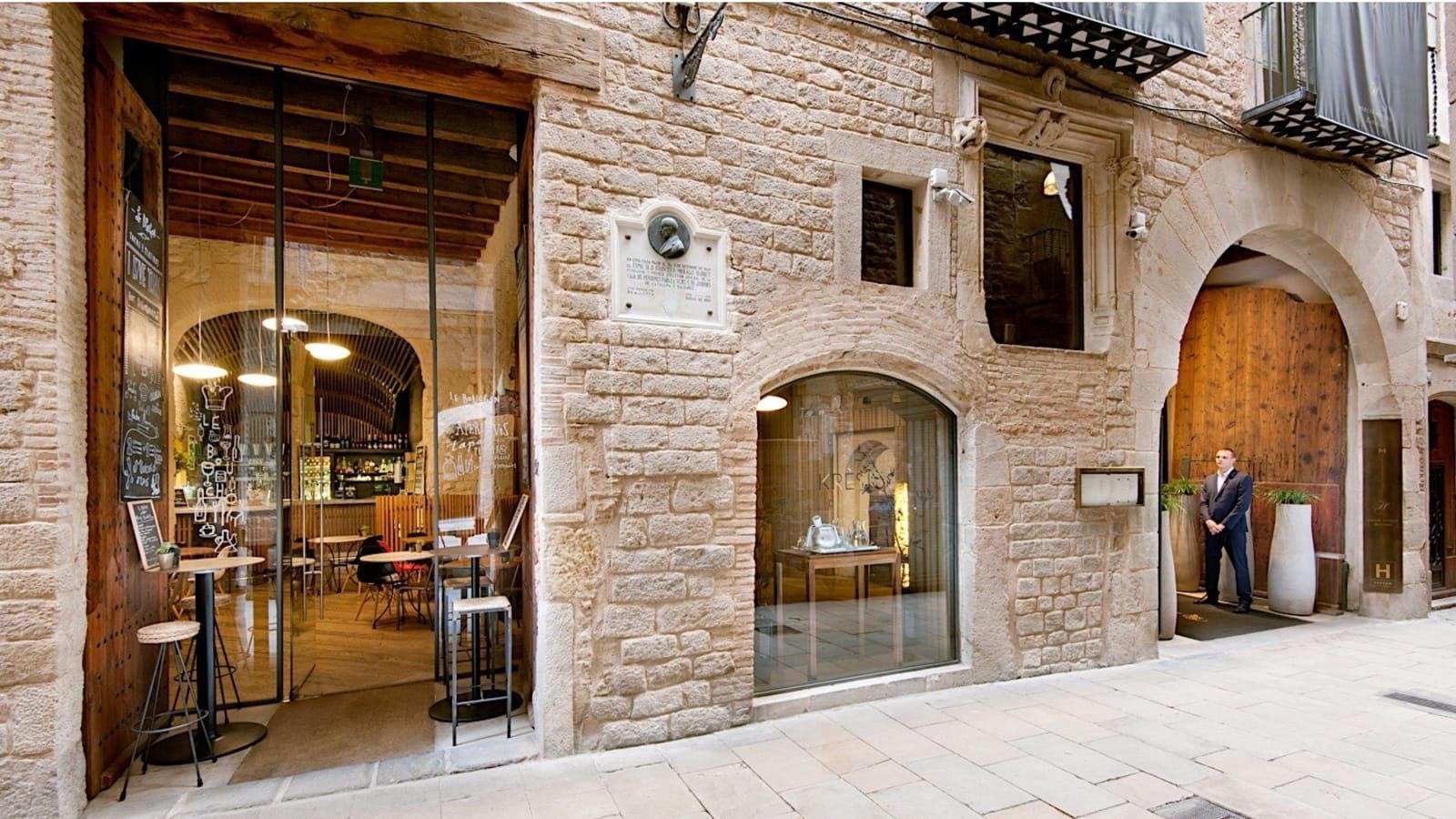
Cozy family atmosphere with renovated appearance, traditional and emblematic setting.